



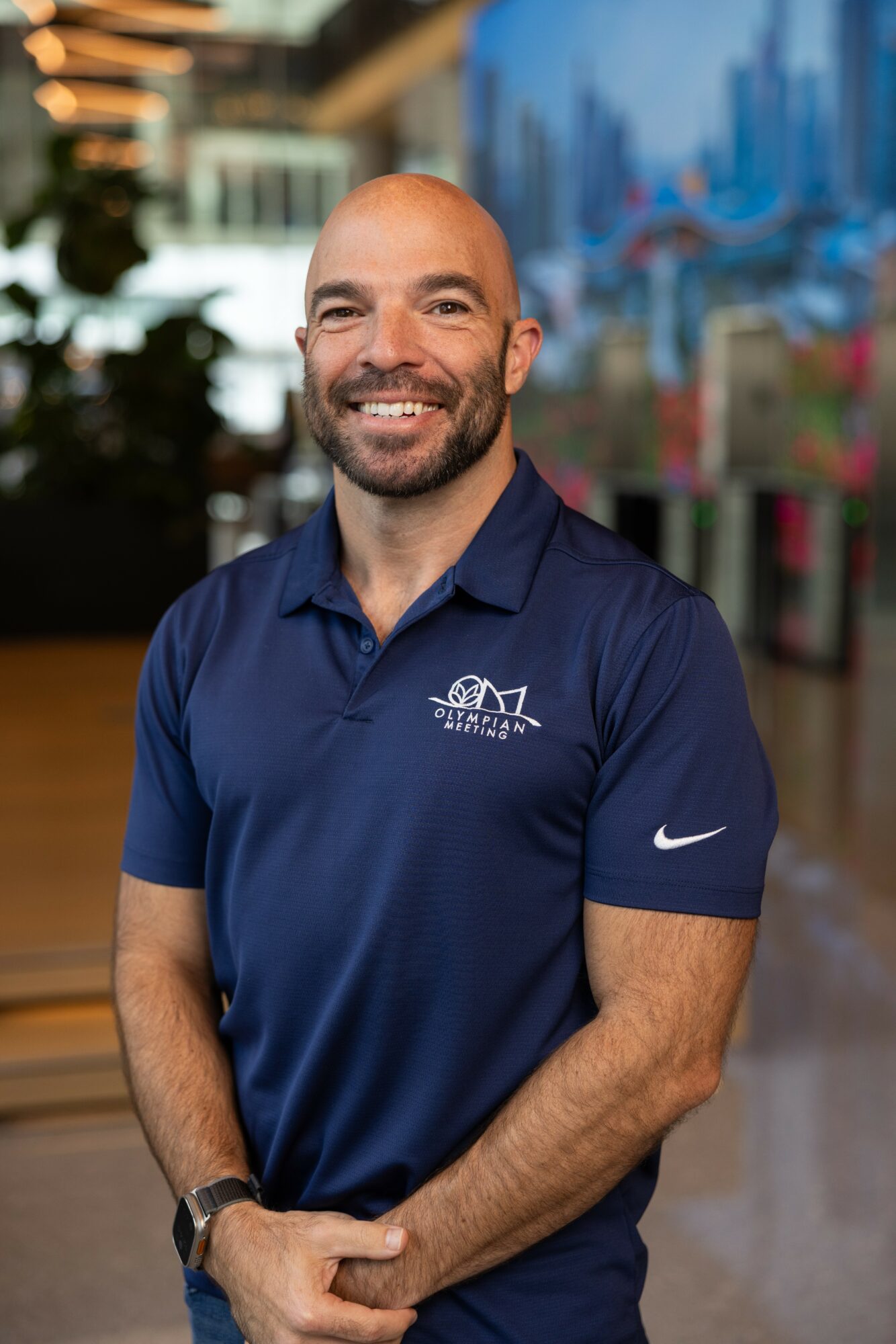
Today we’d like to introduce you to David T Stevens
Hi David T, so excited to have you on the platform. So before we get into questions about your work-life, maybe you can bring our readers up to speed on your story and how you got to where you are today?
My journey into the events industry wasn’t exactly a straight line, but looking back, every step made sense. I started my career over 20 years ago, working in media and live entertainment before expanding into corporate, agency, and association events. I’ve always been drawn to the high-energy, fast-paced nature of this industry—the ability to create experiences that bring people together, inspire action, and leave a lasting impact.
Early in my career, I realized that event professionals operate under an extreme level of stress, often prioritizing their attendees’ experiences over their own well-being. I saw firsthand how the long hours, constant travel, and high expectations took a toll—not just on physical health but also on mental well-being. As someone who has always valued fitness and personal wellness, I started to integrate that perspective into my work.
This focus led me to co-found Olympian Meeting, a consulting firm dedicated to integrating wellness into meetings and incentives. Through my work, I’ve developed strategies to prove that prioritizing wellness—whether it’s through movement, nutrition, or mental health—doesn’t just enhance the attendee experience; it leads to better engagement, improved productivity, and ultimately a stronger ROI for events.
Alright, so let’s dig a little deeper into the story – has it been an easy path overall and if not, what were the challenges you’ve had to overcome?
If you do anything for 20 years it’s never going to be “smooth”. The first dot-com implosion is ultimately what pushed me into events full time after a layoff. Then in 2008 when the economy collapsed it was another layoff that pushed me back to events and taught me a lot which led to my move into corporate events. Then in 2020, we all know what happened and the events industry was decimated. but that’s what makes the journey worthwhile. But it also opened the door for conversations about mental health, hybrid experiences, and sustainability—things I’d been advocating for all along. The challenge became an opportunity to reshape the future of events with wellness at the core.
One of the biggest struggles with creating this category though has been shifting the mindset in the events industry. For years, wellness was seen as a “nice-to-have” rather than a business strategy. Convincing organizations that investing in attendee well-being leads to better engagement and ROI took time.
Personally, balancing my own wellness while managing high-pressure events has been a challenge. The long hours, constant travel, and expectations can be draining. I’ve had to be intentional about setting boundaries, prioritizing movement, and fueling myself properly—something we now teach others to do.
We’ve been impressed with Olympian Meeting, but for folks who might not be as familiar, what can you share with them about what you do and what sets you apart from others?
At Olympian Meeting, we focus on integrating wellness and sustainability into meetings, incentives, and events in a way that enhances both attendee experience and business outcomes. We specialize in wellness-driven event design, helping organizations create programs that boost engagement, productivity, and ROI—without sacrificing well-being.
What sets us apart is our holistic approach—we don’t just talk about wellness; we show how it can be seamlessly woven into an event, whether through mindful food choices, movement opportunities, sustainability practices, or optimizing schedules to prevent burnout. We back this up with data, having co-authored a white paper proving the financial impact of wellness-driven event strategies.
Brand-wise, I’m most proud of our ability to shift industry norms—wellness is no longer an afterthought; it’s a strategic advantage. Through our consulting, speaking engagements, and my web series, Return on Wellness, we help organizations see how taking care of their people leads to stronger connections, better performance, and more successful events.
For readers, the key takeaway is this: Your attendees’ well-being directly impacts your event’s success. If you’re not designing with wellness in mind, you’re leaving value on the table. We’re here to help you change that.
Do you have any advice for those looking to network or find a mentor?
Networking and mentorship have been game-changers for me, and I always encourage others to get involved in industry associations like MPI, PCMA, and Club Ichi—they’ve been instrumental in building my career. These organizations provide incredible opportunities to connect with like-minded professionals, stay ahead of industry trends, and find mentors who can help you grow.
My advice? Show up and engage. Don’t just attend events—volunteer, join committees, and contribute. That’s how you build real relationships. Some of my biggest career breakthroughs have come from being active in these groups and surrounding myself with people who challenge and inspire me.
For mentorship, don’t be afraid to reach out. Find someone whose career path aligns with your goals, and ask for guidance. Most industry leaders are willing to help if you show initiative. And mentorship goes both ways—some of my most valuable insights have come from conversations with peers and those newer to the industry.
Bottom line: Your network is your net worth. The more you invest in building relationships, the more opportunities will come your way. With associations, you get out of it, what you put into it.
Contact Info:
- Website: https://www.olympianmeeting.com
- Instagram: https://www.instagram.com/olympianmeeting/
- LinkedIn: https://www.linkedin.com/in/davidTstevens
- Youtube: https://www.youtube.com/@ReturnOnWellness
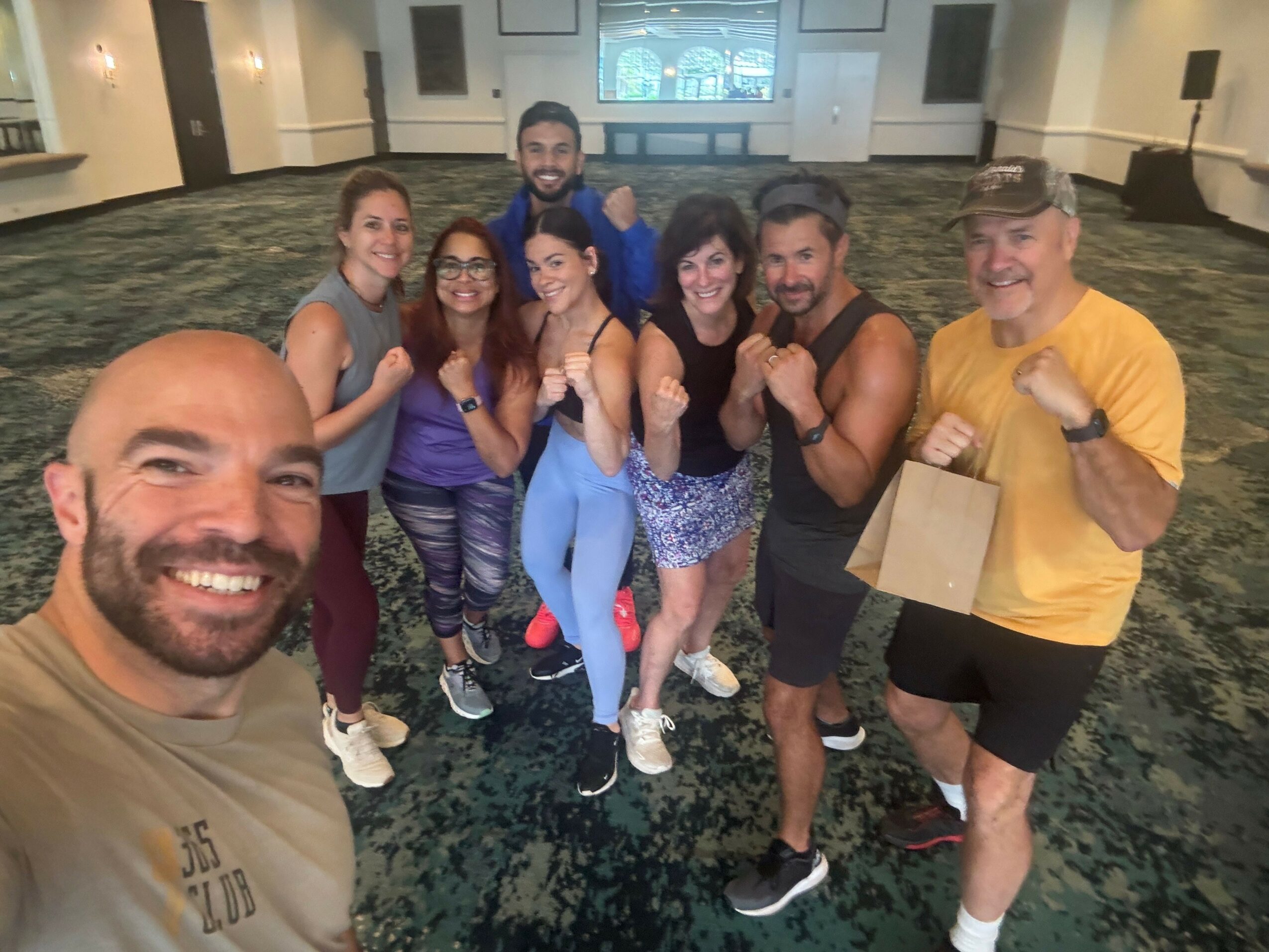

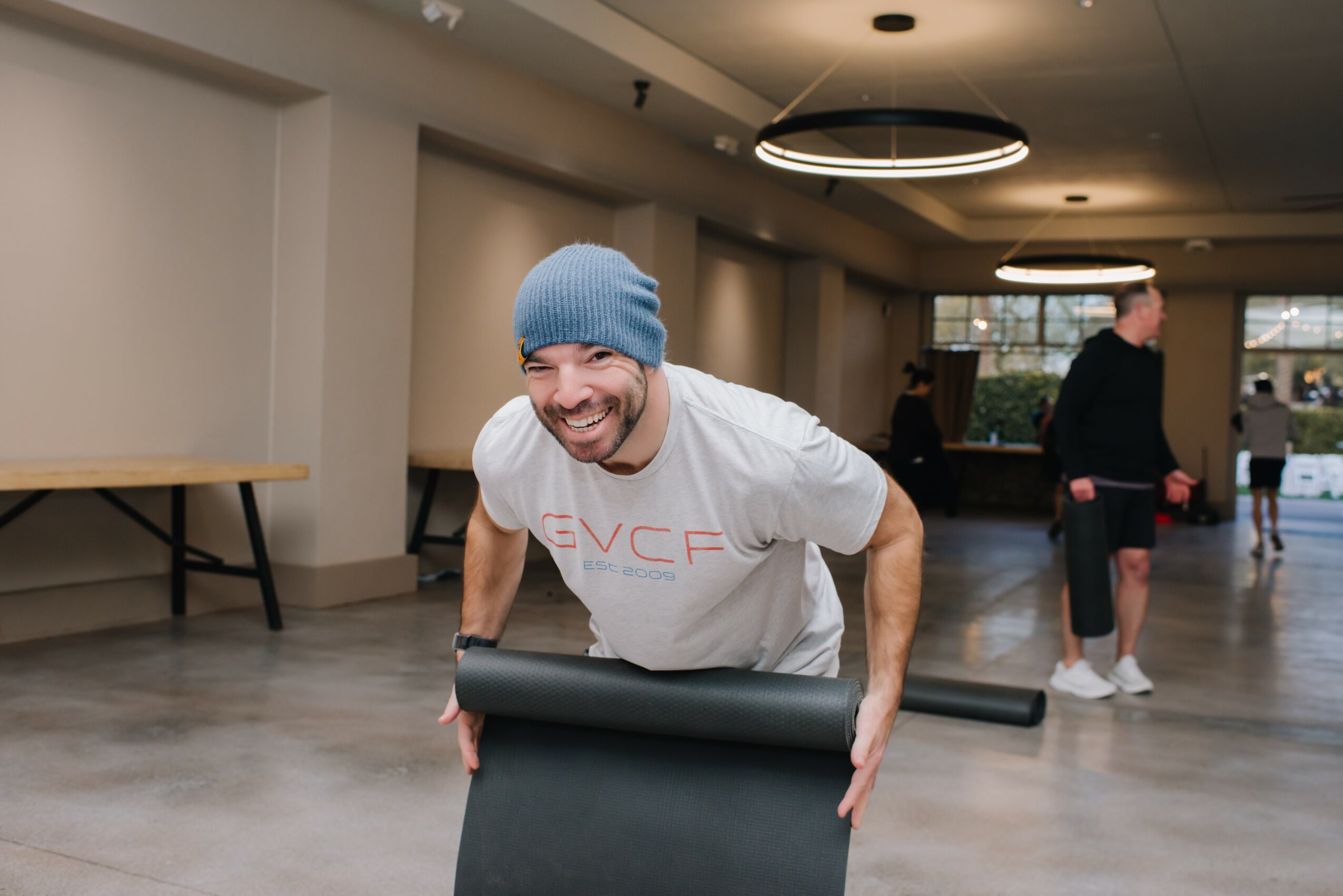
Image Credits
Joanna Salazar – she is indicated on them.