


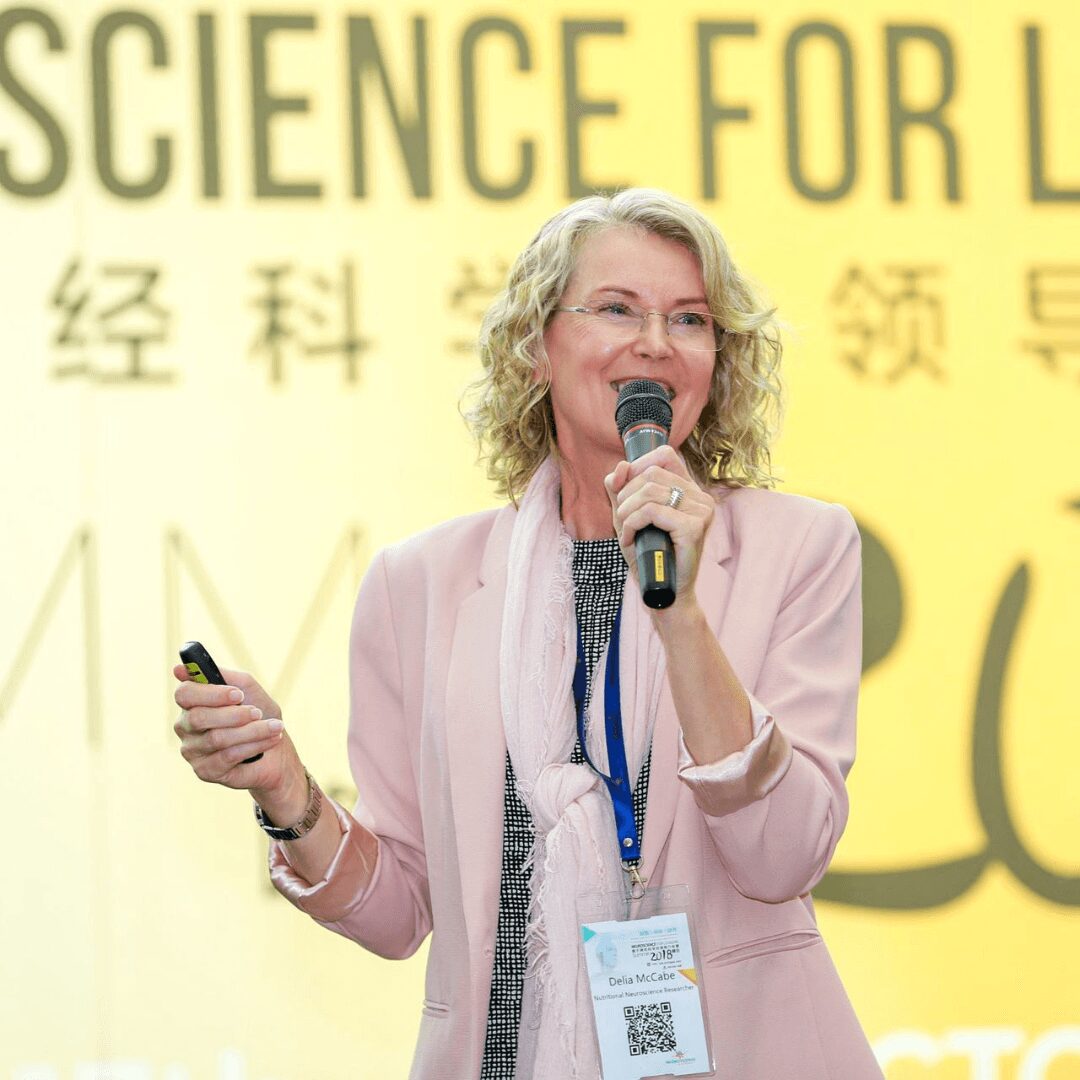
Today we’d like to introduce you to Delia McCabe, PhD
Hi Dr. Delia, so excited to have you with us today. What can you tell us about your story?
I wanted to be a clinical psychologist so went down that path until I hit a hiccough in the road while completing my masters. I had some extra space on one of the questionnaires I developed for my experiment and asked what seemed like a random question. The answers revealed that all the underachieving students in my experimental group loved junk food, while none of the achievers did. I felt a burning desire to find out how what we eat impacts our ability to focus, concentrate and learn and even our mood. And my research led me to conclude that it is much harder to do therapy with a person when their brain is malnourished. Why? Because when someone is trying to change their behavior and thoughts they need to make new neural connections, because ALL change is brain change. The brain needs the right nutrients to make change with ease. Why would I spend extra time trying to get someone to think differently, and/or change their behavior when it was going to be much harder for them to do so when their brain wasn’t optimally nourished. This led to me writing two books about the topic, so others don’t have to figure out what to feed their brain. Since then, I’ve completed a PhD with a focus on female stress and also developed neuroscience-focused and -backed programs that use what’s useful in psychology along with lifestyle shifts to optimize brain function and prevent cognitive decline. When leaders use these programs in their organizations they naturally boost creativity, improve decision-making and engagement because their teams can use their brains optimally. It’s not rocket-science – it’s neuroscience!
Would you say it’s been a smooth road, and if not what are some of the biggest challenges you’ve faced along the way?
It wasn’t a smooth road because I had to step away from friends and colleagues – from the safety of a distinct discipline – to venture down the road less traveled. At first I was searching for researchers in the field of ‘nutritional neuroscience’ or ‘nutritional psychiatry’ and they were few and far between. Slowly I made new connections and started to incorporate what I was learning into my practice. An immigration and being busy with two young children meant I got to focus my time on what I saw as being important – sharing what I’d discovered with others via my first book. But then I hit another hiccough – I found myself feeling stressed and overwhelmed a lot because of the juggle between this work and my family and saw my friends battling too. So I decided I wanted to know more about why women experience stress differently to men.
This meant that I went in search of a university that would support a PhD that focused on the interaction between three disciplines, not on one alone. I tried four different universities in Australia, and the fifth one, Adelaide Medical School, accepted me. Why? Because they believe that multidisciplinary research reflects the real world vs. a solo-ed approach to research and they like translational research, which means the research can be used vs. sitting on a shelf to gather dust. So I was able to examine the intersection of neuroscience, psychology and nutrition in my PhD, and although it was very challenging it was also very rewarding because now I get to use that knowledge to help people – and I was vindicated: we can’t separate any of these disciplines because they interact in complex, intimate and important ways.
Thanks – so what else should our readers know about Lighter, Brighter You!?
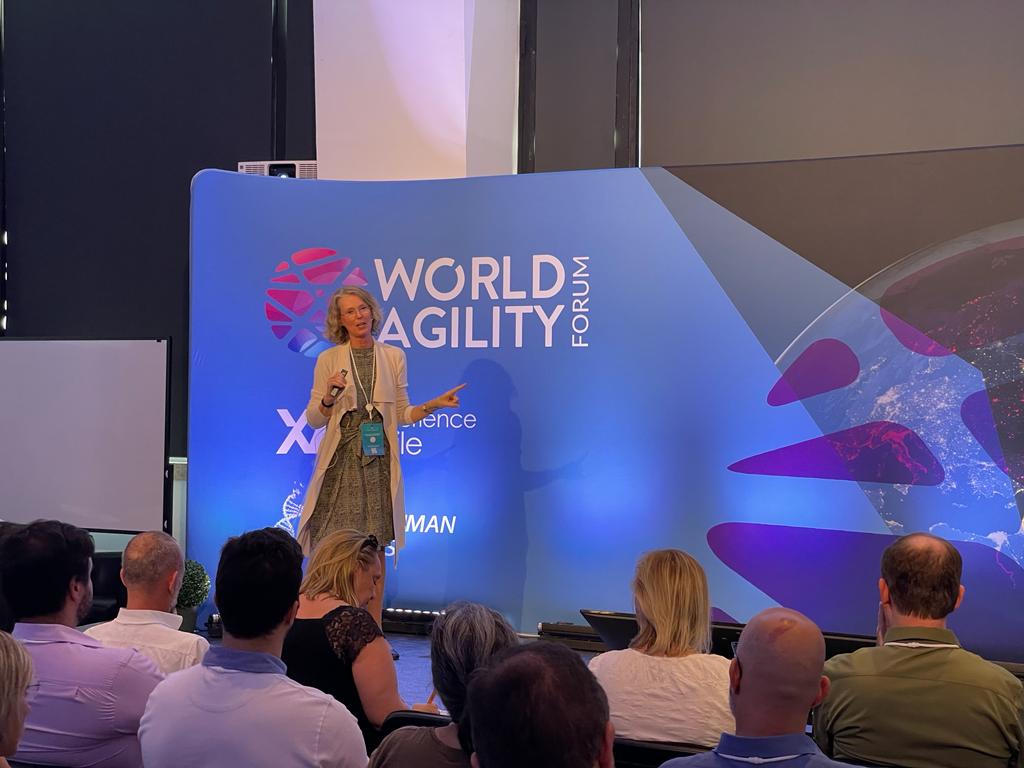
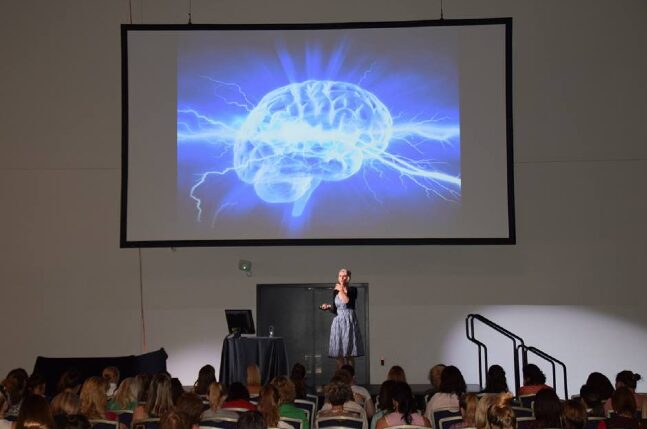
I teach people how their brains work so they can optimize its function. I do this via in-person and online workshops, globally, and I work with organizations to teach leaders and teams how to think optimally and become more creative and make better decisions.
I also work with groups and individuals who are battling to recover from burnout and the effects of chronic stress.
What sets me apart is that I understand the intersections between how our brain functions, our behavior and our lifestyle choices.
Tackling one without addressing the others doesn’t lead to an optimal result. You can introduce as many frameworks, systems etc. to the workplace, or your own life, but if you don’t address brain function you will never optimize anything.
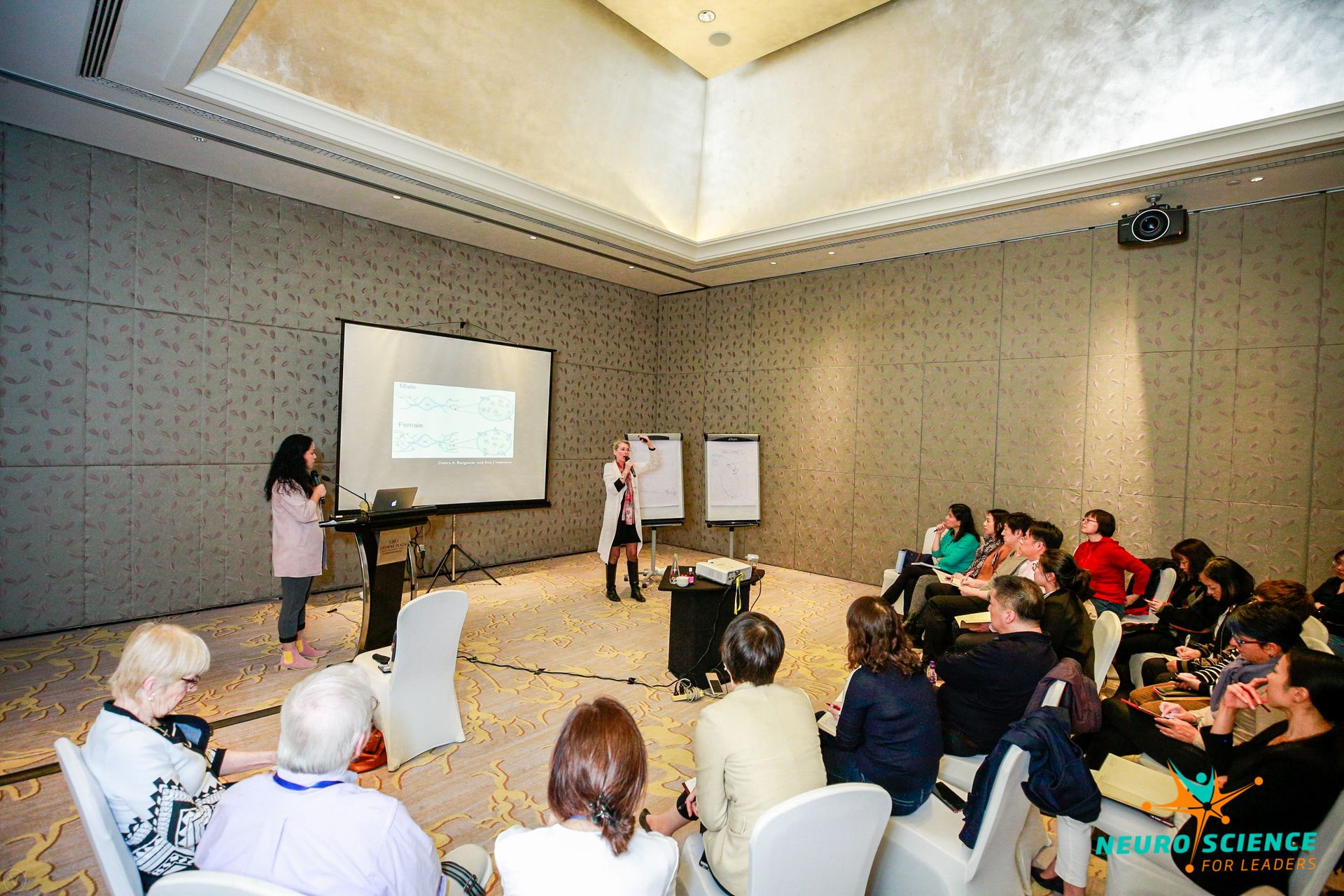
One of the most fun parts of my training is teaching people about the differences between the male and female brain. This is fun and useful knowledge – useful for cooperation and collaboration at work, and for husbands and wives (and parents) to understand each other better too.
Anybody interested in thriving today needs to make an effort to do so because the complexity we live with leaves the brain overwhelmed and uncertain. We can feel ‘light and bright’ if we action the right things!
How do you define success?
Having meaningful relationships with family, friends and ones community – it’s not quantity, it’s quality.
Enjoying work that allows one to meaningfully and positively impact others.
Feeling at peace with oneself and how life is unfolding.
Being free to pursue ones interests and what makes one curious.
Traveling and living in other cultures not just being a tourist.
Contact Info:
- Website: https://lighterbrighteryou.life
- Instagram: https://www.instagram.com/lighterbrighteryou/
- Facebook: https://www.facebook.com/lighterbrighteryou
- LinkedIn: https://www.linkedin.com/in/dr-delia-mccabe/
- Other: https://deliamccabe.substack.com/