


Today we’d like to introduce you to Natalie Lord DVM.
Hi Natalie, can you start by introducing yourself? We’d love to learn more about how you got to where you are today?
I grew up seeking the comfort of animals, climbing trees and drawing and painting everything. I was a very creative child! Of course, every little girl that loves animals says they are going to be a vet. But growing up I pursued being with horses, being in a barn and pursued art school dreams before changing my mind after dropping out of art school and traveling abroad.
My mom is a pediatrician, my dad is a Marine. We traveled a lot. My mom is from Spain. My parents have always and still are very strong support. They basically told me after high school graduation that I either become a horse trainer or go to college. I chose college…
(background story on this: I never owner my own horse until 2017! I took lessons and catch rode horses, and was a working student riding everyone else’s horse until vet school!)
Wherever I went to study, I found horses to ride. I drove carriages in Chicago and I rode in Equestrian arts in Spain. I could be found in the barn any day every day! I loved caring for horses and it was obvious that’s where my passion was. I loved my art, but my real art was horses.
I was in art school in Spain when I was talking to my mom and she could tell I was lost. I came home and went to Southwestern University to finish up some credits. I was a working student at a busy barn working with some fabulous horses.
This day in the barn I saw my mentor Dr Niblett consulting with a horse and rider. I could see that it was the veterinarian that was diagnosing what was wrong with the horse, finding what hurt, and helping them feel better so they could support the equestrian athlete. I was quietly pursuing being an expert in horses and horsemanship all my life and I found it here in this calling: a veterinarian clues in on where it hurts and speaks a language that is barely spoken in whispers. It is heard in how a dog or cat moves around a room or how a horse holds his tail, or a blink of an eye. At this point I decided I would work to get into vet school. I volunteered and worked long hours at Elgin Equine. Even going to the track to work on super horses!
In Spain I was always at the neighboring farms hanging with cows, checking on lambs and rabbits. I spent a summer with a surgeons mixed animal clinic and fell in love with mixed animal medicine: the idea of seeing small animal surgeries during the day and pulling calves at night and analyzing complex medical cases sounded most exciting for me!
In vet school I tried to experience every aspect of medicine: surgery, anatomy, pathology, necropsy, exotics and aquatics and field medicine. We palpated cows without chutes, tied to trees. I spent nights monitoring sea turtle nests on the beaches. I graduated from Ross University in 2017 and finished clinical practice at Oklahoma State University.
My first four years out of practice I spent at a busy, 12 doctor mixed animal practice. We provided 24/7 on call emergency services. I was often on call all weekend. We sometimes had 5 C-sections a night! I learned a lot and honed my emergency and surgery skills. Most of all I learned, is that not everyone is capable of handling large animals and educated in their care. Too many times I was roping a cow in the middle of the field, tying them to my truck, or halter breaking a rouge donkey. I think I am lucky I didn’t get majorly hurt. But it was not something they covered in vet school!
After time in group practice, an opportunity opened for Medical Director at Hope Animal Clinic in Marble Falls. It was a huge step up for me to learn from a novice but compassionate team. I learned critical leadership skills from my colleague and Manager there. I always liked teaching but I got to teach techs how to handle large animals, brought high volume surgery services and ambulatory services to the practice. We were able to build dental and mobile Xray services. I had a lot of fun! During this time I developed a love for equine dentistry and high-volume, high quality spay/neuter and shelter/rescue animal help.
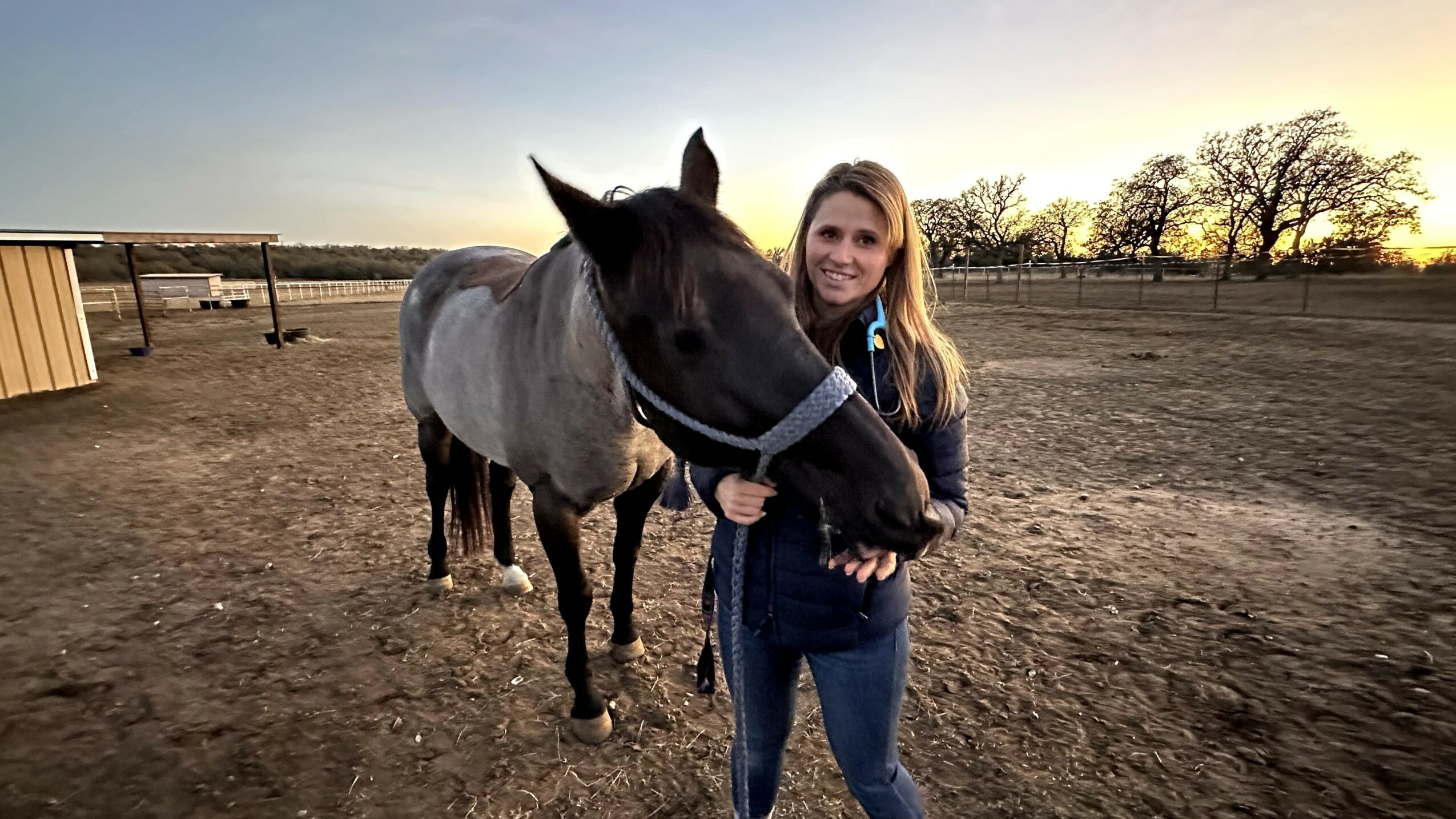
It’s been a wild 8 year ride but finally after some time, and much thanks to the friendships and mentorships I have had I decided to pursue solo ambulatory practice. I get to live on site with my horses, which has always been the dream. I get to see them every morning and care for them!
I am developing a home practice where I hope to offer haul in medical, lameness and dental work ups. As well as a holistic practice to offer acupuncture, massage, chiropractic and therapies to large and small animals. Eventually I would like to offer low cost soft tissue surgeries and dentals all on site!
For now, I am happy to serve the community with house visits, home euthanasia, low stress vaccine and exams, ranch calls and emergencies on the farm, herd health, equine dental floats and acupuncture and mobile shockwave. I feel truly blessed to have this ability to serve animals and people this way, to do surgery every day and work outside with horses! It’s a hard job but we need adaptable, mixed animal vets!
I’m sure it wasn’t obstacle-free, but would you say the journey has been fairly smooth so far?
Most definitely not! The trajectory to learning in veterinary medicine is a rollercoaster, with greats highs but in the same night, instant lows! Medicine and surgery is a practice that you continue to develop over time, kind of like riding horses. It’s a lifetime of learning and art. No one person is ever the expert, because there will always be a day that something new walks through your door that few are capable of handling or ever seen! Probably the greatest struggle is that our animals don’t read the books. We can use science and physiology to explain things, and we have developed great drugs and medications, but somehow things always fall through. Why did my perfect little dog get a huge tumor and cancer at age 2 years old? Why does childhood leukemia exist? Why did the vaccine or treatment fail? I did the surgery perfectly, why did the patient die? Some things cannot be picked up on a simple blood test or heard all the time. Our animals hide things. That what makes them better than us. They will strive to conceal their feelings, their pain or a cancer to appear well and survive, sometimes just to make us feel better because when they are around, they bring us joy. For those of us that are not in this field, braving every pain, having clients that are not brave enough to say “its ok, you tried, I appreciate your honesty, and it’s not your fault” , is also hard. Because that’s life. But it’s about how you get up on that horse after every fall.
Great, so let’s talk business. Can you tell our readers more about what you do and what you think sets you apart from others?
Four Paws – Cuatro Patas is a mobile mixed animal veterinary practice that serves the hill country Texas area. Right now, it’s just me Dr Natalie, but even on my own I am able to do a lot with clients to offer home visits and vaccines for small animals, home euthanasia, and herd health checks and services for goats, sheep, pigs, horses and cows.
I specialized in horse health, wellness and medicine, dental floating and acupuncture, ophthalmology and lameness/biomechanics. I also specializes soft tissue surgery in small animal and medicine and preventative wellness in our pets. I contribute at least two days a week to a low cost spay clinic doing as many as 40 pets per day!
What sets me apart from others is that I am adaptable. I look beyond a single standard and offer a spectrum of care for clients. People and their pets are individuals and we should find the care that suits them best to keep both human and animal healthy. Offering such a wide array of home and ranch services helps deliver quality medicine to more animals.
Soon I will be able to offer more services such as labs, Xray and ultrasound and surgery in the comfort of the ranch setting!
Before we go, is there anything else you can share with us?
I am fluent in Spanish! A big belief of mine is offering quality veterinary care to all folks, no matter their income or language. This can be a barrier to pets getting care they needs, and often people will get sick from lack of pet and human care. I believe that being able to communicate in English and Spanish, not judge and help people from all communities, helps animal population control and disease control. Veterinary care should be accessible to all, and explaining things in Spanish is a huge help!
Pricing:
- EquineFloat $200
- Acupuncture $100
- Vaccines $20
- Shockwave $350
- Lameness Exam $100
Contact Info:
- Website: https://www.fourpaws-cuatropatas.com/
- Instagram: https://www.instagram.com/doodle_dr_dvm/
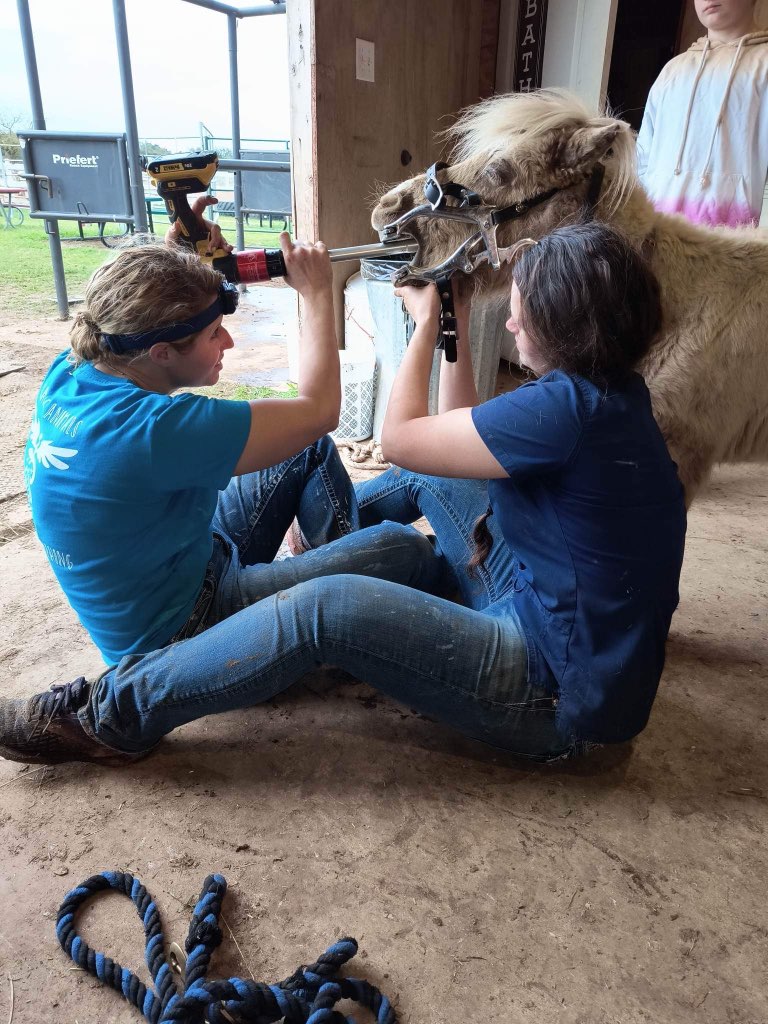
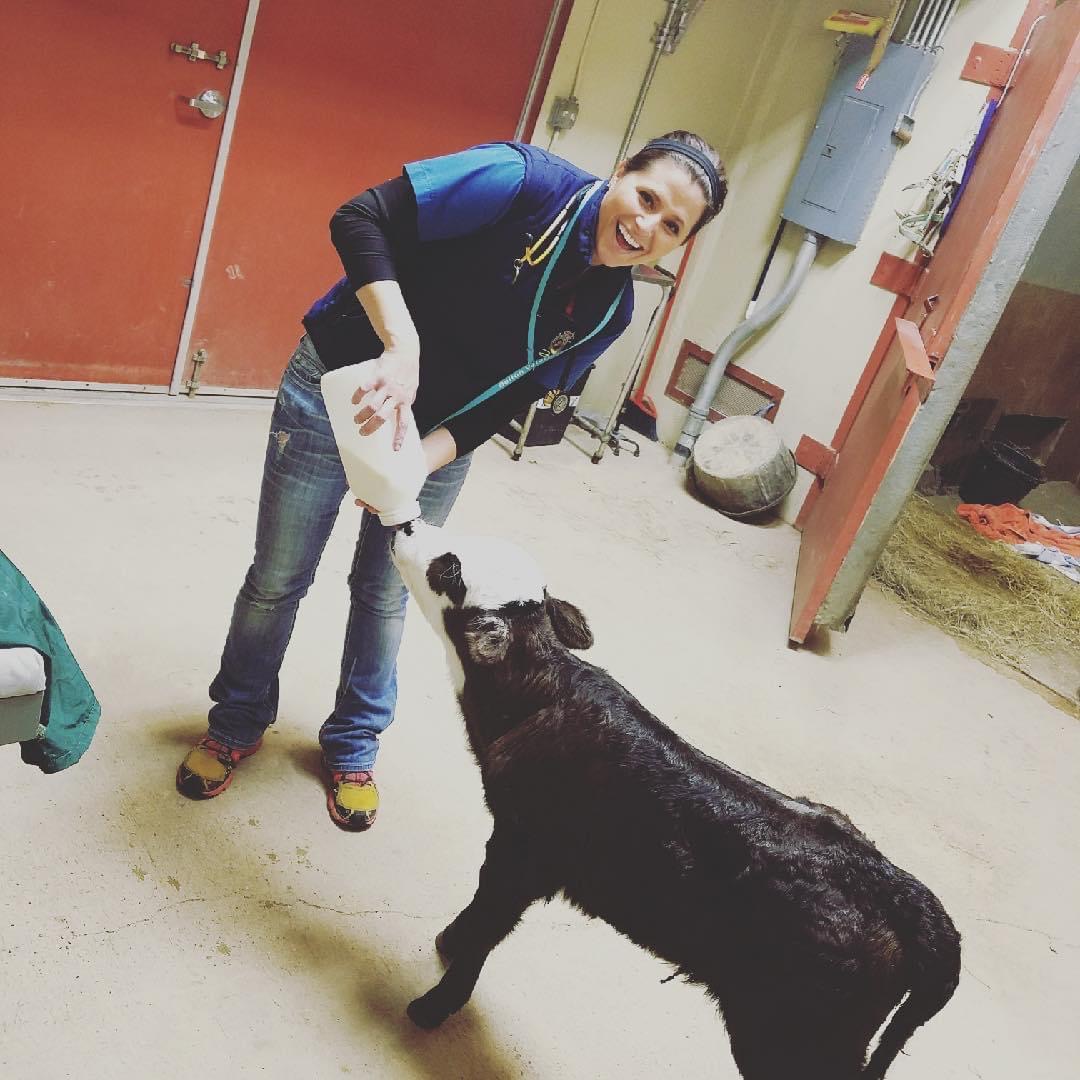
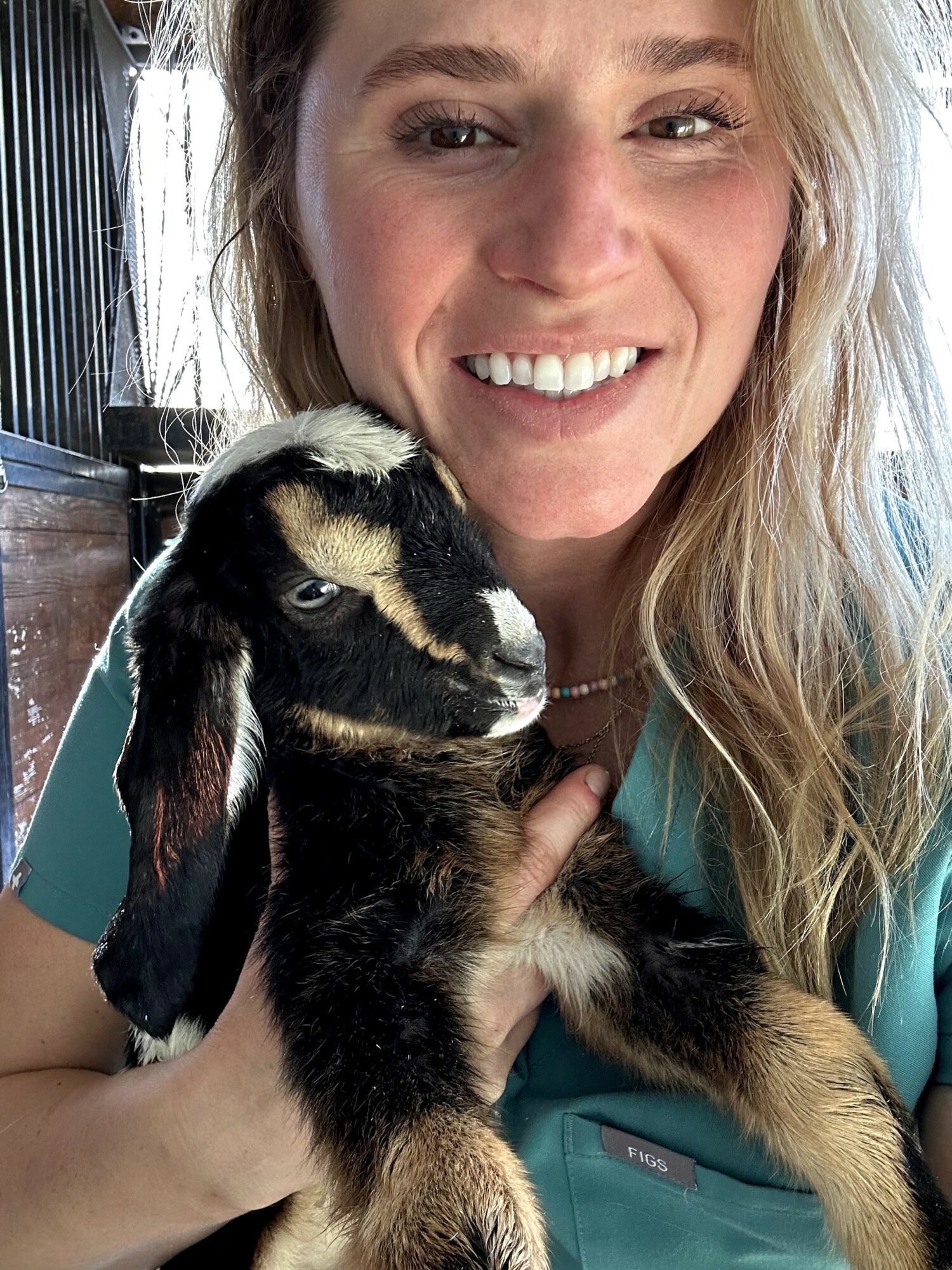
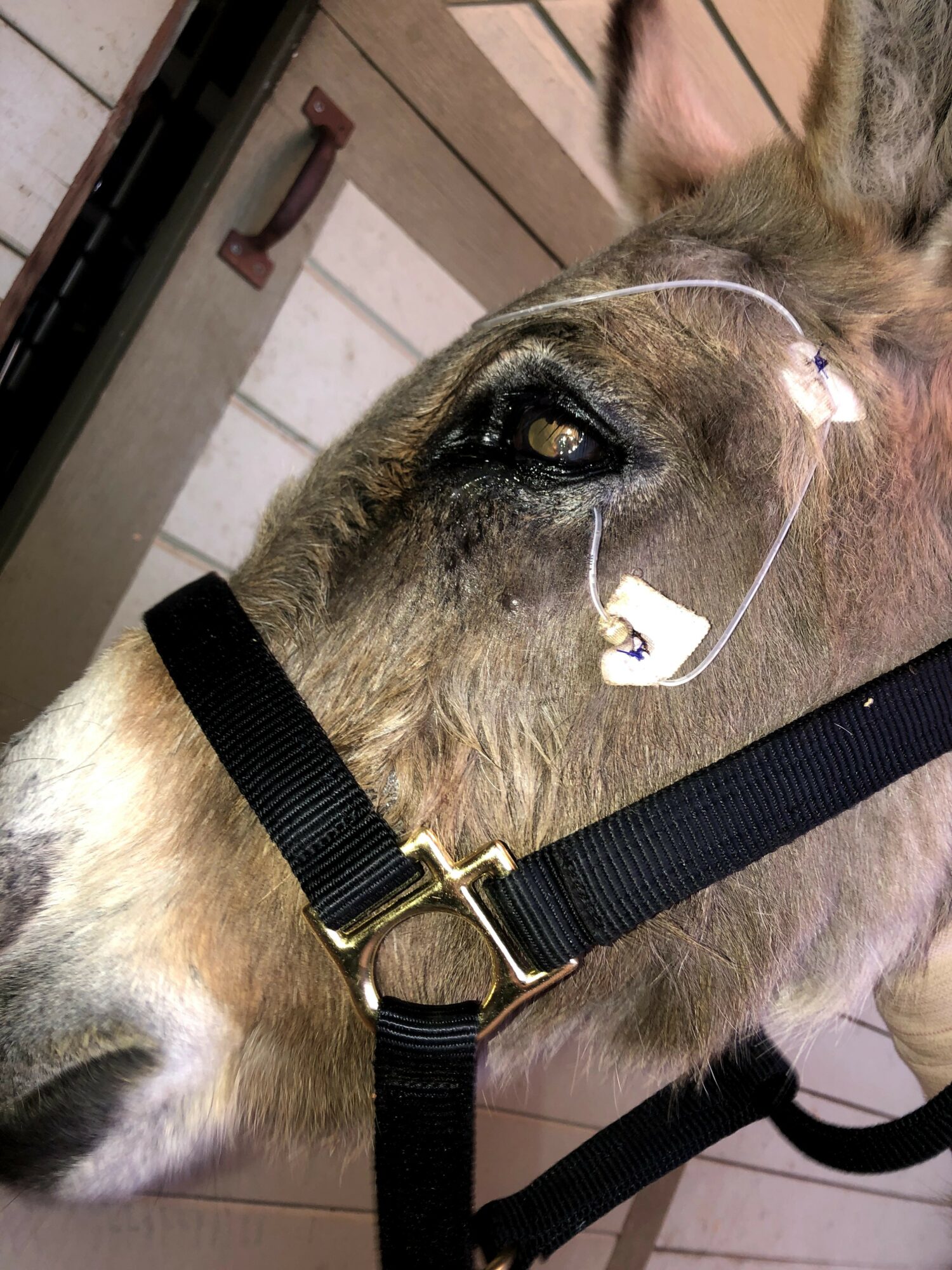
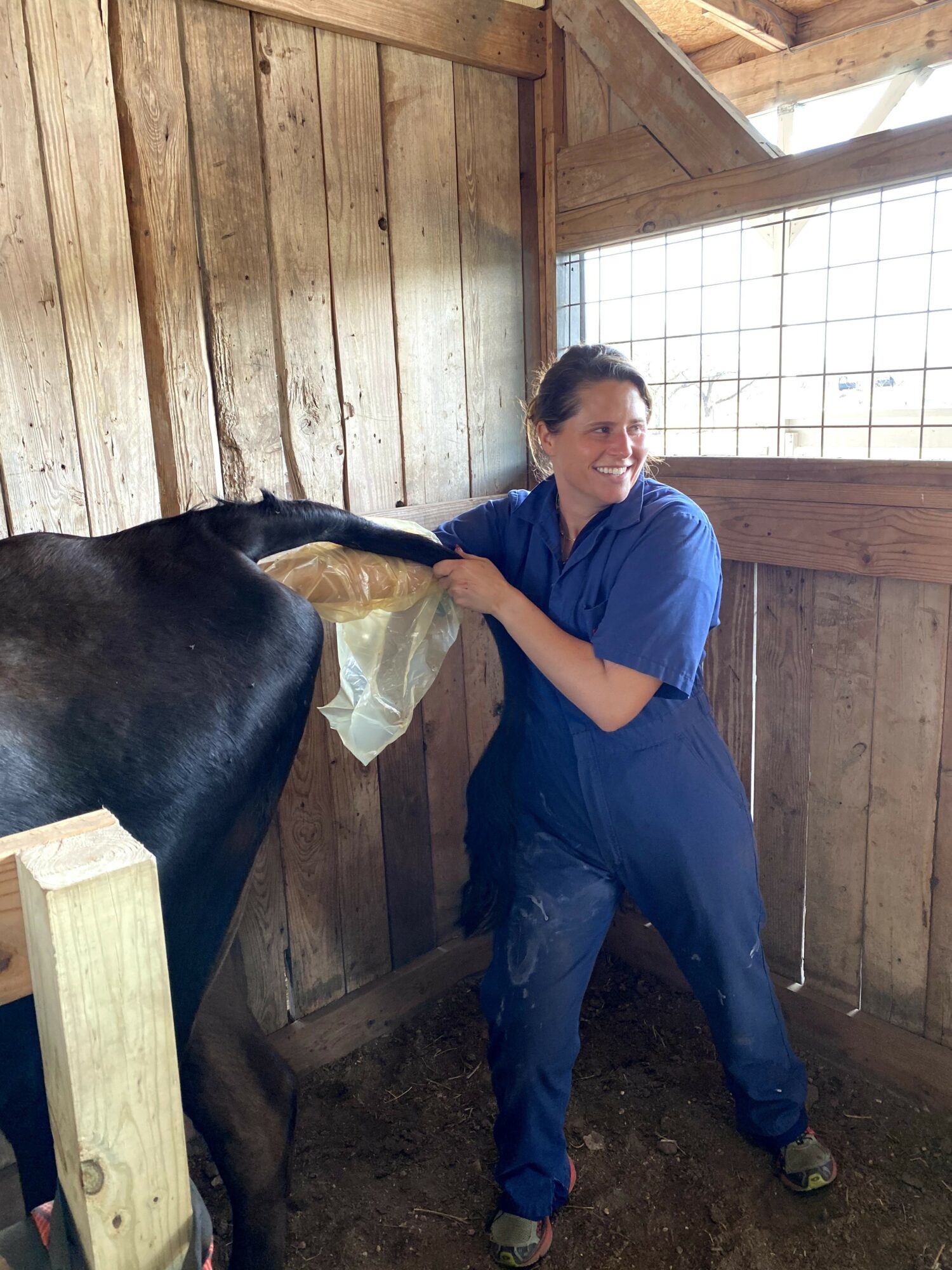
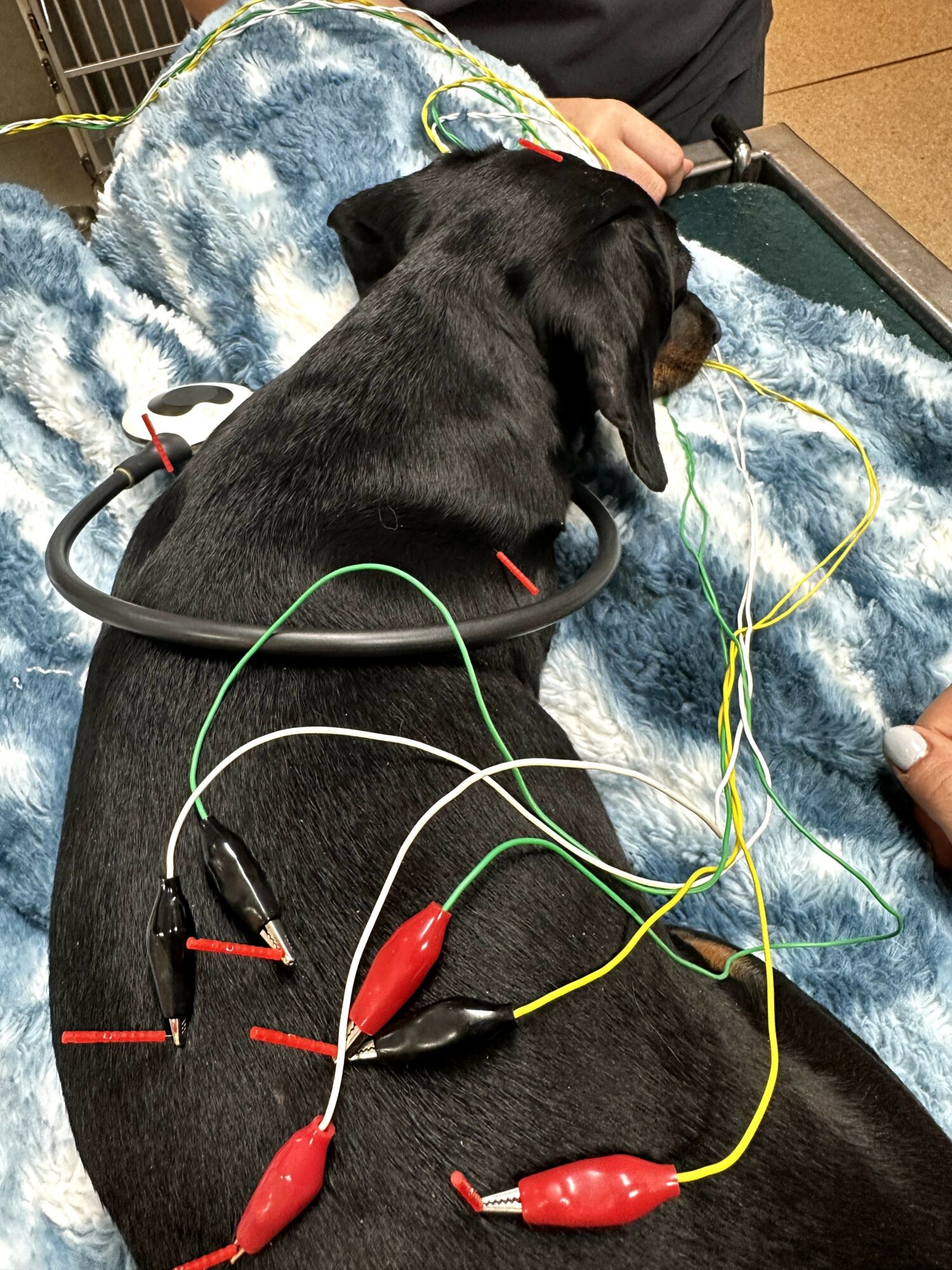
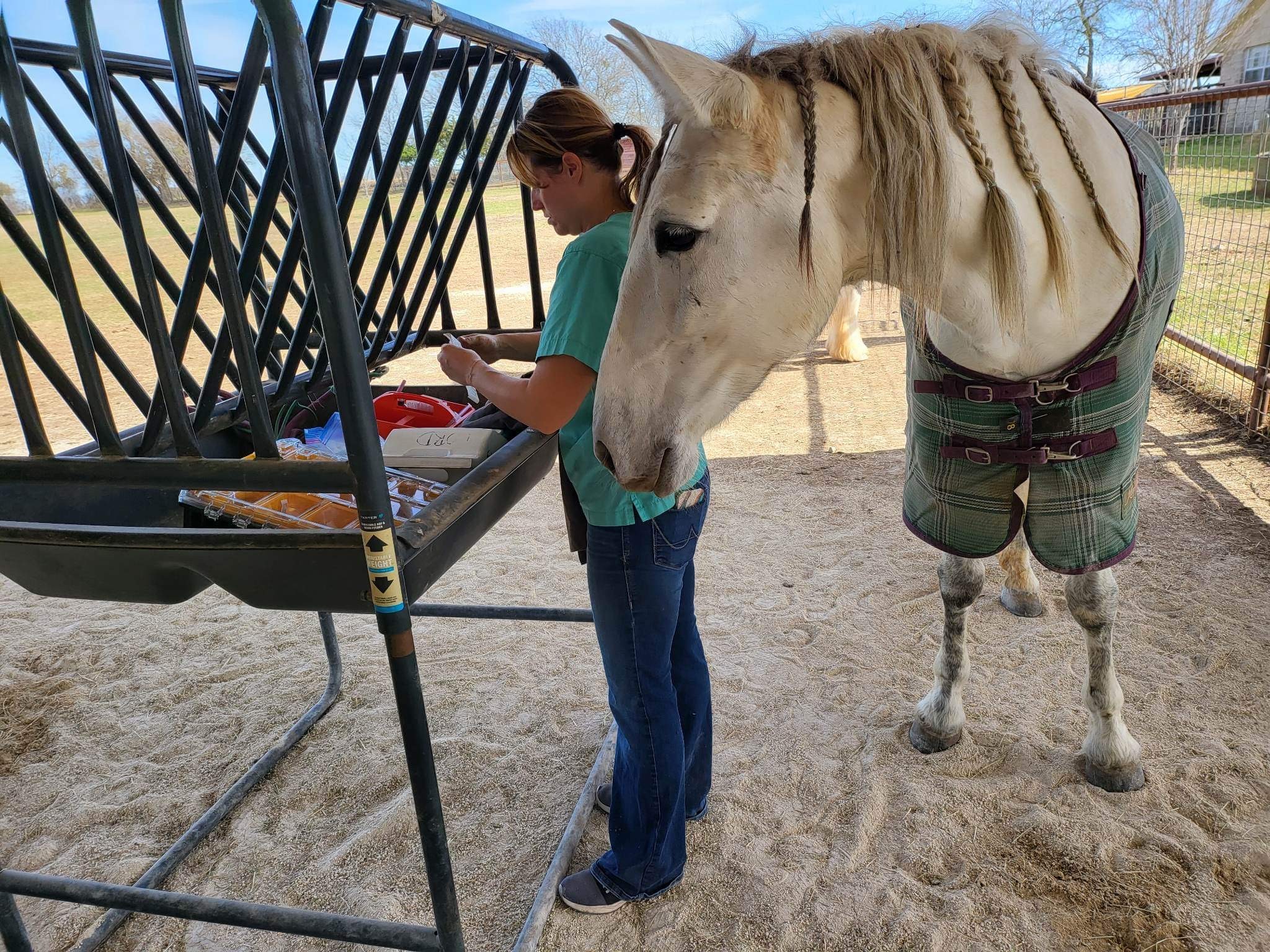
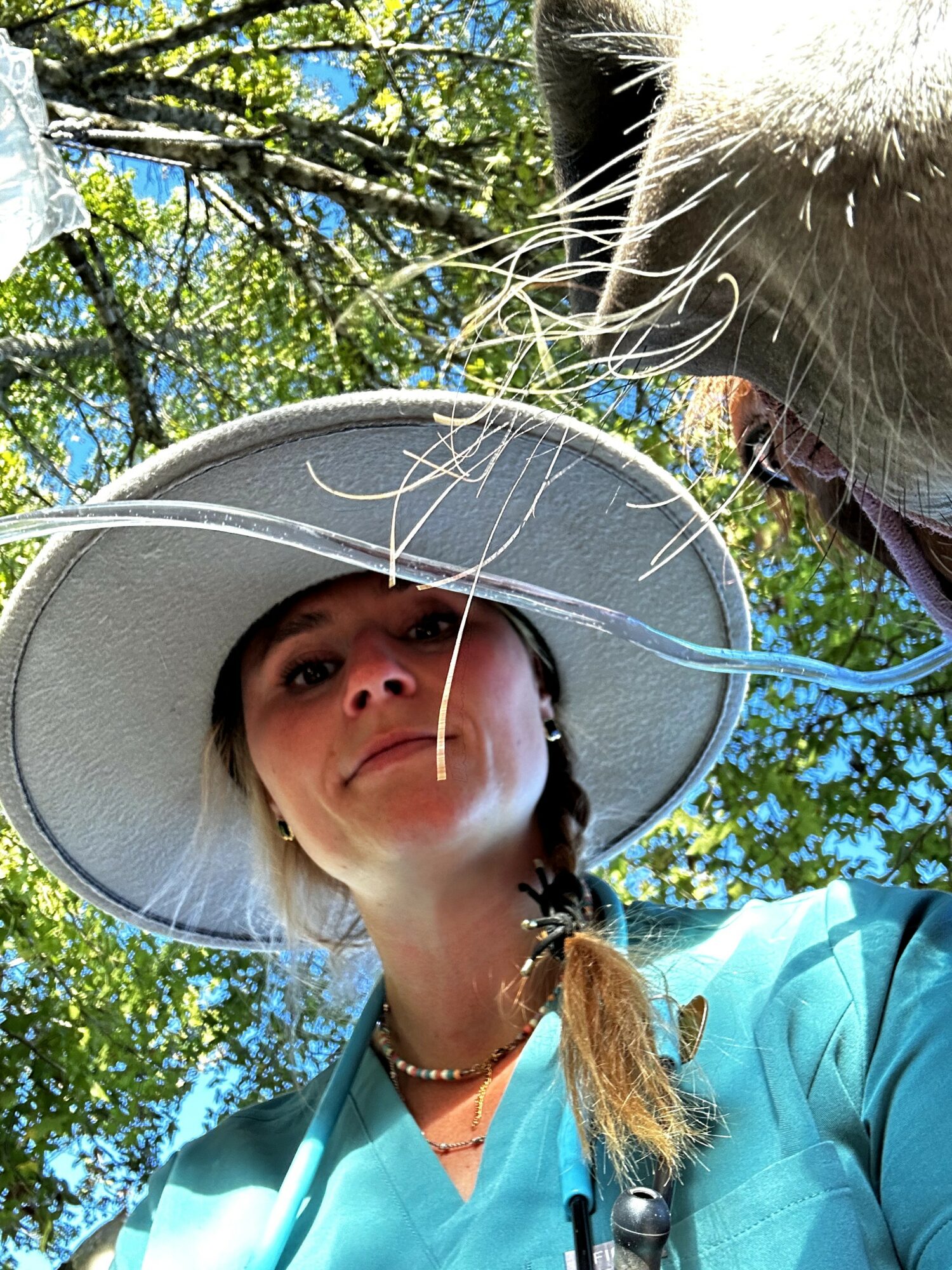
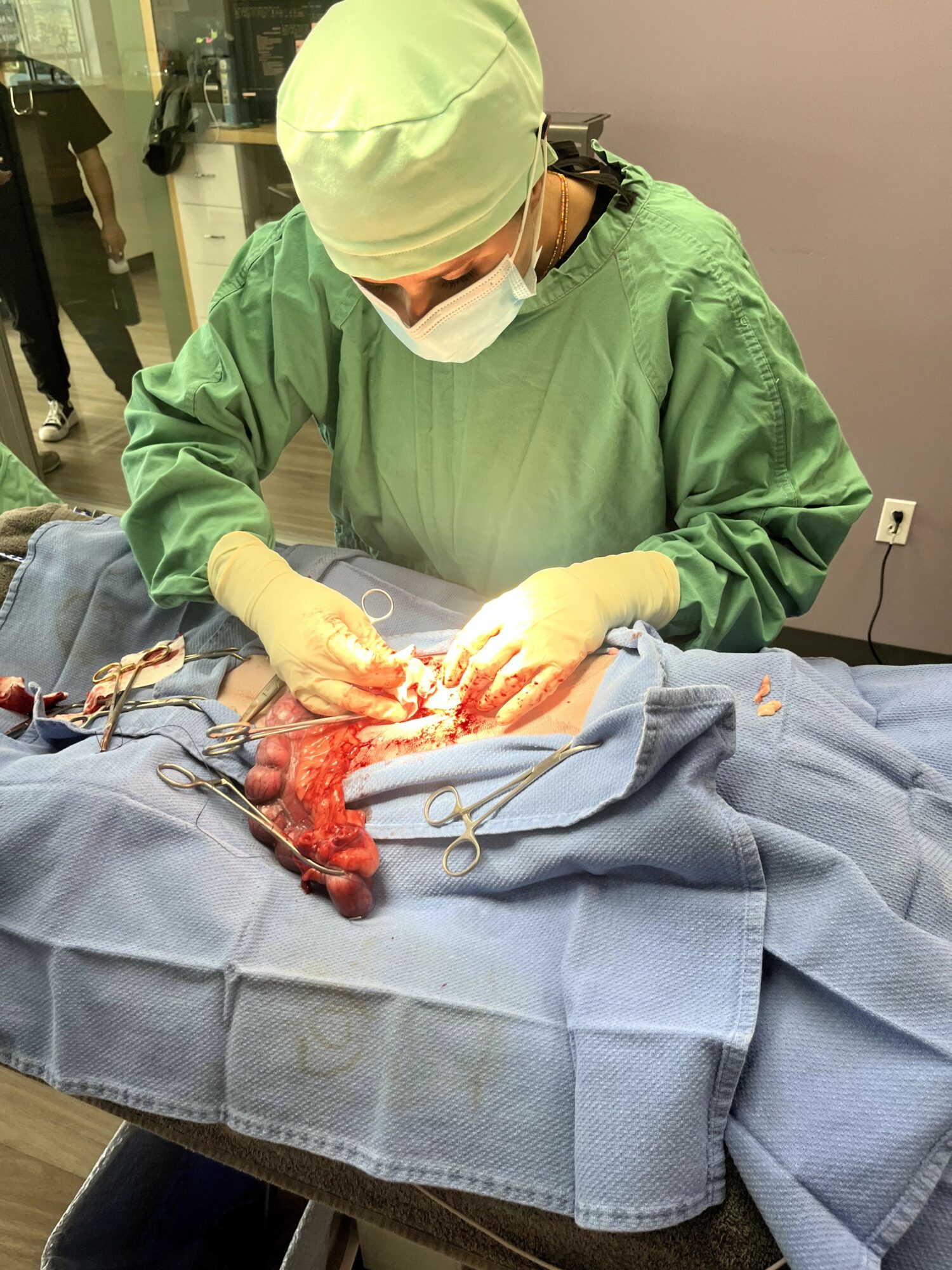
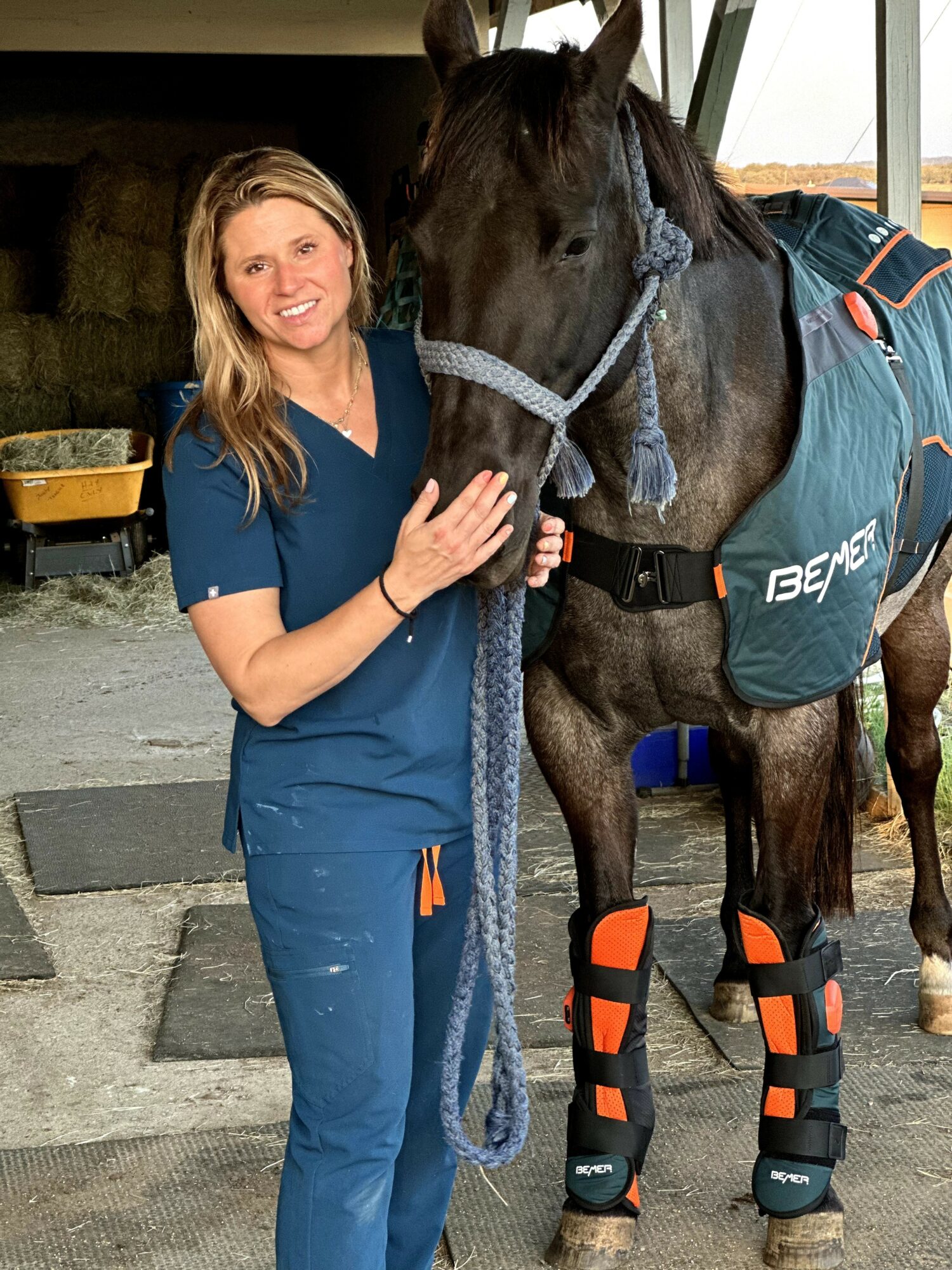
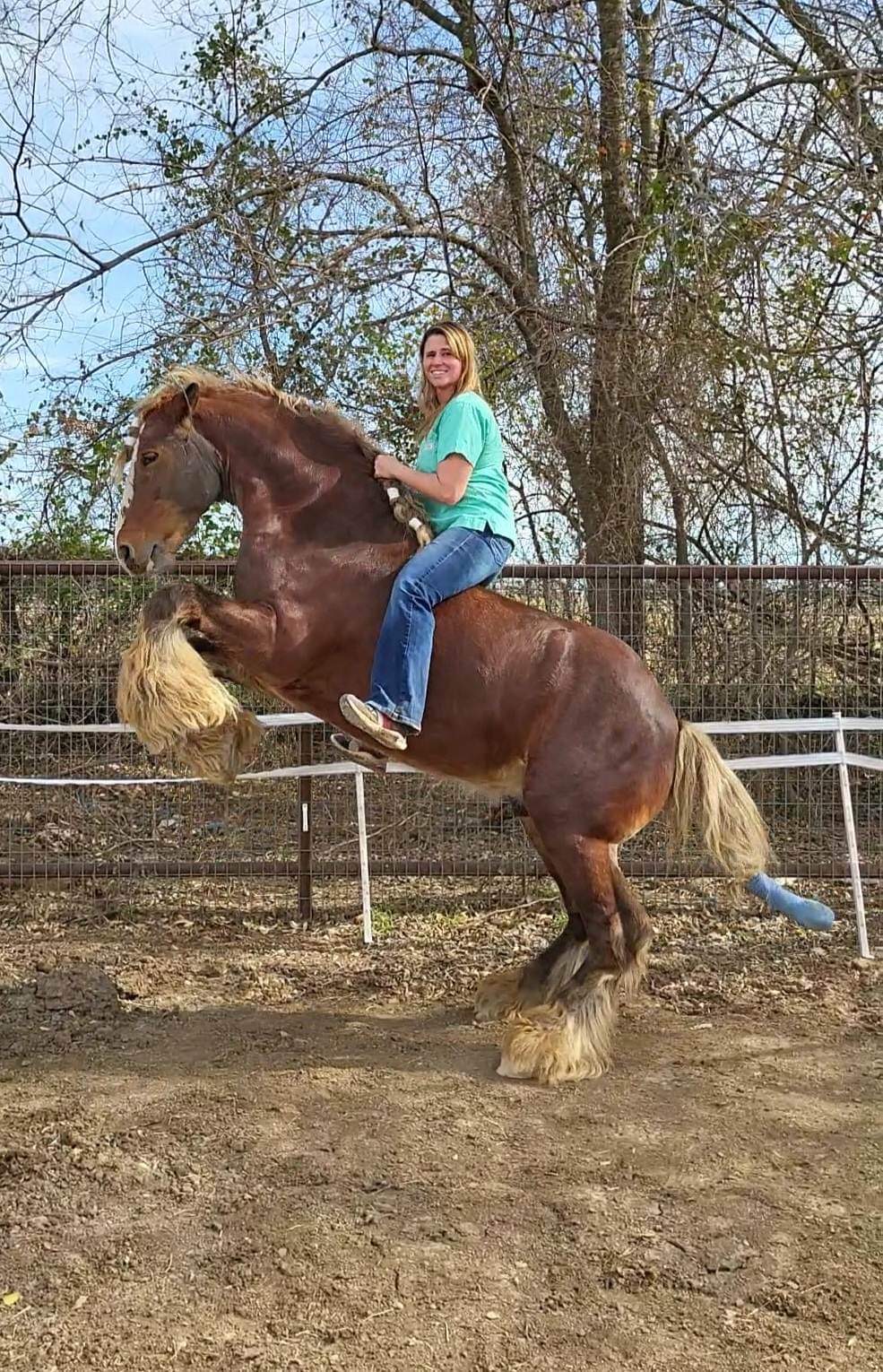
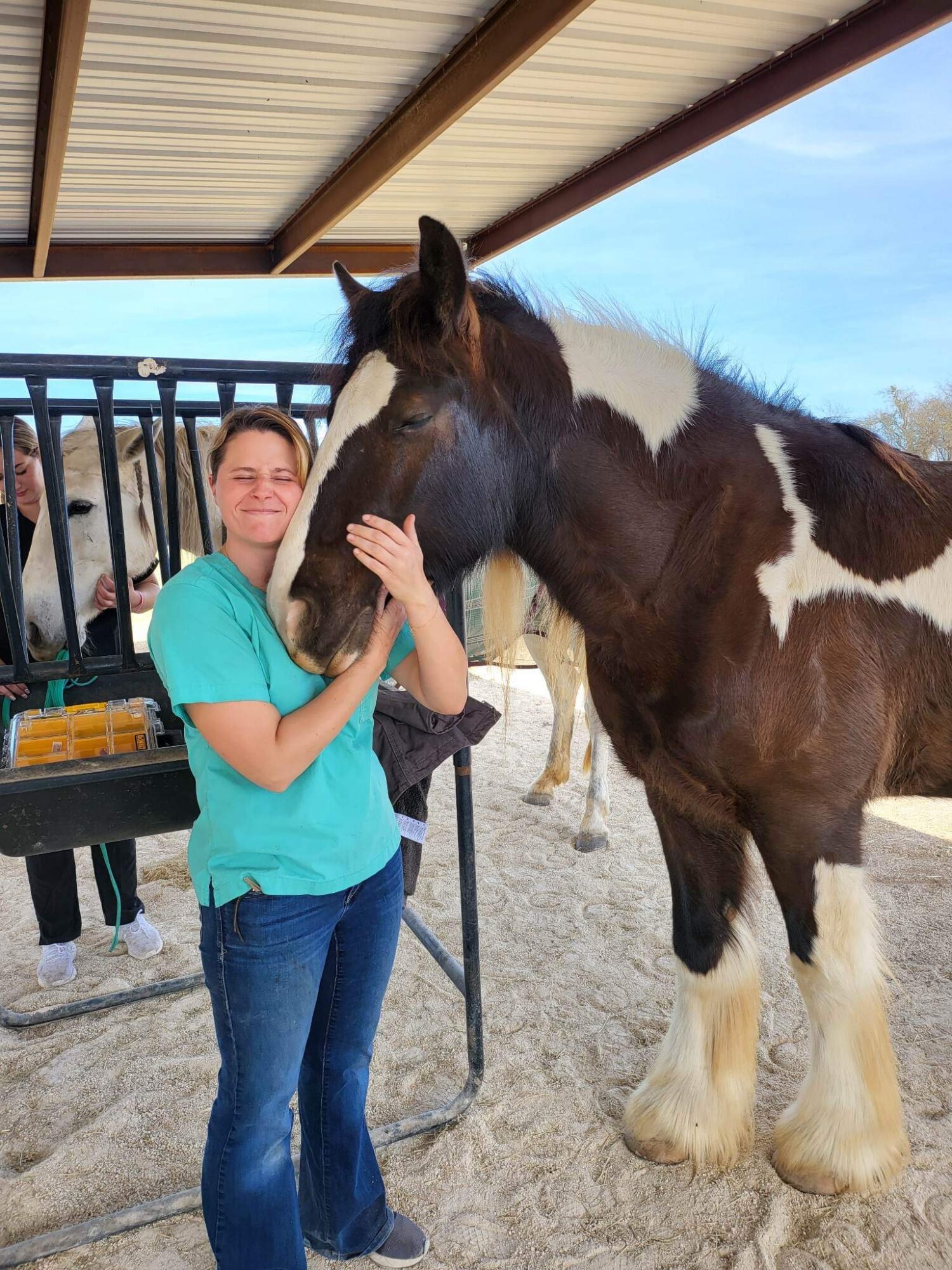
Image Credits
Megan Kennedy for the awesome pictures while vaccinating her horses on a farm call. There is always someone to watch and learn in surgery or on the farm so to the techs that support me and document with pictures, thank you! Thanks to my awesome clients and patients that tolerate pictures and needles! Even the acupuncture ones!