



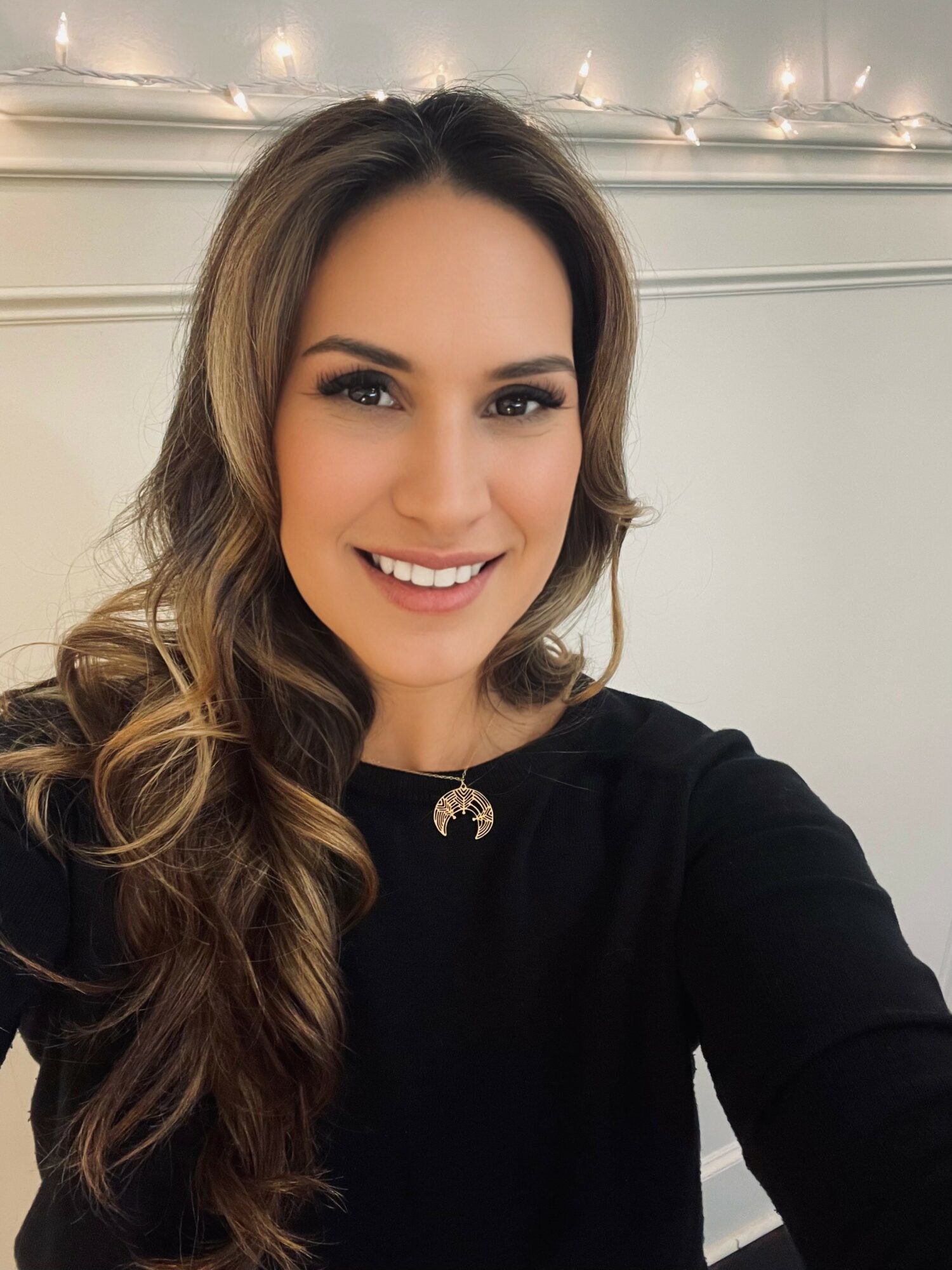
Today we’d like to introduce you to Amanda Lieberg.
Alright, so thank you so much for sharing your story and insight with our readers. To kick things off, can you tell us a bit about how you got started?
I grew up in the midwest. When I was about 10, my parents divorced and I moved from Wisconsin to Minnesota with my mom. Between moving, changing schools and the family dynamic transitions, I began my own therapeutic journey. My psychologist had an incredibly positive impact on me. It was working with her that allowed my interest in psychology to grow. I truly credit my former psychologist for influencing my love of therapy and my dream of having my own practice.
I attended the University of Minnesota-Twin Cities, known for their psychology department and the development of the Minnesota Multiphasic Personality Inventory (MMPI). After obtaining my bachelors in Developmental Psychology, I moved to Iowa and attended Drake University’s Counseling program. I have had the privilege to work in many areas connected to counseling and therapy, from the academic setting, inpatient and outpatient dual diagnosis programs (substance use and mental health), group practice and private practice. It has been a journey, not always the easiest work, but it has been some of the best lessons I have learned along the way. I feel lucky to have opened my own private practice in June of 2021. It was a long term goal that I worked hard to get to and it’s been a learning process ever since.
We all face challenges, but looking back would you describe it as a relatively smooth road?
There have definitely been challenges along the way. I don’t think most people realize the amount of training that goes into becoming a therapist. Of course there is the bachelor’s degree that is required to attend graduate school. For a Licensed Professional Counselor Supervisor, like me, there is the three years of graduate work and while in graduate school you must complete practicum and internships in your field(s) of study. I had three internships total while in graduate school because I was k-12 school counseling and mental health counseling. After graduation, one then has to complete their associate hours which is a minimum of 18 months under supervision of a LPC-Supervisor before one is fully licensed and can practice on their own. Most graduate students or associates work the hardest jobs with the most complex cases in psychiatric hospitals, treatment centers and community clinics. These settings, even with fully licensed staff, are limited in funding. Some of the benefits of private practice is the ability to work your own preferred hours and with clients that are in your niche, but this can have its challenges too because financial stability is completely dependent on client consistency and full case loads, along with the complexities of insurance. I know many clinicians that work multiple jobs or multiple income streams to keep their practices a float. I can attest to the challenges that come in this field, but the drive to help others perseveres. My hope is that society continues to see the importance and the need for mental health. And that the value of therapists continue to grow and become more of a main stream health necessity, rather than one of privilege.
Can you tell our readers more about what you do and what you think sets you apart from others?
Now I work with kids, teens and adults in my own private practice. I specialize in ADHD, Autism, Anxiety and Mood disorders, which have high comorbidity between each other. I think it is important as a clinician to treat the individual, not just the symptoms. These diagnoses are apart of the individual but they are not the defining characteristic. I help my clients to learn how to manage their traits and be their wonderful selves. I also have the privilege of mentorship, where I provide supervision for graduate students working towards their degrees and for associates working towards full licensure. This allows me to teach, mentor and guide new clinicians in the field and help them to establish their own career path. I enjoy sharing knowledge of my specialty areas with others. I provide trainings on topics pertaining to mental health. I also provide ADHD and Autism evaluations and assessments for children/teens and adults. I want to share what I know and offer help to our community. I truly feel called to this line of work.
Is there anyone you’d like to thank or give credit to?
I have a great support system that have been my cheerleaders along the way. My parents have all been incredibly supportive and continue to help me grow. Along with my parents I have a wonderful significant other that is always telling me how proud he is and celebrating my accomplishments. They inspire me, give me pep talks and even help me with kid pick up from school when I have evening clients. My kids are also some of my biggest fans, often telling their friends what I do for work. For good or bad, my kids have to talk about their feelings often, but for now they don’t seem to mind…too much. Again I have to credit my former psychologist and the influence of my own therapeutic journey for leading me to this career. I have wonderful family, friends and colleagues that stand by me and give me words of encouragement and celebrate the wins. It helps to have supports and even though we can not share details with others, having people in your corner on those tough days or awesome days is so important. They keep me grounded and are always ready to create adventures with me.
Contact Info:
- Website: https://www.balancedinwellnesstherapy.com
- Instagram: balancedinwellnesstherapy
- Facebook: Amanda Lieberg LPC
- LinkedIn: Amanda Lieberg
- Other: Tiktok @amanda.tx.lpc
Image Credits
Larry Cashion for the candid photo