


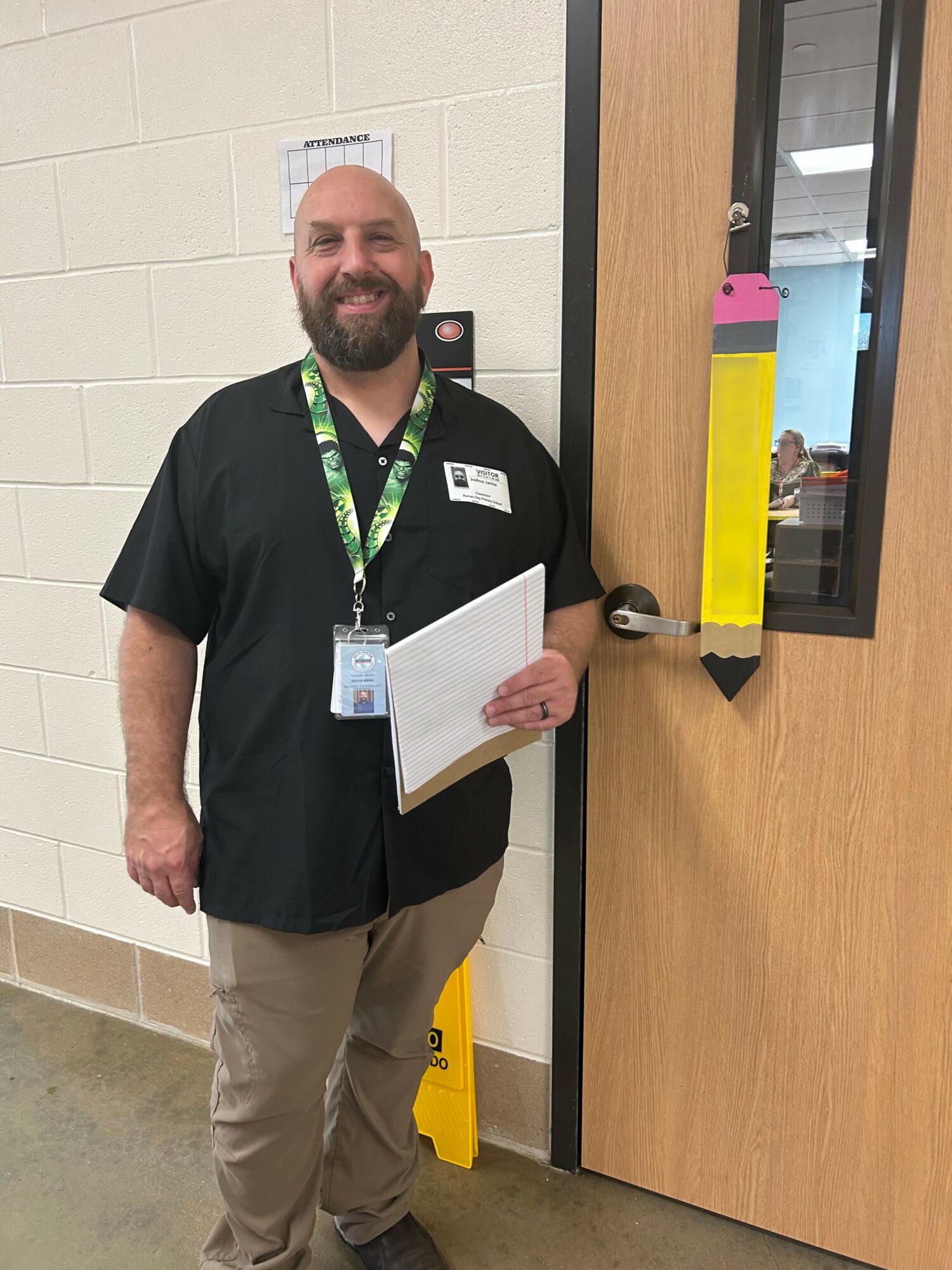
Today we’d like to introduce you to Joshua Jarma.
Hi Joshua, thanks for sharing your story with us. To start, maybe you can tell our readers some of your backstory.
I grew up in a small, rural town in Central Texas in what I now realize was poverty, though I never would have thought about it like that as a kid. While life had its struggles, my parents were great and always made sure my brothers and I had everything we needed, which included prioritizing our education. They taught me a thousand things, from reading before Kindergarten to repairing electronics to building a house with our own hands. Through it all, I learned resourcefulness and toughness that have been a big part of why I’ve been able to make it this far. Above all, my parents taught and demonstrated how powerfully following Jesus can impact my life. Still, religion was really tough for us growing up, and I would continue finding challenges with religion my whole life.
In adulthood, I went to college and graduated, but my focus was much more on the experiences I had with my church. I got married while still a student, and my wife and I have both been serving as leaders in our church ever since. In 2010, a few years after graduation, we joined the team that helped start 2.42 Church in San Marcos as volunteers. About a year after arriving in San Marcos, I began raising support to work for our church and came on staff.
It only took a couple of years of working for our church for my wife and me, along with a couple of other staff, to begin to discover major problems with the way our church operated. Without going into too many details, we would spend about seven years fighting against abusive practices by both our local church and the church network we were part of. The whole ordeal caused a lot of pain and trauma for many of our members, including me. My mental health tanked in the middle of it all, and there are some ways in which I have still not recovered even five years later.
By the end of it all, those of us resisting the abuse somehow lasted longer than the leadership over us, and we ended up in complete control of our church, and I became a pastor. We rewrote all of our guiding documents, including new bylaws and mission statements. We instituted new practices and created new structures, emerging with a drastically different view of what our church should be than when we had planted. In short, we wanted to become a church for people who had been hurt by religion. This was what I had always believed that following Jesus was about. It was about helping people who needed help and giving them a place to belong when they had nowhere else to turn.
This singular focus on becoming a community safe for anyone put us at odds with nearly every other church we had been part of in the past. In 2020, this meant we followed Covid protocols, much to the dismay of many of our members. Then, we stood up for racial justice in the wake of the many murders of Black Americans. Between the two, we lost most of the rest of our church members who hadn’t faded away, along with significant financial support for our staff. Because of this, I had to drop to part-time at our church, since I needed to replace so much of my income.
As we began rebuilding after Covid faded away, we found that our new way of “doing church” apparently worked! We kept meeting people who had been hurt by churches in the past but who were not ready to give up on Jesus. And, much to our surprise, most of them were from the LGBTQ community! Since we had come out of conservative Evangelical Christianity, many of us, including me, needed to do some heavy theological work to reconcile our desire to love people no matter what with the things we were taught growing up. After a period of intense study and prayer, I’m proud that our church decided to be officially LGBTQ-affirming. Now, we’re pretty small, but about 80% of our church identifies as LGBTQ, and we’ve been a home for so many people who haven’t felt comfortable in religious settings for years.
While our community is healthier than ever, the church, as an organization, is more unstable than ever. Because most of our financial support has come from conservative sources, our staff team has all been losing financial stability and needed to find new jobs. I have decided to pursue a master’s degree in clinical mental health. I am on track to become a Licensed Professional Counselor, both to make money and to serve my church and community for as long as 2.42 Church exists.
We all face challenges, but looking back would you describe it as a relatively smooth road?
It has been anything but a smooth road! My biggest personal struggle was in coming to terms with the fact that the religion I had been a part of had been so evil both throughout history and even in my own settings. I don’t use that word lightly, but to use a message of hope and love as a way to control and oppress people is about as bad as it gets. While my intention has always been to help people, I have to acknowledge that the way I was trained and how I used to practice my faith did hurt people. Since rebuilding my faith, I’ve been working tirelessly against that side of Christianity, but it is hard work that has taken a toll on my mental health.
Appreciate you sharing that. What else should we know about what you do?
I’m currently spread across several careers. I’m a part-time pastor, part-time high school teacher, math tutor, and counseling graduate student. All of these careers have some mix of education and mentoring, and I love it! I love helping people learn and achieve their goals. I’ve been told I’m easy to communicate with and that I put people at ease, which has served me well so far. Professionally, my proudest achievement would have to be surviving my church’s abuse and helping lead it from a community that oppresses people to one that provides a radically safe environment for people who don’t feel safe in any other religious setting.
What were you like growing up?
I was always a nerd, but it took me a long time to accept it. I am endlessly curious and want to learn as much as I can about everything. Growing up in the 80s and 90s without access to the internet meant reading anything I could get my hands on. Encyclopedias were amazing when I had the chance, but I’ve even been known to read the dictionary to satiate my thirst for knowledge. The internet has made this so much easier! I also played football through high school, despite being too short to be all that good. Still, my tenacity and resilience eventually landed me a starting spot during my senior year, during which I won a few awards, including the one my teammates voted for as the one who embodied the team’s spirit. I have two younger brothers, and we spent our childhoods playing with Legos, reading, and playing video games once we got a little older. We all ended up being nerds!
Contact Info:
- Website: https://242sanmarcos.org
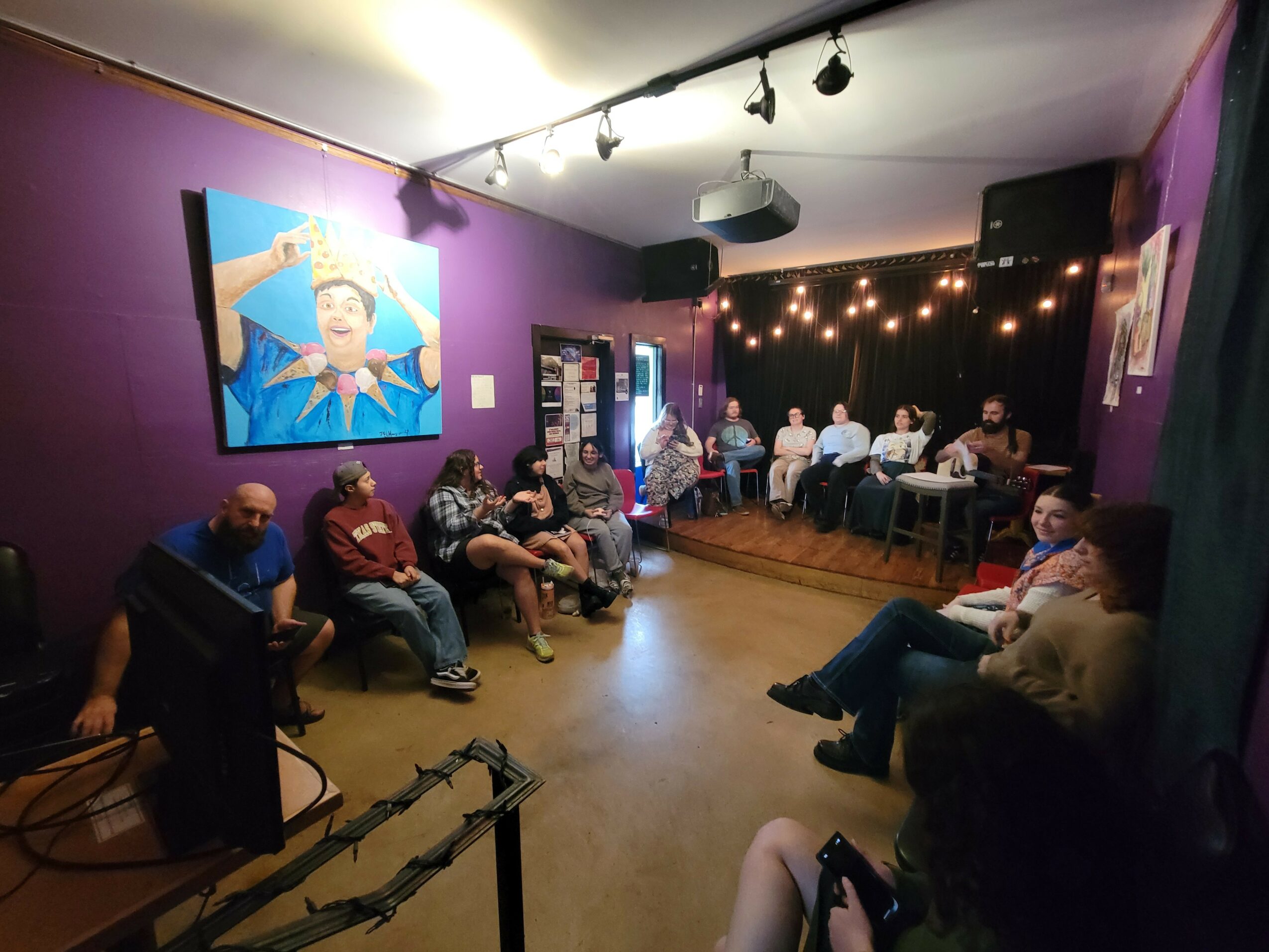
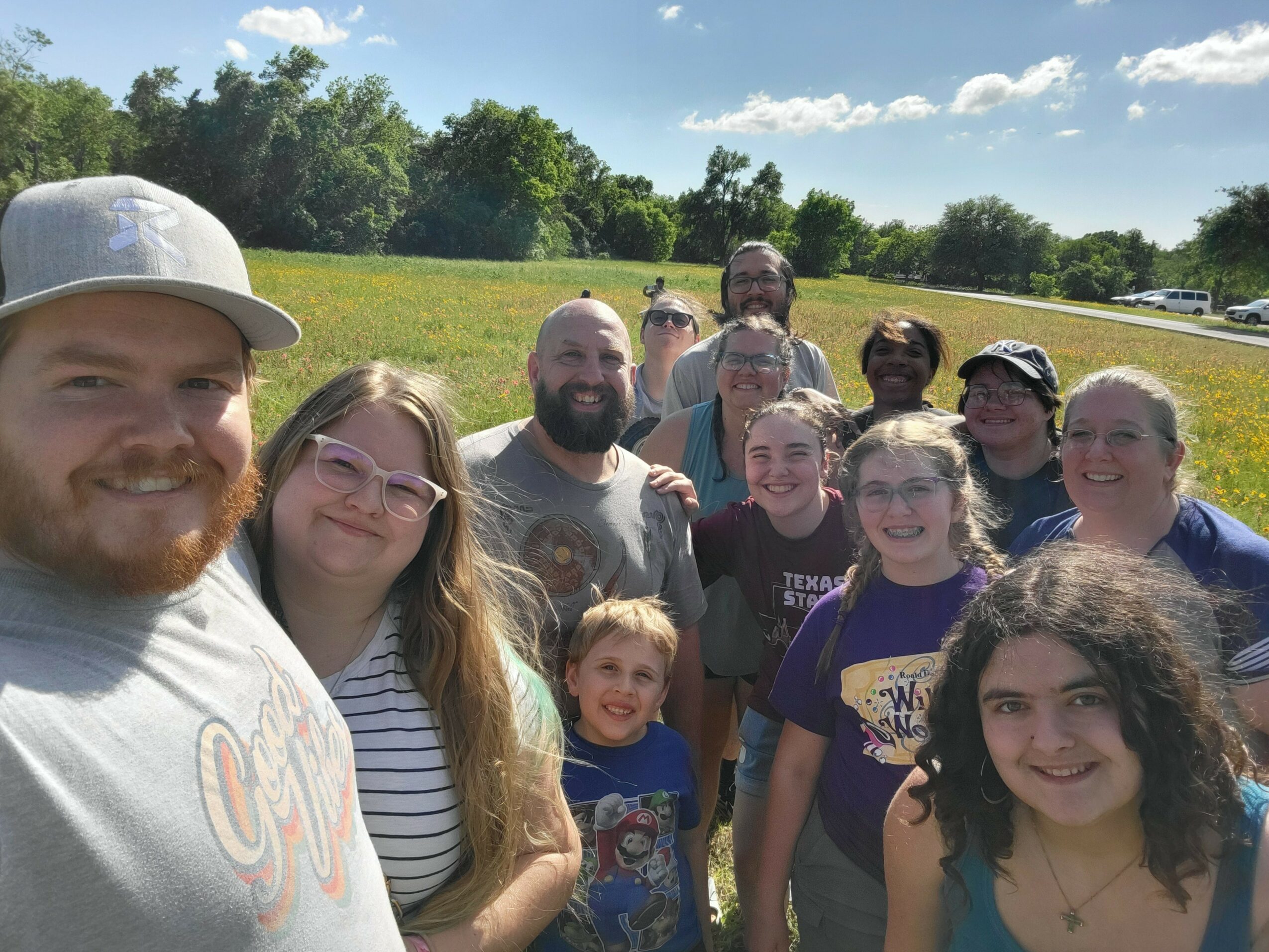
Image Credits
Images taken by 2.42 Church members