


Today we’d like to introduce you to Jimi Calhoun.
Jimi, we appreciate you taking the time to share your story with us today. Where does your story begin?
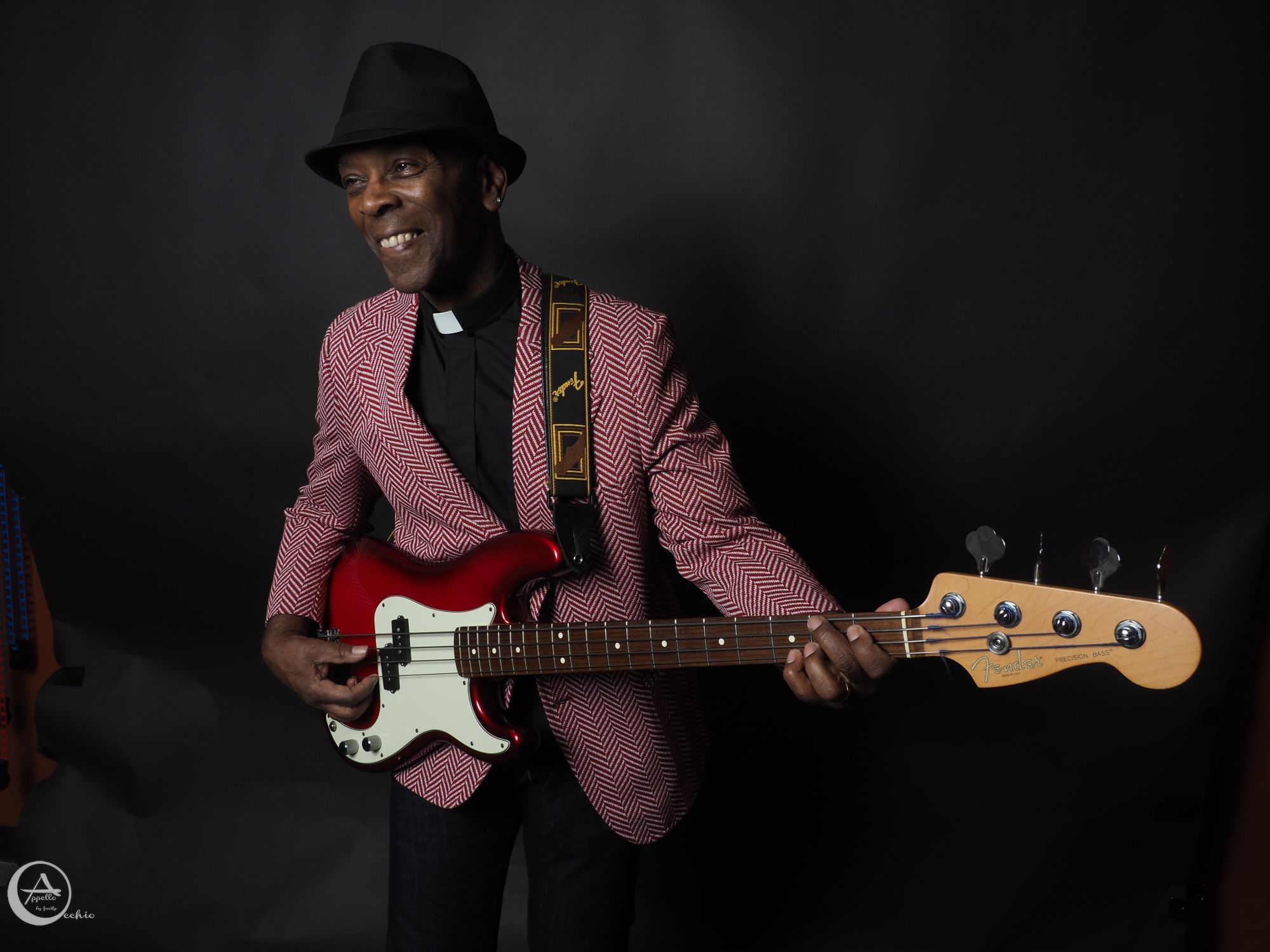
I am an author, humanitarian, and musician. I began playing music for money in middle school in San Jose, California. My first “professional” band was The Rock-a-Teens, an all-white R&B group in which I was the only Black member. One interesting side note is that Skip Spence, a member of that band, played with the original Jefferson Airplane before founding another psychedelic band, Moby Grape. A short while later, I moved on to play bass with the Bobby Freeman Band, which had a hit song named “The Swim” written and produced by Sly Stone. To promote that record, we toured with Jan and Dean and the Surfaris of “Wipe Out” fame, and that was where I got a glimpse of my future.
In high school, I became deeply involved in free jazz performance, playing in a trio of saxophone, bass, and drums. We focused on the work of John Coltrane, Miles Davis, and Ornette Coleman. That period was formative because it offered tremendous creative freedom while pushing me to develop technical proficiency on my instrument. During my senior year, I happened to see The Rolling Stones on the Ed Sullivan Show, and that moment shifted my entire musical direction. Practically overnight, I moved from being a committed jazz player to embracing rock. This path eventually opened doors to major opportunities with Dr. John, P-Funk, Rare Earth, Buddy Miles, and, ironically, Mick Jagger, before eventually recording for Atlantic and Columbia Records with my own band, Creation.
After achieving a measure of international recognition in the music industry, my career experienced a decisive turning point in Los Angeles. Recognizing the need for personal recovery and a departure from the excesses of the rock-and-roll lifestyle, I redirected my focus toward a different vocational and spiritual path. To accomplish that, I began working as a janitor at a church named Hope Chapel in Hermosa Beach, California, while undertaking studies leading to Christian ordination. That resulted in almost a decade of service in Belize, Central America. Upon returning to the United States, I accepted a role at a very influential church in Maryland. There, a growing sense of responsibility to help make the world a better place opened the door for me to begin writing books. I have since published six books and contributed to numerous articles and collaborations with other authors worldwide.
Can you talk to us a bit about the challenges and lessons you’ve learned along the way. Looking back would you say it’s been easy or smooth in retrospect?
One of the challenges I have faced was switching to a completely different occupation and finding acceptance. In my case, moving from the world of rock and roll into the church environment required navigating long-standing assumptions about the culture I came from. The stereotype that rock musicians operate with lower moral standards has been deeply ingrained in many churchgoers’ minds, and, for understandable reasons. As a result, even as I demonstrated a high level of expertise, dedication, and integrity while discharging my duties, there were pockets within the church that viewed me with caution.
However, the beautiful thing about my extensive musical background is that it has shown me it is possible to bring people together. As someone who spent years touring as a musician and now serves as a spiritual leader, I’ve come to see how deeply music and spirituality mirror each other, as they both exist to bring diverse people groups together. From stages around the world, I watched crowds of every shape, size, and color mix with ease, enjoying each other in ways the experts said they shouldn’t. I see the same potential in spiritual life now, though it’s sometimes hard to get people to see what I’ve seen. Put simply, people are far more capable of coming together than we tend to believe possible. This results in a dual challenge: one is to get people to overcome ingrained habits, such as fear, and the other is a direct challenge to me to push through the doubters who say people cannot learn to love one another.
Alright, so let’s switch gears a bit and talk business. What should we know about your work?
Through three of my books—A Story of Rhythm and Grace: What the Church Can Learn from Rock and Roll about Healing the Racial Divide, Funknology: A Synthesis of Art, Science, and Being, and Border Dance: A Study in Contrasts and Conflict and How to Resolve Them—I’ve developed what I believe to be one of the most accessible and artistic frameworks for fostering welcome and inclusion across lines of race, disability, and religious affiliation. My goal is to help promote social harmony wherever dissonance creates division between people.
In addition to my writing, my main focus is Bridging Austin, which is a spiritual community like no other. What makes it different is that it doesn’t fit neatly into one category; it’s not exclusively a gathering space or an activist collective, but incorporates elements of each. We meet online, and all are welcome, whether you are a person of faith or no faith. The activism part lies in being intentional about reaching out to people who are different from us and striving to make them our friends. What that has looked like is that from around 2012, we have been serving the people often called disabled, but we call “differently abled.”
This real life example will provide a snapshot of what we do to change hearts. I once played music for a group of adults living with significant disabilities, including one man I’d often keep my distance from because of his hygiene issues. One morning, I arrived early, opened the door, and he cornered me. Then he wrapped his arms around me and hugged me like an MMA fighter performs a submission hold on an opponent. At that point, I had no choice but to hug him back. Here’s the thing. Crossing that “bridge of discomfort” opened my heart in a whole new way. And when Covid kept me from visiting that facility, guess who I found myself missing most?
So maybe we end on discussing what matters most to you and why?
I’ve come to believe that both life and art rise from the same deep well, and at the bottom of it is Love. That’s the real source of all beauty. One of my books is titled The Art of God, with a subtitle that reads—Reflections on Music, Diversity, and the Beauty in You. It is the last phrase, “the beauty in you,” that matters to me most in the work I do. Because being unloved “disables” the human spirit more than anything else, I am passionate about and committed to letting every person know they are beautiful and unconditionally loved: No exceptions!
Contact Info:
- Website: JImicalhoun.com
- Facebook: https://www.facebook.com/writingmorebooks
- Linkedin: https://www.linkedin.com/in/jimi-calhoun-0b775012/
- Youtube: https://www.youtube.com/results?search_query=Bridgingaustin
- Other: https://substack.com/@jimicalhoun
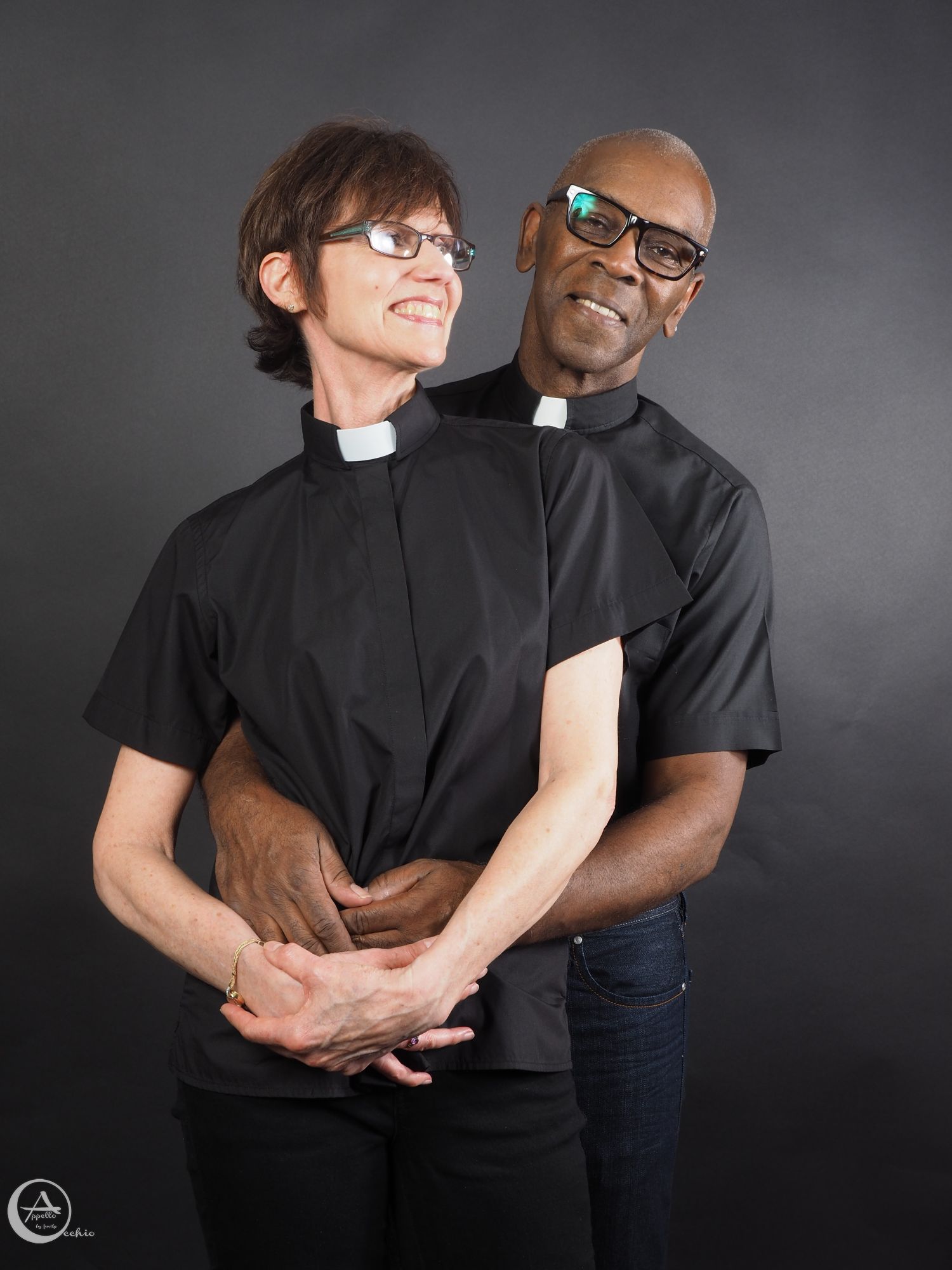
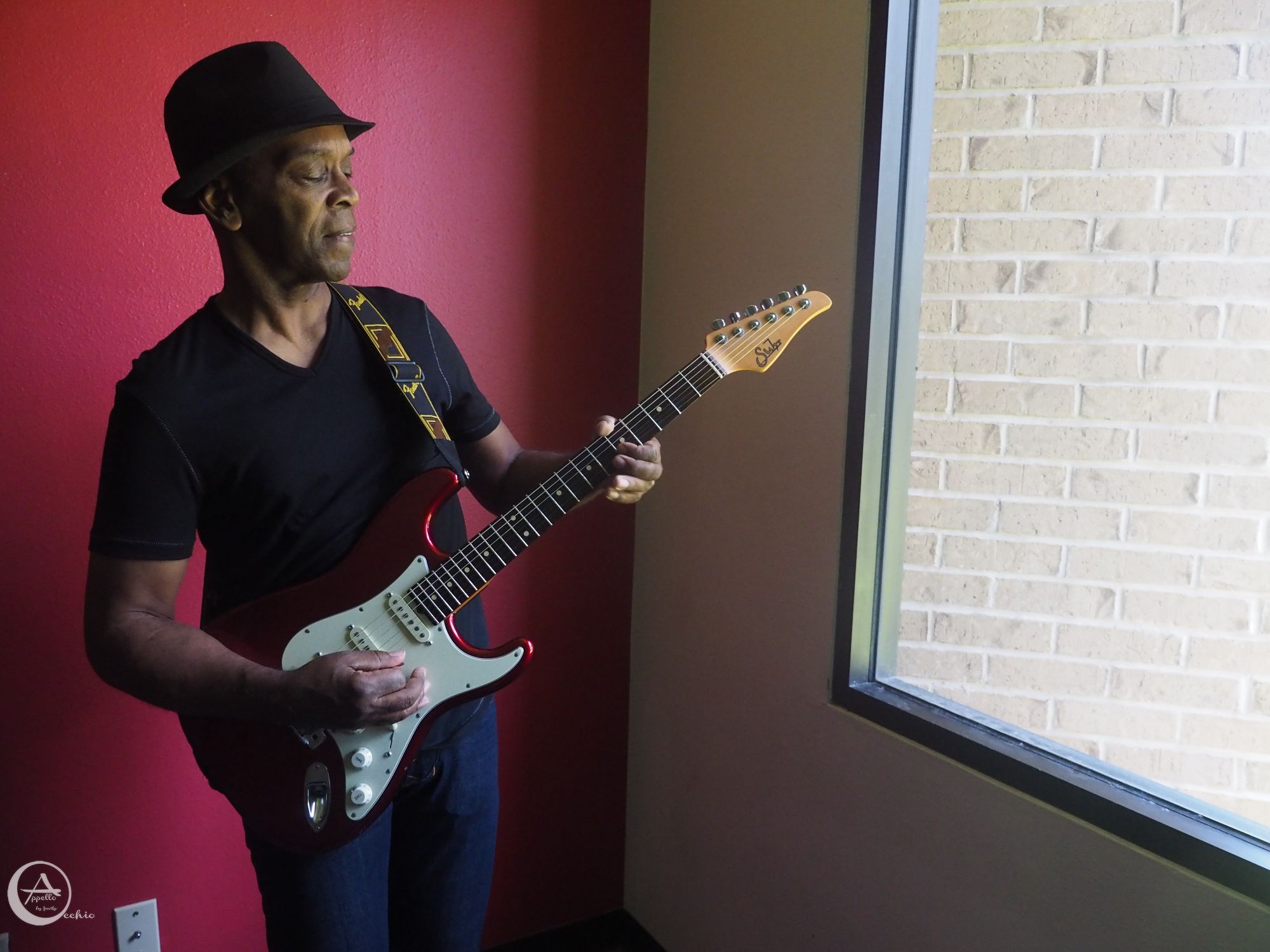
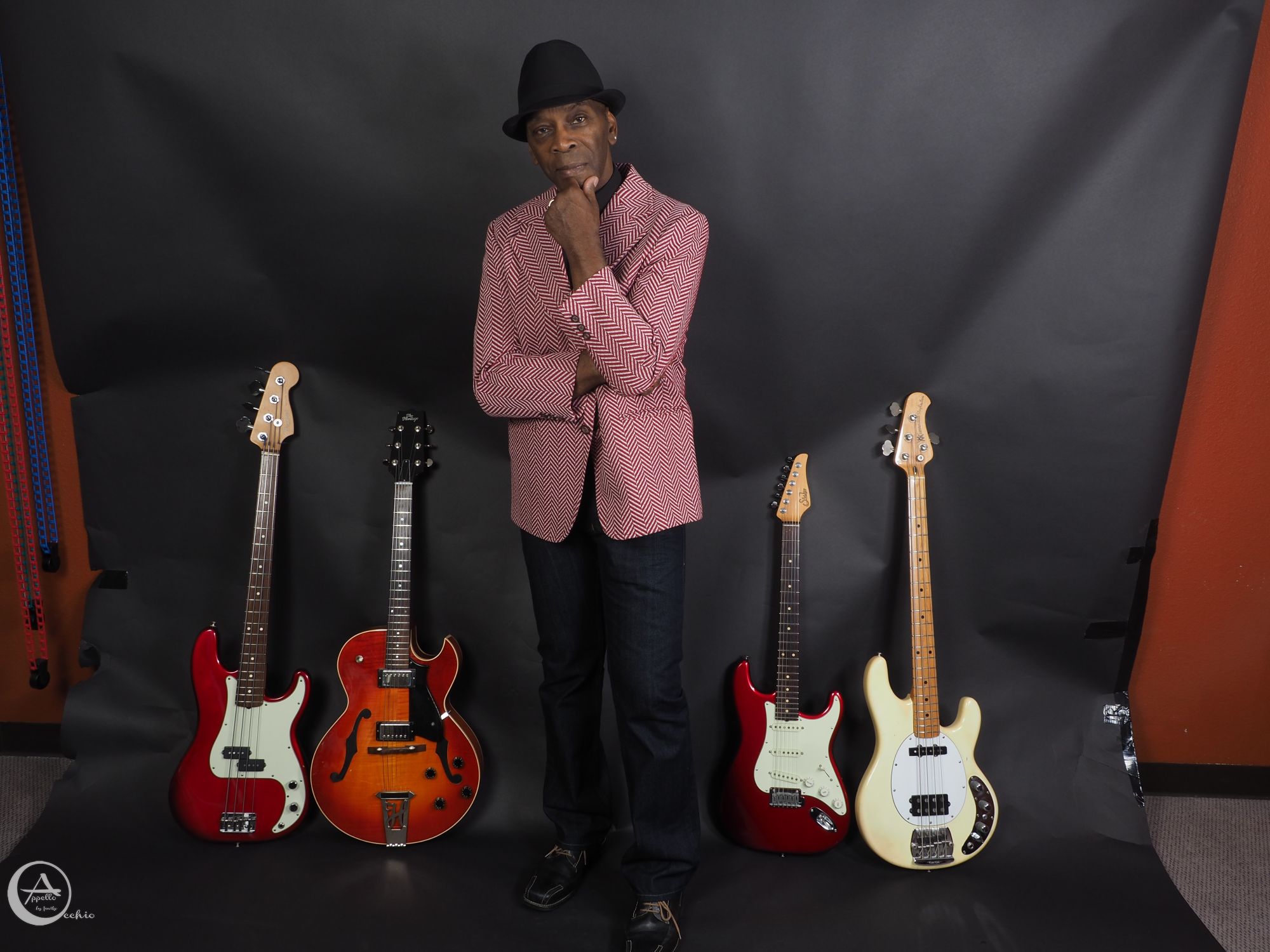
Image Credits
Ivan Miller Photography