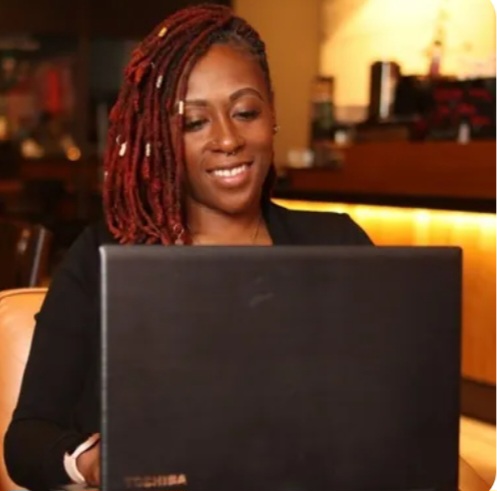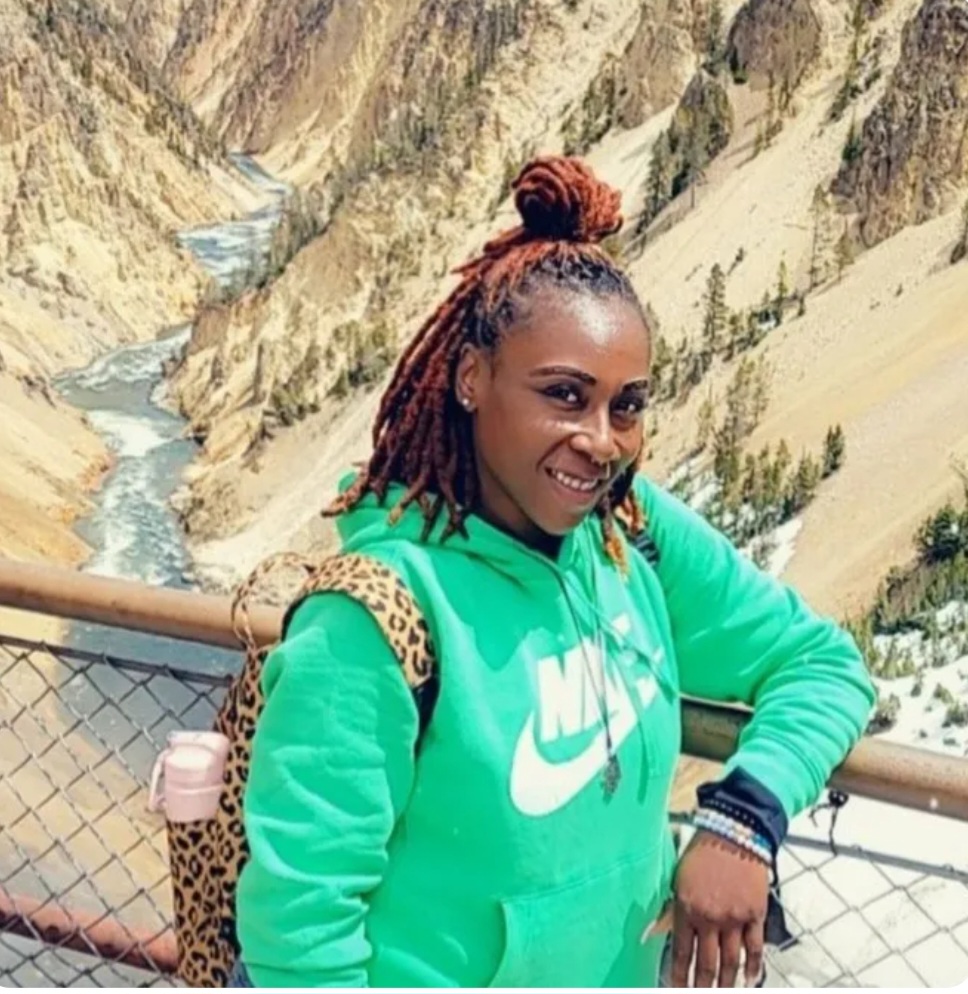



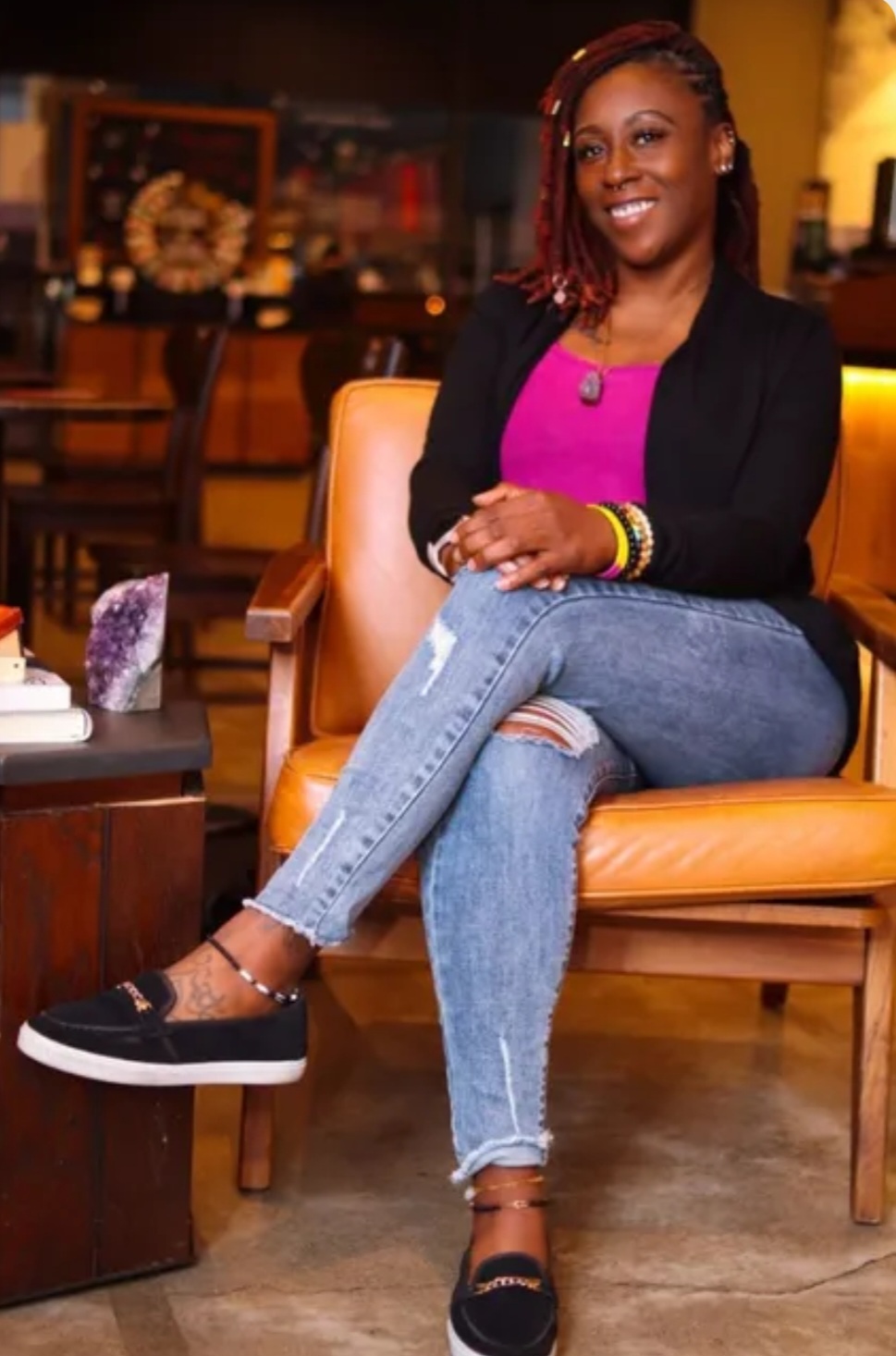
Today we’d like to introduce you to Alexandrea Long.
Hi Alexandrea, so excited to have you on the platform. So before we get into questions about your work-life, maybe you can bring our readers up to speed on your story and how you got to where you are today?
My path into this work began with my own survival of childhood trauma, dysfunctional relationships, and deep emotional wounds. Like many people, I spent years trying to understand myself why certain patterns kept repeating, why my nervous system reacted the way it did, and why I was drawn to certain people and dynamics. That personal journey is what first drew me to social work and to the desire to help others in the same way I was trying to help myself.
As I entered the mental health field and began my own healing journey, I quickly noticed a disconnect between the narratives within the mental health system and what I experienced firsthand in my own human journey. Much of the system relies heavily on labels and diagnoses, often separating the mind from the body and overlooking the ways people adapt to survive their environments. This approach can unintentionally add to shame, especially for those with trauma histories.
Through my own healing and continued education, I began to see that many behaviors we pathologize are actually intelligent survival responses shaped by trauma, attachment, and nervous system conditioning, not evidence that someone is broken or born disordered.
This understanding motivated me not only to support clients in their healing, but also to teach, mentor, and support other clinicians within the field. I’m deeply passionate about helping clinicians move beyond purely label-driven models and toward more trauma-informed, body-based, and compassionate approaches to care. I want both clients and clinicians to understand that people are not their wounds, and that symptoms do not mean someone is broken. Instead, many of these responses reflect the intelligence of the nervous system adaptive strategies developed to survive. This work does not require shame or judgment; it requires compassion and understanding. Through this lens, people are able to see themselves in the context of who they truly are, which is where meaningful healing begins.
I’m sure it wasn’t obstacle-free, but would you say the journey has been fairly smooth so far?
It definitely hasn’t been a smooth road. One of the biggest challenges has been learning the truth about trauma, the nervous system, and healing while working within a mental health system that isn’t always rooted in up-to-date research or embodied understanding. I often felt the tension between what I knew to be true through lived experience and neuroscience, and what the system continued to prioritize through labels, productivity, and outdated frameworks.
Another challenge was having the courage to speak up and practice differently in a system that still reflects colonized, one-size-fits-all models of care. Choosing to see people as whole, adaptive humans rather than as diagnoses or problems to be managedwas not always widely understood or supported. At times, that meant standing alone in my perspective, advocating for a more humane and trauma-informed approach, and trusting my values even when others did not share the same lens.
While difficult, these challenges strengthened my commitment to this work. They clarified why it matters to practice and teach in a way that honors people’s full humanity, supports clinicians, and contributes to meaningful change within the field.
We’ve been impressed with Live Consciously,PLLC, but for folks who might not be as familiar, what can you share with them about what you do and what sets you apart from others?
Live Consciously is a trauma-informed group practice and training space rooted in the belief that healing happens when people are understood as whole, adaptive humans not as diagnoses to be fixed. We provide therapy for adults and adolescents using body-based, neuroscience-informed approaches that integrate the mind, nervous system, and lived experience. Our work centers on trauma, attachment, emotional regulation, and helping clients develop a deeper, more compassionate relationship with themselves.
What sets Live Consciously apart is our commitment to going beyond symptom management. We specialize in helping people understand why their patterns exist, how their nervous systems learned to adapt and how to work with those adaptations rather than fighting against them. Our approach is relational, educational, and deeply human, with an emphasis on reducing shame and increasing agency.
In addition to client work, Live Consciously is also a space for teaching and mentoring clinicians. We support emerging therapists through supervision, training, and consultation, with a focus on trauma-informed, body-based care that challenges outdated, colonized, and purely label-driven models of mental health. Creating a practice that supports clinicians’ sustainability, integrity, and growth is a core part of our mission.
What I’m most proud of, brand-wise, is that Live Consciously reflects its values in practice. It’s not just a name, it’s a way of working. The practice prioritizes compassion, curiosity, and nervous-system awareness for both clients and clinicians. I want readers to know that Live Consciously exists to offer a more humane, informed, and empowering approach to mental health one that honors people’s resilience, intelligence, and capacity to heal.
Can you talk to us about how you think about risk?
I don’t see myself as a reckless risk-taker, but I am willing to take intentional risks when they align with my values. For me, risk-taking has meant choosing integrity over comfort.
One of the biggest risks I took was stepping outside of traditional mental-health models to build a practice grounded in trauma-informed, body-based, and relational care. Practicing differently meant being misunderstood at times and trusting a vision that wasn’t always reinforced by the system. I’ve also taken risks by using my voice advocating for more humane, updated approaches to care and mentoring clinicians in ways that challenge outdated frameworks.
I view risk as a necessary part of growth. When it’s rooted in self-awareness and purpose, risk becomes a pathway toward alignment and meaningful impact rather than something to avoid.
Contact Info:
- Website: https://Www.liveconsciouslypllc.com
- Instagram: https://www.instagram.com/liveconsciouslypllc
- Facebook: https://www.facebook.com/share/1FGWYRMgft/
- LinkedIn: https://www.linkedin.com/in/alexandrea-long-ms-lcsw-s-emdr-trained-69a79256