



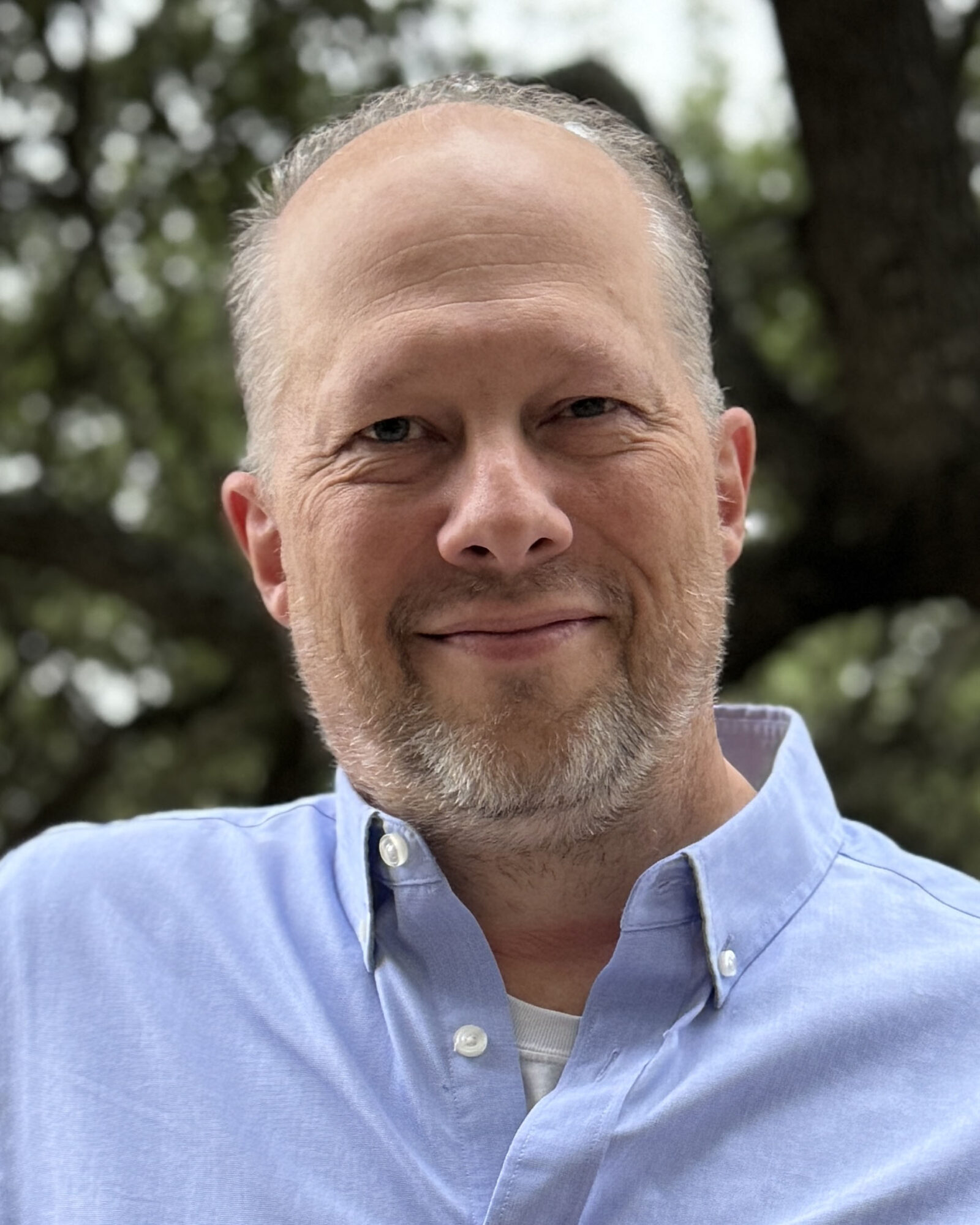
Today we’d like to introduce you to Bryan Snead.
Hi Bryan, please kick things off for us with an introduction to yourself and your story.
It’s tempting to try to point to one defining moment that led me here. The reality is it took me years. Before I even started the process of becoming a licensed therapist, I spent decades working in IT and High Performance Computing. I enjoyed it, but internally I knew something was missing. I wasn’t fulfilled. I had a growing sense that there was work I was meant to do that felt more meaningful and consistent with who I am. But, pursuing that path meant starting over entirely, which was both daunting and costly—but also necessary for a life fully lived.
I went back to school while working nights, eventually transitioning into graduate school while working during the day. It was a long and demanding process—years of education, internships, supervision, and working for others before earning the privilege of starting a private practice. Therapy is not a quick path, and I believe that depth and formation really matter in this work.
During graduate school, I discovered a strong interest in trauma. At the time, there was a unique and groundbreaking course dedicated specifically to trauma, and I was immediately drawn to it. That interest grew into a focus on working with military and first responders, as well as individuals and families impacted by deep relational and family trauma. My internship took place in a relational center with a strong emphasis on intimacy and relationship work, which further shaped how I understand healing—not just at an individual level, but within systems and relationships.
While in graduate school, I also had the opportunity to pursue dual licensure. In addition to becoming a Licensed Professional Counselor (LPC), I completed the additional training required to become a Licensed Marriage and Family Therapist (LMFT). Most students choose one or the other, but that decision reflected a core belief of mine: people do not exist in isolation. We are shaped by our relationships, families, and systems, and, for therapy to be meaningful and effective, relational context must be part of the process.
I eventually landed at Hill Country Counseling Center, a place that deeply influenced both my professional development and my long-term vision. Hill Country was designed from the ground up as a training center—focused on developing strong therapists who would eventually move on to serve in their own practices or other organizations. That environment reinforced something I had known for a long time: I wanted to be a supervisor, a mentor, and someone who helps train therapists to do this work well.
Out of that experience grew my own practice, DeepWaters. The name reflects a core belief about the human experience—that much of what shapes us lies beneath the surface. Those deep places can be painful, intimidating, and difficult to face, but they also hold meaning. Healing requires the courage to bring what’s hidden into the light, to sit with it, make sense of it, and choose something different rather than running from it. The goal isn’t just relief from pain, but more life.
While I care deeply about the work I do with individuals, couples, and families one at a time, I’ve always carried a broader vision. I want to have an impact beyond a single room—to train, supervise, and influence the field in ways that ultimately help more people heal.
People sometimes ask why I chose counseling rather than coaching or another helping role. The answer is simple: at the core of being human is the need to be seen and known, even in the darkest corners of our lives. Counseling creates a unique space where people can safely go to those places, wrestle with them, and not be alone. That is the work I felt called to do—and it’s the work I continue to feel honored to be part of today.
Alright, so let’s dig a little deeper into the story – has it been an easy path overall and if not, what were the challenges you’ve had to overcome?
It definitely hasn’t been a smooth road. Like most meaningful paths, it’s come with real sacrifices and challenges along the way.
When I first went back to school, my wife and I had young children. That season required sacrifices not just from me, but from my entire family. Time, energy, and financial stability were all stretched, and the cost of pursuing this work was something we carried together. I’m deeply aware that I didn’t make that journey alone.
Another challenge was the gap between clinical training and real-world practice. Graduate school does an excellent job teaching you how to be a counselor, but it doesn’t prepare you for what it takes to build and sustain a practice—running a business, leading people, and navigating the practical realities of healthcare. Much of that had to be learned the hard way, through experience, mistakes, and mentorship.
Like many in the helping professions, I’ve also had to wrestle with the reality of burnout. This work asks you to be emotionally present for people in their darkest and most painful moments. It’s easy to give too much of yourself and find that there’s very little left for the people you love most. Learning how to care deeply without disappearing—how to stay grounded, present, and emotionally available both at work and at home—has been one of the most important and difficult lessons along the way.
Those challenges shaped not only how I work, but how I live. They’ve taught me that courage, boundaries, and community are not optional in this field—they’re essential.
Appreciate you sharing that. What should we know about DeepWaters LPC?
DeepWaters LPC is a small private practice that I founded in 2023 with a very intentional vision. At its core, DeepWaters exists to help people engage the parts of their story that lie beneath the surface—especially experiences that feel overwhelming, painful, or difficult to put into words—and move toward healing that is both meaningful and sustainable.
My work is grounded in specialized training in processing relational and physical trauma, chronic pain, and the neuroscience and neurophysiology of the brain and nervous system. I’m trained in evidence-based trauma modalities including EMDR and Brainspotting, along with other approaches shown to be effective in processing traumatic memories and experiences. While many therapists today are trained in trauma-informed care, what sets my work apart is the way I integrate those modalities with a deep understanding of how the brain and nervous system actually function. My technical background allows me to be precise and intentional—applying the right tools at the right time rather than relying on a one-size-fits-all approach.
One thing I’m especially known for is my use of metaphor. I’ve found that metaphors have a unique ability to reach places that language alone often can’t. They help surface thoughts, emotions, and stories that live deep within us—places where words feel insufficient—so that we can bring them into the open and work with them in a way that feels accessible and grounded.
What I’m most proud of, brand-wise, is the way DeepWaters speaks to the reality that much of what shapes us exists below the surface. Entering those deeper waters can be intimidating, but it’s also where real meaning and transformation are found. The work isn’t about rushing people toward solutions; it’s about creating a space where they feel seen, understood, and supported as they engage their story at their own pace.
I also take very seriously the reality that finding the right therapist is incredibly difficult. All the training in the world means very little if the therapeutic relationship doesn’t feel safe or connected. One of my guiding principles is helping people find the right fit for them—even if that means helping them find someone other than me. I believe good therapy begins with honesty, trust, and alignment, and I consider it part of my responsibility to honor that from the very first conversation.
What I want readers to know about DeepWaters is that this is a practice built with care, intention, and respect for the complexity of the human experience. Whether someone is navigating trauma, chronic pain, relational wounds, or simply feeling stuck, the goal is not just symptom relief—but more clarity, more connection, and ultimately, more life.
Can you talk to us about how you think about risk?
I don’t think of myself as a reckless risk-taker, but I do believe that meaningful growth almost always requires some level of risk. For me, risk has never been about chasing uncertainty for its own sake—it’s been about responding honestly when staying where I was no longer aligned with who I was becoming.
The most significant risk I took was changing careers. I walked away from a solid job of nearly twenty years where I was respected, effective, and a valued member of the team. On paper, it didn’t make much sense to leave that kind of stability. But internally, I knew that staying would come at the cost of something important. Choosing to start over meant financial uncertainty, years of education and training, and no guarantee of success.
That risk was compounded by the season of life we were in. My wife and I had young children, which meant long days and late nights trying to balance work, school, and being present at home. It required sacrifice, discipline, and a willingness to carry uncertainty for a long time before seeing the payoff.
I also think about risk often in the context of therapy itself. Counseling is inherently a risky process. Healing requires engagement, honesty, and the willingness to step into uncomfortable territory. I often compare therapy to going to the gym—if you’re not sweating at least some of the time, you’re probably not working very hard. At the same time, my role is to ensure that the effort has direction and purpose. We’re not doing hard things just to do hard things; we’re working toward meaningful, measurable change.
In short, I believe risk is essential—but it should be intentional and well-considered. The risks that matter most are rarely impulsive. They’re the ones taken with clarity, support, and a clear sense of why the risk is worth taking. When approached that way, risk becomes less about recklessness and more about courage and alignment.
Contact Info:
- Website: https://www.DeepWatersLPC.com
- Instagram: https://www.instagram.com/deepwaterslpc
- Facebook: https://www.facebook.com/DeepWatersLPC
- Twitter: https://x.com/DeepWatersLPC
- Youtube: https://www.youtube.com/@DeepWatersLPC

Image Credits
Bryan Snead, Trish Bode, and Bethany Schaefer