



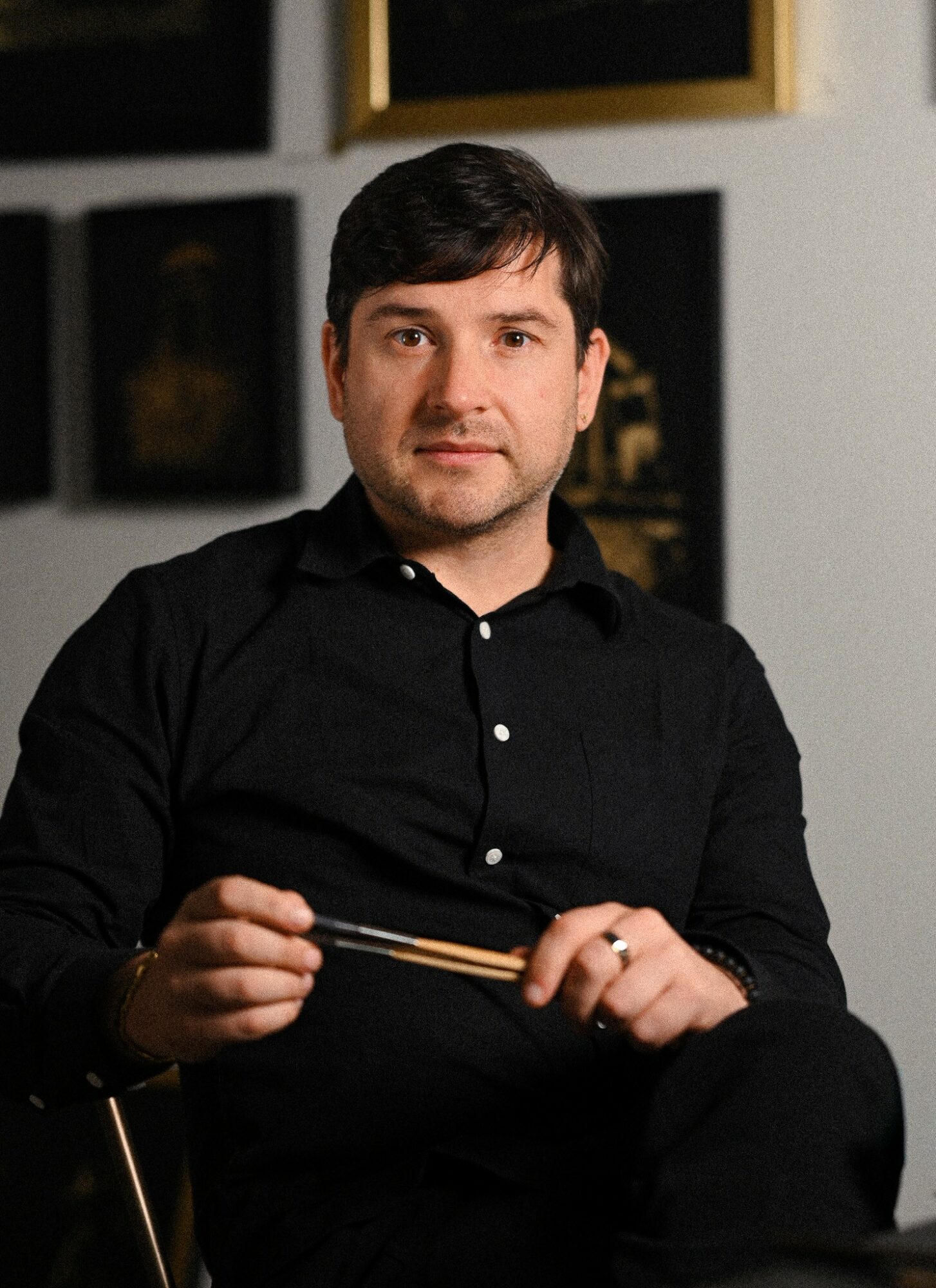
Victor Selin shared their story and experiences with us recently and you can find our conversation below.
Victor, we’re thrilled to have you with us today. Before we jump into your intro and the heart of the interview, let’s start with a bit of an ice breaker: What makes you lose track of time—and find yourself again?
What makes me lose track of time is watching light negotiate with a surface. When I’m working with gold on black, it stops feeling like minutes are passing. The smallest shift, turning the piece a few degrees, can make the whole surface ignite. It’s like the work has its own pulse. I end up chasing that moment, not to make it impressive, but because that’s when it feels real. The material only reveals itself if you slow down and actually meet it.
I also get lost in repetition, refining edges, spacing, and the rhythm between silence and shine. There’s a point where I stop thinking and start listening with my hands instead. It feels like being inside a piece of music that lands exactly right.
And then I find myself again when I finally step back and the piece holds together. If it changes with the light but still feels grounded, calm but charged, that’s when I know it’s done. I’m always aiming for that kind of presence: quiet, but impossible to ignore.
Can you briefly introduce yourself and share what makes you or your brand unique?
I’m Victor Selin, the artist behind NoirGold.ART, and I build artworks that behave like instruments: they change with the room, the angle, the hour. My medium is gold on black paper, sometimes pushed into raised relief, sometimes cut back through engraving, always designed to reward close looking. The imagery combines bold silhouettes with a personal calligraphic script that reads like identity more than language, a signature you feel before you “understand.”
My background is in materials science and medical device R&D, so I approach each piece with equal parts poetry and precision. I’m obsessed with how light moves across a surface, how a burnished region can flip from quiet to radiant, how matte and gloss can create depth without adding color. Gold is not decoration for me, it is a structural choice, a way to turn attention into something physical.
Right now I’m focused on expanding that vocabulary: stronger contrasts between burnish and matte, more intentional surface architecture, and compositions built around restraint and presence. The goal is simple: work that doesn’t need to shout, but it still stays with you after you look away.
Appreciate your sharing that. Let’s talk about your life, growing up and some of topics and learnings around that. What part of you has served its purpose and must now be released?
A part of me that’s served its purpose is the need to justify myself. For a long time, I felt this quiet pressure to explain why I was making what I was making, to make it all make sense on paper before it could feel real. That came from a life built around proof and precision, where everything needed to add up.
I’m learning to let that go. The work doesn’t need defending. Gold on black isn’t a puzzle, it’s an experience. It either holds you or it doesn’t, and the truth shows up right away in how the light moves across the surface.
Letting go of the need to overexplain has made my art stronger. I lean into fewer elements now, simpler choices, more confidence in silence. I’m more interested in presence than persuasion, and that shift feels like coming home to myself.
What’s something you changed your mind about after failing hard?
I changed my mind about what feedback actually measures. I once finished a piece that felt like it had everything going for it. The idea was sharp, the finish was right, and I genuinely thought people would connect with it immediately. But the first reactions were flat, or simply not what I expected. For a minute, it shook my confidence, not because I needed praise, but because it made me question my own instincts.
Then came the Austin Studio Tour. The same piece that had been overlooked before suddenly landed with people. I heard deeper, more emotional reactions, and eventually it found a new home. That’s when it clicked for me: reception isn’t a verdict, it’s a moment. Light, mood, timing, even the energy of the room, all of it changes how art is seen.
So now I don’t treat early feedback as truth. I give the work time to breathe and find the right eyes. What I’ve learned is that honest connection always comes, just not always on schedule. I trust the work more than the noise.
Sure, so let’s go deeper into your values and how you think. How do you differentiate between fads and real foundational shifts?
I tell fads from real foundational shifts by watching what sticks once the hype dies down. A fad depends on a fast reaction, a trend format, or a specific moment online. When the novelty wears off, it disappears, and it rarely changes how people actually make work or live with it.
A real shift changes behavior quietly, even when nobody’s watching. For me, it comes down to a few gut checks. Does the idea still feel right weeks later? Does it demand real skill and patience, the kind of thing you cannot fake overnight? And the biggest one: does it hold up in a real room, under shifting light, from across the space, not only on a screen?
In my work, gold on black is that kind of foundational choice. It doesn’t chase trends, it rewards coming back and really looking. When people keep noticing new layers over time, that’s how I know it’s built to last.
Okay, we’ve made it essentially to the end. One last question before you go. If you laid down your name, role, and possessions—what would remain?
If I laid down my name, role, and all my possessions, what would remain is a quiet discipline of making something honest. Not a brand or a style, just a way of paying attention to light, to surface, to what feels true.
Gold on black is simply the vehicle. I’m chasing pieces that slow people down, not by yelling for attention, but by earning it. Something that shifts with the light, rewards a second look, and leaves a calm, charged feeling, like a memory you didn’t know was yours.
If anything lasts, I hope it’s that commitment: restraint, real craft, emotional clarity. Work that doesn’t shout, but sticks with you long after you’ve turned away.
Contact Info:
- Website: https://noirgold.art
- Instagram: https://www.instagram.com/noirgold.art/
- Other: https://www.etsy.com/shop/NoirGoldART
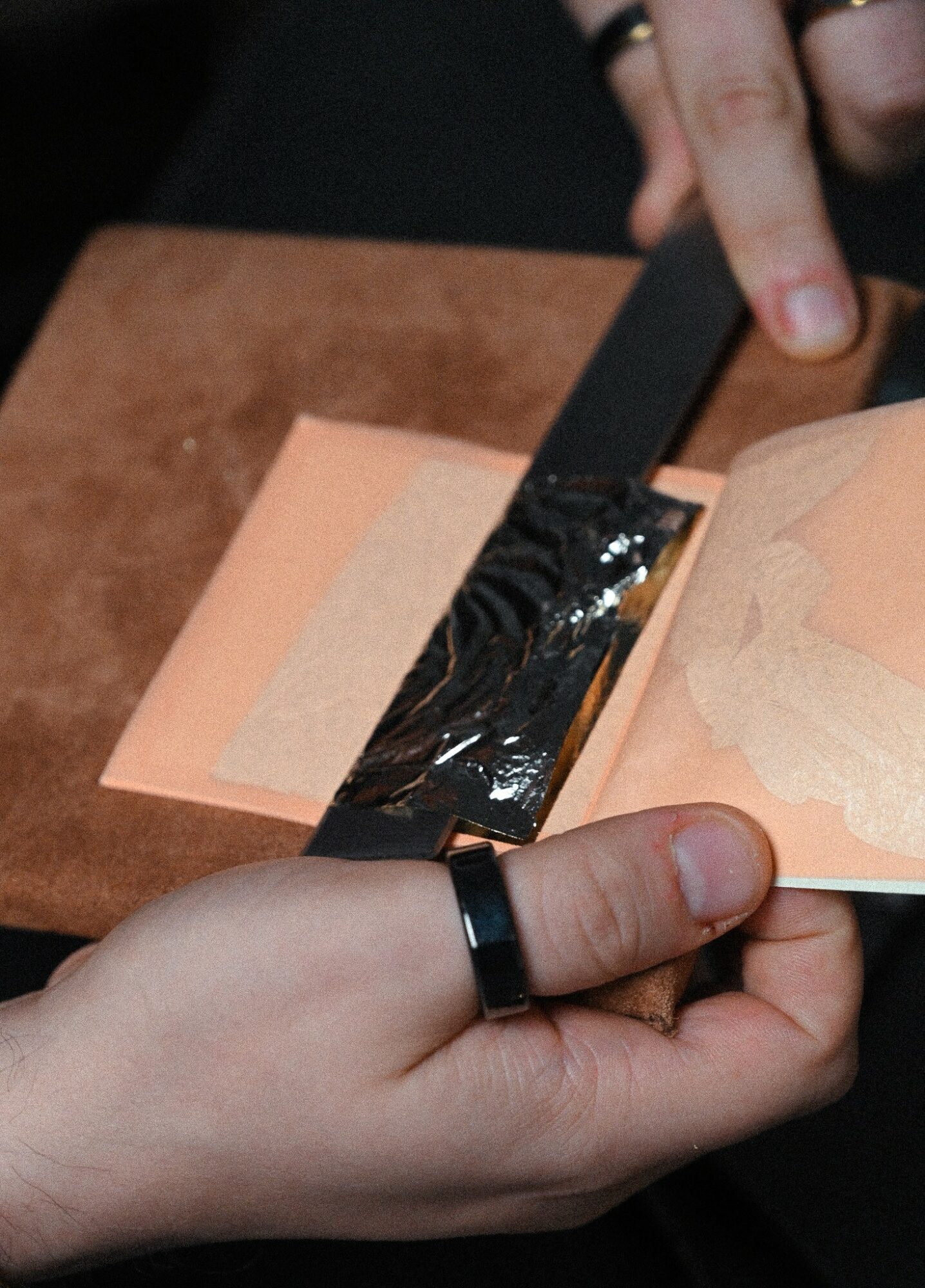
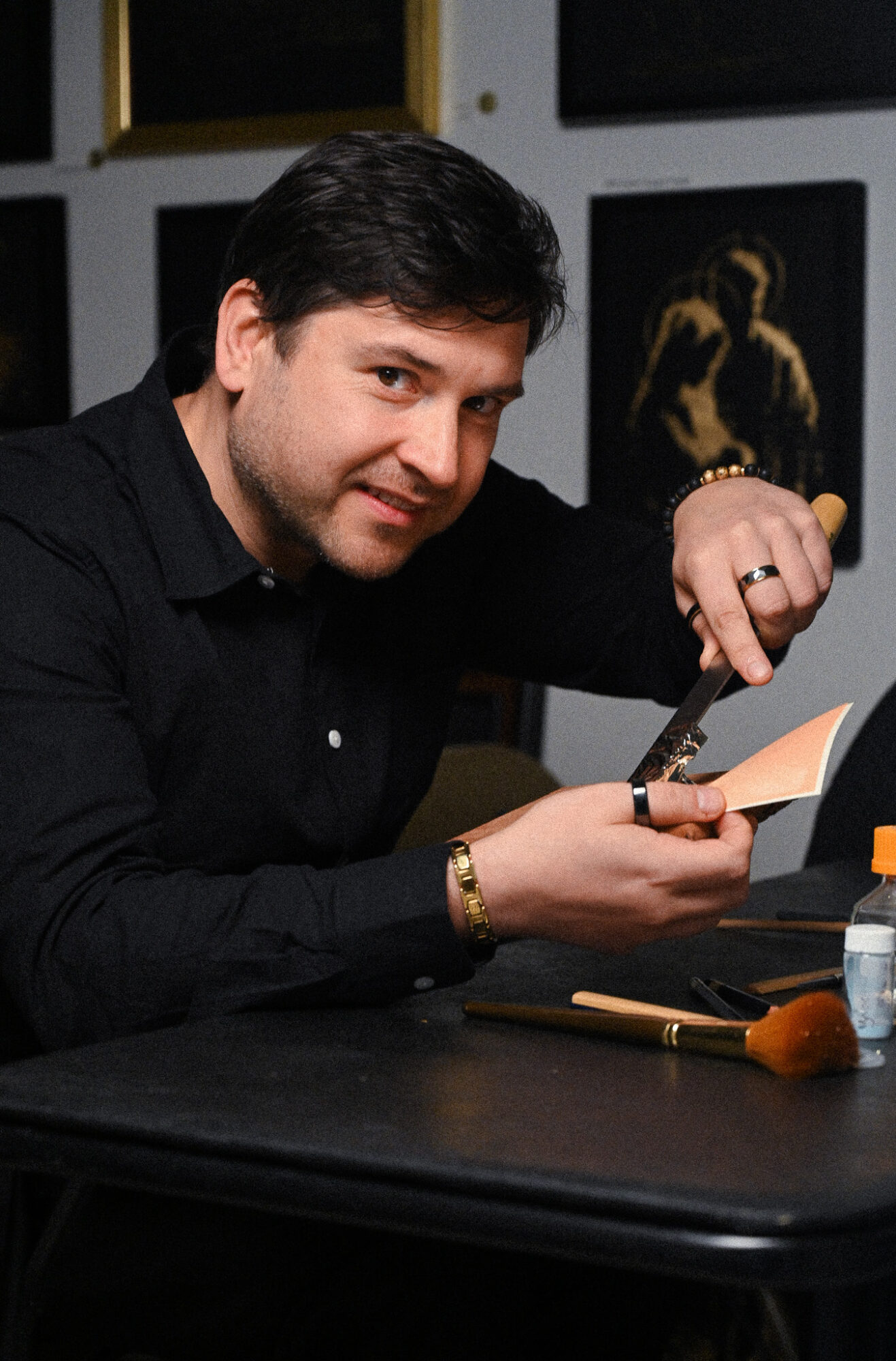
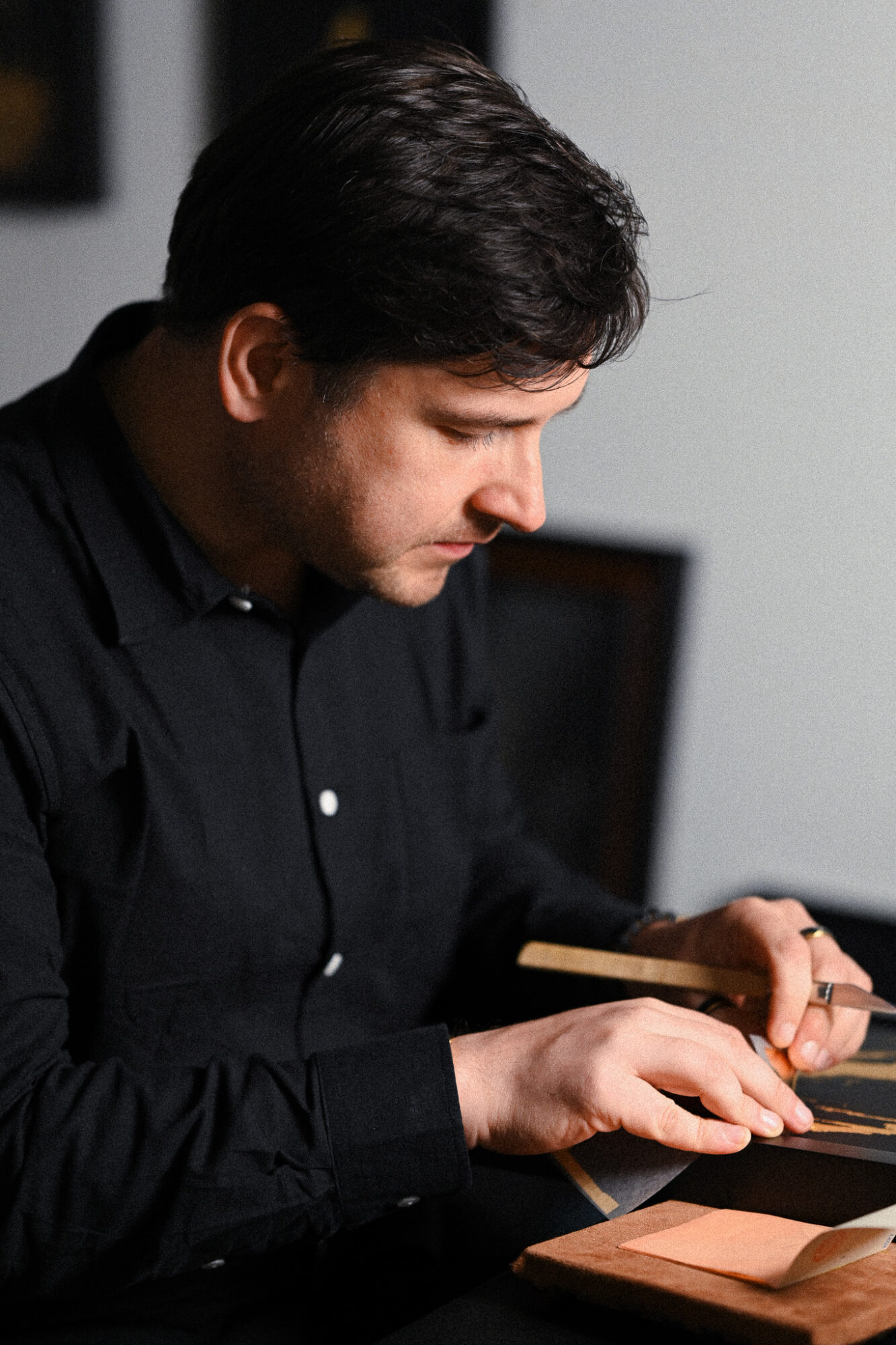
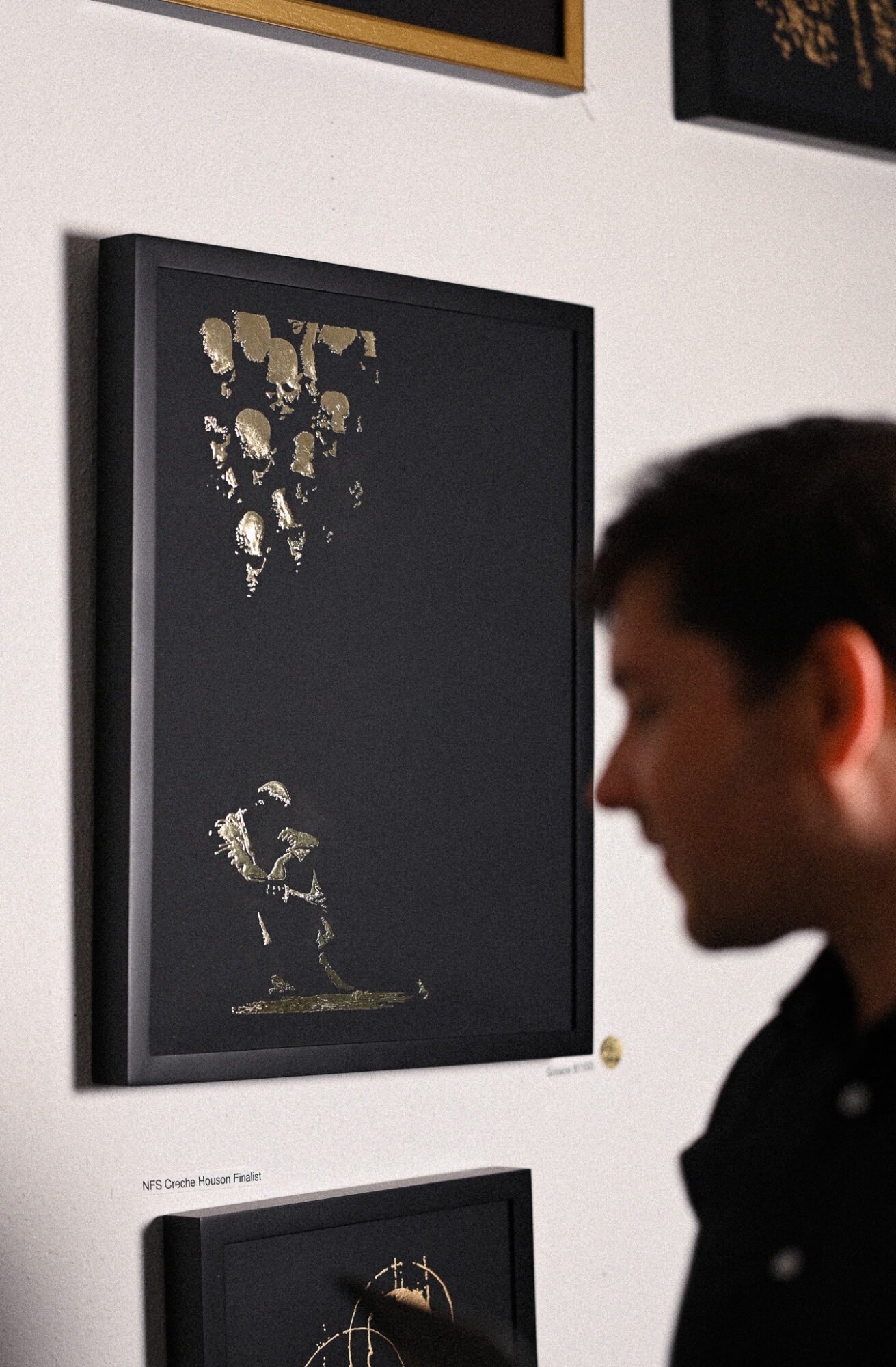
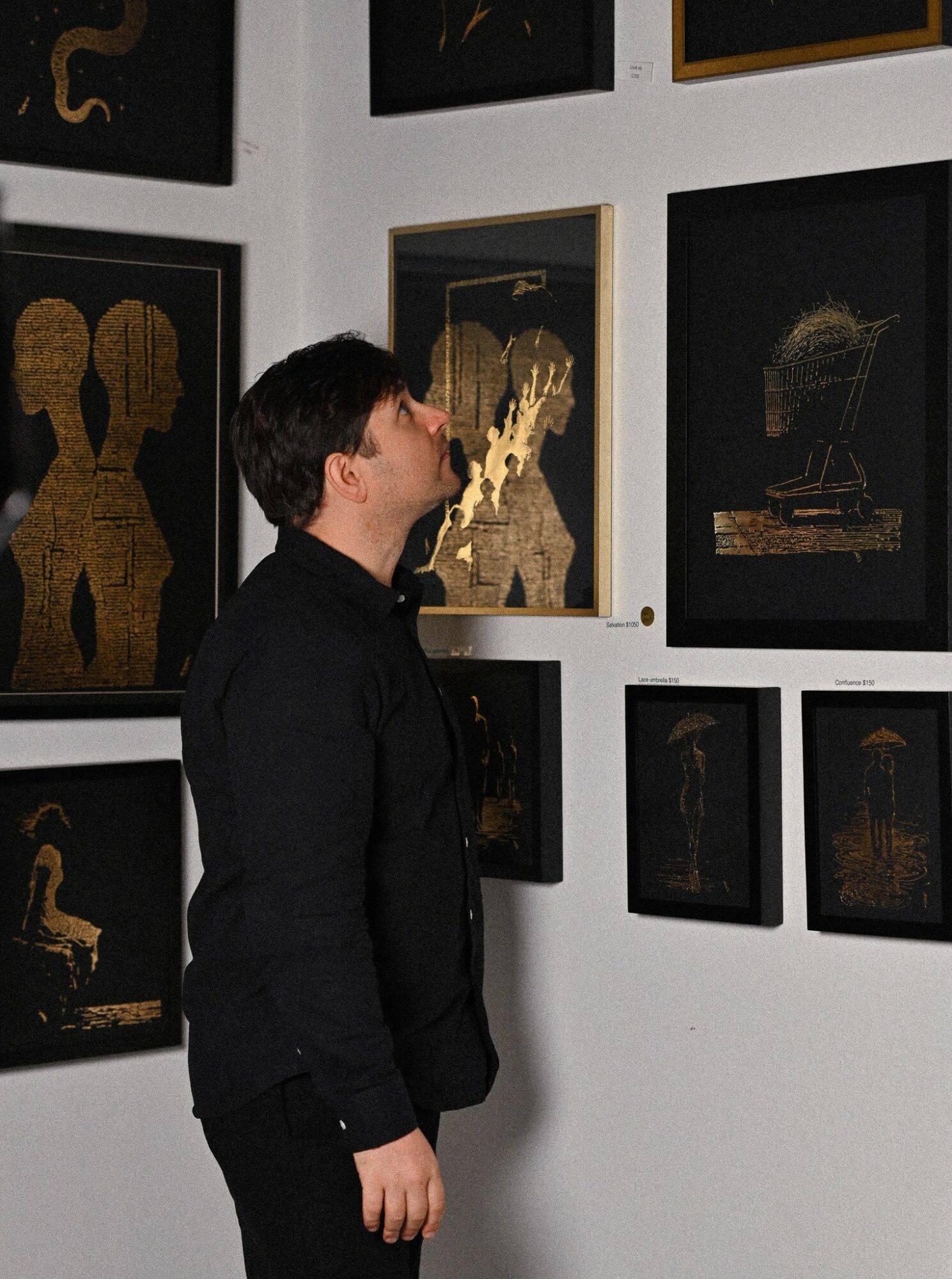
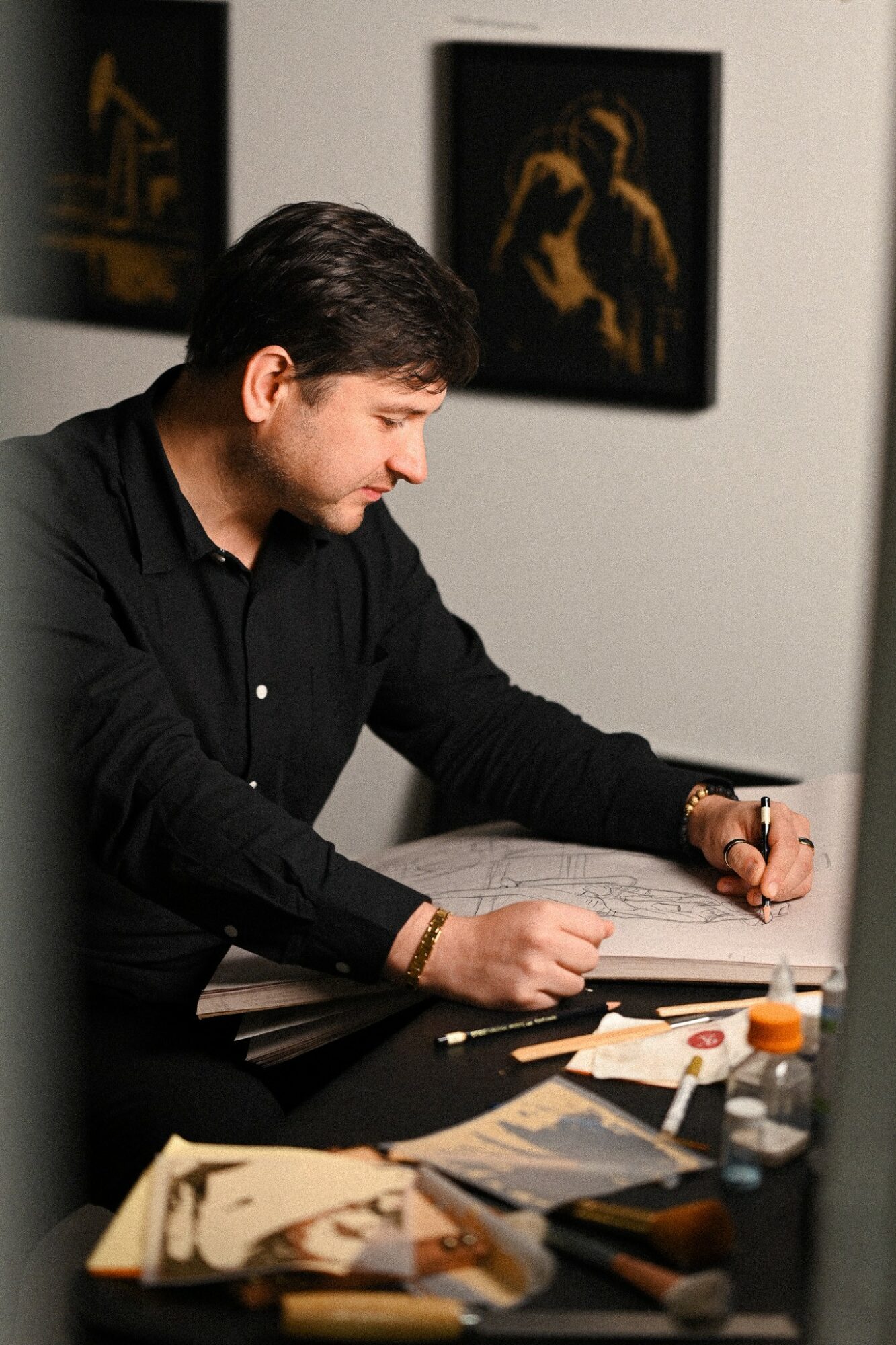
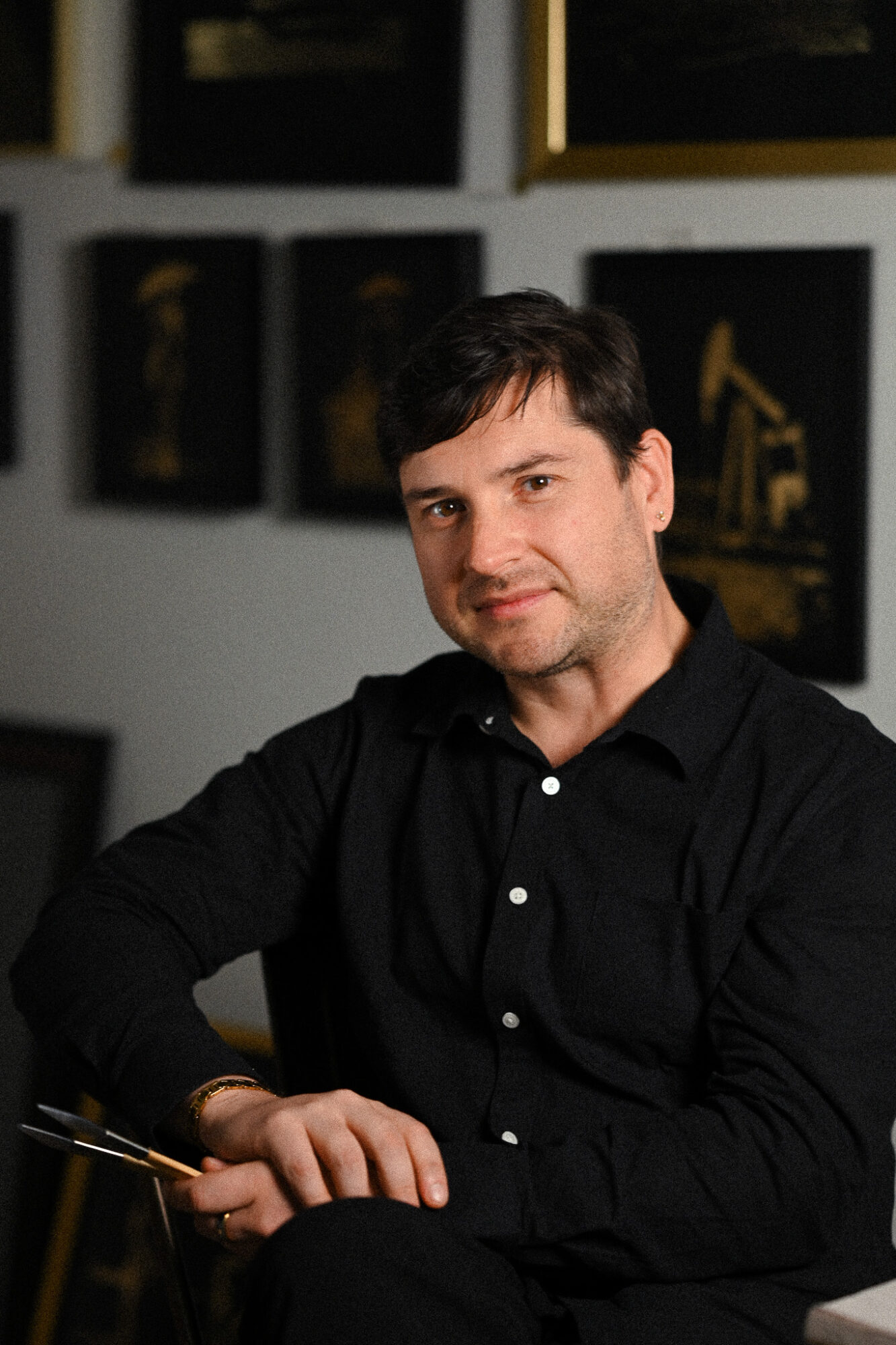
Image Credits
Anastasiya Ilinskaya