



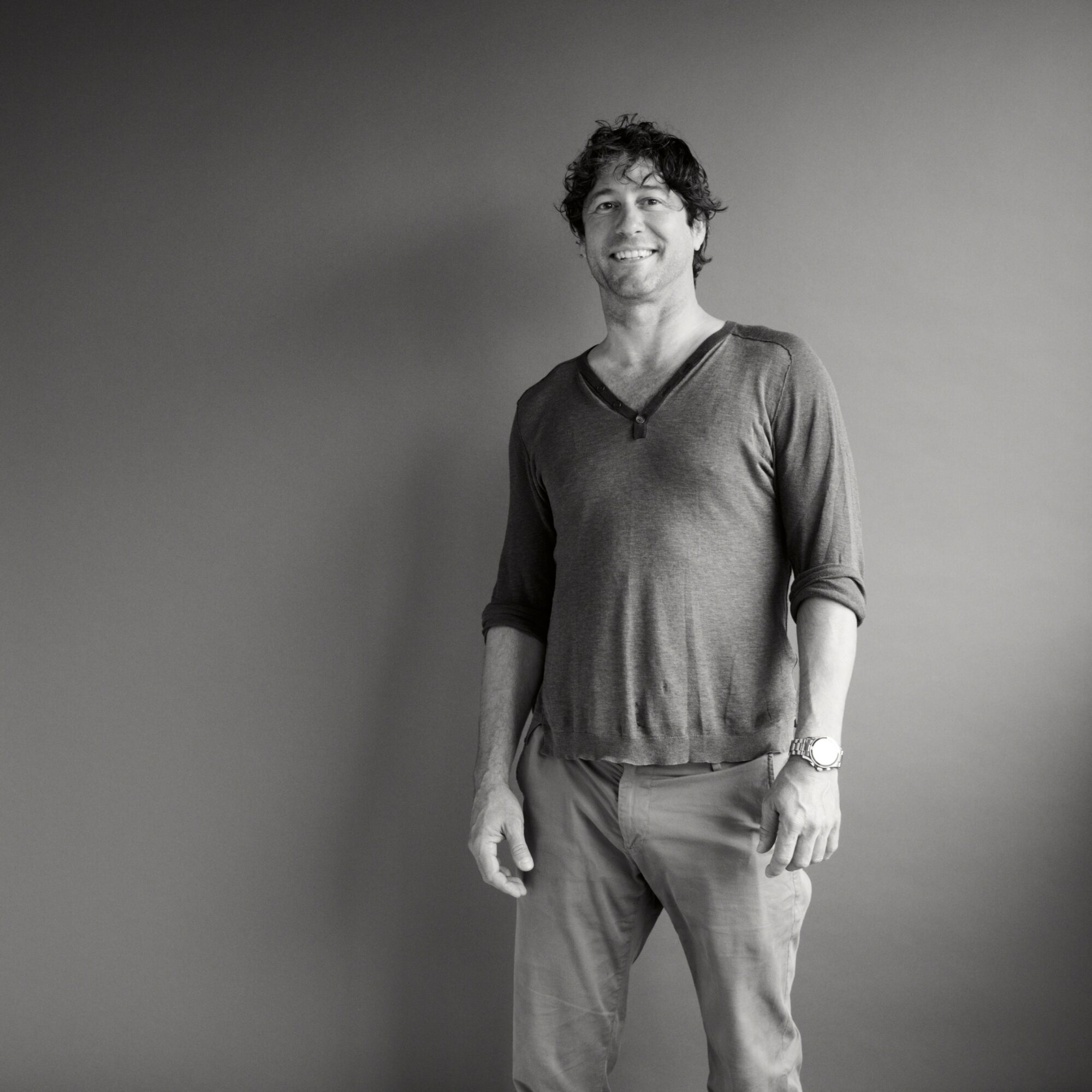
Today we’d like to introduce you to Stephen Breaux.
Alright, so thank you so much for sharing your story and insight with our readers. To kick things off, can you tell us a bit about how you got started?
I grew up in Louisiana, around family and grandparents; near swamps of Lafayette, and beaches in Pensacola; our family of 6 took camping trips, we built and launched model rockets, rode bikes, and enjoyed activities in and around the water. I was also influenced around the drawing table of my father who was an old-school mechanical and electrical engineer. When I was twelve, I asked him to teach me AutoCAD and he did. I worked with him testing and balancing complex systems after they were designed and installed. That was my first exposure to the idea that design isn’t abstract, it has to work.
After a couple of years of exploring the southwest, working on a congressional campaign in MD, and a stint at Kilgore college where I learned about geology, I landed in Austin. I studied hydrogeology while working full time at TexZen Gardens, a small nursery, owned by Glenn and Mieko. It took about eight unsolicited visits before they finally hired me. That job resulted in shaping everything that followed. Mieko introduced me to design principles through ikebana; restraint, balance, and intention. Glenn, a geologist, taught me about local materials, construction realities, and native plants.
One day, someone came into the nursery carrying landscape plans and asked for plants. That was the first time I learned there was a profession called landscape architecture. It immediately made sense to me; art, science, and engineering in one discipline. I went east to Texas A&M and studied landscape architecture while working full time. What a boundless trove of opportunity, I loved everything about it. I was fortunate to earn scholarships and fellowships that allowed me to study in Italy under Paolo Baruchelli and Peter Lang. That school, Santa Chaira, had a lasting impact on how I think about design philosophy, place, material, and time.
After graduation, I worked for a well-run landscape architecture and planning firm. Very soon it became clear that I wasn’t suited for a corporate structure. About a year out of school, with very little to lose, I started my own company. Over time, that has evolved into a practice of which I’m quite proud. I have a strong team in a profession for which I care deeply, and over time have worked with supportive and thoughtful clients. We still work for our very first client.
Would you say it’s been a smooth road, and if not what are some of the biggest challenges you’ve faced along the way?
Being the youngest of four boys was probably my earliest challenge. It toughened me up and gave me a certain fearlessness. My father instilled a strong work ethic that mostly shows up as perseverance. My mother taught me joie de vivre and still corrects my grammar. At eighty-five, she could probably beat me in a bike race. Both influences have carried me a long way.
Professionally, nothing about my path was smooth or insulated. I started my company about a year out of college as a bootstrap operation, which is a polite way of saying I had no money and no safety net. I worked forty hours a week throughout school, applied for and received scholarships, fellowships, and grants which taught me, out of necessity, how to manage money. About twenty years after graduating, I eventually paid off my student loans with a healthy respect for compound interest.
In practice, every project presents obstacles, and in those obstacles are the work. Over time, I’ve learned that if you approach things methodically and honestly, there are very few “problems”, only things that require time, attention, and a willingness to persevere.
My perception and experience as a landscape architect is that my profession is less a job and more a way of thinking.
As you know, we’re big fans of Breaux Design Group. For our readers who might not be as familiar what can you tell them about the brand?
My practice focuses on place-making through landscape architecture and construction. I begin with the client’s needs, the site itself, and local environmental conditions, and let those inform the work. Diligence, careful thinking, clear communication, and solving complicated problems without unnecessary noise is the modus operandi.
Design is the enjoyable part. Construction is physically demanding, dirty, loud, and stressful. Where clients tend to feel the most gratitude is in how we manage the transition from design through construction to completion, clearly and calmly. We’re very process focused, and that matters when things become complex.
We also work in a design-build model, which has sharpened my design decisions. When you understand how things are actually built, details are of utmost importance. Connections, literal and figurative, are the thread of coherence. That’s where most projects succeed or fail.
I’m proud of the people who have helped build this practice, past and present. That feels more authentic than pride in any single project.
We’d love to hear about how you think about risk taking?
I do not think of myself as a risk taker in the dramatic sense. I tend to see risk as something to understand and prepare for rather than something to chase.
Starting my company about a year out of college was probably the biggest professional risk I have taken. It was a bootstrap operation with no outside funding and no safety net. That said, it did not feel reckless. I had worked full time through school, learned how to manage money out of necessity, and kept overhead lean. The real risk was not the launch. It was committing to consistency and letting time do its work.
That same mindset shows up outside of work. One of my brothers and I regularly ride a few hundred miles through remote wilderness on our bicycles. We carry our own water, food, and sleeping gear. There is real risk involved, but it is calculated. We prepare carefully, plan our routes, and respect our limits. Almost every trip, there is a moment when I am convinced I will not make it through. So far, I always have.
Preparation does not remove uncertainty. It just makes it survivable. Whether it is business, design, or a long stretch of road with no services, the biggest mistakes usually come from underestimating conditions or assuming things will work themselves out.
So I do not avoid risk, and I do not romanticize it. I acknowledge it, prepare for it, and move forward deliberately. Most meaningful work involves some level of uncertainty. The goal, for me, has always been to stay steady long enough for effort and preparation to compound.
Contact Info:
- Website: https://www.breauxdesign.com/
- LinkedIn: https://www.linkedin.com/in/stephen-breaux-7813706/
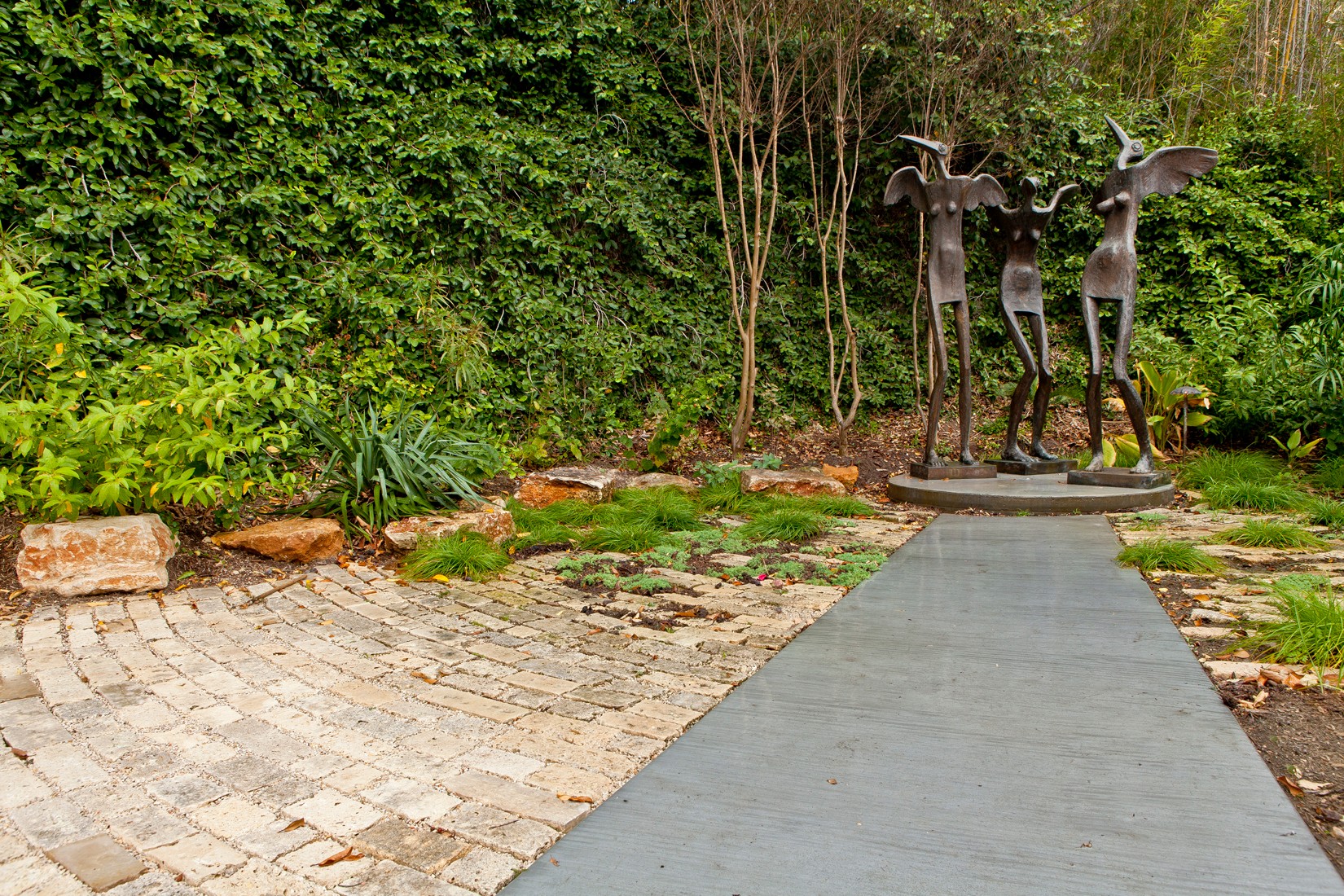
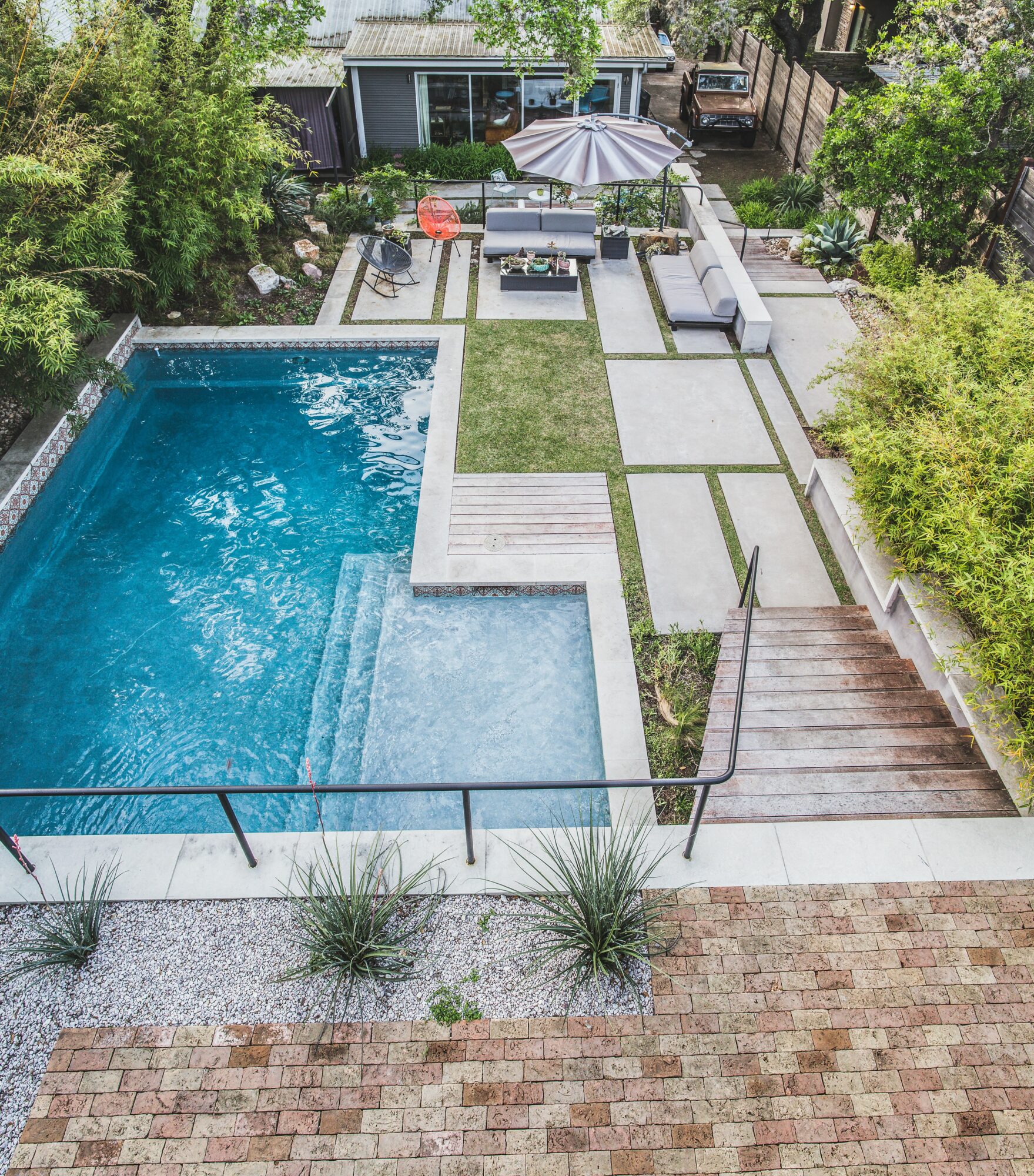
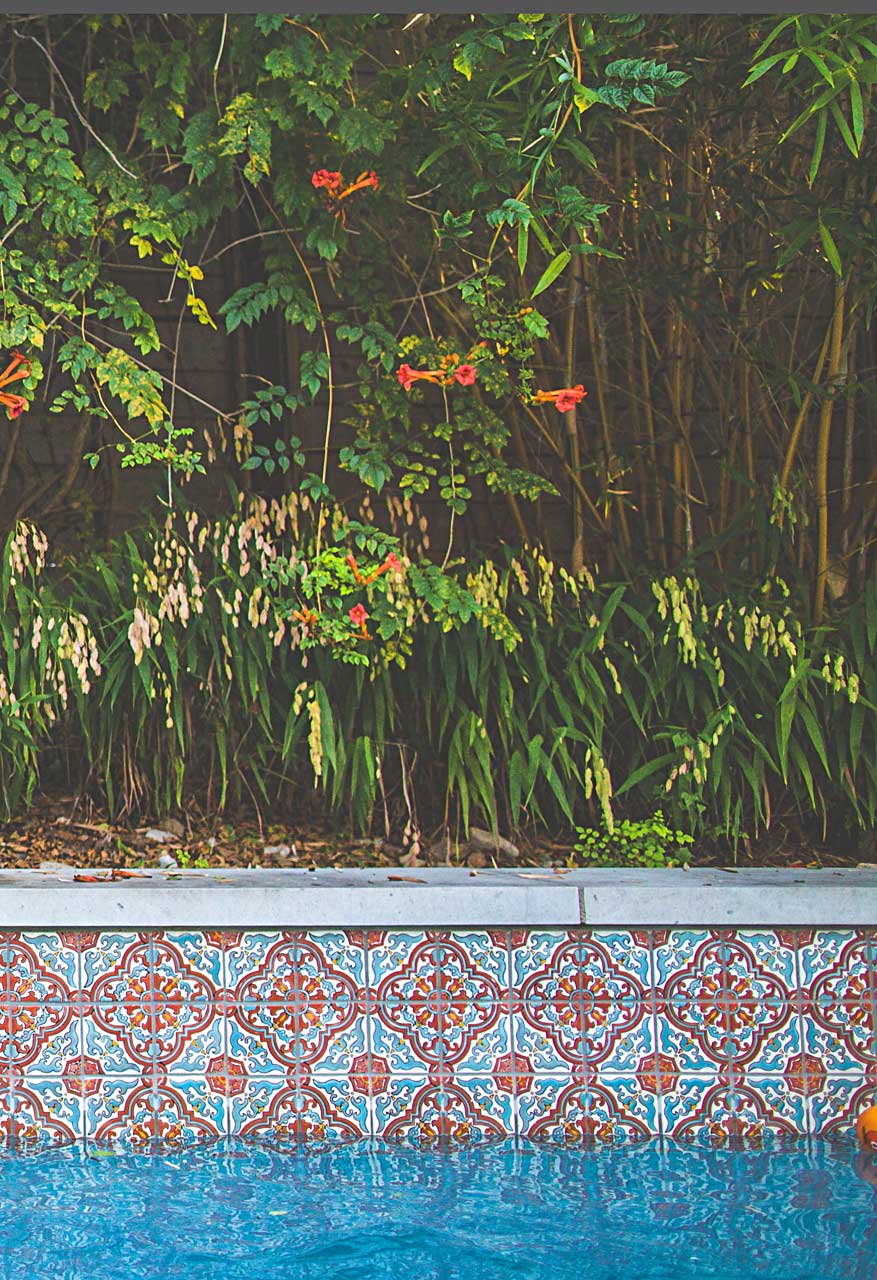
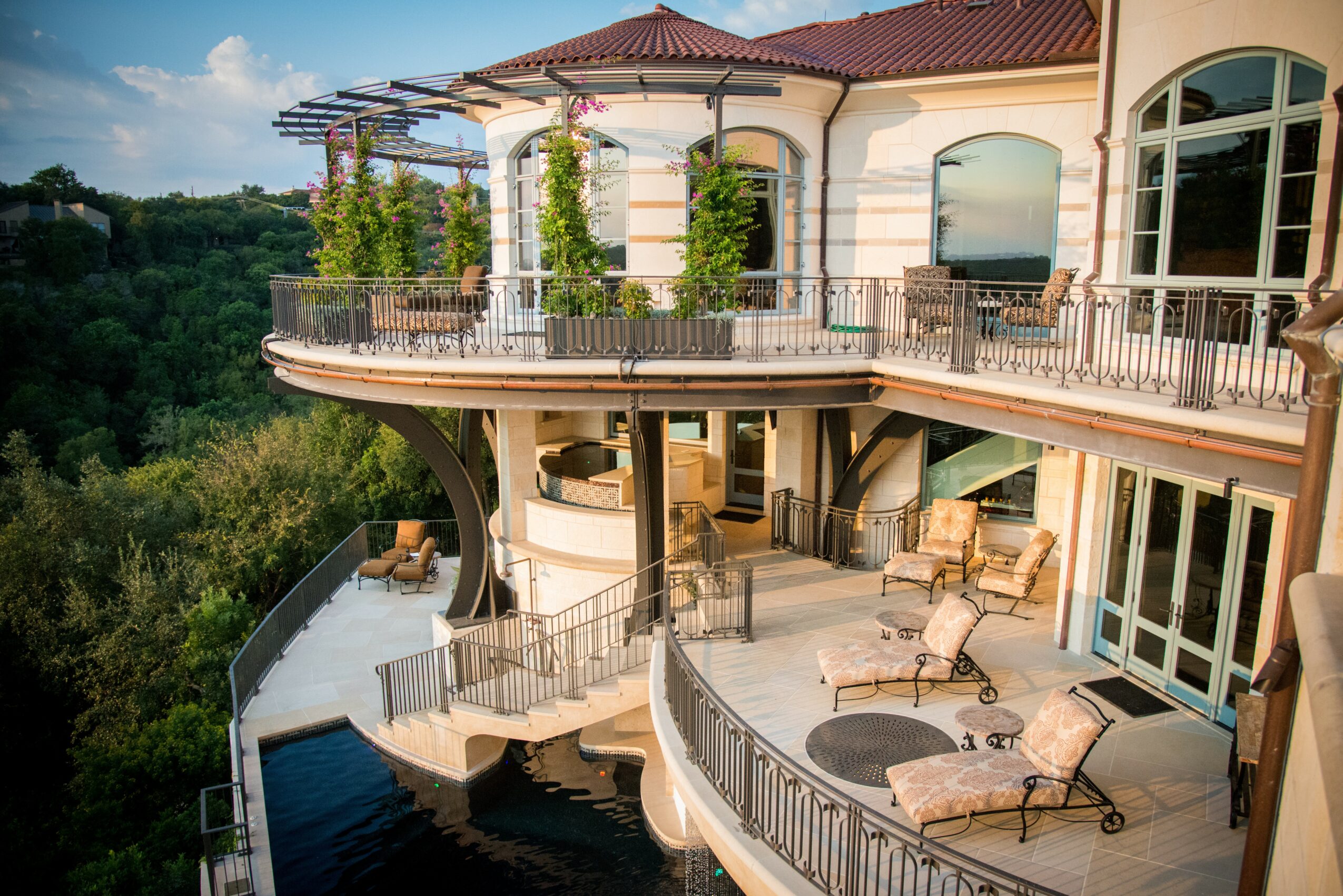
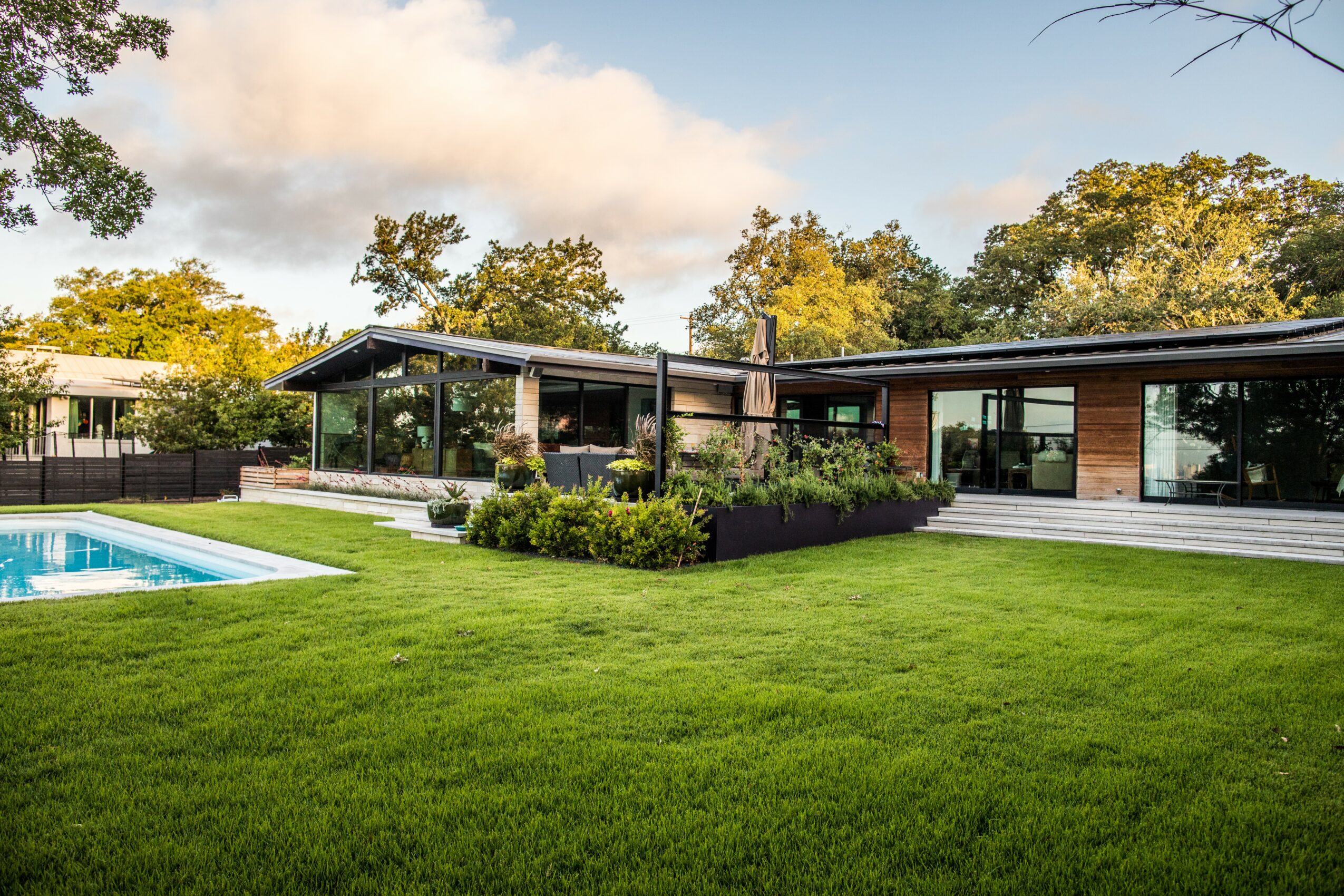
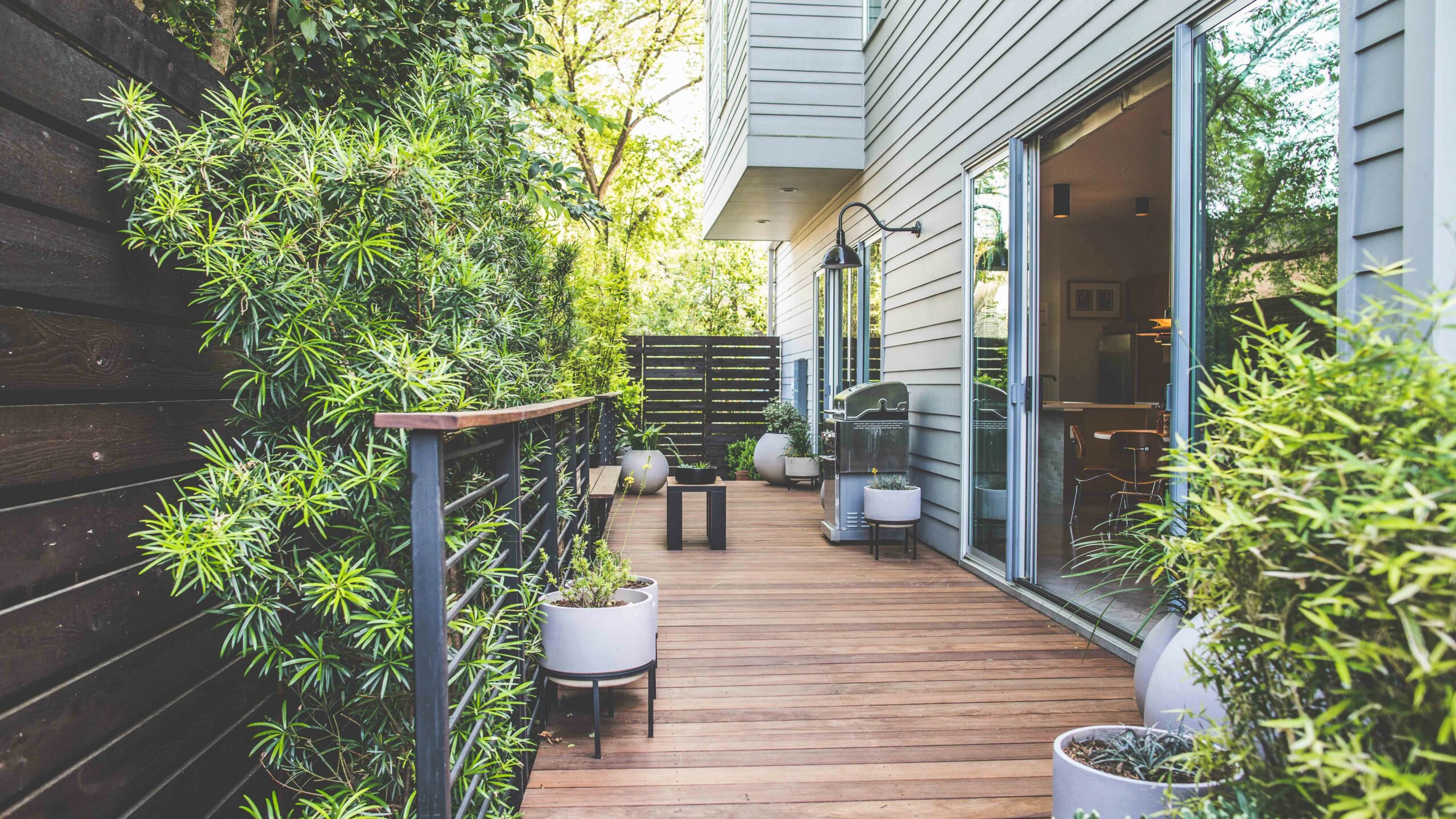
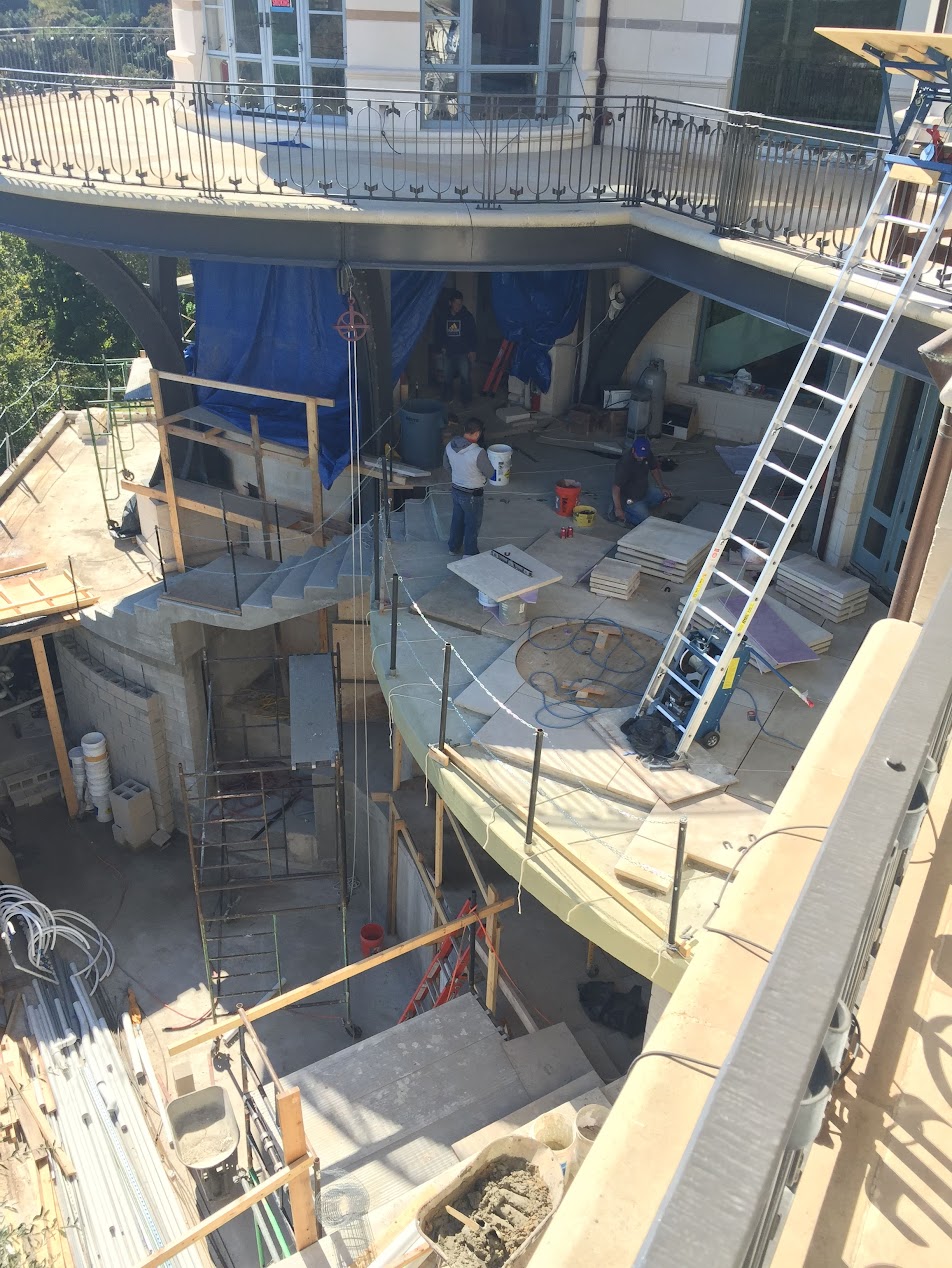
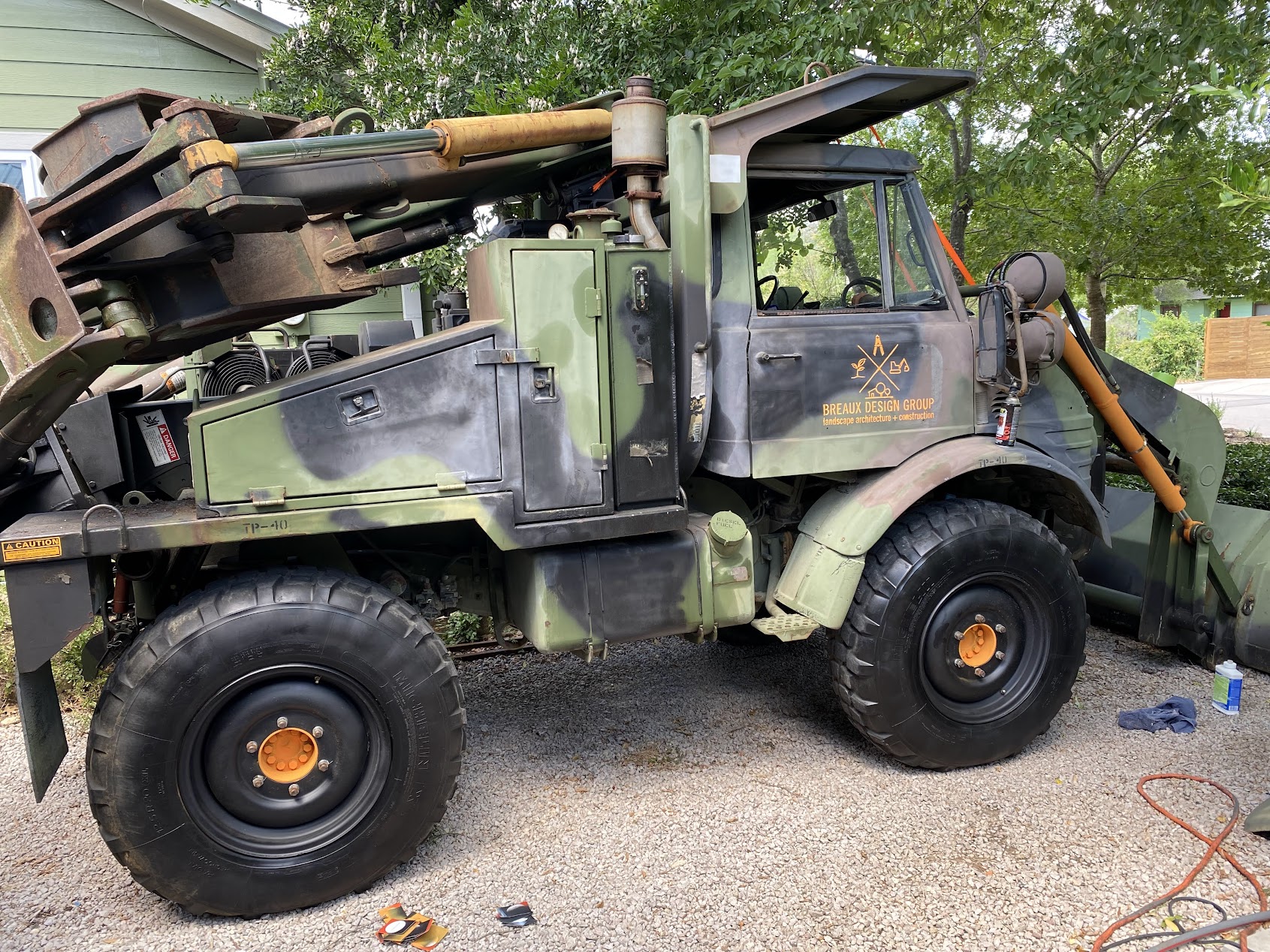
Image Credits
https://www.andrewslaton.com/
https://photobywhit.com/
https://dandeliongatherings.com/