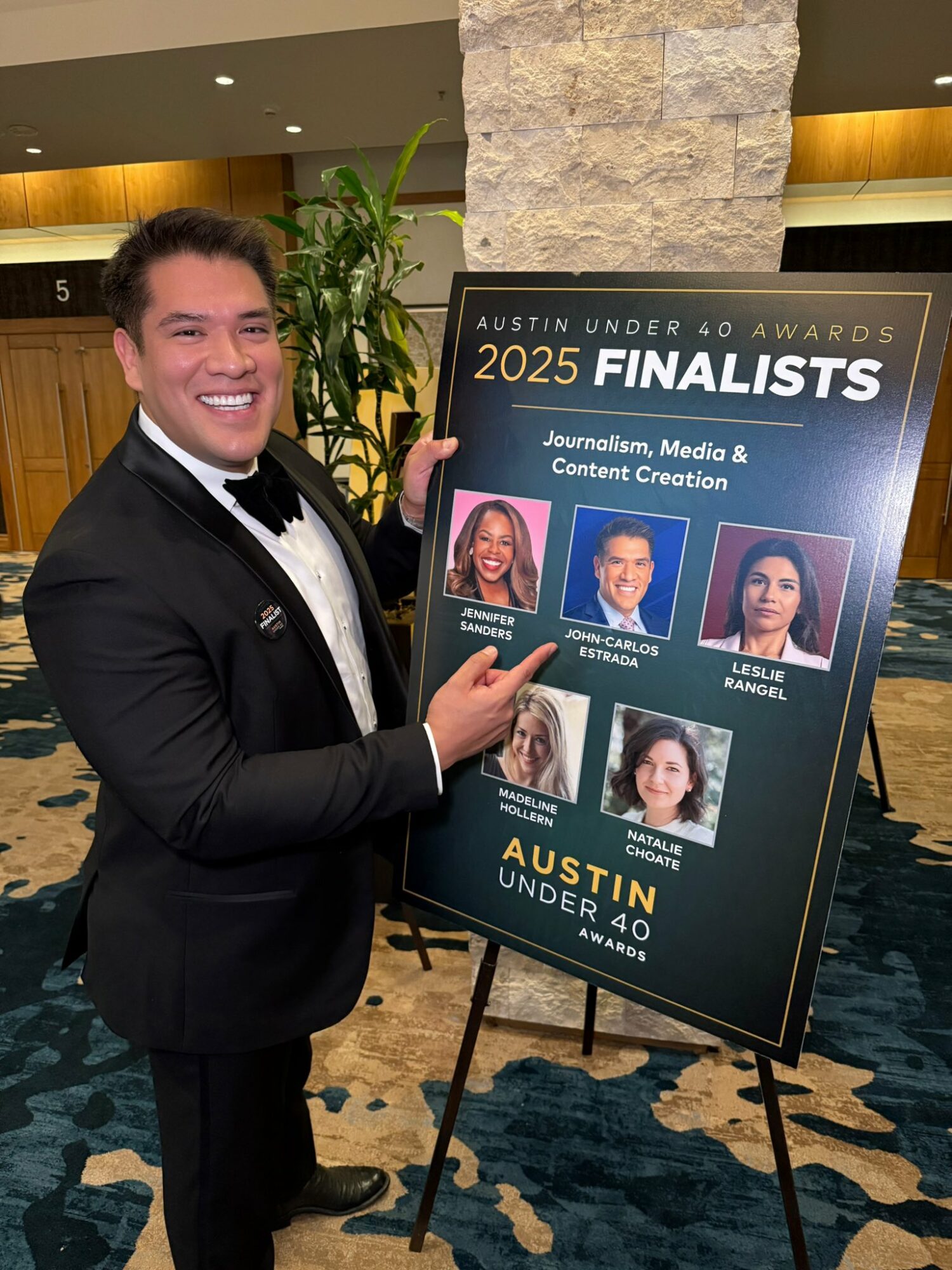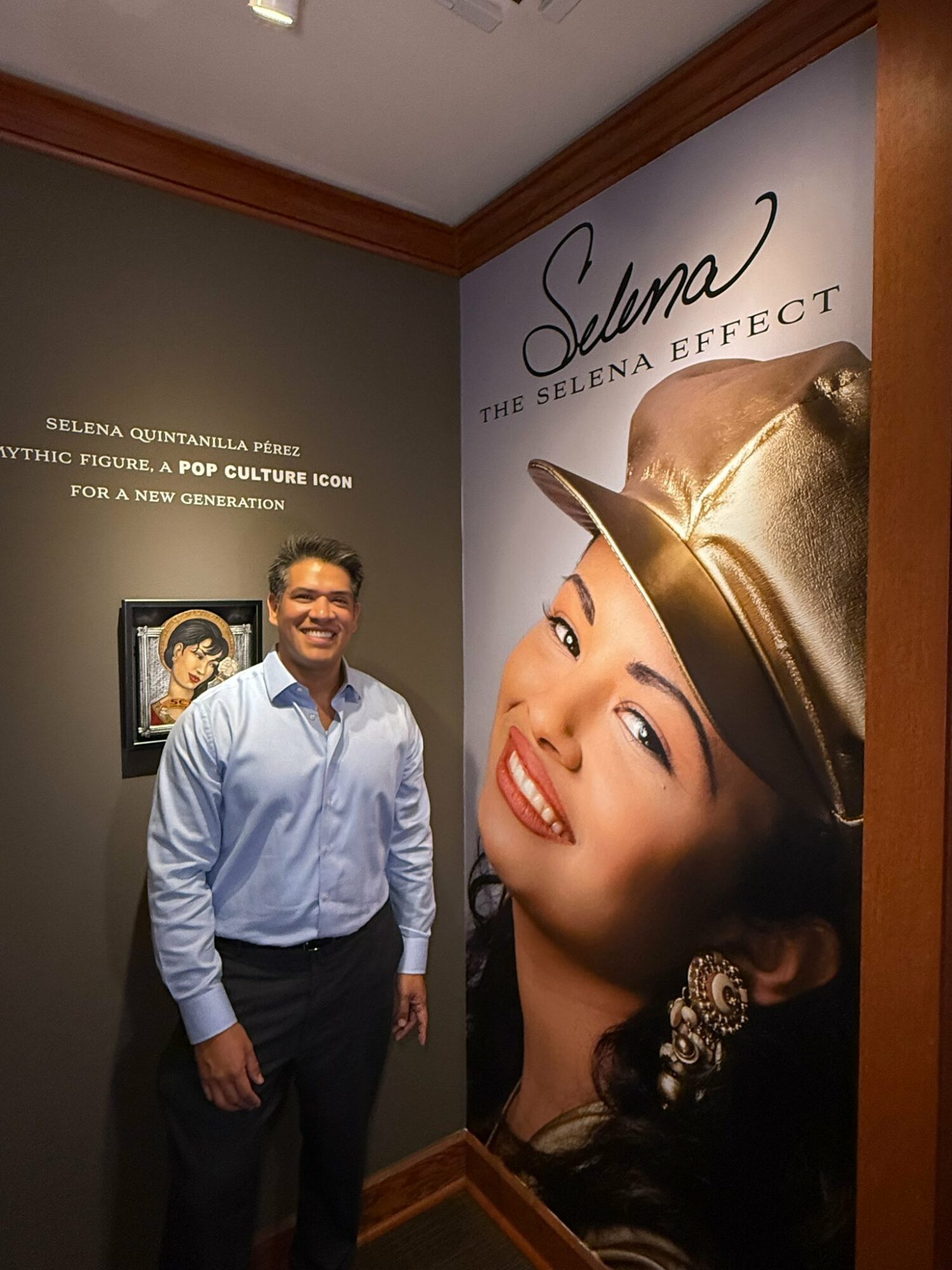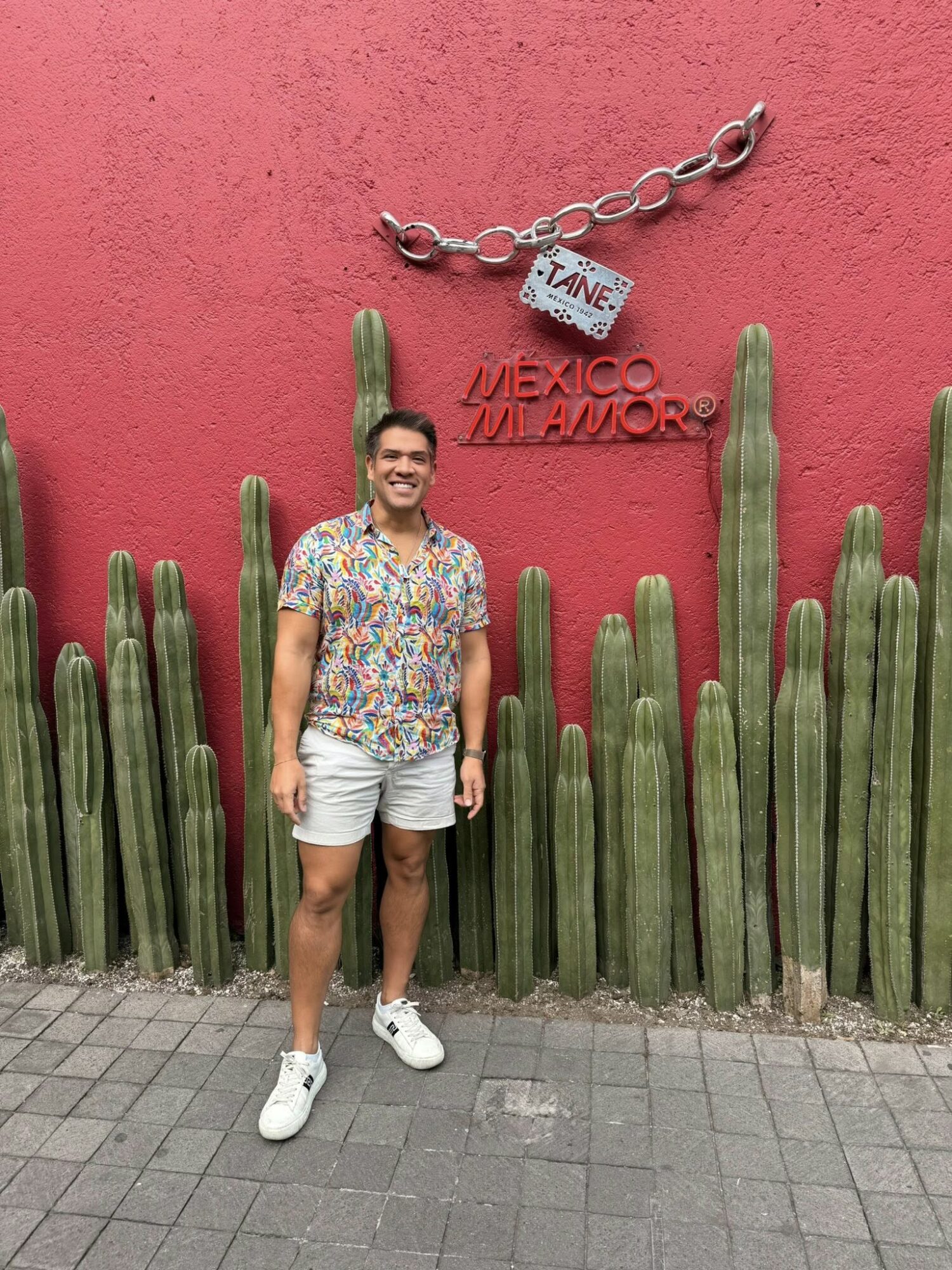



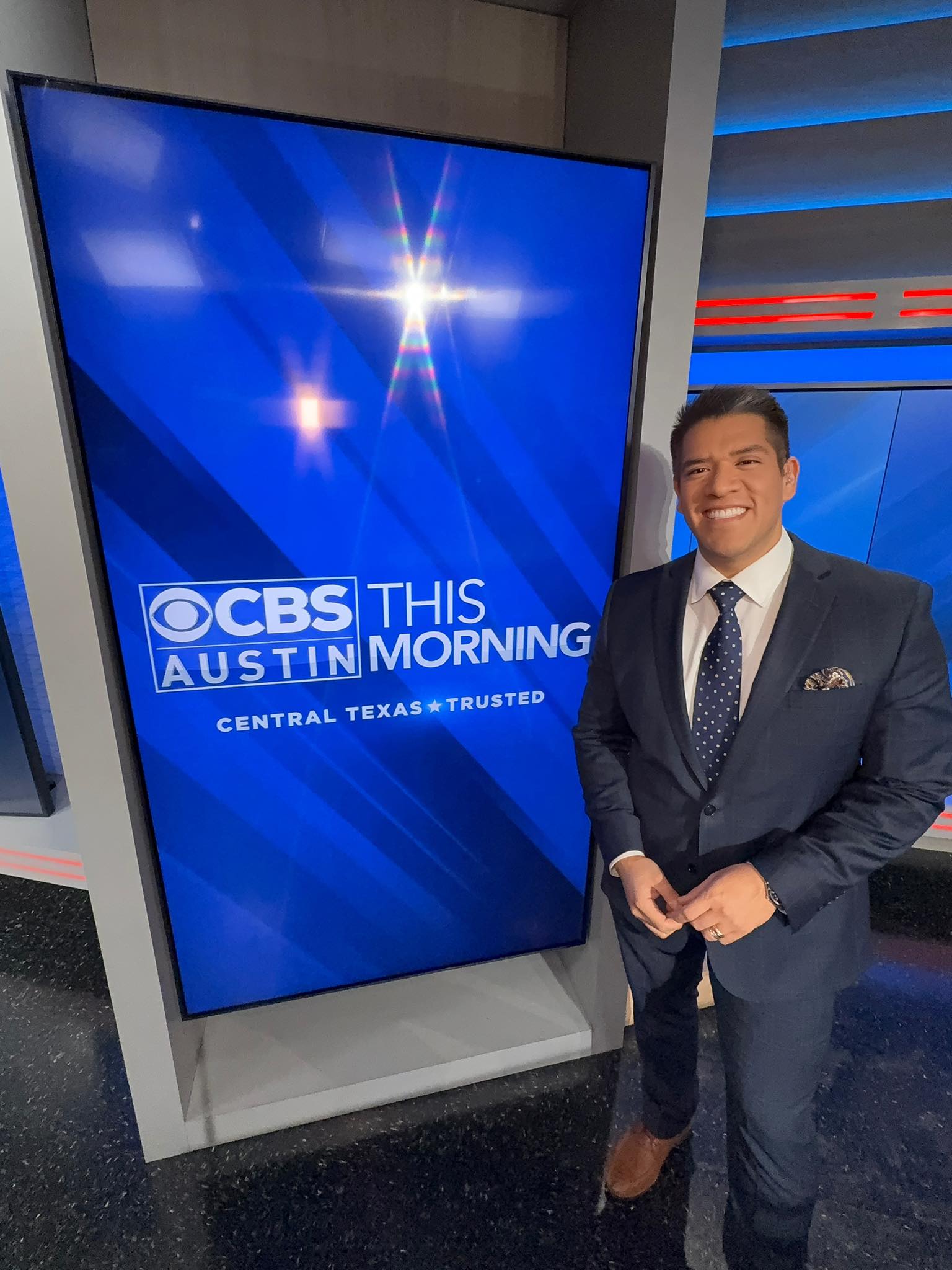
Today we’d like to introduce you to John-Carlos Estrada.
Hi John-Carlos, thanks for sharing your story with us. To start, maybe you can tell our readers some of your backstory.
I started out curious about people, about place, and about the stories that quietly shape who we are. I grew up in Dallas as a first-generation Mexican-American, the first in my family to attend college. From an early age, I was drawn to storytelling as a way to make sense of the world and my place within it. Journalism gave me the structure to ask questions, listen closely, and translate lived experience into something shared.
That path led me to George Washington University for my undergraduate degree and later to Columbia Journalism School for my master’s, experiences that expanded both my worldview and my sense of responsibility as a storyteller. My career took me from Washington, D.C., and New York back to Texas, where I worked in local newsrooms, learning the power of community-centered journalism and the importance of telling stories that reflect the people who live them.
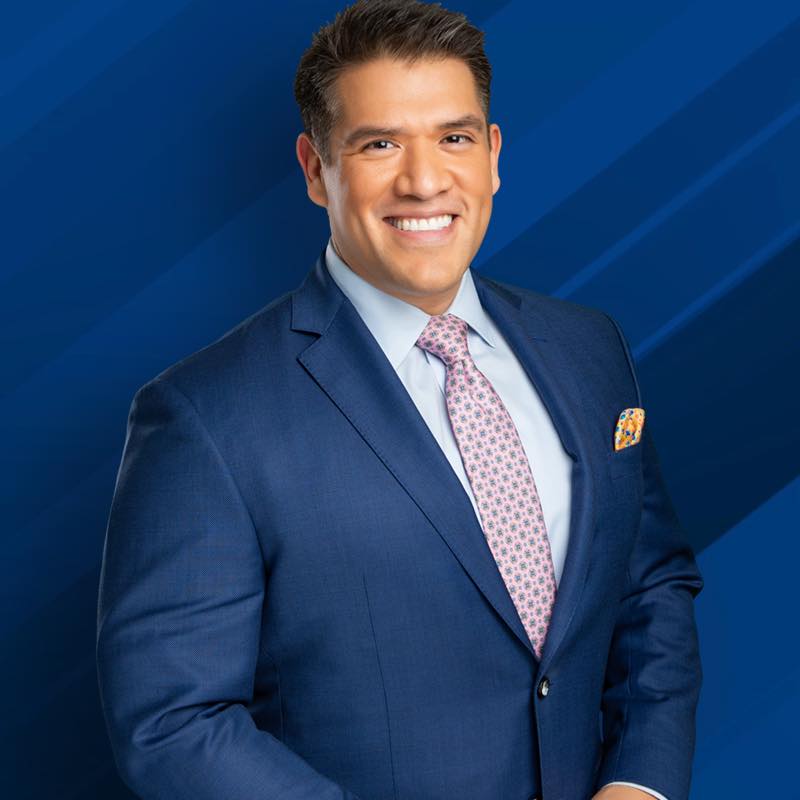
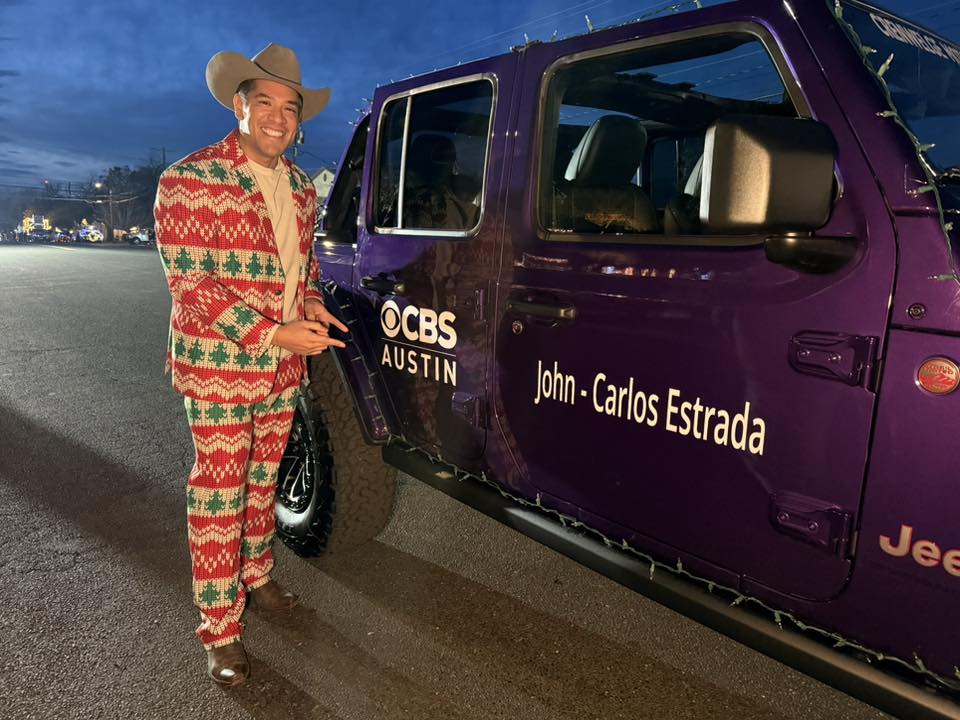
Today, I’m a morning news anchor and reporter at CBS Austin, but my work has grown beyond the daily news cycle. I’ve built a parallel creative life as a filmmaker and author, focused on uncovering forgotten or overlooked histories, particularly queer histories rooted in Texas.
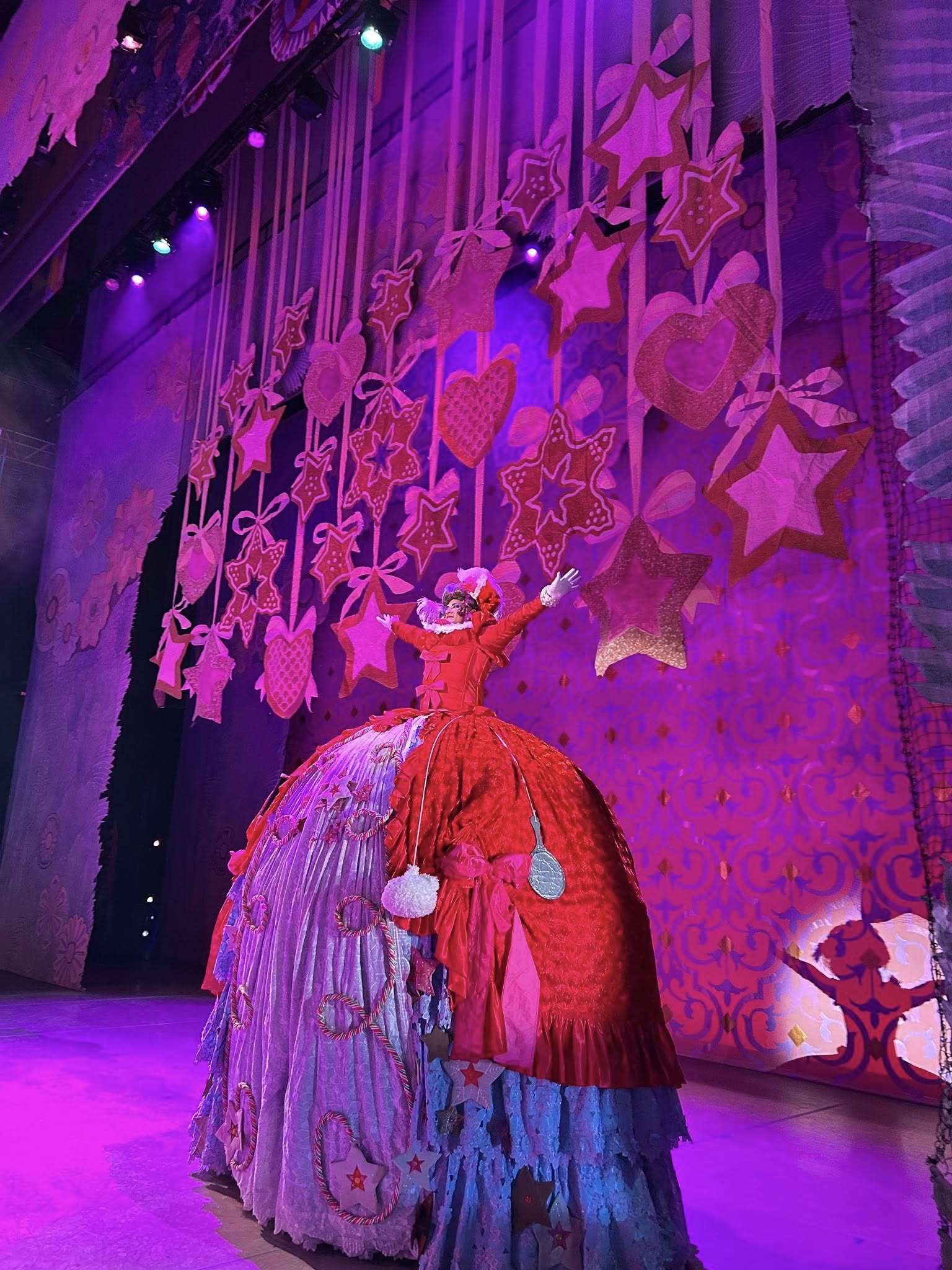
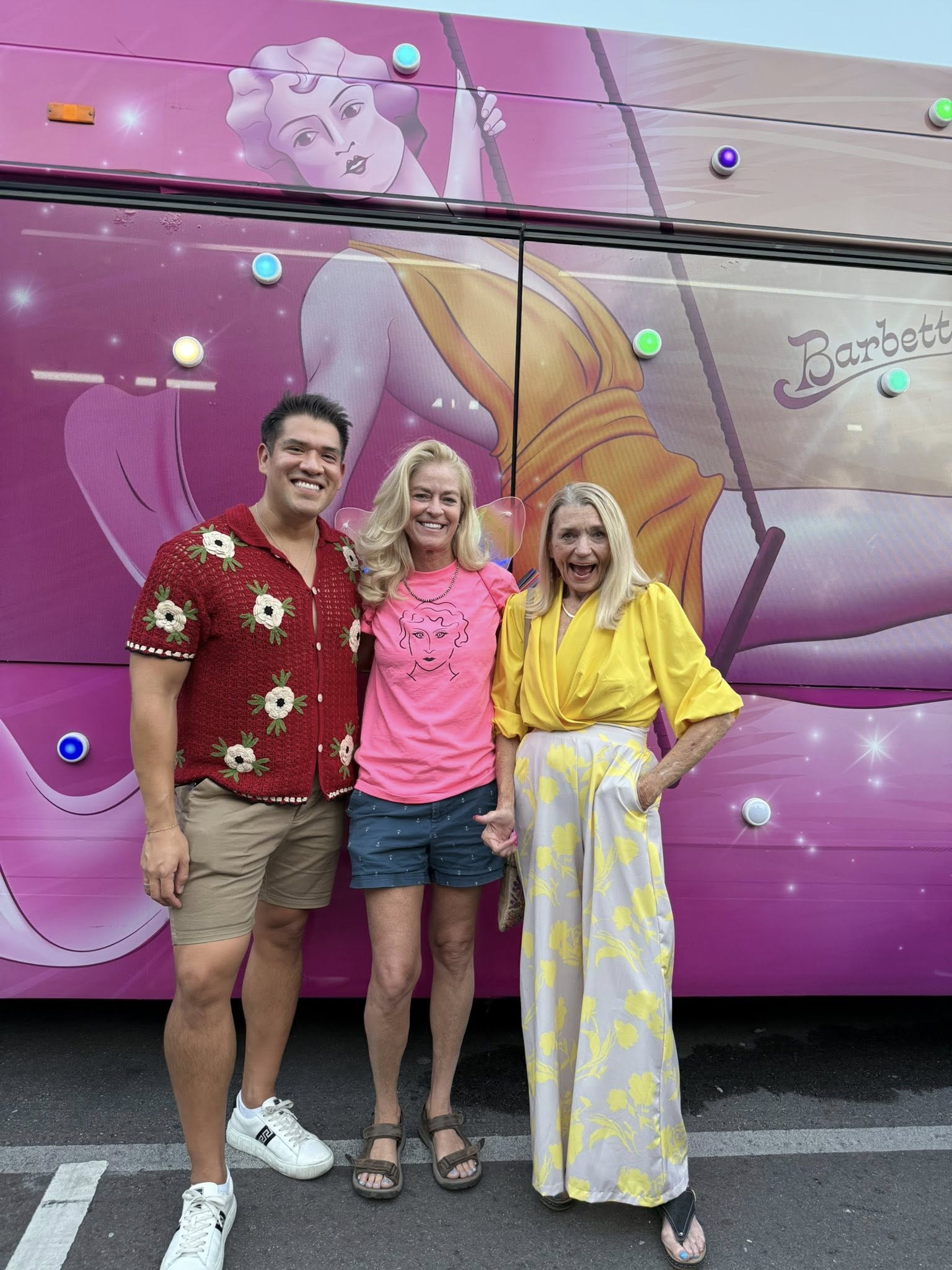
That curiosity led me to the story of Barbette, a world-renowned drag and aerial performer from Round Rock whose legacy had nearly vanished. What began as a short television feature grew into an award-winning documentary, and eventually into a book project that has taken me deep into archives, family histories, and international research. Along the way, I learned that stories do not stay small when they matter. They ask more of you.
Today, my work lives at the intersection of journalism, documentary filmmaking, and long-form narrative. I’m driven by the belief that local stories can be global, that the past is never really past, and that representation, especially for LGBTQ+ communities, is a form of preservation. I’m still asking questions, still digging, still following threads. The only real difference is that now I trust where curiosity leads.
I’m sure it wasn’t obstacle-free, but would you say the journey has been fairly smooth so far?
It hasn’t been a smooth road, and I don’t think it’s supposed to be. Being a first-generation Mexican-American and the first in my family to attend college meant I was often figuring things out in real time, without a roadmap. There were moments of imposter syndrome, financial pressure, and the quiet weight of feeling like I had to succeed not just for myself, but for everyone who came before me.
In journalism, the challenges were both structural and personal. Newsrooms can be demanding, fast-paced, and unforgiving, especially early on. I had to learn how to take up space, advocate for my ideas, and trust my voice in rooms where I did not always see people who looked like me. There were setbacks, missed opportunities, and moments when the path forward felt uncertain.
Creative work brought its own struggles. Telling stories that fall outside the mainstream, especially queer histories, often means fighting for resources, attention, and legitimacy. Projects like my Barbette work require a long-term commitment without an immediate payoff. Balancing that kind of passion-driven work with the realities of daily news deadlines required discipline and resilience.
What carried me through was persistence and community. Mentors, collaborators, chosen family, and the people who trusted me with their stories made the road navigable. The struggles shaped how I work and why I work. They taught me patience, humility, and the importance of telling stories with care, especially when they are hard-won.
Thanks for sharing that. So, maybe next you can tell us a bit more about your work?
At my core, I’m a storyteller, but the medium shifts depending on what the story demands. While I’m best known for my award-winning work as a morning news anchor and reporter at CBS Austin, much of my creative work exists beyond the daily news cycle. I focus on longform storytelling that blends journalism, history, and lived experience, centering LGBTQ+ voices and overlooked figures in Texas and beyond.
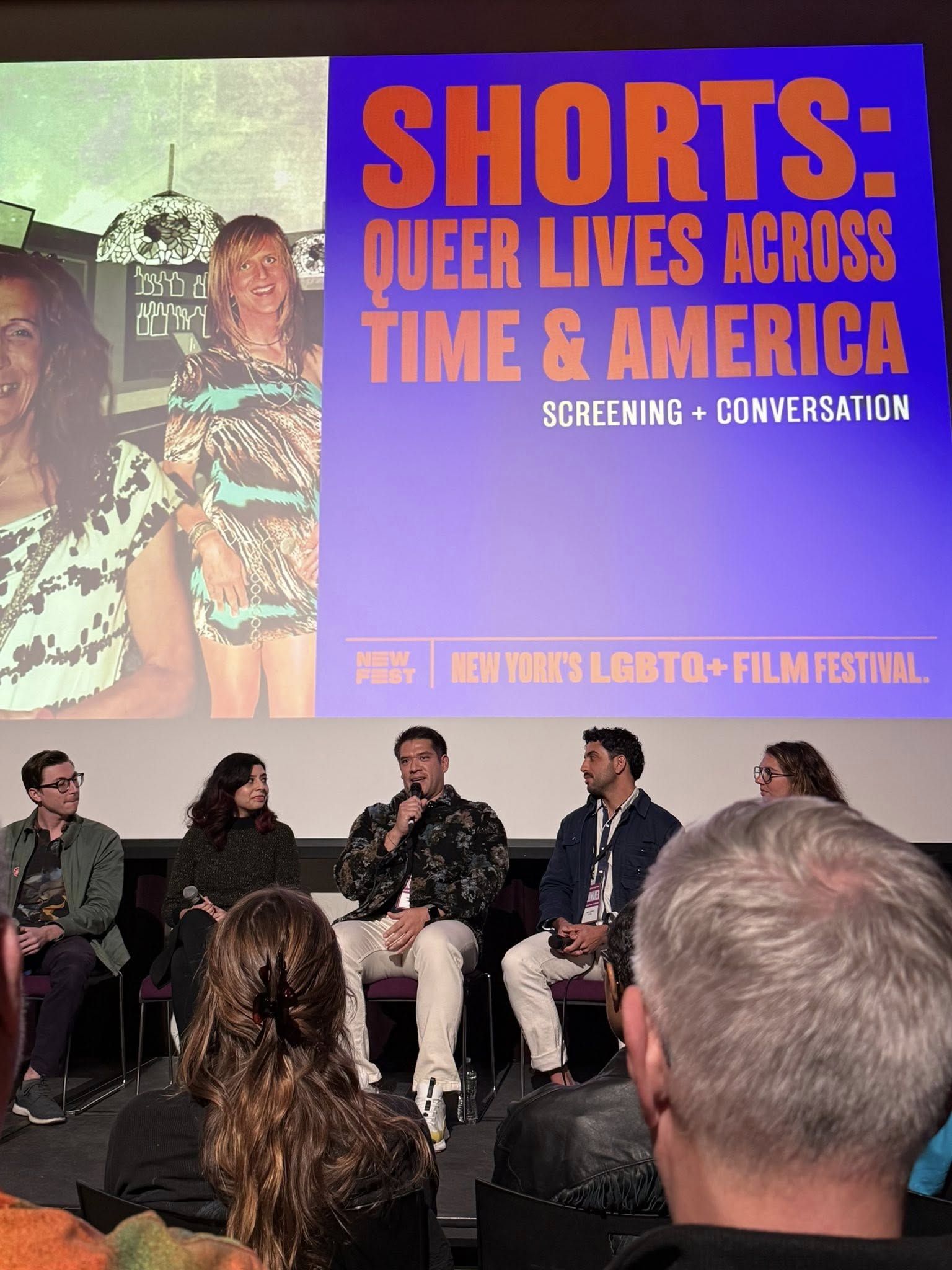
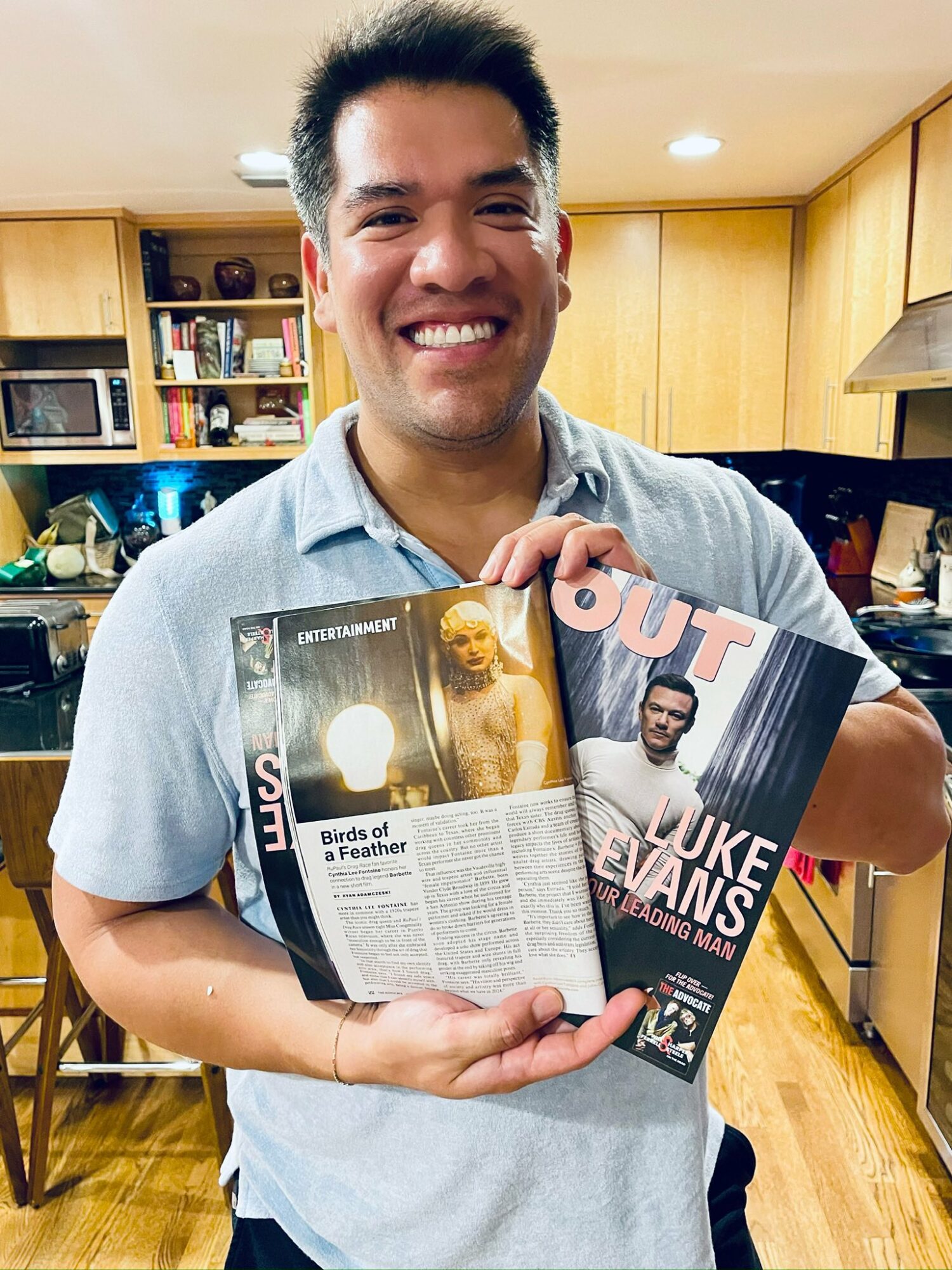
My first film, Barbette + Fontaine, an award-winning documentary short about two Texas drag performers a century apart, screened internationally and is now streaming on REVRY. My most recent film, This Is Texas, follows the Austin Gay Men’s Chorus, highlighting trans members as they prepare for an international showcase in Minneapolis, and it will be on the film festival circuit this year. That work has also expanded into a book project with UT Press about Barbette, Texas’ first international drag performer, rooted in archival and family research across the U.S. and Europe. I’ve been following Barbette’s story since 2022.
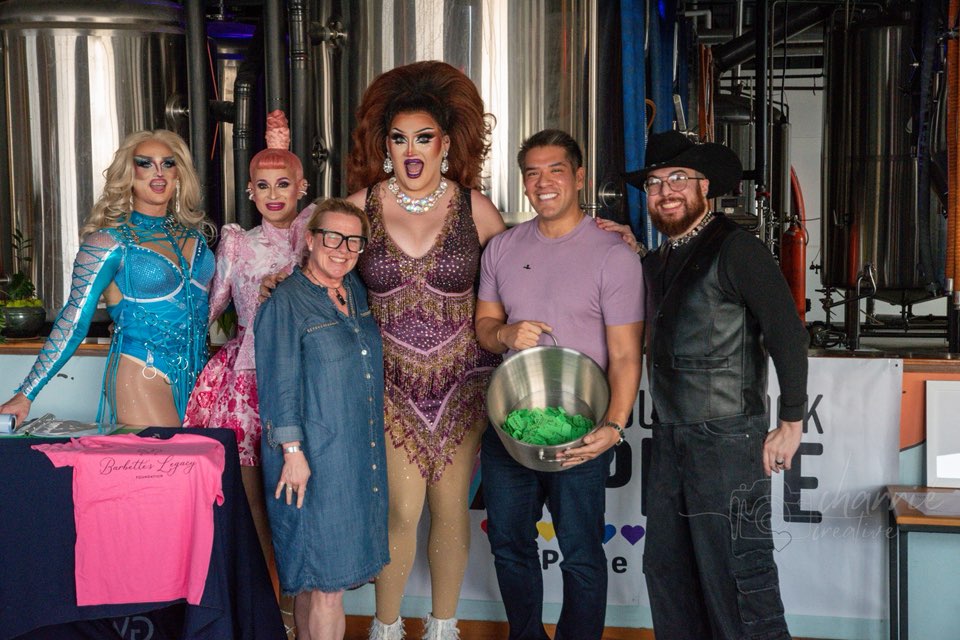
I’m also committed to turning storytelling into tangible impact. I founded the Barbette’s Legacy Foundation with Round Rock Pride to support emerging artists and preserve LGBTQ+ history through scholarships, education, and community programming. We’re launching our next scholarship cycle this month and will award our second scholarship this spring.
What sets me apart is how these lanes connect. My broadcast work builds trust, my films and writing allow for depth, and my nonprofit work ensures the stories I tell create lasting opportunity. For me, storytelling is not an endpoint, but a starting point for visibility, preservation, and community building.
Can you share something surprising about yourself?
Something that often surprises people is how much of my work begins in silence. My public life is very visible and conversational, but my creative process is deeply solitary. I spend long stretches in archives, libraries, and quiet rooms, reading, listening, and sitting with history before I ever write a word or turn on a camera. I value that time with the material before sharing it with the world.
Another surprise is that I didn’t originally set out to be a filmmaker or author. Those paths emerged organically through curiosity and persistence, rather than a clearly defined path. My parents, Gloria and Mateo, were blue-collar workers. My mother worked at a cowboy hat factory, and my father spent decades in a noisy facility driving a forklift. Last month, after nearly 20 years in the news business, my dad visited my station for the first time. He’s retired now and finally has the time. He was excited to tour the newsroom, sit at my desk, and even ask for a photo there.
Both of my parents wanted something different for me and my siblings. They hoped we’d find work in offices, away from the physical labor they endured. Seeing their sacrifices shaped my work ethic and my sense of gratitude. I feel incredibly lucky that their hard work and my determination to honor it led me to a career where I get to do what I love every day.
Contact Info:
- Instagram: https://www.instagram.com/mr_jce/
- Facebook: https://www.facebook.com/JohnCarlosEstradaCBSAustin/
- LinkedIn: https://www.linkedin.com/in/john-carlos-estrada-81533216/
- Twitter: https://x.com/Mr_JCE