


Today we’d like to introduce you to Paighton Corley.
Hi Paighton, please kick things off for us with an introduction to yourself and your story.
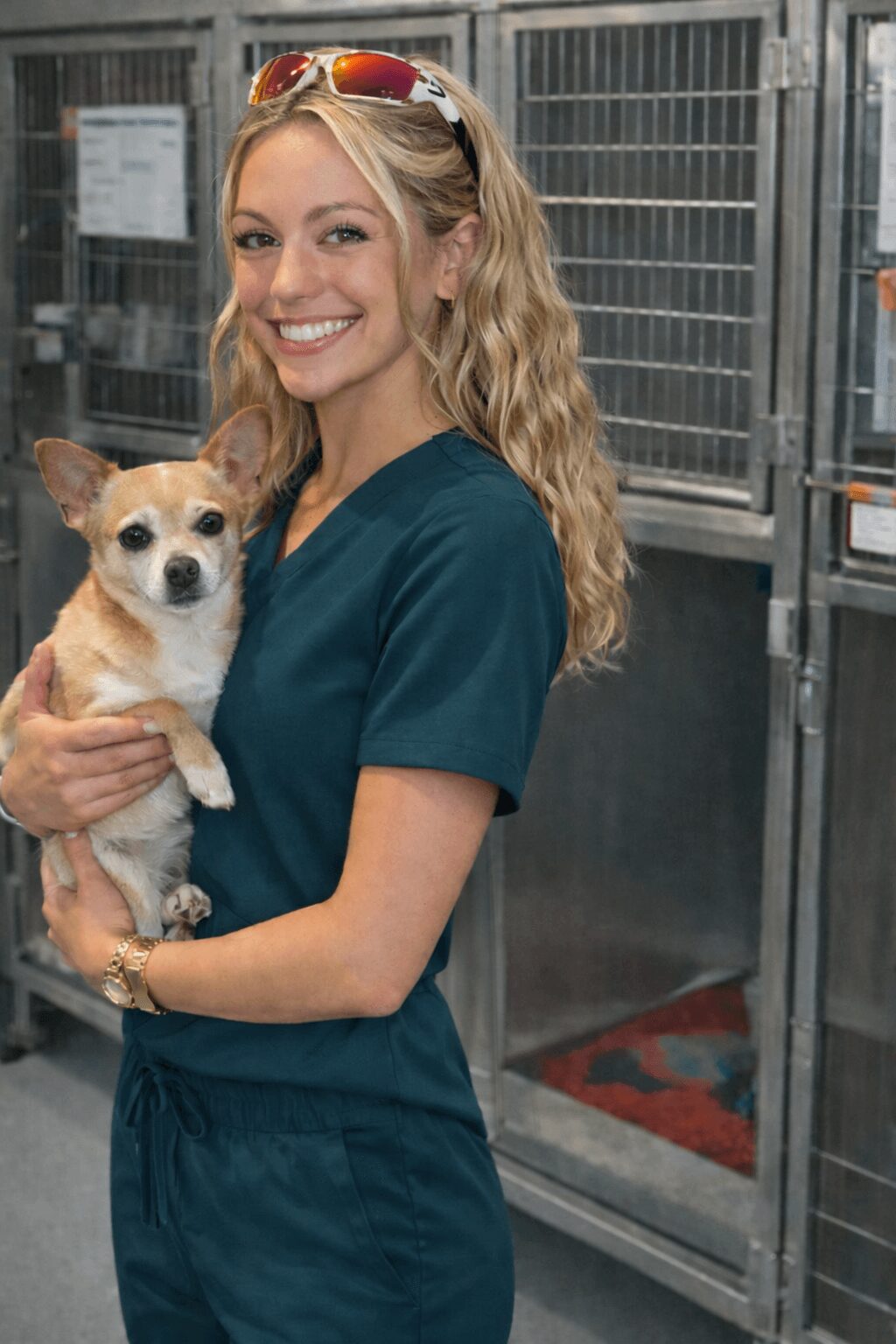
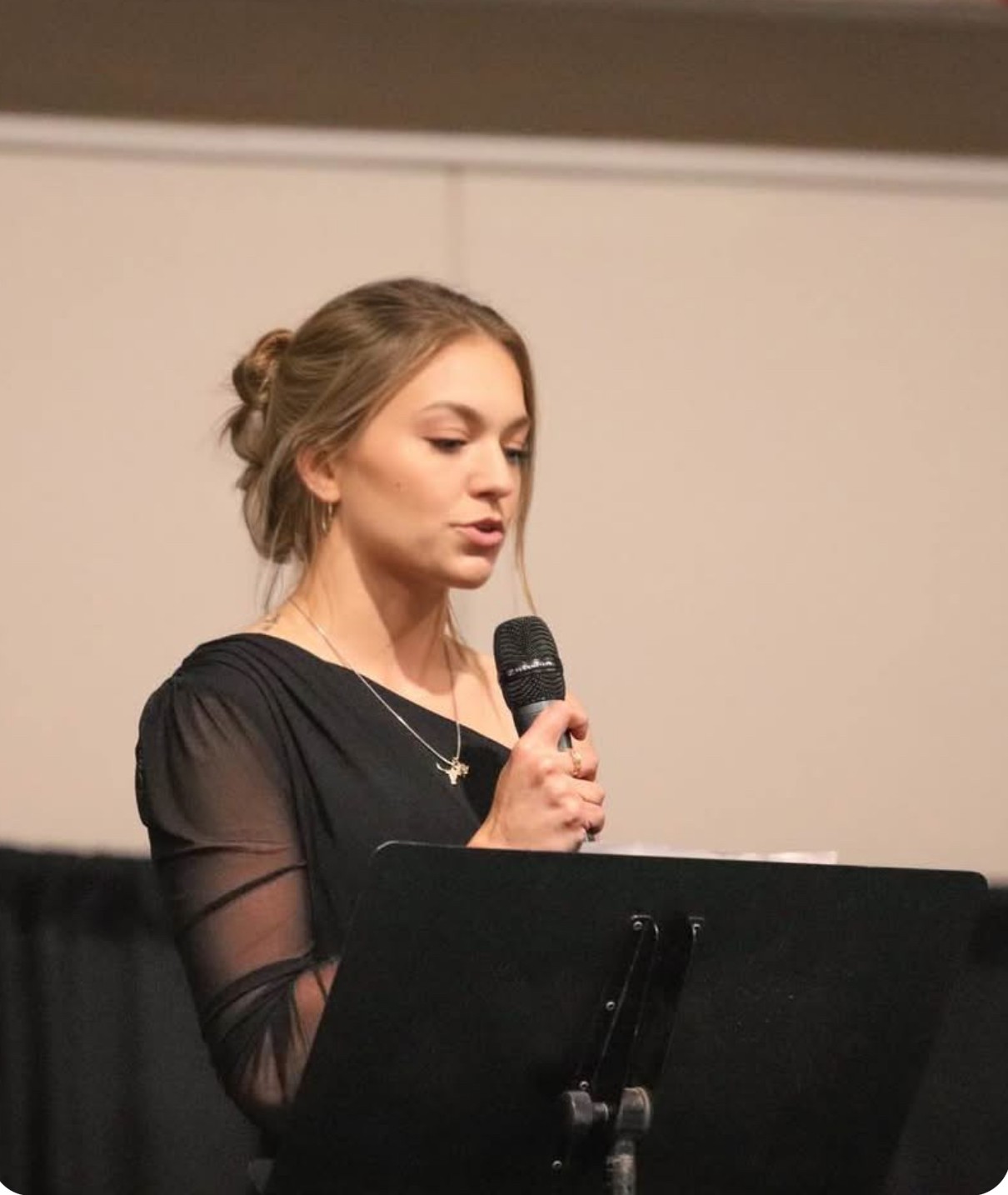
I became Executive Director of Hill Country Humane Society in my mid-20s, at a time when the shelter was facing major challenges; limited resources, high intake, and a system that hadn’t evolved in decades. Over the last few years, I’ve focused on rebuilding from the inside out: improving operations, investing in staff, building partnerships, and shifting the shelter to a lifesaving, community-focused model.
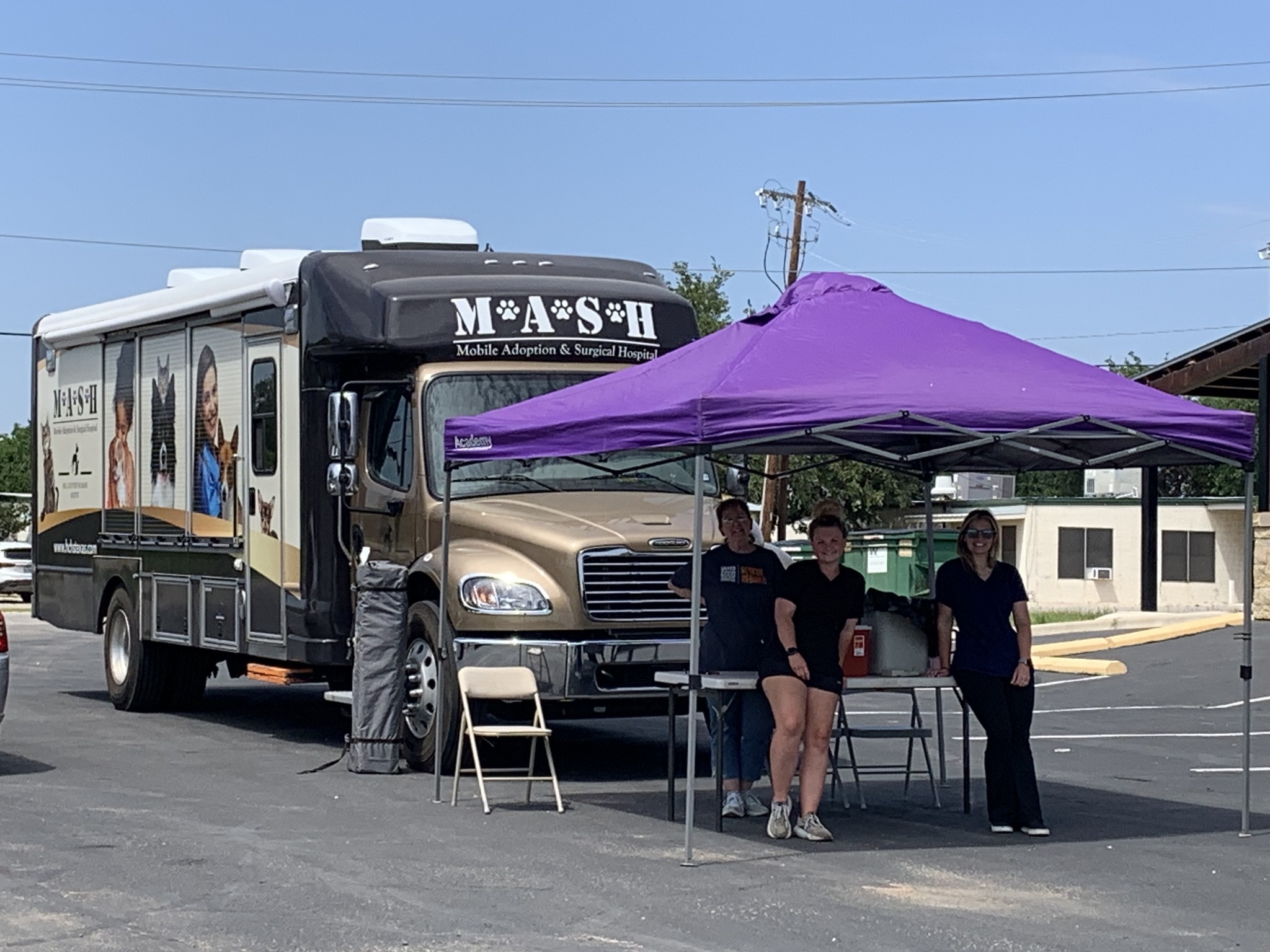
Since then, we’ve expanded lifesaving programs, launched a mobile spay/neuter and vaccination unit, provided tens of thousands of free vaccines and microchips to the public, navigated a large-scale distemper outbreak without mass euthanasia, and significantly increased adoptions while serving multiple rural counties and cities.
What’s gotten me here isn’t just passion for animals, it’s a belief that animal welfare is about systems, people, and accountability. I’ve learned that real change happens when you’re willing to make hard decisions, stay transparent, and keep showing up for both the animals and the community, even when it’s uncomfortable. That mindset continues to guide everything I do today.
Would you say it’s been a smooth road, and if not what are some of the biggest challenges you’ve faced along the way?
Definitely not. It’s been rewarding, but it hasn’t been smooth, especially working in animal welfare in a rural community with limited resources.
One of the biggest challenges has been stepping into leadership at a young age and having to earn trust quickly, while also making tough, sometimes unpopular decisions. I inherited systems that were outdated and underfunded, and real change required pushing for higher standards, better accountability, and a different way of thinking about lifesaving. That kind of shift can be uncomfortable, both internally and within the broader community.
We’ve also faced very real operational challenges; overcrowding, staffing limitations, funding gaps, and navigating a major distemper outbreak that tested every part of our organization. There were moments that required long days, difficult calls, and standing firm when walking away would have been easier.
That said, those struggles shaped how I lead. They forced me to learn quickly, communicate clearly, and build strong partnerships instead of trying to do everything alone. Looking back, the hardest moments are also the ones that created the most growth, for me personally and for the organization.
Alright, so let’s switch gears a bit and talk business. What should we know about your work?
At the core of my work is the belief that access to care should not be a luxury. Loving your pet shouldn’t depend on your zip code or income level, yet rising veterinary costs, limited resources in rural areas, and lack of education often make responsible pet ownership feel out of reach for many families.
I’ve seen firsthand how quickly situations spiral when care isn’t accessible. When spay and neuter services are unaffordable or unavailable, communities experience overcrowded shelters, increased disease, and unnecessary suffering. That’s why a major focus of my work has been expanding access to affordable, preventative care including spay and neuter, vaccinations, microchipping, and education, before animals ever reach a crisis point.
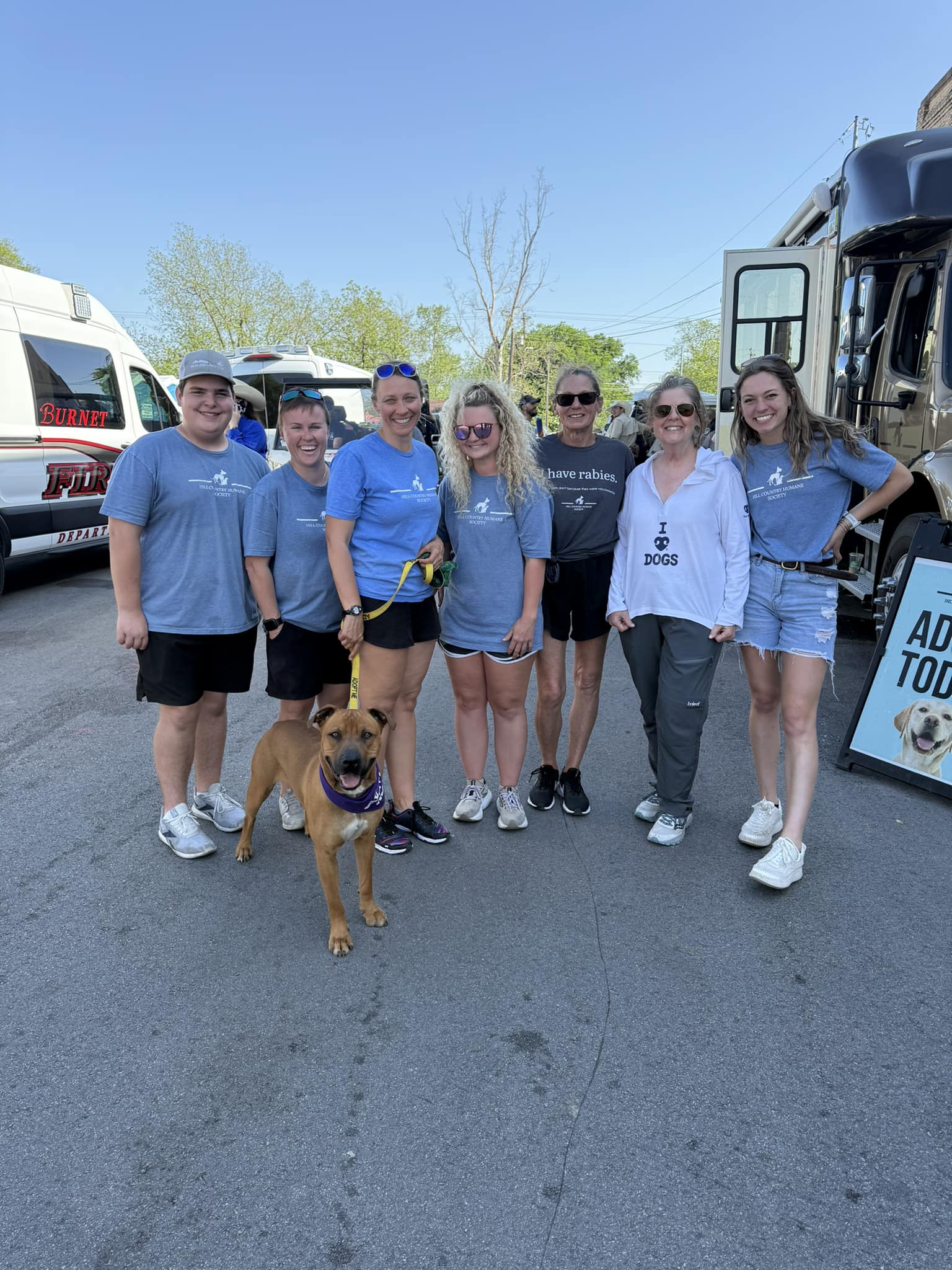
Through our mobile programs and community clinics, we work to meet people where they are. Education plays a huge role in this as well. When people understand the “why” behind prevention and are given realistic options to do the right thing, outcomes improve, not just for individual animals, but for entire communities.
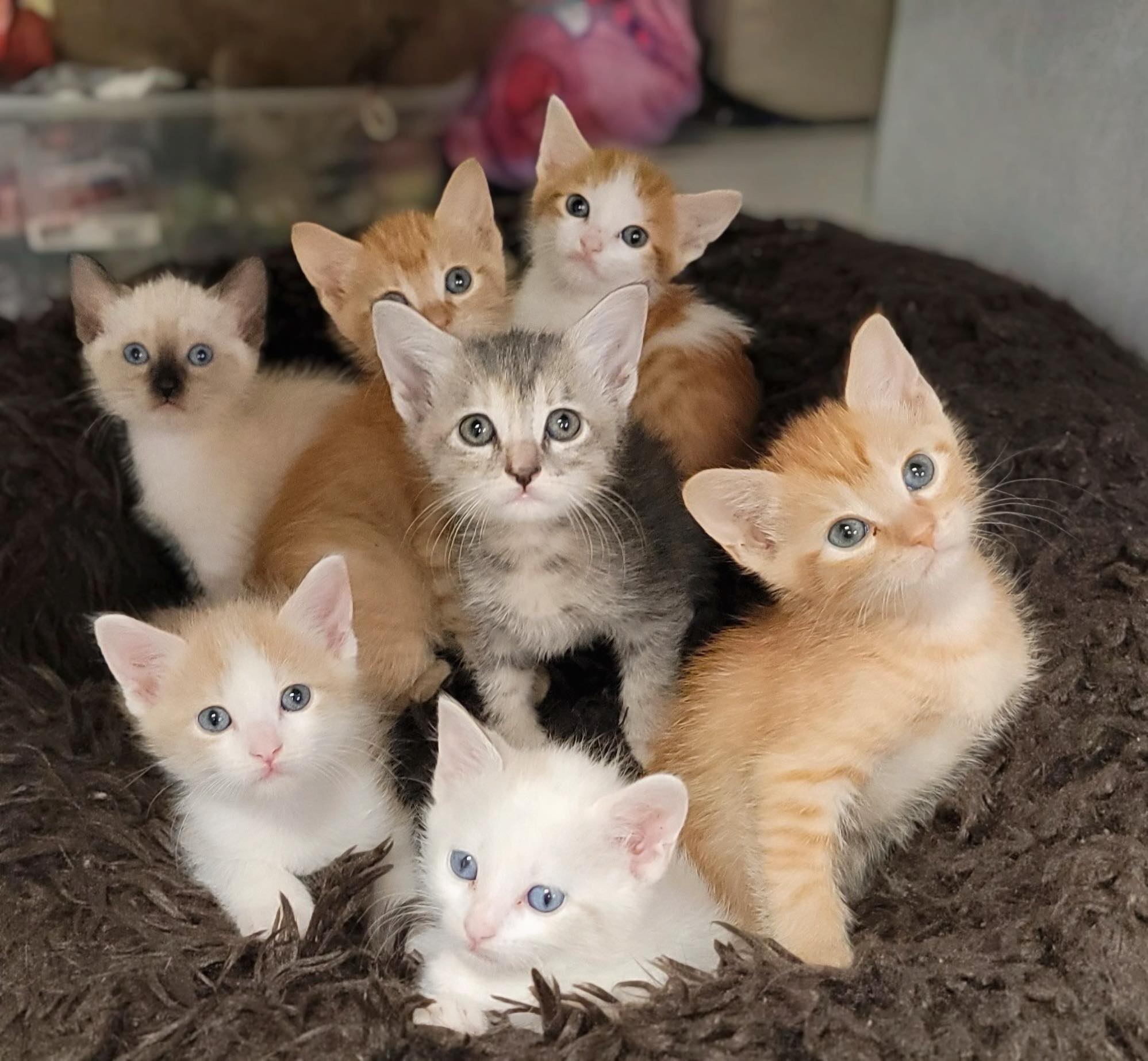
I also believe strongly that every animal deserves to be seen as an individual. Lifesaving isn’t about numbers alone; it’s about meeting each animal with compassion, evaluating their needs honestly, and giving them the best possible chance. When access to care, education, and accountability come together, real change happens and that’s the work I’m committed to every day.
What makes you happy?
What makes me happiest is seeing things work the way they’re supposed to, animals getting care before they’re in crisis, people feeling supported instead of judged, and a team that feels proud of the work they’re doing.
I’m happiest when a scared dog finally relaxes, when a family realizes help exists, or when a staff member grows into their confidence. Those moments are reminders that this work isn’t just about saving animals, it’s about building systems that allow compassion to show up consistently.
Knowing that something I’ve helped build is making life better, even in small ways, is what keeps me grounded and fulfilled.
Contact Info:
- Website: https://hchstexas.com
- Facebook: https://www.facebook.com/paighton.corley/