



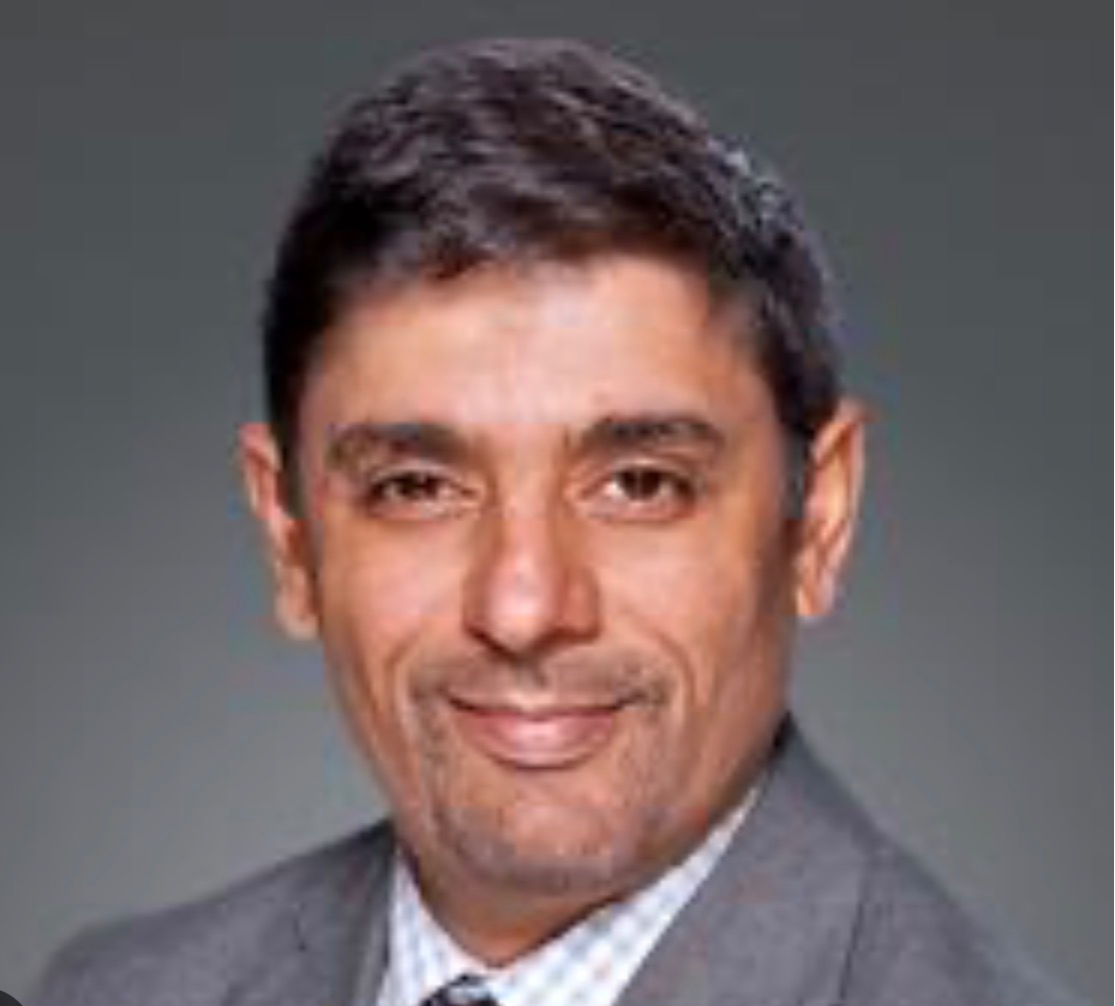
Today we’d like to introduce you to Faris Hashim.
Hi Faris, thanks for sharing your story with us. To start, maybe you can tell our readers some of your backstory.
My name is Dr. Faris Hashim, and I am a pediatric nephrologist practicing in Temple and Round Rock, Texas.
I grew up in Iraq, a country deeply scarred by decades of conflict. I lived through three wars, witnessing firsthand the devastating effects on civilians, including orphans, widows, hungry children, and families without access to even the most basic healthcare. These early experiences shaped my understanding of medicine not merely as a profession, but as a moral responsibility to serve those who are vulnerable.
In 2005, during the height of the Iraqi civil war, my life was directly threatened. My family and I were forced to flee our home and seek safety as refugees in Jordan. Two years later, we were resettled in the United States, arriving with little more than determination, along with my wife, our three children, and the hope of rebuilding our lives in peace.
The early years in America were exceptionally difficult. We lived in refugee housing and relied on basic government assistance. My wife and I each worked two jobs to support our family while I navigated the arduous process of having my medical credentials recognized. Despite already being a trained physician, I was required to repeat both my residency and fellowship in the U.S. healthcare system. This was a humbling and demanding journey that strengthened my resilience, discipline, and gratitude.
Over time, I rebuilt my career. Today, I am honored to serve as the Chief of the Pediatric Nephrology Department at Baylor Scott & White Health. Since 2019, I have also been the Medical Director of the Islamic Center of Brushy Creek (ICBC) Medical Clinic, providing free care to underserved populations. This clinic operates under the umbrella of a large non-profit organization that I joined in 2016, Eixsys Health Care in Austin, which helps deliver medical services to marginalized communities across multiple locations.
Beyond clinical care, mentorship is central to my mission. I actively mentor foreign medical graduates who are navigating the same path I once walked, as well as undergraduate students particularly those from immigrant or disadvantaged backgrounds who aspire to careers in medicine.
My journey spanning war, displacement, and refugee life to rebuilding my medical career in the United States has solidified a core belief: medicine is not only about treating disease but also about restoring dignity, access, and hope. This belief continues to guide my work as a physician, leader, and servant to the community.
Alright, so let’s dig a little deeper into the story – has it been an easy path overall and if not, what were the challenges you’ve had to overcome?
Managing the Eixsys Health Care free clinic at ICBC presents ongoing, complex challenges. Limited and inconsistent funding restricts the clinic’s ability to maintain operations, expand services, and secure medications and diagnostic testing. Recruiting and retaining primary care and specialty providers is also a significant challenge, as we often rely on volunteer availability rather than consistent staffing.
Balancing my leadership role at the clinic with full-time responsibilities at Baylor Scott & White Health and family commitments strains my time and energy.
The clinic frequently cares for medically complex patients with advanced disease, and their care often exceeds our available resources. This creates ethical and emotional distress, especially when optimal treatments are not financially feasible.
Due to high demand, I have shared my personal phone number with thousands of patients, resulting in late-night calls and urgent messages. This situation highlights the unmet need for better access to care and the lack of after-hours support systems. Additionally, I worry about the clinic’s continuity and sustainability if I were to become unable to serve.
Other challenges include a shortage of patient education materials, which limits preventive care and health literacy, as well as language and cultural barriers that complicate communication, adherence, and trust for many patients.
These challenges underscore the urgent need for sustainable funding, workforce support, structured systems, and culturally relevant messages
Appreciate you sharing that. What else should we know about what you do?
At Baylor Scott & White Health, I serve as a pediatric nephrologist and the Chief of the Pediatric Nephrology Department. I specialize in the care of children with complex kidney diseases, hypertension, electrolyte disorders, and both acute and chronic kidney failure. My clinical work includes inpatient, outpatient, and consultative care, with a strong emphasis on evidence-based management, patient safety, and multidisciplinary collaboration.
I am recognized for managing high-acuity, medically complex patients and for bridging the fields of nephrology, cardiology, and critical care. Additionally, I focus on translating advanced physiological concepts into practical bedside decision-making. I take particular pride in my work related to pediatric hypertension, acute kidney injury, and cardiorenal interactions. I am also committed to teaching and mentoring young physicians.
What I am most proud of is building a Neohrology and dialysis program that combines clinical excellence with equity and access, while also training the next generation of physicians to practice with both rigor and compassion.
Having rebuilt my medical career as an immigrant physician, I bring resilience, cultural competence, and systems-level insight to my work.
What sets me apart is my ability to lead in complex clinical environments while maintaining a deep commitment to underserved populations, mentorship, and service beyond the hospital.
We’d be interested to hear your thoughts on luck and what role, if any, you feel it’s played for you?
Luck has played a significant role in my life, especially through the connections I’ve made at pivotal moments. In 2016, I met Mr. Amin Salahuddin, the CEO of Eixsys Health Care, and that encounter became one of the greatest blessings of my professional journey. He guided me onto the path of providing free clinic services and helped eliminate many barriers that often hinder physicians from volunteering. His support extended to areas like credentialing, malpractice coverage, logistics, provider connections, and volunteer recruitment.
Additionally, he fostered the clinic’s growth by hiring my wife as the clinic manager and volunteer trainer, which introduced much needed structure and sustainability. During challenging financial periods, he even provided personal financial assistance to keep the clinic running. This support transformed intention into action and service into meaningful impact. Among all the hardships I have faced, this partnership stands out as the most fortunate aspect of my life, turning the dream of serving the underserved into a tangible reality.
Pricing:
- All medical visits at the Eixsys Health Care clinic at ICBC are provided free of charge
- No insurance is required
- Imaging, medication, and lab services are provided at minimal cost when available through local centers and pharmacies, often covered by donated funds for those in need.
Contact Info:
- Website: http://www.ehsclinic.org
Image Credits
• Eixsys Health Care
• Islamic Center of Brushy Creek