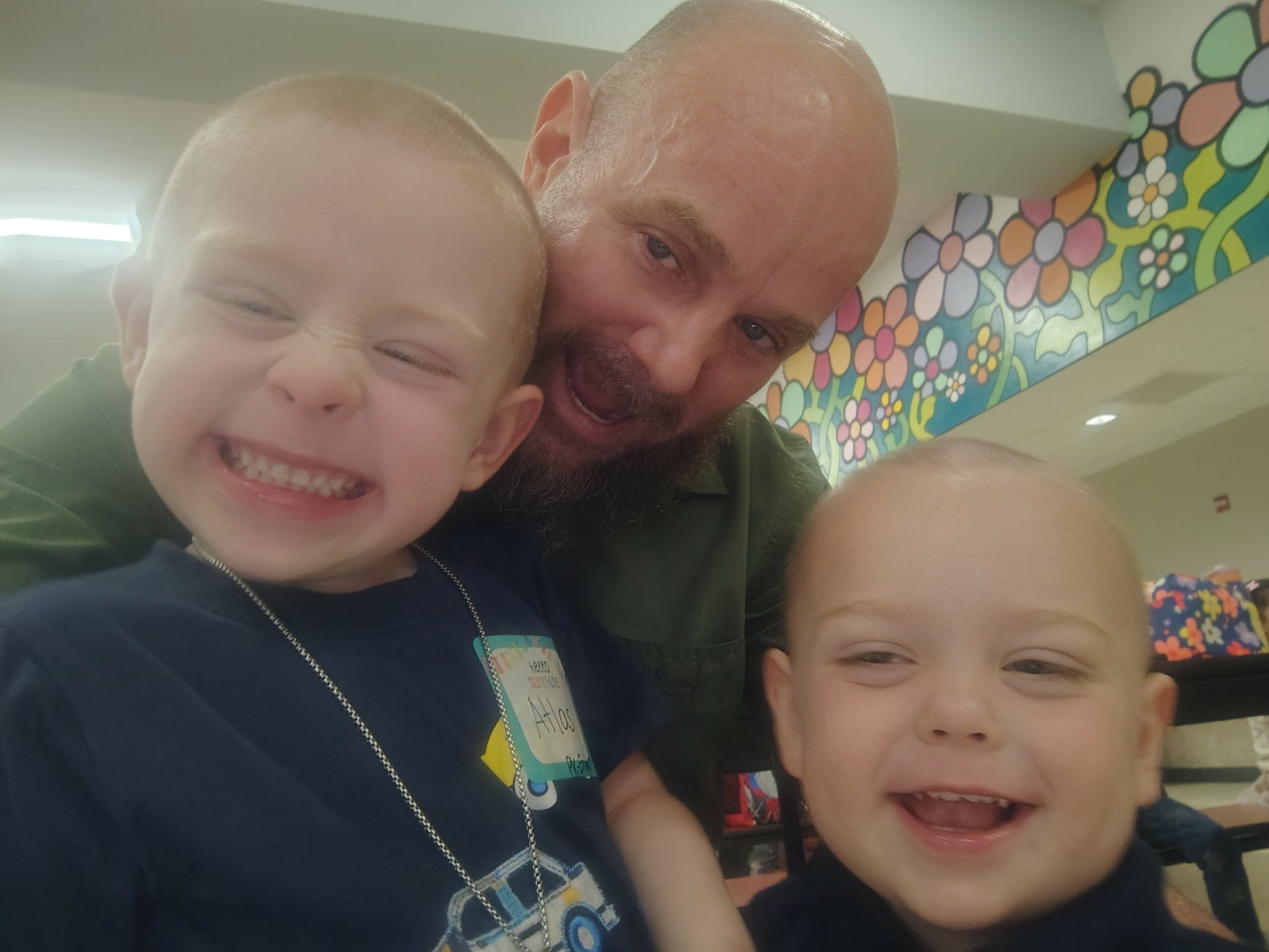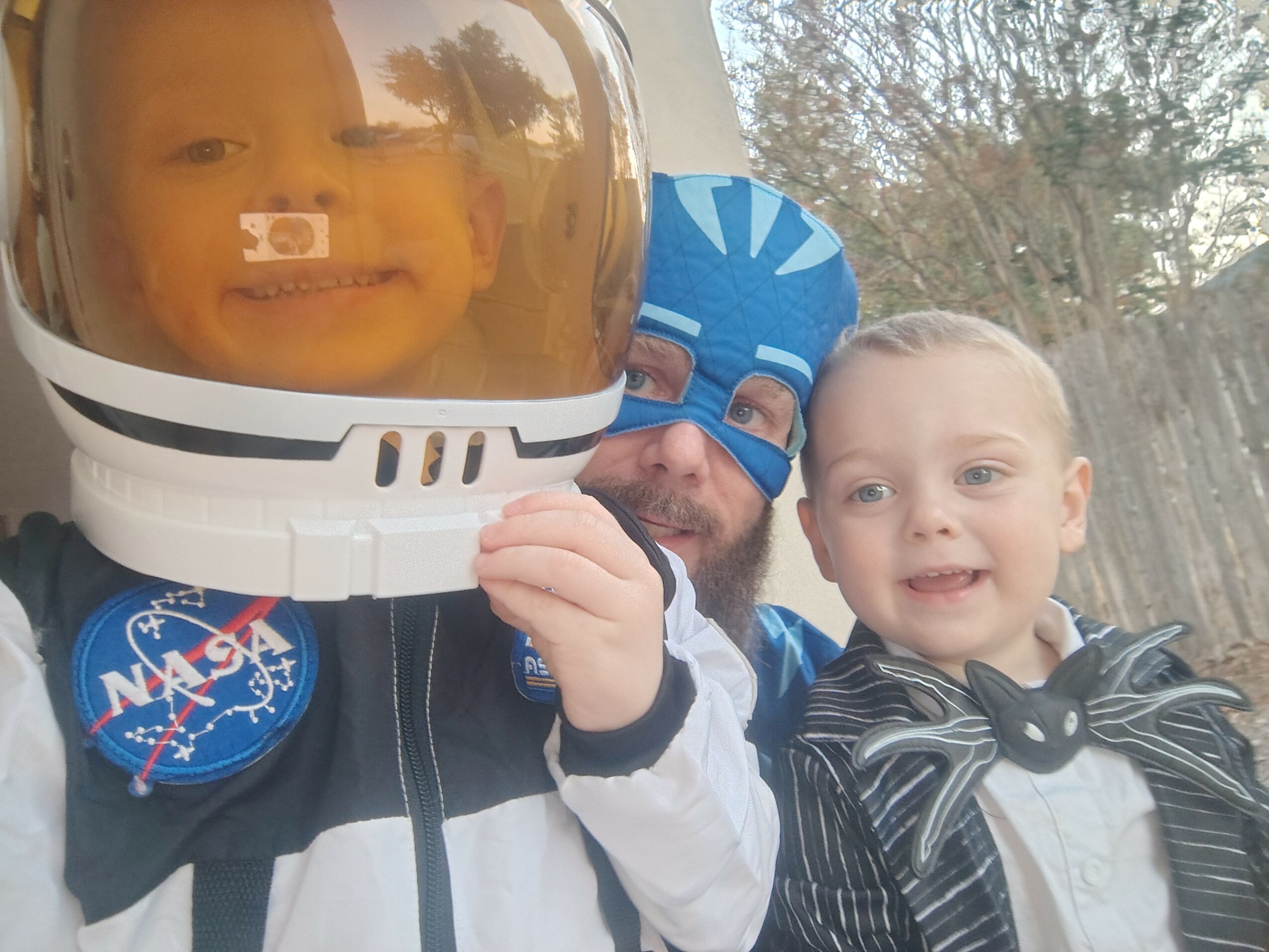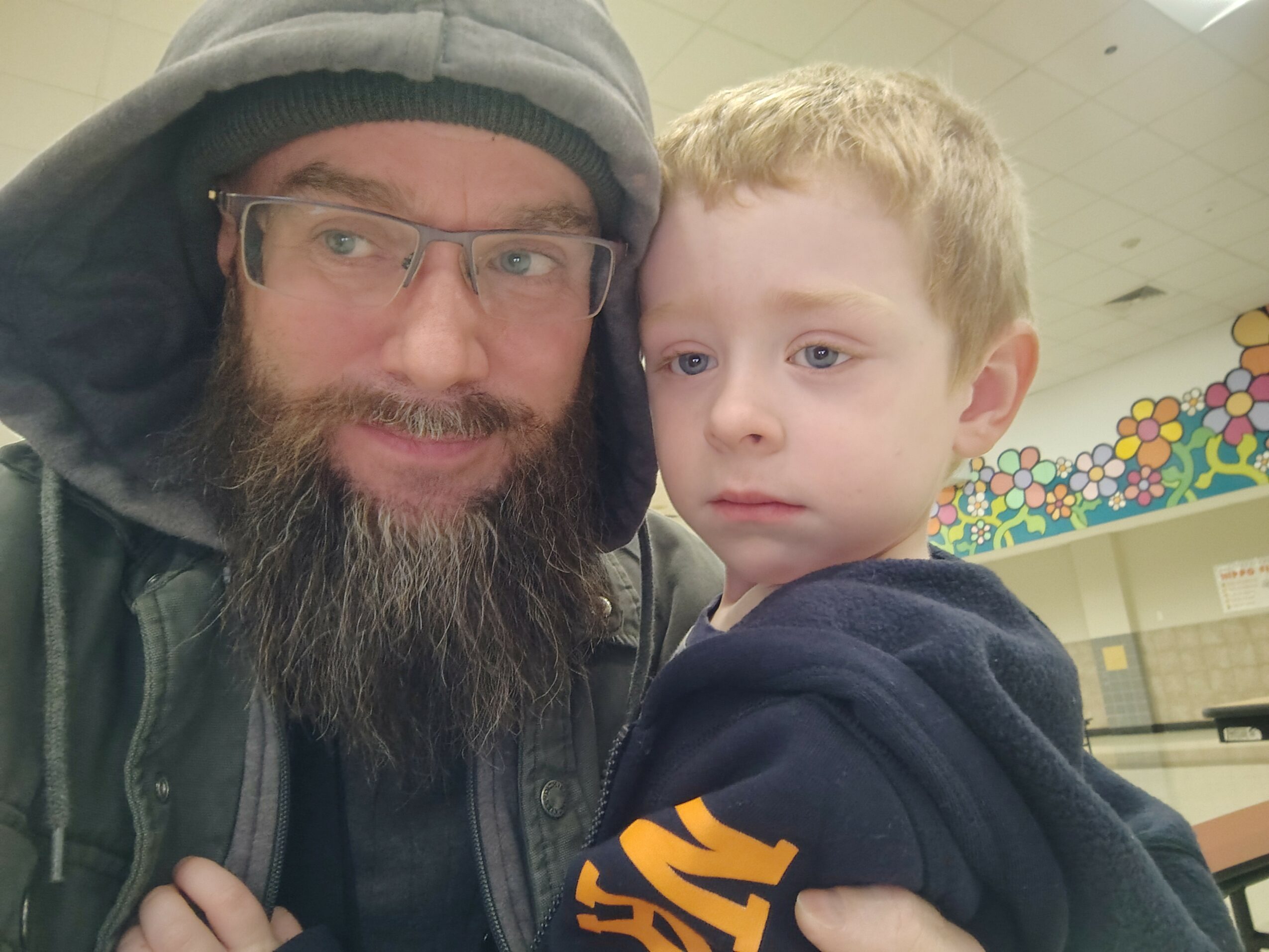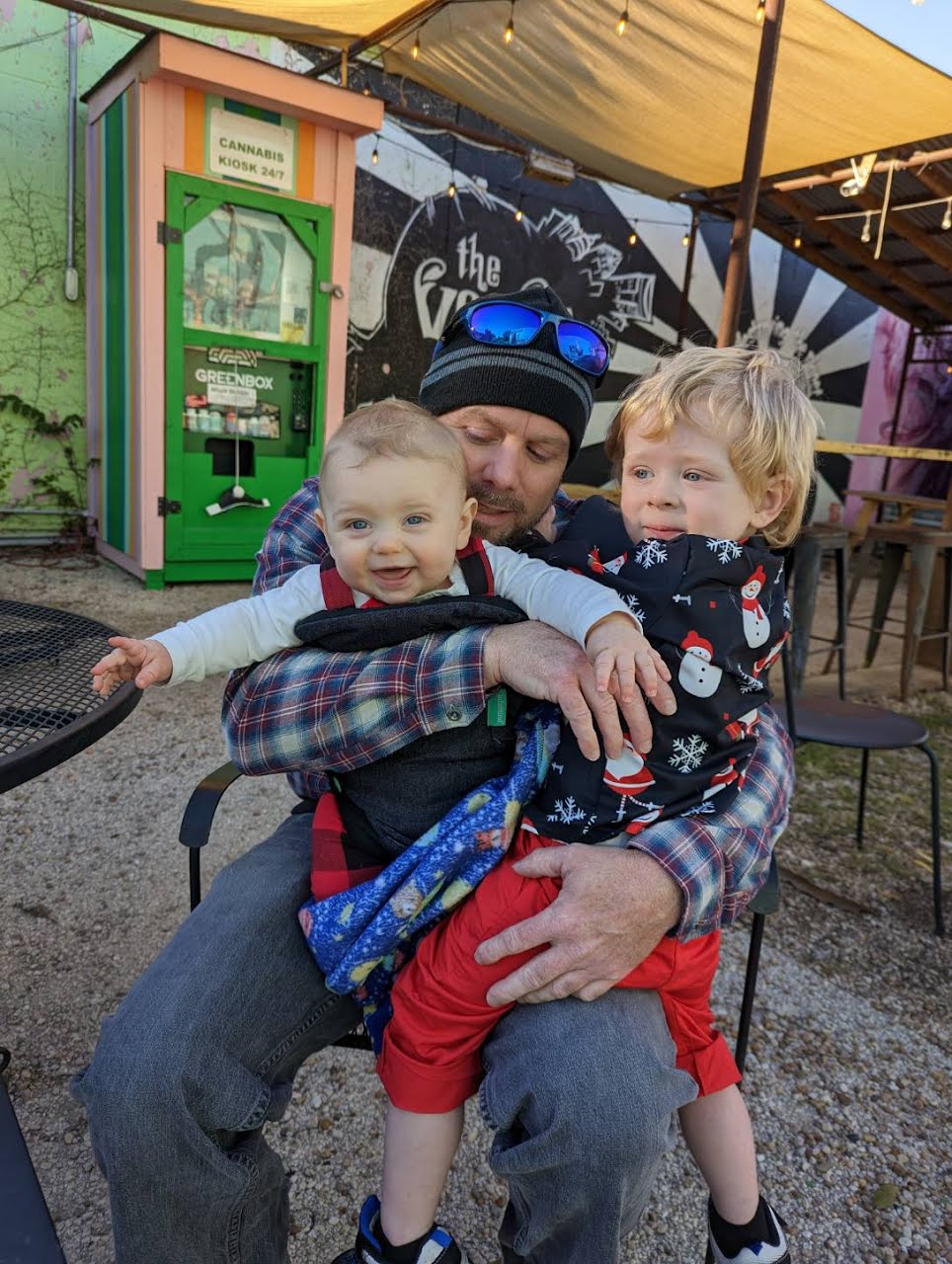



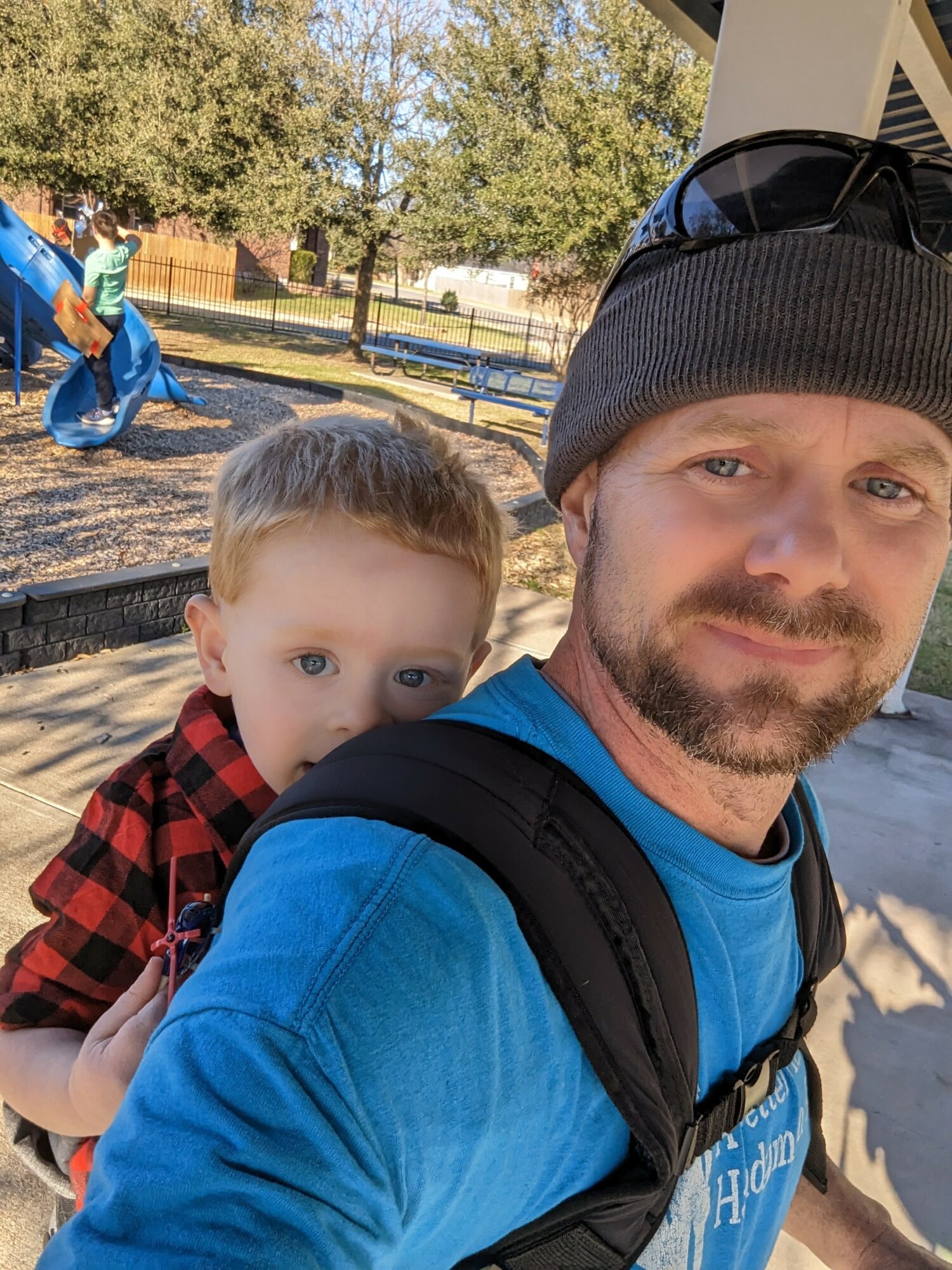
Today we’d like to introduce you to Charles Deus.
Hi Charles, thanks for sharing your story with us. To start, maybe you can tell our readers some of your backstory.
My story—and the story of this foundation—began decades before my own children were born. I am a student of what I call the ‘Architecture of Alienation’ because I was first its victim as a child.
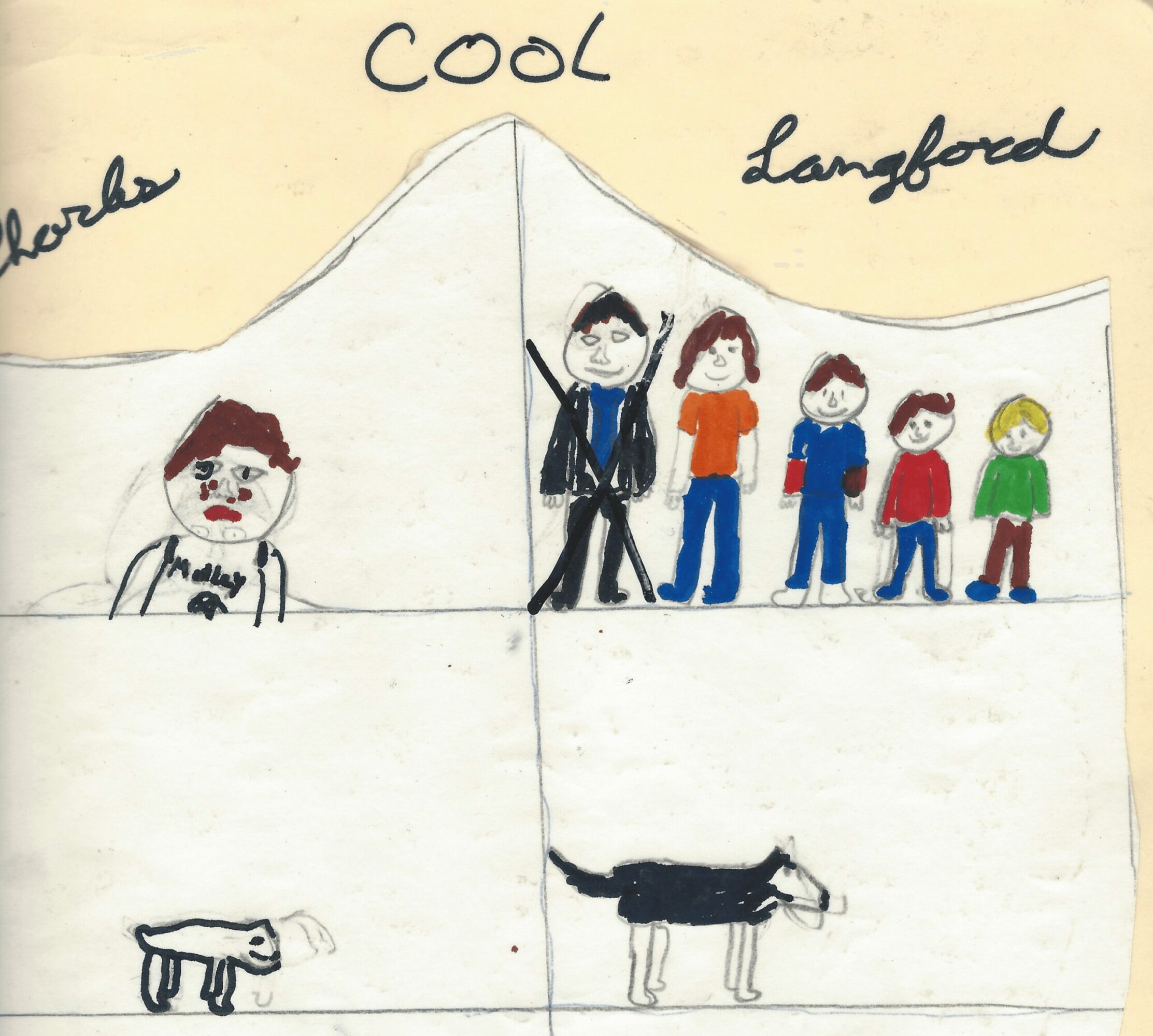
Growing up, I was the target of a severe and meticulous campaign of parental alienation. I was manipulated into viewing my own father as a villain, to the point where, as a young boy, I once drew a family portrait and literally ‘X-ed’ him out with a Sharpie. I was taught that loving him was a betrayal of my mother. That programming ran so deep that at age 18, I legally changed my name to Charles Deus, trying to sever my connection to a father I had been taught to despise. It took me decades to unravel those lies, to see the hypocrisy in my own home, and to realize I had been used as a weapon in a war I didn’t understand.
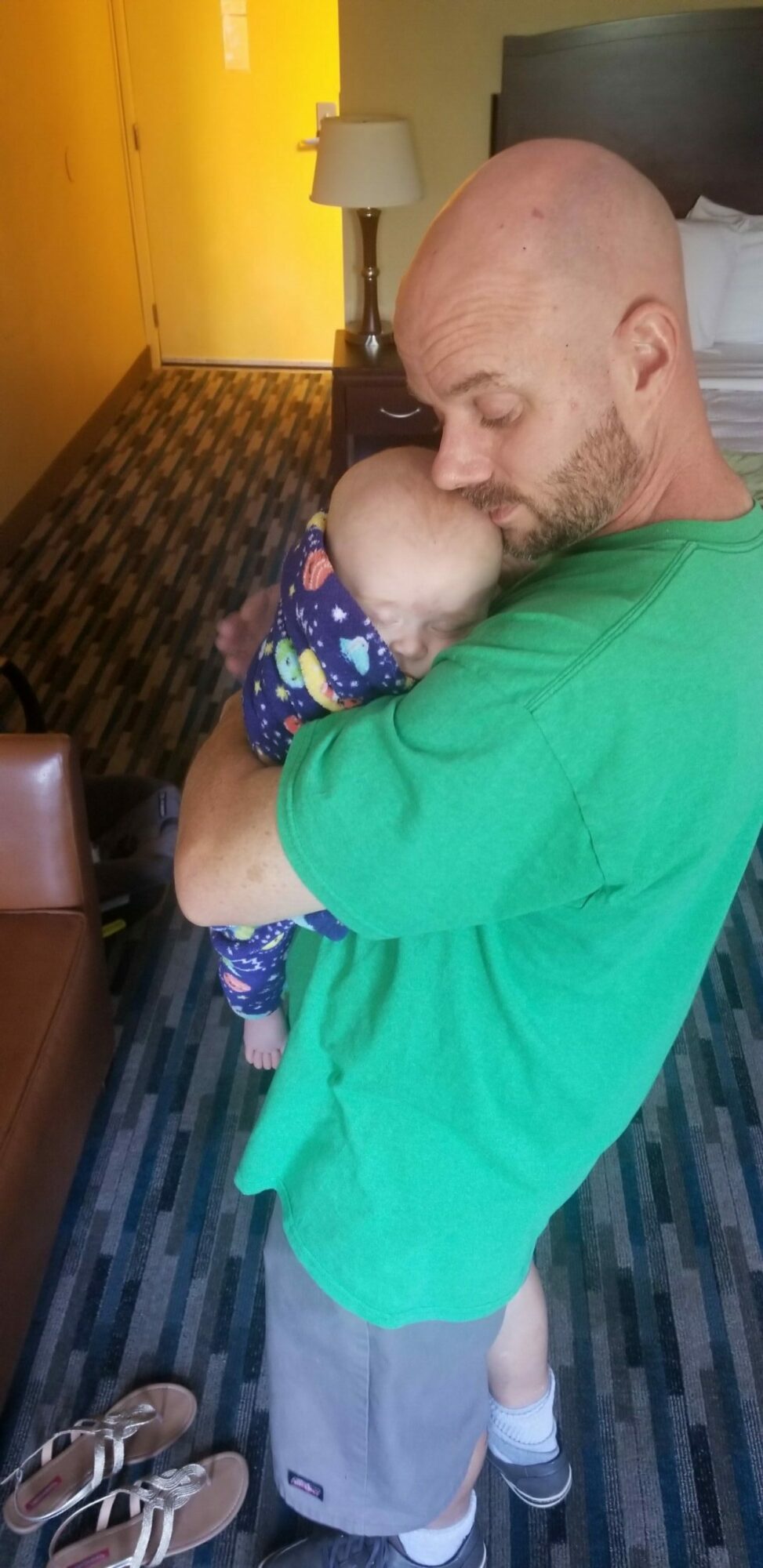
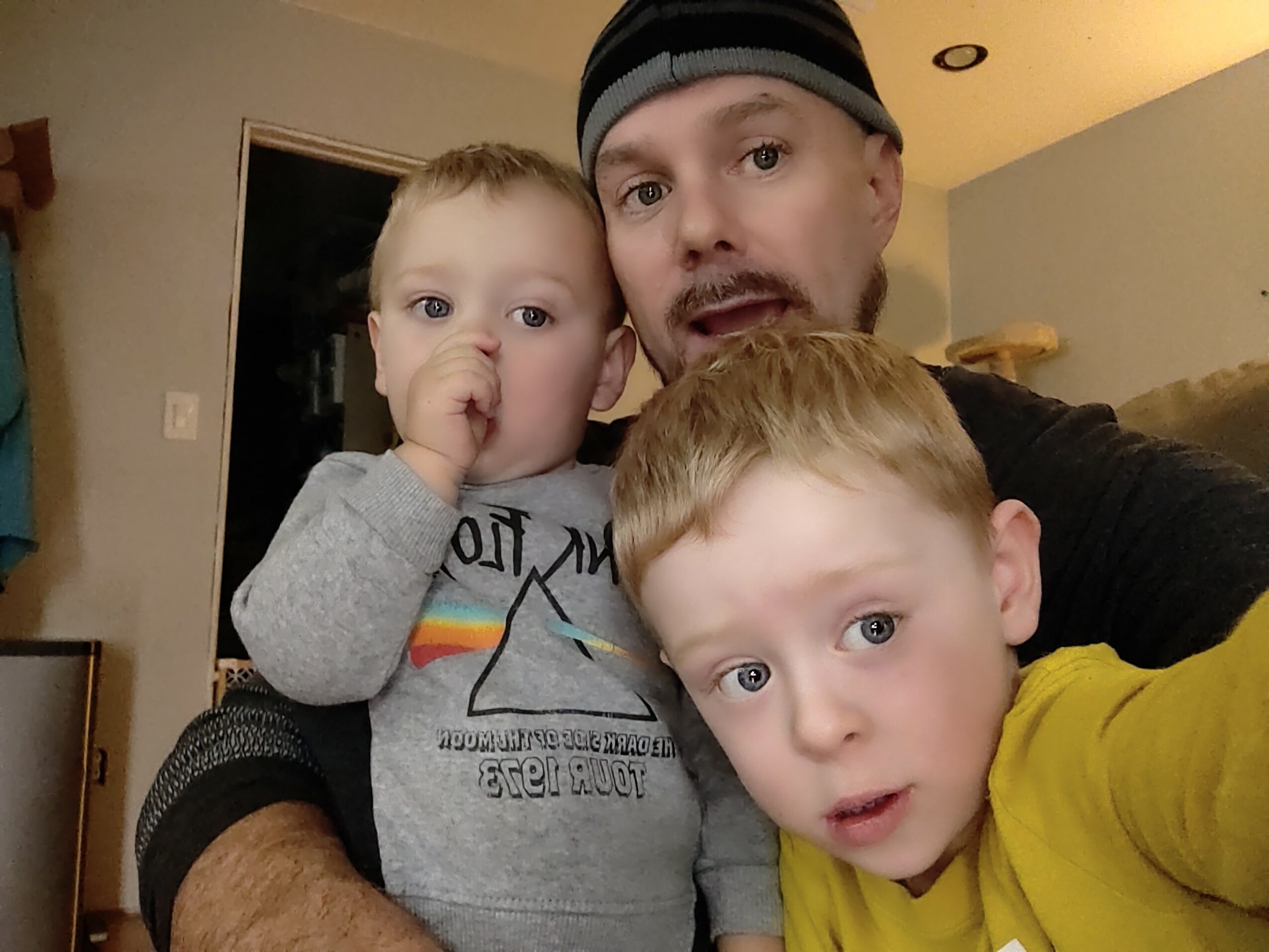
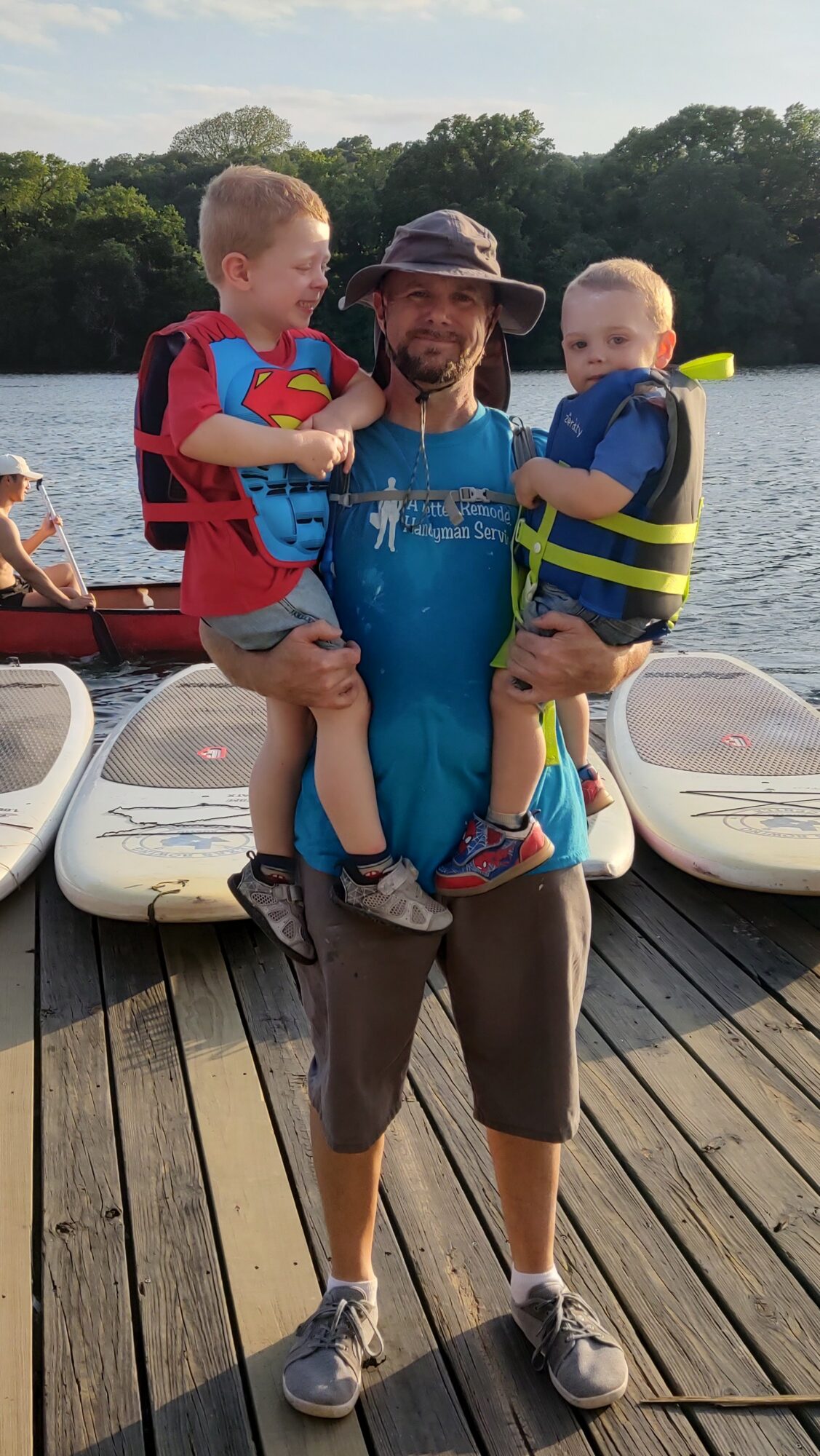
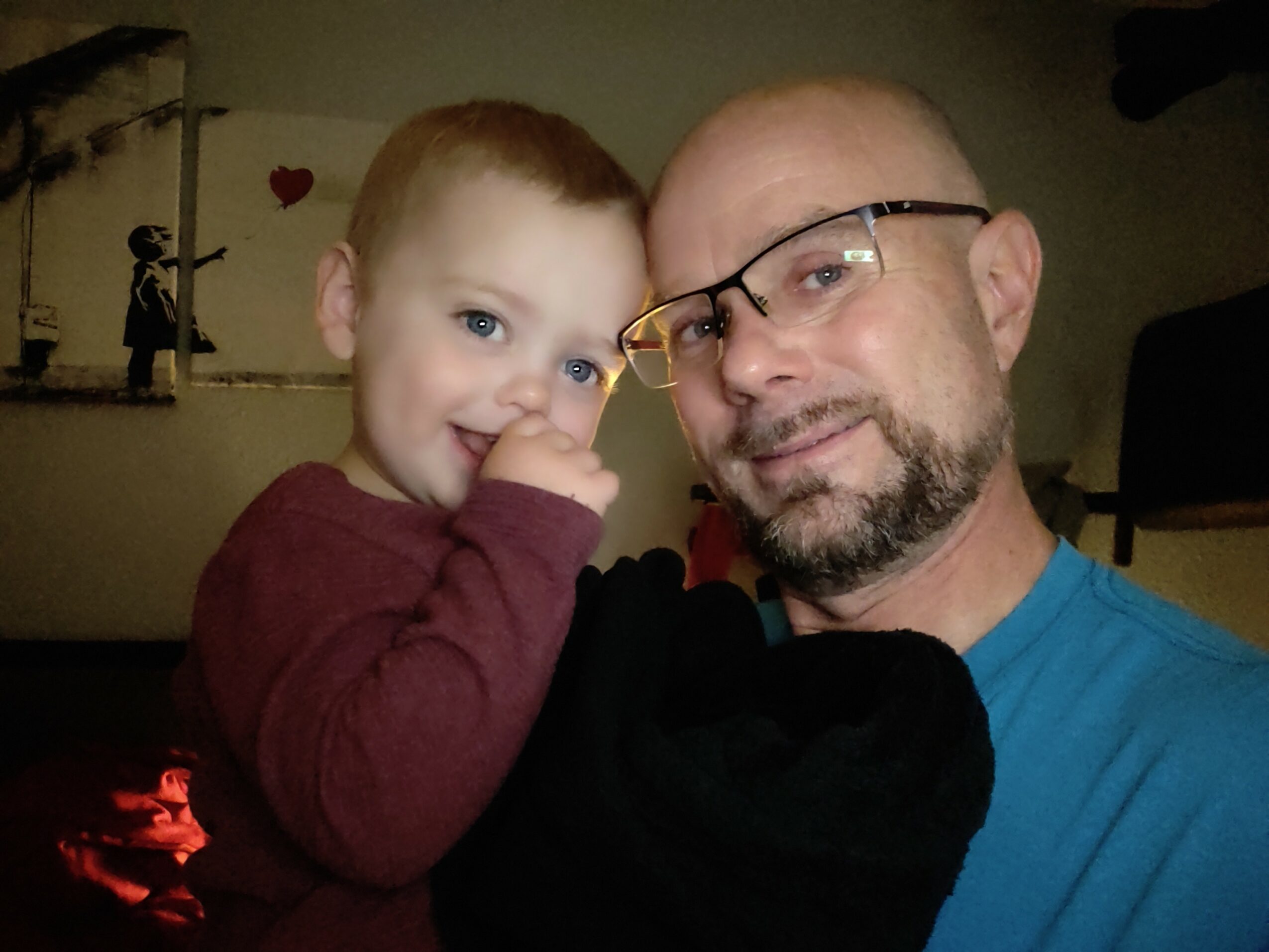
When I became a father to my own sons, Atlas and Torin, I made a solemn vow to break that cycle. I wanted to be the father I had been kept from knowing.
But life has a cruel way of echoing. When my own family fractured, I watched in horror as the same patterns I survived as a child began to re-emerge—the erasure, the gatekeeping, and the rewriting of history. Only this time, I was the father on the outside. I was thrust into a family court system that I naively assumed would protect the bond between a father and his children. Instead, I encountered a system often blinded by bias and bureaucracy—a system where a loving father can be effectively ‘devalued’ and erased from his children’s lives overnight.
I looked for help. I looked for a support group for male survivors of domestic violence. I looked for therapists who understood the specific trauma of generational alienation. I looked for legal advocates who prioritized the child’s well-being over winning. I found almost nothing. I realized I was drowning in a gap where thousands of other good fathers had likely drowned before me.
That was the catalyst for the Kids Need Dads Need Kids (KNDNK) Foundation.
I started writing—first as a survival mechanism, documenting the experience in what became ‘From the Journals of Devaluation.’ But I quickly realized that surviving wasn’t enough. I needed to build the life raft I couldn’t find for myself. I founded KNDNK as a grassroots movement to provide the tangible resources I never had: mental health support for men who are told to stay silent, ethical legal advocacy, and a community that refuses to let fathers be erased.
Today, we are a formally incorporated non-profit fighting to secure our 501(c)(3) status. I am where I am today because I refused to let my children become just another statistic in the cycle of alienation. I am fighting to ensure they know they are free to love both parents—a freedom I was denied as a child.
Can you talk to us a bit about the challenges and lessons you’ve learned along the way. Looking back would you say it’s been easy or smooth in retrospect?
To call it a ‘rough road’ would be an understatement; it has been a war of attrition. The biggest struggle hasn’t been the work itself, but the sheer weight of the systemic bias stacked against fathers.
The first major hurdle is the ‘Guilty Until Proven Innocent’ nature of family court. As a father, you often walk into that courtroom with a deficit. If you are a male survivor of domestic violence, you face a double stigma: society tells you that men can’t be victims, and the legal system often treats your claims with skepticism or outright dismissal. I have had to fight simply to be heard, often while navigating a labyrinth of bureaucracy designed to exhaust you emotionally and financially.
Financially, the struggle is catastrophic. The ‘divorce industry’ is designed to bleed parents dry. I have watched my life savings evaporate and incurred significant debt just to fight for basic access to my children. This is a common story I hear from other dads—good men who are forced to choose between bankruptcy and abandoning their kids. I chose bankruptcy of the wallet over bankruptcy of the heart, but the toll is heavy.
Socially, there is the isolation. When you go through a high-conflict custody battle involving what I call ‘Devaluation,’ you lose more than just your time with your kids; you often lose your community. Narratives are spun, friends choose sides based on incomplete information, and you find yourself walking a very lonely path. Dealing with the resulting PTSD while trying to build a foundation from the ground up has been incredibly difficult.
Finally, there is the internal struggle of vulnerability. Our motto at KNDNK is ‘Change Requires Vulnerability.’ But for men, vulnerability is often punished. We are taught to be stoic, to hide our pain. Unlearning that survival mechanism—and standing up publicly to say, ‘I am hurting, I miss my sons, and the system is broken’—has been the hardest, yet most necessary, part of this journey.
As you know, we’re big fans of Kids Need Dads Need Kids. For our readers who might not be as familiar what can you tell them about the brand?
The Kids Need Dads Need Kids (KNDNK) Foundation is a grassroots non-profit organization born out of necessity. We exist to fill a gaping hole in the family support system: resources for fathers facing high-conflict custody battles, parental alienation, and domestic violence.
What We Do & Specialize In: We specialize in supporting the ‘erased father.’ Specifically, we focus on the intersection of legal warfare and mental health. Too often, men are told to ‘man up’ and stay silent about their pain, especially when they are victims of domestic violence or psychological abuse. We specialize in breaking that silence. We provide resources for male survivors, support for navigating the ‘Architecture of Alienation,’ and a framework for fathers to remain present in their children’s lives despite systemic barriers.
What Sets Us Apart: Most support structures are fragmented—you have lawyers for the courtroom and therapists for the trauma, and they rarely talk to each other. KNDNK is built on the belief that you cannot fix a legal case if the client is emotionally shattering, and you cannot heal a family if the court order prevents them from seeing each other. We are distinct in our willingness to address uncomfortable truths. We speak openly about male victims of domestic violence and the reality of ‘Devaluation’—a term I use to describe the systemic erasure of a parent—without apology. Unlike some groups that devolve into bitterness, we refuse to be anti-mother; we are strictly, fiercely pro-child.
What We Are Most Proud of Brand-wise: I am most proud of our core motto: ‘Change Requires Vulnerability.’ In a culture that often equates masculinity with stoicism, we are building a brand that champions vulnerability as a strength. We are proud of our literary voice, anchored by my writing in ‘From the Journals of Devaluation,’ which validates the experience of thousands of men who thought they were alone. We are proud to be a brand that doesn’t just offer advice, but offers a mirror to fathers, showing them that their love for their children is worth fighting for.
What Readers Should Know: We want your readers to know that this is just the beginning. We are currently working to secure our 501(c)(3) status to expand our reach. We are building a coalition of ethical lawyers, therapists, and community leaders who are tired of the status quo. If you are a father feeling erased, or a community member who believes that children need both parents, KNDNK is the sanctuary we are building for you.
What would you say have been one of the most important lessons you’ve learned?
The most important lesson I’ve learned is etched into the very foundation of KNDNK: ‘Change Requires Vulnerability.’
For most of my life, like many men, I was taught that resilience meant silence. I thought that if I just absorbed the pain, ignored the abuse, and ‘toughed it out,’ I was being strong. I learned the hard way that this kind of silence isn’t strength—it’s a slow form of self-destruction. And worse, it’s a disservice to our children.
The journey through family court, wrongful accusations, and the systemic erasure of my role as a father forced me to confront a terrifying truth: I could not save my relationship with my sons by staying silent. I had to be willing to be vulnerable. I had to be willing to stand up and say, ‘I am a victim of domestic violence,’ ‘I am hurting,’ and ‘I need help.’
I learned that true masculinity isn’t about being an unfeeling stone; it’s about having the courage to show your children that you are human, that you feel deeply, and that you will fight for them with love rather than anger.
A secondary lesson, but equally vital, is that Presence is Power. The system may try to reduce you to a ‘visitor’ or a checkbook. An alienated parent may try to rewrite history to erase you. But if you show up—consistently, lovingly, and authentically—even in the smallest moments, the truth eventually shines through. You cannot control the court, but you can control the man you are when you walk out of it. I’ve learned that my job isn’t to win a war; it’s to be a father my sons can recognize, trust, and love, no matter what lies are told about me.
Contact Info: