



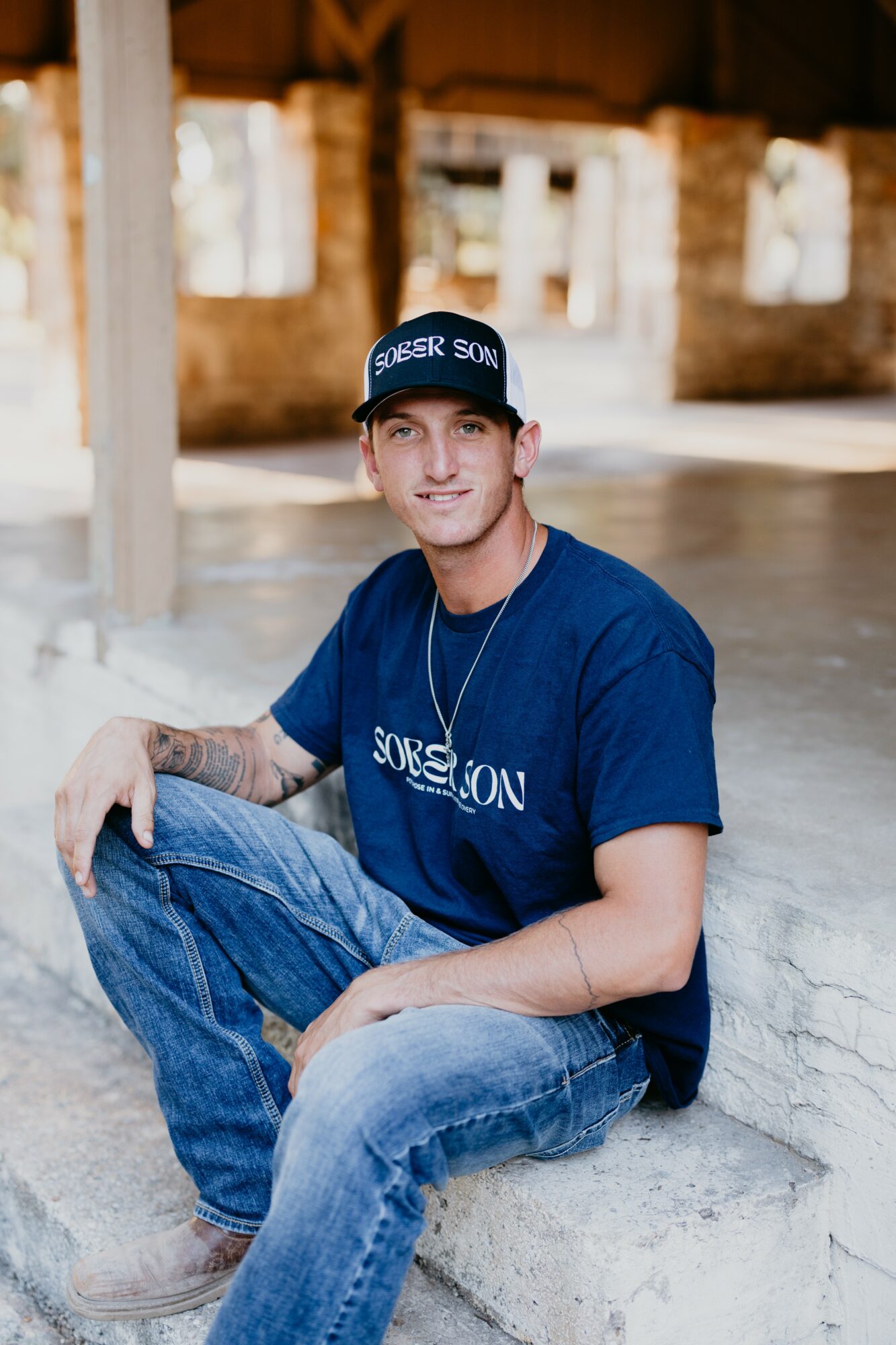
Today we’d like to introduce you to Micah Scott.
Hi Micah, so excited to have you with us today. What can you tell us about your story?
My story with addiction began when I was fourteen years old.
What started as experimentation quickly turned into addiction and alcoholism, shaping the way I lived and the choices I made for years. From the outside, parts of my life may have looked functional, but internally everything revolved around drugs and alcohol. I normalized behaviors that were anything but normal, staying out at bars until two in the morning every night, isolating from family, and eventually choosing homelessness rather than risk being cut off from substances by my parents. Addiction didn’t just affect my lifestyle; it dictated my identity.
By my early twenties, the consequences were unavoidable. I entered rehab as a result of probation and later moved into sober living. For a time, it seemed like recovery had taken hold, but once that structure was removed, I relapsed. I returned to using and drinking for another four years, trapped in a cycle of false starts, shame, and the growing belief that this was simply how my life would always be.
Everything changed when I met my wife.
One day, she caught me in the middle of a binge. Instead of walking away or issuing an ultimatum, she asked me a question that would ultimately change my life: “What are we going to do?”
That single word “we” meant everything. In that moment, I realized she wasn’t trying to discard me, she was willing to stand beside me. I knew she was the one, and I knew I had reached a point where something had to change.
On September 7, 2021, I returned to the rooms of Alcoholics Anonymous. That date marks the beginning of my sobriety, and I have remained sober ever since.
Sobriety gave me more than clarity, it gave me purpose.
As my recovery continued, my wife and I founded Sober Son, an online merchandise brand created for people in sobriety and recovery, as well as those who support them. The brand was born from the belief that recovery deserves visibility and that sharing our stories can help remove the stigma surrounding addiction.
Sober Son also serves as a resource platform, offering access to rehabilitation and detox information, along with links to podcasts and conversations where I share my experience, strength, and hope. Every dollar of profit generated by Sober Son is donated directly to local rehab facilities and detox centers in the Central Texas area, allowing the brand to give back in a tangible way.
At its core, Sober Son exists to spread awareness of sobriety and recovery and to remind people, especially those who feel isolated or forgotten, that they are not alone. My story is not unique, but if it can help someone take one step toward hope, then sharing it is worth it.
We all face challenges, but looking back would you describe it as a relatively smooth road?
No it has not been a smooth road as you can imagine, addiction and alcoholism is so deceiving in so many ways. I thought my life was good and I thought I was on the up and up but it turned out I was on the down and down. Ruining trust and relationships by lying and stealing every day from people very important to me. Sobriety has been tough as well because sobriety forced me to look at myself in a way I’ve been looked at myself. It made accept the fact that I was broken and damaged and sick.
Can you tell our readers more about what you do and what you think sets you apart from others?
After spending 11 and a half years working in child care, I made a major career shift into sports construction. Today, I work for a commercial artificial turf company, helping build fields and spaces where athletes and communities come together. There’s something meaningful about being part of projects that give kids and families a safe place to compete, grow, and belong.
Alongside that, I’ve been coaching youth travel baseball for the past 12 years. Coaching has always been more than wins and losses for me—it’s about teaching accountability, resilience, and teamwork. I take a lot of pride in being a steady presence for young athletes and showing them what consistency and integrity look like, both on and off the field.
In addition to my professional work and coaching, I run Sober Son, a sobriety and recovery brand I founded with my wife. Through Sober Son, I share my story, provide resources for recovery, and donate all profits to local rehab and detox facilities. It’s a way for me to turn my past into something that can help others.
What I’m known for is honesty, consistency, and showing up. Whether it’s on a job site, in a dugout, or within the recovery community, I try to lead by example and live in a way that reflects the values sobriety has given me.
What I’m most proud of isn’t a job title or an accomplishment, it’s the life I’ve built in sobriety. Being present, dependable, and able to give back to others is something I never thought was possible. Today, I get to live with purpose, and that’s what matters most to me.
Can you talk to us about how you think about risk?
For me, the biggest risk I’ve ever taken was getting sober. From the outside, sobriety is often seen as the safe choice, but for me it felt like the opposite. I knew that if I got sober, there would be a different person on the other side of it—and that scared me. I had spent so long living the same way, even though I was miserable, that it had become familiar. Misery was predictable. Change was not. Addiction gave me an identity, even if it was a destructive one. Walking away from that meant letting go of who I thought I was, without any guarantee of who I would become. That uncertainty felt like a massive risk. I didn’t know if I could live without numbing myself, if I could handle emotions sober, or if I could function in the world without the crutch I had relied on for years. What I’ve learned since is that real risk isn’t always loud or obvious. Sometimes it’s choosing growth over comfort, honesty over escape, and long-term freedom over short-term relief. Getting sober required me to face myself fully, take responsibility for my life, and step into the unknown with no safety net. Today, I don’t see myself as reckless or impulsive when it comes to risk. I’m intentional. I believe the most meaningful risks are the ones that force you to change, even when staying the same would be easier. Sobriety was that risk for me—and it’s the one that changed everything.
Contact Info:
- Website: https://Shopsoberson.com
- Instagram: Sober_son_
- Facebook: https://www.facebook.com/share/17q2YGZopW/?mibextid=wwXIfr
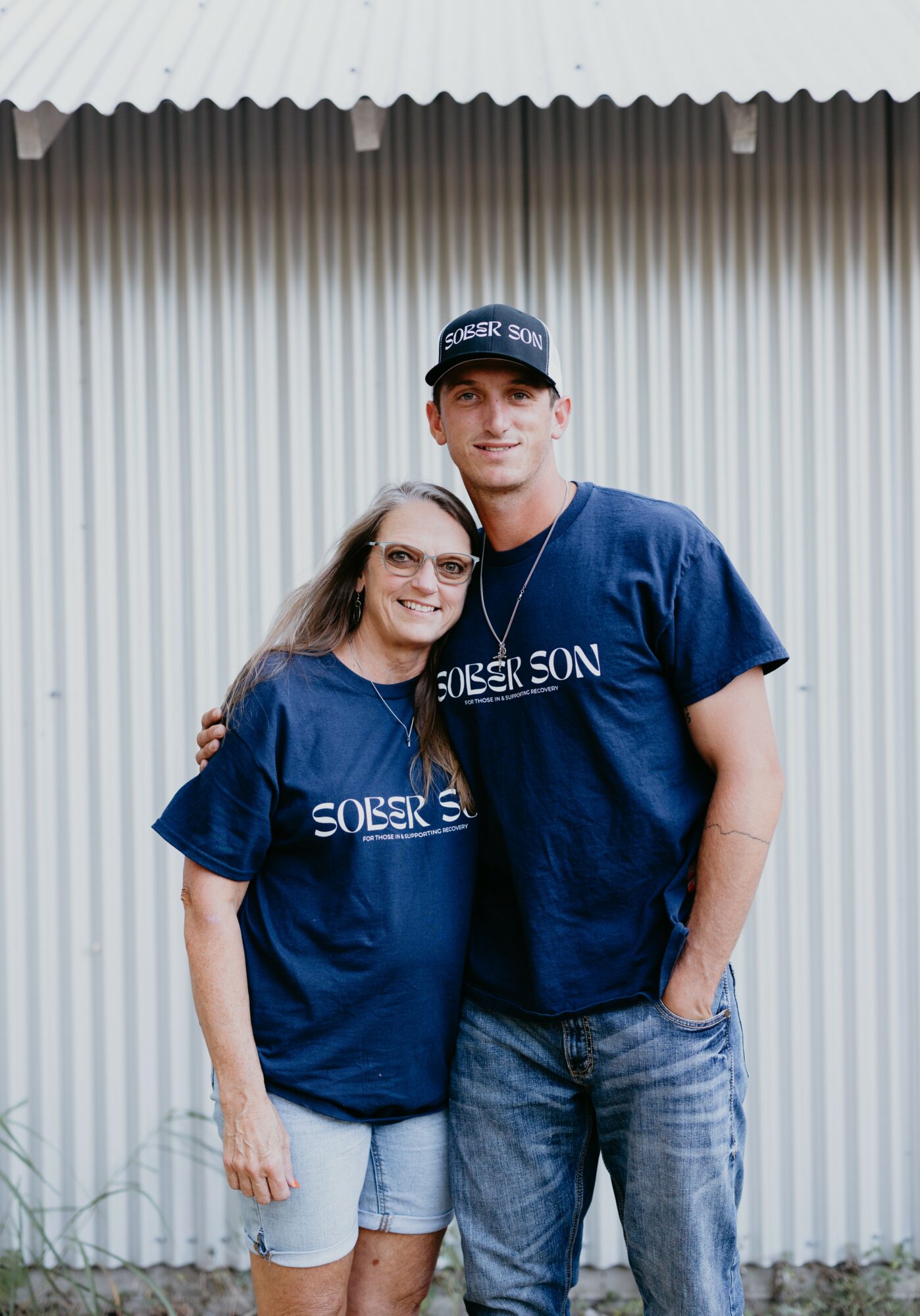
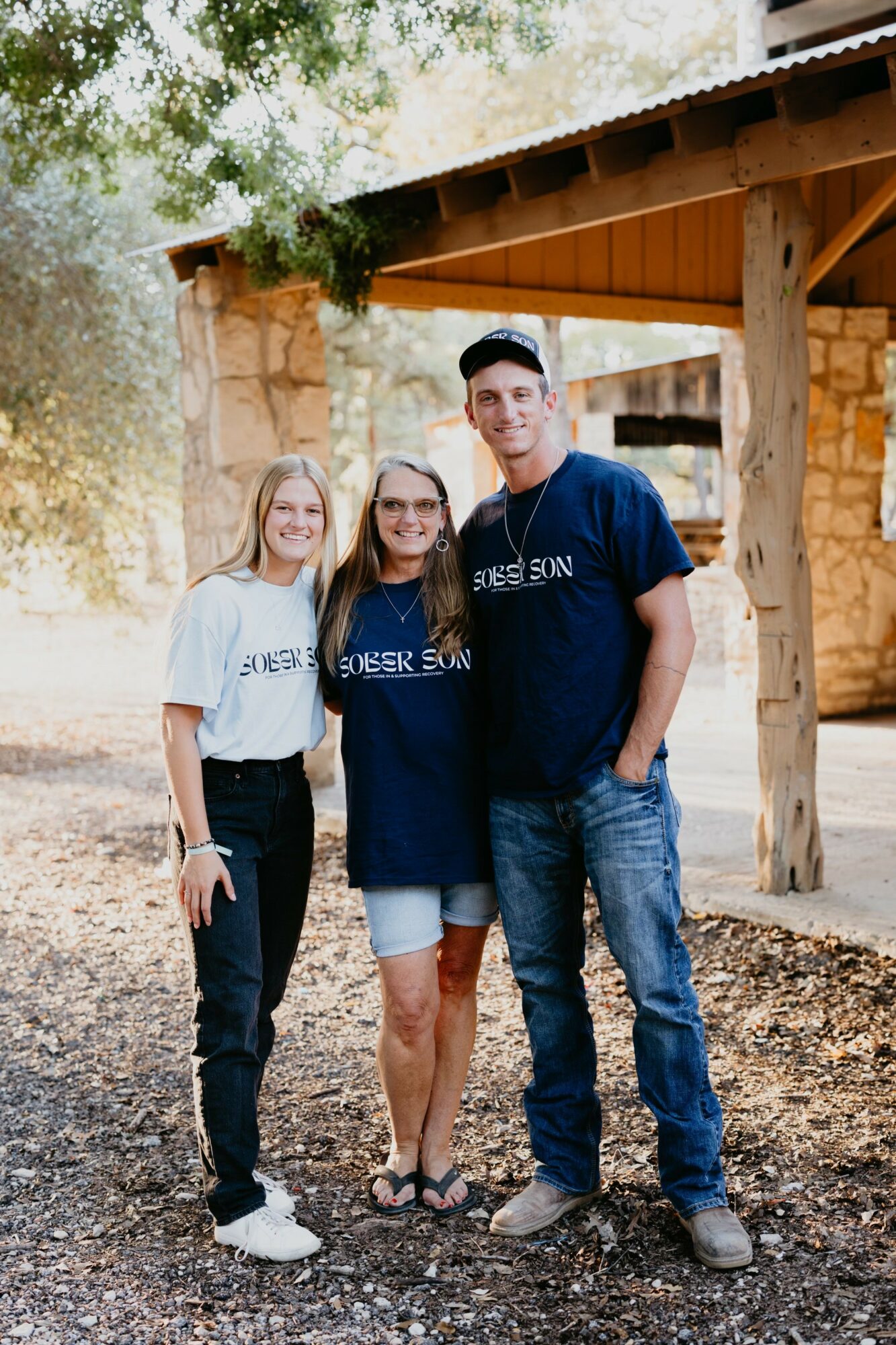
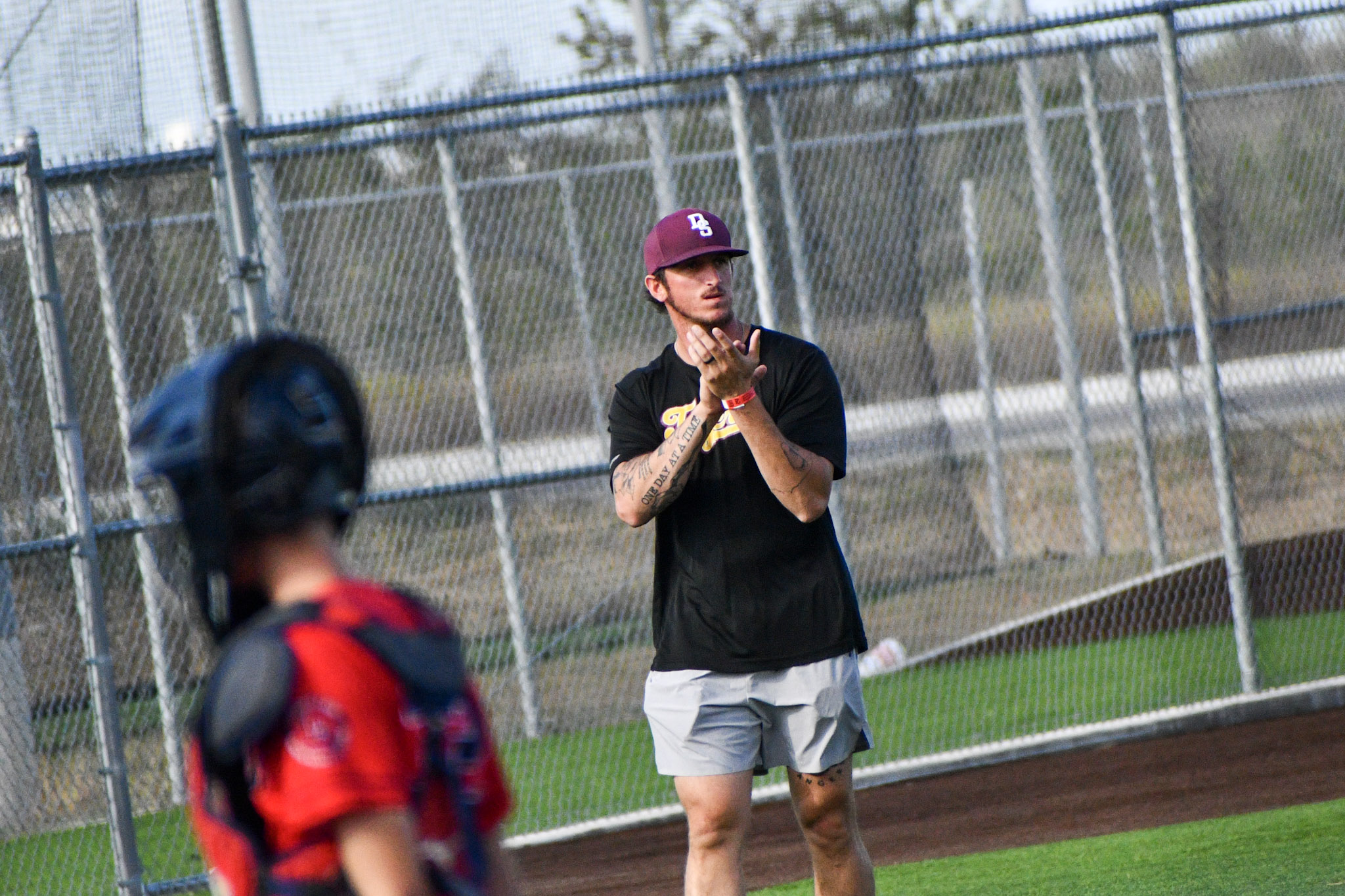
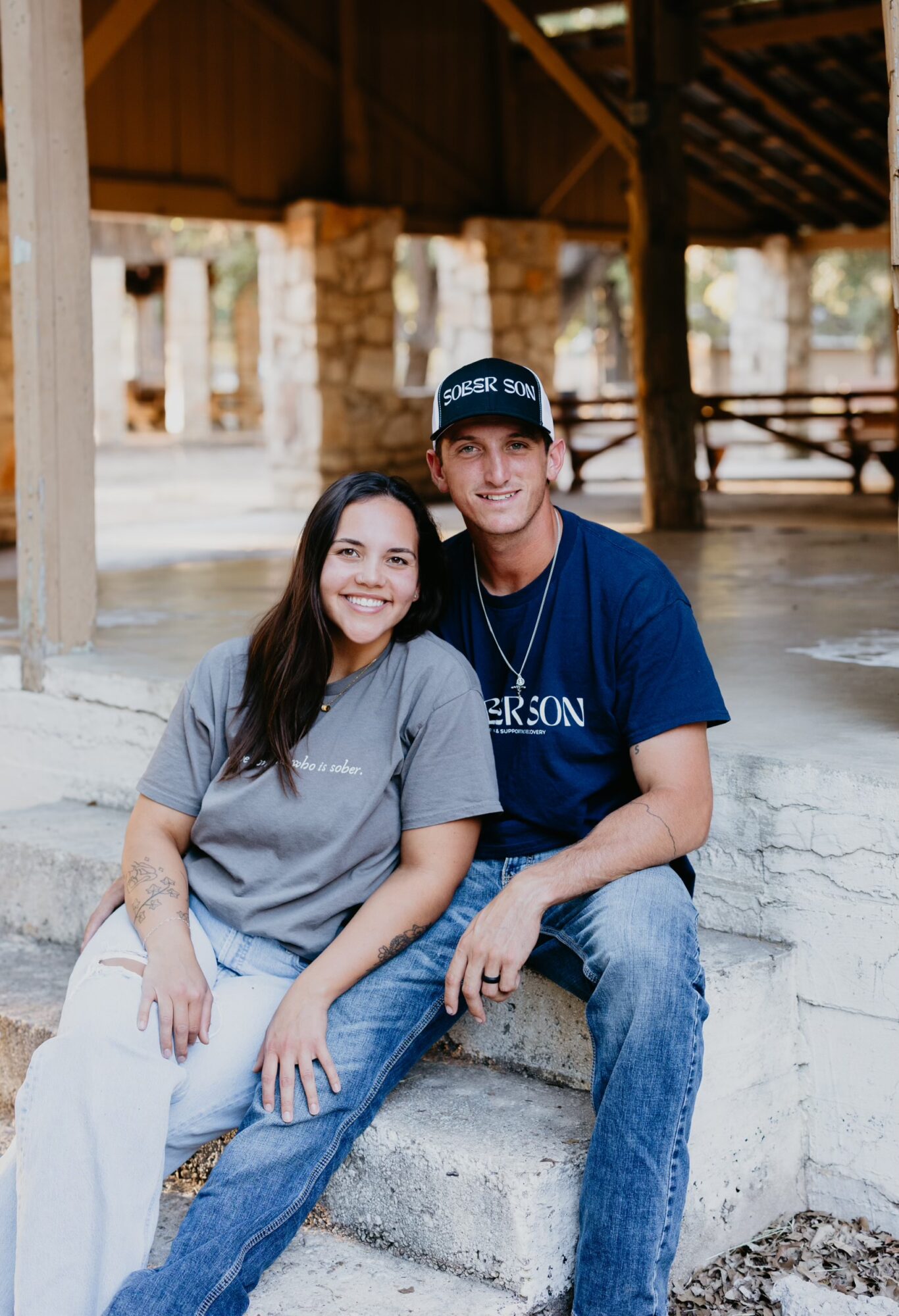
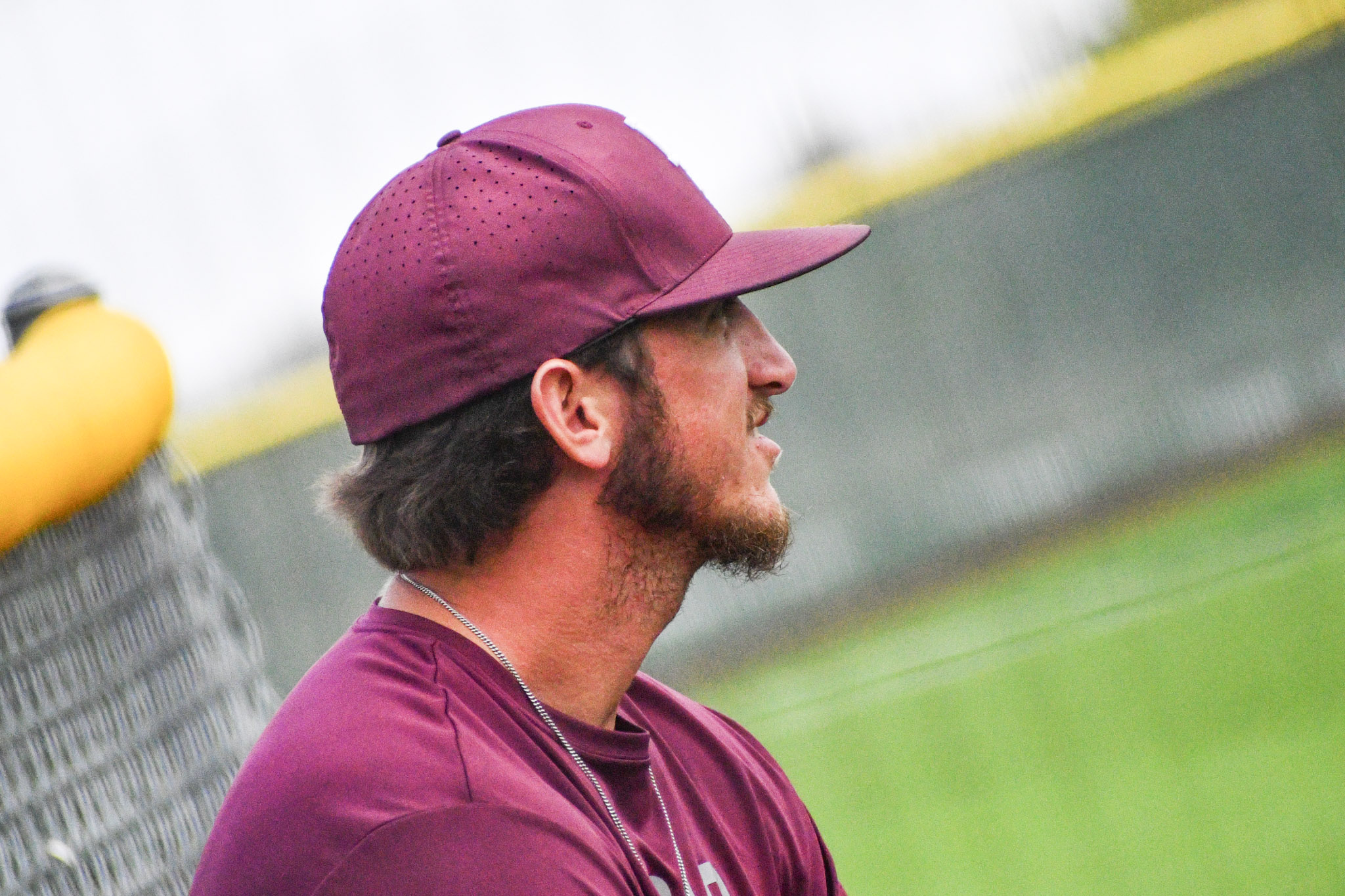
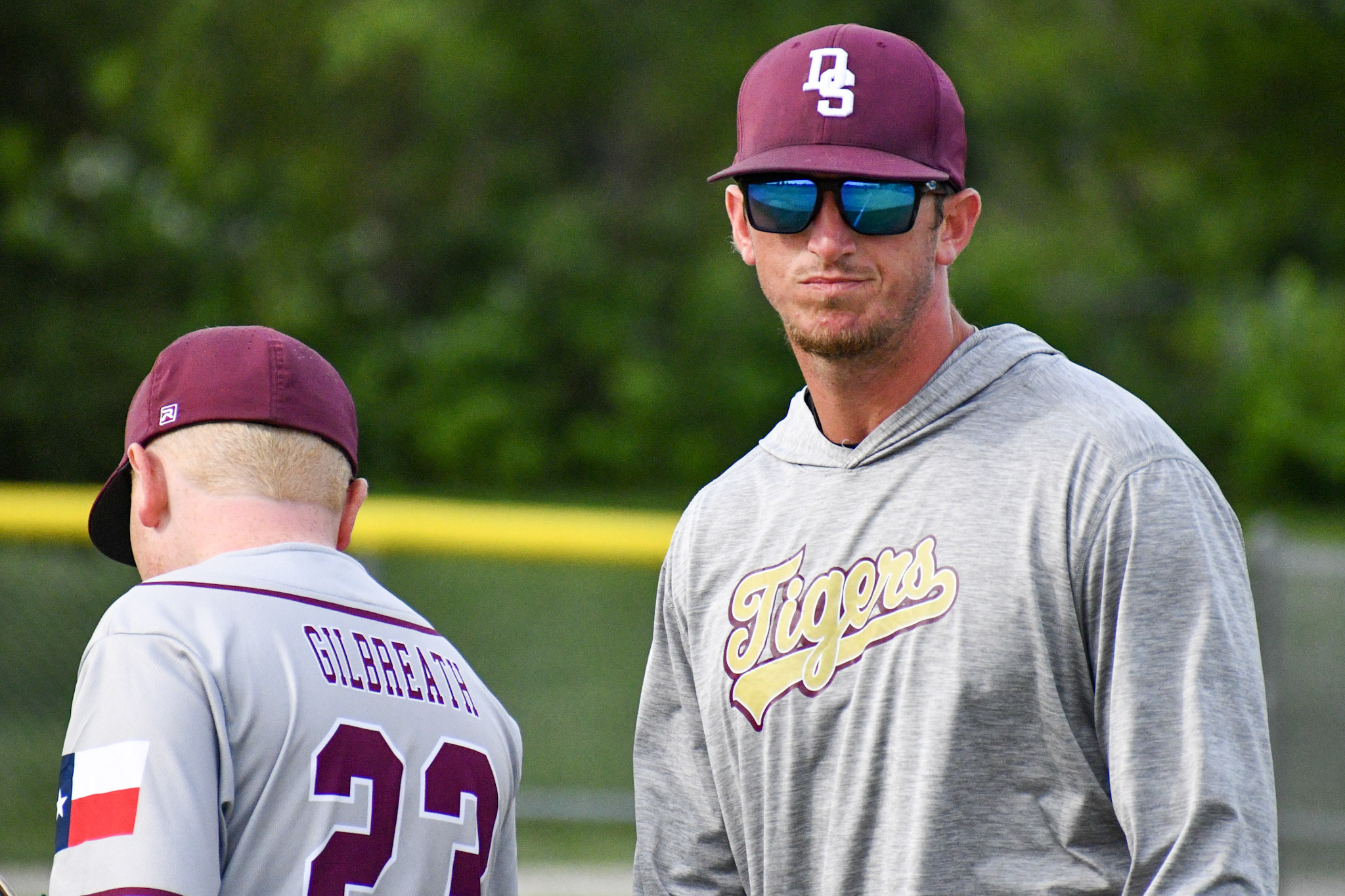
Image Credits
Ashley Scott Photography