


Today we’d like to introduce you to Kenny Mays.
Kenny, we appreciate you taking the time to share your story with us today. Where does your story begin?
I never planned on becoming a beekeeper.
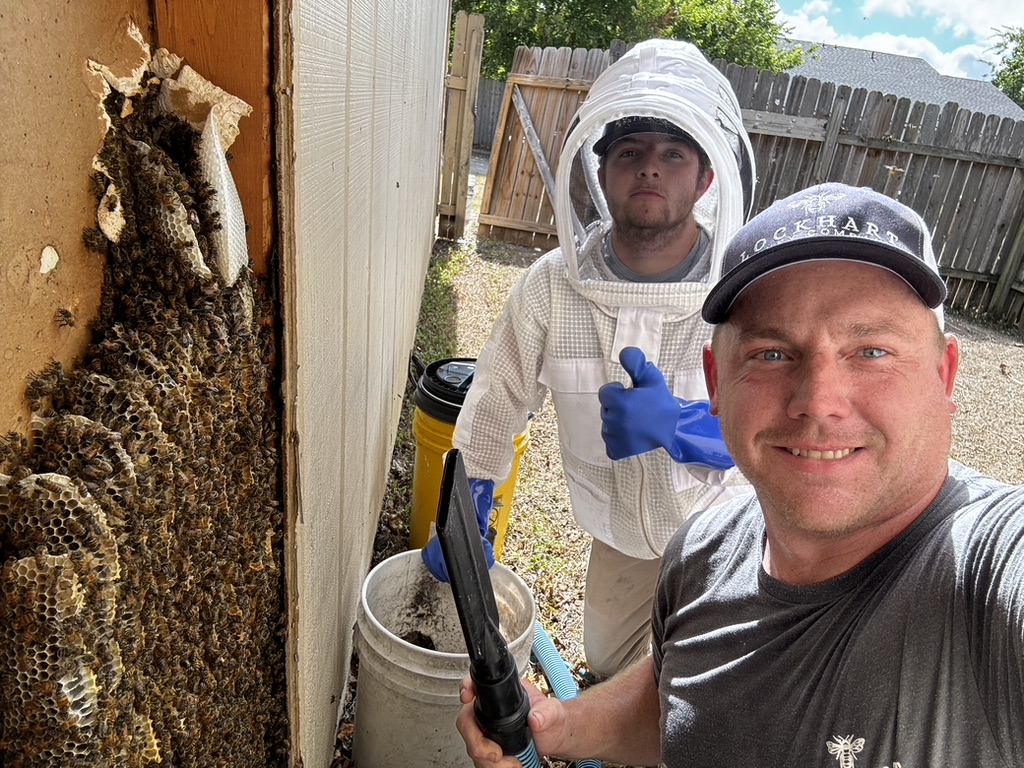
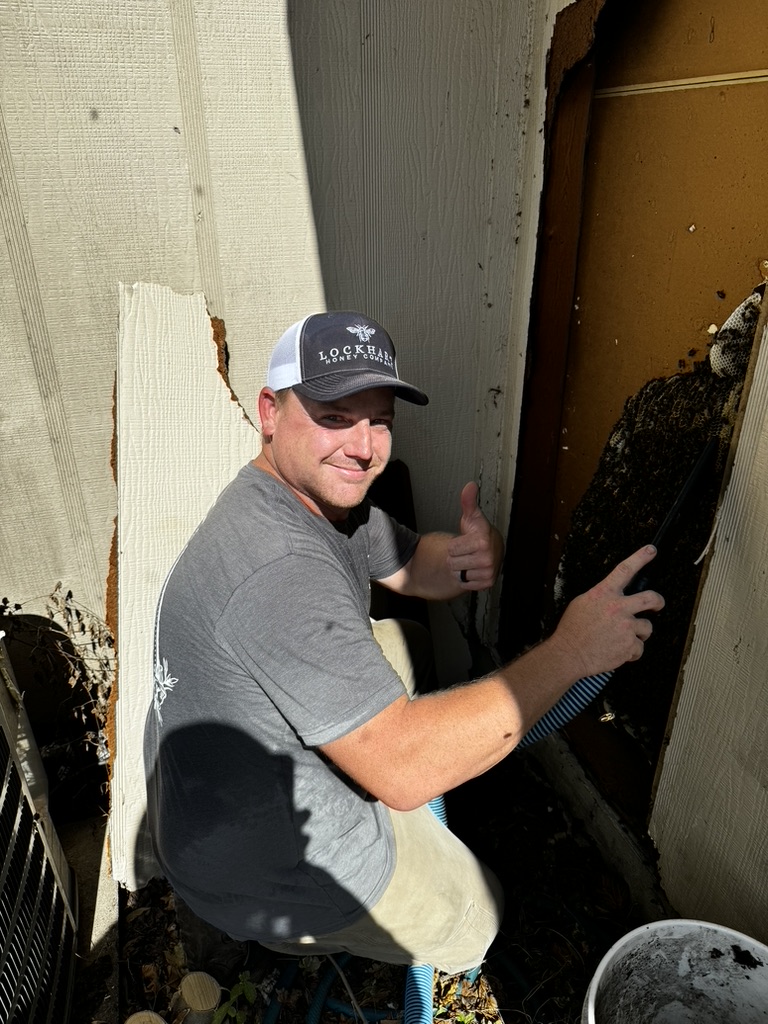
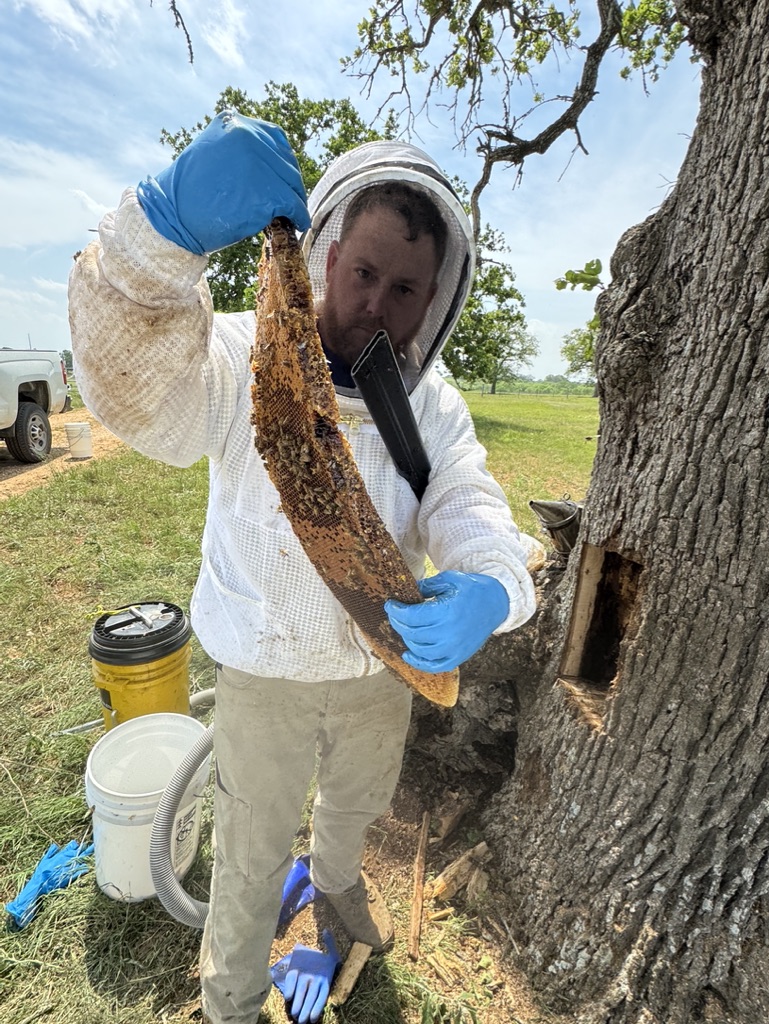
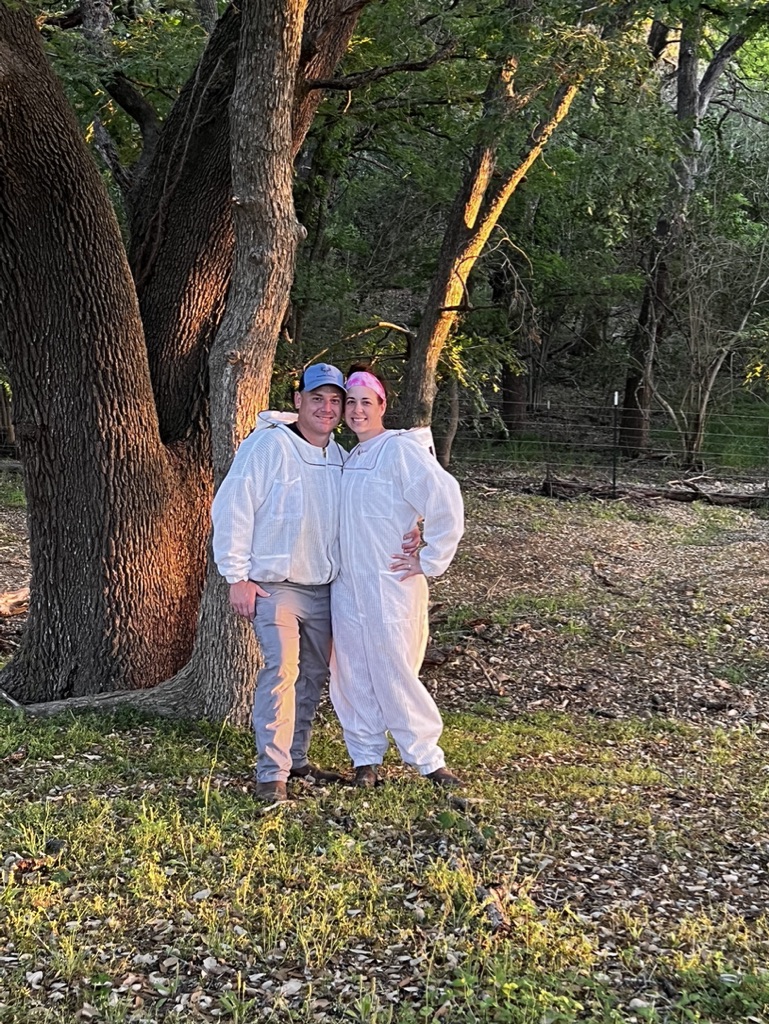
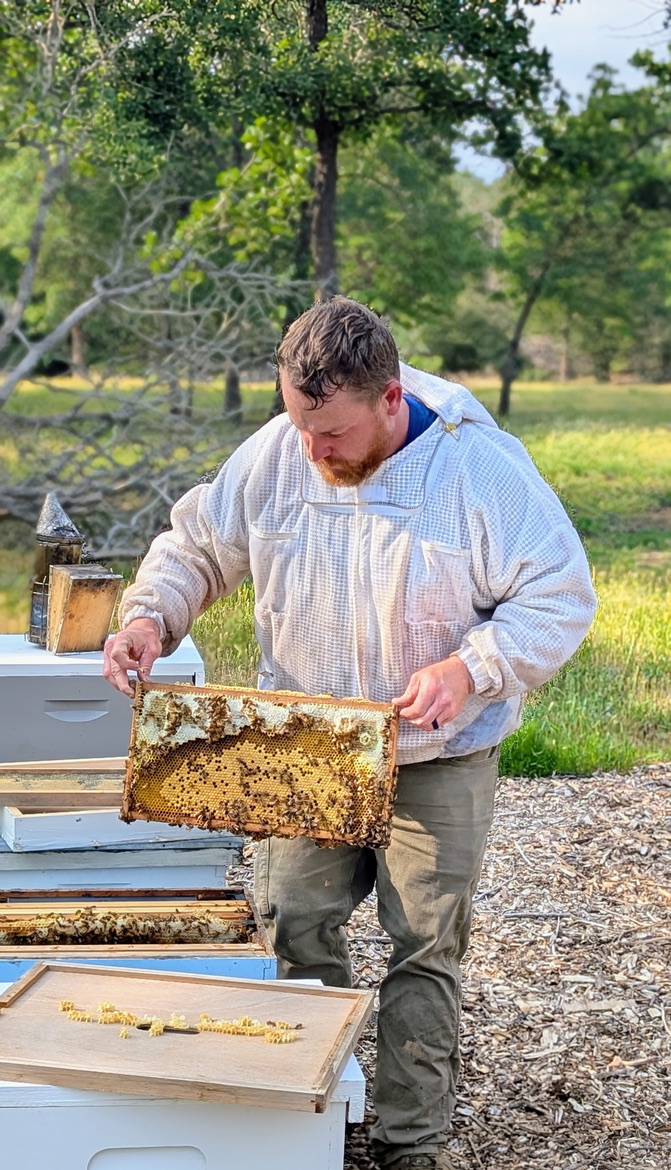
In 2021, my wife Alyssa and I bought a small piece of land just outside of town that already carried an agricultural valuation for beekeeping. At the time, I knew next to nothing about bees. To keep the ag valuation in place—and honestly, to avoid making an expensive mistake—I hired a local beekeeper to teach me the basics.
What started as a practical decision quickly turned into something much bigger.
The more I learned, the more fascinated I became. Honeybees were nothing like I expected. They were complex, intelligent, and essential—yet widely misunderstood. Before long, I was hooked. Beekeeping stopped feeling like a requirement and started feeling like a calling.
Before bees, my path looked very different. I served five years in the U.S. Navy as a Photographer, then spent years in corporate America selling cybersecurity software to the Department of Defense and Intelligence Community. It was a fast-paced world that kept me on the road hundreds of nights a year. Eventually, a moment came that made it clear my values no longer aligned with that life. With the encouragement of my wife—and a healthy leap of faith—I walked away from corporate America and decided to work for myself.
Beekeeping gave me something I didn’t realize I was missing: purpose.
Working alongside nature, managing living systems, and educating people about bees and real honey felt grounding in a way nothing else had. I saw firsthand how powerful beekeeping could be—not just for the land, but for people. Property owners could maintain agricultural valuations and save thousands in property taxes. New beekeepers needed access to healthy bees, reliable equipment, and honest education. And most people had never experienced how wildly different real honey can taste depending on where and when it’s produced.
In June of 2023, I founded Lockhart Honey Company with a simple commitment: integrity, transparency, and education.
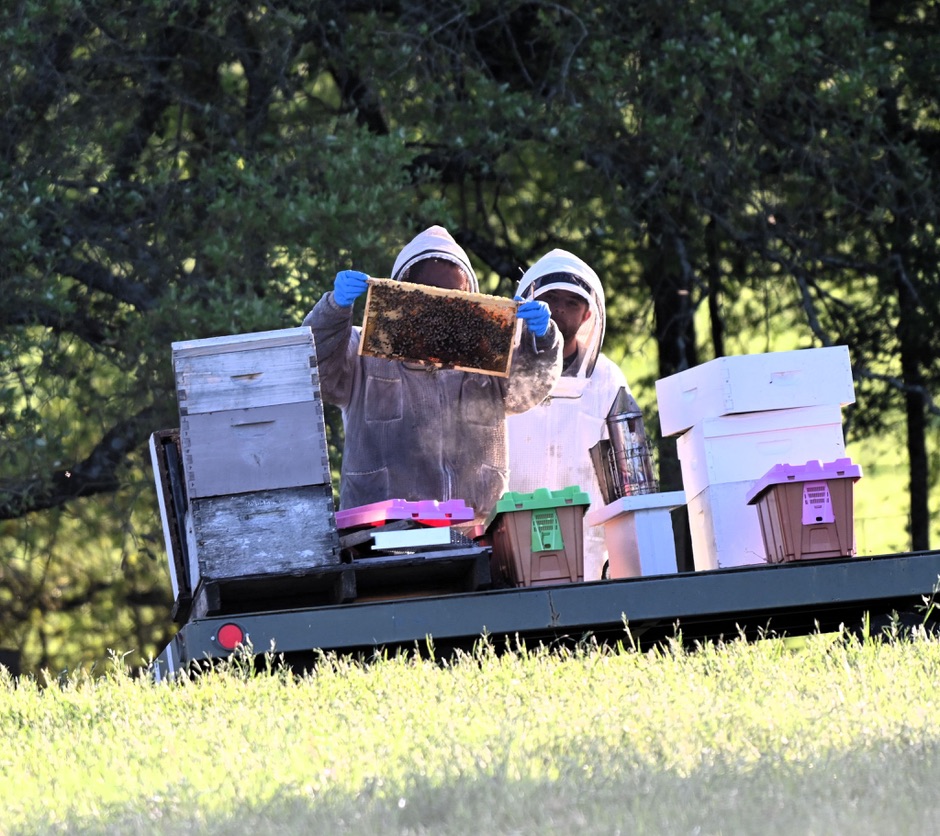
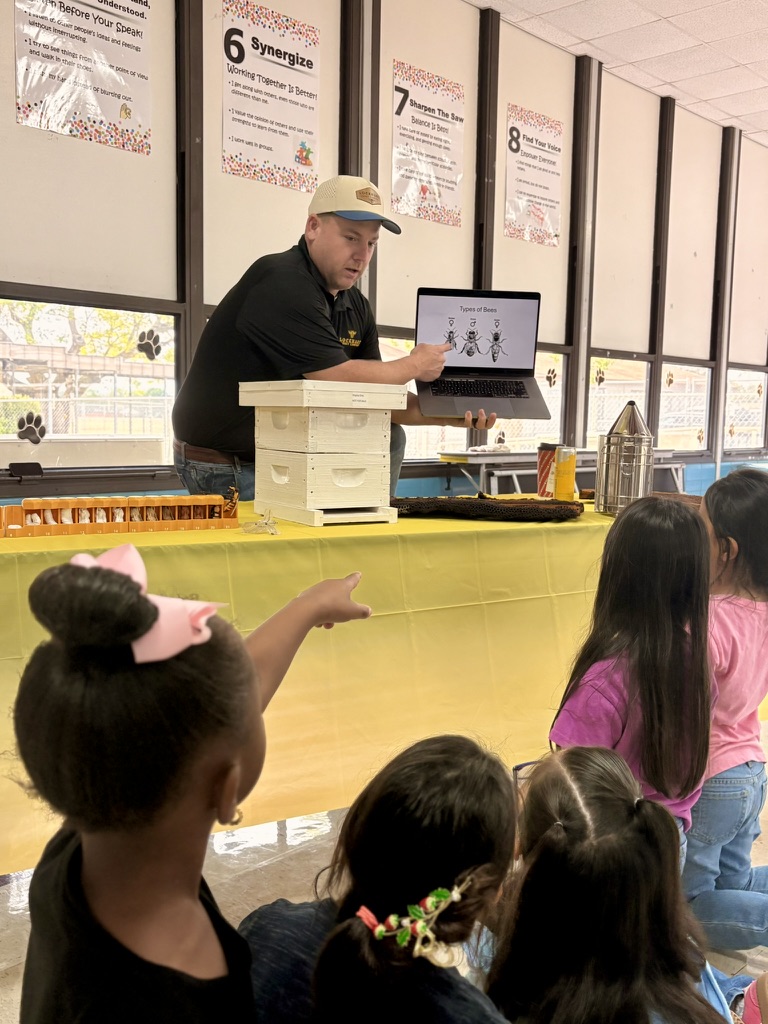
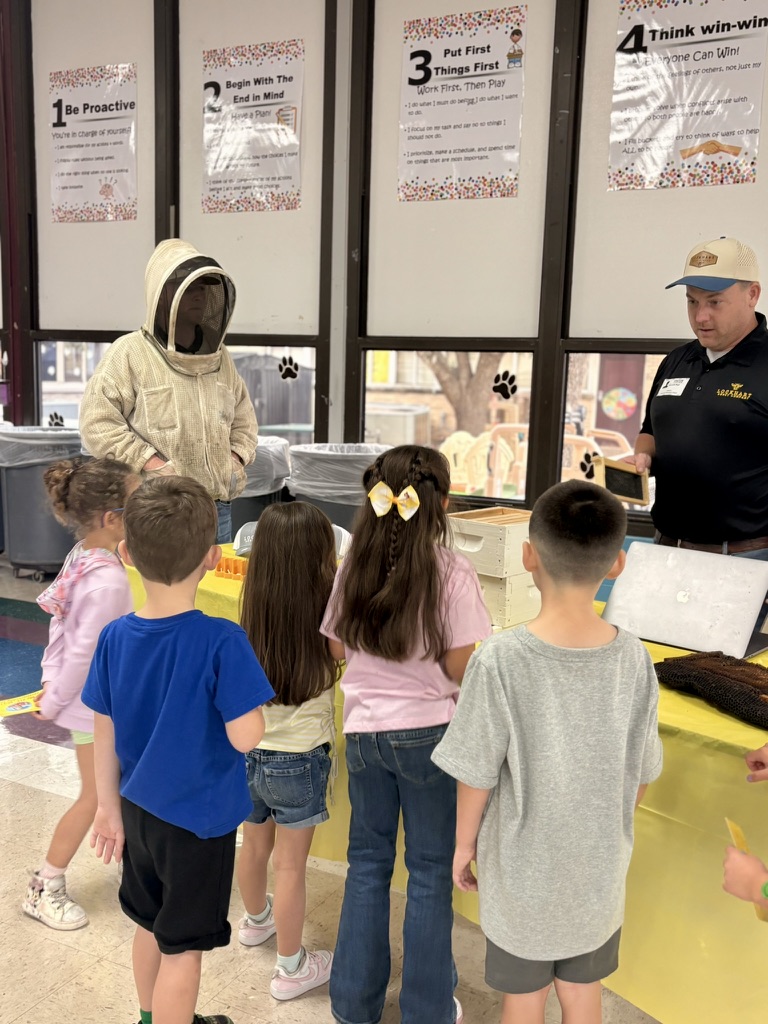
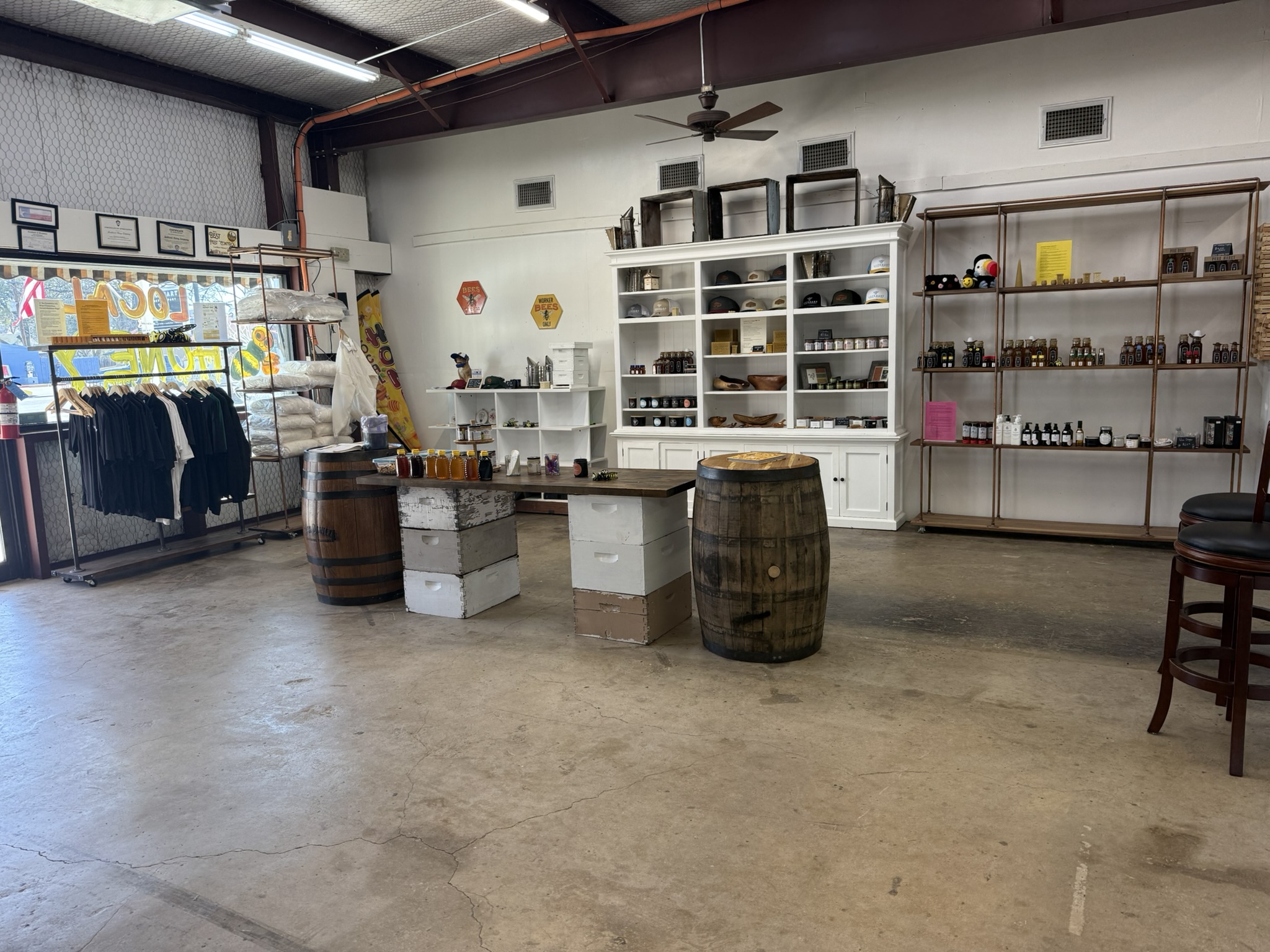
Today, we lease and manage honeybee hives for landowners looking to establish or maintain an ag valuation. We sell live bees to new and experienced beekeepers, along with the equipment and support they need to succeed. We host beekeeping classes for those curious about getting started or deepening their knowledge. And in our shop, we offer a rotating selection of raw, unheated, never-blended honeys—each one telling the story of a specific landscape, bloom, and moment in time.
Alongside our local Central Texas honey, we intentionally seek out unique varietal honeys produced right here in the United States, with the goal of always having something new to discover. From light and floral to dark and bold, every jar reflects the diversity and complexity of real honey. We also craft beeswax products like candles and other goods straight from the hive—simple, functional items made with the same care we bring to our bees.
At its core, Lockhart Honey Company exists to connect people back to the land, the bees, and the source of what they consume. Whether you’re a landowner, a beekeeper, or someone tasting real honey for the first time, our goal is to be a true one-stop shop for everything related to bees—and to do it the right way.
This all started with a single hive and a willingness to learn. Everything since has been built one season, one colony, and one relationship at a time.
Can you talk to us a bit about the challenges and lessons you’ve learned along the way. Looking back would you say it’s been easy or smooth in retrospect?
It hasn’t been a smooth road, but it’s been an incredibly satisfying one. Every setback has been a learning opportunity—sometimes the hard way—but each mistake taught me how to do things better the next time.
One of the biggest challenges has been navigating a world that isn’t always friendly to bees. Pesticide and herbicide spraying has led to colony losses that were completely outside my control. Learning how to keep bees healthy in that environment takes constant adaptation, communication, and resilience. It’s challenging, but not impossible—and those challenges have made me a better beekeeper and a stronger business owner.
Appreciate you sharing that. What should we know about Lockhart Honey Company?
Lockhart Honey Company is a full-service beekeeping and honey business built around integrity, education, and transparency. We specialize in honeybee hive leasing for landowners looking to establish or maintain an agricultural valuation, while also supporting new and experienced beekeepers through the sale of live bees, quality beekeeping equipment, and hands-on educational classes.
Beyond services, we’re known for our honey. Every honey we offer is raw, unheated, and never blended with imported honey. Alongside our local Central Texas honey, we intentionally source unique varietal honeys produced across the United States, with the goal of always offering something new and different to explore. Each varietal reflects a specific region, bloom, and season—showing people just how diverse real honey can be.
What sets us apart is that we operate as a true one-stop shop for everything related to bees. From managing hives on rural properties to helping first-time beekeepers get started, to crafting beeswax products like candles and other goods straight from the hive, every part of our business is rooted in firsthand experience and ethical practices.
Brand-wise, I’m most proud of the trust we’ve built. Customers know exactly where our honey comes from, how it’s handled, and why it tastes different from what they find on grocery store shelves. At the end of the day, our mission is simple: support healthy bees, help people connect to their land and food, and do things the right way—even when it’s the harder path.
What sort of changes are you expecting over the next 5-10 years?
When I look ahead 5–10 years, I don’t see the beekeeping industry changing overnight—I see it evolving because it has to.
Every year, it becomes a little harder to keep bees healthy. Land gets developed, spraying becomes more common, weather patterns are less predictable, and bees feel all of it first. Because of that, I think beekeeping will continue shifting from being seen as a hobby to being recognized as an essential part of land stewardship and agriculture. More landowners will realize that managing bees responsibly isn’t just about honey—it’s about protecting the health and value of their land.
On the consumer side, I see people continuing to wake up to the difference between “honey” and real honey. As transparency becomes more important, small producers who can tell a clear, honest story about where their honey comes from and how it’s handled will stand out. I expect more interest in varietal honeys, seasonal offerings, and education—people wanting to taste the landscape and understand why one jar is different from the next.
I also think education will play a bigger role. As more people get curious about beekeeping, they’ll look for trusted, local guidance instead of trial-and-error learning online. Businesses that can provide live bees, equipment, and hands-on classes—while setting realistic expectations—will be the ones that last.
Technology will help along the way, but it won’t replace the fundamentals. Tools may get smarter, but beekeeping will always come down to paying attention, adapting, and respecting nature. The beekeepers who succeed long-term will be the ones who balance tradition with responsibility—and who are willing to slow down, learn, and do things the right way.
Contact Info:
- Website: https://www.lockharthoney.com/
- Instagram: https://www.instagram.com/lockhart_honey_company/profilecard/
- Facebook: https://www.facebook.com/share/1GxaJbiJdH/?mibextid=wwXIfr
- Youtube: http://www.youtube.com/@LockhartHoneyCompany