



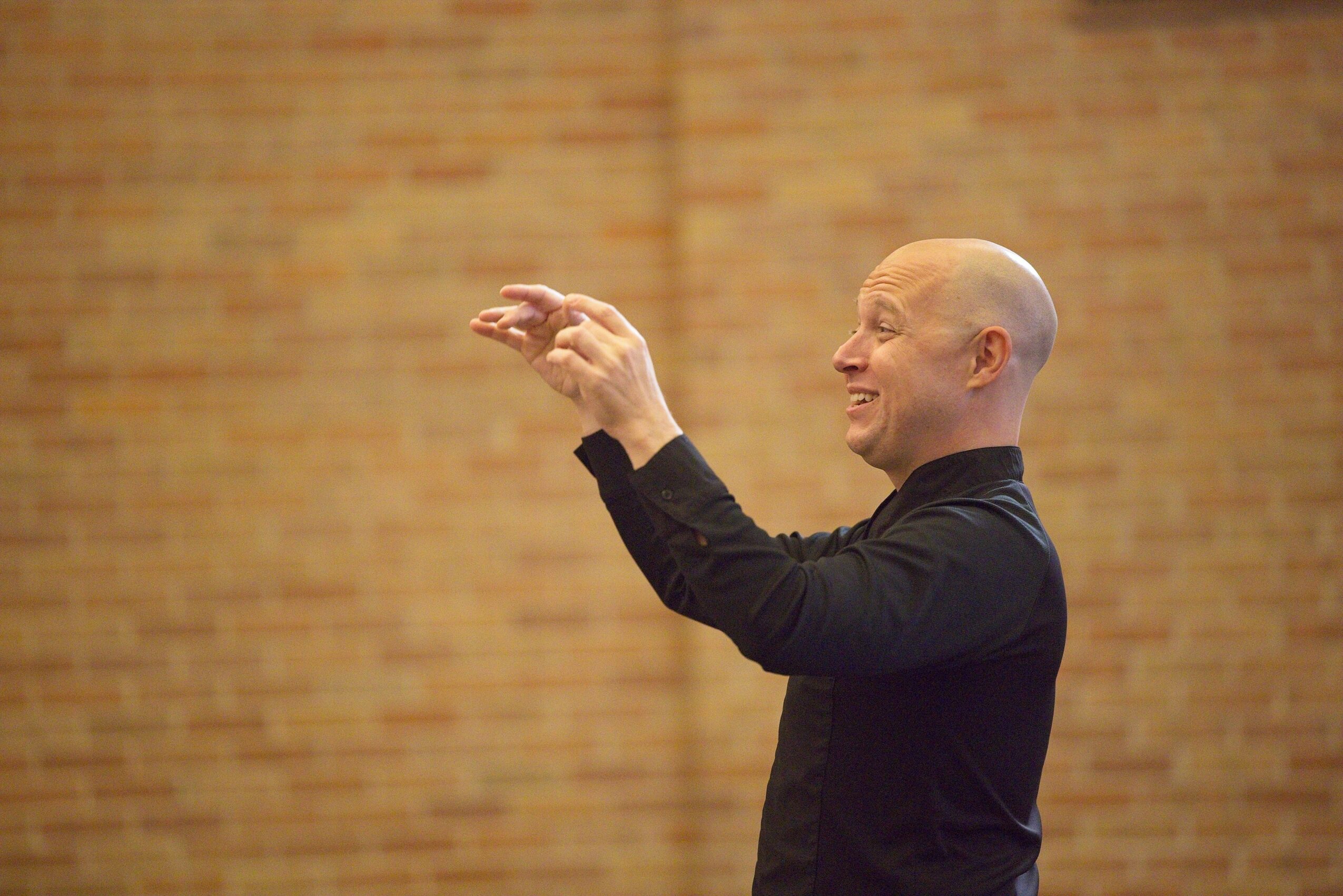
Today we’d like to introduce you to Ryan Heller.
Hi Ryan, we’d love for you to start by introducing yourself.
I began my time in Austin in 2009 when Chorus Austin conducted a national search to find their next Artistic Director. I was living in Portland, OR and decided to throw my hat in the ring, and the rest is history! In the early days, I commuted back and forth from Portland to Austin, until finally moving to Austin in 2013.
Musically, I began early, starting on the violin around 9 years old. In junior high, I switched to the saxophone and clarinet before starting piano and finally singing in high school. My mother is a singer, so I would go with her to her rehearsals with the Portland Symphonic Choir and the West Hills Chorus of Sweet Adelines. I am very fortunate to have been exposed to a lot of music and encouraged to not only play, but to attend many performances.
When I finally decided on music as a profession, I was on a vocal performance path. The more I learned, the more ideas I had about how music could be taught, shared, and performed. I was encouraged by my mentors at Pacific University to consider transferring, and in those days, there were only two undergraduate conducting programs in the country: at Northwestern and Chapman Universities. I applied to both, got into both, and eventually landed at Chapman. My time there was transformational as I worked with Bill Hall, John Koshak, and Joni Steshko, among others. Being exposed to world class ensembles and performers, and being taught, challenged, and motivated to develop all of my skills secured my decision to become a conductor. I was fortunate to never have to choose between orchestral and choral conducting, and since I love it all, I chose to work as hard as possible and study everything I could.
After Chapman, I did my graduate studies at Portland State with Bruce Browne and Keith Clark. I was given so many opportunities, both on and off the podium. I started a community choir (the Columbia Chorale) and was named the Director of the Pride of Portland Chorus after their former director retired. After school, I was named Music Director of the Southwest Washington Symphony, which I conducted for 10 years, and also started the Portland Vocal Consort, a wonderful professional choir I was blessed to lead.
Today, Chorus Austin is my full time job. I still travel frequently to coach and guest conduct groups around the world. In January of this year I was made Music Director in Residence of the Christchurch City Chorus (in Christchurch, New Zealand), whom I will work with throughout 2026. I have the great pleasure of guest conducting the Austin Symphony, and our symphonic choir is a regular collaborator with ASO, among other groups.
Can you talk to us a bit about the challenges and lessons you’ve learned along the way. Looking back would you say it’s been easy or smooth in retrospect?
It has been a mostly smooth road. As I said, I was encouraged along the way to develop my skills and talents not only by my teachers and mentors, but also my family. I have also had incredible opportunities, including working with amazing conductors like James DePriest, Helmuth Rilling, Carol Lucas, Simon Carrington, and Frider Bernius, all of whom were so supportive of me and my career. Of course, young musicians hear “no” along the way, and that rejection can be hard; but I have been fortunate to have made a viable career since completing school. Hopefully, the combination of passion, hard work, talent, a positive attitude, as well as a dash of luck and the right timing have all helped me to arrive at where I am today.
As you know, we’re big fans of you and your work. For our readers who might not be as familiar what can you tell them about what you do?
Many people wonder about what conductors do. Yes, we stand in front of the ensemble and move our arms, but what we are doing is bringing what’s written on the page to life, for both the musicians and the audience. I am one who believes that a conductor is both a servant of the composer and musicians, as well as an artist themself-molding the music in ways that may or may not be notated in the music. Many hours of score study and practice are put in before ever stepping onto the podium, not to mention the meetings: board, marketing, development, and so forth. Being the public face of the organization means PR appearances, fundraising events, outreach and education visits, and we can’t forget the planning elements-selecting repertoire, coordinating auditions, choosing guest artists, venues, and more.
I like to think that part of my “specialty” lies in enabling musicians to bring their best selves to our music-making. I have worked hard to develop my ears and continue to do so. I like my ensembles to utilize a wide range of colors and textures in the sound, so that we can best serve the art we are sharing. I strive to understand all the elements of the score so I know how to shape time; where is tension building and releasing? What are the elements that need to be in the foreground or background? What orchestration/voicing elements are important? Beyond all of the technical, I try to remind everyone that music is art. Just as visual art decorates a wall or a space, music “decorates” time. In that sense, it is truly magical, and ephemeral, and with that in mind, I strive to create art that is meaningful, passionate, vulnerable, and human.
Being a conductor is not only being a musician, but also a counselor, psychologist, mindful community member, and more. Creating an atmosphere where artists can feel free and safe to explore is very important to me. I like to think I’m known for my positivity, and I suppose some would say I’m charismatic. I try to hold everyone to very high standards and love to see the shining eyes of those who are engaged in co-creating great music. I was taught early on that balance is important: masculine and feminine, passion and reason, Apollo and Dionysus, and I try to embody that in my conducting and leadership.
What am I most proud of? That’s an impossible question! I am incredibly proud of the growth of Chorus Austin, both musically and organizationally. When I began, we had a roster of about 90 singers and a budget of around $125K. Today, we have over 200 active singers, a budget nearing $500K, and are performing frequently around the city (with our own concert series, with the Austin Symphony, or with traveling shows, not to mention our outreach activities). Last year was our 60th anniversary and we were invited to tour in Austria, including performing the Mozart Requiem in Vienna, which was a tremendously special experience. I am also very proud of our commitment to a wide range of music, including new music, and am delighted to share that we have been involved in the commissioning of more than 20 works in my time with Chorus Austin.
What was your favorite childhood memory?
Wow, another difficult question! I remember when my mother took me to see my first opera, Lucia di Lammermoor, at the Portland Opera, and was in complete awe. The music, the staging, the lighting, and the mad scene…wow! I begged for the recording, and was given the Maria Callas (on double cassette-ha!) with Tito Gobbi and conducted by Serafin.
A completely different childhood memory centers around my dearest friend, Danny, who loved hard rock and heavy metal. When we would hang out, I would bring classical music, like a Beethoven symphony, and he would bring something like AC/DC or Van Halen and we would just listen to incredible music on full blast. I like to think that those times helped instill in me a love of all music, and to always remember that different people like an endless array of music.
Pricing:
- Chorus Austin’s concerts range from free to $50+, we are proud to offer a “pay what you’re able” option whenever we can.
- Participation in our symphonic choir includes paying dues and the costs of music.
Contact Info:
- Website: https://Www.chorusaustin.org
- Instagram: https://www.instagram.com/chorus.austin
- Facebook: https://www.facebook.com/share/16t1YyVuMP/
- Youtube: https://youtube.com/@chorusaustin
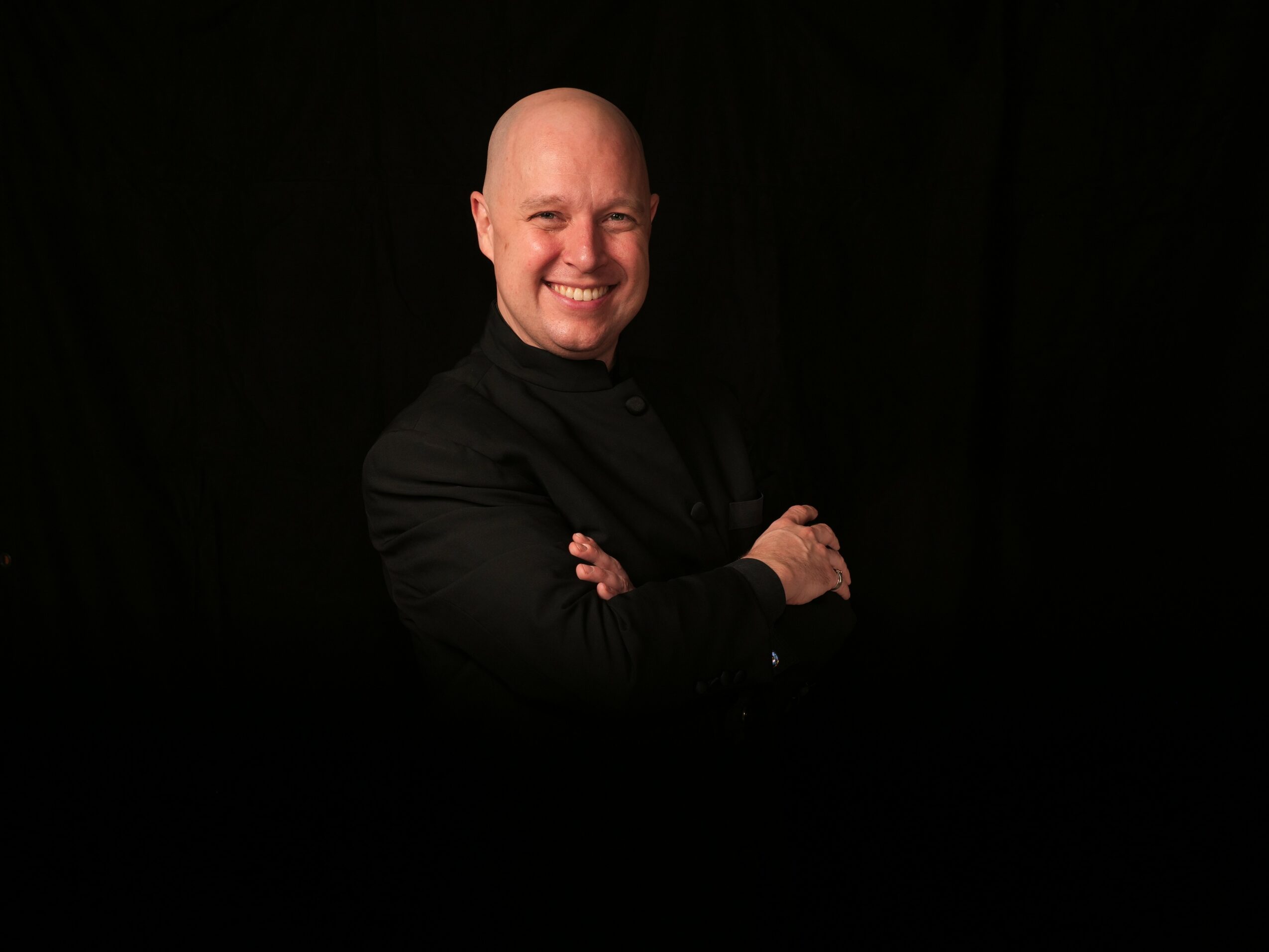
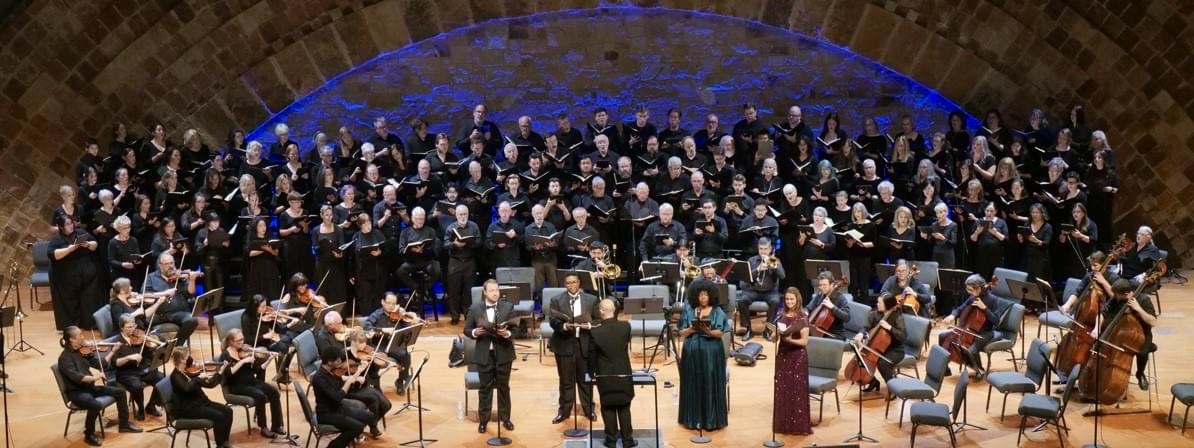
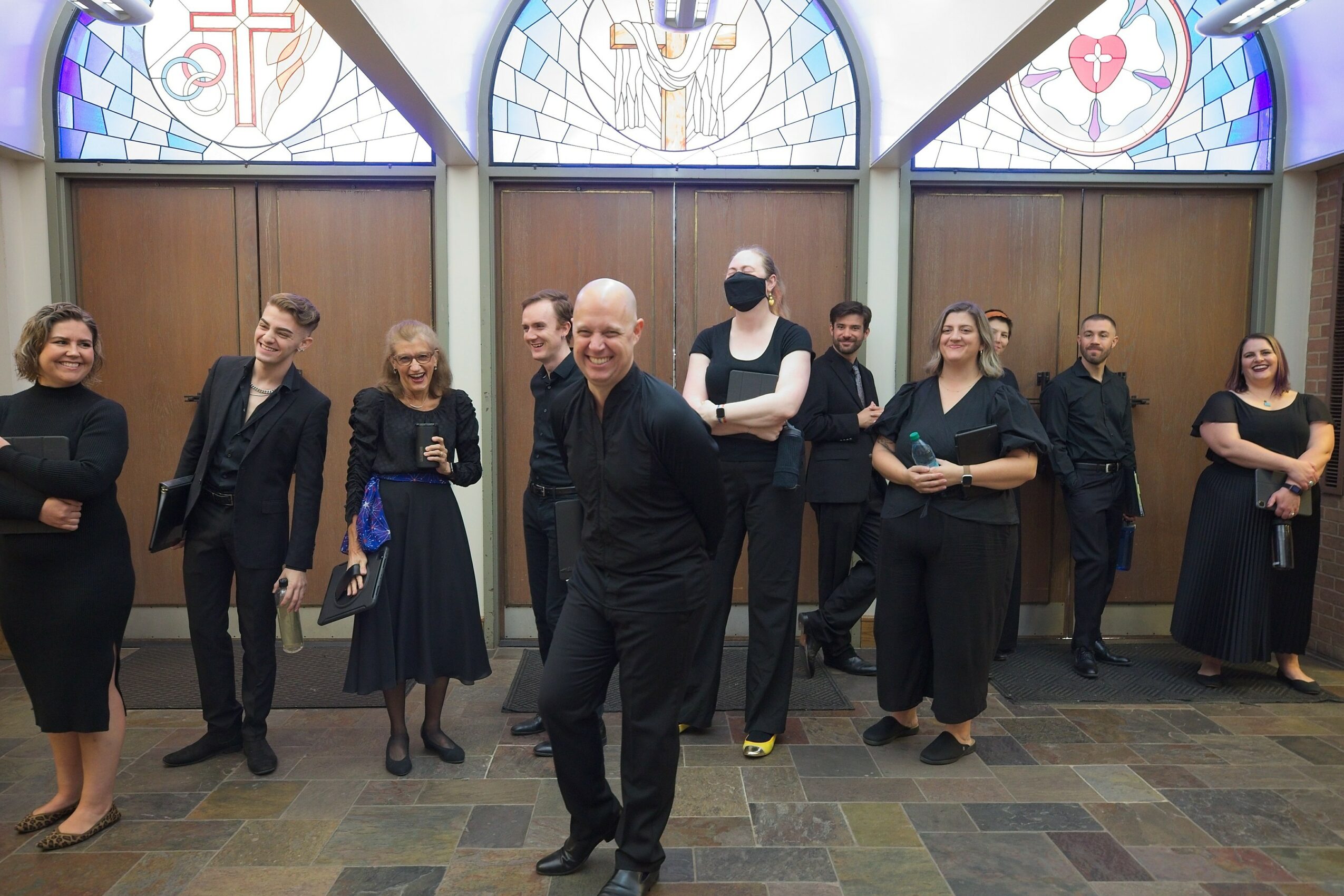
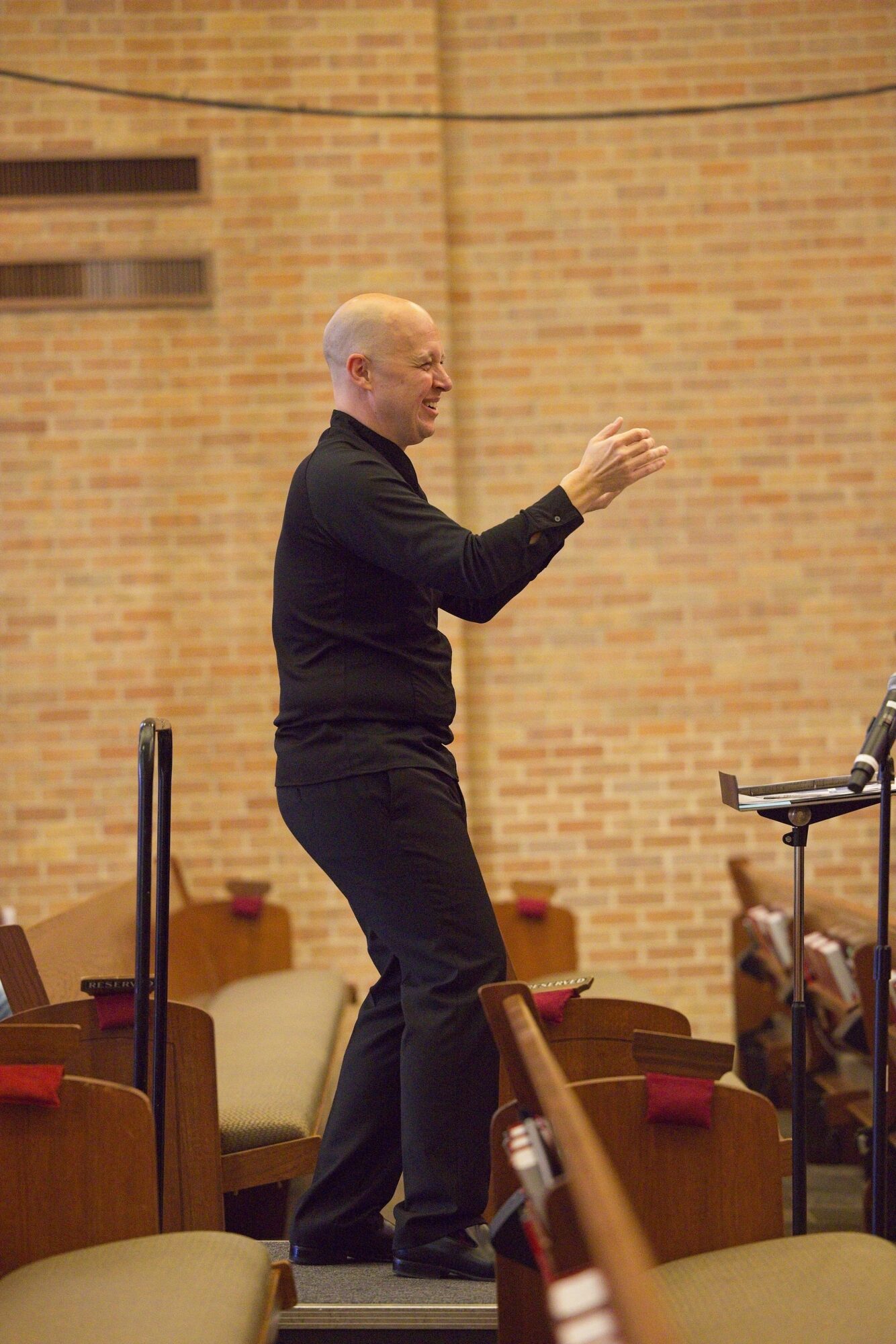
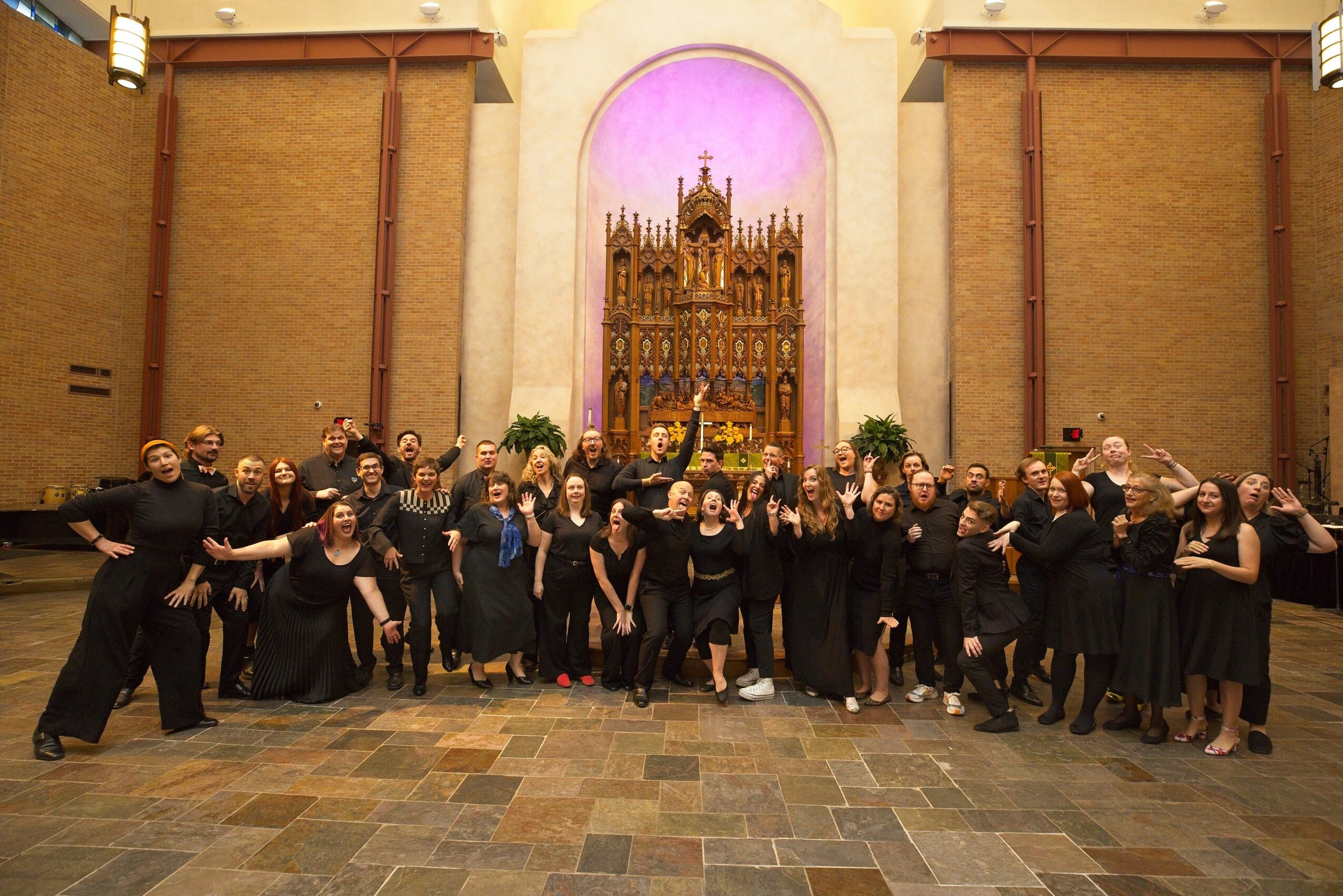
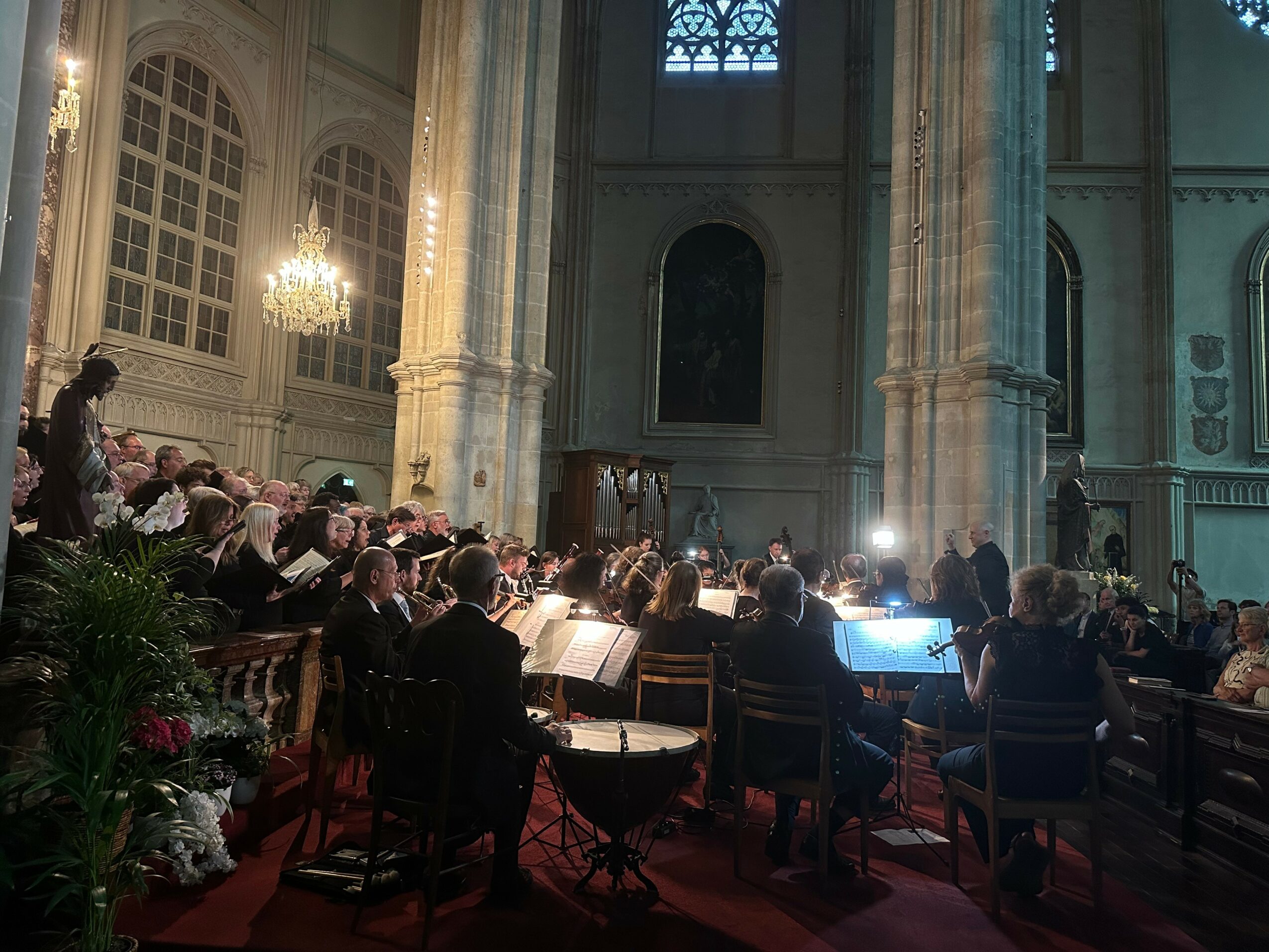
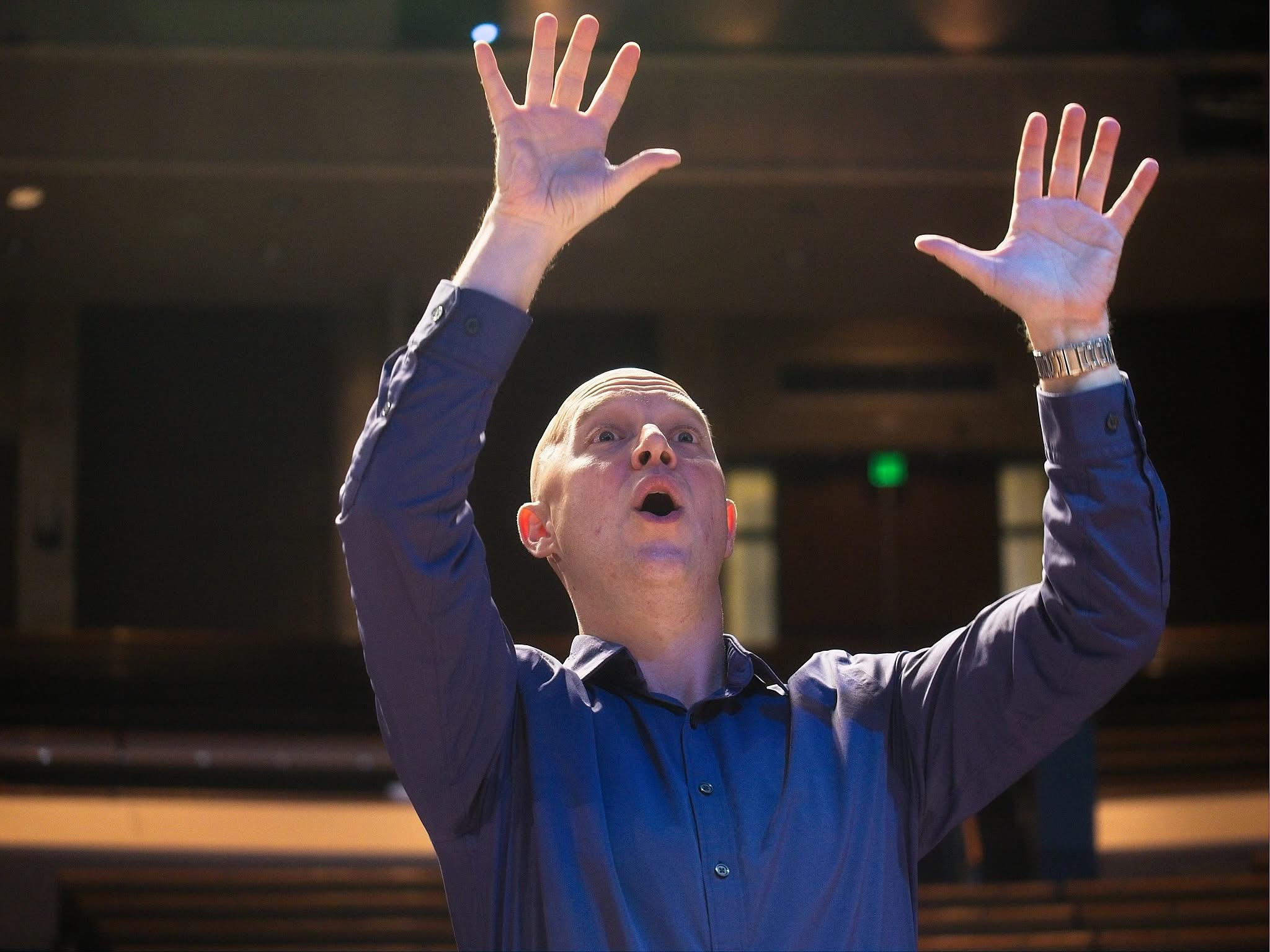
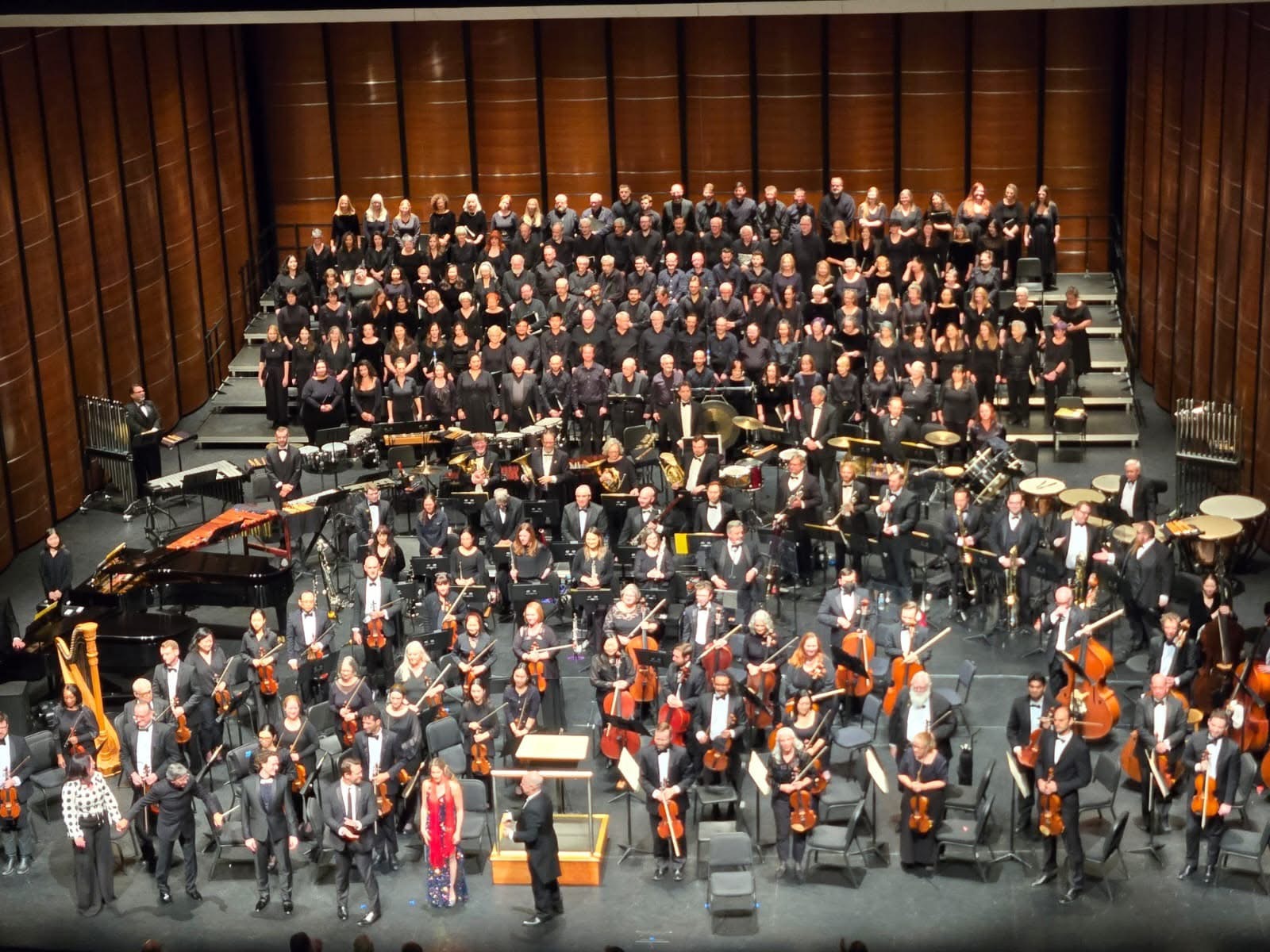
Image Credits
Thomas van der Brook, Tonehaus Productions