



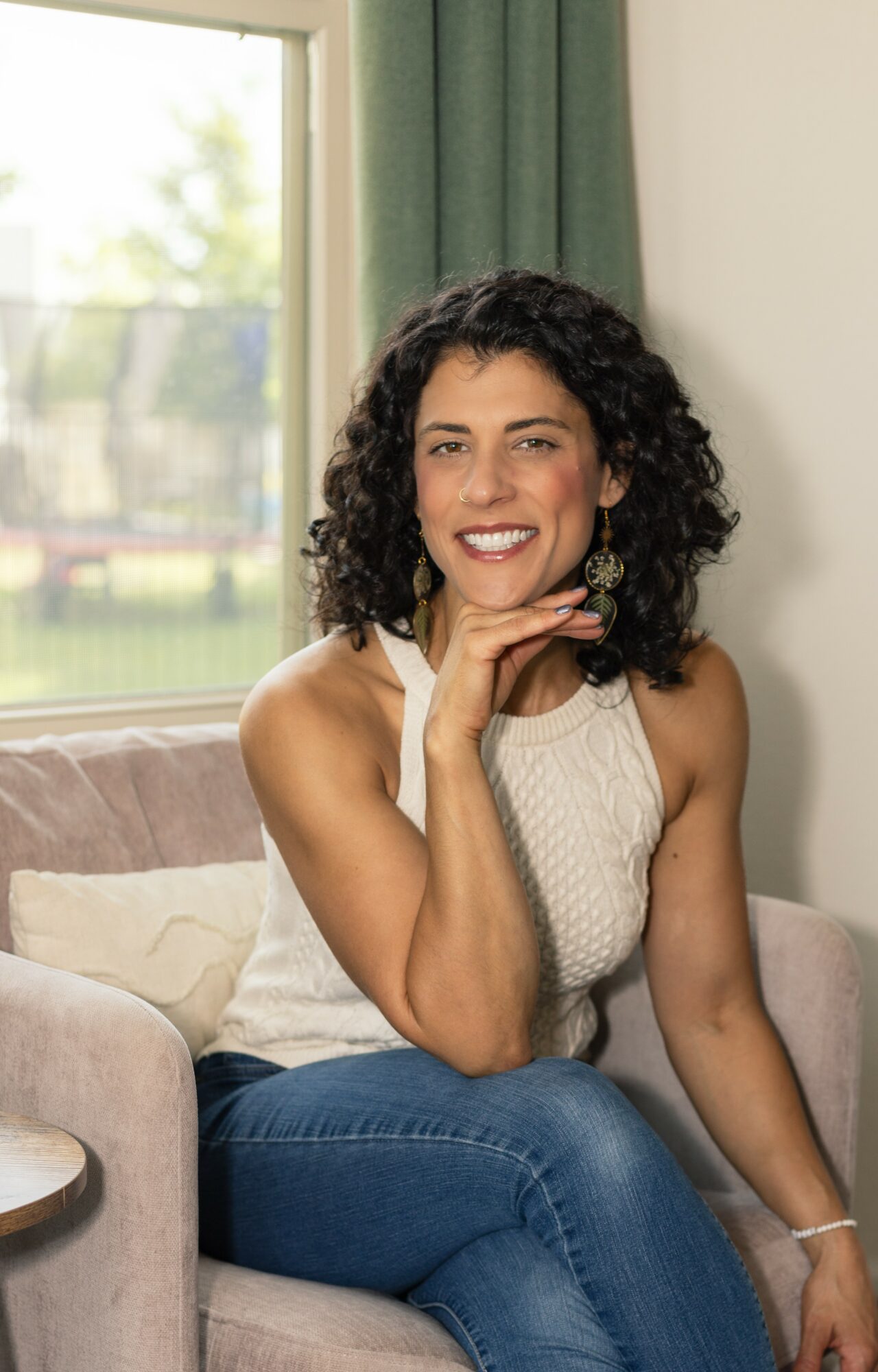
Today we’d like to introduce you to Heather Eure.
Hi Heather, it’s an honor to have you on the platform. Thanks for taking the time to share your story with us – to start maybe you can share some of your backstory with our readers?
My path to becoming a lactation consultant and entrepreneur has been circuitous, but the common thread has always been a deep belief in the power of women and a commitment to education.
While completing my PhD in Comparative Literature at The University of Texas at Austin, I welcomed my first child and discovered peer-to-peer breastfeeding support. I initially sought it out to connect with other parents outside the academic world—but what I found was the profound impact that attuned lactation care can have during the vulnerable postpartum period.
As a volunteer breastfeeding counselor, I began to see how transformative good support truly is. When I realized I could pursue lactation as a profession, I completed the health science and lactation coursework needed to sit for the IBCLC exam—finishing during my third pregnancy and the early newborn months, in the midst of the COVID pandemic. It was an intense season, but it clarified my calling.
After becoming an International Board Certified Lactation Consultant (IBCLC) in 2020, I worked in a high-volume lactation practice serving families throughout Austin, supporting parents in the postpartum unit, NICU, outpatient clinics, and through in-home lactation visits. That experience gave me a strong clinical foundation and revealed how fragmented feeding support can feel once families leave the hospital.
In 2023, I founded my private practice, The Lactation Expert, to offer something more comprehensive. I wanted families in Austin and Central Texas to have access to personalized, high-touch lactation and postpartum support that integrates feeding care with nervous system awareness and perinatal mental health.
This approach is deeply informed by my own journey through early motherhood. Parenting has humbled and challenged me in ways I never anticipated. Modern families often experience both isolation and information overload—an endless stream of advice, products, and social media pressure, but very little sustained, expert guidance. It’s no wonder so many parents struggle with feeding anxiety and postpartum mood challenges.
Today, I serve as what I call an “expert in your pocket,” offering concierge-level, in-home lactation support that helps families cut through the noise and build confidence in their own capacity. Education remains central to my work: I host a free monthly prenatal breastfeeding class for parents, teach workshops on lactation and perinatal mental health, and train birth professionals through my Lactation Essentials program. I’m also a frequent conference speaker, continually exploring how evidence-based lactation care can better protect both feeding outcomes and parental well-being.
I bring together clinical lactation expertise, perinatal mental health insight, and the hard-won wisdom of lived parenting experience. I believe feeding support should protect both milk supply and mental health—and that principle guides every aspect of my work.
We all face challenges, but looking back would you describe it as a relatively smooth road?
It hasn’t been entirely smooth—but the challenges have helped me define my mission.
One of the ongoing struggles is that the IBCLC profession is still relatively young and often misunderstood. Many families think lactation care is limited to helping with latch or checking that a baby is gaining weight. And while those things matter, comprehensive lactation support is far more integrated than that.
At its best, lactation care centers the whole baby, the whole mother, and the whole family. It considers sleep, nervous system regulation, hormonal shifts, recovery from birth, mental health history, relationship dynamics, work transitions, and feeding goals. It’s not just about milk transfer—it’s about protecting the well-being of the dyad during a tremendous life transition.
Because breastfeeding support is often framed as something you seek only when there are problems, it can be a hard sell to encourage parents to invest in proactive care. I believe strongly that lactation care should not be crisis care. Many feeding struggles and postpartum mental health challenges can be mitigated with early, personalized, and informed guidance tailored to a family’s specific goals, history, and health.
Feeding and mental health are not separate systems. They are deeply intertwined through the nervous system and the endocrine system. When we thoughtfully support one, we often support the other as well.
Another challenge has been shifting the cultural narrative away from products and toward people. We live in a time when new parents are offered an endless stream of accessories, devices, and tracking tools—many of which promise feeding success through more data and more control. But more metrics don’t automatically create confidence–without context, they often amplify anxiety. What parents are truly craving is steady, expert guidance: someone who can filter the noise, individualize a plan, and walk alongside them as feeding evolves.
Information is abundant. True support is relational, responsive, and personalized.
I’ve seen a growing number of families recognize that distinction, and that shift gives me hope. More parents are beginning to understand that early, comprehensive support isn’t a luxury—it’s an investment in both feeding outcomes and long-term family well-being.
Thanks – so what else should our readers know about The Lactation Expert?
I’m the founder of The Lactation Expert, a concierge-style lactation practice serving families throughout Austin and surrounding communities including Dripping Springs, Buda, Kyle, Westlake, Lakeway, and Bee Cave.
As an International Board Certified Lactation Consultant (IBCLC) with over a decade of experience supporting families, I specialize in evidence-based, nervous-system-informed lactation care. My work integrates clinical feeding expertise with a strong mental health lens, because feeding and emotional well-being are deeply connected in the postpartum period.
What truly sets my practice apart is the continuity of care. Families can reserve space on my calendar during pregnancy, ensuring they have steady, expert support in place before challenges arise. Lactation care shouldn’t begin in crisis mode. Support should already be in place when they need it most.
I offer the steady presence families often associate with doula care, combined with the clinical rigor of an IBCLC. With parents, I co-create individualized feeding plans that consider recovery from birth, sleep, work transitions, nervous system regulation, and family goals—not just latch mechanics or infant growth.
I work with parents who value proactive, personalized support from pregnancy through early postpartum. I’m especially proud of building a brand that emphasizes preparation over panic. That’s why I host a free monthly prenatal breastfeeding class and provide in-home lactation care designed to help families feel steady, informed, and confident.
Families deserve more than quick fixes. They deserve consistent, expert support during one of the most transformative seasons of their lives.
Where do you see things going in the next 5-10 years?
Over the next 5–10 years, I think we’ll see breastfeeding become increasingly quantified and commercialized. There are more devices, trackers, pumps, supplements, and “must-have” accessories than ever before. While some tools absolutely have a place, the sheer volume of options can create anxiety and make feeding feel mechanical rather than relational.
At the same time, I’m encouraged by the growing awareness of perinatal mental health and nervous system regulation. More families are recognizing that feeding is not just about milk transfer — it’s about bonding, confidence, sleep, and emotional wellbeing.
I believe the biggest shift will be a move toward more integrated, personalized support — helping families filter the noise, simplify when possible, and build feeding plans that protect both milk supply and parental well-being.
Contact Info:
- Website: https://www.thelactationexpert.com
- Instagram: https://www.instagram.com/the.lactation.expert/
- Facebook: https://www.facebook.com/lactationexpert/
- LinkedIn: https://www.linkedin.com/in/heatherlatiolaiseure/
- Other: Free prenatal breastfeeding class: https://thelactationexpert.intakeq.com/booking?serviceId=49fc5bae-be0a-48c6-97e9-091b9d03eeca
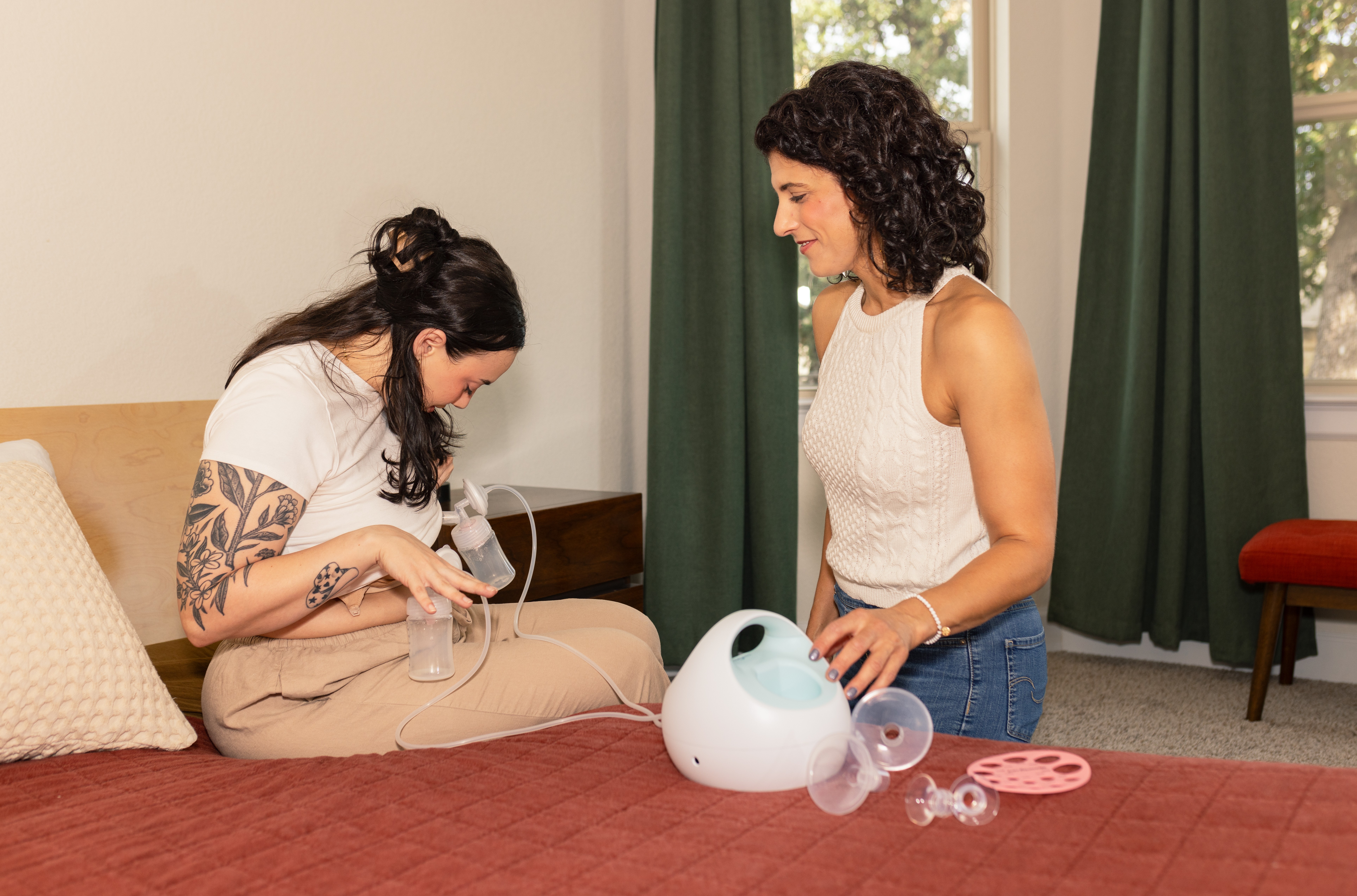


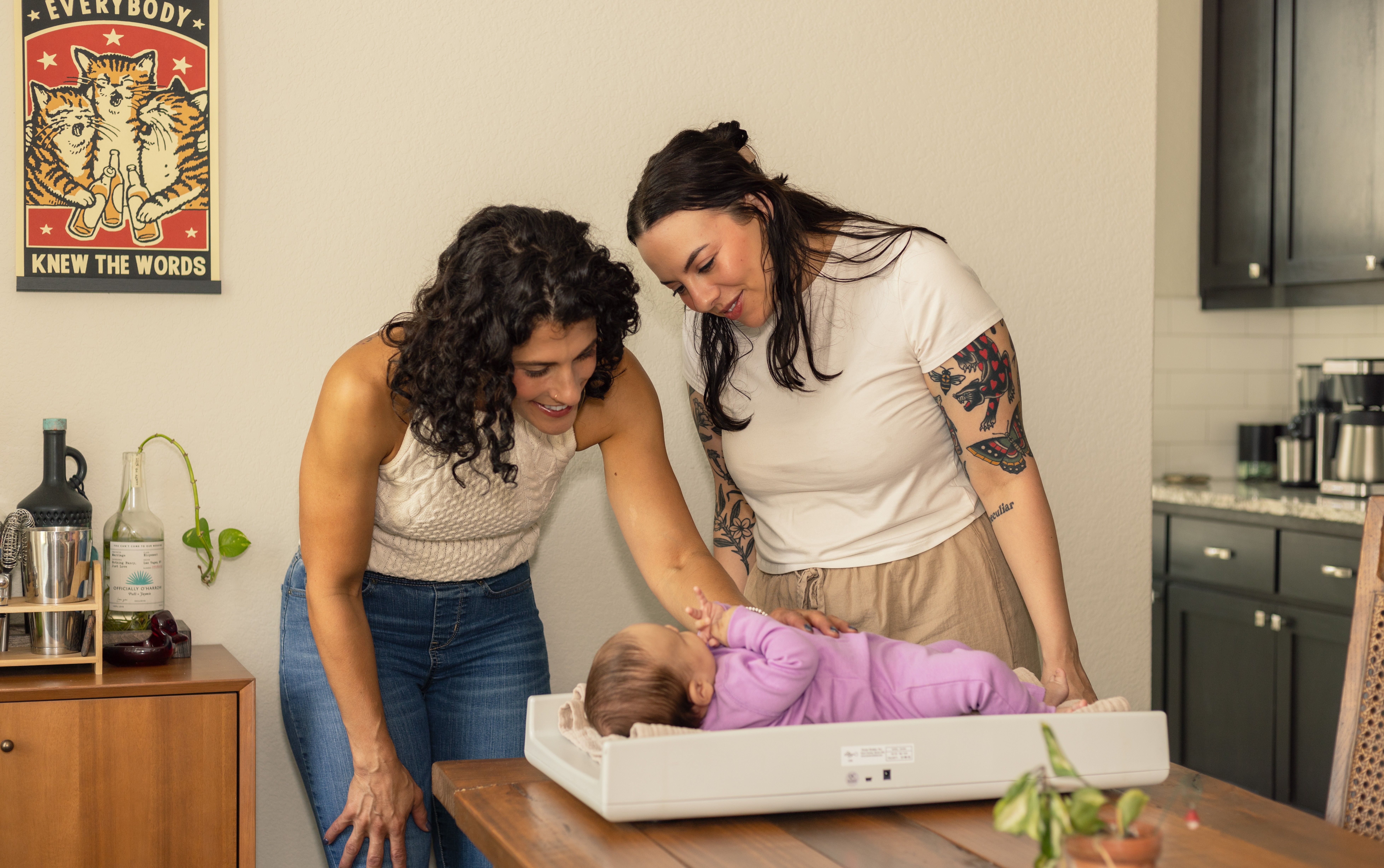
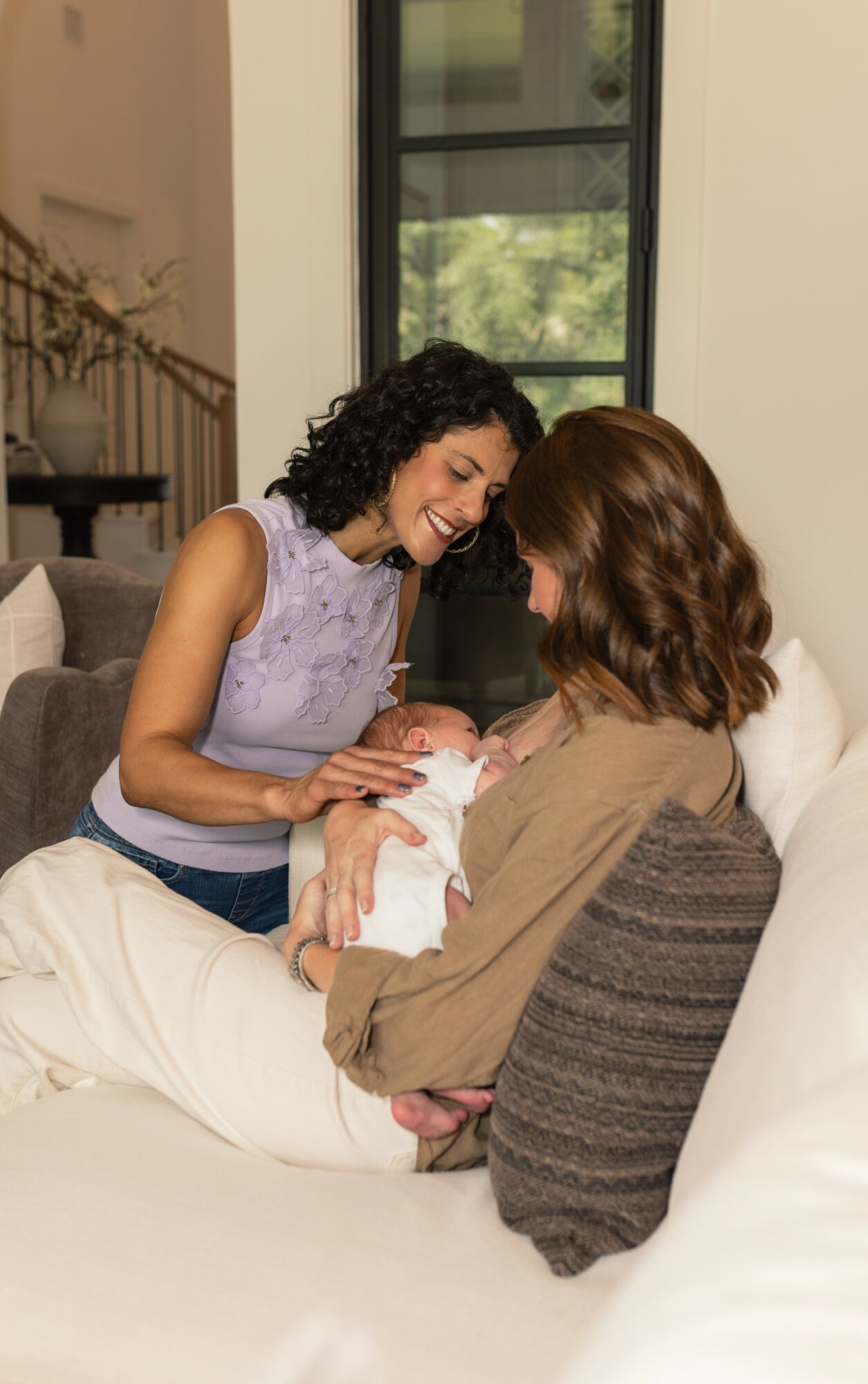
Image Credits
all images: Claire Smith, Little Acorns Photography