


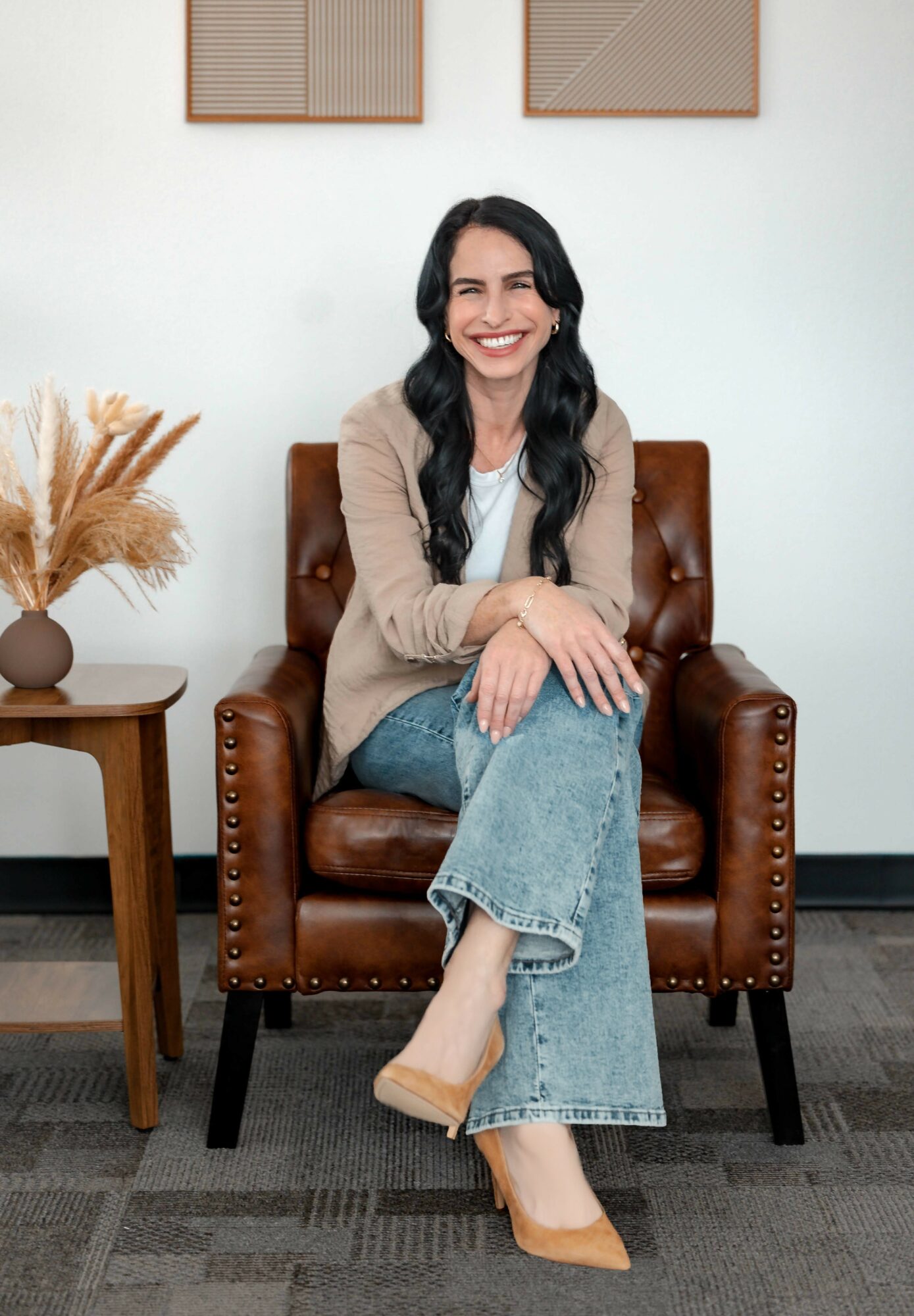
Today we’d like to introduce you to Loni Itah.
Hi Loni, we’re thrilled to have a chance to learn your story today. So, before we get into specifics, maybe you can briefly walk us through how you got to where you are today?
I didn’t set out to specialize in OCD and anxiety. It just kept finding me.
Over nearly 15 years as a clinician, I’ve noticed the same pattern. Again and again, I meet people who are exhausted from fighting their own minds. Intrusive fears. Constant doubt. Phobias that quietly limit their lives. Mental rituals. On the outside, their lives often look stable and successful. Internally, they are stuck in loops they can’t turn off. Underneath it all is the same belief: “I can’t handle this feeling.”
As I continued this work, I began noticing something even deeper. At the core of so many anxiety spirals is uncertainty.
What happens after we die?
What if I did something wrong and don’t remember?
What if I make an irreversible mistake?
What if this relationship isn’t right?
We tend to think of certain emotions as bad or as things we need to avoid at all costs. So we try to create certainty. We knock on wood. We replay conversations. We ask for reassurance. We check and double-check. We Google. We ask ChatGPT.
It helps for a moment. But uncertainty doesn’t actually go away. Risk doesn’t disappear. And before long, anxiety shows up again.
That realization shaped the way I built Resilience Room Counseling. I help people build the capacity to experience uncertainty and discomfort without organizing their lives around escaping them. Not because fear disappears, but because when you stop fighting uncertainty, your world gets bigger.
That’s the work.
Can you talk to us a bit about the challenges and lessons you’ve learned along the way. Looking back would you say it’s been easy or smooth in retrospect?
It definitely hasn’t been a perfectly smooth road. Building a private practice requires a different skill set than being a clinician. You’re making decisions without guarantees. You’re choosing a direction before you have proof it will work.
I talk to my clients a lot about commitment. We don’t commit to easy things. Easy things don’t require commitment. Real commitment shows up when we want something, know it’s going to be hard, and move toward it anyway.
And the voice that says, “What if this fails?” doesn’t go away. It shows up. The question becomes, what do you do when it does?
Building my practice meant answering that question for myself. It meant continuing to invest in the work, narrowing my focus, and showing up consistently even when results weren’t immediate. And sometimes commitment isn’t one big decision. It’s a series of recommitments along the way.
If I’m asking my clients to move toward hard things, I need to be willing to do the same.
Appreciate you sharing that. What should we know about Resilience Room Counseling ?
Resilience Room Counseling is a specialty practice focused on OCD, anxiety, and phobias, including fears like driving or flying that quietly make someone’s world smaller over time. I primarily work with thoughtful, driven adults who often appear successful on the outside but feel privately stuck in cycles of fear, doubt, and overthinking.
What sets my work apart is that I don’t focus on eliminating anxiety. I focus on changing the way people relate to it.
My approach is grounded in evidence-based treatments like Exposure and Response Prevention (ERP) and Acceptance and Commitment Therapy (ACT). The work is practical and active. We build behavioral skills. We practice tolerating uncertainty. We step out of the habits and rituals that train the mind to believe anxiety and uncertainty must be eliminated before we can rest, move on, or feel safe.
We also don’t spend sessions endlessly analyzing or challenging thoughts. Most people with anxiety are already doing that. They tell themselves, “It’s probably not true” or “It’ll be fine,” only to have anxiety return with a quiet, persistent “But what if…?” Instead of debating every thought, we change how someone responds to it.
I’m especially known for working with forms of OCD that are often misunderstood or misdiagnosed, including relationship OCD, existential OCD, harm OCD, and intrusive thought-based presentations that don’t always look obvious from the outside. Many clients come to me after years of trying to think their way out of anxiety and realizing that insight alone isn’t enough.
In addition to individual therapy, I also work with family members navigating the toll OCD and anxiety can take on a household. When one person is struggling, the entire system feels it. Helping loved ones respond in ways that reduce accommodation and strengthen resilience can be transformative. I also lead specialty groups, including a current postpartum OCD group, and offer customized intensive options for clients who want a more focused, accelerated approach.
Brand-wise, I’m most proud that Resilience Room stands for something clear. It’s not reassurance-based. It’s not about quick fixes. It’s about building the capacity to do hard things. The name reflects that. Resilience isn’t the absence of fear. It’s the willingness to move forward with it.
I want readers to know that OCD and anxiety are highly treatable. You don’t have to organize your life around fear. With the right approach, your life can become bigger than your symptoms — even if it hasn’t felt that way in a long time.
Is there anyone you’d like to thank or give credit to?
I’ve been fortunate to learn from leaders in the OCD and anxiety treatment community through advanced trainings and ongoing consultation over the years. Programs like the Behavior Therapy Training Institute (BTTI) and specialized trainings in exposure-based treatment have shaped the way I practice and think about this work.
My approach has also been influenced by pioneers in ERP, including the research and contributions of clinicians like Edna Foa, whose work helped transform how OCD is treated today.
I’m deeply grateful for the colleagues and consultation peers who continue to challenge and refine my thinking. This field requires humility and ongoing learning.
And honestly, my clients deserve a great deal of credit. They are the ones doing the hard exposures, tolerating uncertainty, and recommitting when it feels uncomfortable. Watching people move toward fear in service of the lives they want is one of the most meaningful parts of this work.
On a personal level, my husband and our three children have been steady and supportive as I’ve built this practice. Growing something meaningful takes patience, and I haven’t done it alone.
Contact Info:
- Website: https://resilienceroomcounseling.com
- LinkedIn: https://www.linkedin.com/in/loni-itah-7230aa26b?utm_source=share_via&utm_content=profile&utm_medium=member_ios



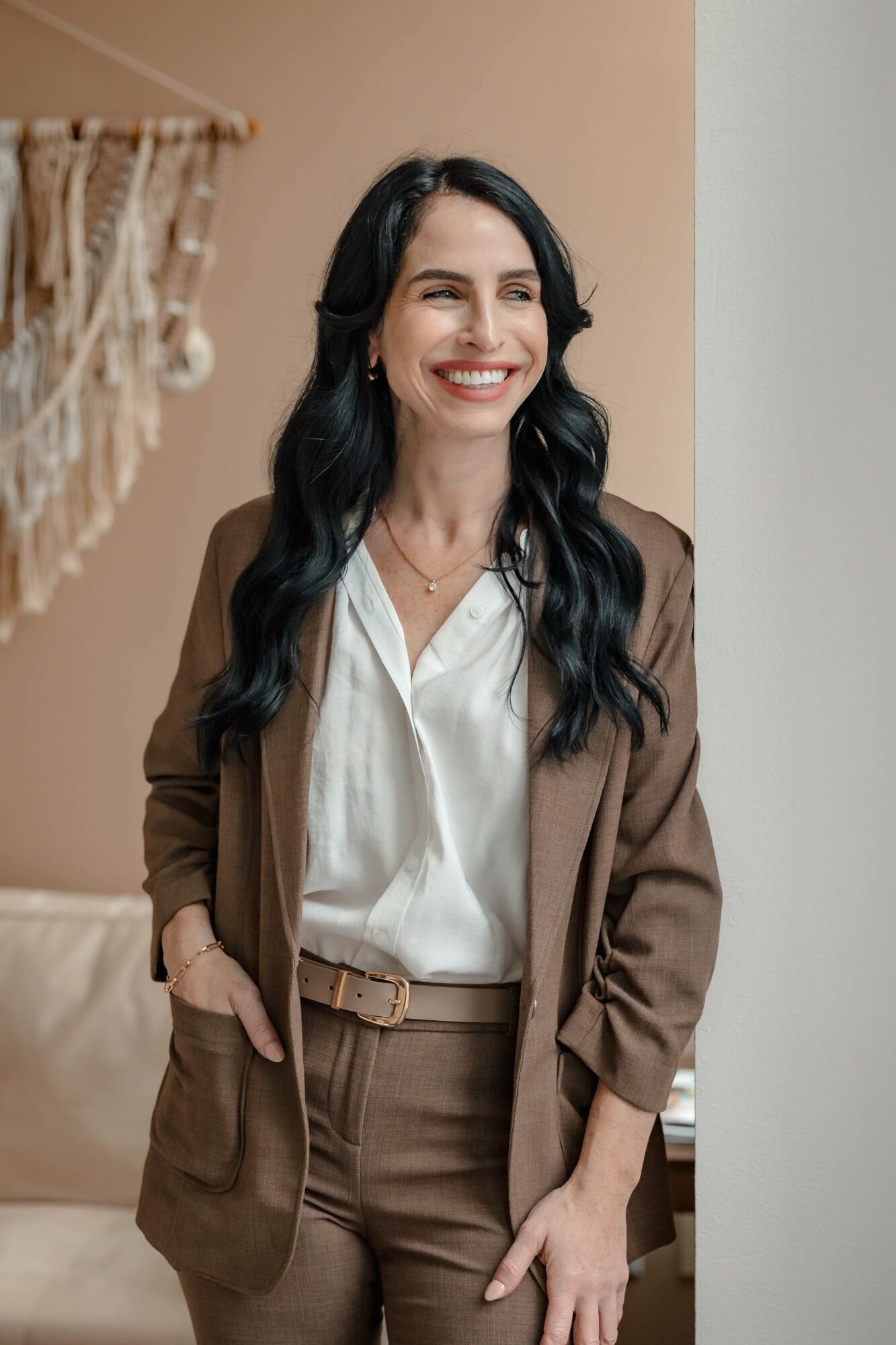
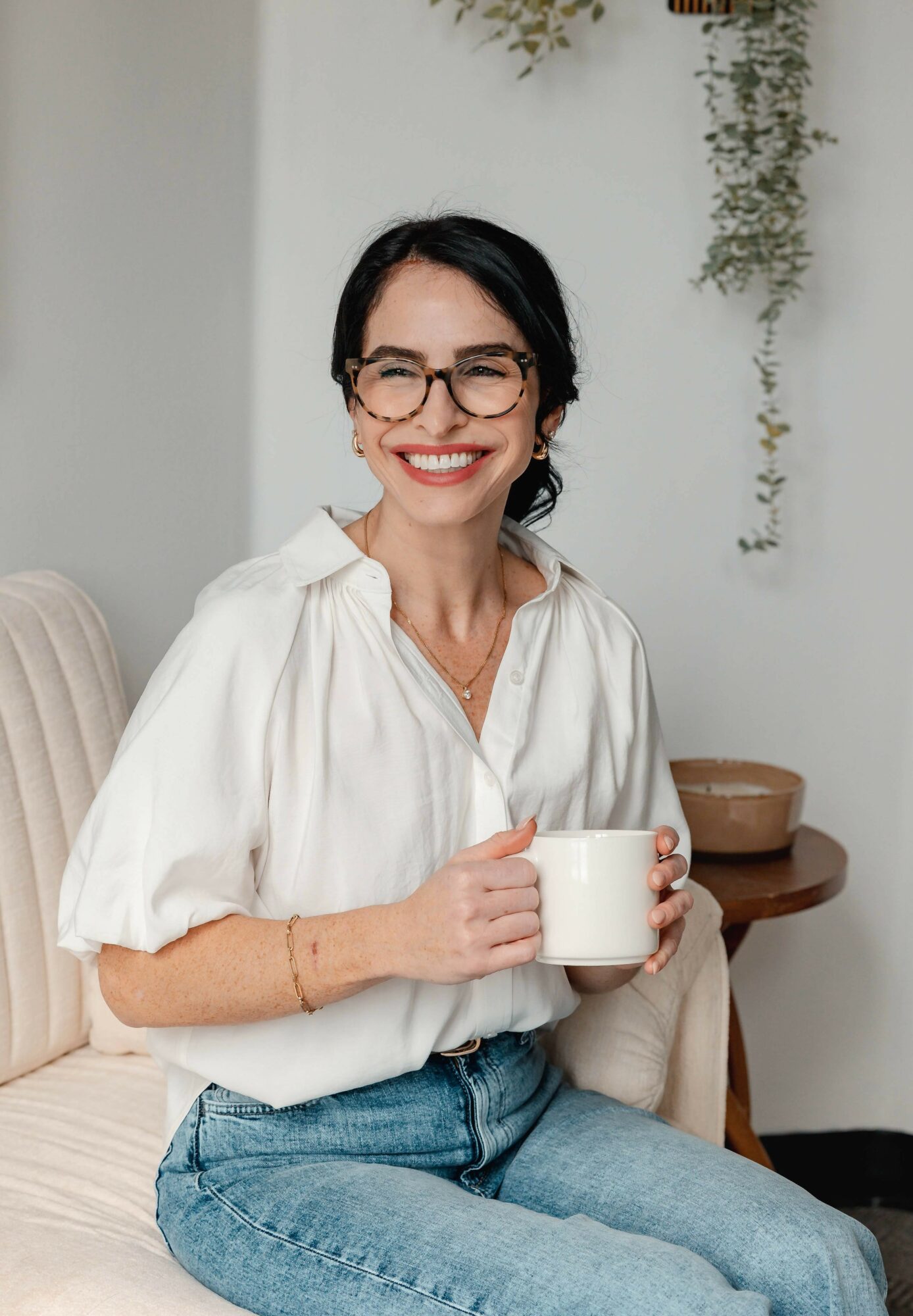
Image Credits
Kayla Lilly Photography