


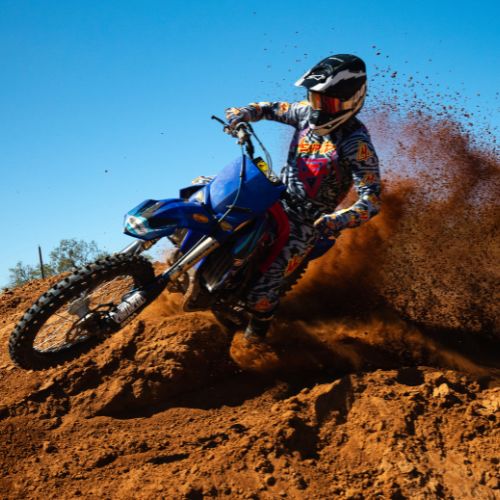
Today we’d like to introduce you to Brandon Beabout.
Hi Brandon, thanks for joining us today. We’d love for you to start by introducing yourself.
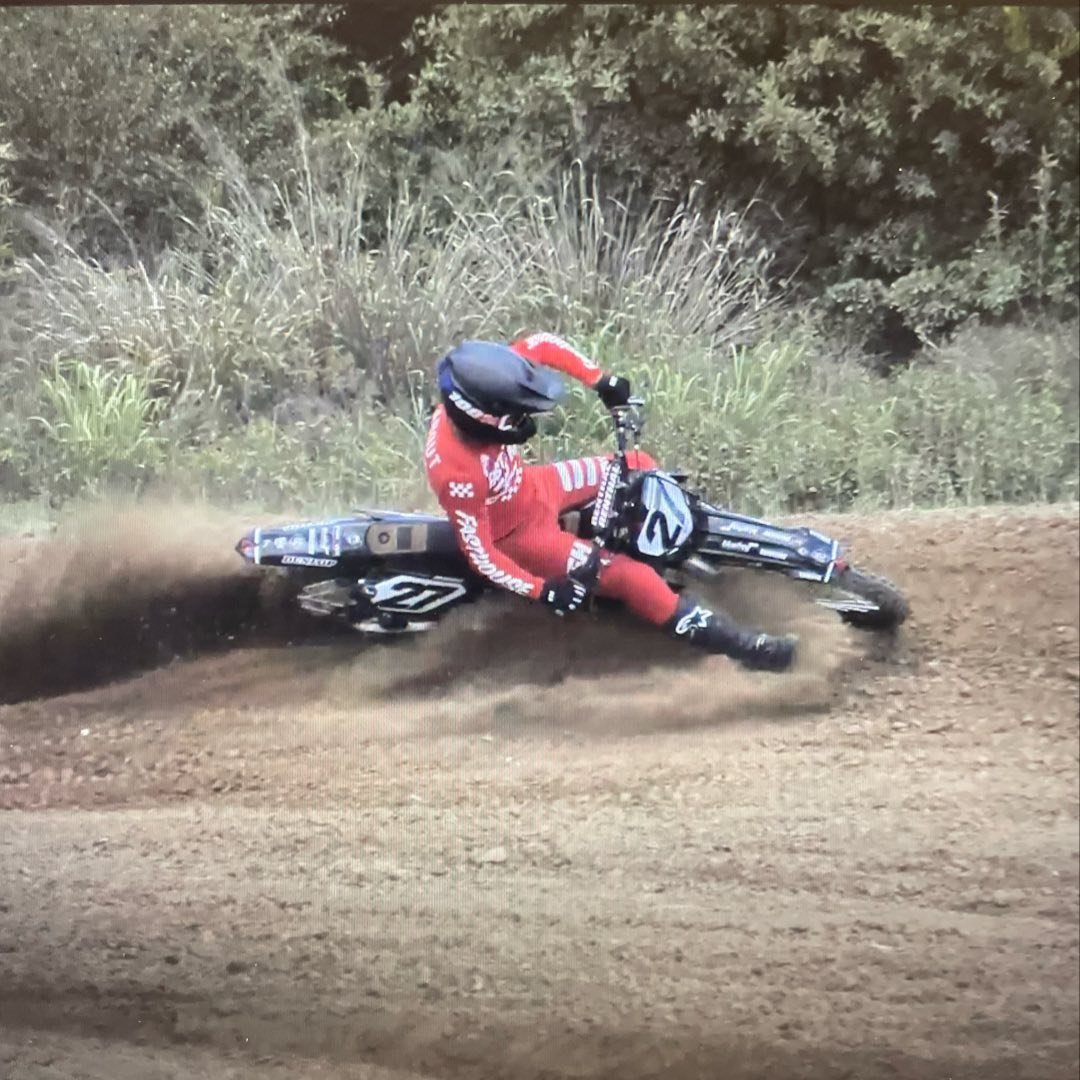
My story with motorcycles began in 1982, when I was adopted into a family of true two wheel enthusiasts. Riding wasn’t just a hobby in our household, it was a way of life. My mom and dad had both started riding in the early 1970s, and their passion carried through the 70s, 80s, and into the early 90s. During that time, Texas was a hotbed for motocross talent. Some of the greatest riders in the sport came out of the Texas racing scene, including legends like Kent Howerton, Danny Storbeck, and Steve Wise. Growing up around that culture meant weekends at the track with my friends.
Before I ever had my own bike, I spent many weekends at our local DBSA club known as Zars Ranch. I remember standing along the track watching my parents ride and race. Sometimes I would watch Kent Howerton, one of the great riders to come out of Texas. Even as a kid, I could tell I was watching something special.
One of my earliest memories that still stands out happened in 1989 at Kent Howerton’s ranch. Kent had a grass-style motocross track that blended open riding with sections of woods trails. Riders could flow through wide grass turns and then disappear into the trees. For a kid who loved dirt bikes, it felt like the ultimate playground. But what stuck with me most from that day wasn’t the track. It was the shop.
Inside were the motorcycles that had carried Kent to his national championships. To most people they were just bikes. But to me they felt like something bigger, pieces of motocross history. Kent noticed how fascinated I was. He lifted me up and let me sit on his 1976 National Championship bike. I remember staring down at the handlebars and controls, trying to imagine what it must have felt like racing that machine across the country. So I asked him a question. “Can I ride it?” Kent laughed and said, “If you can start it.” Of course, I couldn’t start it. I was just a kid. But that moment stayed with me. Sometimes the smallest moments plant the biggest seeds. On my sixth birthday in 1988, I received my first dirt bike, a 1974 Honda Elsinore MR50. That little bike marked the beginning of my own riding journey. I wasn’t just watching anymore. I was riding.
Like many riders, I started with off-road riding, also known as woods riding. The trails around Zars Ranch became my training ground. Riding through tight trees and constantly changing terrain taught me balance, endurance, and control.
Then in 1990, I went to my first true motocross track—Good Times MX Park in Natalia, Texas. Until then most of my riding had been on trails. Seeing a real motocross track—with jumps, berms, and long straights—was something completely different.
The atmosphere was unforgettable. Bikes revving, riders lining up at the gate, and the energy of competition everywhere. That was the moment I realized motocross was more than just riding—it was racing.
In 1991, I attended my first Supercross in Houston, and it left a lasting impression on me.
Saturday was pro day, and we were sitting in the industry seating area so I could be around all the professional riders. At one point my mom realized she couldn’t find me and started walking down the aisle looking for me.
Eventually she found me sitting next to Mike Kiedrowski, having a conversation with him. She apologized to him, thinking I was bothering him. Mike smiled and said, “It’s all good. He was just telling me all the good lines.”
Like many racing families, we didn’t have a lot of money, but my parents did everything they could to keep me riding. My dad worked for the railroad, and on the side he worked on bikes to help pay for my racing. My mom worked at the races so we could cover my race entry fees. Eventually my mom became more involved in the sport. What started as helping out at races turned into helping promote events, and before long she was running her own race series.
Racing became a huge part of our family life. As the years went on, the competition got tougher and the expectations got higher. I spent countless hours riding and racing.
By 1998, everything started to come together. It was a breakout year for me. In my final year racing 85s and Superminis, I became a podium contender at national events.
Then in 2000, things took another step forward. That year I won my first championships racing 125s and 250s, finishing the season with around 12 championships. But motocross has a way of humbling you. In 2001, I suffered a serious arm injury, breaking it badly enough to require three surgeries. I had to sit out most of the season recovering.
Over the years I had already experienced many injuries (broken back, Broken wrists, Broken collarbones, Dislocated shoulders, Concussions, blown-out knee. The injuries began to take a toll not just physically, but mentally as well.
By 2002, I was burned out. The constant cycle of injuries and recovery was exhausting, and I decided to step away from racing for a while. Then in 2004, an opportunity came along to ride for a KTM satellite team. I raced Arenacross and was preparing to compete in East Coast Supercross. But in October of that year, I suffered another knee injury. After everything my body had been through, I knew it was time. I made the difficult decision to walk away from racing.
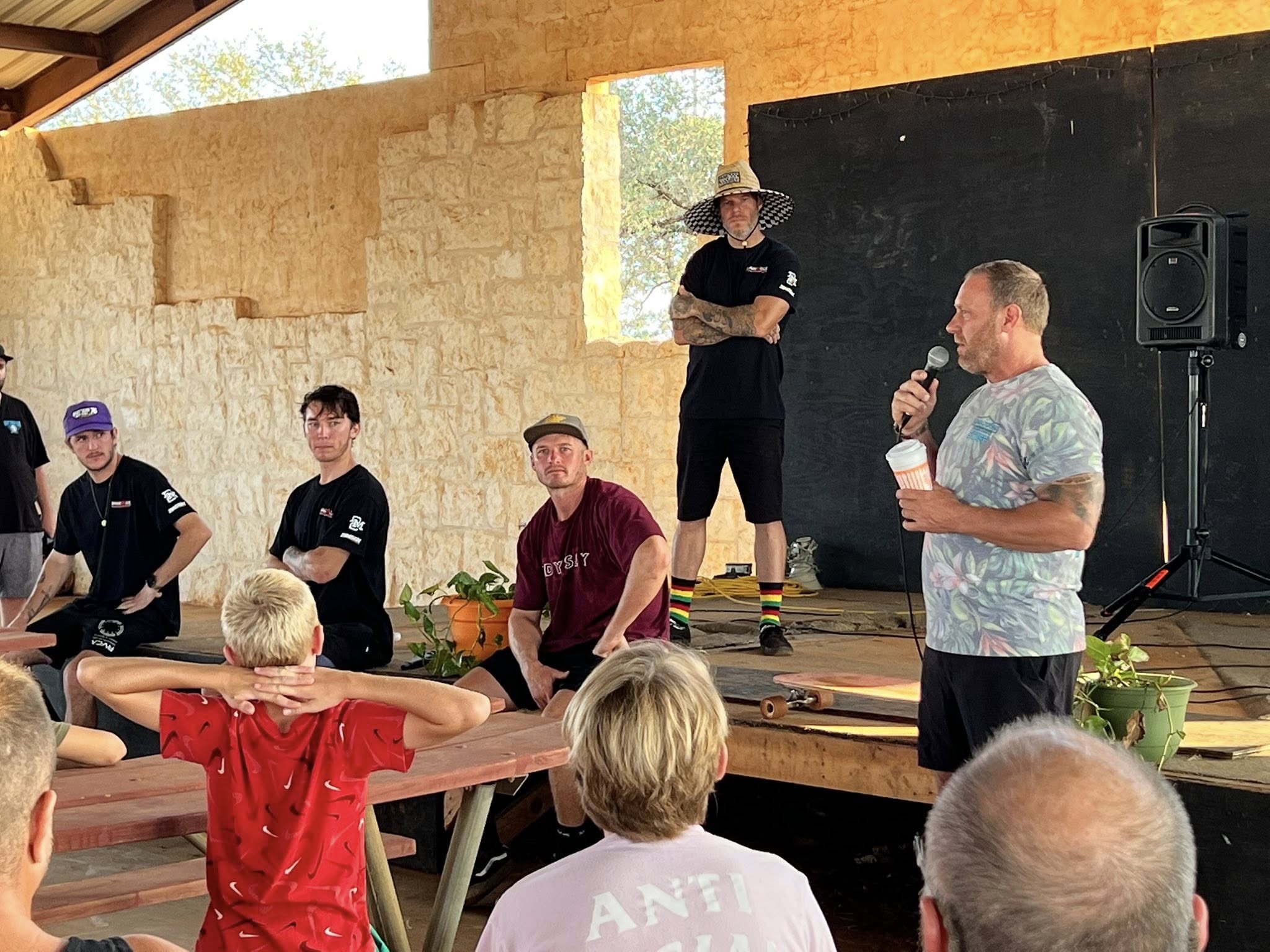
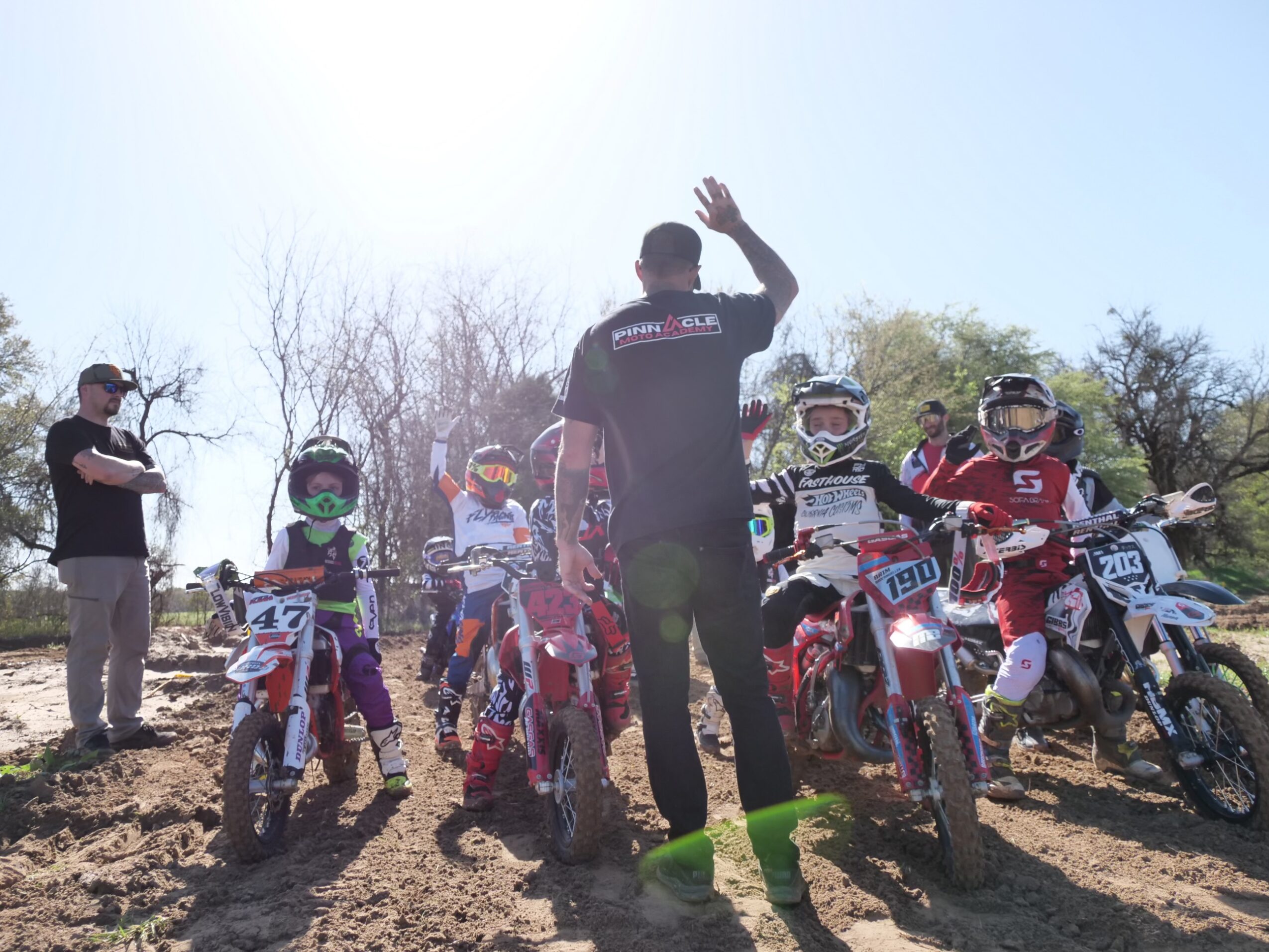
After stepping away from the sport, I began working for several companies as an outside sales representative, starting a new chapter in life. But motocross never truly left me. In 2006, I started coaching riders, and in 2007 I moved to California, where I had the opportunity to work with some of the most talented young riders in the country. Many of the kids I worked with went on to become great racers and champions, and it was incredibly rewarding to help guide them along their journey.
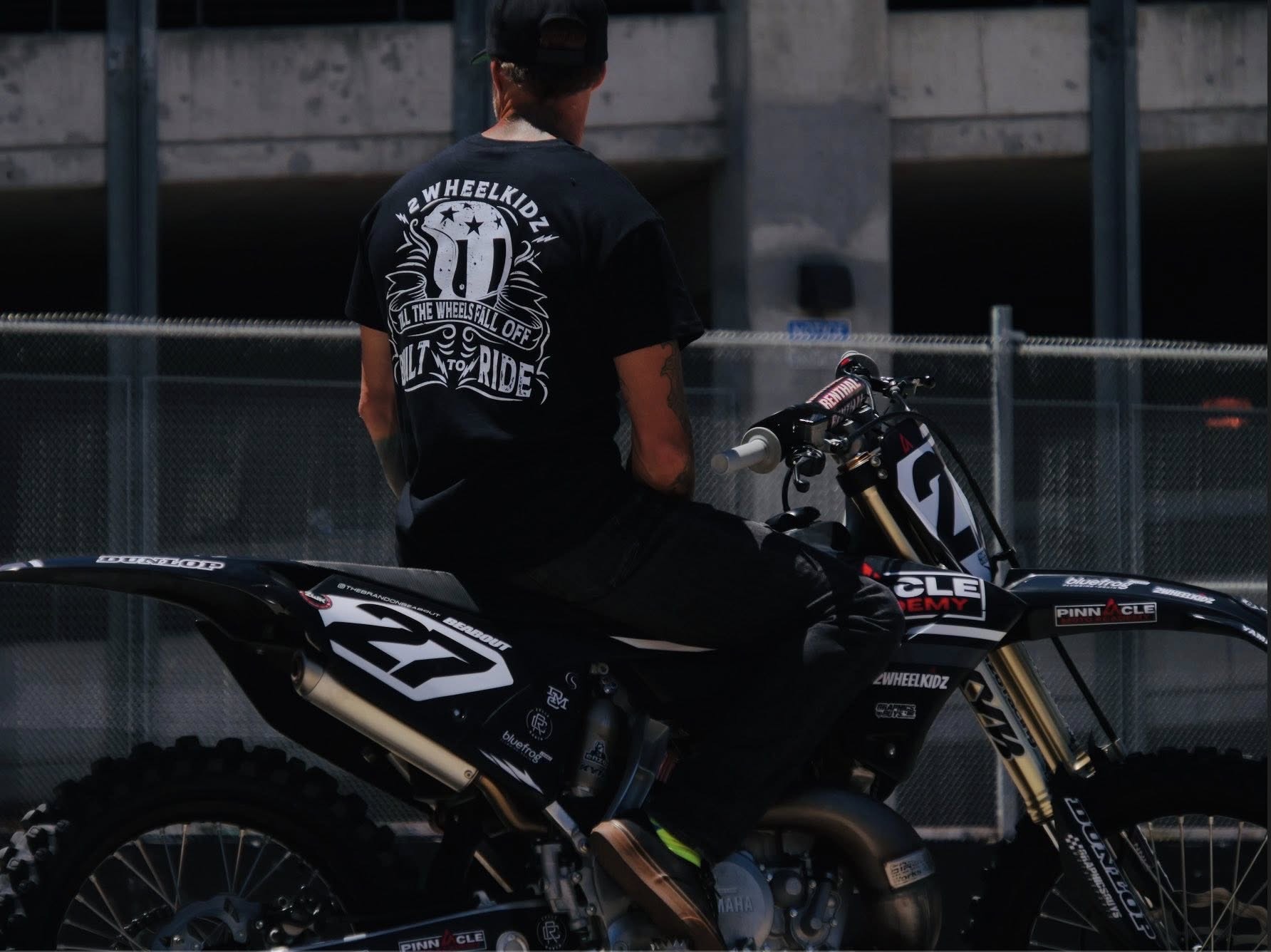
Today, the journey has come full circle. I am now creating the 2 Wheel Kids Action Sports Park, a place designed to give kids an experience that can change their lives. The vision is bigger than riding motorcycles. It’s about creating an environment where kids can grow, learn, and challenge themselves. Motocross taught me lessons that carried far beyond the track:
discipline, resilience, confidence, awareness, responsibility, and respect. Through action sports, kids learn how to overcome fear, deal with failure, push through challenges, and believe in themselves. Those experiences help them develop strong core values that stay with them for life.
The mission is simple:
To help kids become resilient, confident, aware, and capable individuals, while teaching them the importance of character, responsibility, and being good humans. Because sometimes all it takes is two wheels and the right environment to change a kid’s life forever.
Can you talk to us a bit about the challenges and lessons you’ve learned along the way. Looking back would you say it’s been easy or smooth in retrospect?
It has been one heck of a journey. Being an athlete at a highly competitive level gives you an adrenaline rush that nothing else compares to. After quitting I went down a road of drugs and partying chasing the feeling I once had. On the flip side. It was those experiences that allowed me to be the resilient godly man I am today. It taught me how to overcome adversity and live I the present moment. It taught me to see in a perspective of abundance and appreciate life.
As you know, we’re big fans of you and your work. For our readers who might not be as familiar what can you tell them about what you do?
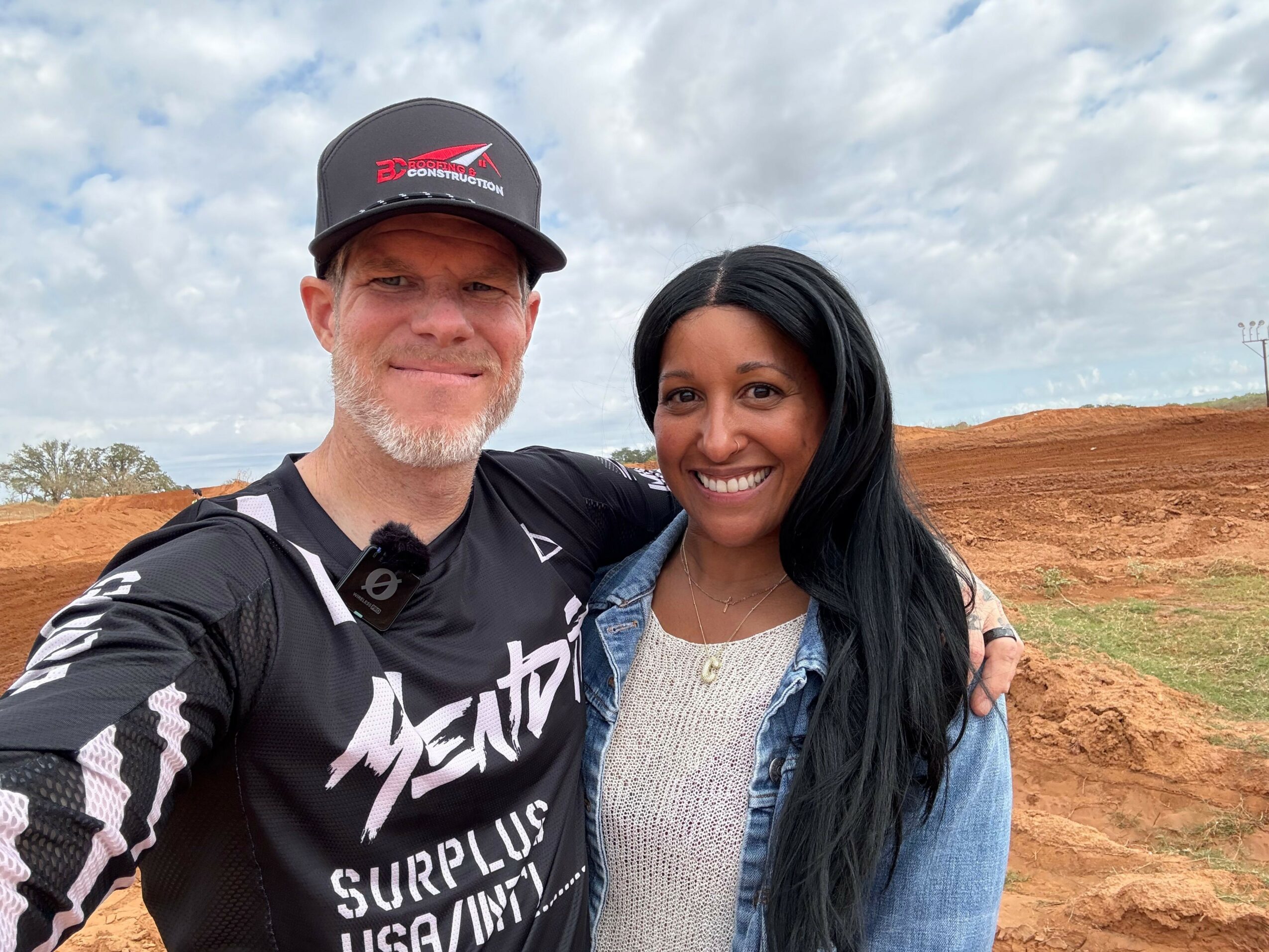
I am a small business owner and consider myself a relationship builder and connector. I bridge relationships through my roofing and construction business, coaching and mentoring programs and consulting.
Risk taking is a topic that people have widely differing views on – we’d love to hear your thoughts.
Risk is something I’ve been around most of my life. When you grow up riding motorcycles and racing motocross, risk is always present. But what the sport teaches you very quickly is that risk isn’t about being reckless—it’s about understanding consequences, preparing for them, and deciding when something is worth the effort and commitment it takes.
When you’re racing, every jump, every corner, every decision on the track involves some level of risk. Over time you learn how to evaluate it. You learn when to push and when to hold back. That mindset stayed with me long after I stopped racing.
One of the biggest risks I took in my life was pursuing motocross as seriously as I did. My family didn’t have a lot of money, and racing is not an easy or inexpensive sport. My dad worked for the railroad and worked on bikes on the side to help support my racing, and my mom worked races and eventually began promoting them. We invested a lot of time, energy, and sacrifice into something that had no guaranteed outcome.
Later in life, stepping away from racing was also a risk in its own way. Racing had been my identity for years, and walking away meant figuring out what came next.
Another major risk is what I’m working on today with the 2 Wheel Kids Action Sports Park. Building something new that’s centered around helping kids develop through action sports isn’t the typical path people take. It takes time, resources, and belief in something that doesn’t fully exist yet. But I believe strongly that the lessons I learned through motocross is discipline, resilience, confidence, and responsibility are things that can truly change a kid’s life.
So for me, risk isn’t something to avoid. It’s something to approach with purpose. The key is making sure the risk is tied to something meaningful.
When you believe in what you’re building, and you’re willing to do the work required to make it happen, the risk starts to look less like something dangerous and more like something necessary.
Most of the things in life that are worth doing involve some level of uncertainty. The important part is being willing to step forward anyway.
Contact Info:
- Instagram: https://www.instagram.com/thebrandonbeabout
- Facebook: https://www.facebook.com/brandon.beabout
- Other: https://www.beaboutroofing.com