


Today we’d like to introduce you to Justin Wilson.
Hi Justin, it’s an honor to have you on the platform. Thanks for taking the time to share your story with us – to start maybe you can share some of your backstory with our readers?
I originally thought I’d draw cartoons as a kid. I was always drawn to figuring out how images worked and stories fit together. Then in high school, I took the lead in our school news show that aired during lunch hour, filming and editing tape-to tape on VHS. I soon started making music videos and short films with school gear. After graduating, I took a black and white photography class at Kilgore Community College, then moved into filmmaking and screenwriting courses at UTA.
Outside of class, I worked at U-Edit-Video, cutting everything from graduation videos to people’s homemade erotica, which was bizarre but it beat accounting. Around that time, I saw some flyers for an internship at a local post house in Dallas. I interviewed, got the position, and spent a year attempting to balance the internship with full time classes, a part time job and band practice. Luckily, a position opened up shortly after my internship was over, so I got hired and quit school with one semester left.
I quickly learned AVID and began editing short films and music videos after hours. As my band gained momentum, music became my primary focus, so I left to tour full time. I was still constantly filming and photographing, just mostly documenting the band and life on the road.
I found my back to film after a few years and took a job at another Dallas post house. I had no money at the time, and the owners generously let me sleep in the back warehouse, rehearse with my band there, and even use the space as a painting studio, which is something I’ll always be grateful for. Between commercial jobs, I shot and cut documentaries and music videos.
Since then, I’ve continued to make films of all kinds, and it’s taken me all over the world. I’m still driven by the impulse I felt in high school of telling stories from the ground up.
Alright, so let’s dig a little deeper into the story – has it been an easy path overall and if not, what were the challenges you’ve had to overcome?
One of the most important lessons I continue to learn, especially now when people are so siloed, is the value of getting out there and helping people. Even when it’s something you might feel overqualified for or not immediately drawn to, just getting out here and helping someone else’s vision get off the ground can be huge. That generosity doesn’t always come back around, but sometimes those moments open doors in ways talent alone doesn’t.
I was incredibly fortunate to work for people that valued me as an artist rather than a button pusher. The creative work I pursued outside the office often fed back into my professional life, strengthening my reels with the kind of work the company wouldn’t have had otherwise.
Later on, moving from Dallas to Austin brought upon its own challenges. Building new crews and communities takes time. It wasn’t a struggle as much of a gradual process that I’ve been lucky to work through. You have to keep showing up and it’s important to scare yourself regularly. A few weeks ago I did a music video without ever moving the camera. That was a first.
As you know, we’re big fans of you and your work. For our readers who might not be as familiar what can you tell them about what you do?
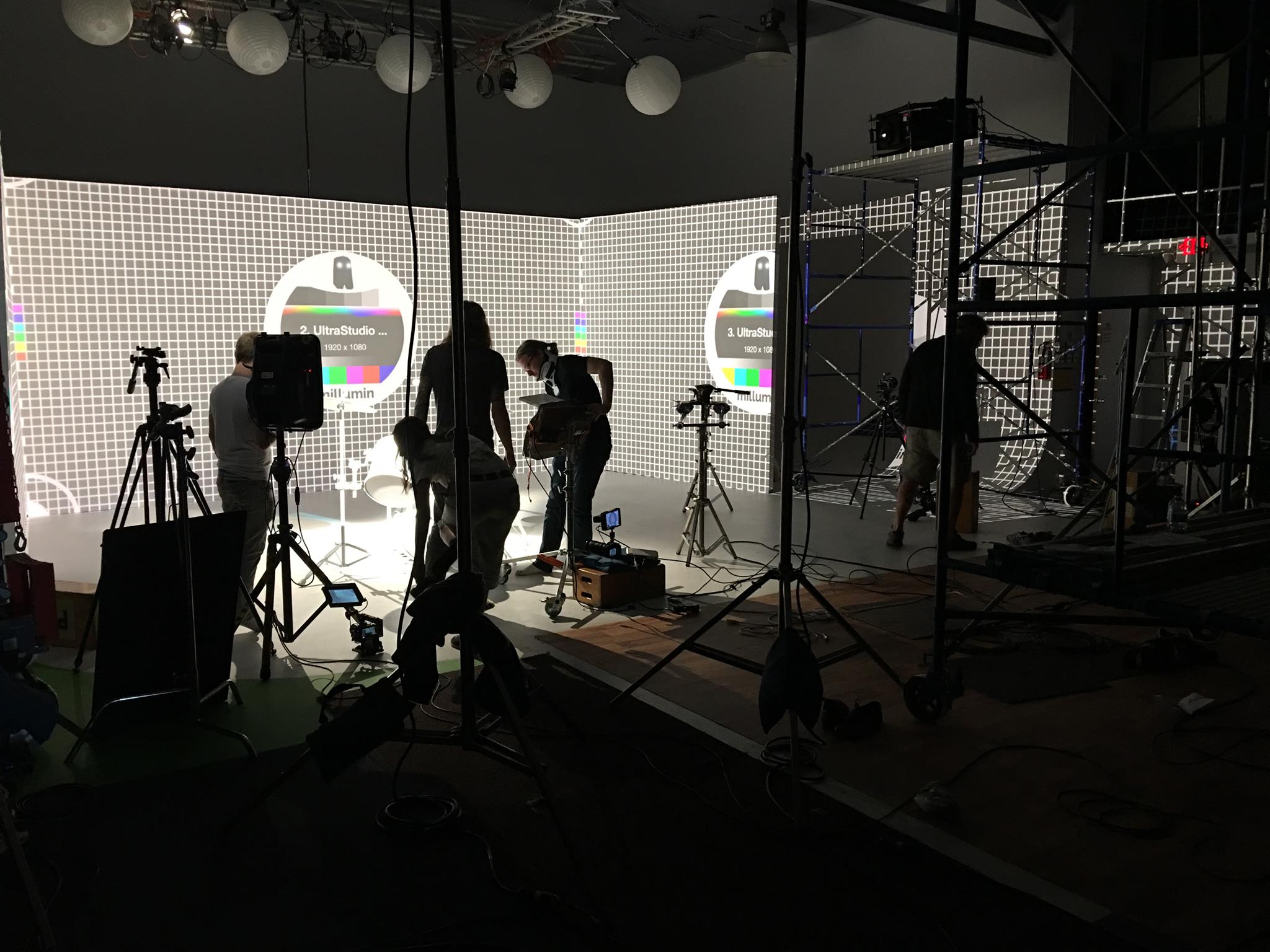
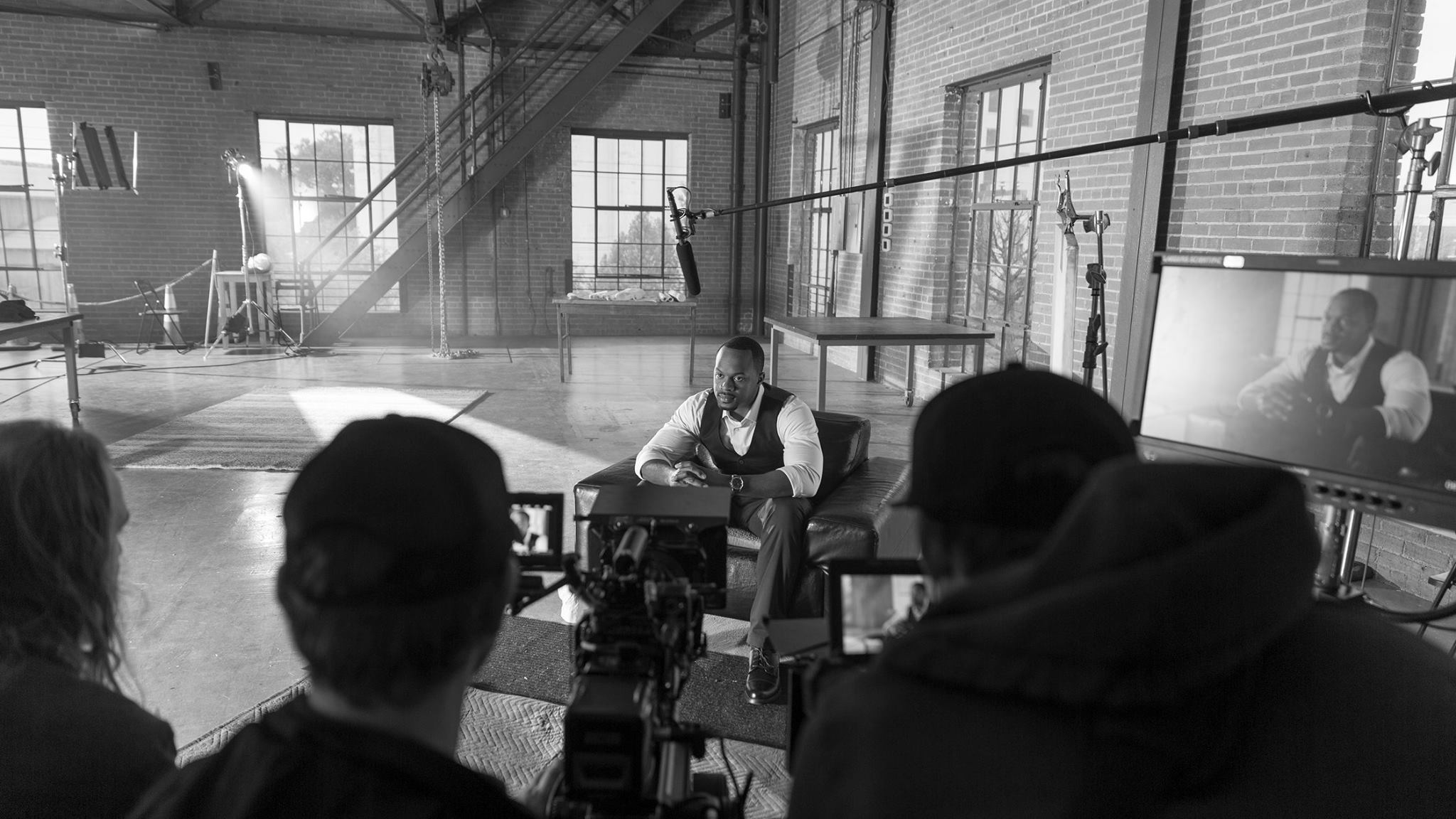
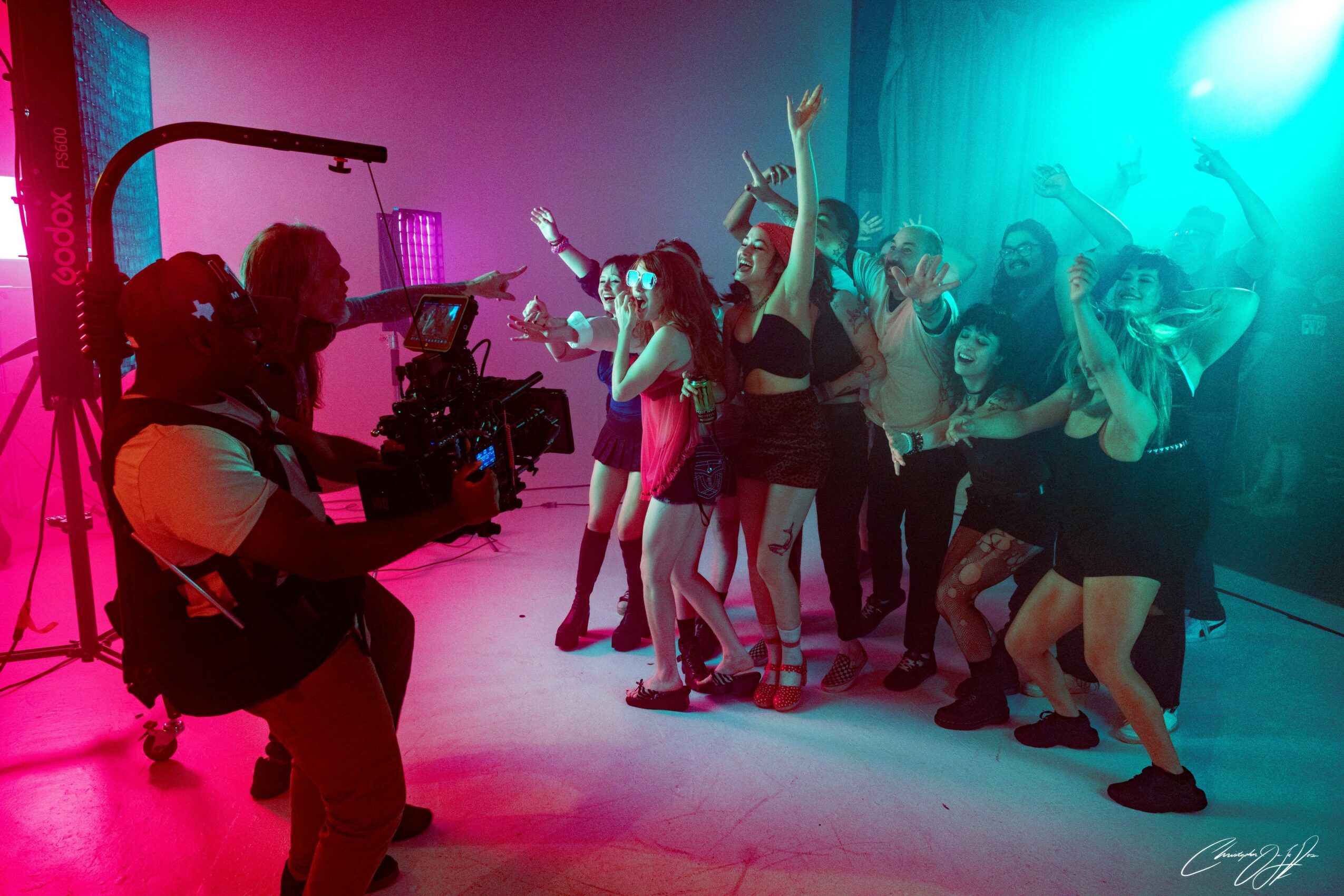
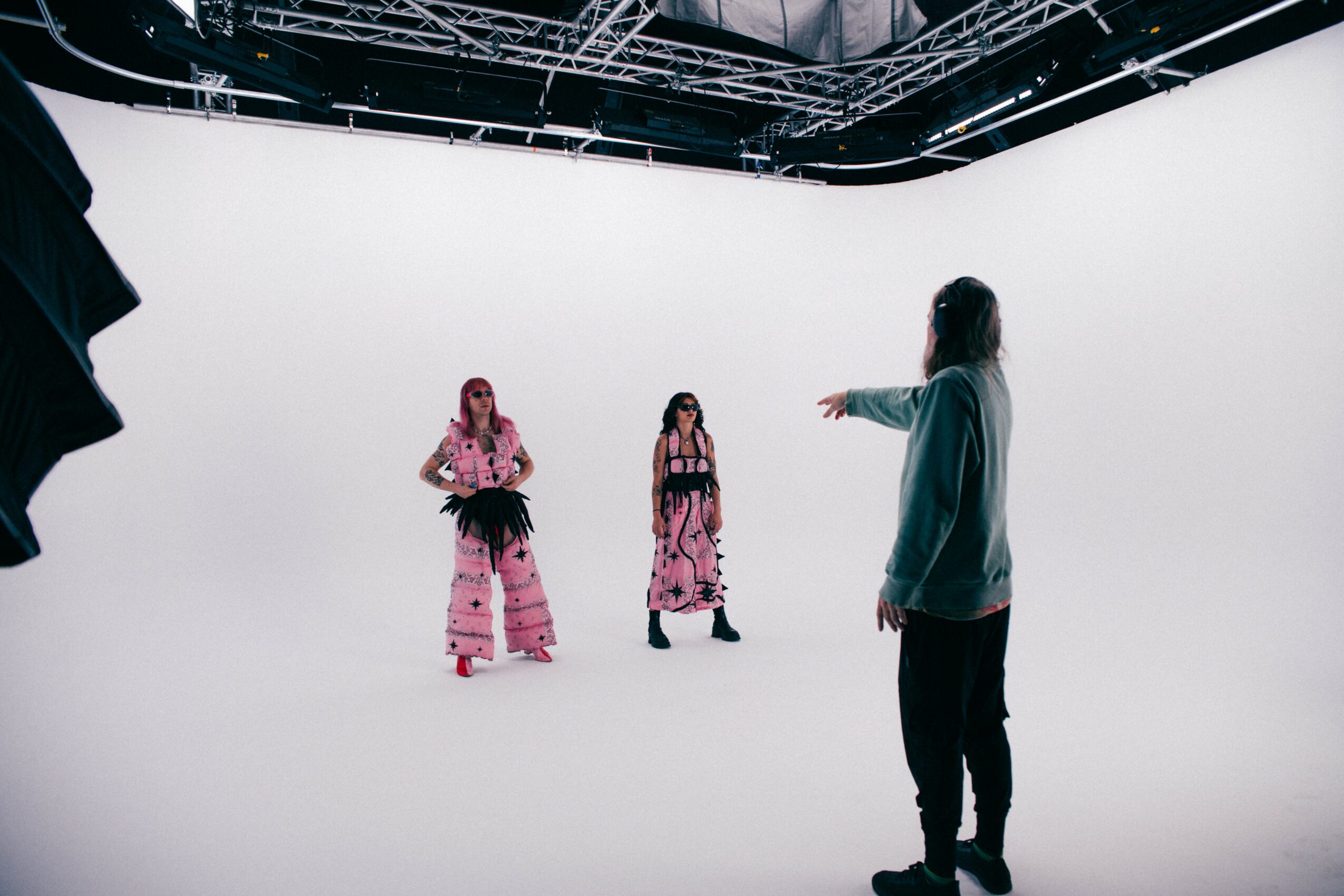
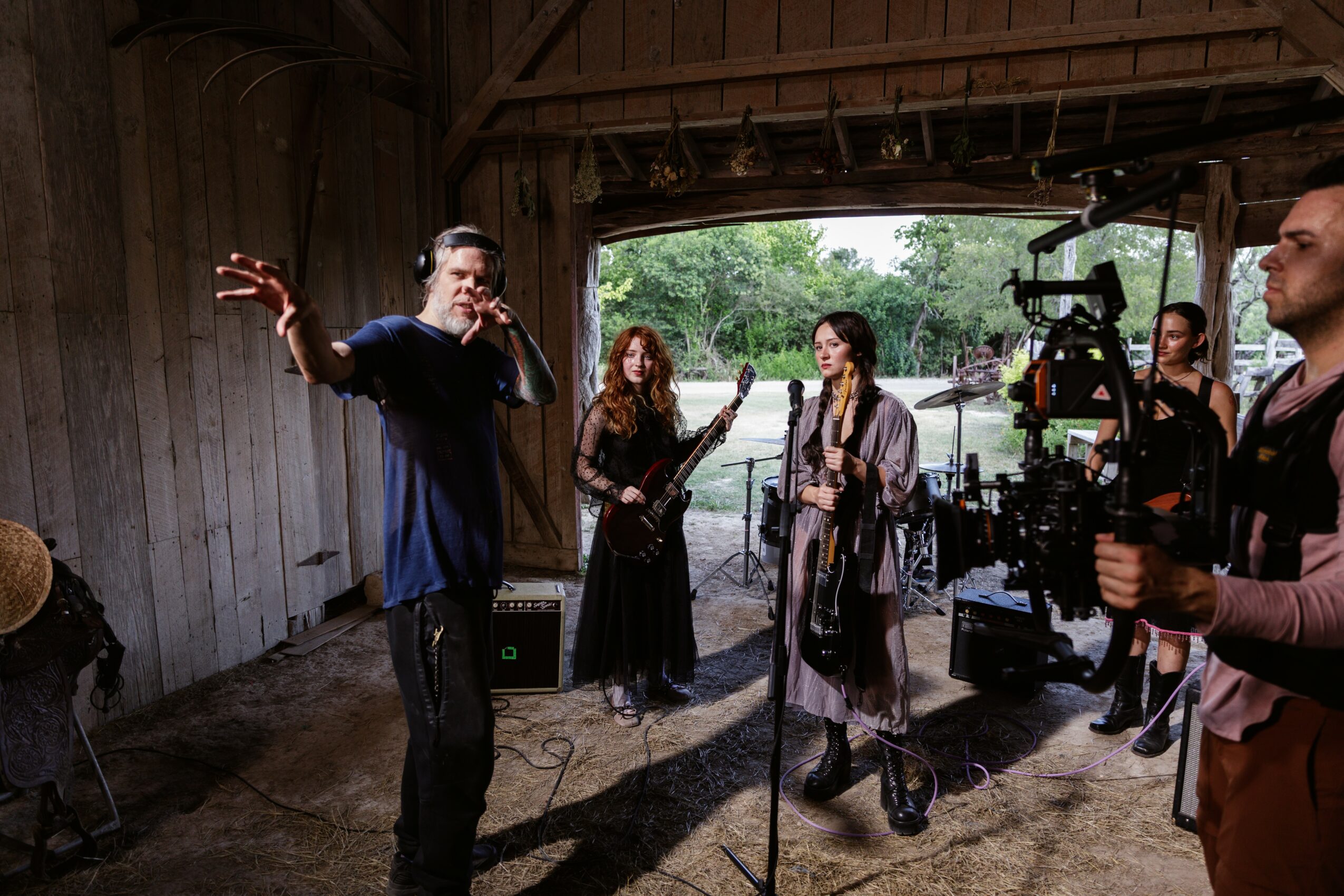
What I do shifts from project to project, but essentially I become a creative partner that elevates the work in whatever way it needs. Many of the projects I take on are as director, and in those cases I try to run an egalitarian set where collaboration is essential and everyone feels invested in the outcome.
When I’m editing someone else’s vision, I go far beyond a traditional cutting role. I often help with rewrites, sound design, even composing, and I usually shepard projects all the way through color and mix. My collaborators would tell you no matter the role or scale of the project, I bring my whole self to it.
I’m drawn to the mystery of the creative process and problem solving it demands. I love building things and get a deep sense of satisfaction from forming connections through the act of making art. Filmmaking is a series of interconnected puzzles. You’re constantly figuring out how pieces fit together emotionally, rhythmically and narratively. If you’re going to do this for a living, you probably need to love puzzles.
We’d love to hear about how you think about risk taking?
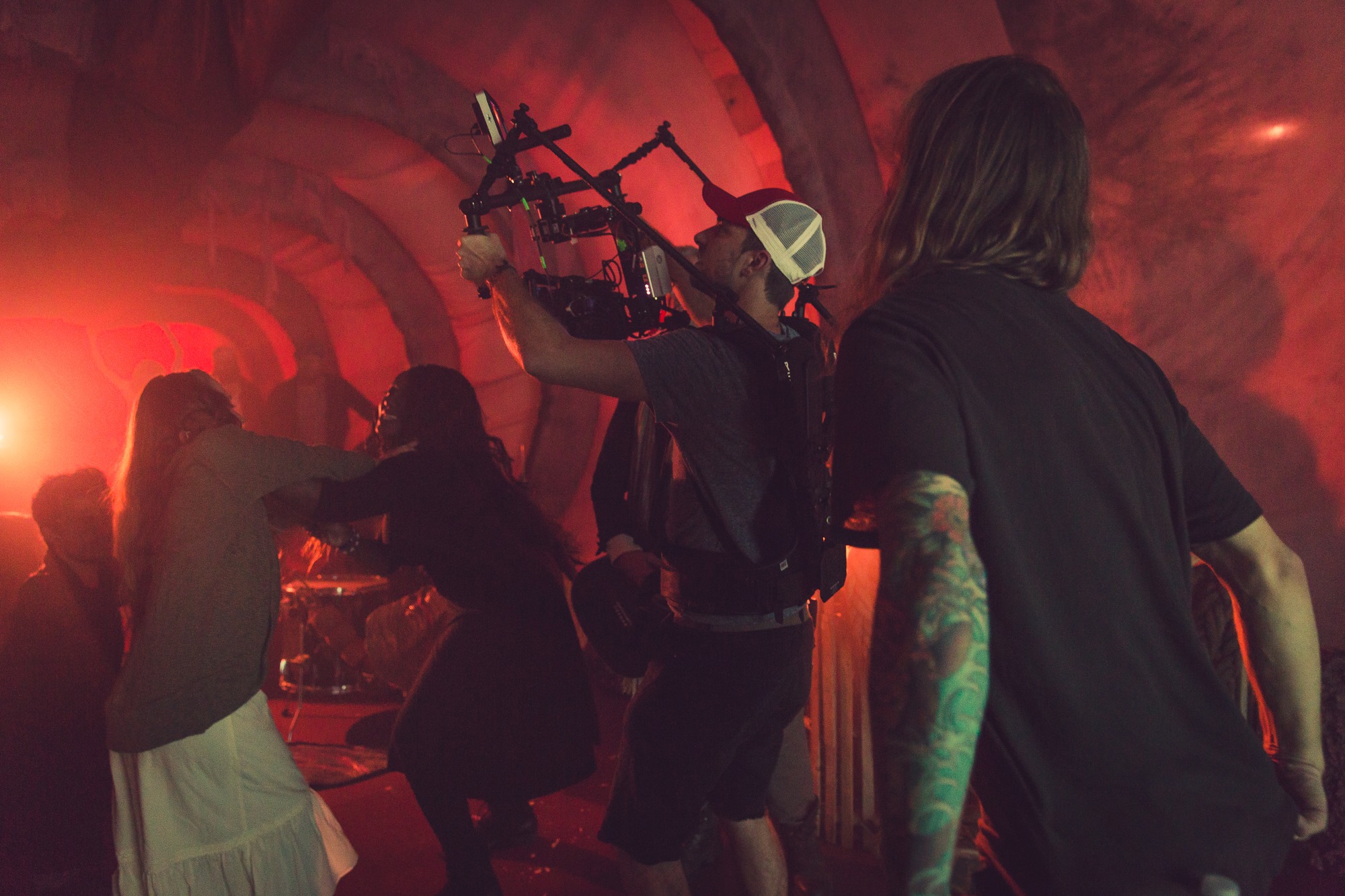
Risk is inherent in almost any artistic endeavour. When doing back-to-back punk rock documentaries, I would often put myself in the middle of the wild crowds in order to capture that perspective. I’d get knocked around a bit, but as someone who toured for years in a band, it’s all part of the experience.
I also take risks on set and in the edit by following instincts instead of formulas, even when it means undoing work or questioning decisions late in the process. Playing it safe usually produces work that’s technically fine but ultimately forgettable. The risks that scare me a little are usually the ones that give my work its pulse.
Pricing:
- commercials
- music videos
- narrative
- documentaries
- social content
Contact Info:
- Website: https://www.justinwilsonfilms.com
- Instagram: https://www.instagram.com/justin.wilson/
- Facebook: https://www.facebook.com/LeadersAndFlares/
- LinkedIn: https://www.linkedin.com/in/justin-wilson-2952bb17/
- Youtube: https://www.youtube.com/@JustinWilsonFilms
- Soundcloud: https://soundcloud.com/red-animal-war