


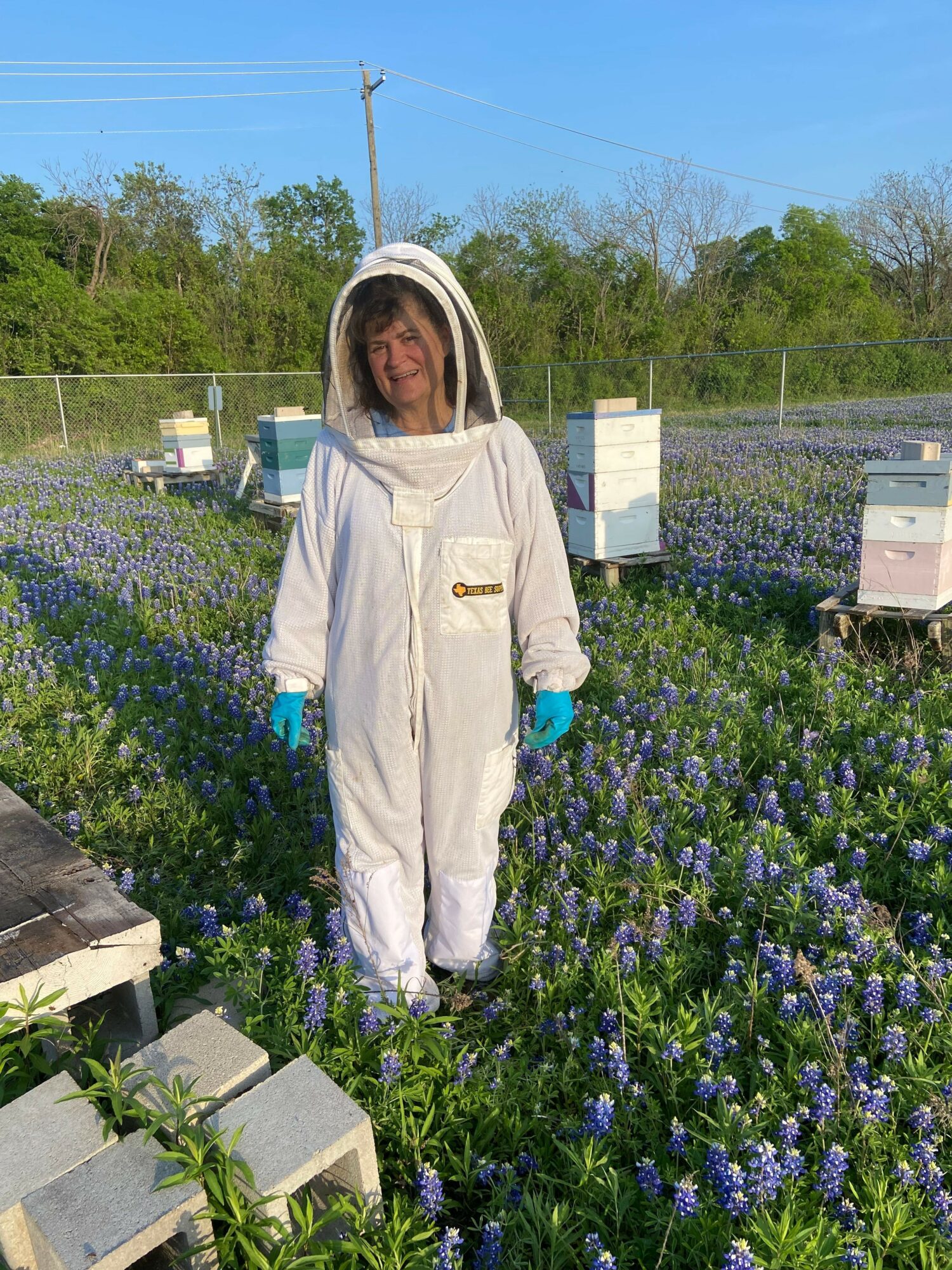
Today we’d like to introduce you to Dodie Stillman.
Hi Dodie, we’d love for you to start by introducing yourself.
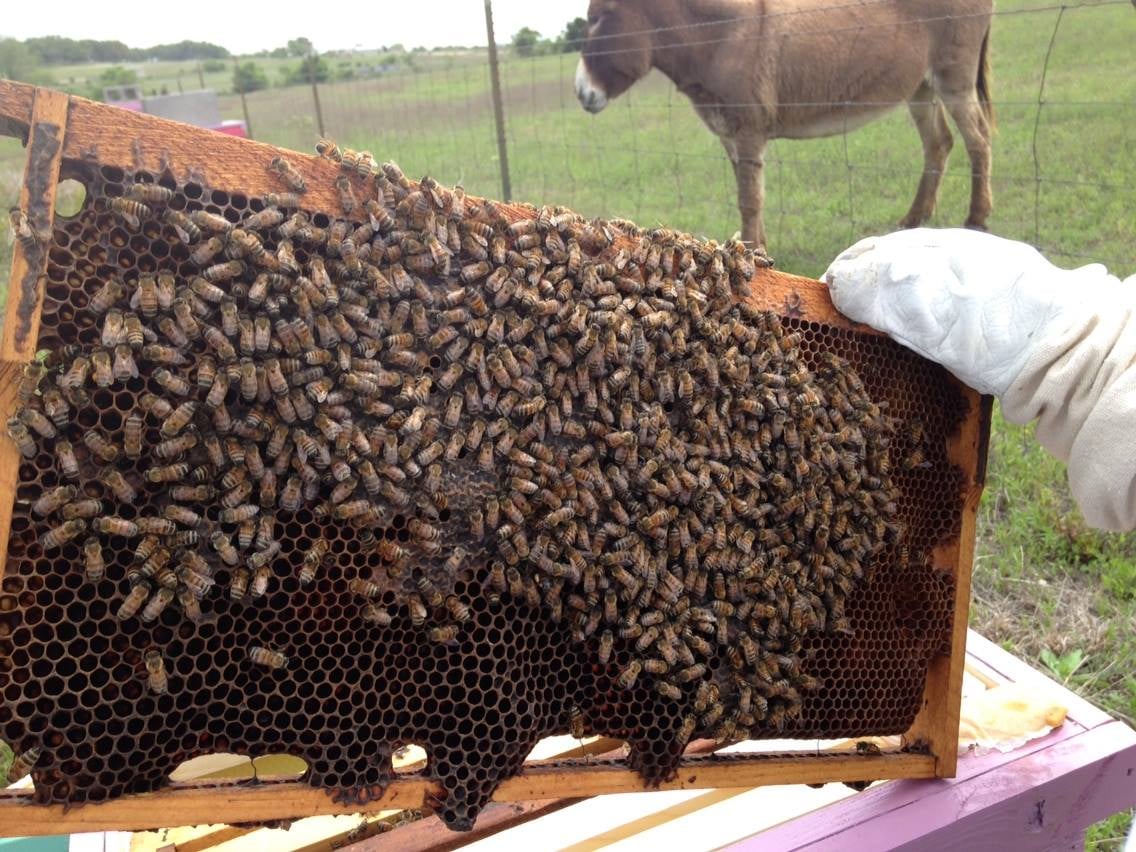
After finding out that both my grandfathers kept honey bees, I knew it would be in my future. In 2011 I started attending the Austin Area Beekeepers Meet-ups and the Williamson County Area Beekeepers Association meetings. After spending a year attending classes and learning about bees I was able to purchase my first 2 colonies.
Still searching for more information I jumped into the inaugural class of the Texas Master Beekeepers Program (https://masterbeekeeper.tamu.edu/)
and became one of the first official Master Beekeepers in the state of Texas. After keeping my Langstroth colonies up and running productively for 5 years, I started my first Top Bar hive. After passing the TMBP Master level test, I spent 8 years working with my bees, helping others with their bees, teaching beekeeping classes at The Honey Bee Farm and at The Bee Supply. I decided in 2025 to complete the TMBP and work on the Master Craftsman level. My project was using a small unmanned arial system (drone) to looking for and map Drone Congregation Areas, these are distinct areas where honey bees meet to mate.
My presentation is here: https://www.youtube.com/live/JGMuUiG1OuA?si=E9syNZe5gxM4gx0c
I am now one of only 5 beekeepers in the state of Texas at this level!
I am the past president of the Austin Area Beekeepers Association, and a former Director and past President of the Texas Beekeepers Association. Currently, I’m the Program Director of the Williamson County Area Beekeepers Association and a member of the Texas Master Beekeeper Program Board.
My volunteer efforts are numerous, from helping at early AABA Seminars to the last couple of years working on the Texas Beekeepers Association (TBA) Conventions and Honey Shows. In 2017, I served as the Honey Show Secretary, a show that saw a dramatic increase in Honey Show events and exhibitors. I have continued working with TBA, contributing on the Legislative Committee where I have advocated for honey bees and beekeepers at the state capitol and the Event and Honey Show Committees.
Alright, so let’s dig a little deeper into the story – has it been an easy path overall and if not, what were the challenges you’ve had to overcome?
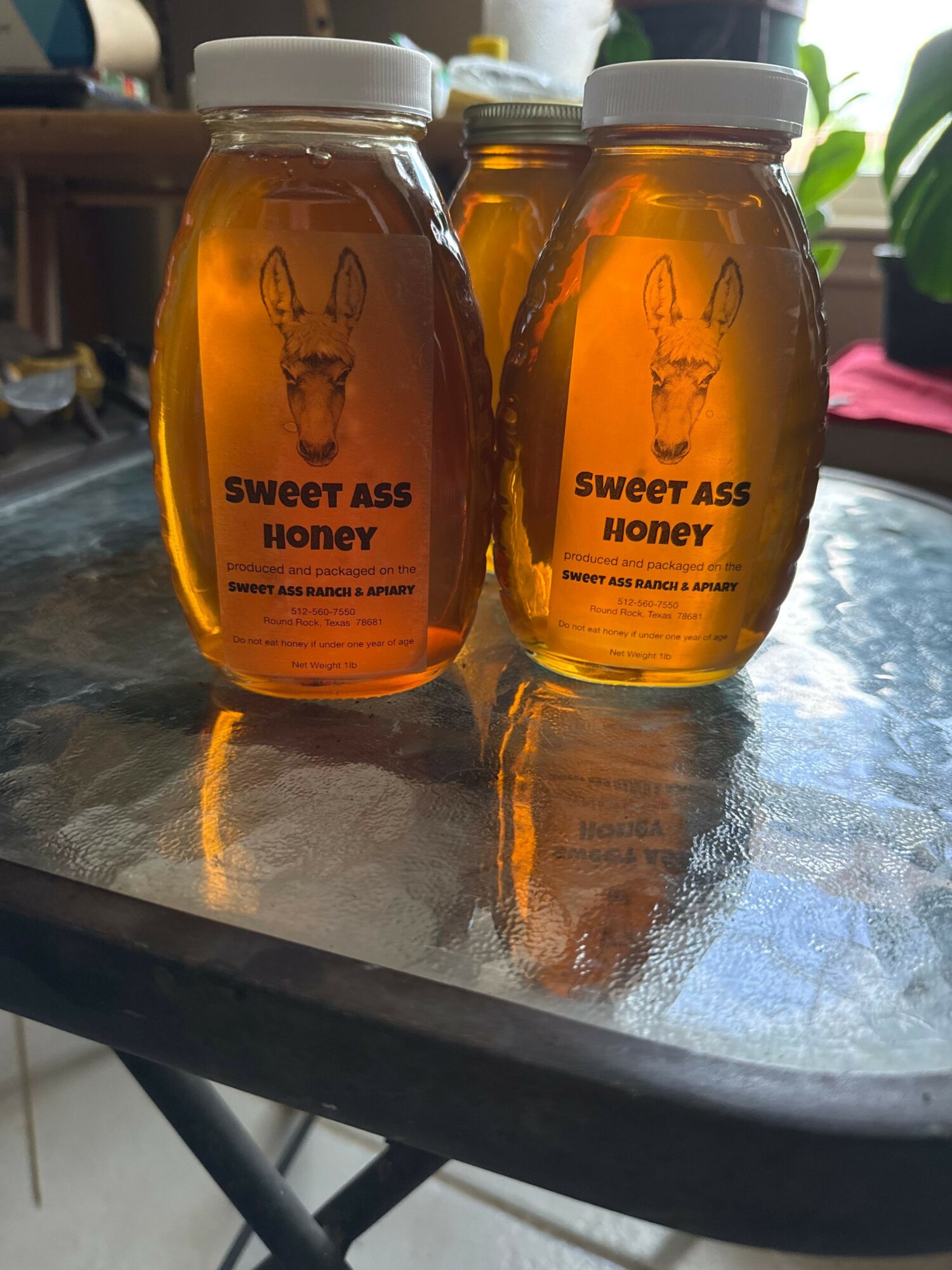
Keeping Honey Bee alive is a hard job. New pests and parasites have entered our environment. We are under constant threat of pesticides and pathogens. Our bees are suffering from poor nutrition in their shrinking landscapes. Additionally, there is the worry of poor quality queens. If you make a honey crop, you face the problem of trying to sell that honey for a fair price when the grocery store shelves are filled with imported and often adulterated honey!
Thanks for sharing that. So, maybe next you can tell us a bit more about your work?
I love honey! Ive started the process of becoming a certified honey sensory analysis.
Becoming a certified honey sensory expert (or honey sommelier) is an in-depth process that elevates honey tasting from a simple treat to a rigorous, artistic, and scientific evaluation of terroir, botanical origin, and quality control.
The certification process is based on the standard Italian method taught in the US by the expert Marina Marchese.
The journey to certification typically follows a three-level pathway, recognized by the Italian National Register of Experts in the Sensory Analysis of Honey, which is the gold standard.
Id like to be able to help set up the same program for the honeys our bees produce here in the United States.