


Today we’d like to introduce you to Sabrina Mooroogen.
Hi Sabrina, so excited to have you with us today. What can you tell us about your story?
I grew up between cultures, with roots in the UK and Mauritian Creole heritage, and I think that shaped the way I move through the world more than anything else. I’ve always been interested in the ways people make meaning, carry history, and search for belonging. Before I fully understood it intellectually, I felt it emotionally through art, storytelling, museums, travel, and education.
Over the years, I’ve lived and taught in places including Egypt, Qatar, Thailand, and the UK, and each experience deepened my understanding of culture, identity, and human connection. Professionally, I spent many years in education and curriculum design, creating programs centered around equity, social justice, empathy, and cultural reflection for students and teachers. I worked across schools, museums, nonprofits, and community organizations, always asking similar questions: How do we help people feel seen? How do we create spaces where difficult conversations can happen honestly and compassionately?
At the same time, art was always quietly running alongside everything I did. Museums became spaces of reflection for me, not just places to “learn about art,” but places where people could slow down, notice themselves differently, and reconnect with parts of themselves that everyday life often pushes aside.
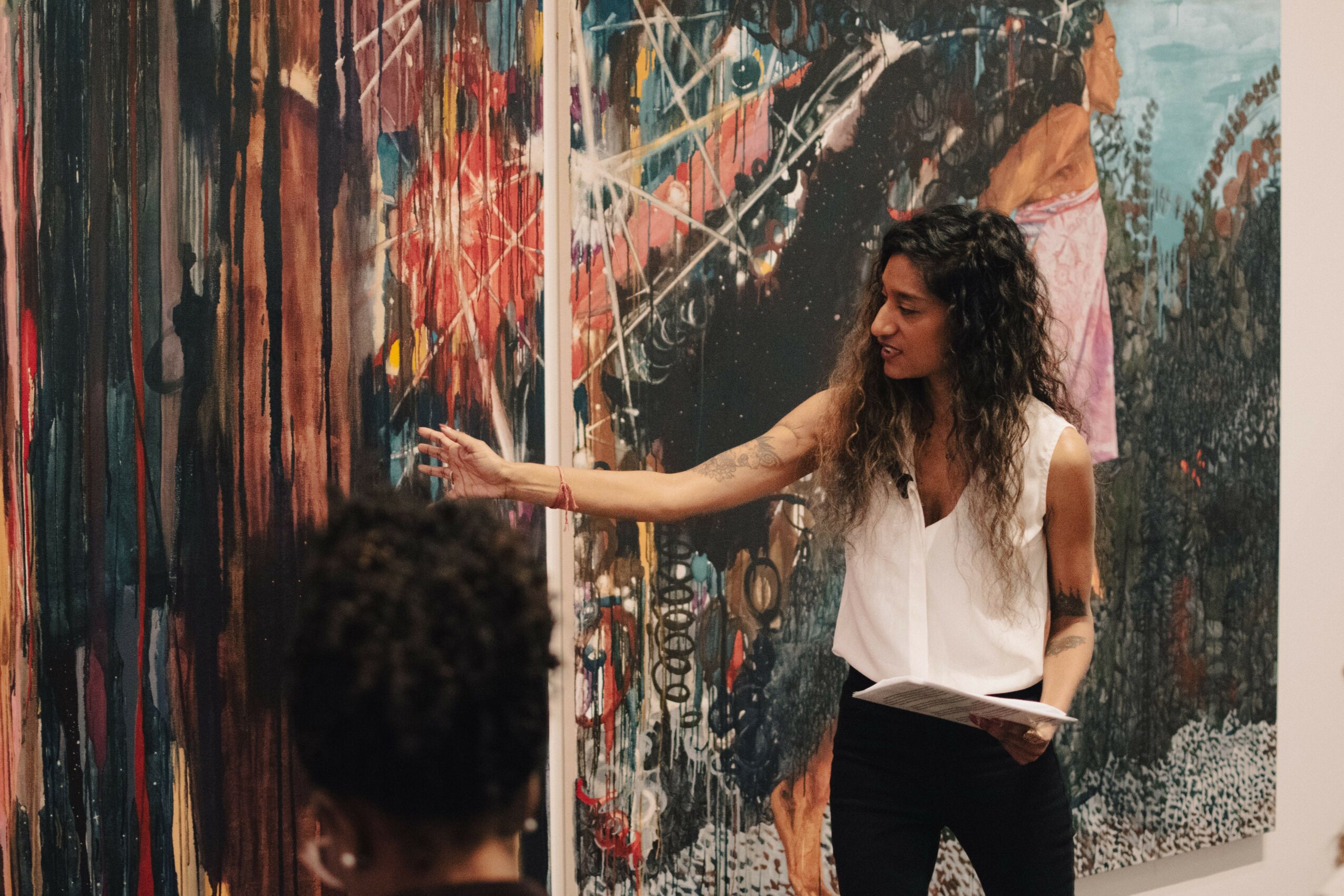
Eventually, those two paths, education and art, naturally merged into what is now EquityThroughArt. I started creating intimate experiences that bring people together through art, conversation, storytelling, and reflection. What interests me most is not performance or expertise, but what becomes possible when people feel safe enough to be real with themselves and each other.
We all face challenges, but looking back would you describe it as a relatively smooth road?
Definitely not. From the outside, a lot of my work can probably look very intentional or seamless, but behind it has been a lot of uncertainty, reinvention, and persistence.
One of the biggest challenges has been trying to build work that sits between worlds. My background spans education, art, community engagement, social justice, and emotional wellness, and those spaces are often treated as separate from one another. For a long time, I struggled with not fitting neatly into a single category or career path. I was doing deeply meaningful work, but sometimes it was hard for people and institutions to fully understand what I was creating because it didn’t follow a traditional model.
Personally, I’ve also experienced periods of isolation, especially as a woman of color navigating spaces where I didn’t always feel a sense of belonging or community. Living internationally gave me an incredible perspective, but constantly moving between cultures also shapes you in complicated ways. You learn adaptability, but you also spend time searching for home, connection, and people who truly see you.
There’s also the emotional reality of doing work centered around vulnerability. Holding space for others requires a lot of reflection and self-care, too. Burnout is real, especially in education and community work, and I’ve had moments where I had to step back and ask myself what sustainability, joy, and alignment actually look like for me.
At the same time, many of those struggles ended up clarifying the work I most wanted to do. They pushed me toward creating experiences that feel more intimate and honest. I think the work became stronger once I stopped trying to fit into existing structures and allowed myself to build something that reflected who I actually am and how I genuinely connect with people.
Thanks – so what else should our readers know about EquityThroughArt?
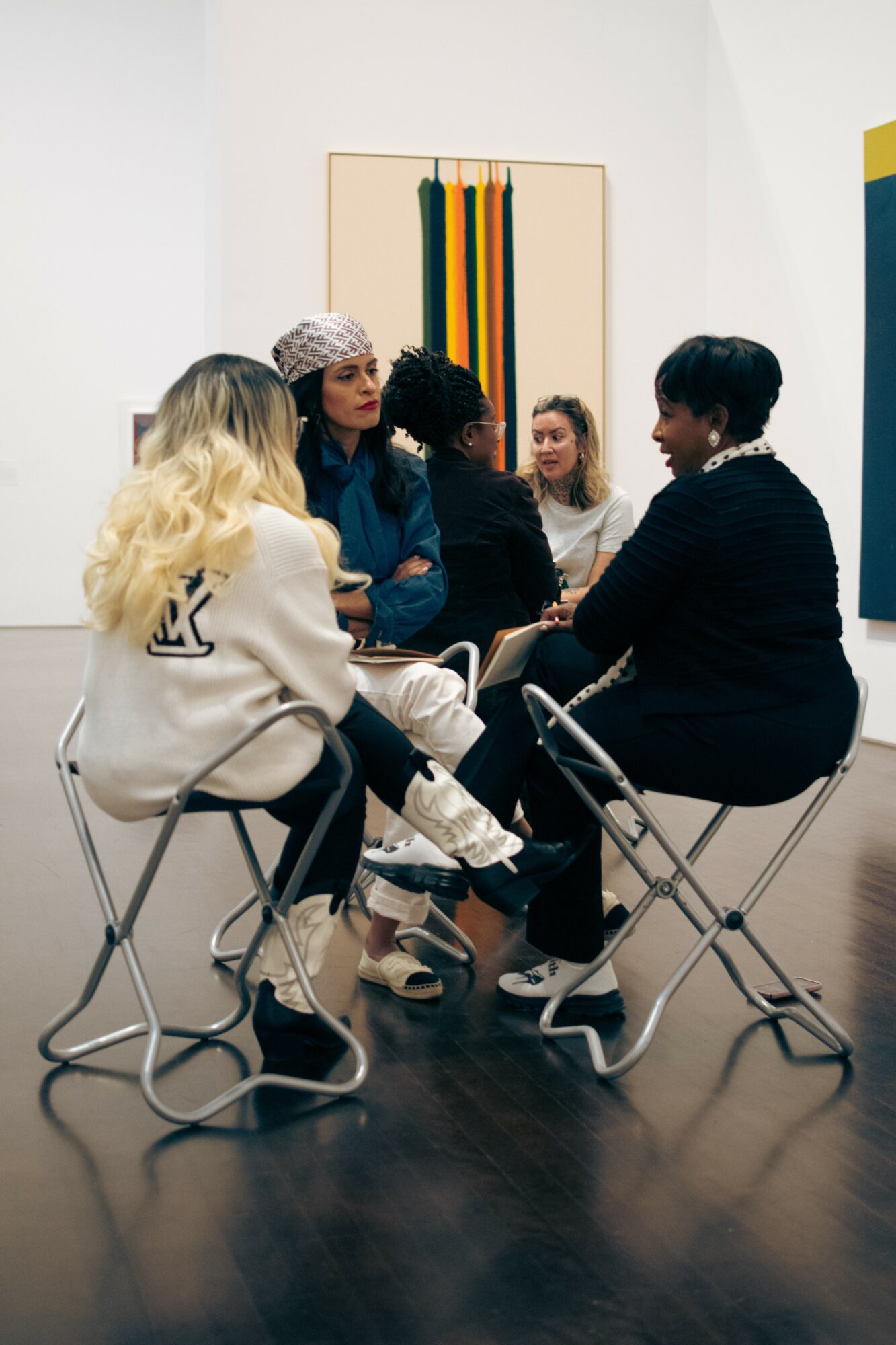
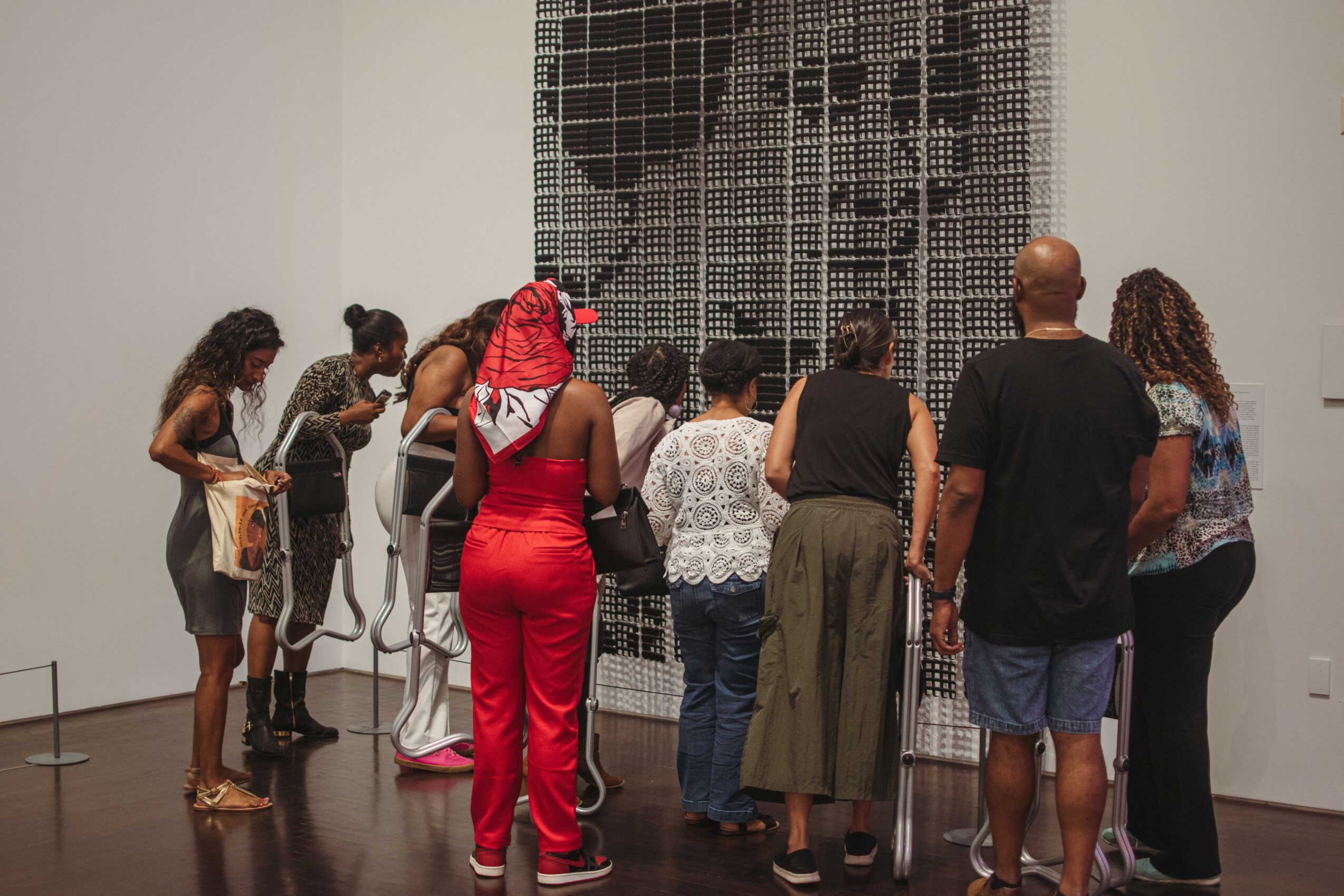
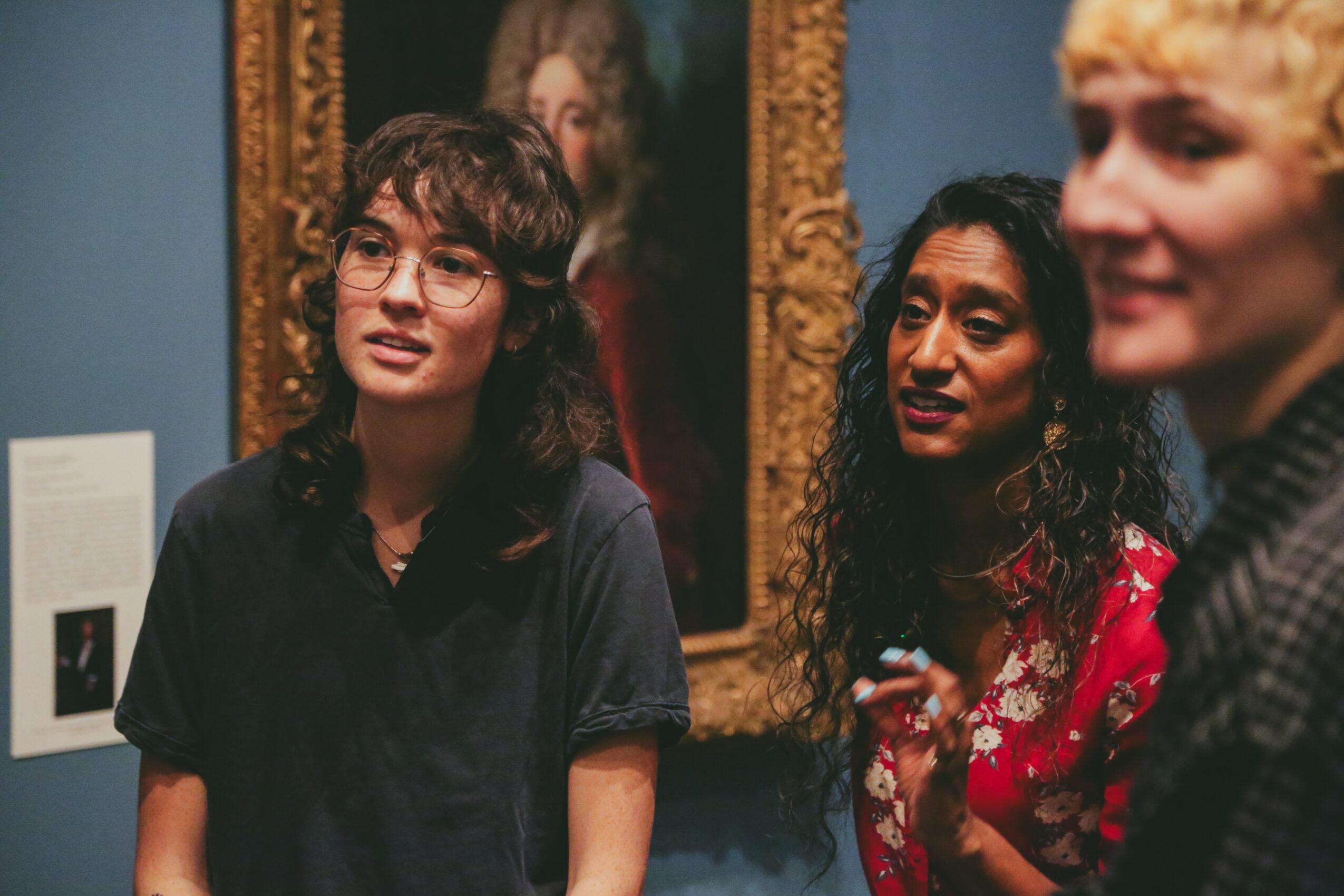
EquityThroughArt began from something I kept noticing in museums. People would walk through galleries quietly, often unsure if they belonged there, unsure if they were “getting it right,” carrying stress, grief, burnout, transition, or questions they had no real space to process. At the same time, I noticed what happened when people were invited to slow down in front of a work of art long enough to really see it and, unexpectedly, see themselves too.
That became the foundation of the work.
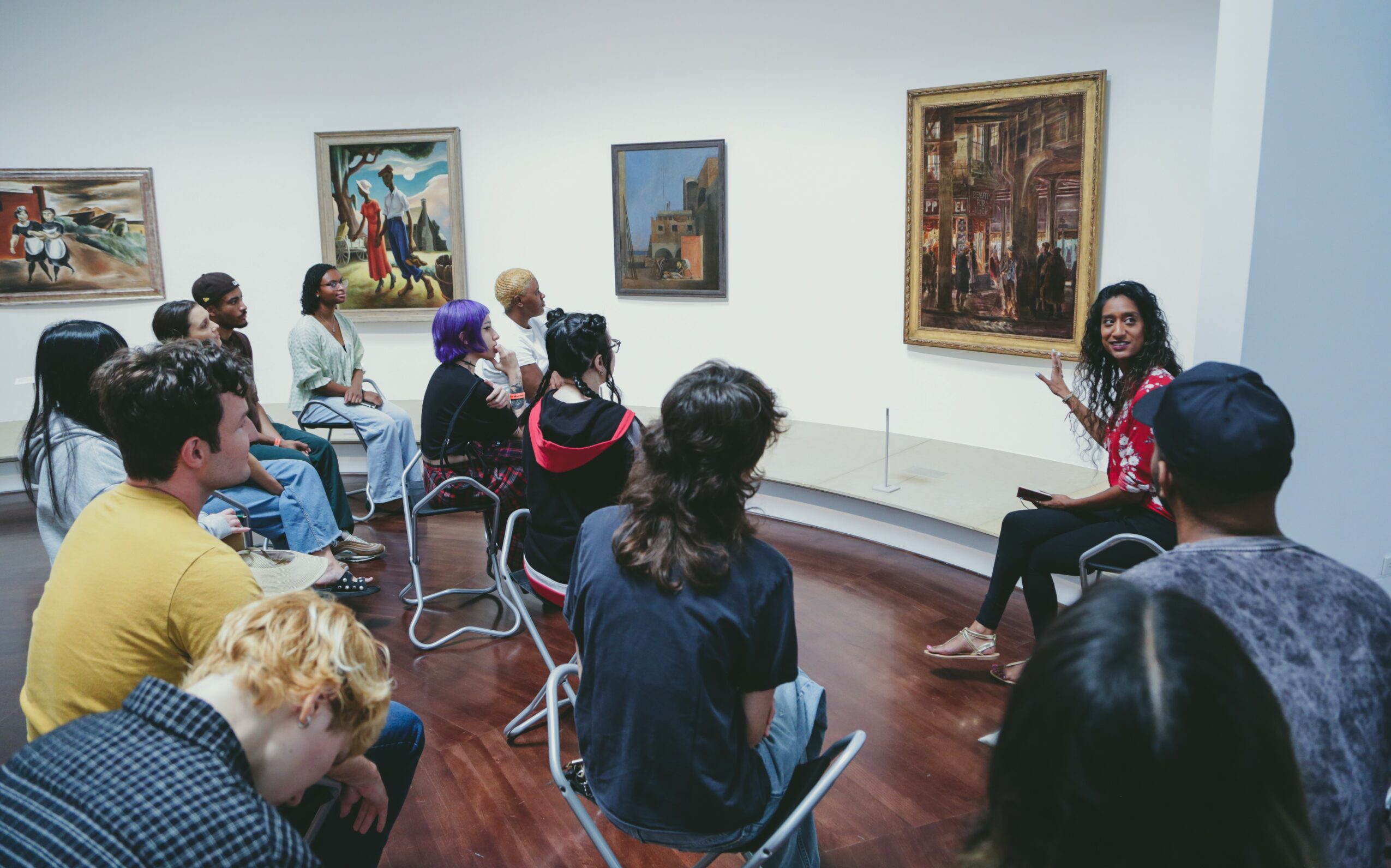
Equity Through Art creates facilitated art experiences for organizations, leadership teams, educators, women’s groups, cultural institutions, and communities looking for more meaningful ways to connect, reflect, and engage in conversation. The work includes museum-based retreats, team experiences, facilitated dialogues, wellness and reflection sessions, creative workshops, and immersive gatherings. Some experiences are designed for workplaces and teams wanting deeper connection and healthier communication. Others are created for individuals navigating personal transitions.
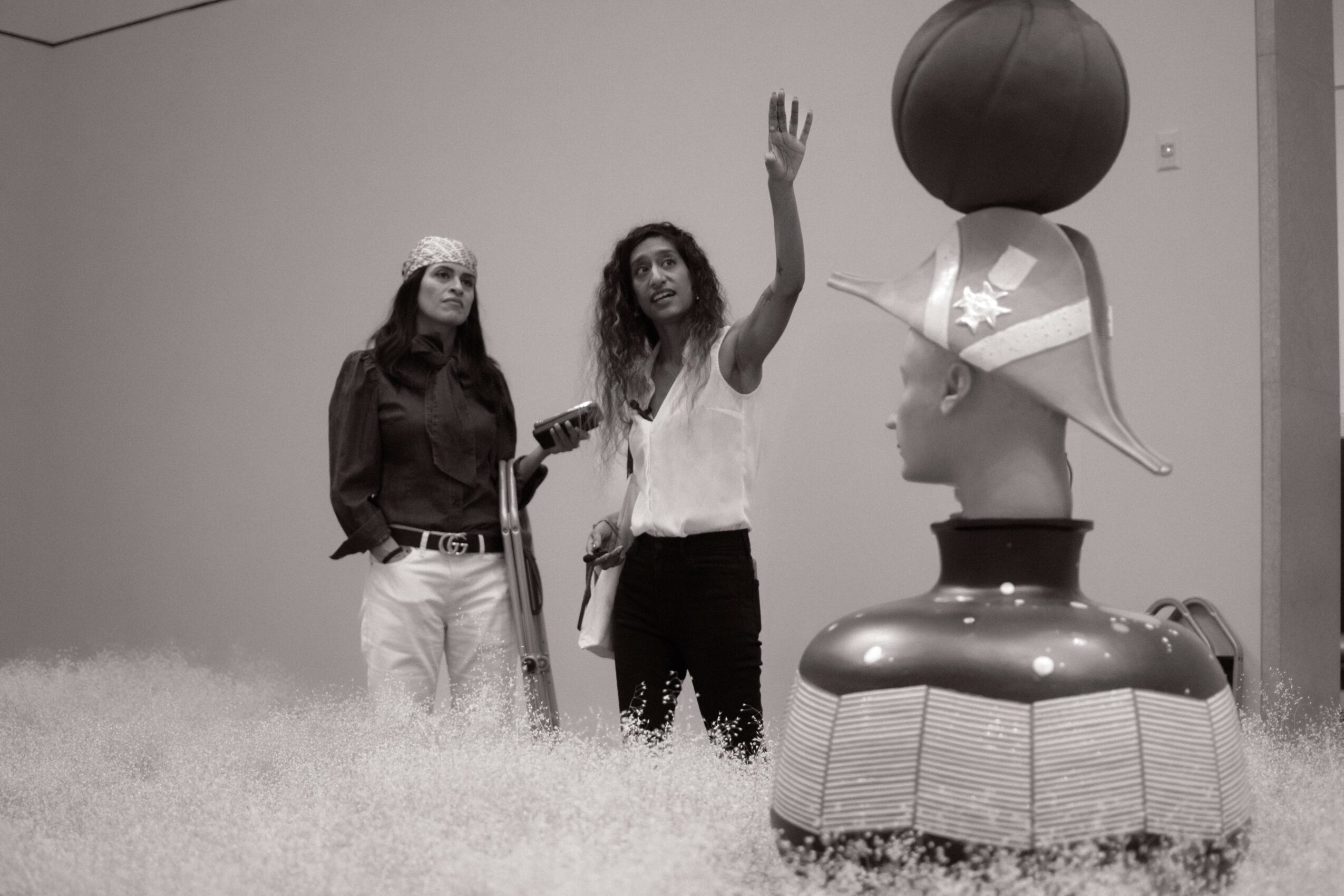
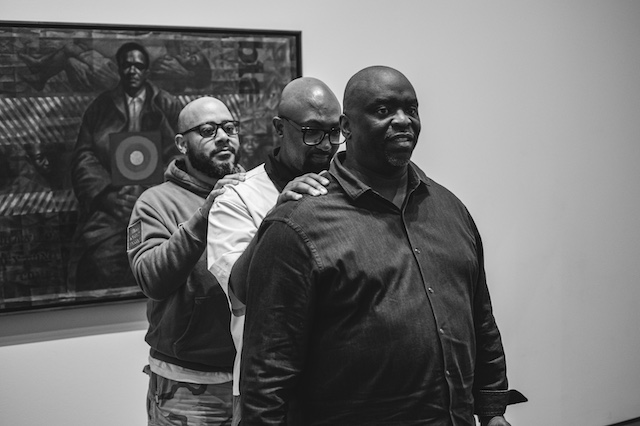
What interests me most is not teaching people how to analyze art in an academic way. It’s watching what happens when someone stands in front of a painting and suddenly begins talking about their childhood, identity, loneliness, relationships, culture, or a major life transition. Art becomes an opening. A mirror. A language for things people often struggle to articulate directly.
The experiences themselves are intentionally intimate. Some take place in museums through slow-looking and guided dialogue. Others include journaling, meditation, storytelling, shared meals, or art-making. The common thread is creating environments where people can step outside the constant pressure of productivity and reconnect with themselves more honestly through the lens of art.
I think what sets the work apart is that it doesn’t treat art as decoration or entertainment. It treats art as a tool. In a time where so many people feel overstimulated, there is something powerful about gathering in front of a work of art and allowing it to open a conversation that might not have happened otherwise.
We’d love to hear about how you think about risk taking?
I think people often imagine risk as something dramatic or impulsive, but for me risk has usually looked quieter than that. It has looked like leaving behind structures that felt stable in order to create work that felt meaningful and honest. It has looked like trusting an idea before there was proof that it would succeed.
A major risk for me was stepping away from more traditional career paths in education and institutions to build EquityThroughArt. There were definitely moments where I questioned whether people would understand it or whether there was even space for this kind of work.
I also think creating intimate experiences in a culture focused on scale and productivity can feel like a risk. A lot of people are taught that success means growing bigger, faster, louder. I became more interested in depth than scale.
Living and working internationally also required a certain relationship with risk. Moving between countries and cultures teaches you how to adapt, but it also asks you to let go of certainty over and over again. You learn how to rebuild community, identity, and a sense of belonging in unfamiliar places.
At this point in my life, I think risk is less about fearlessness and more about alignment. Usually, the biggest risks I’ve taken were the moments where I stopped trying to fit into expectations that no longer felt true for me. Those decisions were uncomfortable at times, but they ultimately brought me closer to the work and life I actually wanted to build.
Pricing:
- $3-4000 for 3 hour team retreats in a museum setting
- $2-3000 for an experience on your site
- $125 per person for private events
- Sliding Scale available for non profits
Contact Info:
- Website: https://www.equitythroughart.com
- Instagram: https://www.instagram.com/equitythroughart/
- LinkedIn: https://www.linkedin.com/in/sabrina-phillips07