




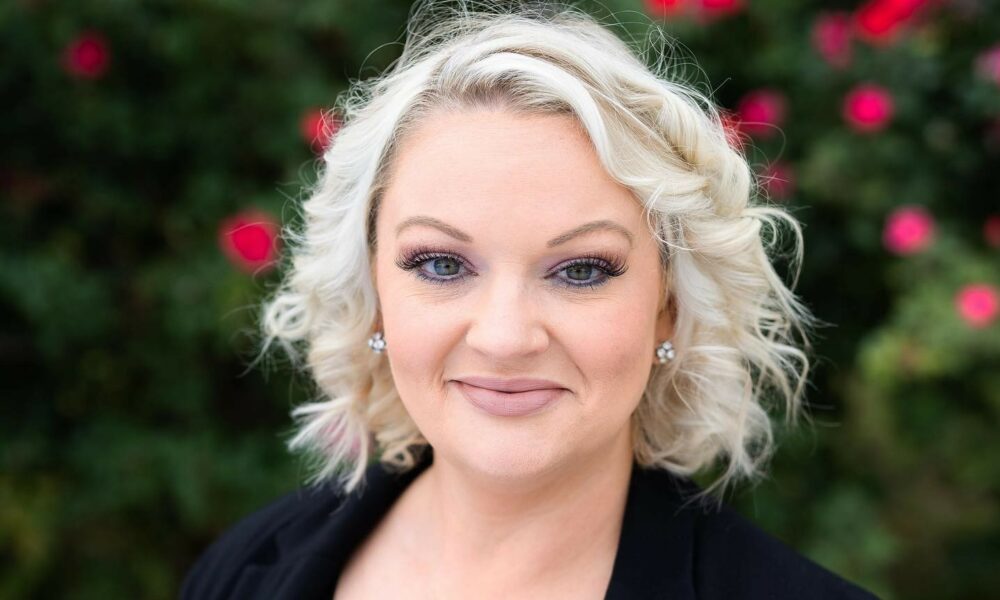
Today we’d like to introduce you to Shelly Joyner.
Hi Shelly, it’s an honor to have you on the platform. Thanks for taking the time to share your story with us – to start maybe you can share some of your backstory with our readers?
I am a born and raised Austinite. I graduated from the University of Texas at Austin in 2007 with a Bachelor’s Degree in Social Work. I entered college not knowing what I wanted to do afterwards and as it has been proven time and time again in my life, I end being exactly where I’m supposed to be. I took a few courses in Social Work and through an internship at the Austin State Hospital, it became clear that helping disadvantaged populations was what lit a fire in me. Little did I know, I belonged to such a group. After I graduated college, I began working for Austin Travis County Integral Care as a caseworker, helping clients suffering from Mental Illness get connected to the resources they needed to live healthy and meaningful lives. Many times Substance Use Disorder accompanied a mental illness diagnosis but because my knowledge was limited to what I learned through books, I had no clue as to which came first or if one caused the other. My work with these clients was deeply gratifying in spite of the fact that there were so few resources available to those who needed the most help just meeting their basic needs such as housing and food. Over the years, I gave birth to three beautiful children; my last two children are but 13 months apart and I was basically pregnant for what felt like two whole years!
Looking back now, I know I suffered from postpartum depression, but at the time, I thought I was just overwhelmed with the task of raising three small children. When I went to the doctor to express my concerns about my anxiety and waning mental health, I was assured it was normal. But to help me get through the baby blues, my doctor prescribed me Xanax and Ambien. One of anxiety and one to help me sleep. They worked great for a few months. Until they didn’t anymore. I kept going back to the doctor and telling him that the medications were no longer helping to reduce my anxiety and in fact, my symptoms had gotten worse. It became clear that my tolerance was going up along with my need for the medications. This was the beginning of a whole new world I had only ever witnessed as an observer: Addiction. The next four years spiraled out of control and my ability to function without an outside substance diminished. I went from a person who was identified as a mother, a social worker, a loving daughter, to a drug addict who went from jails to treatment centers to hospitals-to all types of programs trying to figure out what went wrong and how to get better. Although it took a while to learn the tools needed to stay sober, on September 2, 2015, I got clean and stayed sober.
One of the most valuable tools available to me in the early months of sobriety was being able to live in a sober home. A sober home is usually a single-family home that a group of ladies (or men) live in together and support each other as they all embark on creating new lives. Johann Hari hit the nail on the head in his now famous TED Talk when he states, “The opposite of addiction isn’t sobriety. It’s connection.” Some of the deepest relationships I have in my life today started back in those days. I learned so much and it was invaluable to me as I put my life back together. In 2017, I was approached with the opportunity to open my own sober home with one of the ladies I had lived with. We took a chance at being able to provide other women with an opportunity to start a new life and rebuild what they had previously lost due to addiction. The first Tranquility Home was opened in 2017 for women in South Austin who wanted to stay sober. I eventually started my own consulting company, Sober Solutions, LLC, which has since expanded in the sober living community to include five homes in Austin and one which is about to open in San Antonio. I was also given the opportunity to help with the establishment and opening of a medical detox unit in Kyle at Kyle ER & Hospital. Here we provide voluntary, inpatient, medical detox for those who are wanting to detox off of alcohol, opiates, or benzodiazepines (such as Xanax), all of which can be very dangerous to stop without medical assistance.
The stigma and embarrassment that people feel when they realize they have a problem is something I work every day to remove in my personal and professional life.
Whether my role is to just hold space for someone who is hurting or to allow a woman who has nothing left but the desire to stay sober and heal, move into one of my sober homes, I could not have even dreamt of a life more fulfilling or meaningful.
Alright, so let’s dig a little deeper into the story – has it been an easy path overall and if not, what were the challenges you’ve had to overcome?
The road I traveled was anything but smooth. I fought with every fiber in my being to get to where I am today. When I got sober, I started over from ground zero, from scratch. My first job in recovery was waiting tables overnight at Denny’s. It was in no way the job I wanted, but it was the job that taught me how to show up for every shift, how to be on time, how to weave integrity into all areas of my life. How to be trusted with the small things so that I could eventually be entrusted with the bigger things. My life has unfolded over the last six years, but it has unfolded at the speed at which I master just the next right thing in front of me.
Thanks for sharing that. So, maybe next you can tell us a bit more about your work?
I am probably known in the community as the lady who will give anyone a shot. In the sober home community, there are often times qualifications that one must meet in order to be able to move in. They likely have to have 30 days sober, x amount of dollars, not be on any medications, etc. But not in my houses. We accept pretty much anyone who needs a second chance. I take ladies who have one day sober, I take ladies who sometimes do not have any money, I take ladies on Suboxone (a medication used to help with cravings for opiates), I take ladies who maybe didn’t thrive in another house because of the structure. If someone has a girl that maybe doesn’t fit the criteria for the other houses, they can usually call me and I’ll find a way to do what I can! I believe in the strength and ability each woman has inside themselves; my job is to create an environment where their inherent qualities can be nurtured and flourish.
Have you learned any interesting or important lessons due to the Covid-19 Crisis?
The most important thing I have learned from the COVID-19 Crisis is that humans need human interaction. I watched people with multiple years of sobriety relapse and start drinking again due to the isolation and loneliness the pandemic created. We had to balance the risk of covid infection with the risk of people relapsing or not being able to access the support a sober home offers. Our doors stayed open the entire time because addiction and alcoholism has a 100% fatality rate at some point, far outweighing the rates of COVID-19.
Contact Info:
- Email: Shelly.SoberSolutions@gmail.com
- Website: www.SoberSolutionsLLC.org
- Other: www.kyleer.com/recovery
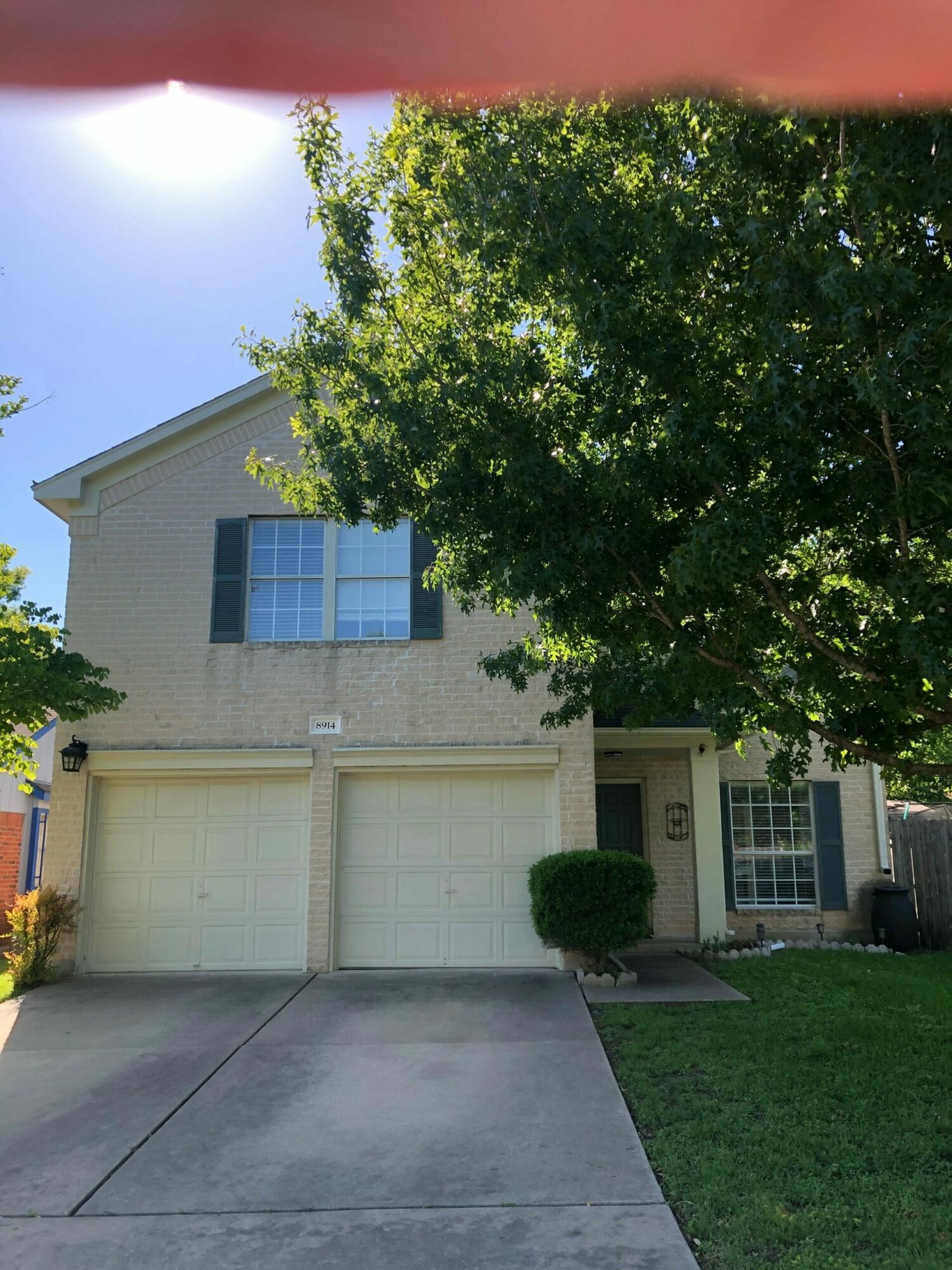
Image Credits:
Bonnie Burke






Patrick Hensley
December 8, 2021 at 2:18 pm
Shelly is a saint! The entire Austin community is a much better place because of people like Shelly.
What an inspiration!