



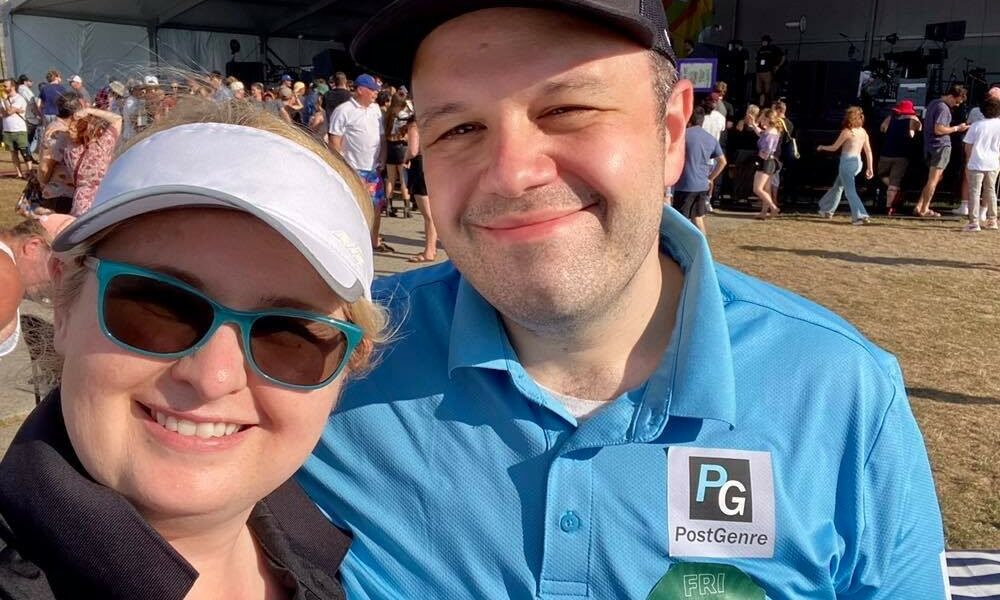
Today we’d like to introduce you to Rob Shepherd.
Hi Rob, we’re thrilled to have a chance to learn your story today. So, before we get into specifics, let’s briefly walk us through how you got to where you are today.
I was attracted to improvised music at a young age. At a time when jazz radio stations were increasingly dwindling in number, I was very fortunate to grow up in a relatively small community in central Massachusetts serviced by not one but two heavyweight jazz stations (WICN and WGBH). My parents also played me a wide range of music. I was always especially drawn to one of my father’s albums, ‘Kind of Blue’ by Miles Davis. As a small kid, I would play various “instruments” around the house- banging on pots and pans, blowing in soda bottles, and the like. But I was particularly enamored with the saxophone. By the fifth grade, my parents got me started on the alto saxophone. Jump forward to my teenage years, and I played in almost every ensemble my high school offered, played twenty-six different instruments, and even taught saxophone lessons. While in college, I continued to perform on my saxophone – primarily in UMASS Amherst’s renowned Marching Band, its hoop band, and its concert band – and also attended as many jazz concerts as I could during those years.
But I’ve also always been interested in the nuances of language. This fascination made me focus on becoming an attorney instead of a professional musician. I did well in college and went off to law school. While earning my Juris Doctor, I was particularly excited by estate planning and tax law. I added an MBA to my JD studies, and after I graduated, I went to work for a large accounting firm in Stamford, CT and became a CPA. Even as my job primarily focused on tax, I still maintained my interest in jazz, often traveling to New Haven or New York City to attend performances.
I moved to Austin in Fall 2013 to be near my then-girlfriend, now my wife. While Austin prides itself as the “Live Music Capital,” its jazz offerings are significantly reduced compared to the music mecca of New York. But there are many great organizations and venues here, and I continued to try to remain involved. In 2019, an opportunity arose to write for a now-defunct site, NextBop. I was excited by the idea of writing about the music I love and began writing album reviews for the site. In early 2020, NextBop shut down, but I wanted to continue to write.
So, I assembled a team with a few other writers and began my site, PostGenre (postgenre.org). PostGenre started with a focus on album reviews. Those reviews, along with an occasional concert or film review, are still an essential part of the site. But around the time I began PostGenre, I also started interviewing artists for the Jazz Gallery in New York City and adding interviews to PostGenre as well. Over the years, PostGenre has evolved to encompass more than solely album reviews. It now includes an extensive history of the Newport Jazz Festival, an event close to my heart. It also features several interviews with artists ranging from prominent music heroes – including Sonny Rollins, Ron Carter, and Wadada Leo Smith – to emerging talent from around the globe. I’ve also become one of the Jazz Journalist Association’s ties to the Austin community and have recently begun writing album liner notes.
Would it have been a smooth road, and if not, what are some of the biggest challenges you’ve faced along the way?
As my writing about music is a passion project, it often takes a backseat to other things in my life. Maintaining the site and writing about music can be very time-consuming. It is tough going during the tax season. But ultimately, I set some time aside to keep things moving, whether that means late nights or using up any free time on the weekends. I’ve also had issues finding writers who wish to contribute to our site – it is a niche area – though I am very fortunate (and grateful) for the team we have been able to assemble.
Can you tell our readers more about what you do and what you think sets you apart from others?
Though I write about improvised music for a few publications, most of my efforts go towards PostGenre. Conceptually, PostGenre attempts to place the quality of music above preset categorical definitions. Much of the history of improvised music has consisted of arguments between purists and revolutionaries over whether something meets some malleable definition of the label “jazz.” Those arguments miss the point. One should care less about categorical box-checking and more about trying to appreciate the best art, regardless of what one calls it. Most “jazz” musicians avoid labeling their art; masters like Miles Davis and Duke Ellington certainly did. There is also a questionable history of labeling this music. Far too often, white music industry executives would label music by predominantly Black artists as “jazz,” regardless of its sound. But the reality is that the term “jazz” can represent such a wide range of music that the word is not as nearly the significant marker most find it to be.
I am particularly proud of the artist interviews I have done. I have spoken with artists I never thought I would find myself talking to. I’ve learned things from them in our short 20 min to 1-hour calls that I never could from just reading about them in a book. My openness towards their creative mindset and processes instead of trying to shove complex works into flimsy categorical boxes has allowed many artists to open up to me in ways they may not work with other interviewers. The result has been memorable interviews cited in publications as significant as the New York Times. Some have even been used in college courses.
Alright, so before we go, can you talk to us about how people can work, collaborate, or support you?
I’m always looking for people who love this music and have ideas on how to further the site, whether a writer looking to contribute their works, someone with an idea of how to branch the site out further, or something else entirely. I can be reached at info@postgenre.org.
For anyone who wishes to support our site’s efforts to expand but is not creatively minded, we also have a Patreon. It helps finance the maintenance and growth of our site: https://www.patreon.com/
Contact Info:
- Website: Https://www.Postgenre.org
- Instagram: https://www.instagram.com/postgenremedia/
- Facebook: https://www.facebook.com/postgenre
- Linkedin: https://www.linkedin.com/company/postgenre/
- Twitter: https://twitter.com/postgenremedia
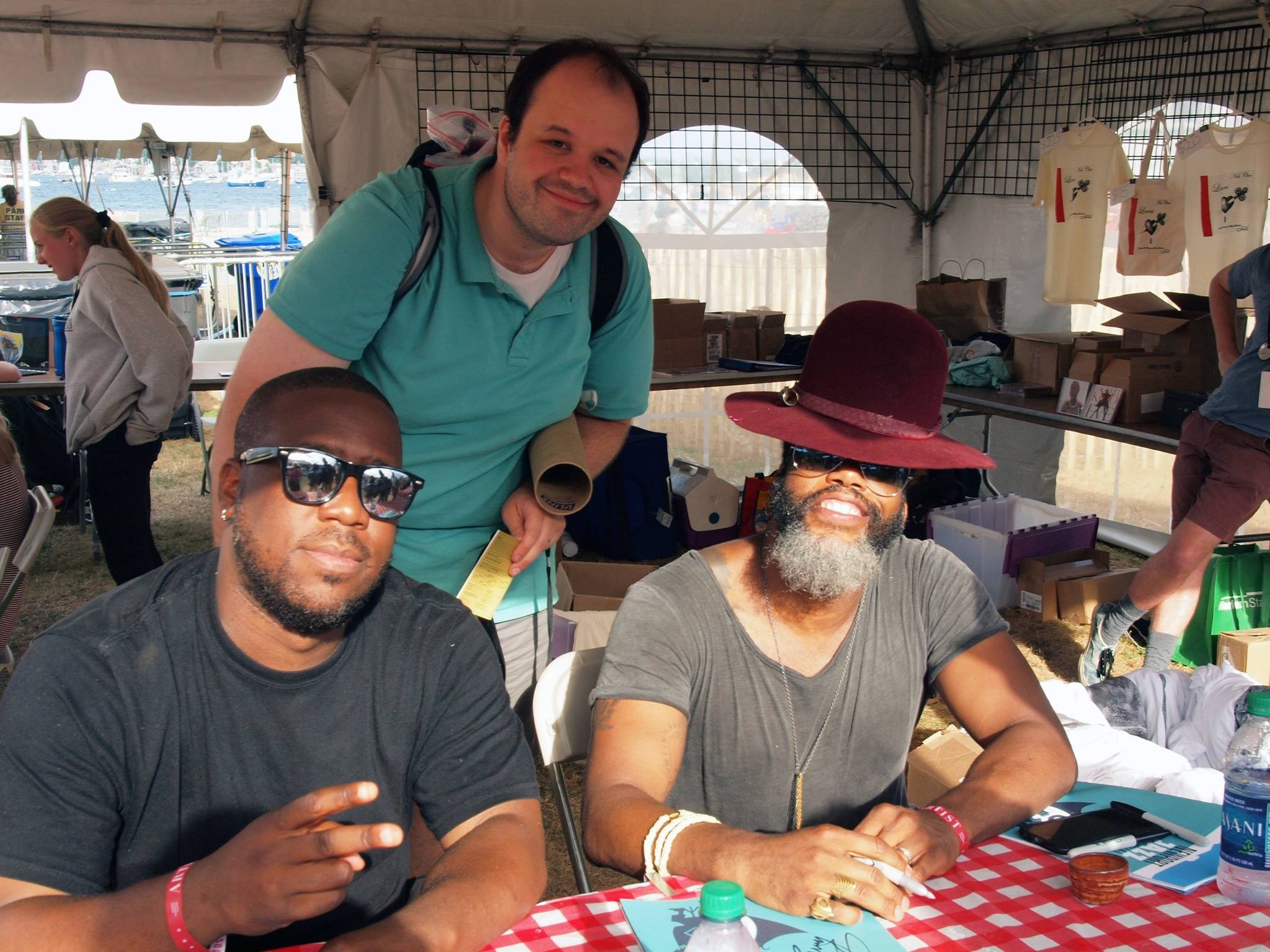

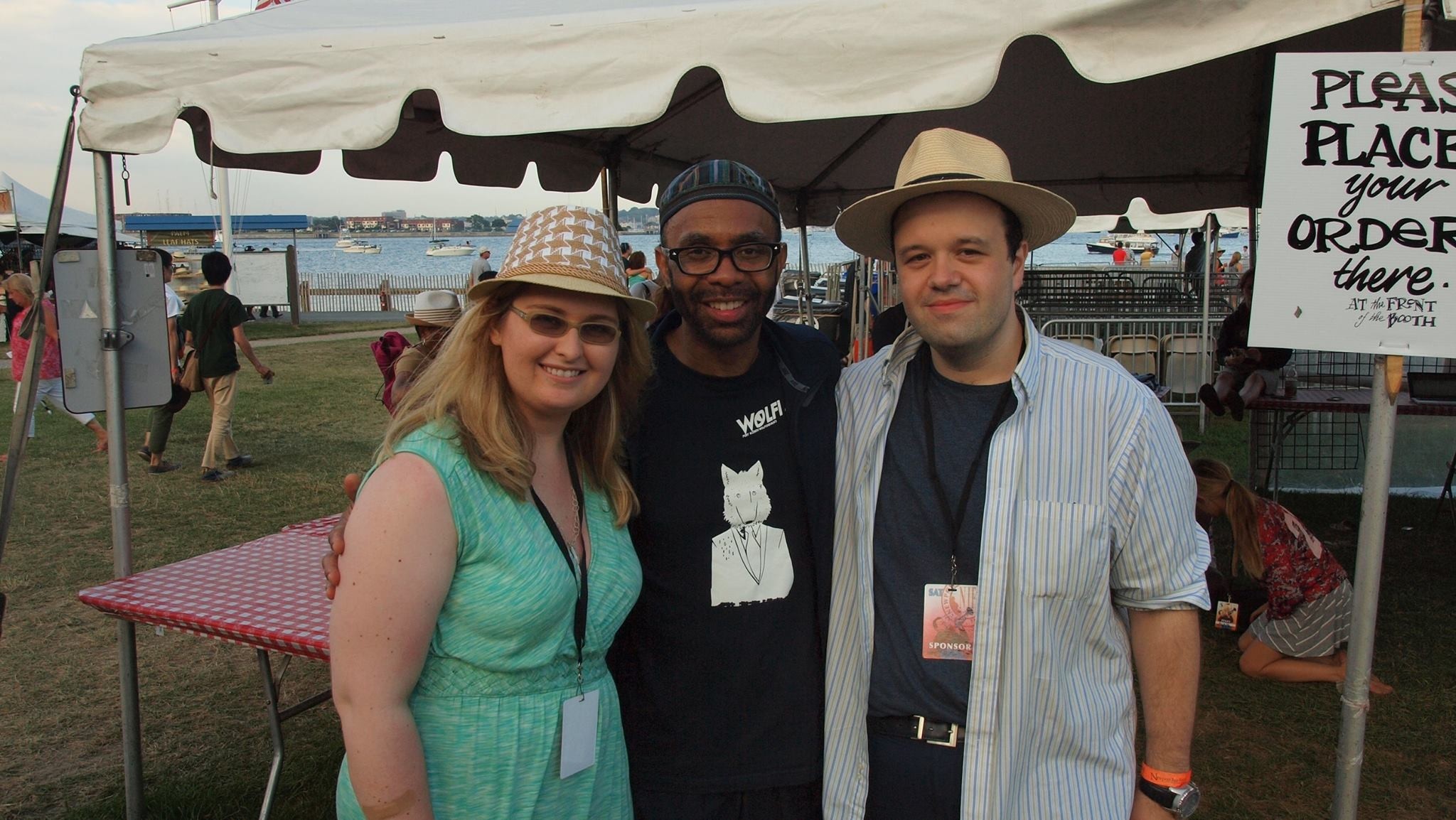
Image Credits
T Jordan Hill