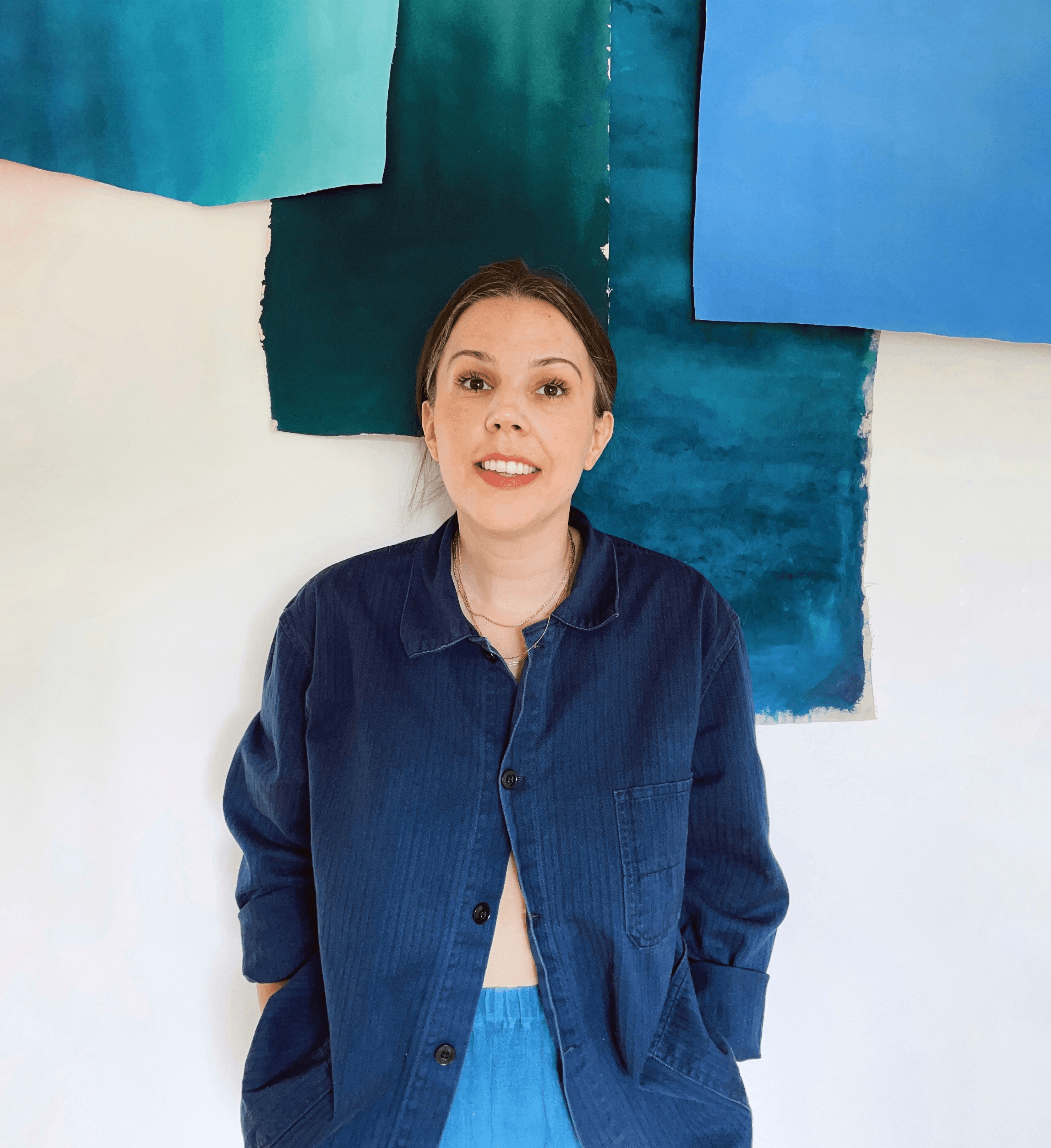



Today we’d like to introduce you to Sarah Zelinsky.
Hi Sarah, please kick things off for us with an introduction to yourself and your story.
If we want to go way back, it mostly goes to carrying around a journal when I was little and drawing characters from cartoons or animated films. I’m not sure why I took to this, but I do have this memory. Later in life I studied art therapy and had a process painting class that really spoke to me. This informed my process to this day. I had a 5-year period in my life when I did little to no art. I was a full-time teacher and felt very burnt out. I decided to take the jump, leave my job, get a part-time job, and go back to making art. I made it my mission to never go a day without art after that. I hope I never will!
I’m sure it wasn’t obstacle-free, but would you say the journey has been fairly smooth so far?
It’s never smooth, it’s always changing, and I’m always learning from the process. I know now that it shouldn’t be easy, and I don’t want it to be. I want to ask questions, learn from others, and learn from taking on new projects I have no idea how to do. I like to be curious about new strategies and techniques I haven’t tried. I’m intrigued by getting questions that I don’t know the answer to yet.
Thanks – so, what else should our readers know about your work and what you’re currently focused on?
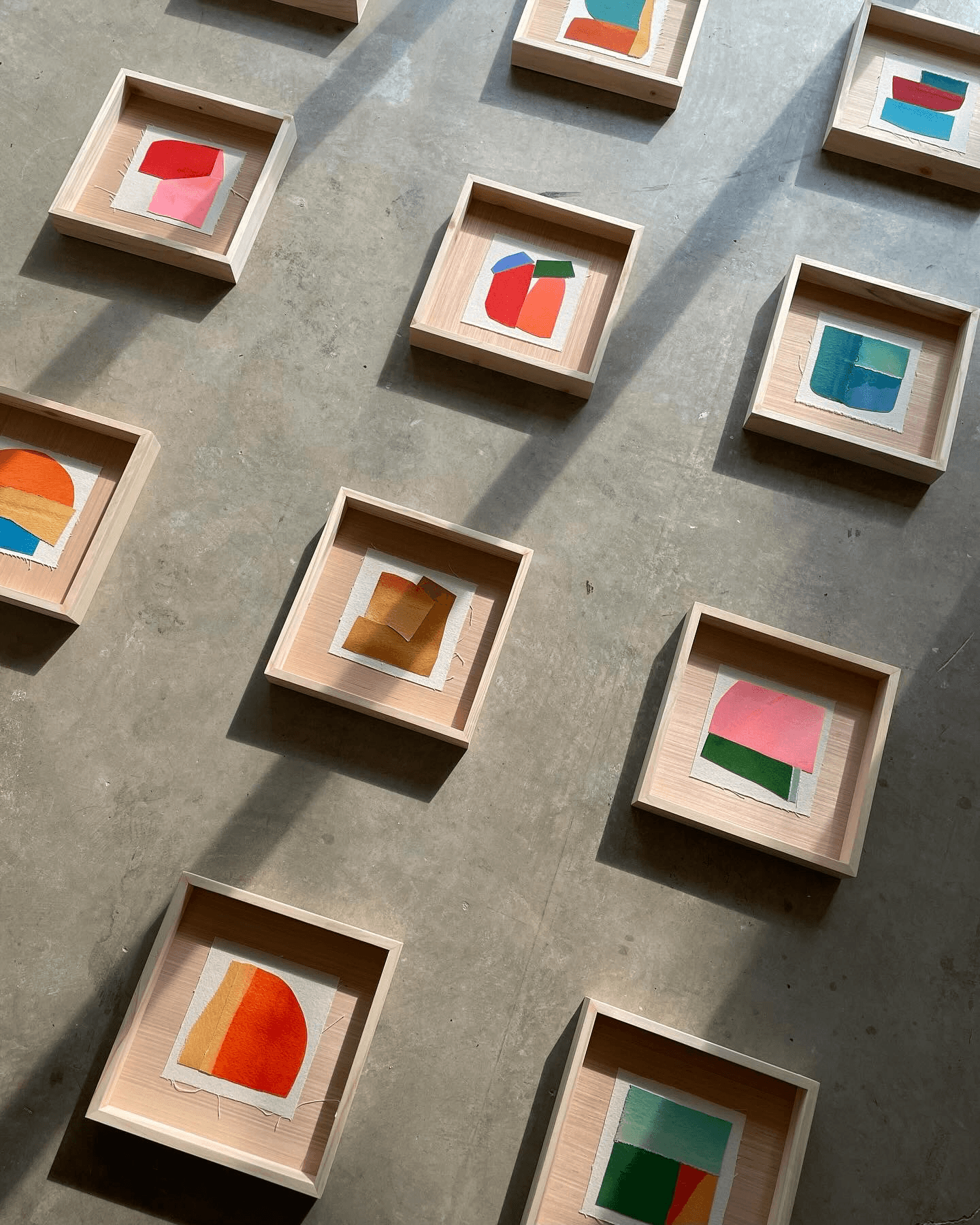
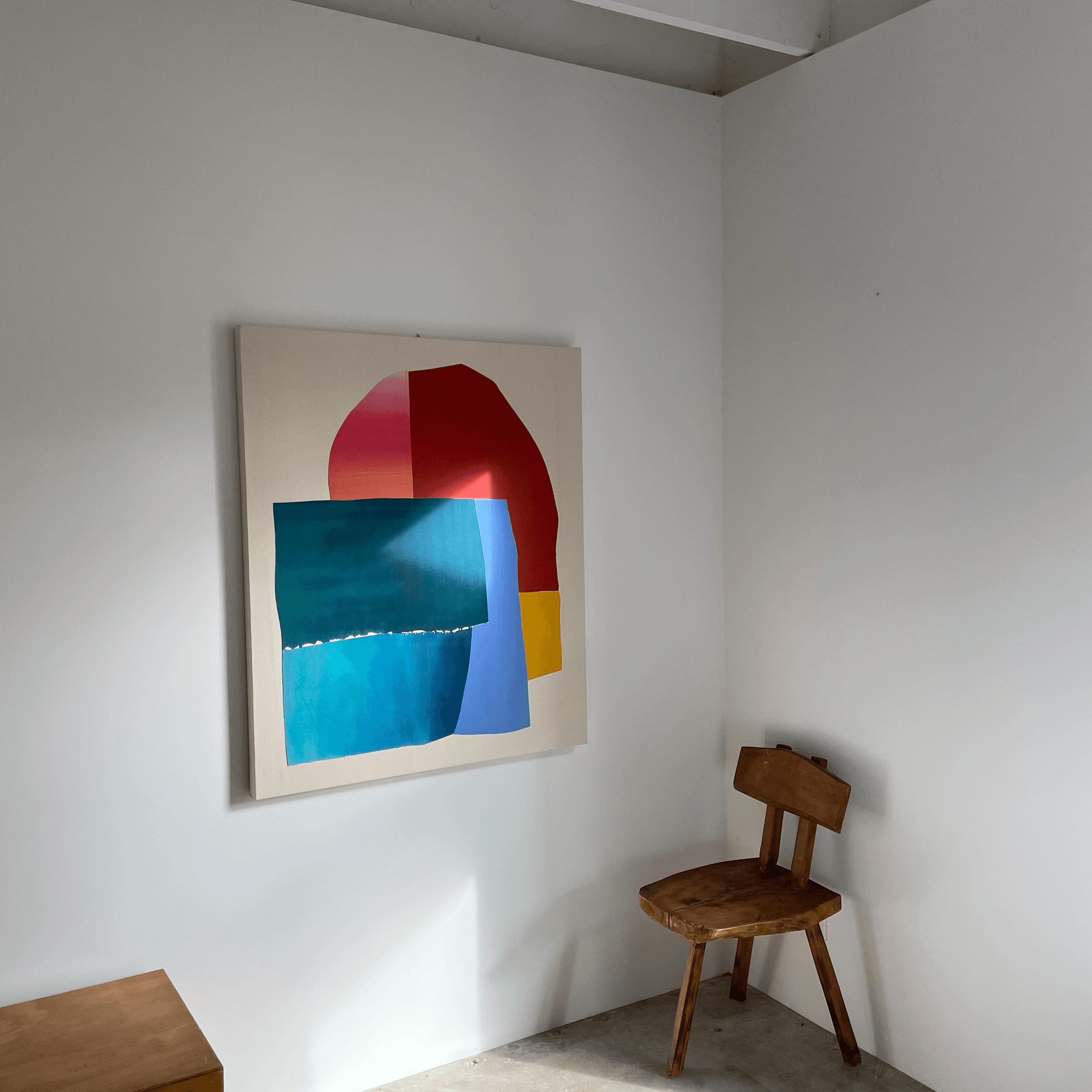
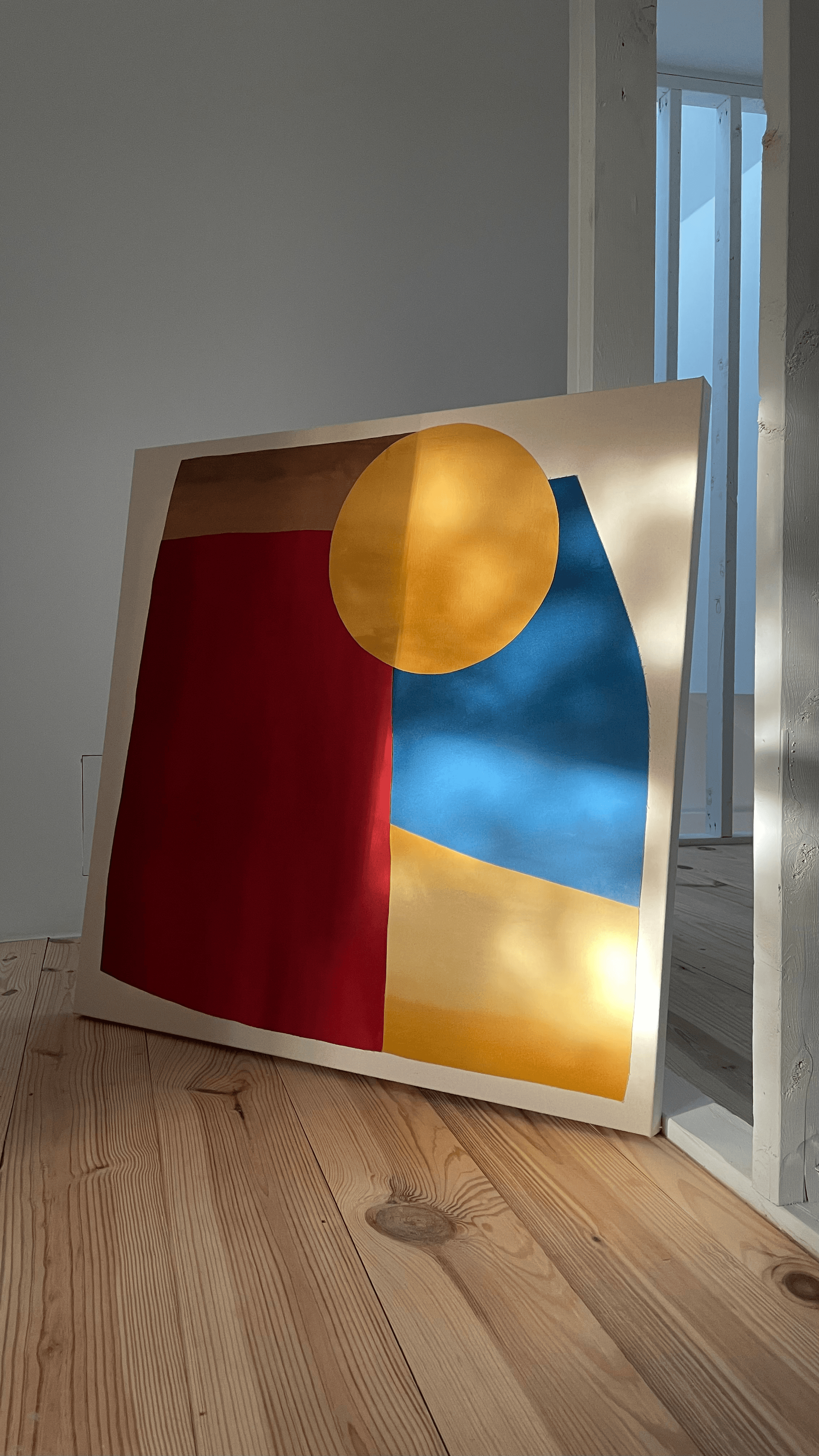
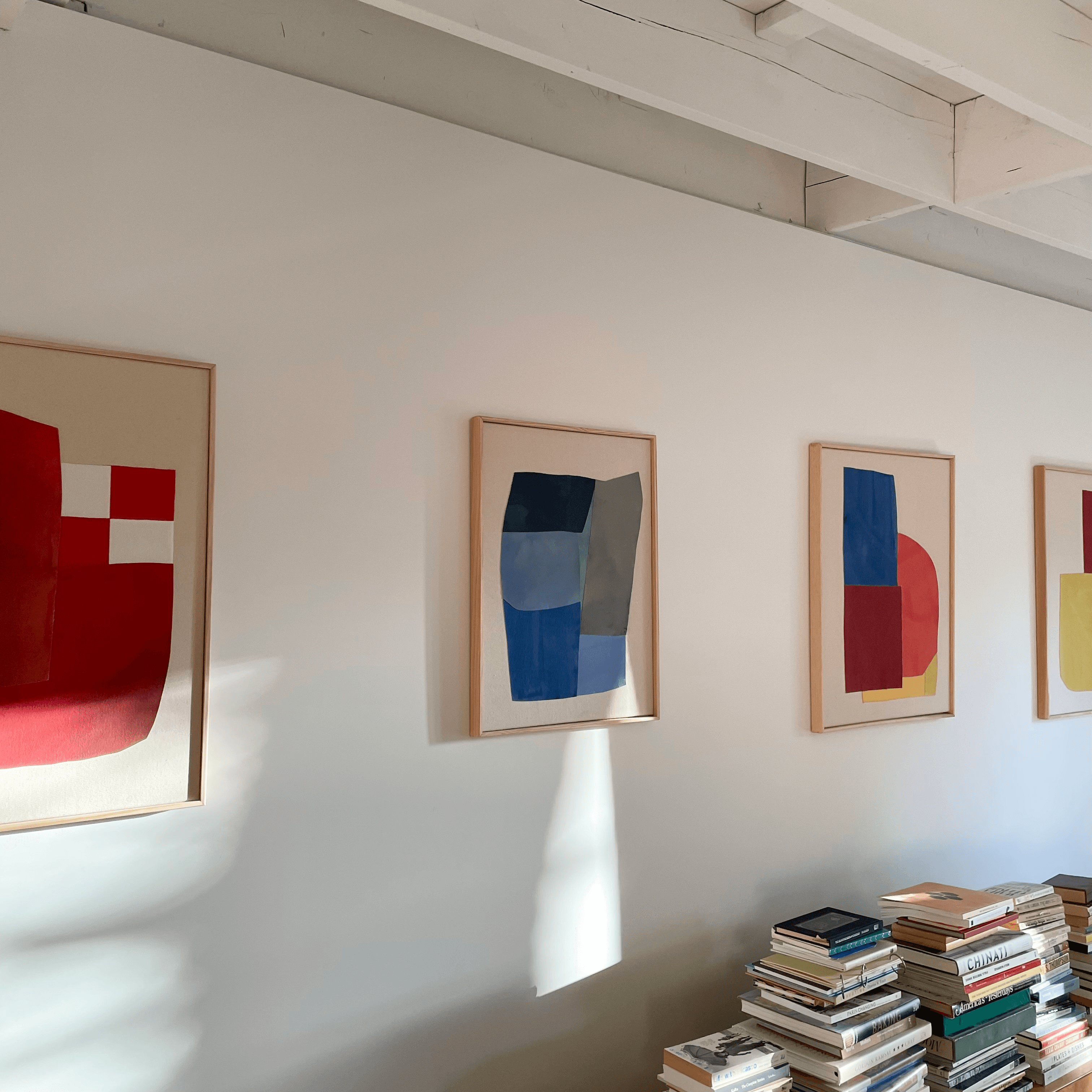
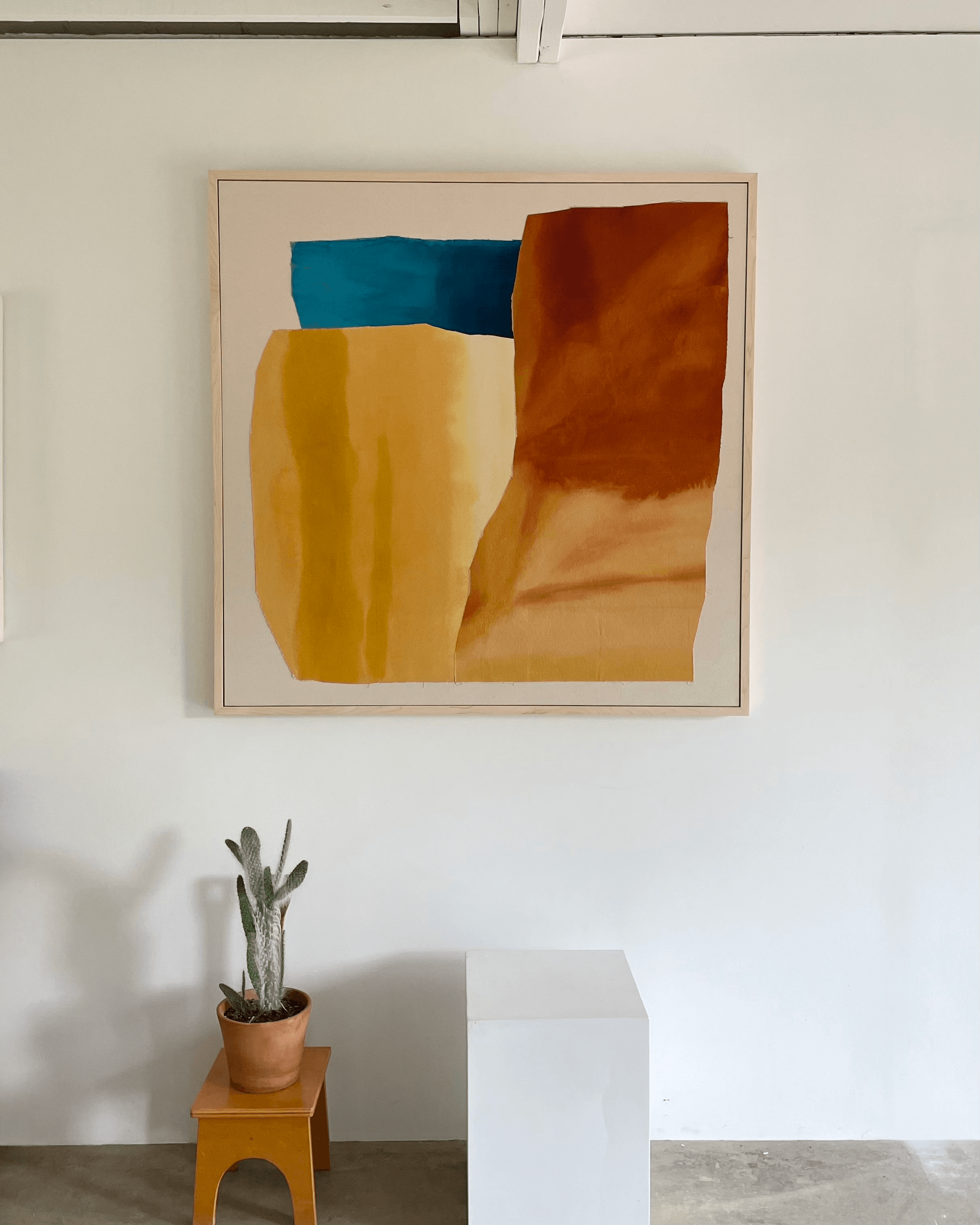
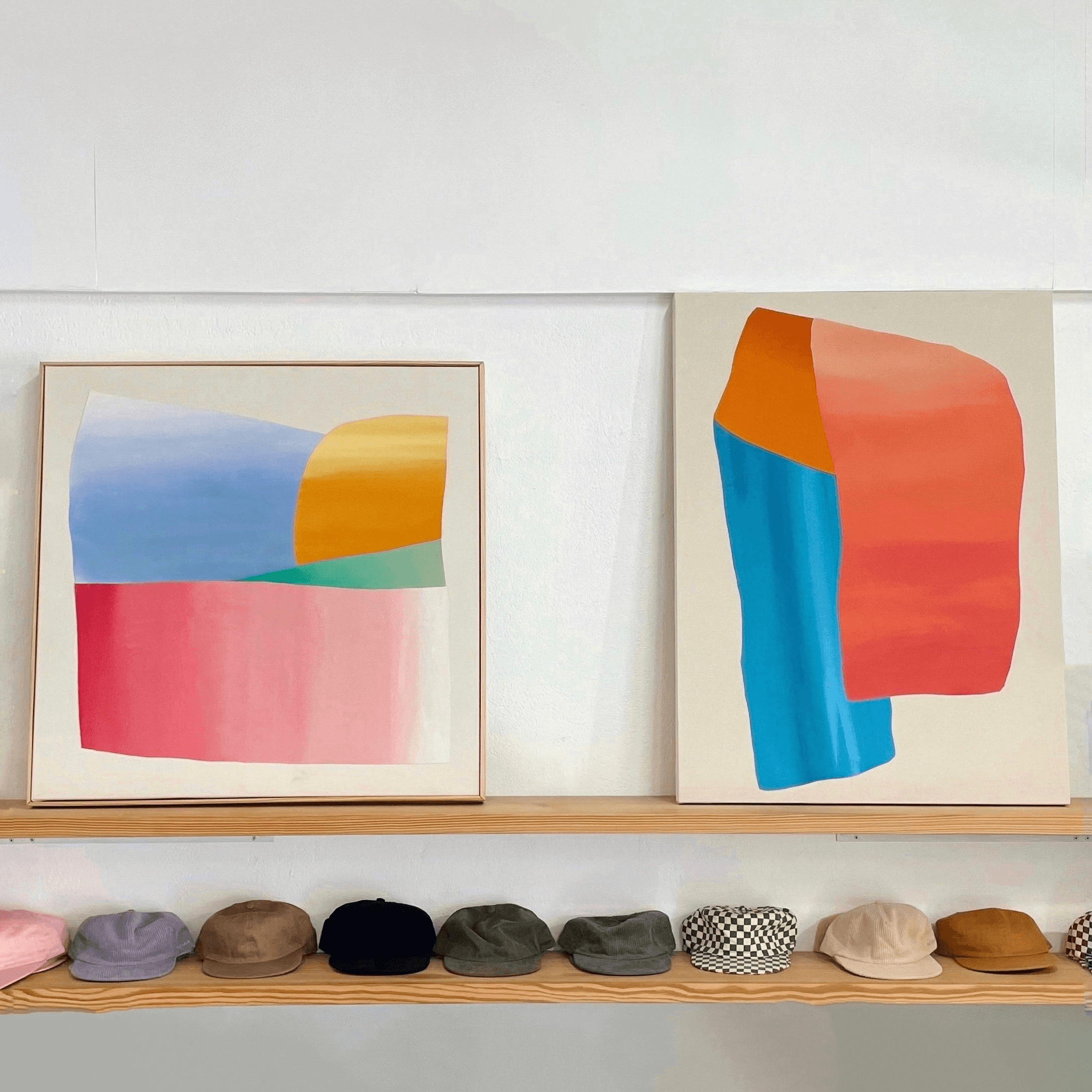
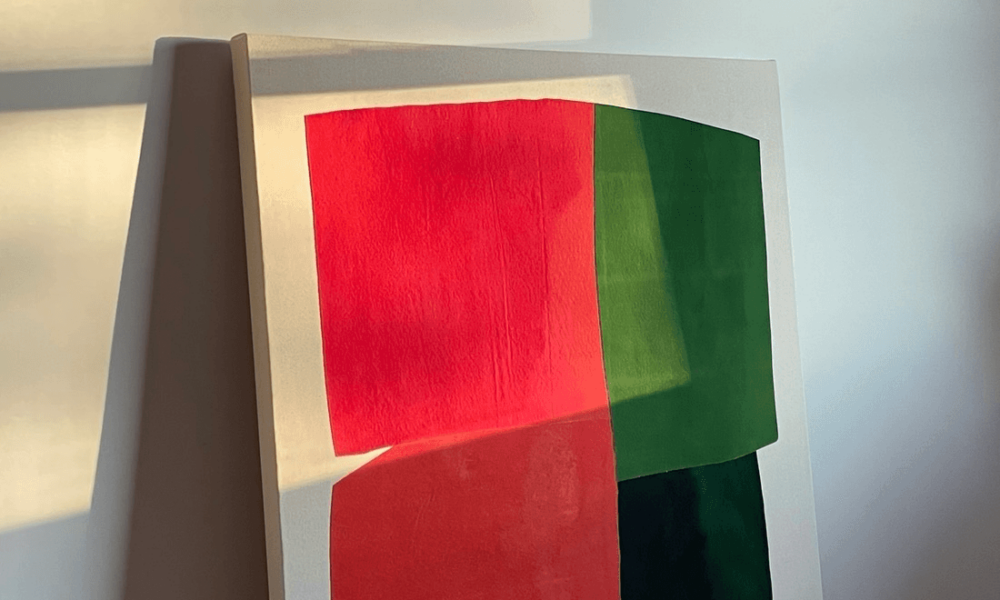
My process is mostly staining raw canvas with paint. It’s closely related to color field painters of the 50s. Most of my painting background is from studying art therapy, so it is very much about the process. I do keep an art journal and I sometimes draw or paint directly on the page and leave it at that, but I much prefer to keep this process going though. I typically paint large raw canvas then deconstruct them and join multiple paintings together. It maybe complicates the process a bit, but I really connect with working this way. Since I’ve started this process, I have a difficult time just painting and letting it be without the added steps.
In terms of your work and the industry, what are some of the changes you are expecting to see over the next five to ten years?
I see a lot of things shifting to be more digital or AI-driven. I think these shifts are interesting and can be useful. Like anything, there are changes always happening, so you really just have to learn to accept that, or you’ll never be content. It’s not my preference to do things digitally or use AI in my work, but I have seen some really cool features I could use for proposal mockups and other ways of sending information to the client. I think the industry will keep going in this direction, and I’ll keep learning and seeing where I can pull these things into my own practice. I do think I will continue to work with my hands no matter where things go. There is a beauty in working your hands that could never be replaced by a computer. I think this may become more of a lost art in the future and, therefore, more sought after.
Contact Info:
- Instagram: justpatio