


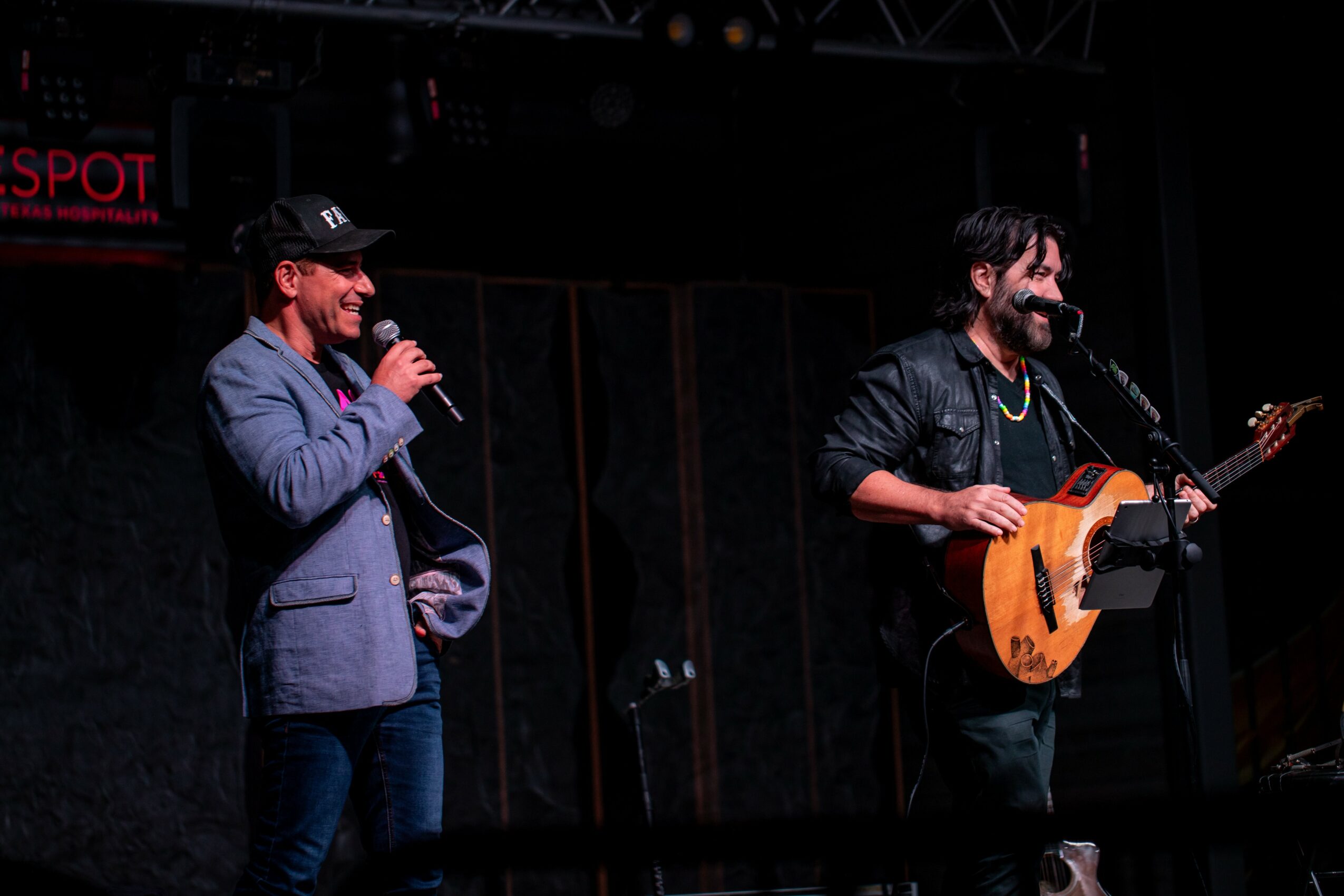
Today we’d like to introduce you to Aaron Rochlen (Under The Rock).
Hi Aaron, thanks for joining us today. We’d love for you to start by introducing yourself.
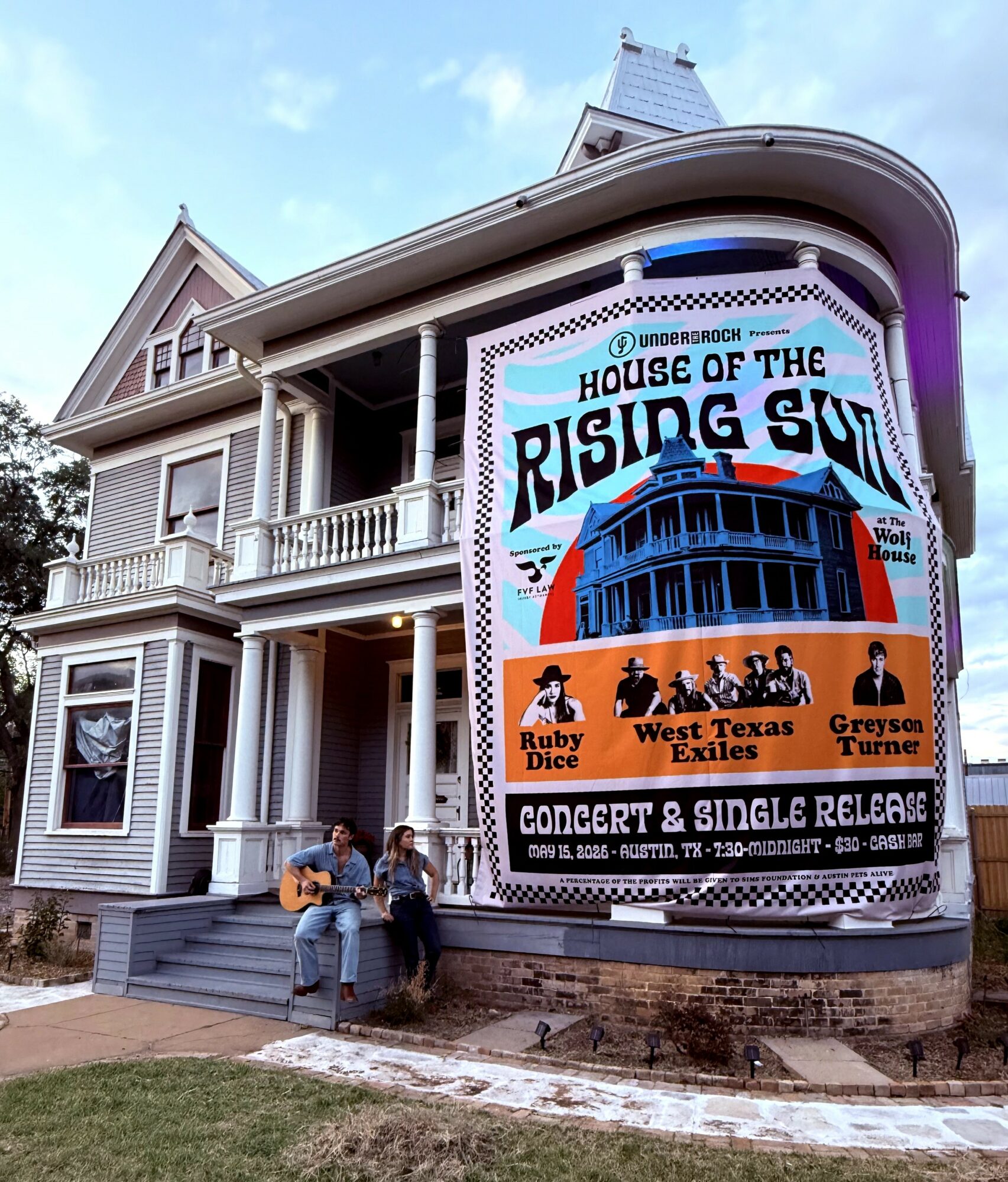
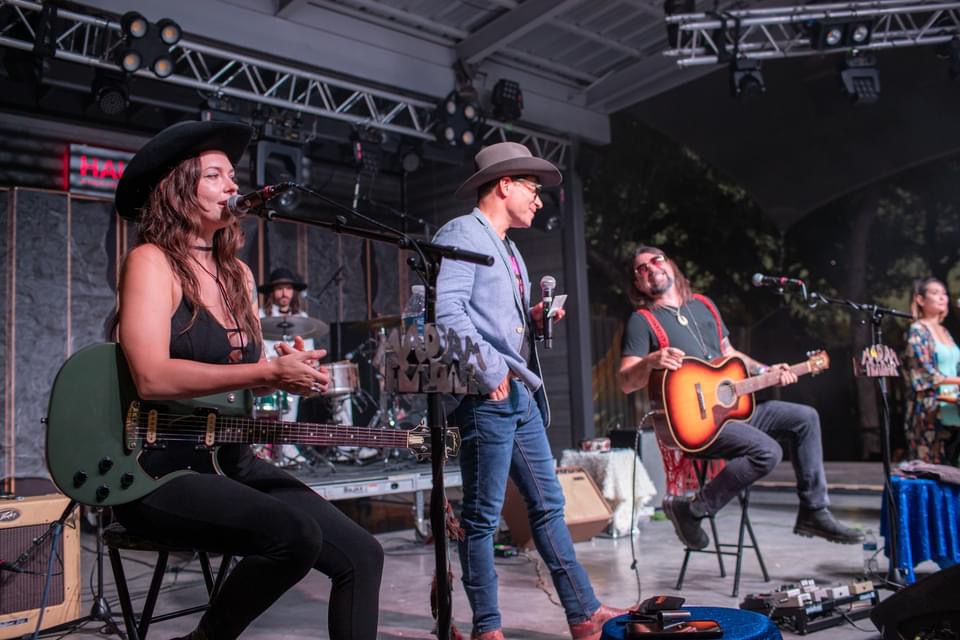
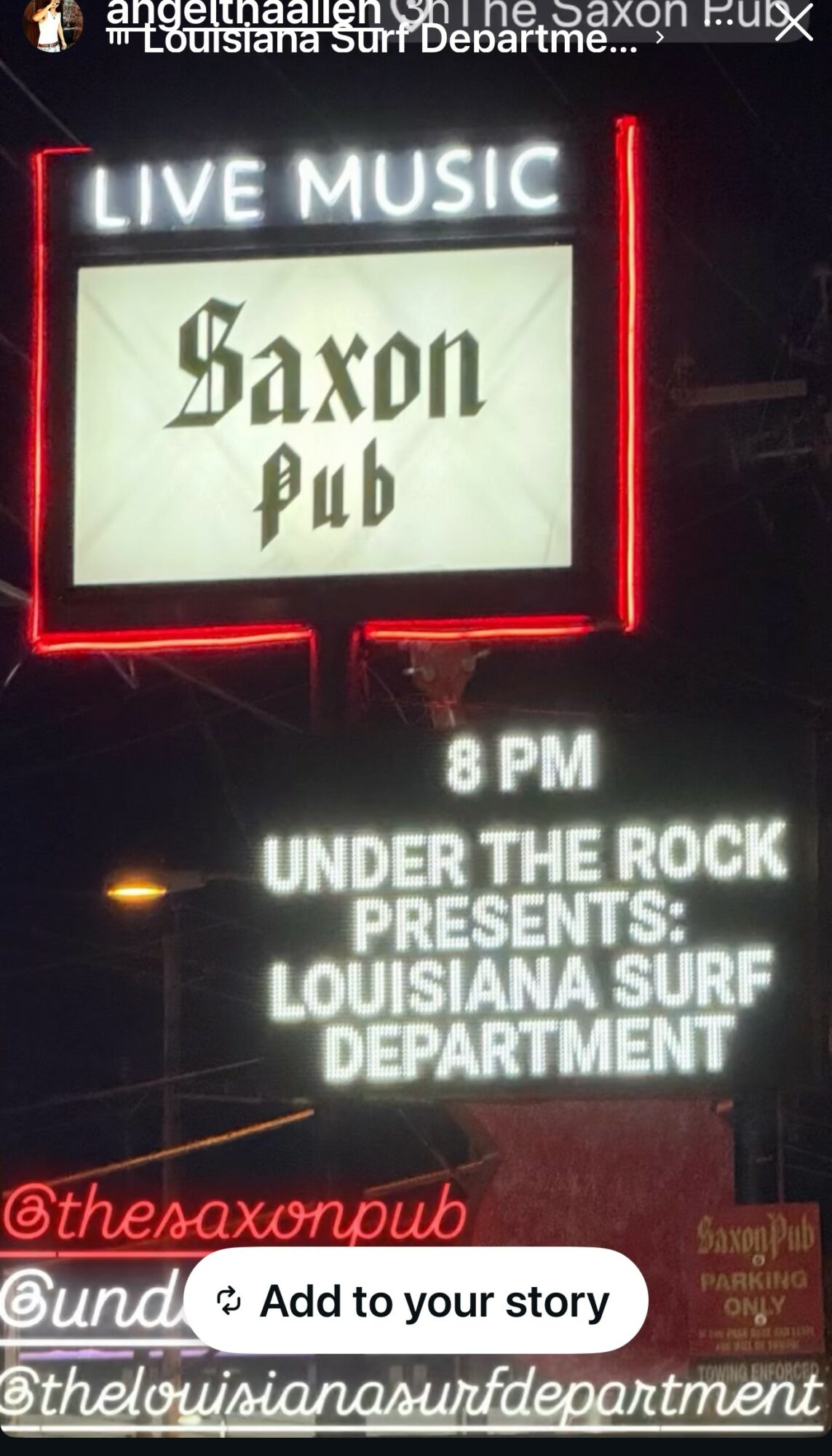
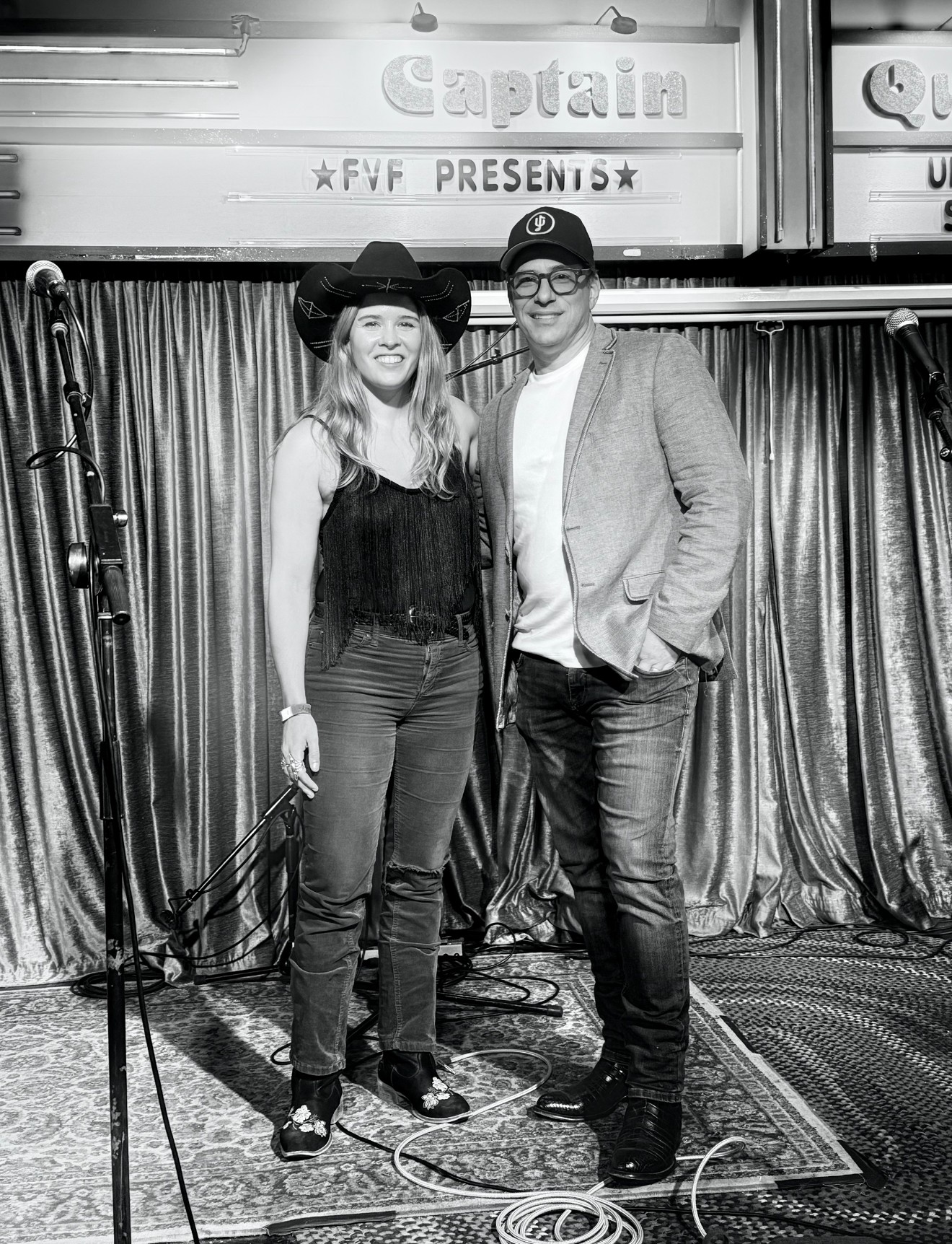
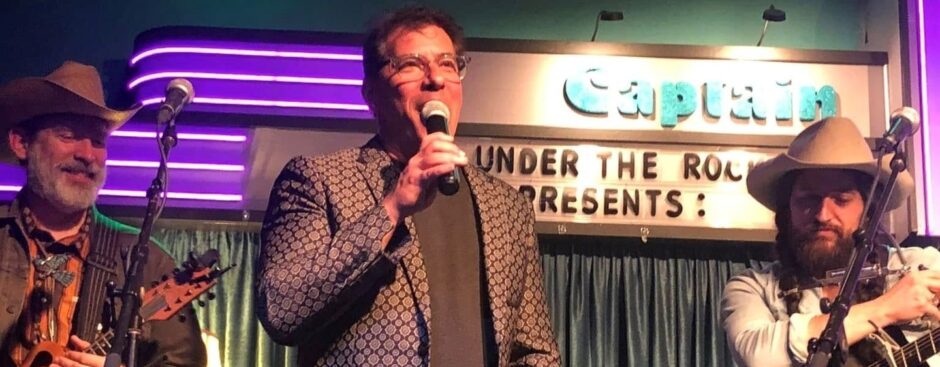
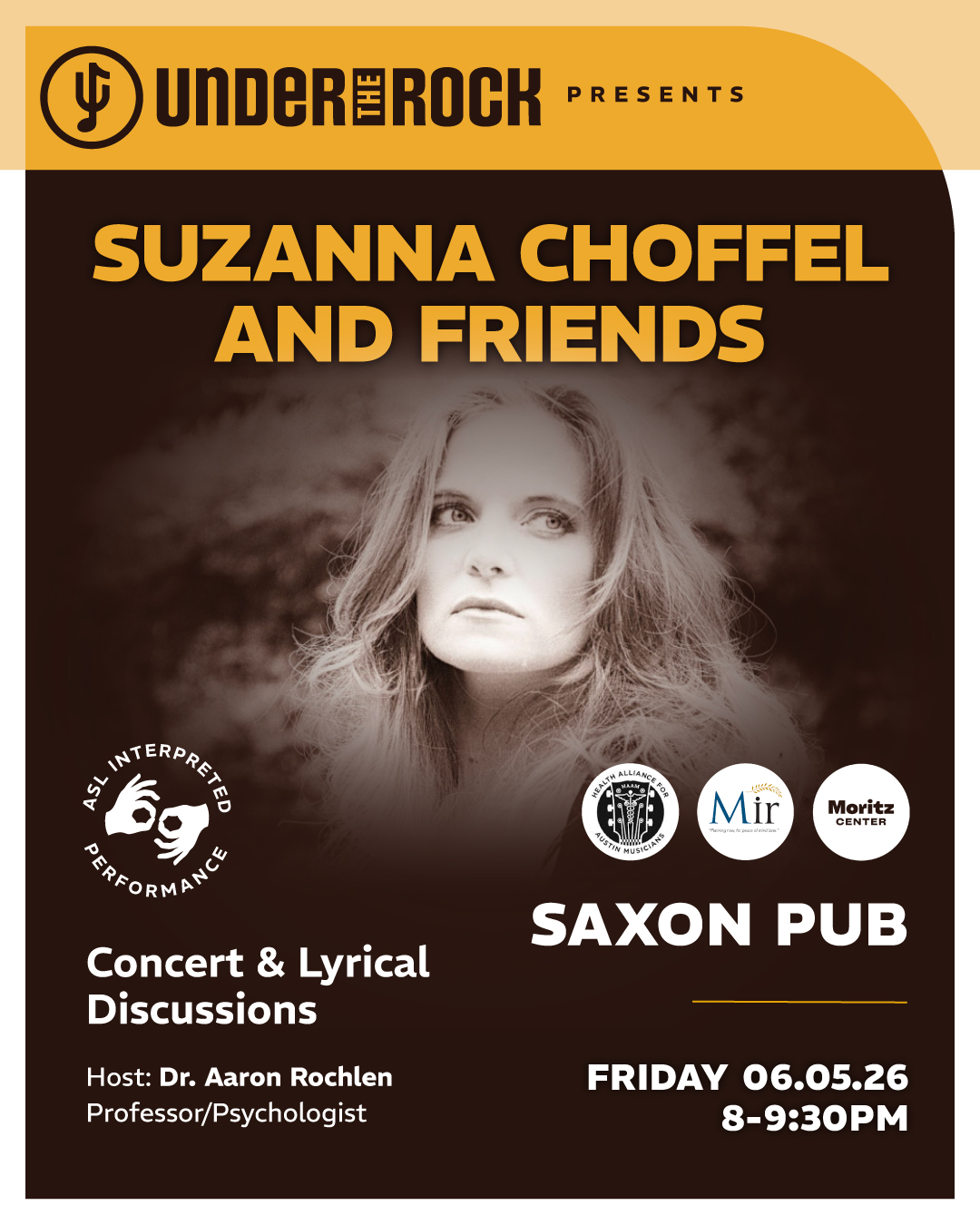
This story seems to be mainly about the concept I’ve created, soon to be a PBS TV show called Under The Rock. “Under The Rock” is a PBS live music and conversation series pairing performances with dialogue relevant to lyrics, artist experiences, and mental health. The concept started in an interesting way as I never really had a “plan” for this whole thing. However, I’ve always been a music guy and sometimes jokingly refer to myself as a “Reformed DeadHead” — as in the 90s I saw as many Dead shows as I could while I was in college at the University of Michigan. Since becoming a Professor at Texas, for a long time I’ve used music to teach theoretical concepts in my courses. And in clinical settings as a Psychologist to create insights for my clients (and me also)! I experience music as art, that is I strongly believe in the projective process of how we all respond to songs and lyrics differently. And there is never a wrong answer, but it can certainly mean something important Taylor Goldsmith of the band Dawes found out the was I was using his songs and he e-mailed me back! If you don’t know Taylor, he is a big deal, having opened for the Grammys just a few years ago! Anyway, we decided to have a backyard concert with him, and it all kind of sprung from there (about 5 years ago). He has since done a second show at my house, So that definitely helped with the street crew for this project. Also more locally, I started making friends with major up and comers in the music scene here in Austin, Madam Radar, The West Texas Exiles, Pay Byrne, were all a part of my show and just were amazing. People who came also recognized and appreciated that it was something a little different. Meanwhile, while all of this was a side project at first — I somehow positioned myself at UT for them to also become more interested in this music meets psychology angel, started teaching a class called “Music and Mental Health” that’s now quite popular, with artists visiting the university, sharing their stories connecting music and mental health — while facilitating audiences to do their own projecting to the music. Then Saxon Pub welcomed me in the doors, which is of course an iconic space and lots of artists, with good followings became involved. Now PBS invited me to submit a proposal, it was accepted and working on piloting some shows for Television.
Alright, so let’s dig a little deeper into the story – has it been an easy path overall and if not, what were the challenges you’ve had to overcome?
Honestly, it’s been mainly a smooth road. I think the obstacle has been mainly figuring out what might work for a live versus edited show. I also have struggled saying “no” to talented musicians as there are so many, who might not yet be there in terms of having a following to buy tickets so the sheow can remain profitable! In other words, there are so many amazing artists in this community, but I still have to walk the line between inviting musicians who will be great with the unique format and still can help fill the room. I’m a firm believer in never judging the quality of a performance by now many people are in the room YET of course understand the importance of filling a room, as I have a lot of costs to pay with each show! Cutting videos, promoting, social media all of those factors also can be a challenge!
Can you tell our readers more about what you do and what you think sets you apart from others?
Well this is combined with professional. I’m known I believe to thrive when I’m creative but still one to work in traditional academic and clinical settings. I think it’s important to not bet boxed in and to be creative. I’m known (I hope affectionately) as “Doc Rock” by my students, as they know I love to bring in music and encourage my students to consider how mucis and lyrics within often capture elements of psychology and the human experience in ways that lines on a slide or just my commentary can not. It doesn’t always work, but when it does it’s special.
How do you think about luck?
Hah, great question. Probably some luck. But one of my favorite psychology studies ever might best answer this question. I don’t recall exactly when, but there was a study where people who considered themselves “lucky” versus “unlucky” were deleted. The experimenters, hid a $20 bill strategically in the hallway as people were walking to the room where the “study” was being conducted. By a considerable amount, more of the people who were “lucky” saw and picked up the $20 bill than those who were “unlucky” Of course, the point is it had nothing to do with being lucky — but it did have a lot do with awareness and taking opportunities. I think I”m pretty good at both of these factors, and actually both helped in this project. I saw an opportunity of getting involved and connected in the music world here in Austin at a different (and arguably needed) level and went for it! I also became aware when it seemed like it was working and people really liked the process.
Contact Info:
- Instagram: https://www.instagram.com/undertherockatx/