


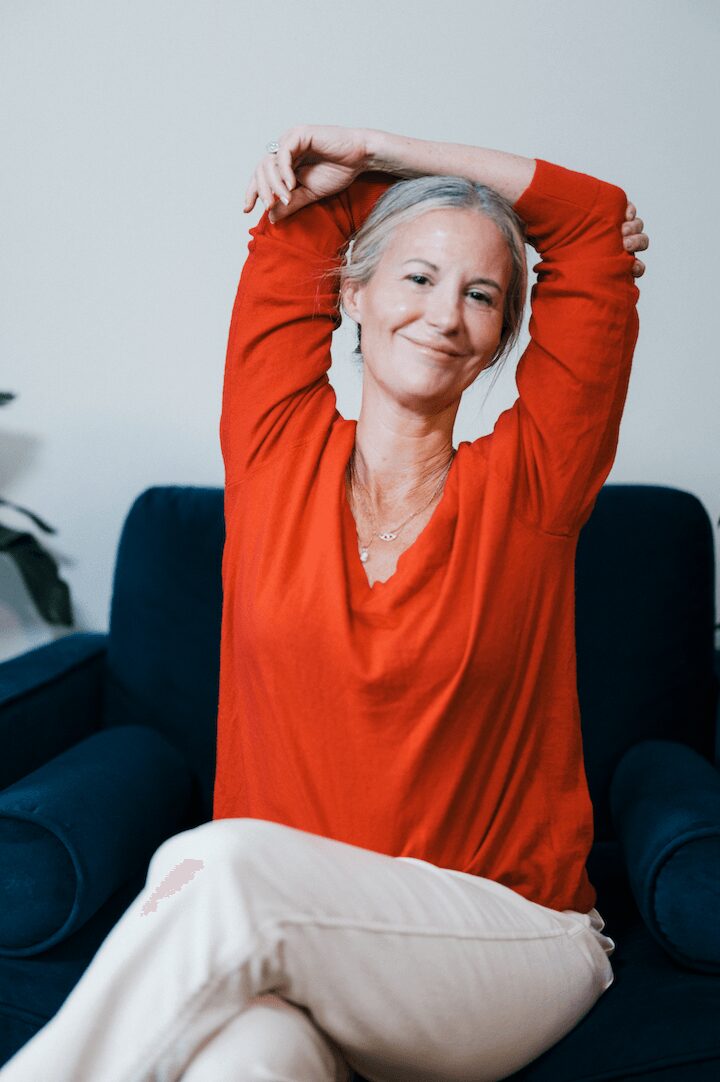
Today we’d like to introduce you to Jenn Wooten.
Hi Jenn, we’d love for you to start by introducing yourself.
My professional development began earlier than most career counselors would probably recommend. When I was 8, my sister was the victim of a drunk driver. I spent several years of my adolescence watching her recovery from a traumatic brain injury, relearning things most of us never think about, how to feed herself, how to move through the world from a wheelchair, and how to build a life from devastating circumstances. As a teenager, I spent more time than expected in rehabilitation centers, which is not where most people imagine they’ll develop their life’s work. The professionals who guided her recovery taught me something I’ve never forgotten: that there is a way back to life through the body.
I’ve been working in the field of somatics, yoga, and mindfulness for 22 years. When I began to work with bodies as a yoga instructor, I found that I was doing far more than putting bodies into shapes. I was helping to shift their relationship with themselves, their chronic stress, their anxiety, their pain, their sorrow, and their nervous system.
Again and again, I saw that when people changed their relationship to their bodies, they often changed their relationship to everything else.
This led me to want to learn as much as possible about the role of the body in mental health. I studied with psychologists, neuroscientists, MDs, shamans, indigenous healers, and the yoga traditions. What arose from that study is a methodology that helps people understand the language of their nervous system, recognize patterns of stress and survival, and use simple body-based practices to restore regulation, resilience, and well-being. I help people understand that their body is not the problem, it’s part of the way home.
Can you talk to us a bit about the challenges and lessons you’ve learned along the way. Looking back would you say it’s been easy or smooth in retrospect?
When I started Viasomatic, our somatic wellness practice, I knew a great deal about nervous systems and very little about running a business. The transition from practitioner to founder, learning to lead, delegate, and refrain from trying to do everything myself, has been both humbling and ongoing. Fortunately, I have an incredible team that believes in this work and keep me at it during the moments when my confidence wavers.
I spend my days as a practitioner in deep and intimate presence with my clients, noticing posture, vocal tone, micro-expressions, the small and clarifying moments when their bellies clench or their throat catches. It’s this depth of focus with my clients bodily experience that makes this work rare and effective as their nervous systems reveal their stories. Before we change a pattern, we must learn to see it.
That depth of focus feels altogether natural to me, but the shift to spreadsheets can make my eyes blur. I can spend hours tracking the subtle movements of a nervous system, but fifteen minutes with a sales spreadsheet can have me questioning my life choices. Scaling a business has required me to develop some new muscles. Some of them belong to leadership and vision, some to delegation, and some to admitting that there are people on our team who are far better at certain things than I am. Thankfully, they continue to lend their gifts to a mission that changes lives, helping people find their way back to themselves through the wisdom of their bodies.
As a team, we are constantly exploring ways to make this work more accessible. We are currently developing a nervous system coaching app designed to help people stop guessing at wellness. By combining biometric data, self-reported symptoms, nervous system education, and somatic practices, the app will help users better understand their physiological state and connect them with personalized practices that support regulation, resilience, and recovery. We hope to place the kind of nervous system guidance that is typically available only in a one-on-one session into the hands of people whenever and wherever they need it.
We’ve been impressed with Viasomatic, but for folks who might not be as familiar, what can you share with them about what you do and what sets you apart from others?
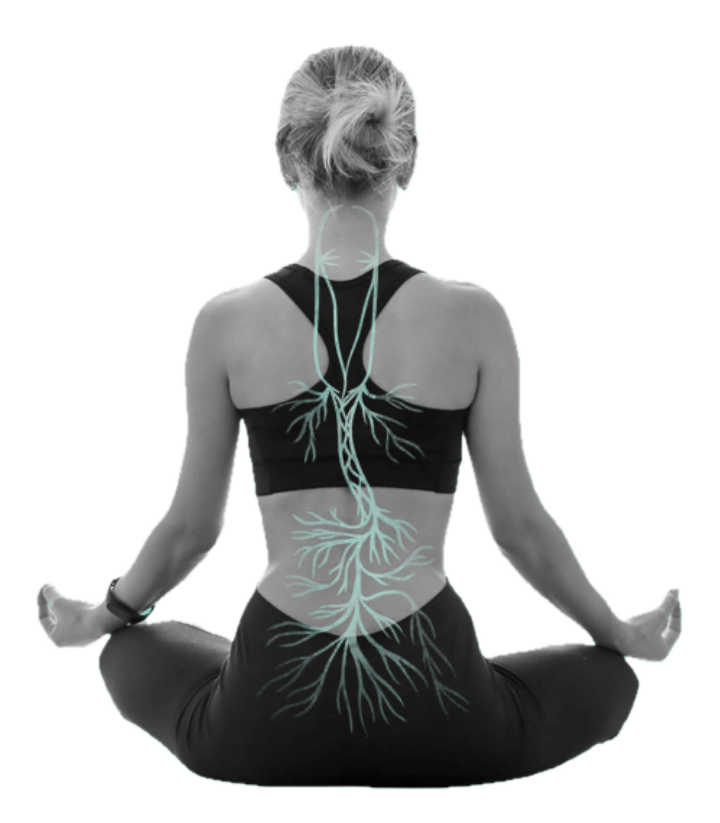
In our practice, we’ve found that many people have difficulty accessing the information their nervous system is constantly providing, let alone knowing what to do with that information once they notice it. One of the most rewarding moments in this work is when the lights go on, and people realize that their bodies are not working against them. Their symptoms, sensations, emotions, and impulses carry meaningful information about stress, safety, capacity, and unmet needs.
When people learn to listen to the language of their nervous system, their experience often begins to make sense. What once felt random or frustrating becomes understandable. From there, they can learn simple, practical tools to shift their physiological state and experience less emotional reactivity, fear, anxiety, frustration, exhaustion, and feel less out of control. That moment of recognition, when someone realizes their body is communicating rather than malfunctioning, is often the beginning of meaningful change.
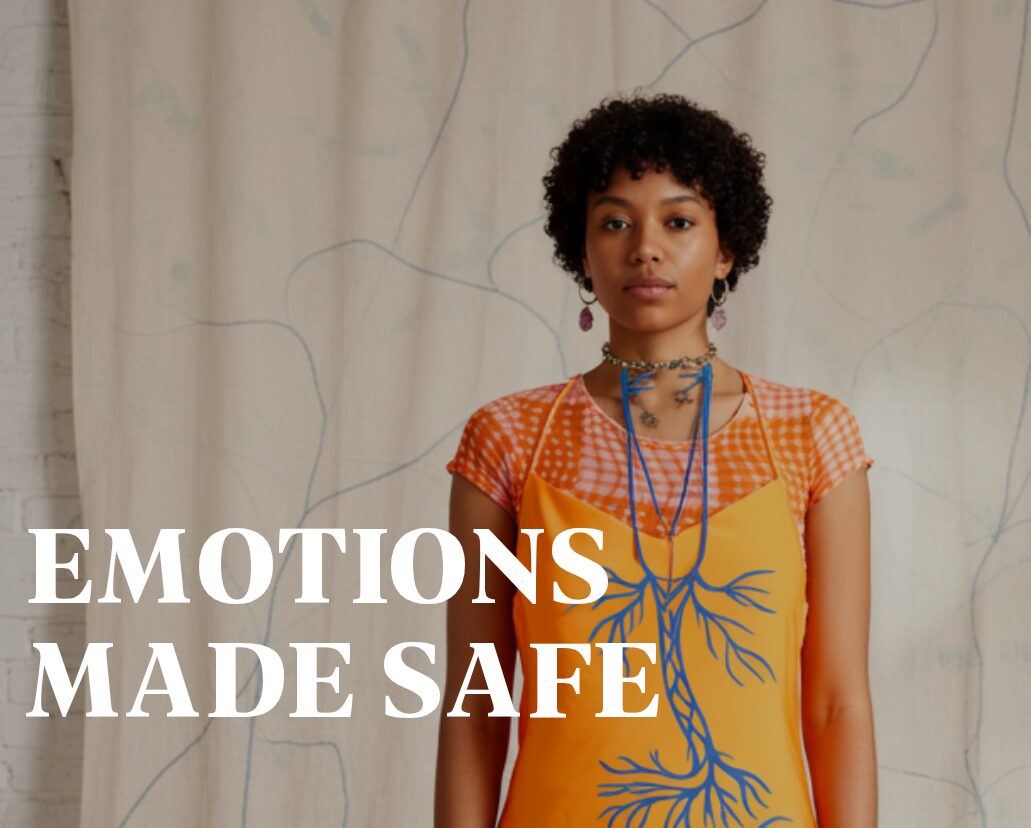
What sets us apart is that we don’t see symptoms as problems to be fixed. We see them as information. Anxiety, overwhelm, burnout, chronic tension, difficulty resting, emotional reactivity, and even feelings of numbness often make sense when viewed through the lens of the nervous system. Rather than asking, “What’s wrong with you?” we ask, “What is your nervous system trying to do for you?”
It often still surprises me that we built a business because I became fascinated by the human nervous system. What began as a personal curiosity and a deep lived experience with the impacts of trauma has grown into a team of coaches, somatic therapists, and educators who share a belief that resilience is not something you either have or don’t have. It is a skill that can be learned. We offer one-on-one sessions and on-demand programs that teach that skill to our clients. You can schedule a consultation at www.Viasomatic.com to learn more about our work and explore how it might support resilient health, growth, and quality of life.
Do you have any memories from childhood that you can share with us?
There was a circle of five giant Loblolly pines on the acreage where I spent my adolescence. I spent a lot of time lying in pine needles staring up at the clouds through those trees.
Contact Info:
- Website: https://www.Viasomatic.com
- Instagram: https://www.instagram.com/viasomatic/
- LinkedIn: https://www.linkedin.com/in/jenn-wooten-c-iayt-04574b18a/
- Youtube: https://www.youtube.com/@Viasomatic/channels