



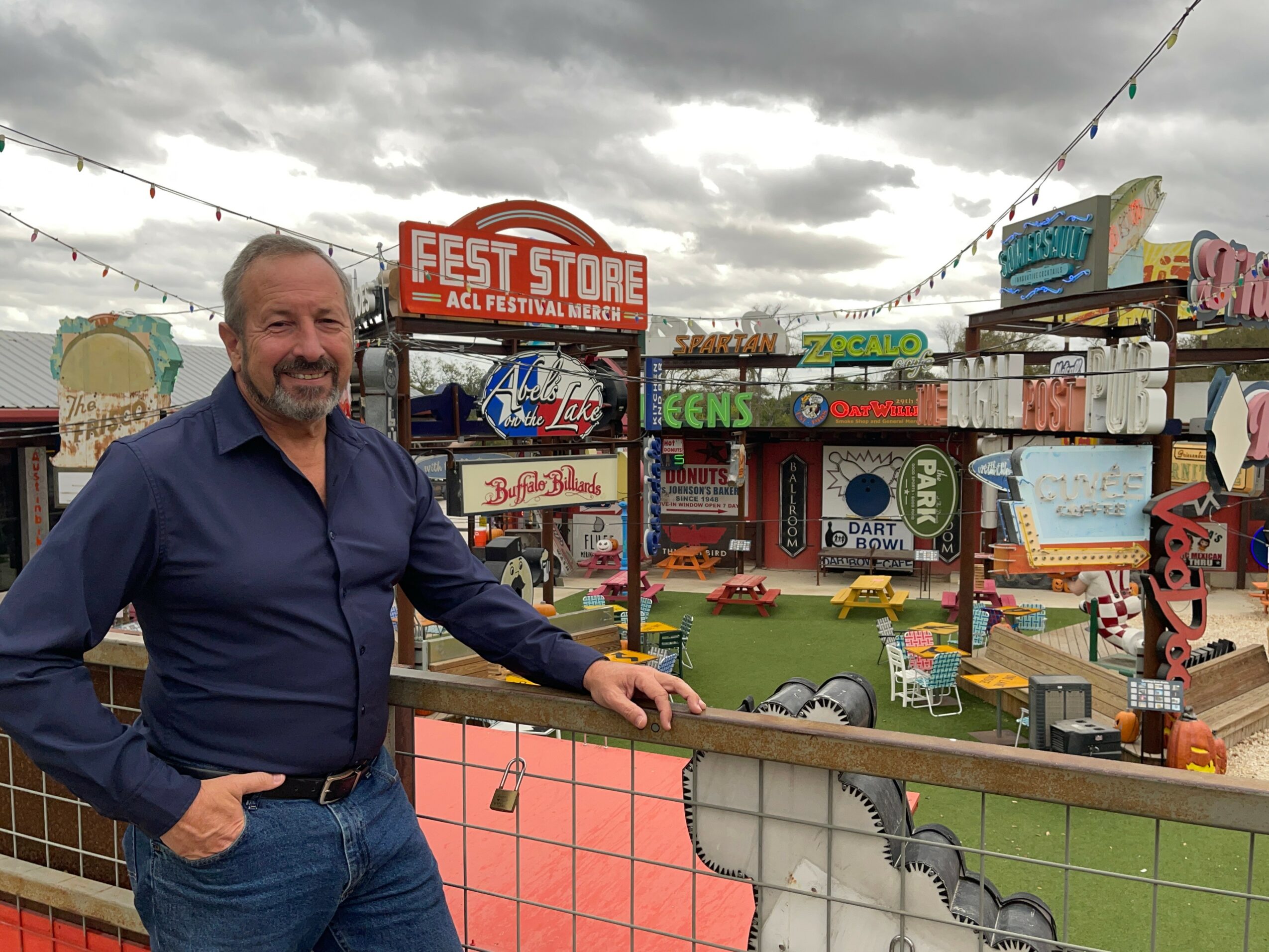
Today we’d like to introduce you to Les Kiser
Hi Les, we’re thrilled to have a chance to learn your story today. So, before we get into specifics, maybe you can briefly walk us through how you got to where you are today?
My story begins in Alice,—a small, hardworking Texas town where I was surrounded by oil field workers, ranch hands, and local merchants, many of whom were kin. My parents were remarkable people. My father, George, who came back from World War II, and my mother, Frances, who grew up on the poorer side of a sharecropping farm arrangement in Manor, Texas, built a life together in Alice. Together they opened a jewelry store that became a town fixture until 1971, when the economy turned down and the store closed. My parents moved the family to Austin to begin the next chapter.
Austin in those days still had some of that small-town feel. You’d run into the same folks at family-run stores or restaurants, and often everyone seemed to know everyone else. Austin had two major differences, though—it was the capital of Texas and the home of the University of Texas. That added a different kind of energy, with one of my siblings who had already graduated from UT and another was attending classes there. Occasionally, I would get to attend the UT football games when tickets were $7, or even free if I wore my Boy Scout uniform and picked up litter afterwards! The Friday night lights of the Alice Coyotes paled in comparison to the Saturday night lights on the 40 acres! My dad had found work as a watchmaker near the campus, a skill he’d learned as a teenager from a German neighbor back in Alice. I used to think watchmaking was just a job for him, but as I got older, I realized it was his true passion– a craft that not only fulfilled him but also provided for our family, keeping food on the table and clothes on our backs. My mom worked in a bank, and then as a bookkeeper in an insurance office. She made sure we had good meals, completed our chores, homework and sometimes even sewed clothes to save a few dollars. They both did whatever it took.
When we first came to Austin, I recall Mom being in love with the hills on the west side of town, though those homes were in quite expensive areas of town. One home came up on the front line of hills near the intersection that is now Mopac & Anderson Lane. It was so far from downtown, it wasn’t even shown on the maps yet. It was a pricey piece of real estate though they did whatever it took to afford the $42,000 home. That was in 1972. It wasn’t the largest on the street though it would house us well, now with the addition of my widowed grandmother. True to their word, Dad worked on watches and clocks long hours into the night and Mom did bookkeeping after her day job at the insurance company.
My dad had this knack for “horse trading,” exchanging his skills for things we might not otherwise have, which often ended up being motorcycles or cars. I guess that’s part of why my passion for motorsports started back in Alice. I remember sitting on the gas tank of my dad’s motorcycle, gripping the handlebars while he took care of the foot controls. I recall one Alice adventure that still makes me chuckle about the differences between Alice and Austin. The gas can at the house was empty but Dad, my brother and I were ready for a ride. Dad on his motorcycle, my brother on his Honda Scrambler 90 and me on my Honda Mini-Trail 50 headed out on Texas Boulevard to the gas station. I was around 6 or 7. Dad didn’t seem to be phased when a police officer was passing in the opposite direction on a public road, probably because he knew the officer. I can only imagine that if that happened nowadays, Child Protective Services would probably be called, but then again, the roads are busier and it really wouldn’t be a good idea to have a little kid operating a minibike on a street like Lamar Boulevard.
Alright, so let’s dig a little deeper into the story – has it been an easy path overall and if not, what were the challenges you’ve had to overcome?
When the economy cycles down, it takes extra effort for most of us to keep paying the bills. Even though my parents required longer hours of hard work, they never stopped giving back and supporting charities and us kids with our activities. Charity was woven into our lives, not something they did occasionally but part of who they were. They took on roles in the community, showing our family that you don’t need a lot of money to make a difference. While at my mothers memorial service, I was approached by a neighbor who shared that only a couple of months prior, Mom would push the neighbor in her wheelchair around the block. Nobody else was aware that Mom was doing this for the neighbor while fighting her own cancerous battle.
Everyone knows that professions in the tech industry are unpredictable, and I, like so many others, have faced career uncertainties and layoffs. I’ve been laid off 3 times throughout my professional career, once was immediately before Christmas. In fact, I’m currently looking for full time work, though also continuing supporting charitable activities and taking online courses.
My advice to others facing tough times is that it’s not easy to do though keep moving forward as best you can. Find something to pay the bills, even if it doesn’t feed your soul while you keep searching for something you can put your heart into. Reinventing and continually improving myself is something I’ve had to do, and it’s taught me that one of the best things we can do is help each other through the process. Just like charity work, it’s not “why would I” but “why wouldn’t I?” Keep working on yourself through education or whatever you can. My siblings and my three daughters have also carried on a legacy of service, each in their own way, too and I know that would make my parents proud.
As I look to the future, I will keep moving forward to find that new job and keep my charitable efforts in motion. I also invite everyone to share this vision of building a legacy of community service, professionalism, and innovation to get involved and do something meaningful that’s bigger than yourself.
Appreciate you sharing that. What else should we know about what you do?
During the 2022 United States F1 Grand Prix, I was given an honor that truly meant something special to me. I was named Motorsports Ambassador for Make-A-Wish Central & South Texas. That role allowed me to effortlessly bring together my connections with racing teams, drivers, and the leadership at COTA to create life-changing moments for critically ill children. All of us together seeing those kids’ faces light up, knowing that motorsports brings them joy in some of their hardest moments. Those are memories that I’ll carry with me always. It’s a mission I continue to support by blending the world of motorsports with a purpose far greater than myself.
In 2023, I was approached by Ken Adams, the charity organization founder of YourRideIsHere.org. The organization’s mission of addressing transportation challenges for cancer patients. What they do is get cancer patients to their treatments. Since I lost both of my parents to rare forms of cancer and even though I am plenty busy, I said yes, in honor of them. Imagine facing a cancer diagnosis, and on top of that, having to rely on transportation that hasn’t been maintained with the immune vulnerabilities of cancer patients in mind. I’m there to help to reach the driving enthusiasts community and help grow the driver pool, giving more cancer patients a better chance to win their battle.
Prior to broadcast roles, I encouraged charitable support from the motoring community. One of my favorite events is supporting the Texas School for the Blind & Visually Impaired. Twice, we invited the students and the rest of the visually impaired community to come experience high performance and exotic cars in a way that they understand. With soft gloves on, they traced the curves and details of the cars, interpreting the details that we see as the car owners share the stories of each car and the function of each touched detail. Not a dry eye was around as we were all moved by sharing our common loves and raising funds for the schools starved extracurricular programs.
In early 2023, I stepped away from weekly radio broadcasting and turned focus back towards charitable efforts like what I engaged with prior to broadcasting. My nickname “The Mayor” was given to me by Jonathan Green, an internationally renowned and exciting motorsports commentator. Jonathan said I seem to know just about everyone. Today, the nickname remains and it’s one I wear with pride since it fits the theme of connecting folks to charities. Away from my full time work, I utilize The Speed Mayor organization (www.TheSpeedMayor.org),to align my connections and charitable giving. For my speaking engagements, race week event hosting or broadcast work, I offer a discount on my fee, if companies redirect those funds to the charities I support. It’s an approach that connects business and philanthropy, creating an effective ripple effect in the motorsports communities, business arena and the charities.
One of the things I’m most proud of is receiving the United Nations Humanitarian Award from one of my employers. It’s not about the personal exposure, but more so what it stands for—a chance to make a real impact in people’s lives.
Do you any memories from childhood that you can share with us?
Growing up, we had a large extended family spreading across Texas, and those summer gatherings were some of my favorite memories. We’d all be there, mowing the grass, shucking corn, playing games, fishing, and telling stories (of course, each one was totally accurate and true!). Those family gatherings gave me a deep sense of belonging and safety.
By the time we settled in Austin, I was that kid always stopping to chat with people who had motorcycles, muscle cars or sports cars, making friends and connections, some of which I still have today.
A lot of folks think motorsports came to Austin with the Circuit of the Americas, but the city’s racing history actually dates back to around 1905, even before the Indy 500. There was a horse track in what is now Hyde Park that started adding car races to the schedule. Now you know why there’s a street called “Speedway” and why only 39th street is curved between Avenues G and H. That curve was the southern boundary of the race track. This all serves as an almost secretive nod to those early races.
Many years ago, I would go to College Station to attend races at the now leveled, Texas World Speedway. It had a 2 mile banked NASCAR oval and the infield could be configured into a road course measuring just shy of 3 miles long. In 1996, the Texas Motorplex opened for NHRA professional drag racing in Ennis, Texas.This meant we didn’t have to go to the Little River Academy dragstrip or to San Antonio to watch questionably safe racing. Also in 1996, the 1.5 mile oval Texas Motor Speedway opened near Fort Worth supporting NASCAR and Indycar races. Racing was now accessible!
I thought racing in Texas couldn’t get any better, but then….. The Circuit Of The Americas was built in 2012. It was a game-changer.Thanks to brilliant visionaries like Bobby Epstein, Red McCombs, Tavo Hellmund, MotoGP World Champion-Kevin Schwantz and John Paul DeJoria, motorsports was about to bring international attention to Austin. I was lucky to be a very small part of it by co-founding a radio broadcasting company that helped to share the excitement of motorsports in Austin, with race fans around the world. We served to entertain and inform, and it felt like a full-circle moment for me as a lifelong motorsport enthusiast.
Contact Info:
- Website: https://thespeedmayor.org/
- Facebook: https://www.facebook.com/PourhouseGarageAndSocialClub
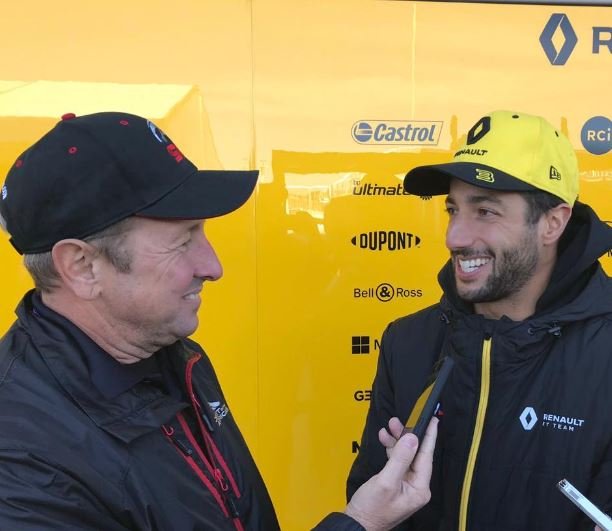
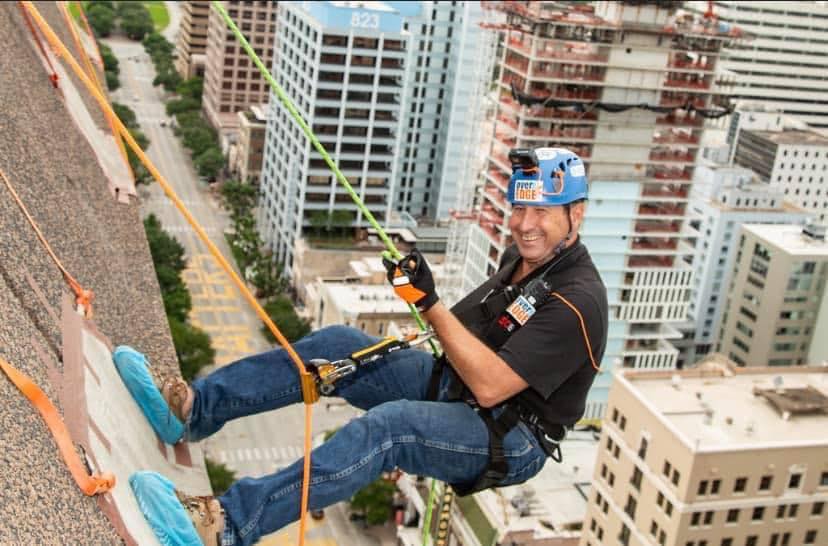
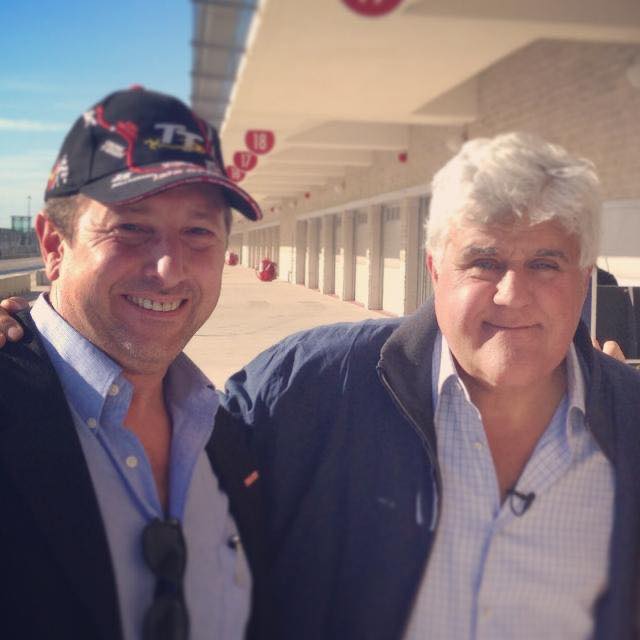
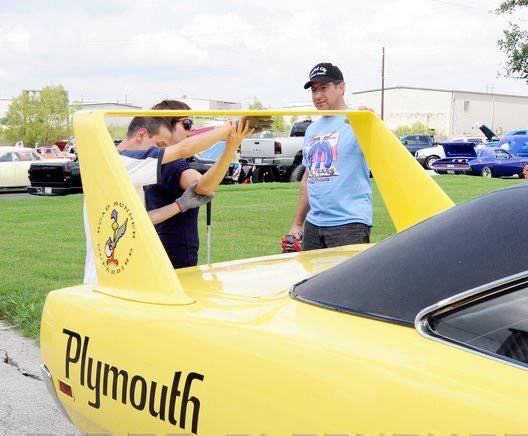
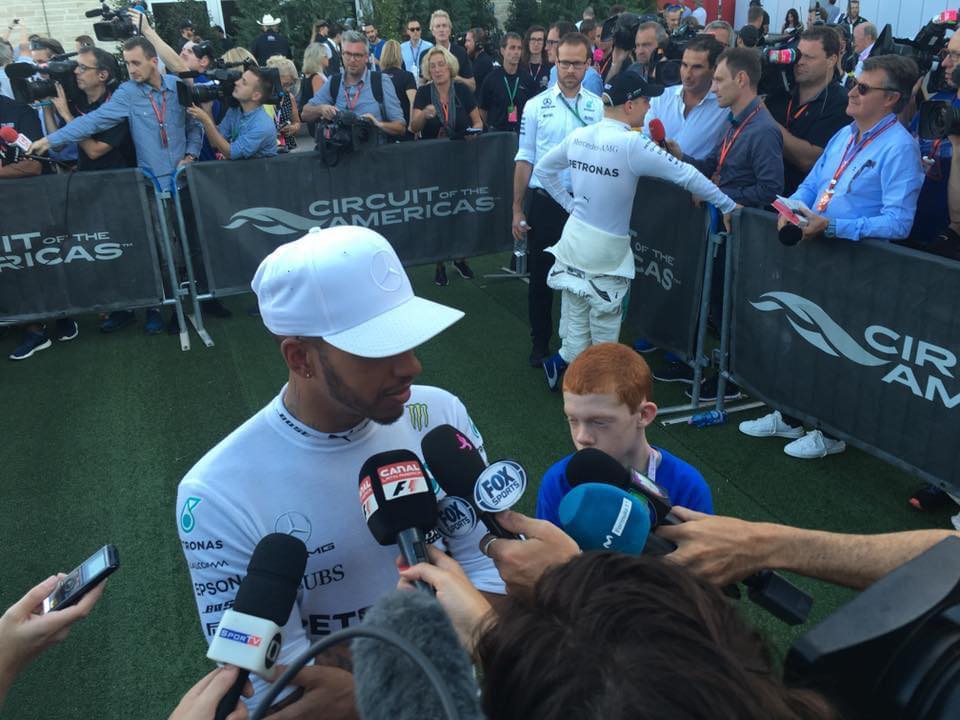
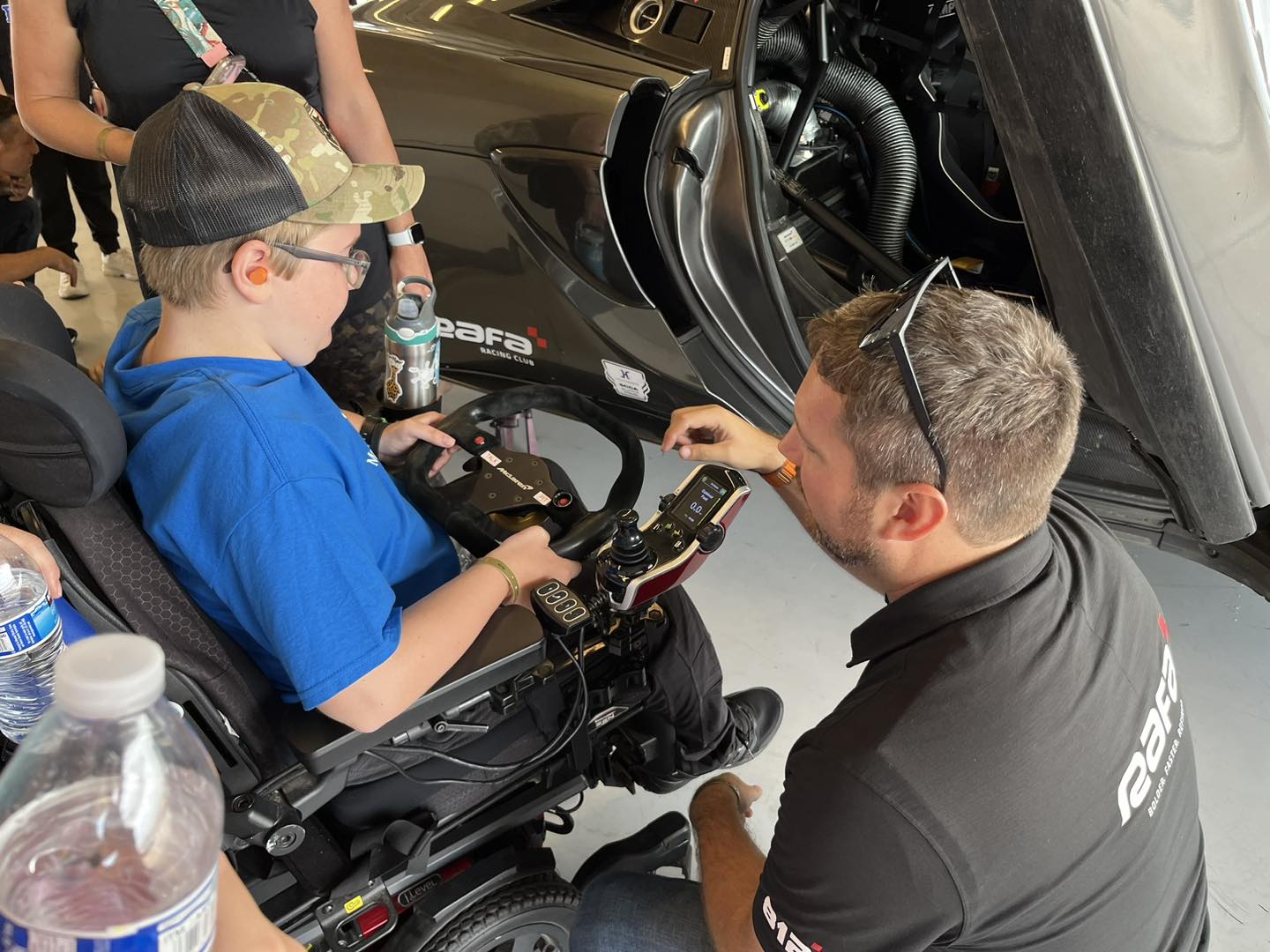
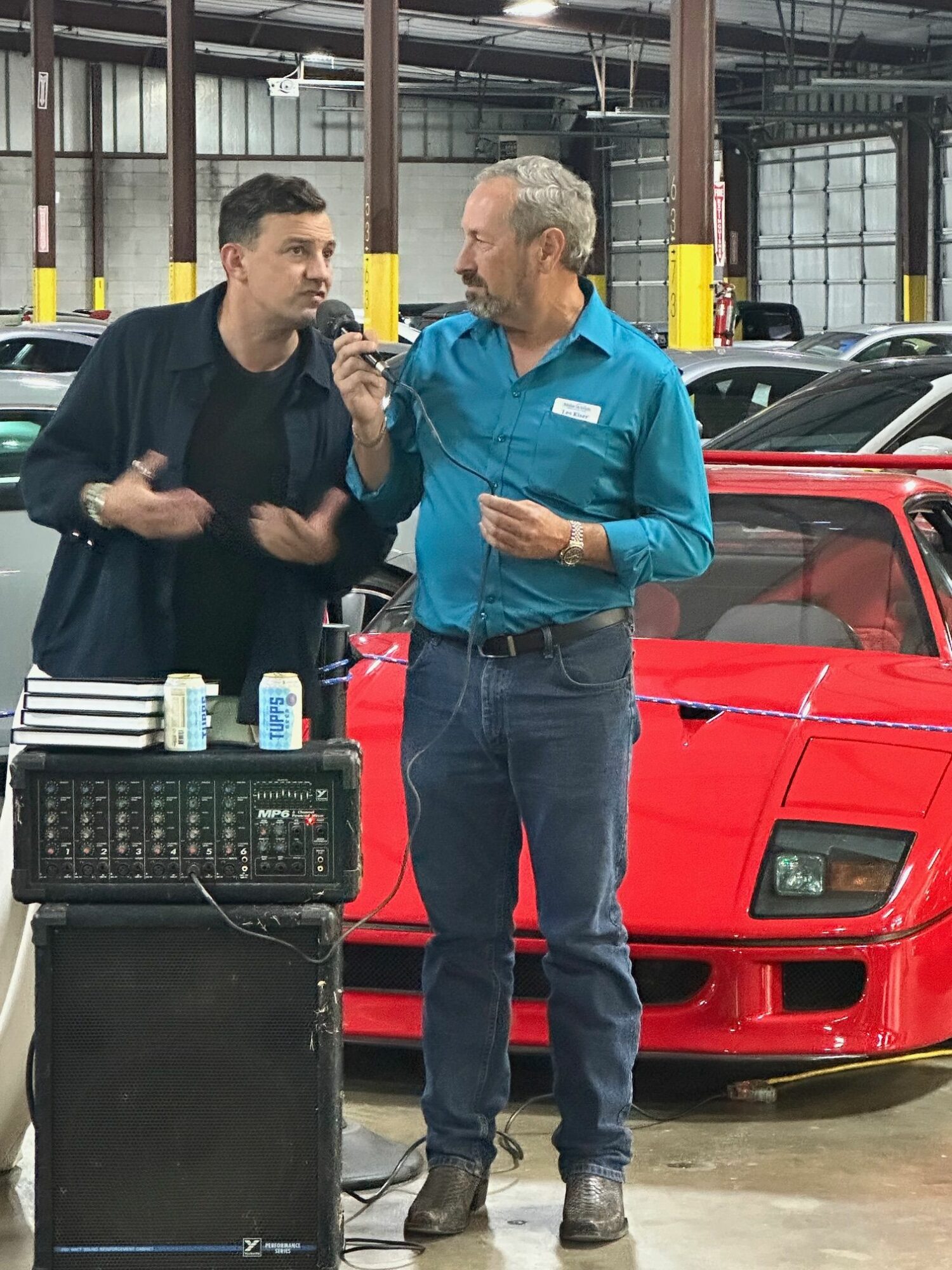
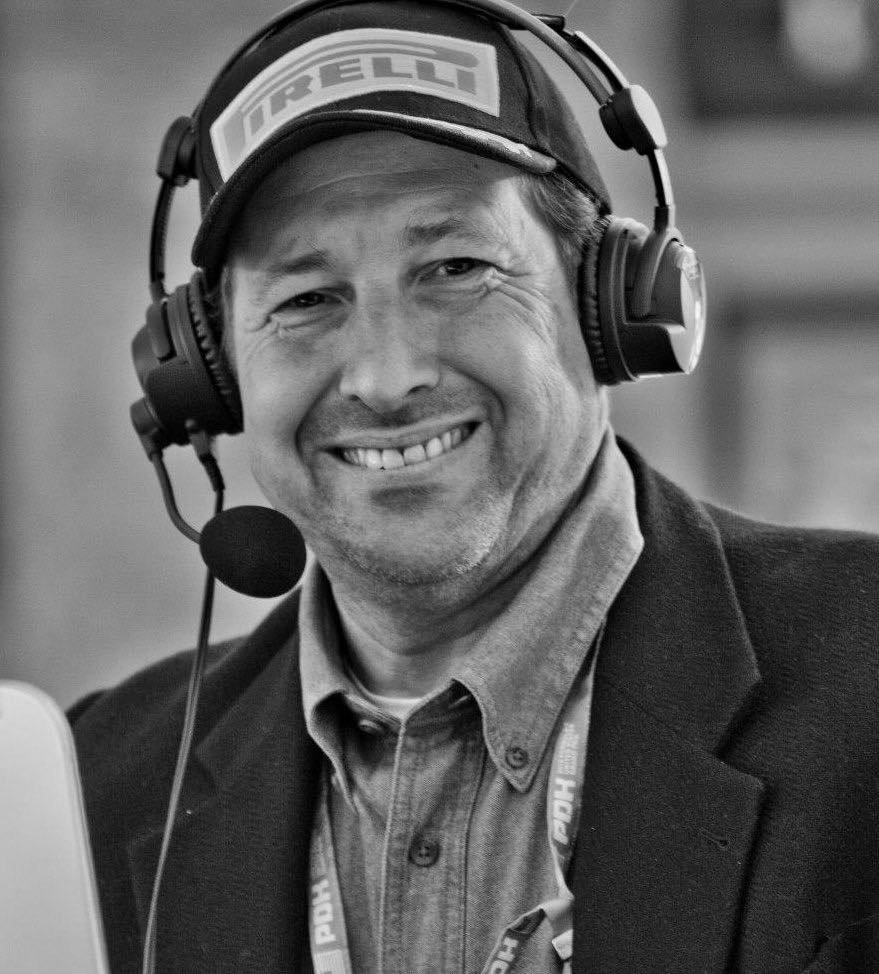
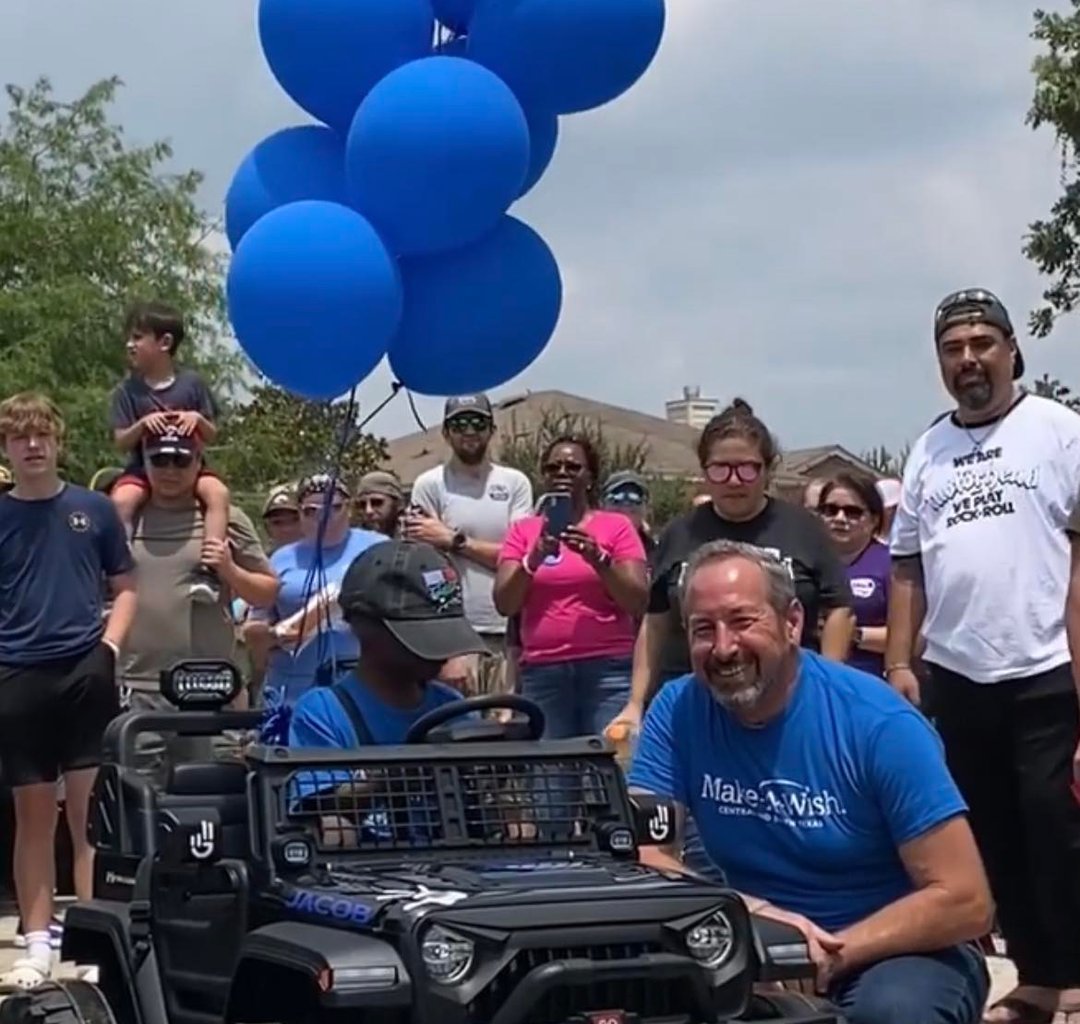
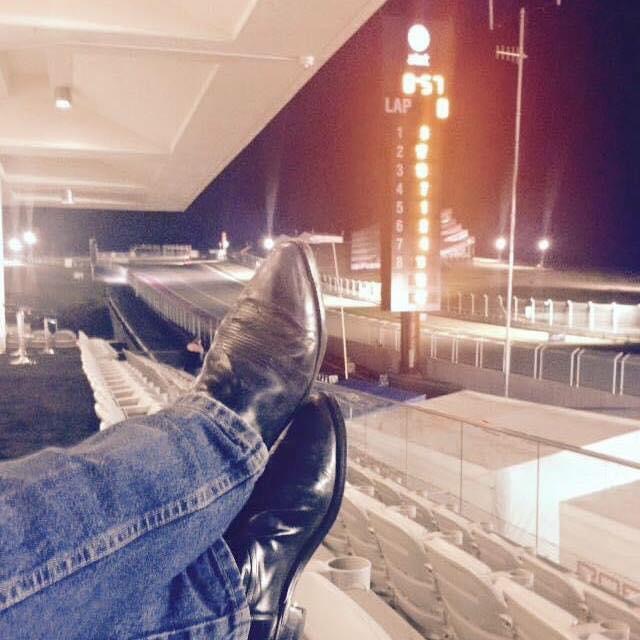
Image Credits
All are my own.