



Today we’d like to introduce you to Lauren Lindberg
Hi Lauren, we’re thrilled to have a chance to learn your story today. So, before we get into specifics, maybe you can briefly walk us through how you got to where you are today?
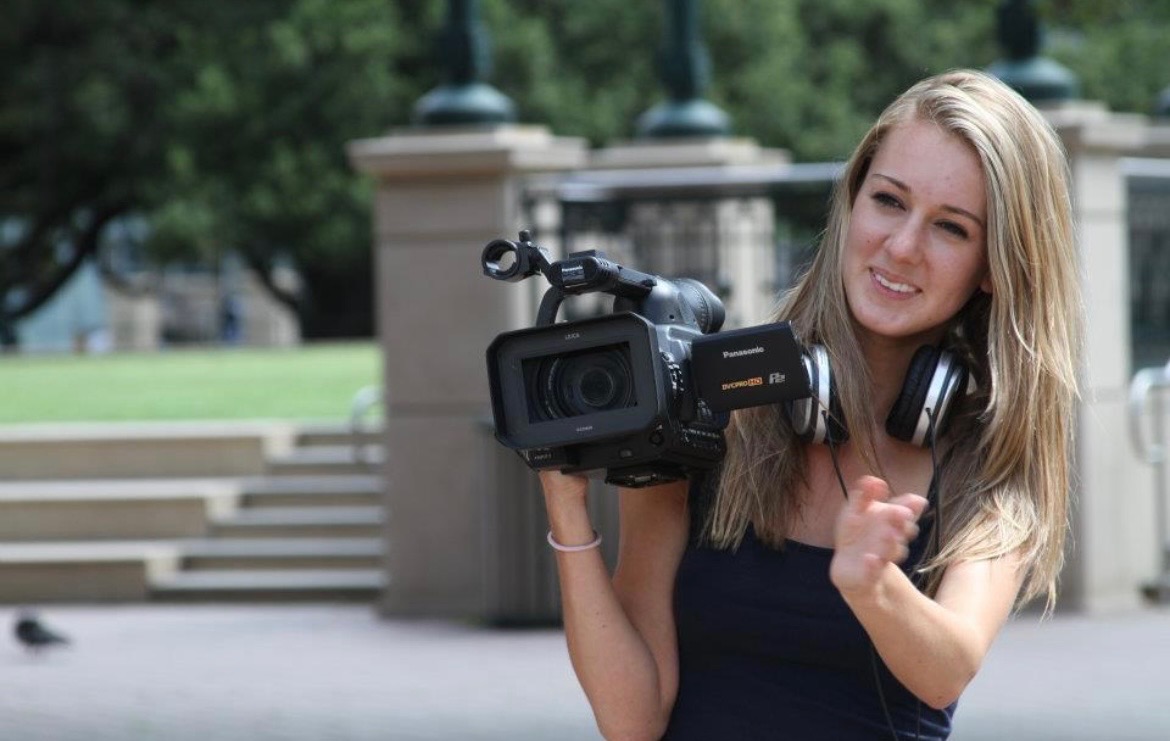
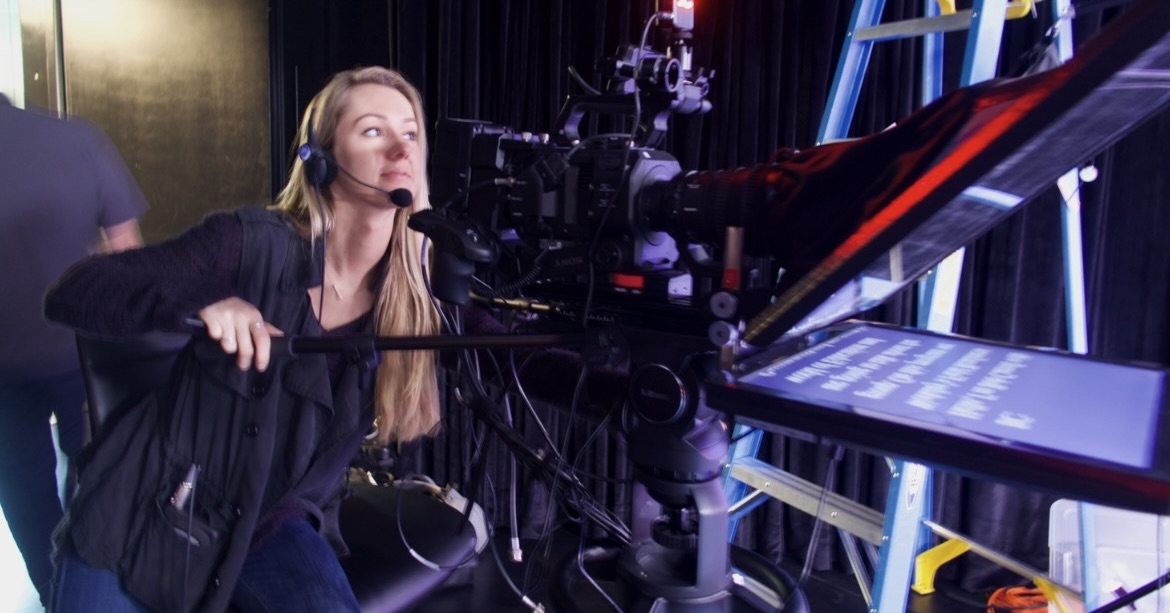
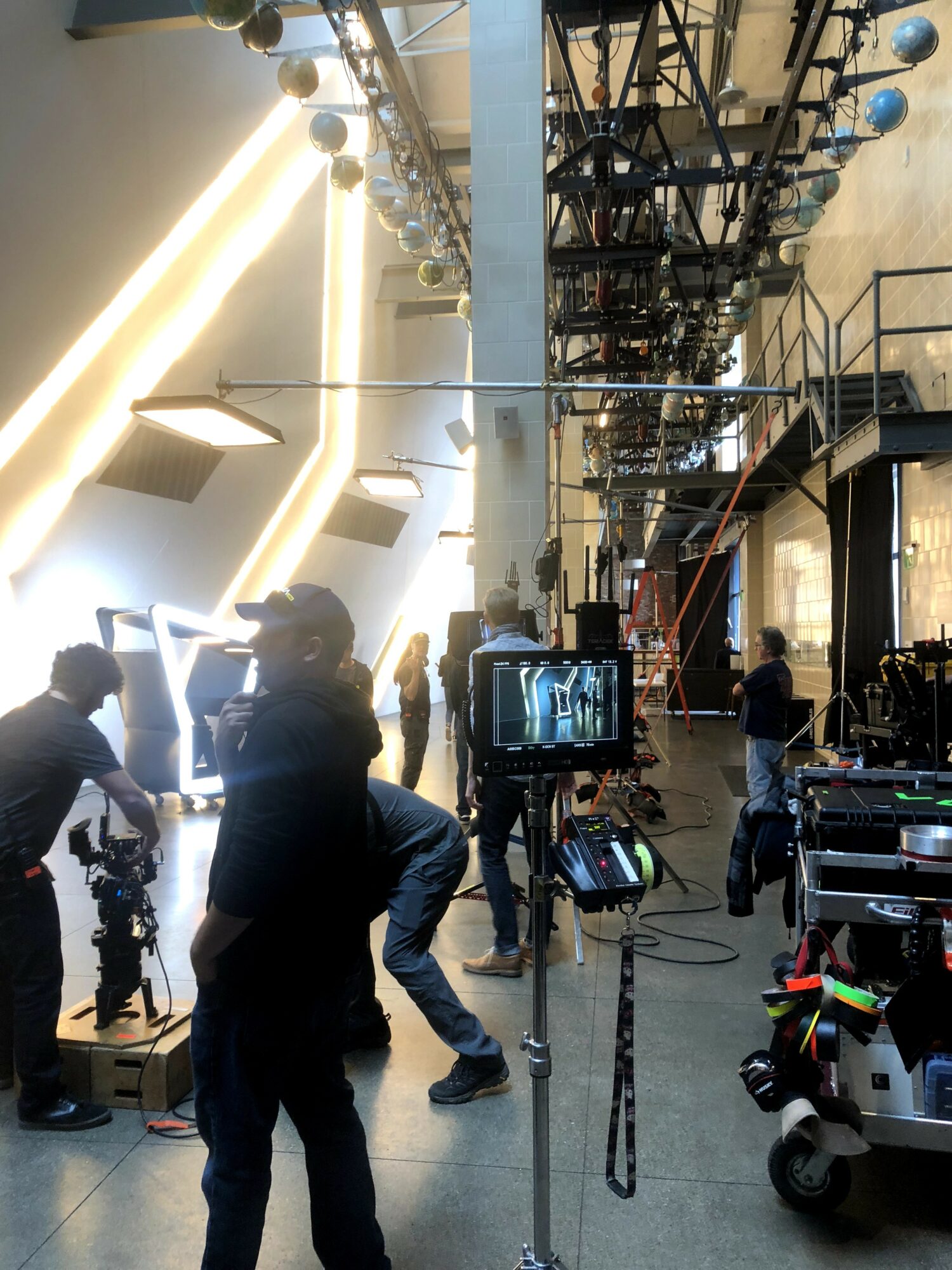
From a young age, being behind a camera helped me make sense of the world. I was incredibly shy growing up, but through a camera, I found my voice. At nine, I was imagining magical universes and directing my friends in them. By middle school, I started convincing teachers to let me make movies instead of writing book reports.
What started as a passion became something deeper during a tough season of depression in high school. Filmmaking saved my life when I joined a youth filmmaking program in the Bay Area. A few days a week, I’d go into Oakland, CA to collaborate with peers just as obsessed with storytelling as I was. We made documentaries about mental health, identity, sexuality, disability, and community violence, topics that felt taboo but needed to be explored. I saw firsthand how storytelling could shift perspectives and spark change.
When passion and purpose collide, magical things happen. By 18, my films had screened at over 60 festivals worldwide, and one of my shorts won Best Documentary at the San Luis Obispo Film Festival, which is considered an Oscar-qualifying award. I still remember when my mom handed me an acceptance letter from Chapman University, my dream film school. I’d gone from a depressed struggling student, to a passionate and successful young filmmaker.
A few weeks before heading off to college, I suffered from an assault that left me unconscious. The following years, I suffered from cognitive challenges, lost my sense of self, and spiraled into self-destruction. I didn’t understand why.
After graduating, I took the path of least resistance and moved back home with my parents, accepting a producer role at a tech company. At the time, it felt like “selling out,” but in hindsight, it was invaluable. I honed my skills in business, budgeting, and leadership before transitioning to a creative agency in San Francisco, where I managed high-budget ad campaigns, multimedia projects, and 2D/3D productions.
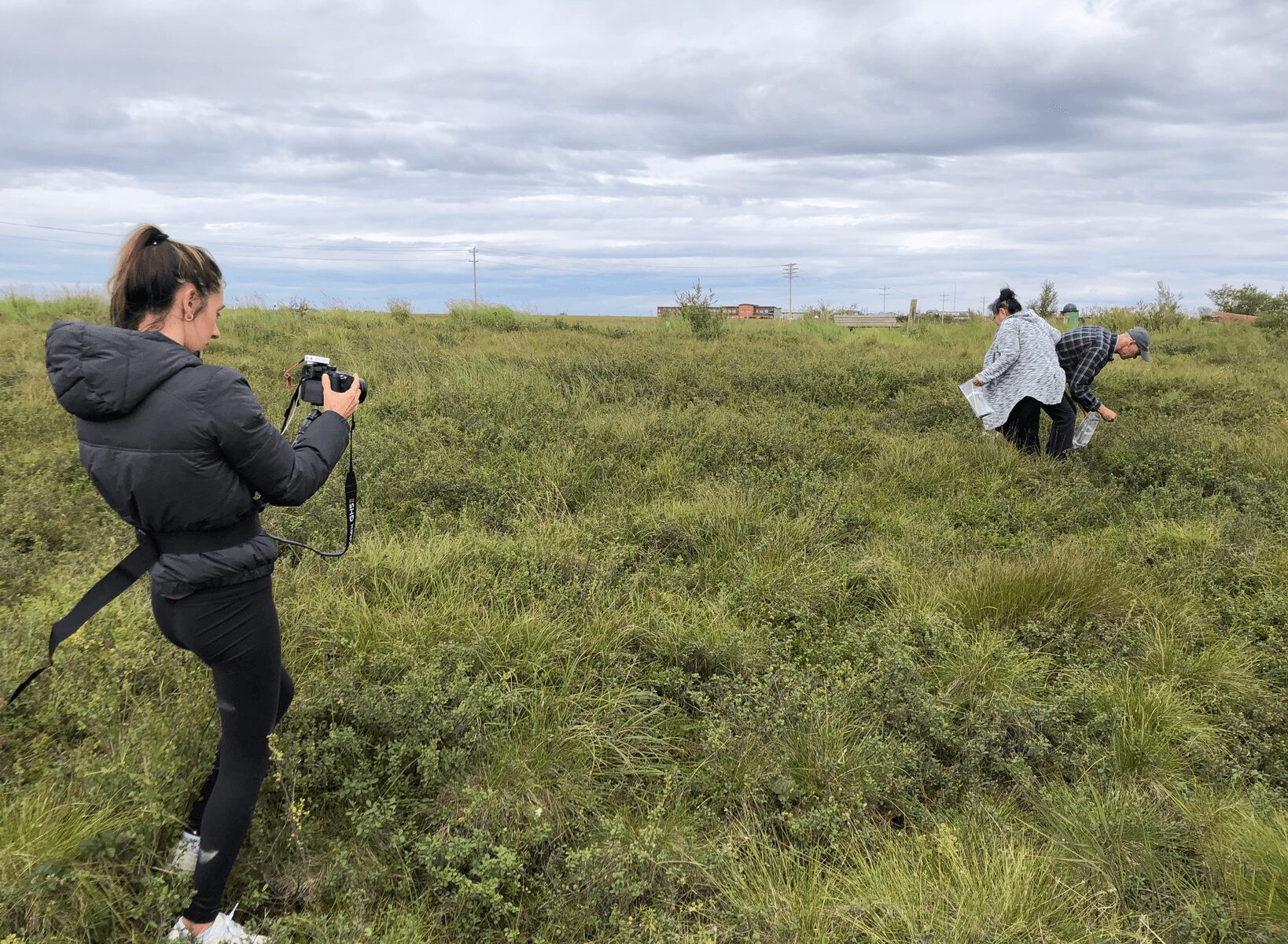
By 2020, I had built a successful career in advertising and media but felt disconnected from my truer purpose. Then the world came to a halt with the Covid pandemic. In the midst of it, my aunt in Alaska reached out, asking if I’d make a film about brain injury. My sister had been struggling with the aftermath of compounded concussions, so this was deeply personal. I dove in headfirst, researching, interviewing, and developing the project in every spare moment while balancing my 9-5. Taking on this film was a transformative experience for me. In fact, through it I was able to piece together mysteries about my own past.
Two years into making the documentary, the momentum and a remembered confidence led me to a leadership role at a documentary media publisher, where I oversaw the development of documentaries highlighting the people and ideas moving the world forward. Over three years, I produced nearly 50 short documentaries, sharpening my ability to craft structure, manage creative teams, and work within real-world constraints.
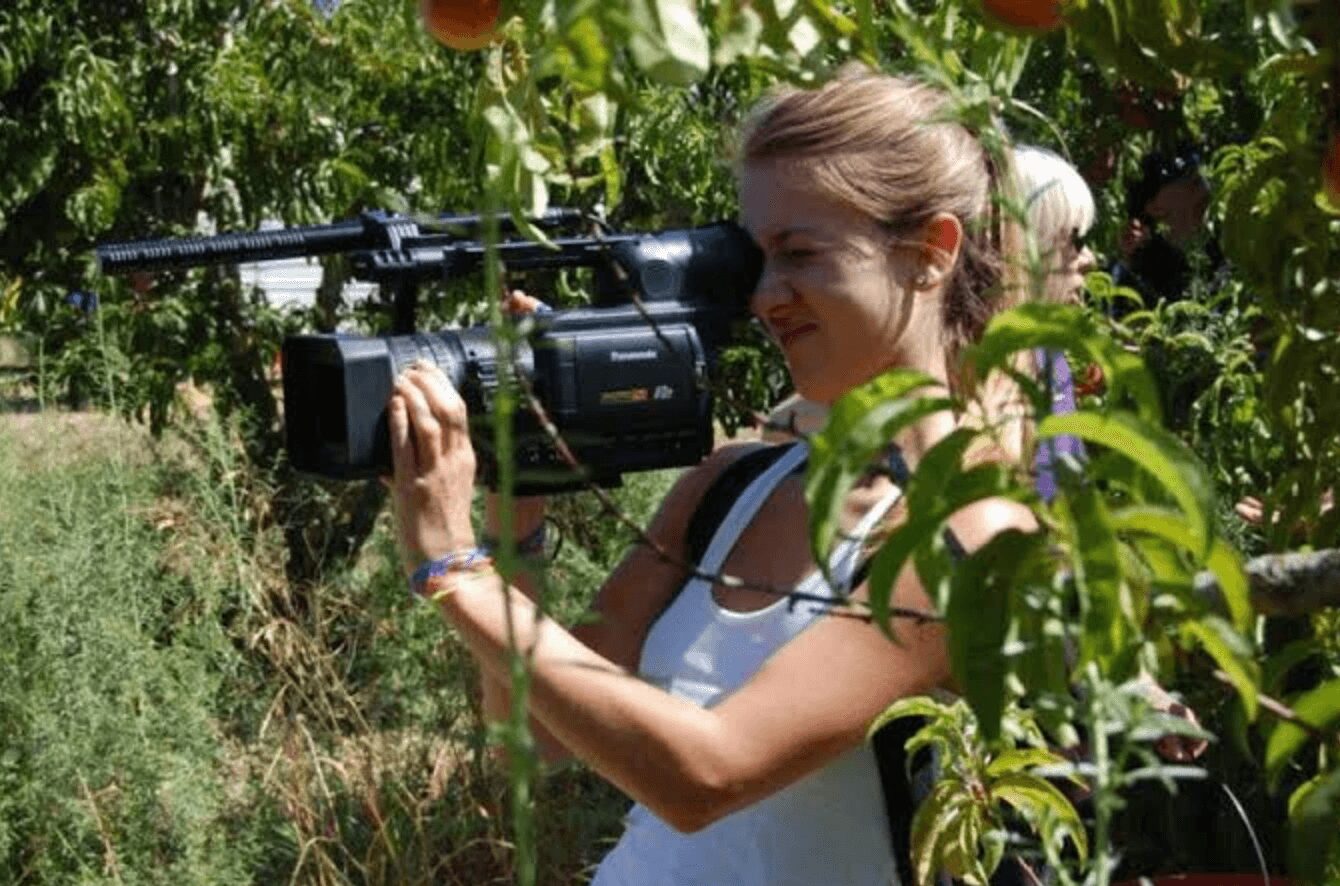
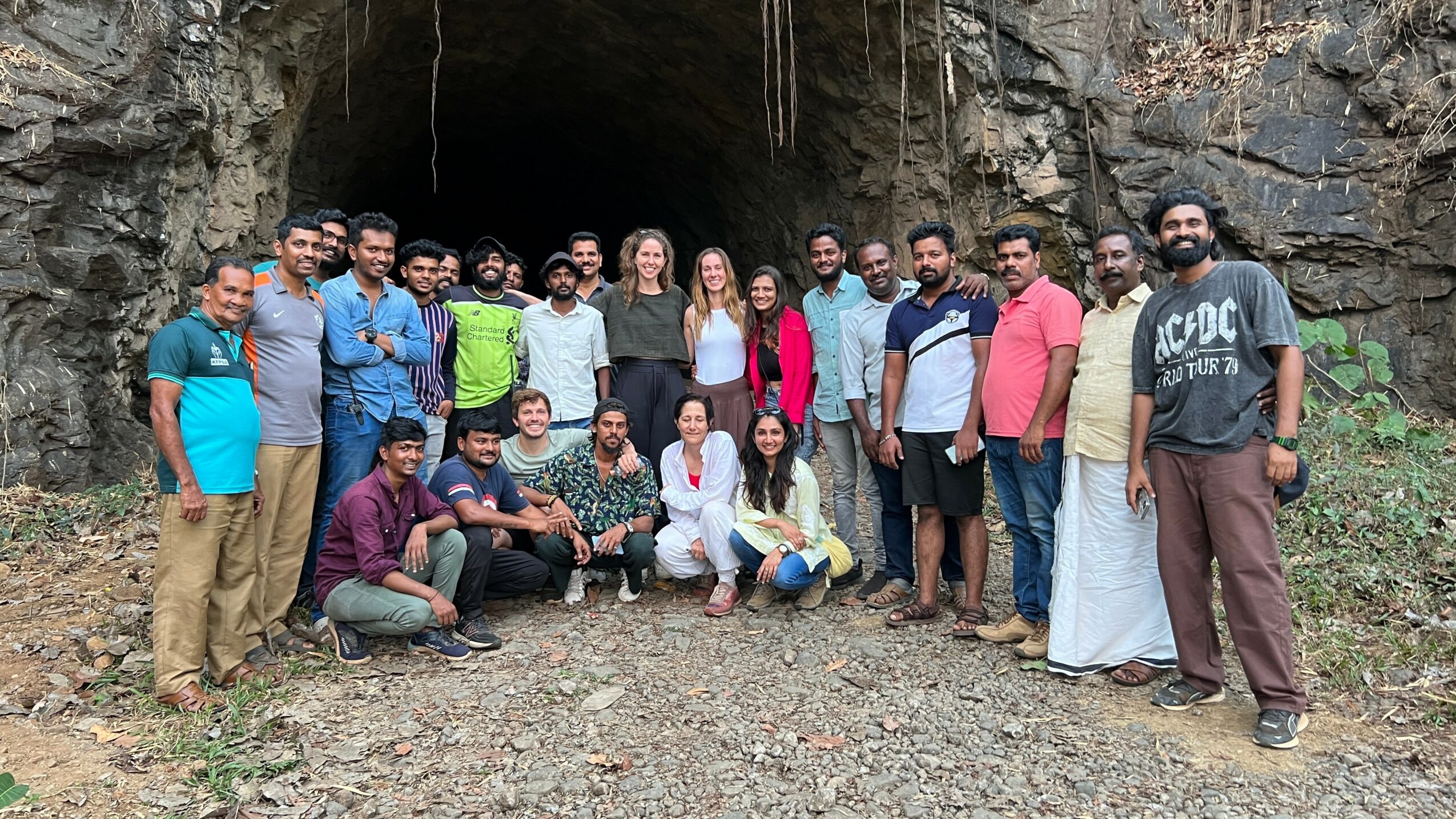
Still, I felt the call for more. In January 2024, I took a leap of faith, leaving the “safety net” of my job to pursue my wildest dreams. It was terrifying, but I landed on a feather mattress. My first gig as an independent filmmaker was producing experimental documentary shorts about ecosystems, cultures and farmers. I can’t share too much because they haven’t been released, but we filmed in India and Sri Lanka with 30+ crew members in each country, even partnering with the production company behind White Lotus Season 3. It was one of the biggest projects I had ever taken…and without the safety net of being a full time employee.
Last year was a massive learning curve. Going out on my own has come with challenges, but my purpose is clear: to tell stories that change the world. I believe in that wholeheartedly.
The brain injury film I started in 2020, Fall of the Phoenix, continues to evolve 5 years later. It’s a magical realism film that explores human resilience, following me as I fall down the rabbit hole of brain injury into a world where reality and the subconscious blur. Through this film, I’ve met incredible people – survivors, advocates, game-changers – who inspire me every day. I hope to wrap production on this film this summer 2025.
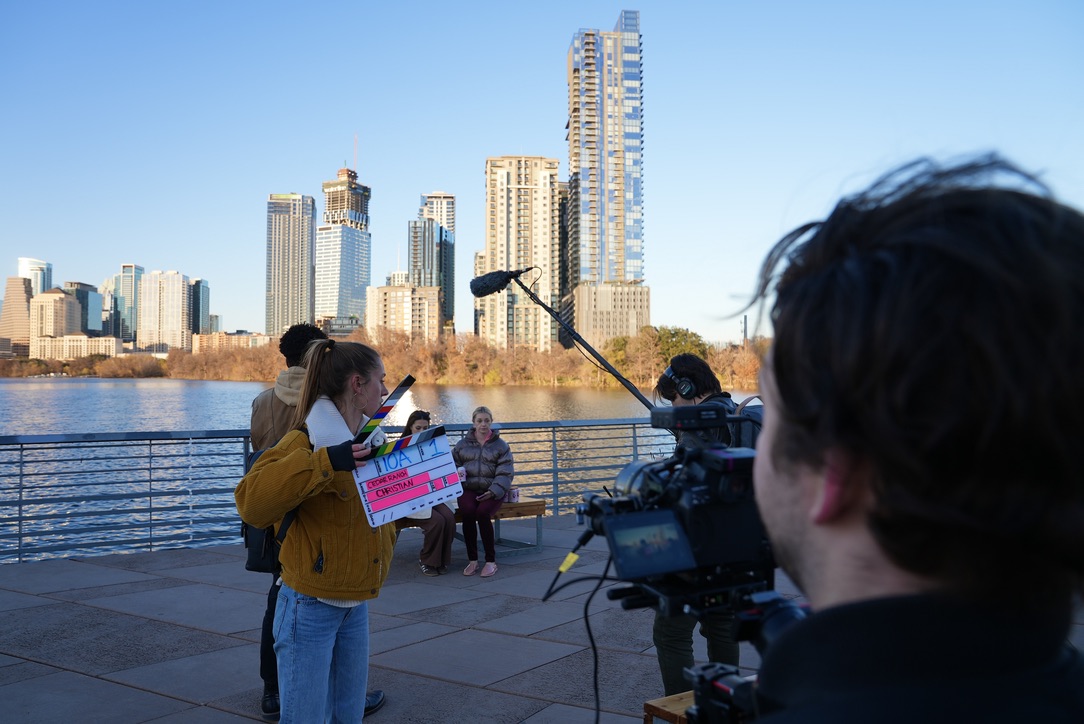
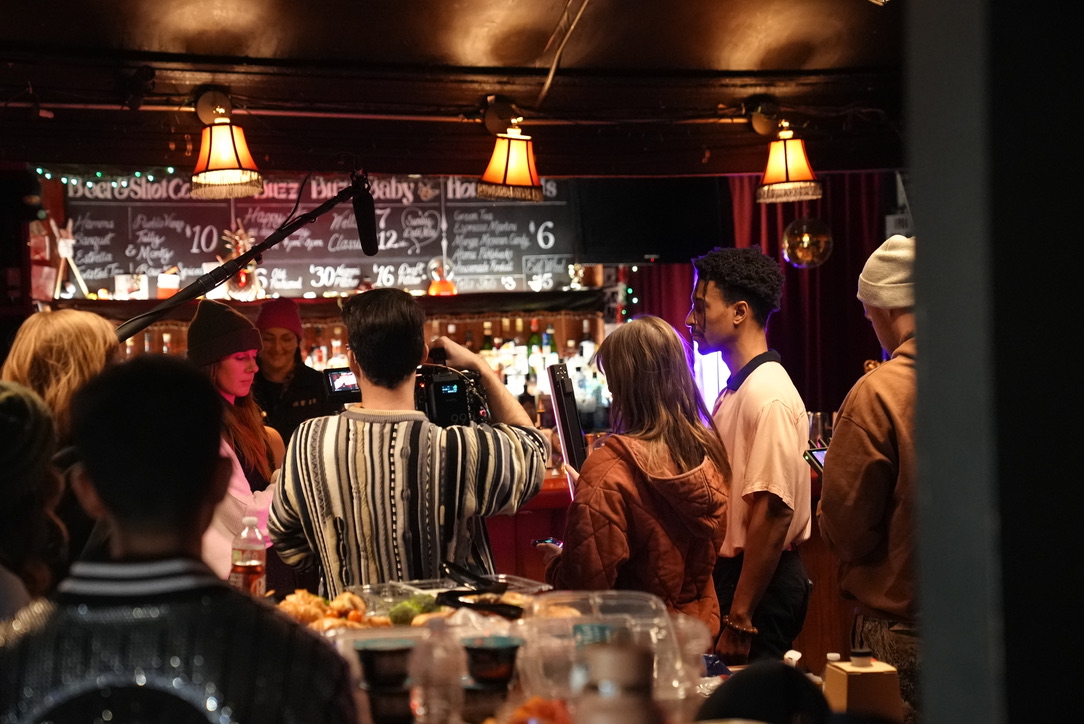
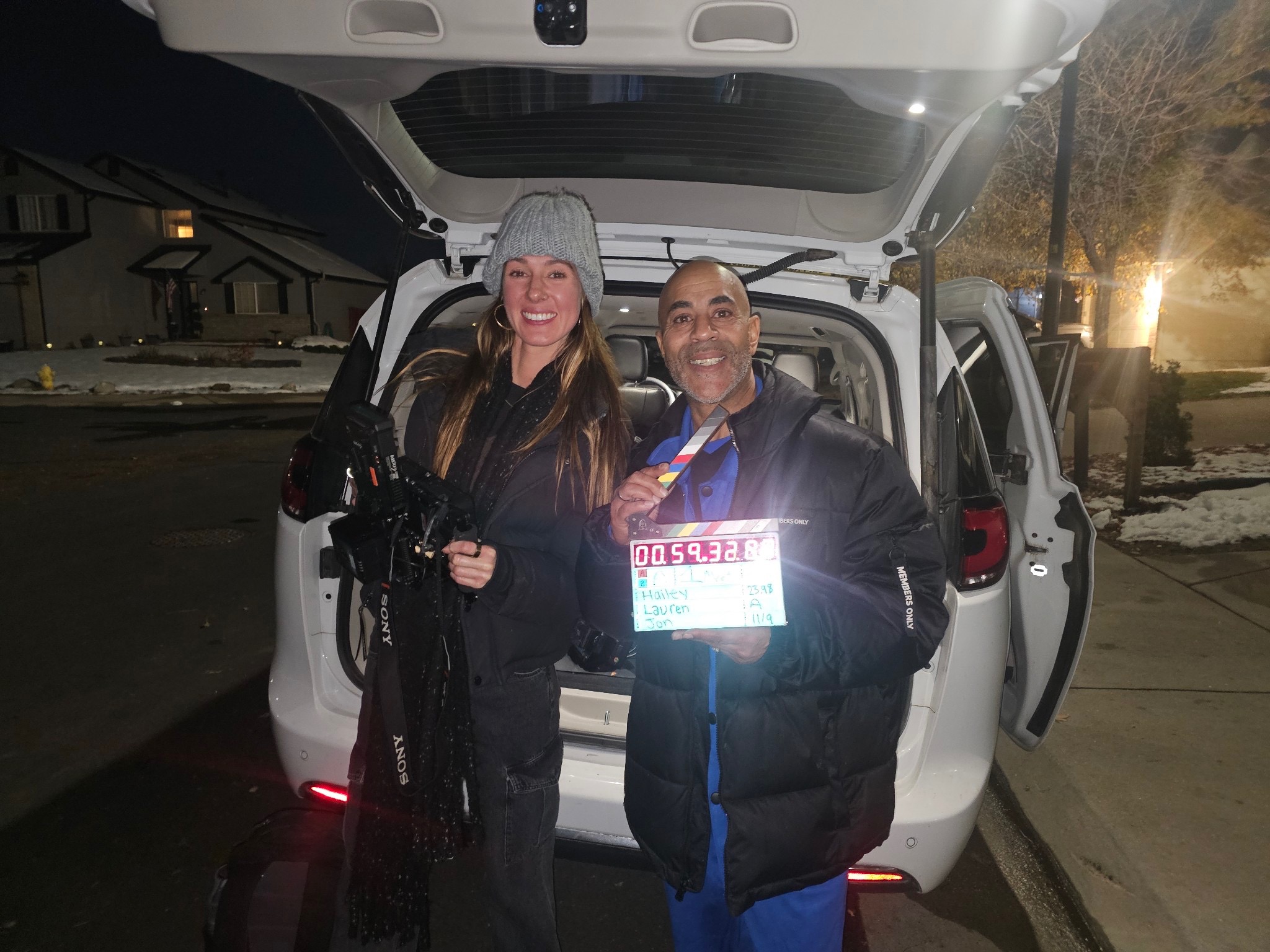
I just recently wrapped an independent TV Pilot, and I’m currently developing several docuseries across various industries, each offering a philosophical lens on life through the perspectives of those who live boldly. I continue to navigate the balance between passion and profession, and I’m embracing that process with gratitude. Every story I tell is rooted in the belief that there is magic in the mundane and that every life, no matter how ordinary, holds a story worth telling.
Would you say it’s been a smooth road, and if not what are some of the biggest challenges you’ve faced along the way?
Filmmaking was my first great love and also my first great heartbreak. I have struggled with confidence, not just in my filmmaking, but in myself. This industry can be tough, there is a lot of uncertainty, and it remains heavily male-dominated. While I’m fortunate to collaborate with incredibly talented and respectful people, I’ve had my confidence shaken more times than I can count. I’ve had to keep going when I’ve felt like giving up.
Pouring your heart and soul into something and then putting it out into the world can be terrifying. One of the greatest challenges I’ve had to overcome, even from the very beginning, is the fear of being seen. The fear of sharing my work.
When I first started dating my partner, who is also a filmmaker, he asked where he could see my films. I admitted that I had taken them all down from the internet. The thought of being judged or misunderstood had become overwhelming. But I know deep down that if I want my work to change the world, I have to let the world see it. So I’ve been actively working through these limiting beliefs, confronting the fears that have held me back, and pushing myself to show up more boldly.
I feel braver than ever and ready to share my films with the world. I’m excited to report that my work is back online, but even more excited to say the best is yet to come.
Thanks – so what else should our readers know about your work and what you’re currently focused on?
I create and tell stories through a visual medium designed to make a lasting impact. I believe one of my greatest strengths as a filmmaker comes from my sensitivity and emotional range. Growing up, I was a highly sensitive and deeply feeling person, which at times was overwhelming. But I’ve learned to channel that energy into storytelling, using it to form deep connections with people and translate complex topics into deeply human experiences.
What sets me apart is my commitment to making films that aren’t just watched but felt. I want my stories to leave an imprint – whether that means shifting someone’s perception, sparking a memory, or helping them feel seen in a way they never have before. I am known for authentic, creative, and genre-bending storytelling that doesn’t just inform but transforms. My work blends documentary with magical realism, reality with subconscious worlds, and truth with emotion in ways that invite the audience into something deeper.
One of my first films was made in collaboration with visually impaired students. We didn’t just want to tell the story – we wanted the audience to feel what it was like to navigate the world without sight. My approach has always been about immersion, co-collaboration, and finding creative ways to bring people into an experience on a visceral level.
What I’m most proud of is my first feature documentary, Fall of the Phoenix. It started as a film for my sister and, over the past five years, has evolved into a movement. Brain injury intersects with some of society’s most pressing challenges – mental health, loss of purpose, incarceration, homelessness, and more. The deeper I’ve gone into this project, the more I’ve realized that raising awareness about brain injuries means shining a light on some of the most complex and timely issues we face today. If we can get this message out, we can start much-needed conversations that lead to real change.
Is there anything else you’d like to share with our readers?
I’m still rooting into the Austin area after moving here 3 years ago and doing a boatload of remote production! If you’re in the Austin area and are an artist, filmmaker, musician, or simply someone who loves storytelling, I would love to connect! Whether it’s brainstorming over coffee, experimenting with new creative mediums, or just geeking out over films, I’d love to build community with local storytellers.
Contact Info:
- Website: https://www.laurenlindberg.net
- Instagram: laurennlind
- LinkedIn: https://www.linkedin.com/in/lauren-lindberg/
- Other: fallofthephoenixfilm.com (Launching in March for brain injury awareness month!)