




Today we’d like to introduce you to Kristen Hosty
Hi Kristen, it’s an honor to have you on the platform. Thanks for taking the time to share your story with us – to start maybe you can share some of your backstory with our readers?
My mom put me in my first theatre class when I was four years old, and in her words, “all of the kids were just like [me]– bouncing off the walls and unable to keep quiet”. It was apparently immediately clear to her that she had found where I belong. I was lucky to find this passion so early in life and to have parents dedicated to taking me to rehearsals and lessons. My dad took me to and from tech rehearsals on Super Bowl Sunday multiple years in a row, and my mom even switched to the night shift so she could drive my sister and I around during the day. My childhood was filled with acting classes, conservatories, and summer camps. It was awesome.
From as early as I can remember (or can see evidenced in old home videos), my mom and her sisters encouraged me to use my imagination, giving me scenarios that we would turn into scenes. It’s funny to look back on these memories, because my family was unknowingly taking me through rudimentary acting exercises. We’d start with a location, a conflict, or a character, and as the scene went on, they would tweak small details to explore how the changes affected the scene. How many people can say they joined an improv troupe before they could form full sentences?
My parents, especially my mom, also instilled within me a profound sense of empathy and understanding for those around me. I was always asked to not only consider how others were feeling, but to recognize that I know nothing of their experiences. I don’t know why they may think, feel, and act the way that they do, so I was reminded to always assume the best of people and to give them the benefit of the doubt– something I found particularly annoying during middle and high school. I learned how to move through the world without passing judgement or writing people or their actions off as right or wrong. I’ve always known that humans and the choices they make are much more nuanced than that. I think this understanding is one of the golden keys of acting, and I’m so thankful my family gifted it to me early enough that it now feels as natural as breathing. Couldn’t turn it off if I tried. This then ignited my deep interest in psychology and human behavior. Between this and our little improv troupe, it’s no wonder I still perform today!
Can you talk to us a bit about the challenges and lessons you’ve learned along the way. Looking back would you say it’s been easy or smooth in retrospect?
Bear with me, because this is going to be a long one.
First, I’d like to acknowledge that I have been incredibly fortunate in my professional life thus far. I’ve always been surrounded by family and friends who have done nothing but support me and cheer me on, and I’ve had the opportunity to work with some truly amazing, talented, and passionate artists. However, as all creatives know, it can be an ongoing battle to balance our passions with more lucrative and/or consistent work. I am very lucky to say that I have finally found myself in a position where I feel my creative and corporate lives are balanced, symbiotic even, despite my initial emergence into the workforce being full of uncertainty and a seemingly endless number of shut doors.
In May of 2020, I graduated from The University of Texas at Austin with a B.A. in Psychology, a B.F.A. in Theatre Studies, and a Theatre Education certificate. I had thought that attaining multiple degrees and a certification would provide me with a multitude of job opportunities after graduation. Instead, I found myself stuck in an eternal spring break in my childhood home in Columbus, Ohio. With so much uncertainty surrounding virtually every aspect of what returning to work would look like for Americans, I had a very difficult time trying to discern what our post-pandemic world would look like, and how I could fit into it. Even as businesses began to reopen, theatres and film sets remained closed, which made finding a clear path forward feel more difficult than ever.
Anxious to move back out on my own (sorry mom and dad) and regain a sense of purpose, I started to take any step forward I could, no matter how small. I got a job working as a guest services associate at our local Topgolf for about $11/hr and started saving money to move back to Austin. Only a few weeks into working, I was asked if I would interview for an administrative position. I didn’t think that I’d like working behind a desk, but the position offered a couple of bucks more an hour, so I figured it was a step forward. My time as an admin ended up being such a gift during an incredibly confusing and lonely time. I made wonderful friends and learned from mentors who are much, much smarter than I am. We even had some new team members join us, and as fate would have it, our new office manager was another Texas Longhorn and our director of operations was from the same small, south Texas town my mom grew up in. I’ll always be thankful for my time at Topgolf, and to all the people who made my first job after college so special.
Eventually, I had saved enough to move back to Austin, and I was eagerly searching for a job. I was ready to get back to the creative city I loved and to begin performing again. Knowing I was on the hunt, one of my best friends offered to put in a referral for me at her job. She was a legal assistant at the time, working in a field I knew nothing about and had no experience in. But it was a step forward, a door to walk through, so I jumped at the opportunity. I never could have imagined that this kindness my friend offered me would create new opportunities and set in motion a series of events that would lead me to where I am today, working as a policy specialist in Google’s legal department and free to explore and pursue multiple interests of mine.
I reflect on this transitional period of my life often, because it serves as a great reminder that many things in life are out of my control, and I’ll likely spend many more days feeling lost and unsure of what my next move should be. That’s okay, as long as I never stop moving forward. Maintaining this unrelenting forward momentum, no matter how slow, tedious, tiring, or incrementally small my steps may be, will always culminate in success, because in matters paid for in time and effort I am unlimited. If I see an open door, I will always walk through it. If I see a step forward, I will always take it.
This philosophy has created so many opportunities for me, many of which I never would have found by myself. It has allowed me to continue to move forward during times of uncertainty or turbulence. It’s also why every obstacle that I’ve encountered has felt more like an opportunity, rather than a roadblock– an opportunity to let fate tumble me along, while my determination and perseverance keep me from straying too far from the dreams and goals I have for myself. I will always get to where I’m going, but I’m under no illusion that I know anything about what that journey may look like, so I always look for those open doors, and I take them– even if I have no idea what they may hold.
Thanks for sharing that. So, maybe next you can tell us a bit more about your work?
Though most of my training is in theatre, I’ve always known I wanted to someday explore film. In college, I began to submit for background roles around Austin, and I started auditioning for student films. These student films were so much fun to be a part of, and they were invaluable in my learning of how film sets work. I highly, highly recommend auditioning for student projects to all actors new to film. I have had nothing but positive experiences, and I’ve gotten to work on some really cool projects with some unbelievably talented and innovative folks who are so genuinely excited to be creating something new. It’s also a great way to learn your way around a film set, because you can hear the students talk through their thought processes with each other. I really just cannot give enough praise to student projects or overstate the role they have played in my understanding of film and in getting me signed with my current agency. You can find a link to one of my favorite student films to be a part of, Hook, Line, and Sinker, in my Instagram bio.
In addition to student films, I now mostly audition for shorts, features, and commercial opportunities. Dramatic works have traditionally been my bread and butter, but I’ve recently been testing my comedic chops and would love to continue exploring comedic roles. I also plan on taking voiceover classes, so that I can begin to submit to those calls as well, and I even have a podcast with one of my best friends called Clued & Clueless. Still, I think of the stage often and will always look for opportunities to return. I’m really enjoying this exploratory phase of my life, and I’m so thankful to be surrounded by so many talented artists who are willing to explore and create with me!
Where do you see things going in the next 5-10 years?
Recently, the industry has seen a couple of large shifts that I anticipate having long term effects. Post-pandemic auditions have continued to be predominantly self-tapes, with even many callbacks remaining virtual, and the casting directors I’ve spoken to don’t expect that to change anytime soon. In many ways, this has been very beneficial to actors and, as I understand it, to casting directors as well. For most actors, it’s much less time consuming and convenient to shoot a self-tape once you have a setup and get the hang of it, and casting directors are able to see more auditions when they’re sent virtually. However, I know the technical and logistical aspects of filming a self-tape has been an obstacle for some performers. In a self-tape, we also lose the energy generated when auditioning in the room and the opportunity to receive live feedback from casting. I am interested to see how this process evolves, though, and if it will grant actors the ability to book more non-local projects and more freedom to live outside of the traditional casting hubs.
Another massive change has been the integration of artificial intelligence into popular media. This one I’m more nervous about, and very unsure of how it will impact film and television in the future. Though I think there are many benefits to the integration of AI into various industries, it’s scary to think of my image and likeness being replicated in a way that makes my presence on set less important and diminishes my value as a performer. The recent SAG-AFTRA strikes occurred largely to battle unfair language in actors’ contracts, but as AI is an exciting new frontier for many industries, I think we will see ongoing negotiation as it’s incorporated further into ours.
Contact Info:
- Instagram: @kristenhosty
- LinkedIn: https://www.linkedin.com/in/kristen-hosty-835235236/
- Youtube: https://youtu.be/6IJzjEmwVXM
- Other: https://www.boysentalent.com/


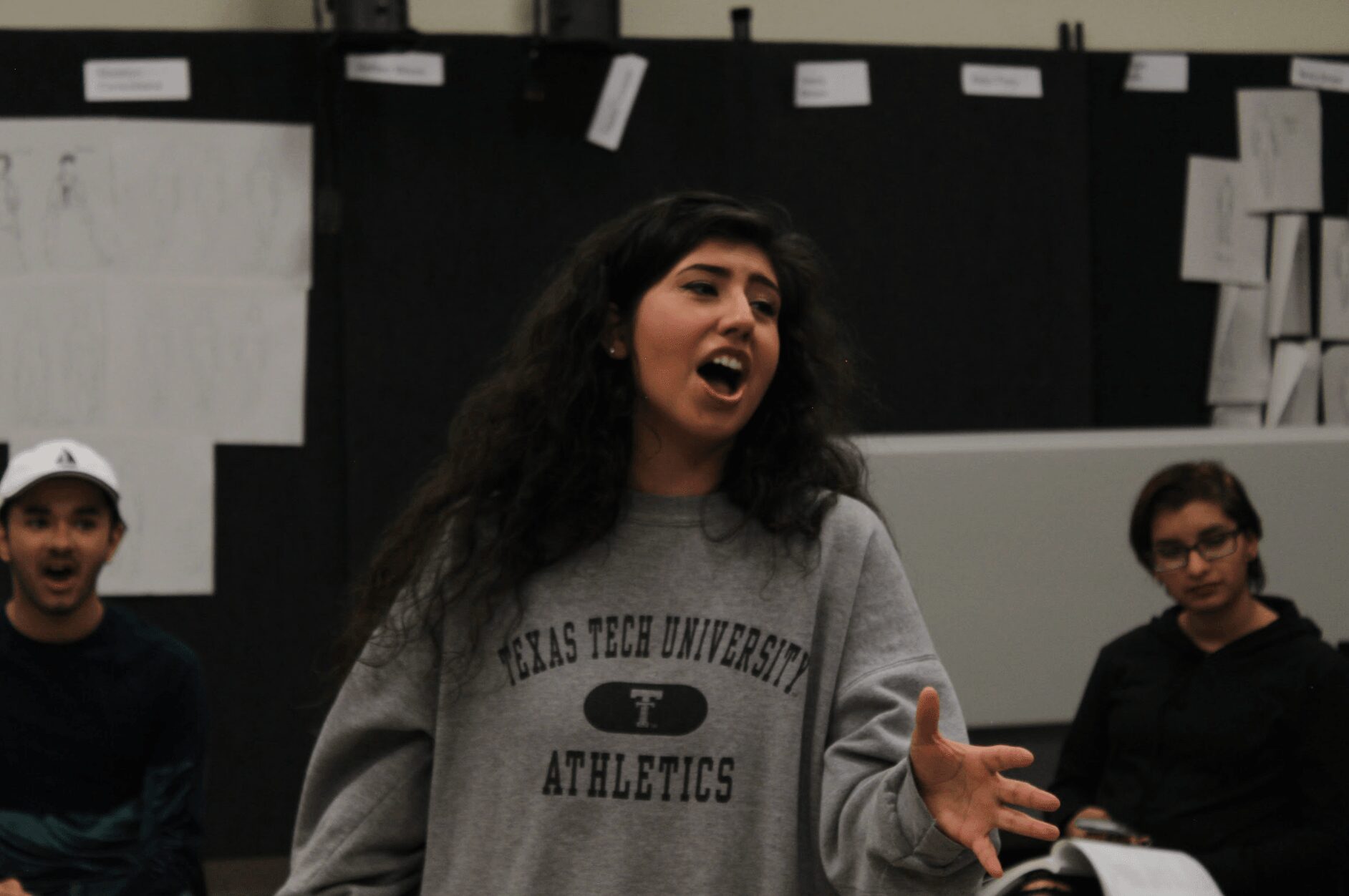
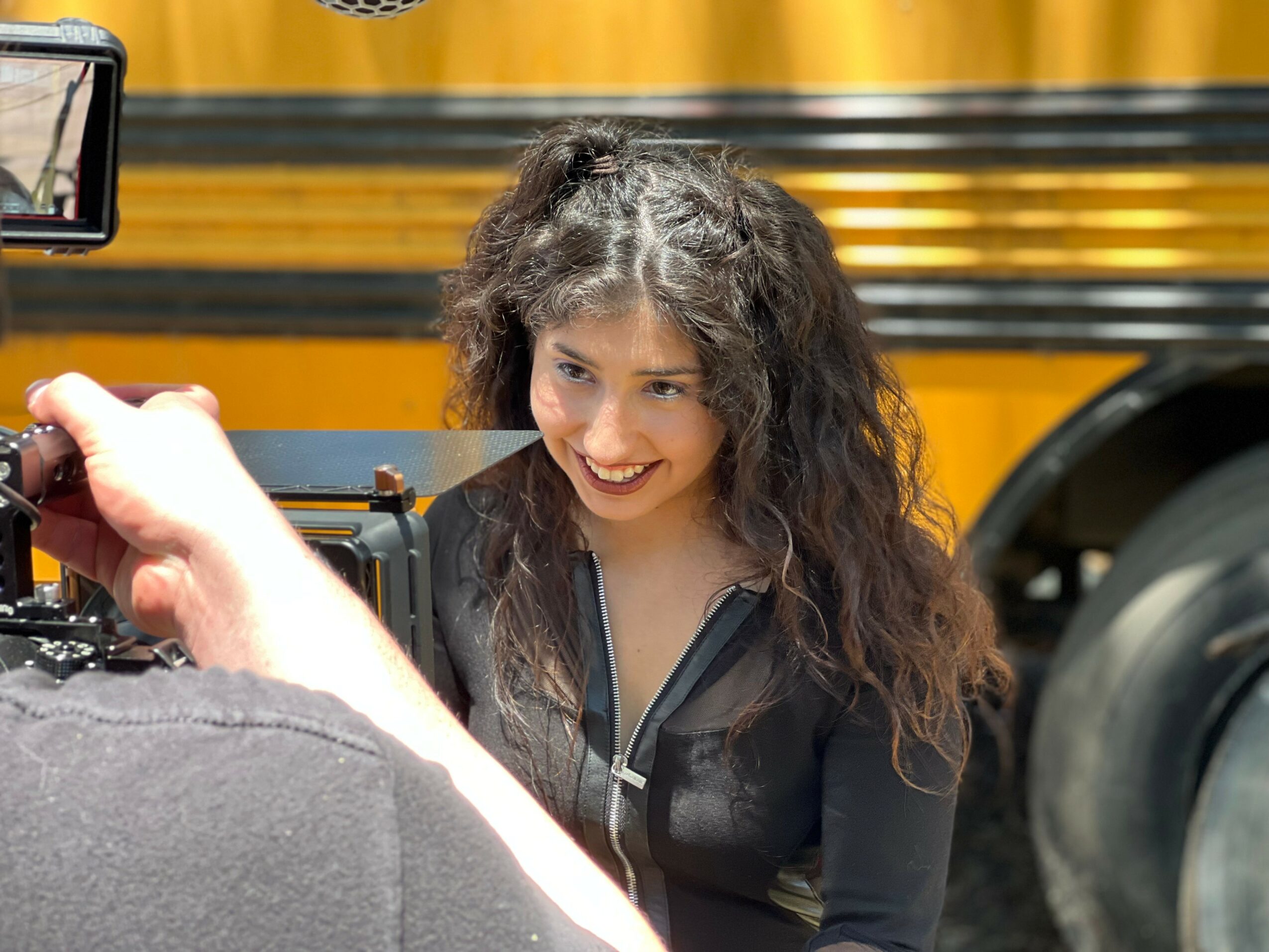
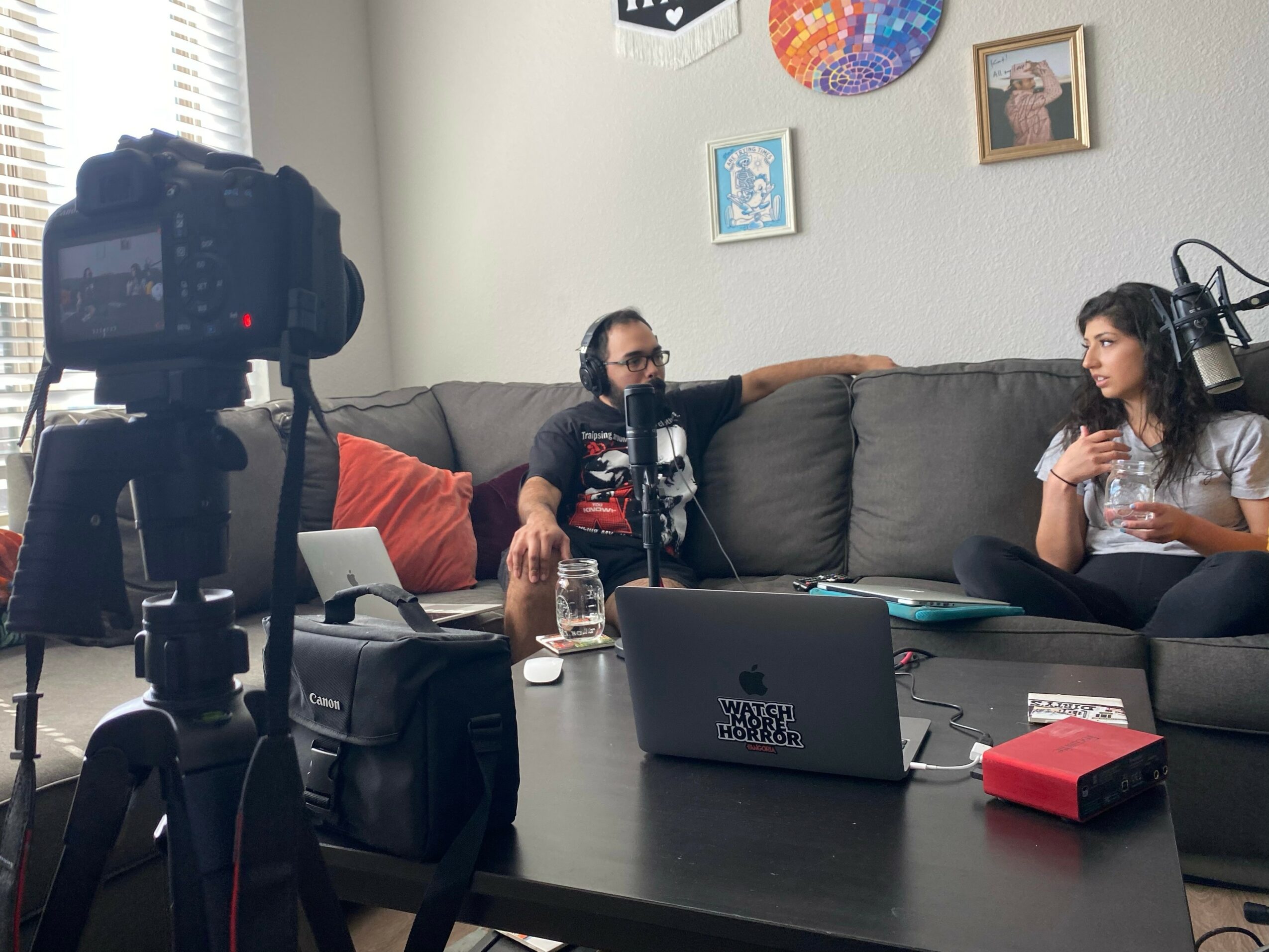
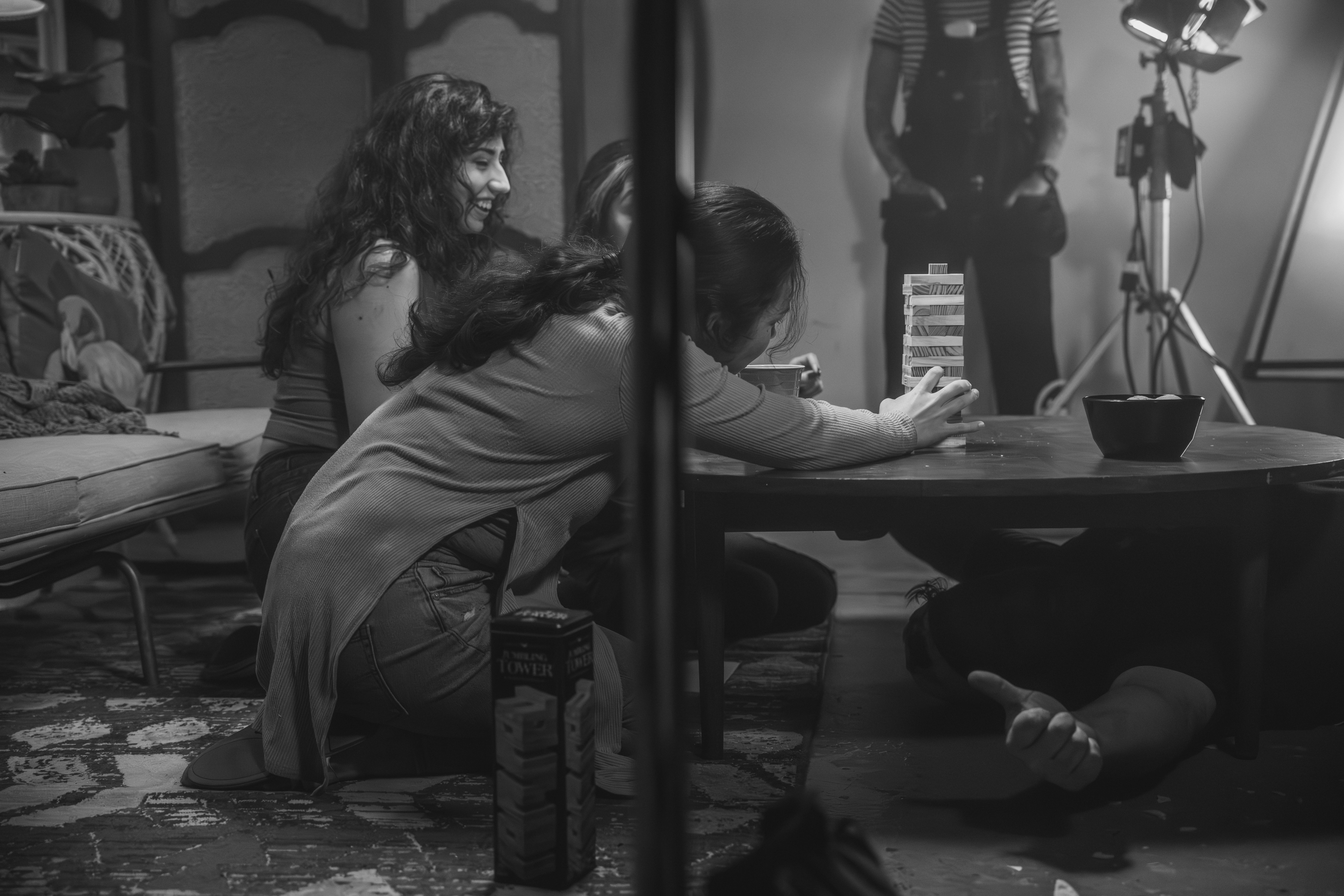
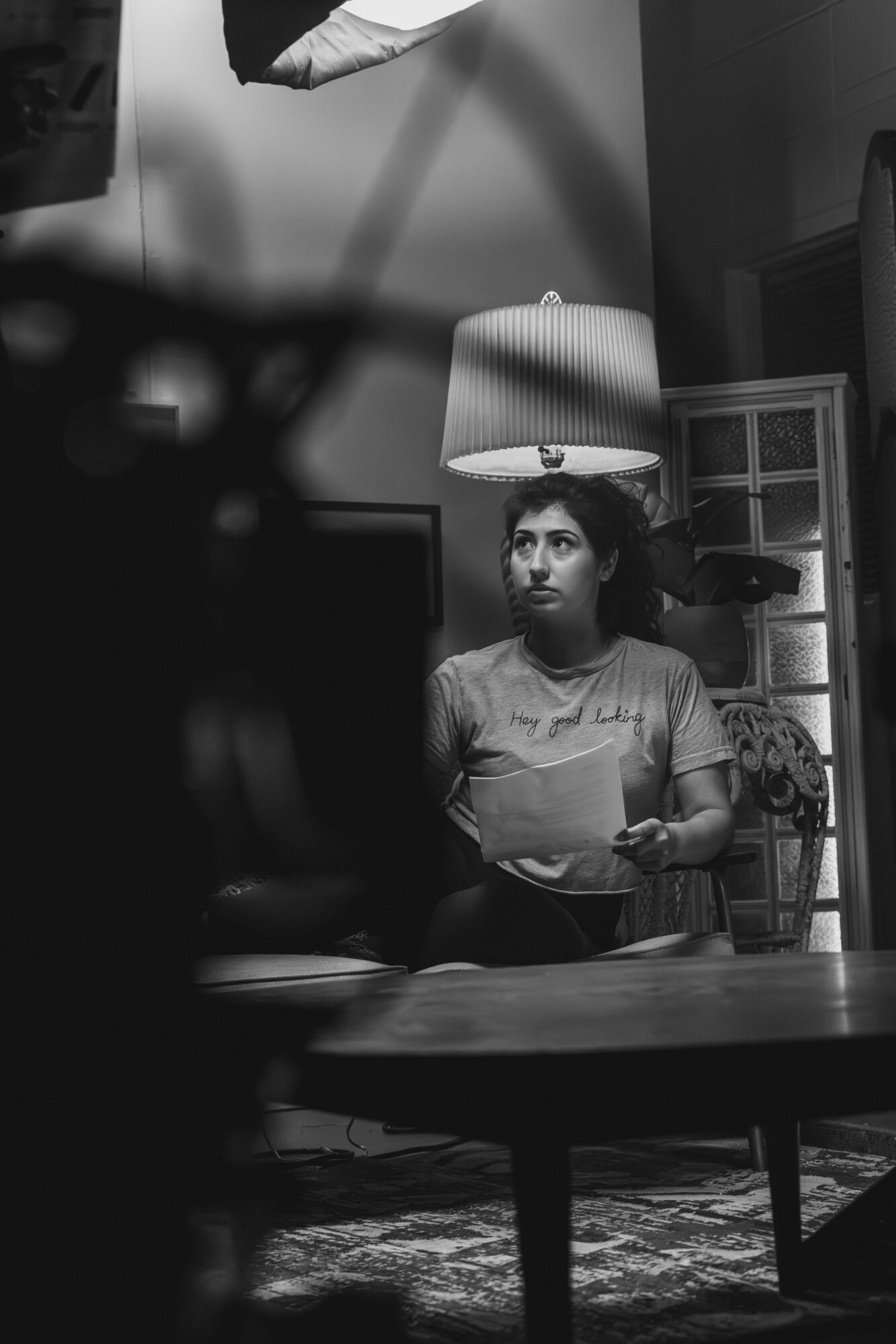
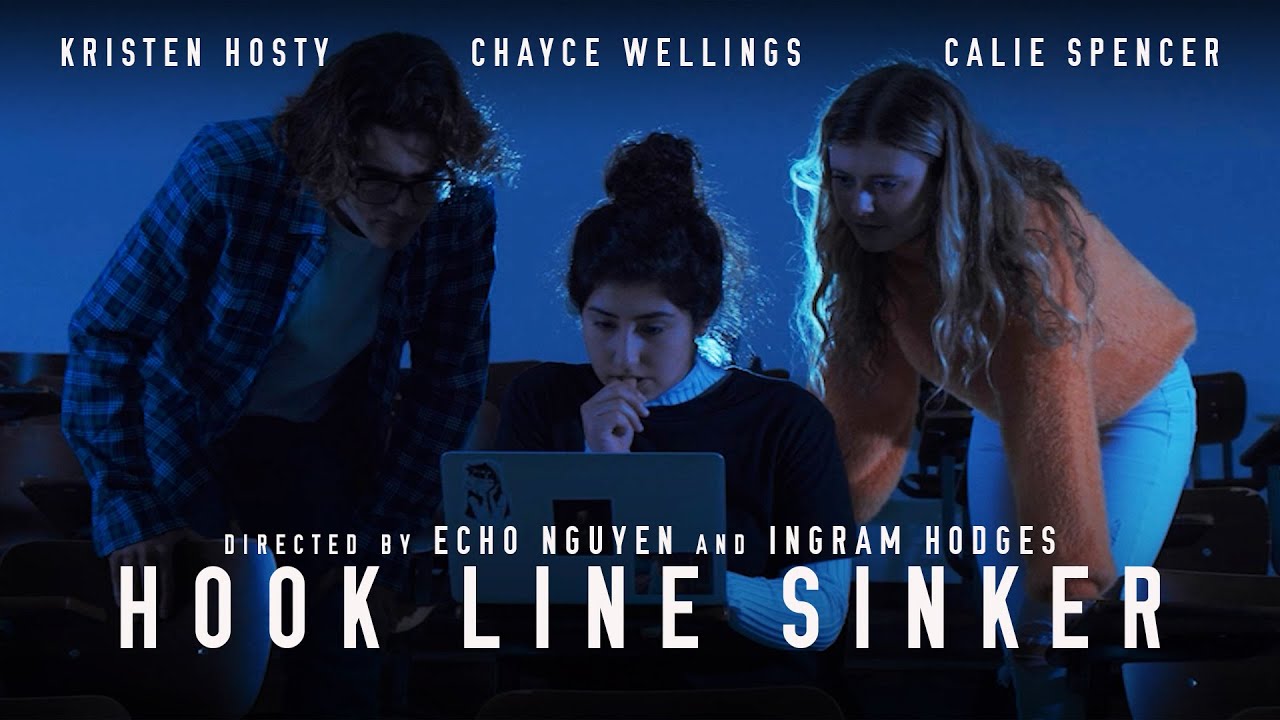
Image Credits
Headshots – Kathryn Lane Photography
Rehearsal – Nick Payne
BTS (color) – Drew Schwemer
Clued & Clueless – Katie Neuman
BTS (black & white) – Jon “Ike” Eichler, Anthem Content
Hook, Line, and Sinker – Ingram Hodges, Kyla Chatterjee, Anthony Gomez, and Echo Nguyen