



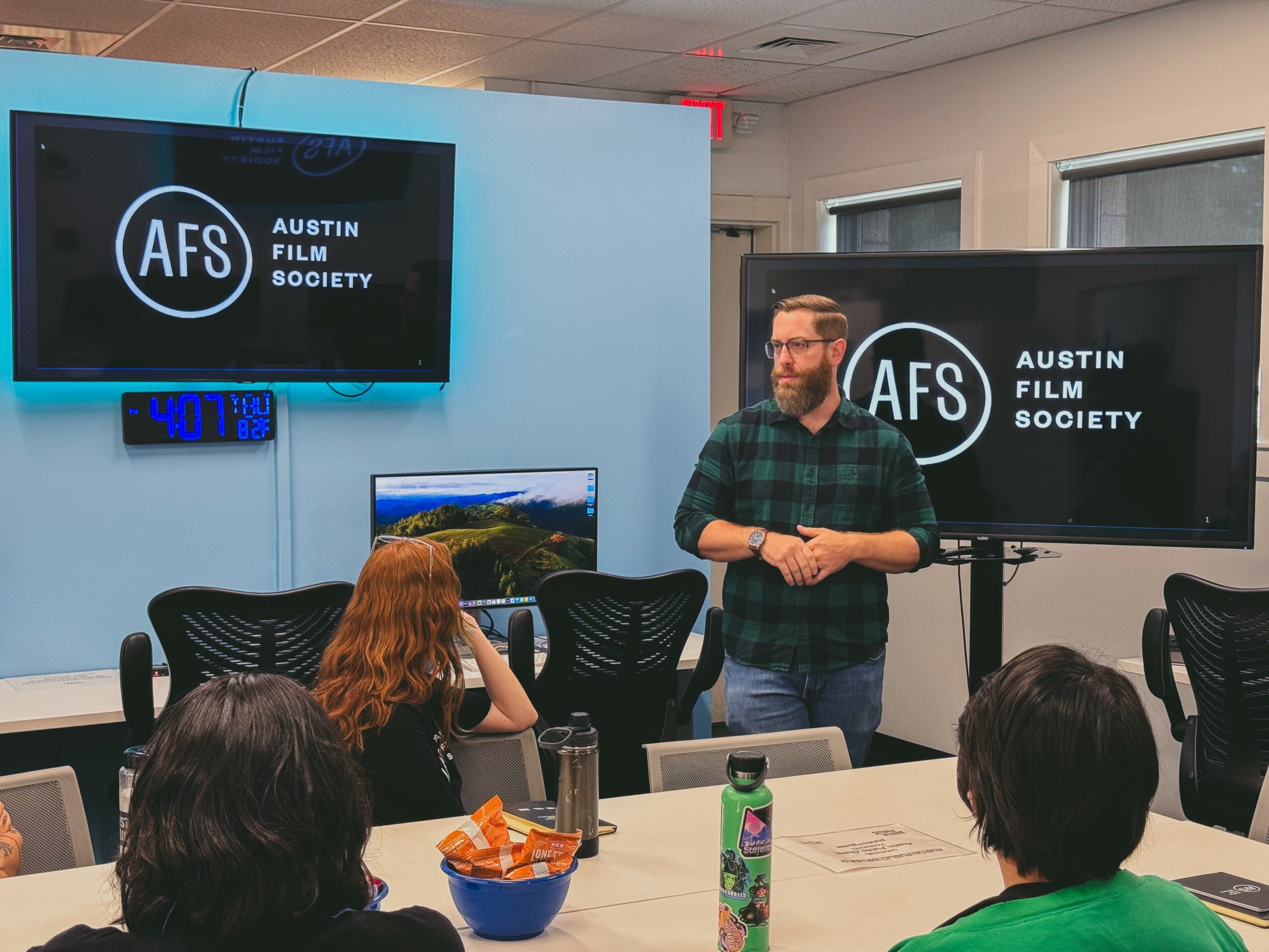
Today we’d like to introduce you to Doug Gray.
Alright, so thank you so much for sharing your story and insight with our readers. To kick things off, can you tell us a bit about how you got started?
I moved to Austin in 2003 to attend the University of Texas, but after not getting into the radio television and film program and struggling through three semesters without a clear focus, I stepped away from UT. I jumped into freelance videography work while also working as a restaurant delivery driver and completing an associate’s degree from Austin Community College.
In 2007, I answered a Craigslist ad looking for volunteer crew on a late-night public access variety show called “The Infynit Hour,” filmed live at Austin Public, which at the time was under different nonprofit management called Public Access Community Television (PACT). PACT then changed names to channelAustin in 2009. That gig introduced me to a small production crew and, for a few years, we shot music videos and all kinds of events around town like live music, roller derby, and high school football, and through that work, I met the staff at channelAustin.
In 2010, I was hired part-time in the equipment room at channelAustin, and that soon turned into a full-time role. That moment — leaving the food industry for good and knowing I could make a living in this field — was a huge turning point for me. There was a reorganization of channelAustin staff after they renewed their city contract in 2011, and I was promoted to Programming Director. In that role, over the next few years, I managed all cable channel programming, created promotional materials, taught classes, and supported production services as a camera operator and second editor.
When AFS took over operations of the facility in 2015 and changed its name to Austin Public, I was brought on as Station Manager, overseeing the day-to-day operations of the facility. I’ve now held that role, which has since evolved into General Manager, for a decade.
I love connecting with people (and connecting people with others) and building genuine relationships. I met my wife working here, and our Engineer, Charles Wright, has been working with me for 11 years (since the channelAustin days). Austin Public and the concepts of “community media” and “digital inclusion” aren’t just part of my job; they’re a passion. The Producers here aren’t just members; they’re my collaborators, friends, and colleagues. We’re all building this together, and I just happened to be in the fortunate position to grow into a leadership role to champion public access with the support of such an amazing organization in AFS.
We all face challenges, but looking back would you describe it as a relatively smooth road?
When channelAustin lost its city contract in late 2015, I lost my job as Programming Director. To regain a role at Austin Public, I needed to interview for a position with the Austin Film Society, which was now taking over operations. Once I was hired as Station Manager, we focused on a refresh of the Producer Program, connecting with the filmmaking community in ways that had never been done before and building trust with the existing program members as well as the City of Austin. We also had to rebuild the staff and take on existing AFS programs like the after-school film club, artist development programs, and summer camps.
When COVID hit, we shut down for a full year, and we had to make layoffs within our Community Media department. While we kept equipment checkouts going in a limited capacity, the building itself was closed. We quickly adapted to teaching classes virtually, which is something we’d never done before. Gear had to be sanitized and quarantined, and for most of that year, it was just me, Charles (our Engineer), and a coordinator onsite to keep things running.
We reopened in May 2021 and, several months later, renewed our City contract. This new contract included our Creative Careers workforce development program. So not only were we rebuilding the Producer Program and hiring a new team, we were also building a new workforce program from the ground up.
Having to rebuild the program twice in the span of six years was a lot of hard work, but I’m proud of how far we’ve come. Each time, especially after the pandemic, we pushed ourselves to evolve, and we’re stronger for it.
Thanks – so what else should our readers know about The Austin Film Society?
Since it was founded in 1985 by Richard Linklater, the Austin Film Society has been dedicated to creating life-changing opportunities for filmmakers and catalyzing Austin and Texas as a creative hub — all while bringing the community together around great film. As a non-profit, we support filmmakers making career leaps and encourage exceptional artistic projects with grants and support services.
In total, we operate three campuses throughout Austin. One of those is Austin Studios, a 20-acre production facility, which helps grow the creative media ecosystem. We also run the AFS Cinema, an ambitiously programmed repertory and first-run arthouse.
Then there’s Austin Public, which is the City of Austin’s community media center and public access TV station managed by the Austin Film Society under a City contract. Through the Producer Program, anyone ages 15 and up living in the Austin metro area can access professional media resources, training, and distribution services, regardless of their background or experience. All of this is at little to no cost.
What makes the Producer Program at Austin Public special is the community behind it. It’s not just about taking a class, checking out gear, and submitting content for distribution — it’s about collaboration and connection. We have seasoned Producers who’ve been creating here for over 30 years, often working alongside beginners just getting started. Whether someone’s making a short film, podcast, talk show, religious broadcast, or experimental art, we provide the resources, training, and support they need to bring their ideas to life.
Austin Public is also home to our AFS Creative Careers program, which is a paid workforce development program for people 18 and up in the Austin metro area. It’s designed to give participants hands-on production skills, training, and mentorship to help them transition into full-time jobs and short-term gigs within the creative media sector.
As General Manager, I oversee the operations team at Austin Public as well as manage the Producer Program. I also lead capital projects, facility management, and the day-to-day support of our other community programs. What drives me most is the mission of community media. I wouldn’t be here if this place hadn’t existed when I was starting out 18 years ago. My goal is to make sure this space stays inclusive to everyone (within the Austin metro area) and accessible to the next generation of creatives.
In terms of your work and the industry, what are some of the changes you are expecting to see over the next five to ten years?
With my background, I can’t speak directly to the film industry, although the new Texas film incentives will be important for our future. I can, however, speak to what’s happening with public access stations. The concept of public access TV started back in the late ’60s and really took off in the mid ’80s with the proliferation of cable TV. However, across the country, public access stations are now disappearing as cable-company funding, which most still rely on, continues to shrink due to cord-cutting. The City of Austin is one of the few locations that has adapted by using its public access infrastructure and funding to build out workforce development opportunities. That shift became especially important after COVID, when many in the creative media sector lost work. But this direction was already in motion before the pandemic, with AFS recognizing the potential impact we could have and the City of Austin identifying Austin Public as a prime location to expand their creative workforce portfolio.
As we move forward into the next 5–10 years, it’s important to preserve the inclusive and collaborative environment that makes Austin Public special while staying true to the public access TV model that still partially funds our programs — that will always be the heart of Austin Public. However, our long-term sustainability depends on expanding access to professional development and job pathways and supporting Austin’s creative economy as well as our nonprofit community in deeper, more intentional ways. We’ll also need to find new ways to expand our revenue streams as cable TV funding goes away. So, as I mentioned previously, we’ve evolved when others haven’t (or couldn’t), and it’s all due to the perfect pairing of AFS’s leadership and strategic vision and our largest stakeholder, the City of Austin.
Pricing:
- Start with a media policy class: $15
- Gain access to access to equipment and the facilities: $12/month or $120/year
- Resource certification classes: $45 to $65
- Continuing education classes: $45 to $85
- Scholarships available for those who qualify
Contact Info:
- Website: https://www.austinfilm.org/austin-public/
- Instagram: https://www.instagram.com/austin_public/
- Facebook: https://www.facebook.com/AustinPublic
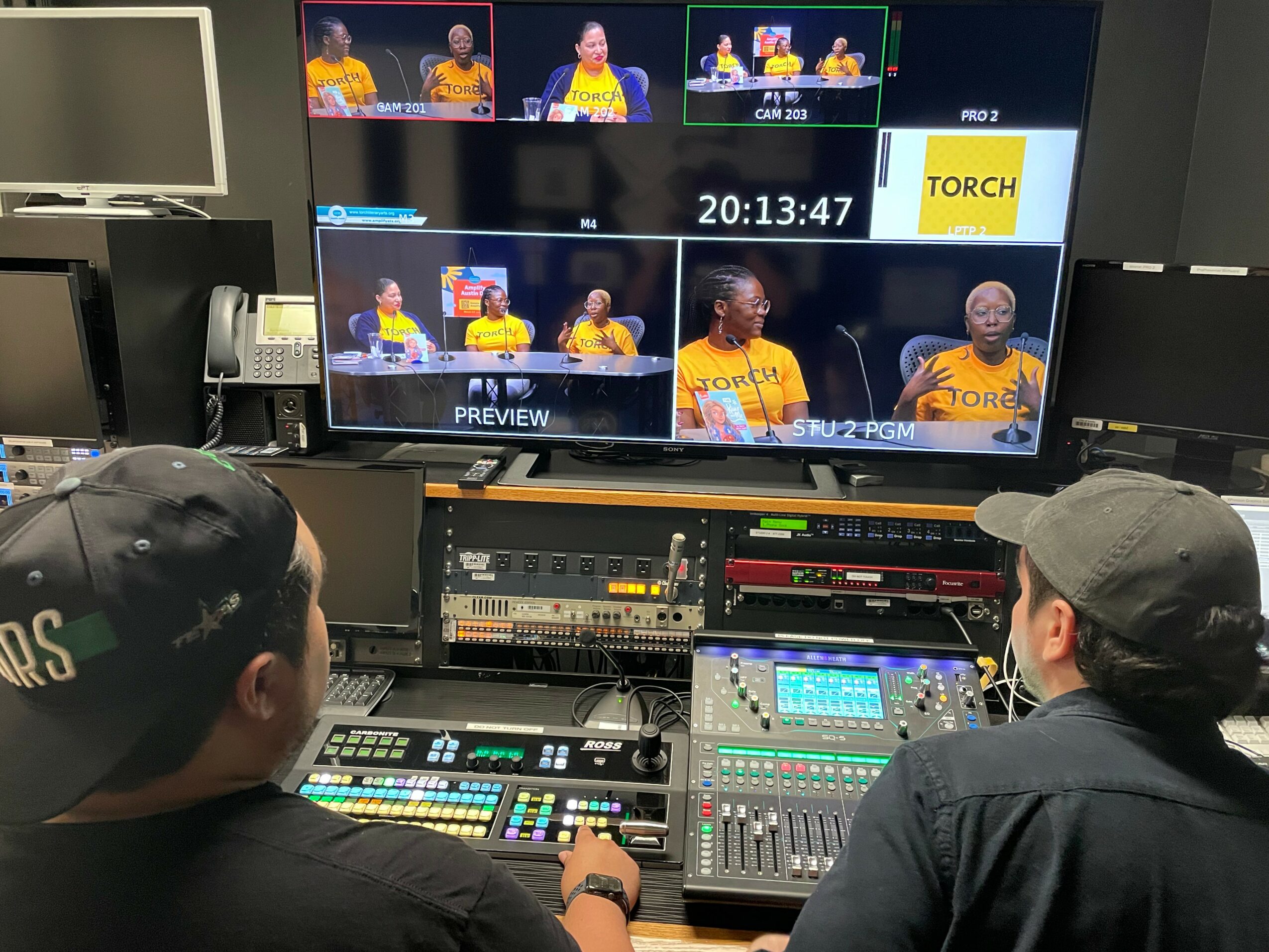

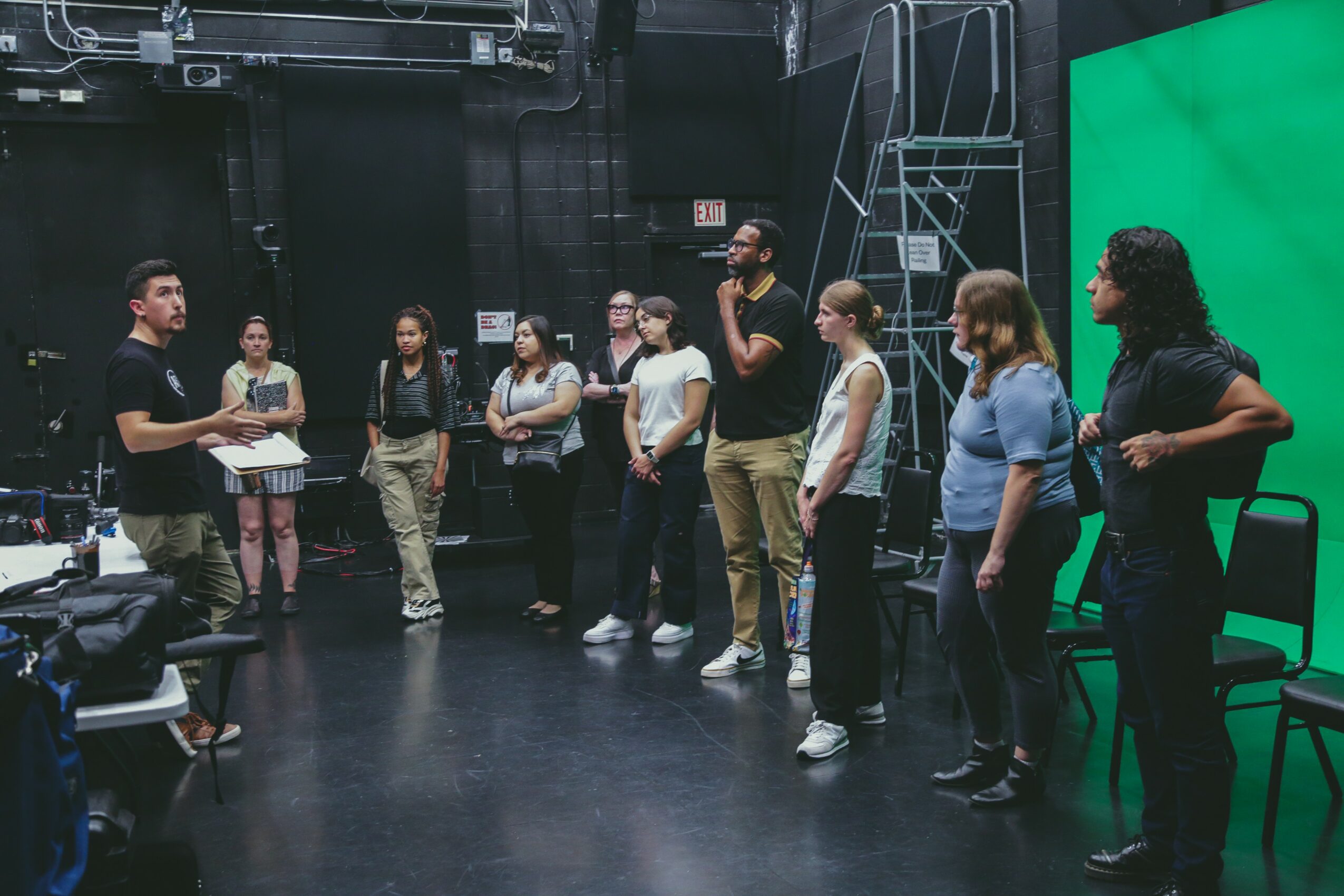
Image Credits
Photos courtesy of the Austin Film Society.