



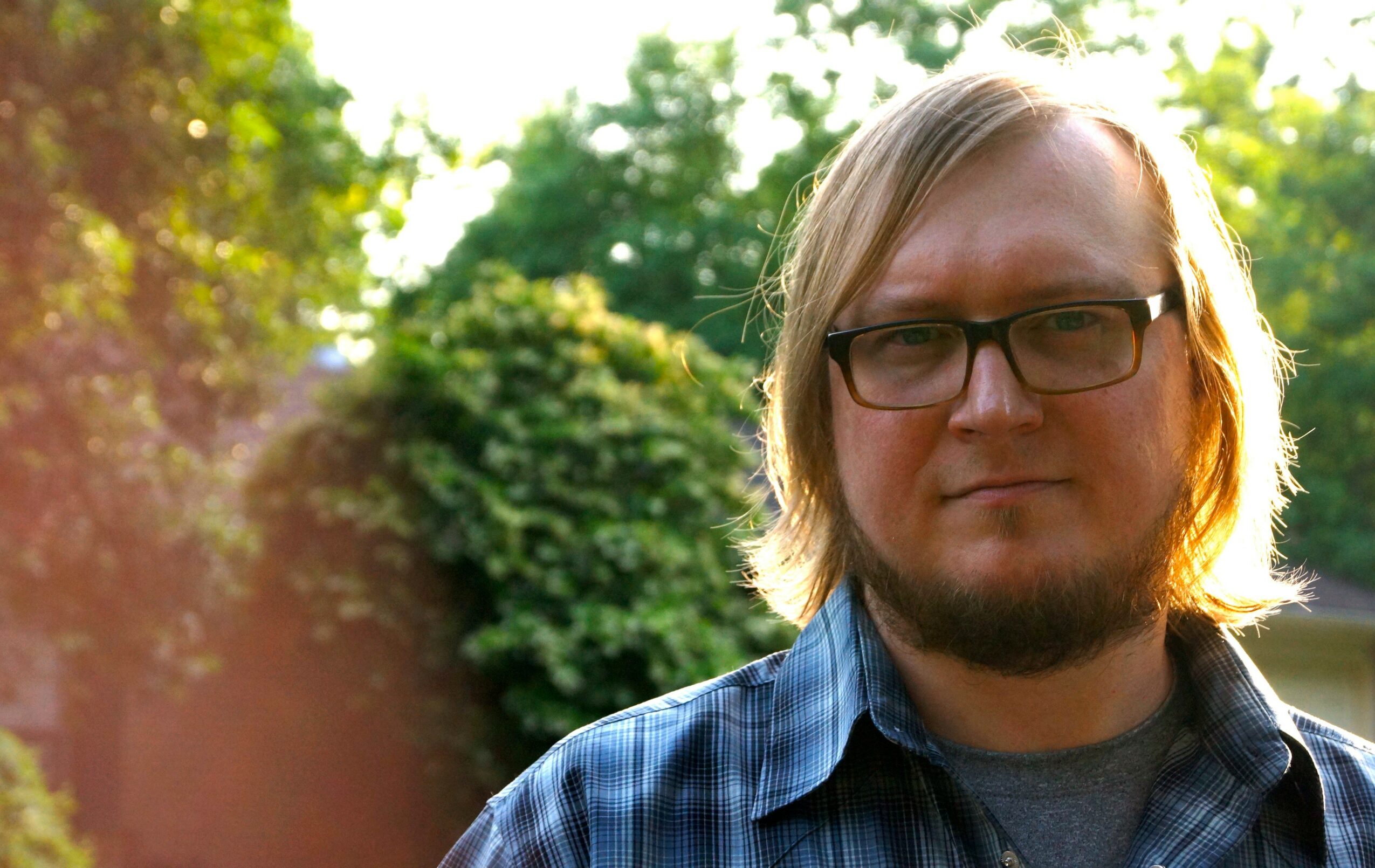
We spoke with the always interesting and insightful Curtis Pollock.
Curtis, we appreciate you taking the time to share your story with us today. Where does your story begin?
My story starts on a farm outside the small southwestern Pennsylvania steel town of Latrobe—hometown of me, Mr. Rogers, Rolling Rock beer, and Arnold Palmer. My grandparents owned the farm, which sprawled hundreds of acres in the foothills of the Allegheny Mountains. They gave my parents a piece of land to build a house on, just down the hill from their own home. Rural life means not having many friends and neighbors nearby, but I was fortunate to be so close to my grandparents, and I credit my grandfather with sparking my interest in the entertainment industry.
Every weekend from the age of 9, while Papa sipped a glass of Wild Turkey, I would take a treat from the freezer, and we’d watch Saturday Night Live together, which made a huge impression on me. My Nana gave me Mark Twain novels and collections of political cartoons by Jim Borgman around this same time. It was no wonder I was writing and performing political comedy sketches while my classmates were signing up for peewee football.
My formal education in the arts started in high school, where I worked on the stage crew and as a set designer for theater productions. Thinking I was supposed to get a degree in a more traditional field, I went to Lehigh University, which is best known for its engineering and finance programs. My compass (and my mom, also an artist) kept pulling me toward creativity and storytelling, however, so I quit fighting my instincts and dove into the Theater Department.
After college I pursued jobs in TV and film production, first in Montreal and then in New York City. Quickly, I learned that your career follows the producers who like you, and each new job was an opportunity to expand your network. Mine led me to work alongside some fantastic filmmakers who were at the top of their game (like Tony Scott, Bob Balaban and Michael Moore, with actors such as Ralph Fiennes and Susan Sarandon) and on major TV productions, such as the pioneering reality show Survivor. But what really made me feel I was on the right path was when I started working as an assistant director on Saturday Night Live—a full-circle moment for me.
All of my experiences in New York taught me a lot about what I love, like, and dislike about the television and film industry. High on the list of dislikes was the difficulty of eking out a living working in production in one of the most expensive cities in the world. Eventually my wife and I decided the way to pursue a better quality of life but remain part of the film/video community was to move to Austin.
We arrived in Austin eighteen years ago and I started my video production company, the Yellow House Studios. I quickly found ample opportunities to merge my love of music with my profession, shooting live performances for touring artists (including Steely Dan, Kendrick Lamar, Harry Connick Jr., Foo Fighters and Eminem) as well as hometown favorites (such as Willie Nelson, Gary Clark Jr., Adrian Quesada, and the Black Angels). I also delved into documentaries for outlets such as Showtime, Discovery, National Geographic and PBS, in addition to shooting live sports like Austin FC, USA soccer and the F1 Grand Prix.
Eventually I came back to narrative work. They say write what you know, so I wrote and directed The Roommate, a neo-noir mystery set in the Austin music scene. We had a fantastic cast and crew, led by our multi-award-winning actress, Danielle Evon Ploeger, in a bravura performance. The soundtrack is entirely composed of Austin musicians, including musical luminaries like the Black Pumas, Shinyribs, Carolyn Wonderland, and Hunt Sales (David Bowie/Iggy Pop), with a score by Gerardo Larios (most recently of Spoon). I’m perhaps most grateful for a cameo from A. Whitney Brown, who happened to be the head writer at SNL when I was first being weaned on the show in the 80’s. We are currently finalizing our distribution offers and can’t wait to show it off!
Would you say it’s been a smooth road, and if not what are some of the biggest challenges you’ve faced along the way?
The only way to have a smooth career in the arts is to have a very short career. If you stick it out, you’re going to have a lot of ups and downs, and you have to be willing to ride them out. That was something I saw in my theater training—things will go wrong in the middle of a performance, and you just have to stay on your toes and think fast to handle those problems, because the show must go on. Working in film and video production ramps up the potential for chaos; there are so many moving parts, and if one of those gears isn’t meshing, you need to be prepared to jump in and figure out a work-around.
This field is challenging on every level. There’s really no such thing as job security, no matter how successful you are, and especially when you’re starting out, it’s a lot of long hours for often low pay. While we all crave some kind of stability and schedule, you must be willing to embrace the unknown, not just introspectively as an artist, but also pragmatically when the industry you work in is both highly volatile and fast-paced.
Many talented people I’ve worked with over the years have left the industry entirely due to the inherent demands and constant stress. When I was working for Michael Moore, I was a one-person art department, and every department worked seven days a week for months on end. Even on SNL, most of us were still taking side gigs in the service industry and/or sleeping on people’s couches to make ends meet (not just the production staff but some of the stars as well!).
Starting my own company and producing my own projects gave me some control over certain aspects of my work, but running a business, managing teams, keeping clients happy, and balancing creativity with the practical concerns every business owner has to face is a challenging juggling act. But sometimes your successes feel even bigger because of all the struggles you face to achieve them. This is a great industry for people who like to earn their wins the hard way!
Appreciate you sharing that. What else should we know about what you do?
At the Yellow House Studios we bring creativity, intelligence, and a high level of technical skill to any type of project—which is why we’ve produced, directed, shot, and edited everything from music and live concert videos to documentary and narrative films, as well as all types of commercial and industrial projects in between.
Our work reflects that diversity, whether it’s filming an unscripted political comedy series with David Cross, producing a series of commercial videos for Circuit of the Americas’ inaugural Formula 1 season, directing a series of educational videos on fine artists funded by the National Endowment for the Arts, or developing passion projects like a documentary on Austin Daze’s founder and editor, the truly inspiring Russ Hartman.
We have a particular love for and expertise in music. Since we decided to call the “Live Music Capital of the World” home and established Yellow House in Austin in 2007, we’ve been fortunate enough to collaborate with a diverse range of supremely talented musicians on a wide spectrum of projects, from shooting artists like Alanis Morissette, Sturgill Simpson, and Mumford & Sons at Austin City Limits festival and intimate performance videos and interviews with Willie Nelson, the Flaming Lips and Gary Clark Jr. for the Warner Live Room series, to touring as the film crew for Grammy winner Billy Strings and producing the concert film of Ruthie Foster’s Grammy-nominated Live at the Paramount.
Can you talk to us a bit about the role of luck?
If you’re working in the arts, and you’re not the child of someone who already works in the industry (or fortunate enough to have a trust fund paying your bills), luck plays a huge role in your career, so I’m certainly grateful that has been the case for me. Here’s just one example from early in my career: After I moved from Montreal to New York, the first job I could land was at an ad agency on Madison Avenue holding cue cards for satellite feeds for what was essentially product placement on local morning news shows. It didn’t seem lucky at the time, but at least it was work.
I had become accustomed to the laid-back vibe of sets in Montreal, so I would arrive on my new set for the 5 a.m. call time with a ponytail and a tie-die shirt, ready to work. By the end of the first week a producer at the ad agency approached me between satellite link-ups and asked, “What are you doing here?”
“Holding cue cards,” I replied.
“I meant what are you doing HERE? You should be working for Michael Moore.” So she gave me an introduction that led to a job on Moore’s Bravo series The Awful Truth. My work on that show was subsequently used in Bowling for Columbine, which went on to win an Academy Award for Best Documentary. It was surreal to watch the Oscars and see my work emphasized in the opening shot of the film, which was the clip they ran to introduce us as a nominee. And all because a producer saw how I was dressed and gave me a job referral instead of a fashion critique.
This isn’t to say that luck is a replacement for hard work. A strong work ethic and dedication to your craft will increase your odds of running into good luck and make you more prepared to take advantage of it when it happens. If I hadn’t been a hard worker who woke up at 3:30 a.m. and showed up ready to do my job (even if I hadn’t gotten around to sleeping at all the night before), that producer might not have bothered to help me out.
Contact Info:
- Website: https://www.theyellowhousestudios.com
- Instagram: https://www.instagram.com/theroommatefilm/
- Youtube: https://www.youtube.com/@TheRoommateFilm
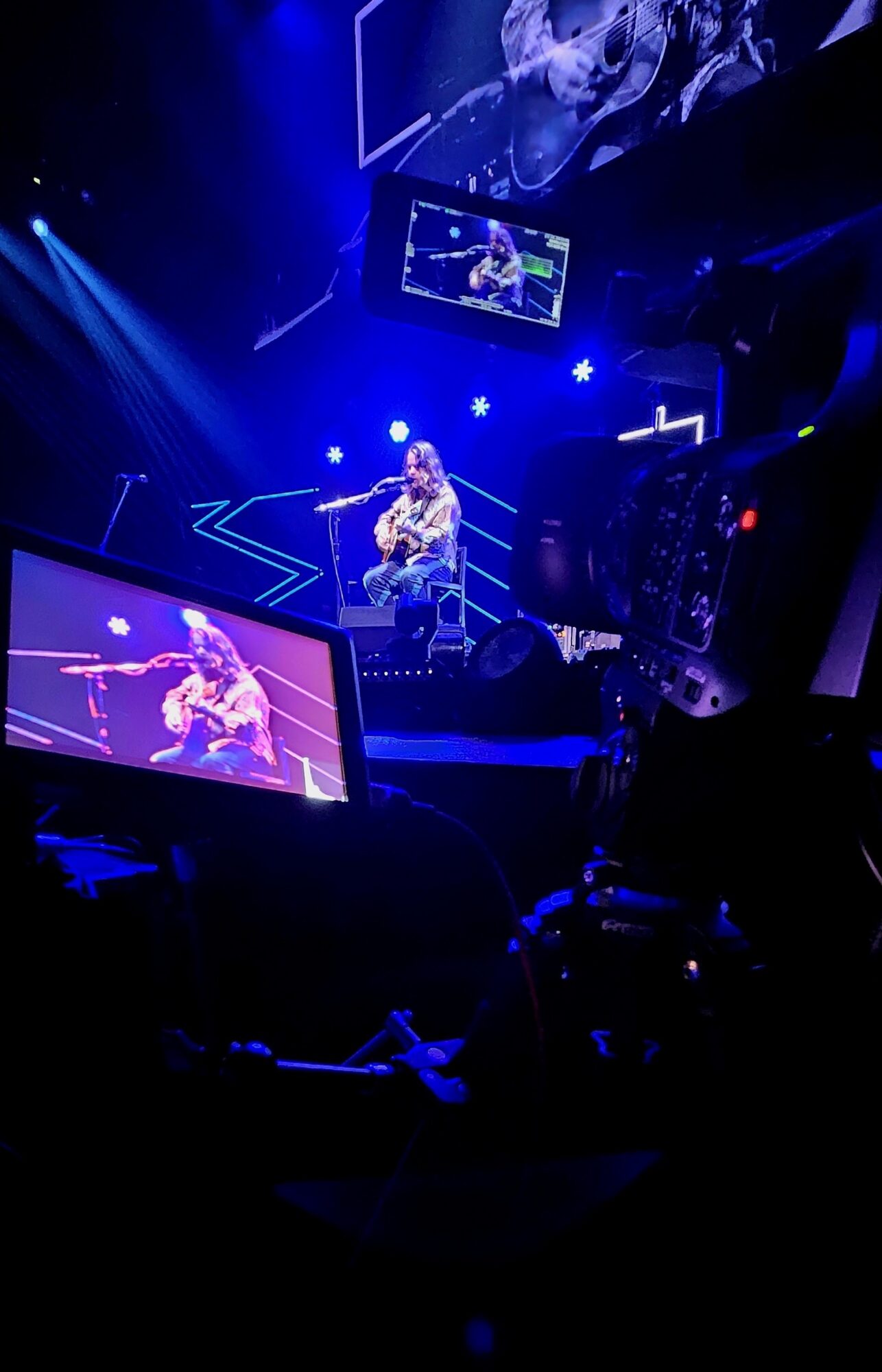
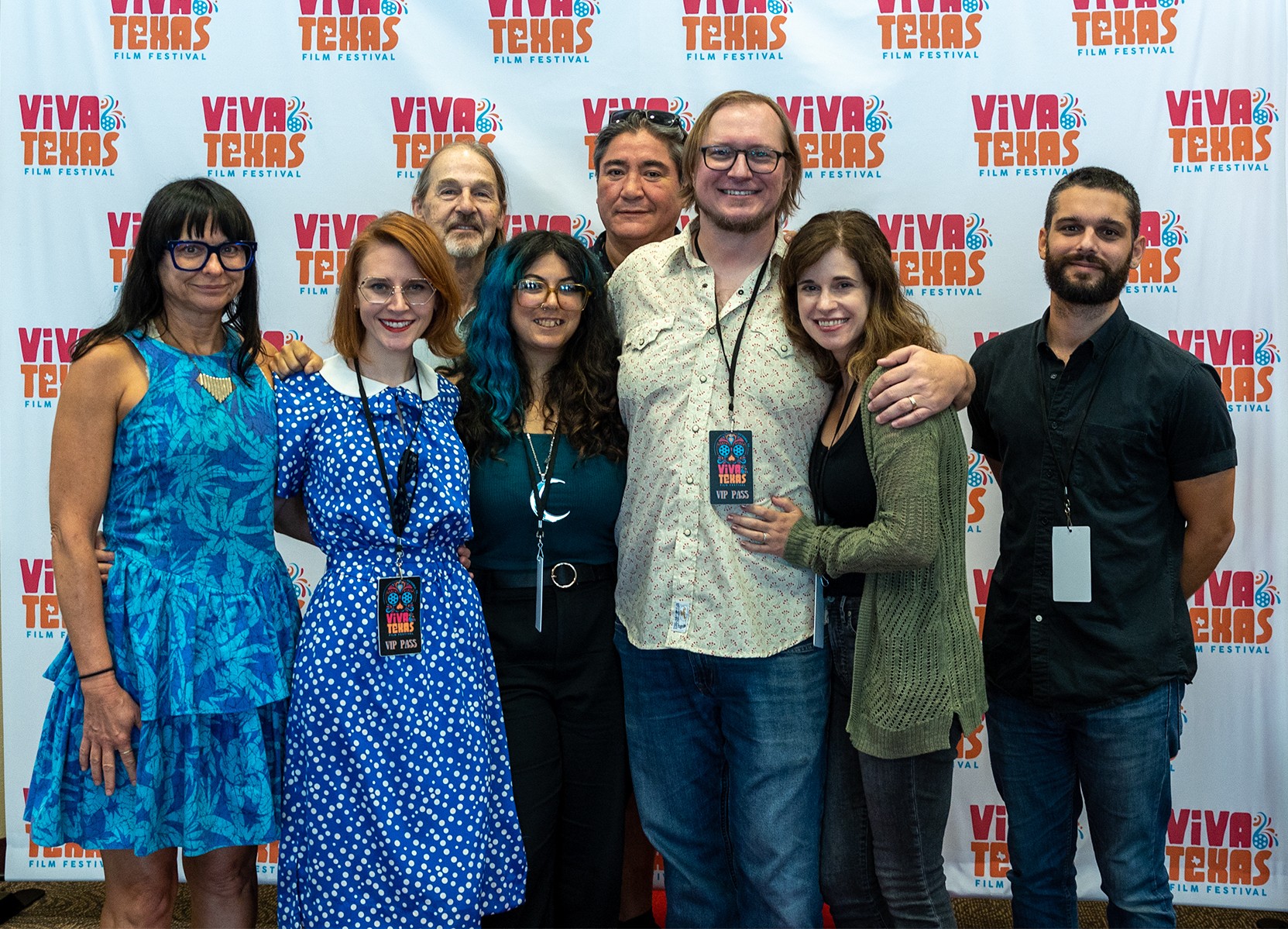
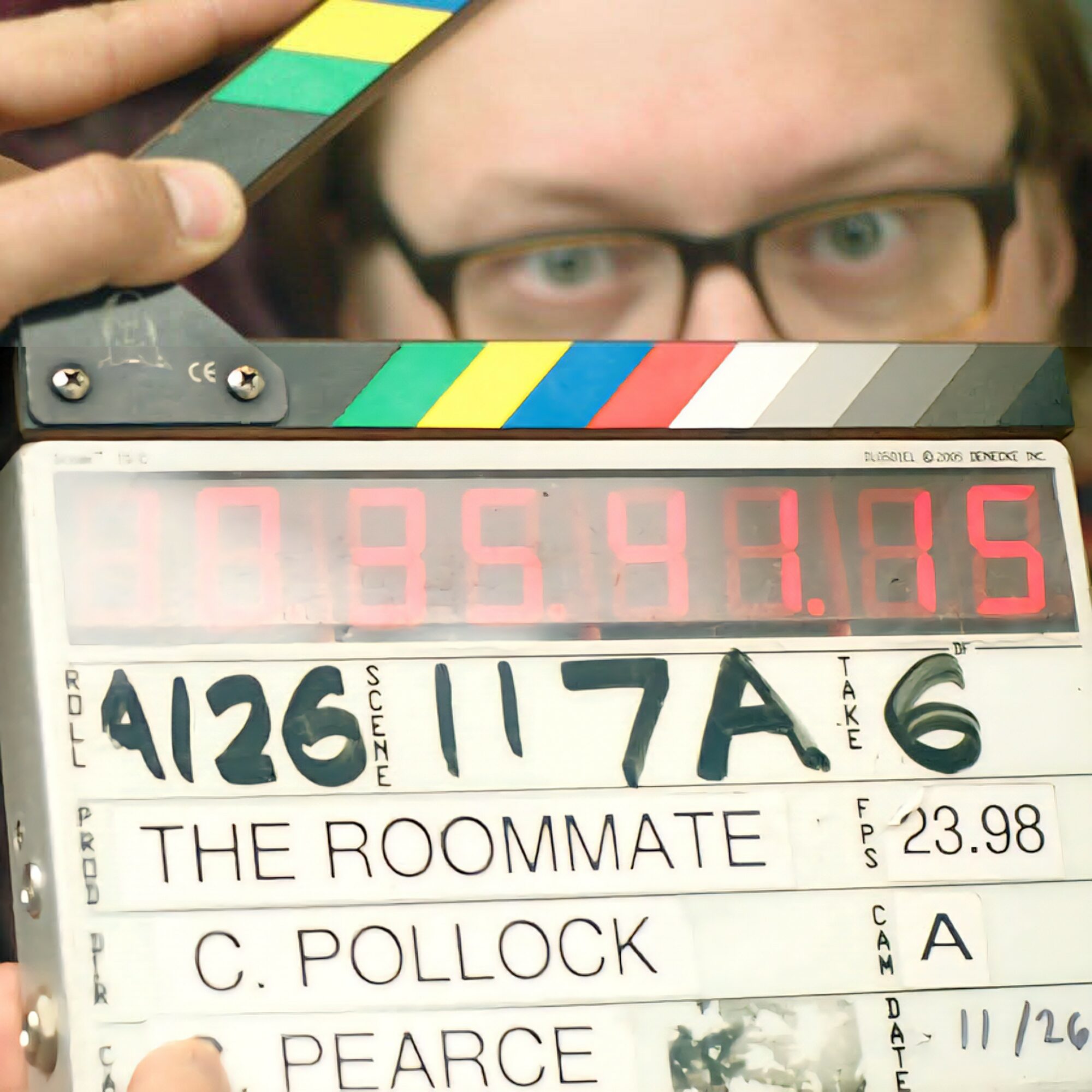
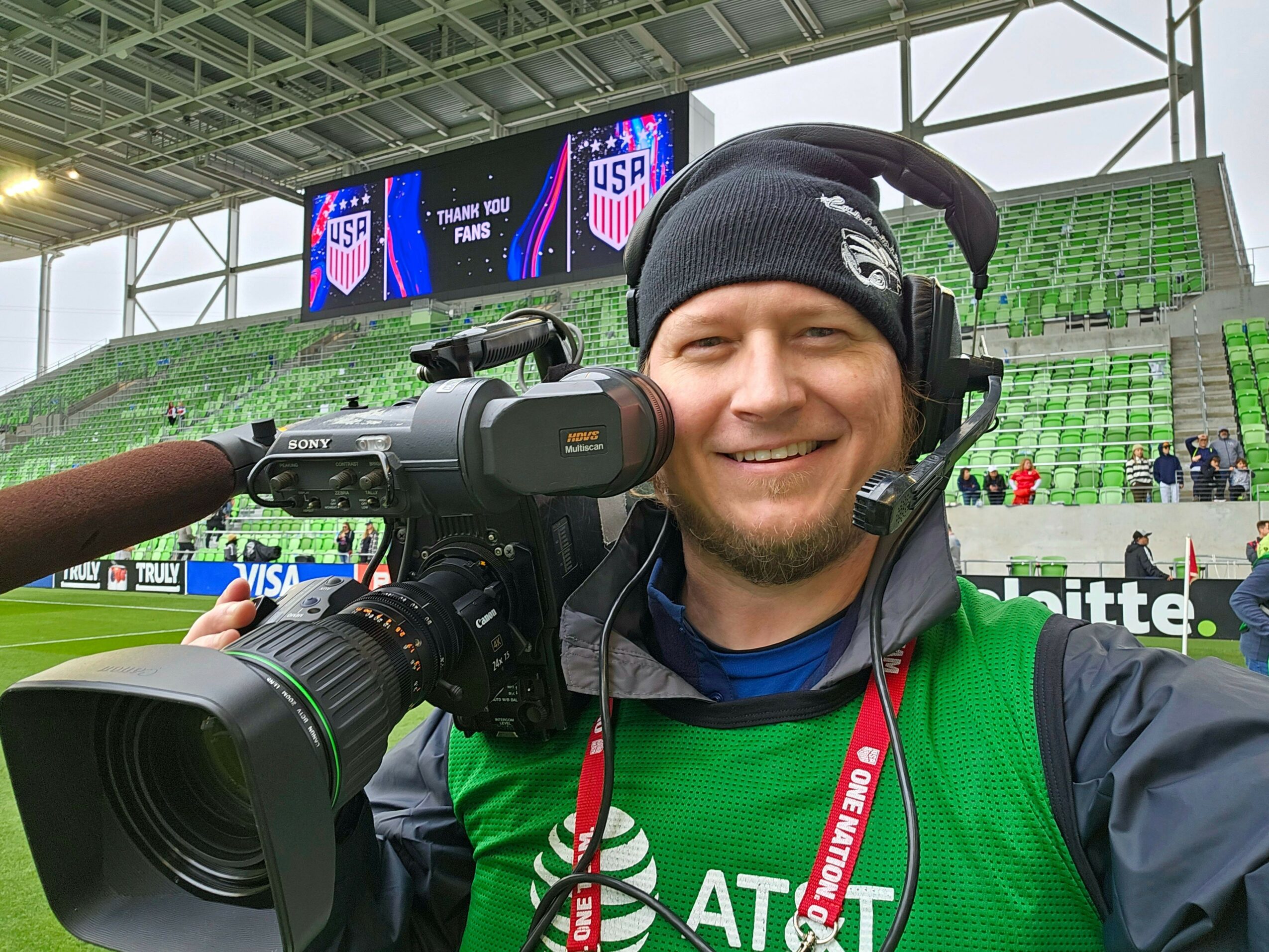
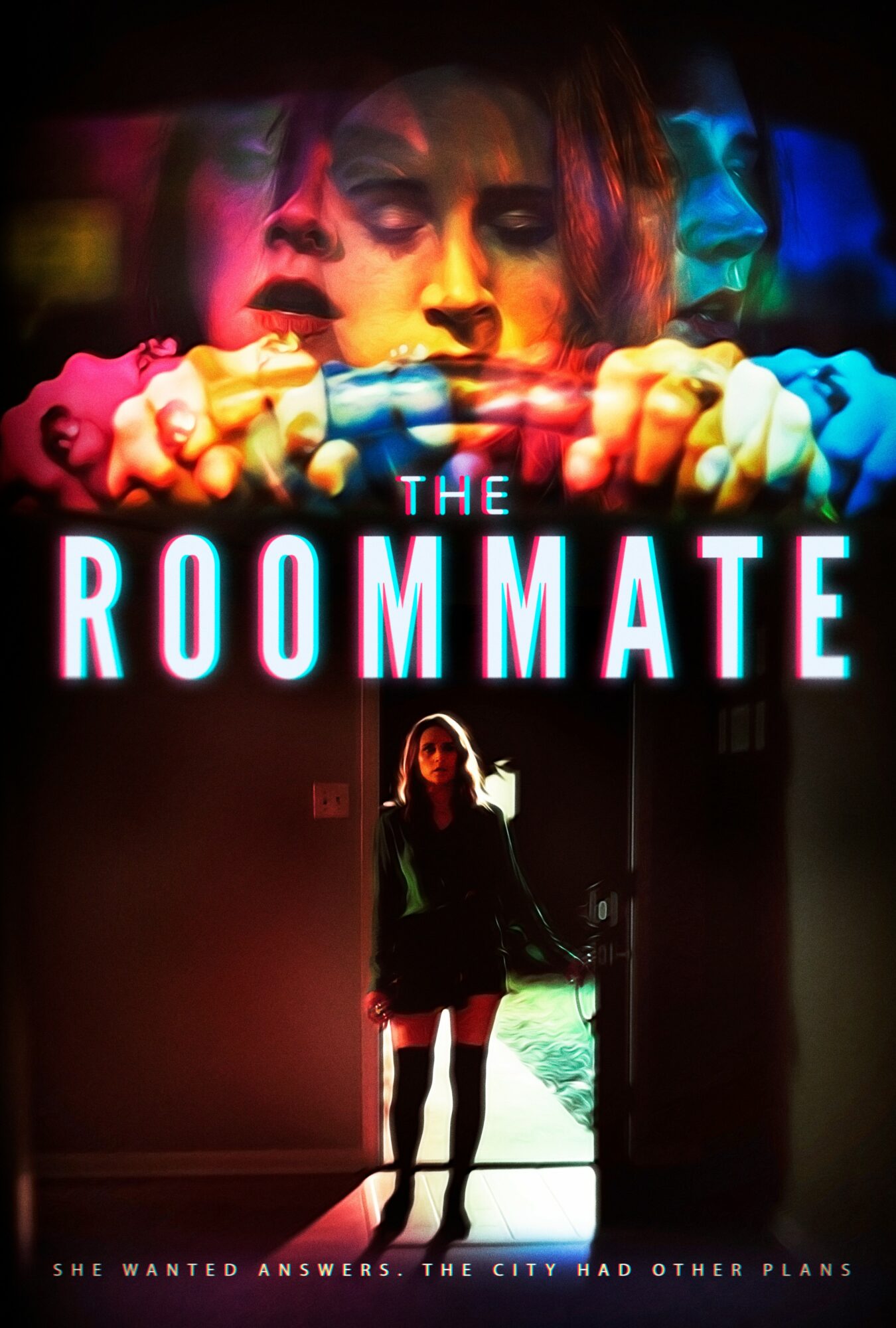
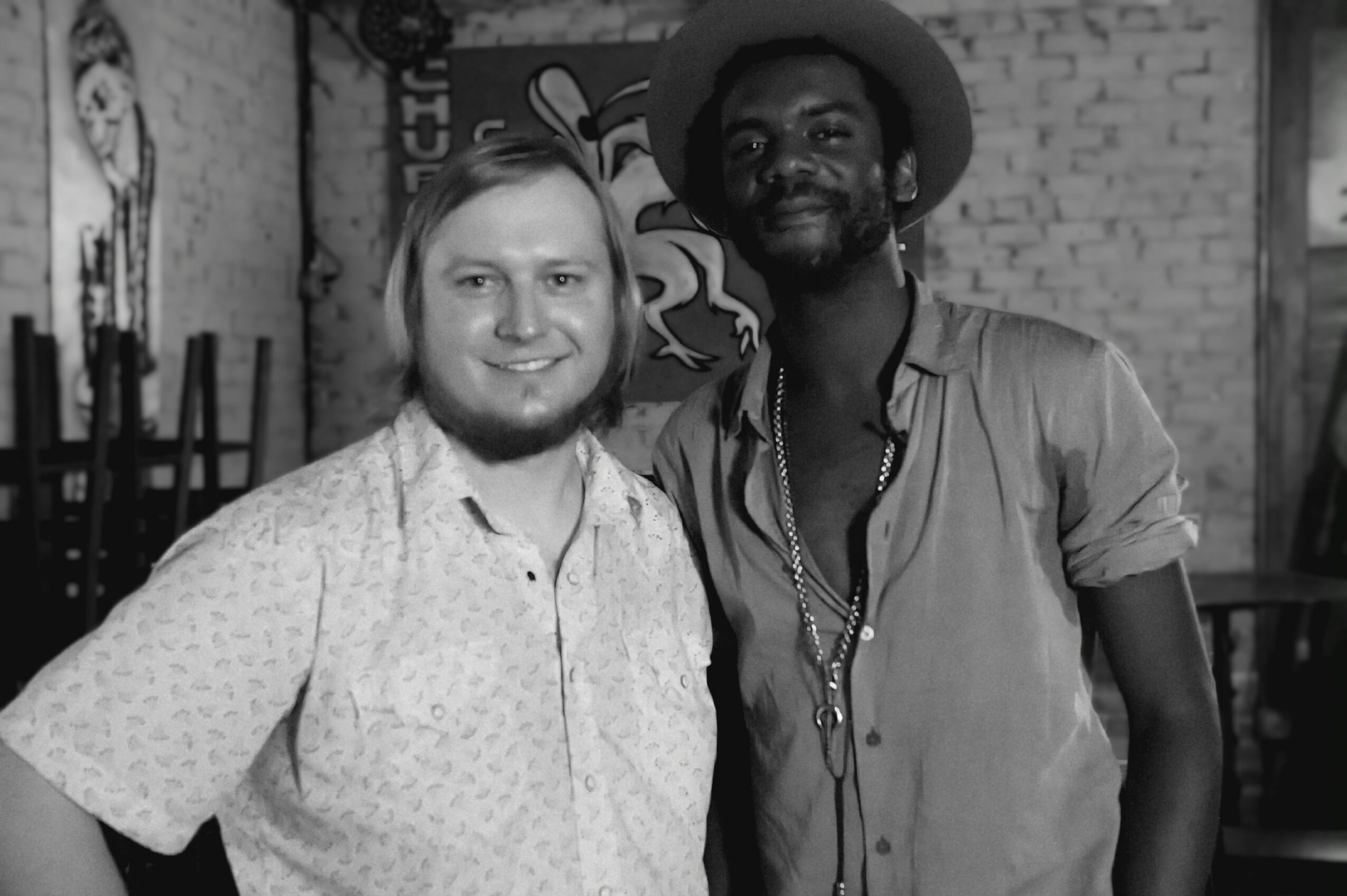
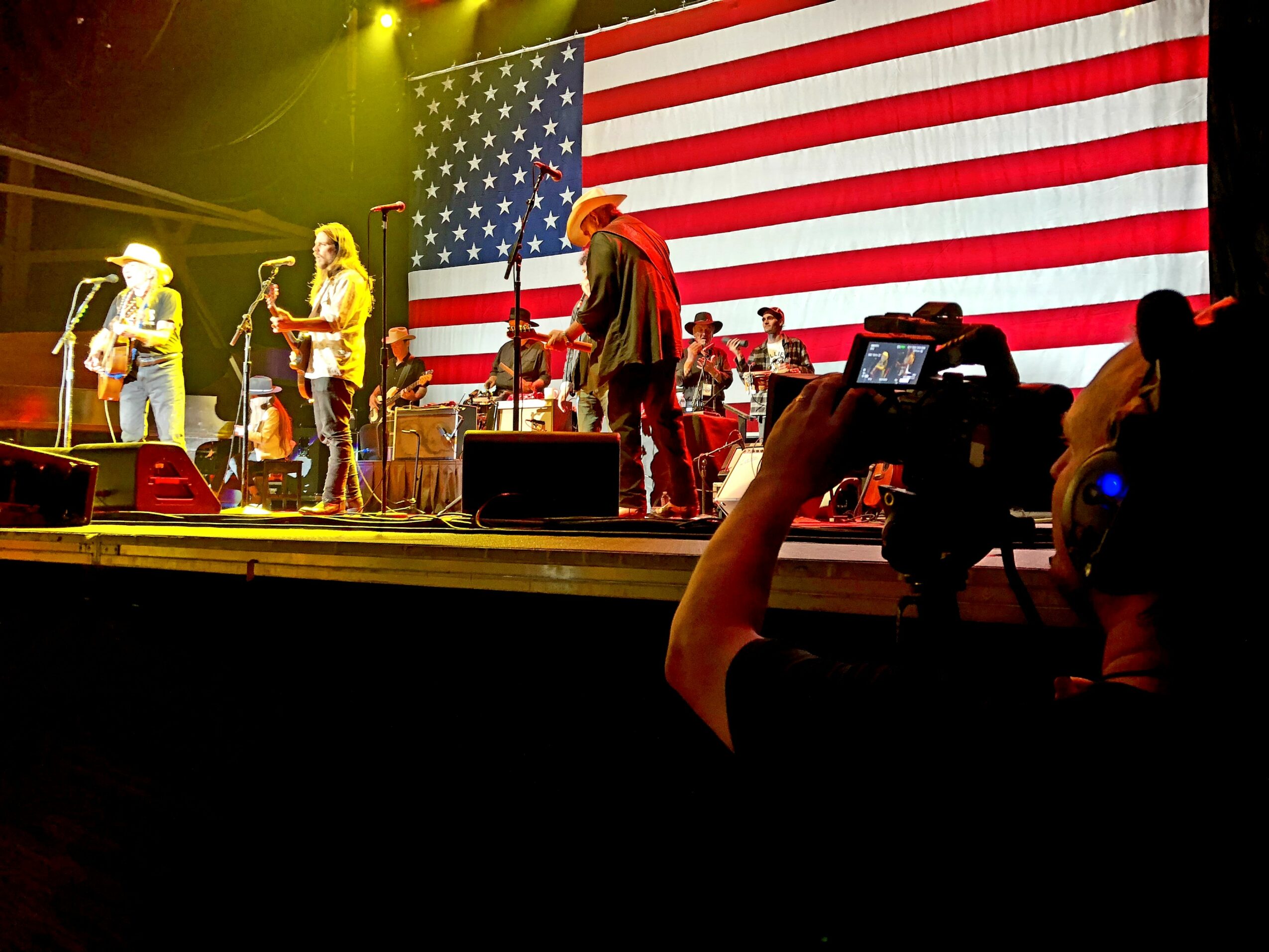
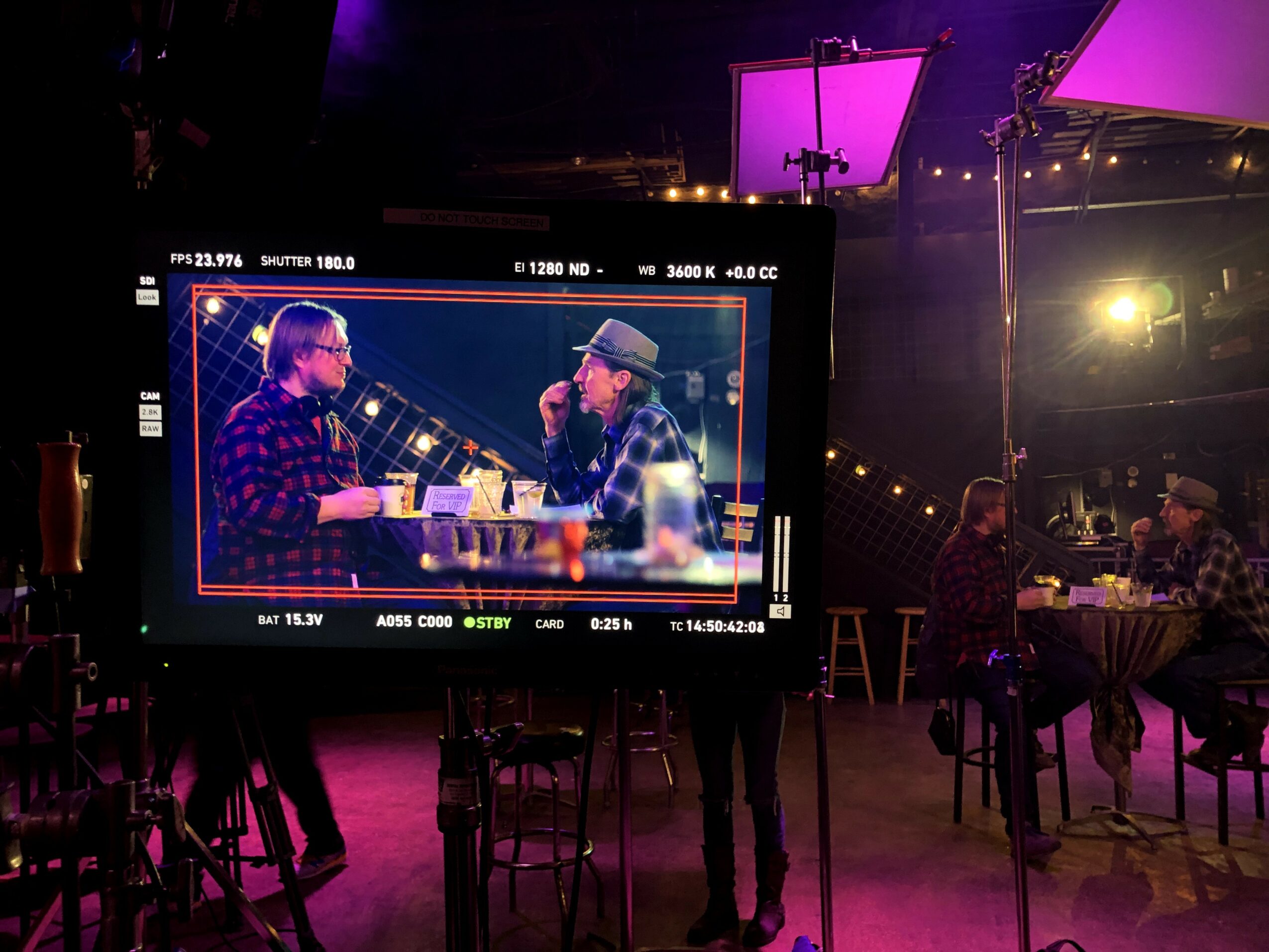
Image Credits
All photos are Yellow House Studios/Curtis Pollock. Photo of Curtis Pollock and Gary Clark Jr was shot with YHS camera by Jody Denberg.