



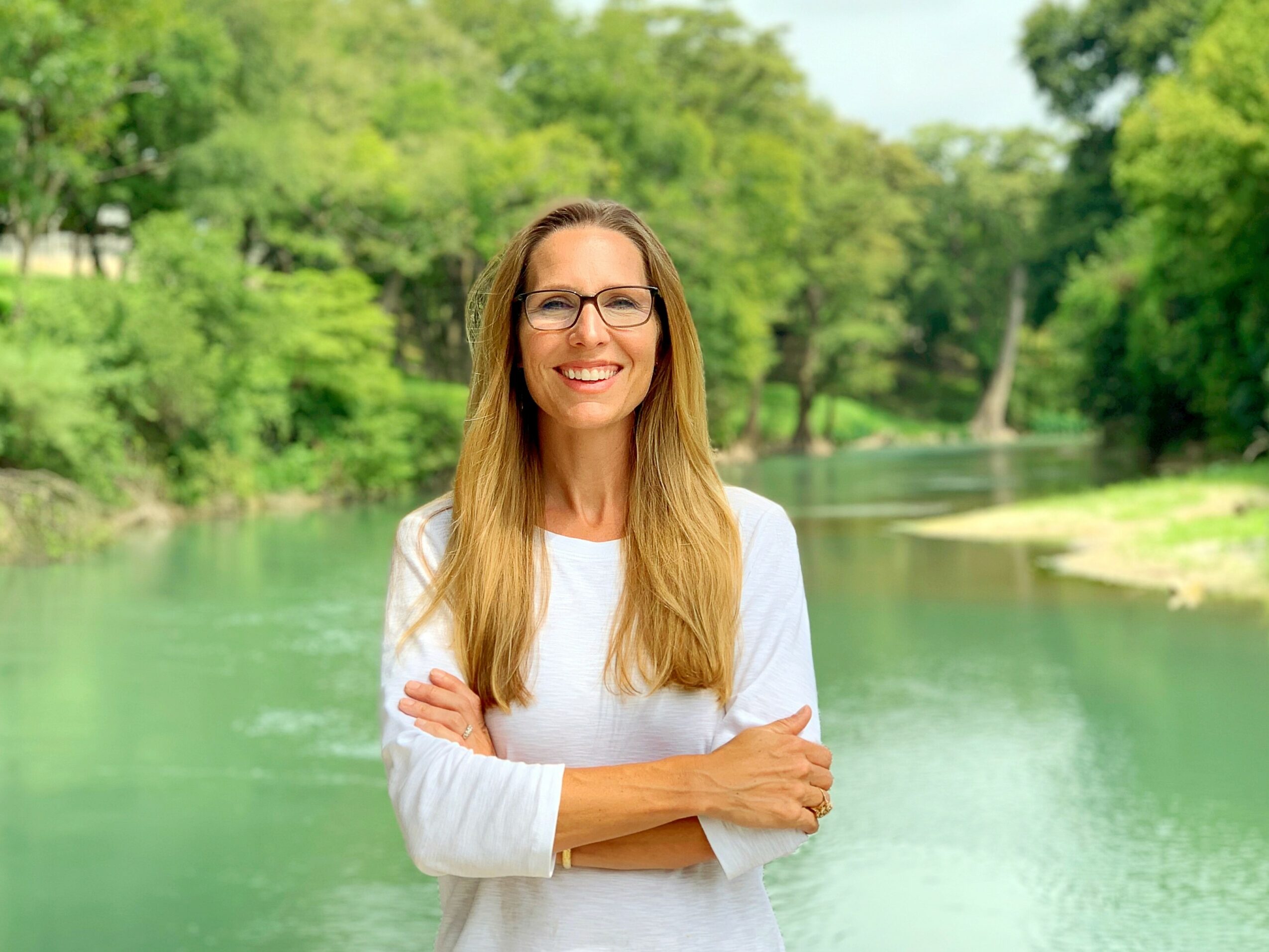
Today we’d like to introduce you to Virginia Parker.
Hi Virginia, so excited to have you with us today. What can you tell us about your story?
I was born and raised in Texas. My mom worked for the state in Austin, and my dad worked as a farmer and rancher in Uvalde, so I really got the best of both worlds. Growing up in Austin, I didn’t realize what a jewel of a river existed just down the road in San Marcos. It was not until I began training for the Texas Water Safari in 2010 that I came to understand how unique and special the San Marcos River was, and to say it had a hold on me is an understatement. I grew up splashing in all of the iconic Texas swimming holes, but the San Marcos River had a much more profound affect on me, so I moved to live along its peaceful banks in Martindale in 2013.
My first significant experience with a non-profit organization was in 2001, when I was able to volunteer with Merlin Tuttle at Bracken Bat Cave in 2001. I was tasked with taking various groups out to experience the largest population of mammals in the world for several summers, and I loved every minute of the experience. It was my first glimpse into the intricacies and difficulties of conservation work and helped me expand my world view.
While living in Martindale I became involved with several different river-related topics in town, and was invited by a dear friend to sit on the board of the San Marcos River Foundation (SMRF) in 2016. I had no idea how much work was involved in conserving a river that I assumed everyone would naturally want to preserve until I got to peek behind the curtain, and realized that there are so many partnerships, efforts and compromises when it comes to protecting a river system.
When my predecessor Dianne Wassenich announced that she would be retiring, I knew that working for SMRF was my dream job, so I applied, and was overjoyed to have been chosen, especially since I wasn’t the conventional choice. I went to Texas A&M where I majored in Biomedical Science and minored in Spanish. After graduation I had a short stent as a realtor before selling pharmaceuticals for 15 years, but luckily the board could see my genuine passion for protecting the river, and they trusted that I would learn the topics needed to do the job well. Aside from being lucky enough to have my dream job, I’m grateful that my children get to see me doing something purposeful that I love so much, and I hope it will inspire them to choose to work in a field to which they feel so connected.
Can you talk to us a bit about the challenges and lessons you’ve learned along the way. Looking back would you say it’s been easy or smooth in retrospect?
The learning curve was steep when I began as the Executive Director in 2019. Managing a staff, running board meetings and learning all-things-water were new to me. Luckily, my predecessor Dianne Wassenich and Rachel Sanborn, the SMRF Operations Manager, supported me and continue to support me every step of the way. We have one full-time staff member (that’s me), and two part-time staff members. We do a whole lot with very little. The number of projects SMRF works on, and the number of “fire drills” keeps us on our toes and makes life interesting.
The San Marcos River bubbles up from springs that flow out of the Edwards Aquifer, which is a karst aquifer filled by rain with very little filtration. During times of drought, there is less rain water to fill the aquifer, and with the population growth there are more people needing aquifer water for drinking water. The growth also leads to more impervious cover over the Edwards Aquifer Recharge Zone, which means that rainwater cannot physically get down into the aquifer through the pavement and rooftops. The San Marcos River has flowed at approximately half of it’s average flow for the past several years due to the current drought we’re experiencing.
When Covid hit in 2020, I was still trying to meet contacts and partners, and remote meetings made it very difficult to network and learn, but we made up for lost time when restrictions loosened and things slowly returned to normal. Covid also naturally encouraged people to want to gather in outdoor spaces, which meant that the San Marcos River saw more recreationists than ever. Although the increase in visitors brought more litter and issues, we know that people are more likely to protect things in which they’ve interacted and had positive experiences. Ultimately it is wonderful that people have gotten these unique moments on the river, and we continue to work to ensure that the river stays clean and flowing for all.
Last year there was a tragic drowning at Capes Dam, of which SMRF has advocated for the removal since 2015. We continue to push for removal of the dam for the health of the river and for the safety of recreationists, and are waiting on the City of San Marcos to complete a feasibility study before deciding what to do about the dam, which has been in disrepair for decades.
I’ve been surprised at how lenient Texas laws are regarding water and rivers, from development in the floodplain, to pulling water out of aquifers for development and from the river for residential and agricultural use. I’ve learned about river levels during drought, riparian and soil health, concrete batch plants and quarries, major users of water, and wastewater treatment effluent parameters. There are things I never dreamed I’d learn so much about, like data centers and power sources and the threats they pose to water in Texas. Luckily, we partner with amazing organizations facing the same struggles, and we work together on solutions in hopes that legislators will tweak laws to protect our natural resources. We also work closely with developers to encourage them to voluntarily improve their projects to use less water onsite and protect against stormwater runoff for flood mitigation.
The San Marcos River spans four counties, and most of the watershed sits within county authority, which has less ability to protect against damage to natural resources and downstream neighbors compared to incorporated cities. Zoning authority for the counties would go a long way in my opinion. Municipalities have more teeth when it comes to regulation, but there are limits to what they can require as well. Luckily we have wonderful relationships with the cities, counties and landowners along the river, and we work with everyone from the water supply corporations to the data centers to protect and mitigate as much as we can.
We have a water-quality monitoring program that has trained citizen scientists to test water in the river for over 30 years, and this historical data is invaluable. We have worked with the Meadows Center for Water and the Environment for several years to remove invasive species out of Spring Lake, and have added another removal location for volunteers to work on downstream of the confluence with the Blanco River. Water Hyacinth is one of the invasive aquatic plants that we remove, and it can double in mass every 10-14 days. Hyacinth evapotranspirates water 4x as fast as open water, which is especially problematic during times of drought. It is an issue in every major waterway from the tip of Texas to the tip of Florida.
People live and work along the river banks because they adore the river, but oftentimes they cut every tree and blade of grass to create a park-like view of the river. Unfortunately, this action can lead to more erosion of the banks of the river, especially during flooding, so a couple of years ago SMRF partnered with Texas Parks and Wildlife Dept. to host landowner workshops to discuss healthy riparian zones, and how they will ultimately help protect peoples’ land as well as water quality in the river. This program was wildly successful, and we hope to have a follow up series very soon.
The growth that Texas has experienced over the past several years, coupled with the changing climate means this job will become increasingly more difficult, but SMRF is more than just a board and staff, it’s a group of river-loving volunteers that work tirelessly in a variety of ways to positively impact the river.
As you know, we’re big fans of you and your work. For our readers who might not be as familiar what can you tell them about what you do?
The most impactful work SMRF has done over the past few decades is land conservation over the Edwards Aquifer Recharge Zone. SMRF has helped to facilitate a greenbelt loop around the City of San Marcos for recharge of the aquifer, park space and contiguous wildlife corridors. Each parcel within the greenbelt loop has its own story with unique conservation parameters. Over the past 6 years we’ve helped conserve several new properties, either by purchase, trade, conservation easements or education and introductions. There are so many programs available to landowners, and many financial benefits to creating conservation easements, and we’re always willing to brainstorm with people about their options and how they can learn more.
Alright so before we go can you talk to us a bit about how people can work with you, collaborate with you or support you?
We would love for people to understand where their water comes from, and how surface water and aquifer water interact. We hope the legislators choose sustainable ways to utilize the recently passed Proposition 4 funding to improve water infrastructure and supply in Texas. We also host a variety of volunteer events and would love for people to be aware of them! Most importantly, we’d love for people to know that we exist so that they can call us if they have questions or concerns about the San Marcos River. Everyone is invited to sign up for our free monthly emailed newsletter on our website- we promise not to spam you! www.sanmarcosriver.org
Pricing:
- Annual Membership is $35
- Lifetime Membership is $500
- We also have Corporate Sponsorship Opportunities
Contact Info:
- Website: www.sanmarcosriver.org
- Instagram: @smriverfoundation
- Facebook: https://facebook.com/sanmarcosriver.org or @sanmarcosriverfoundation
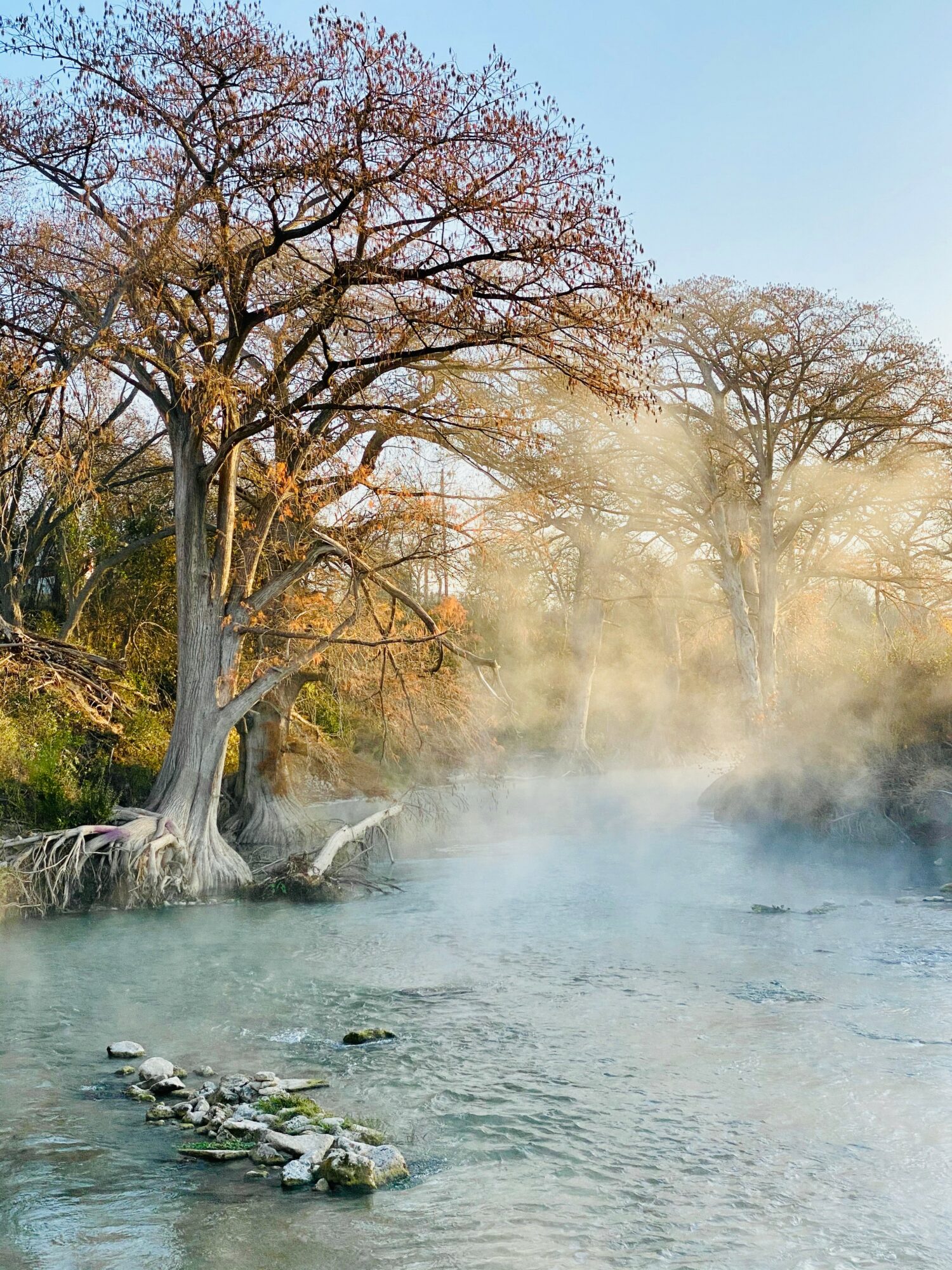
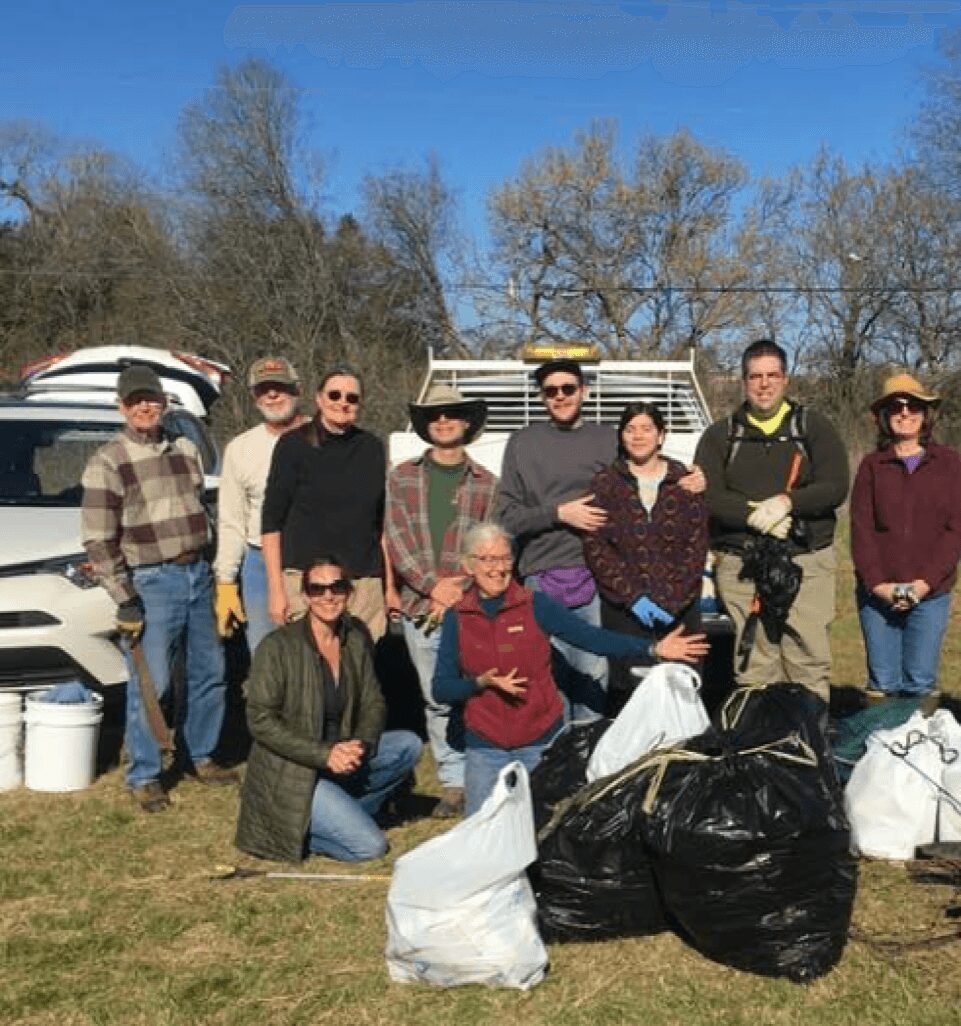
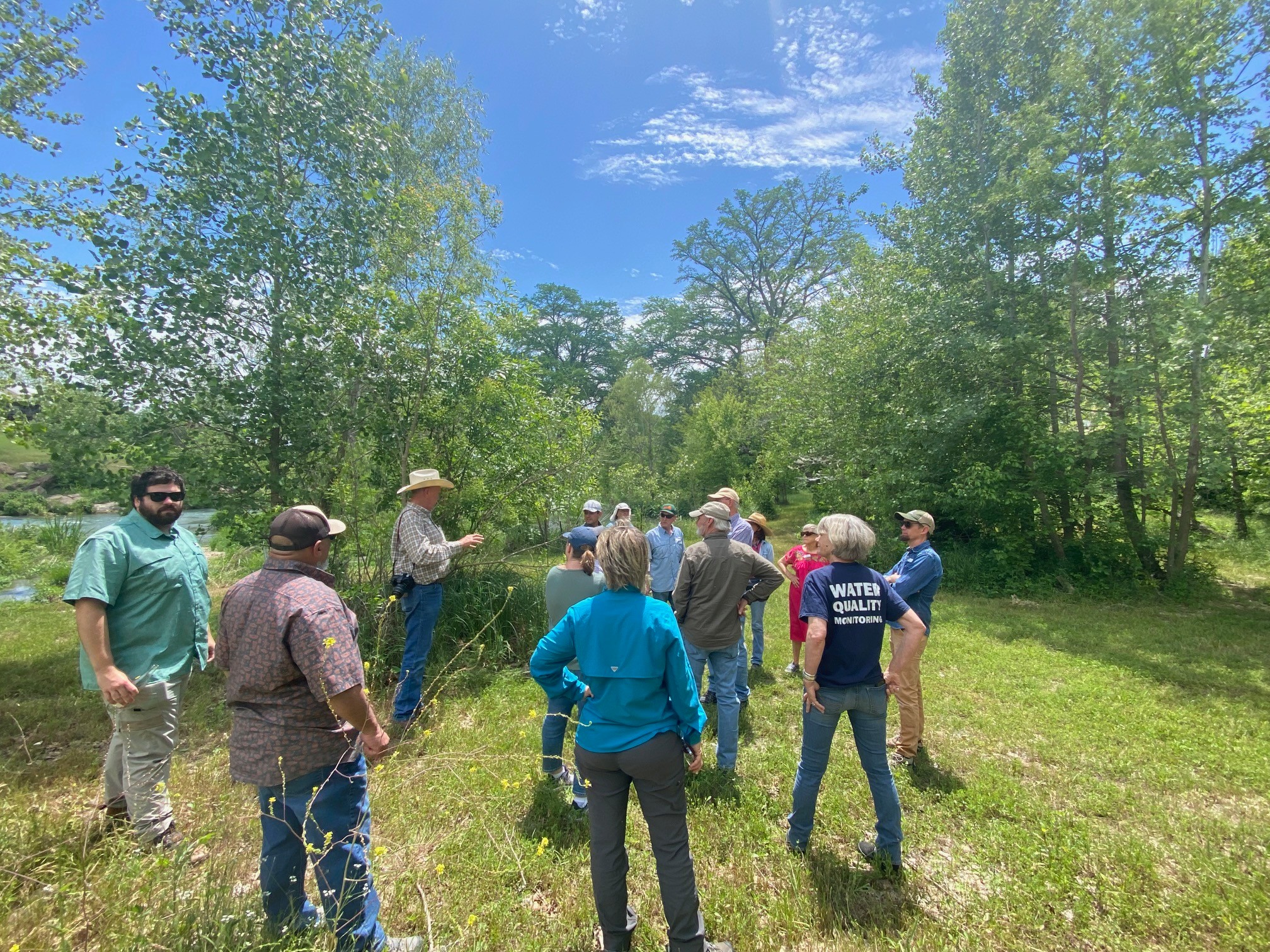
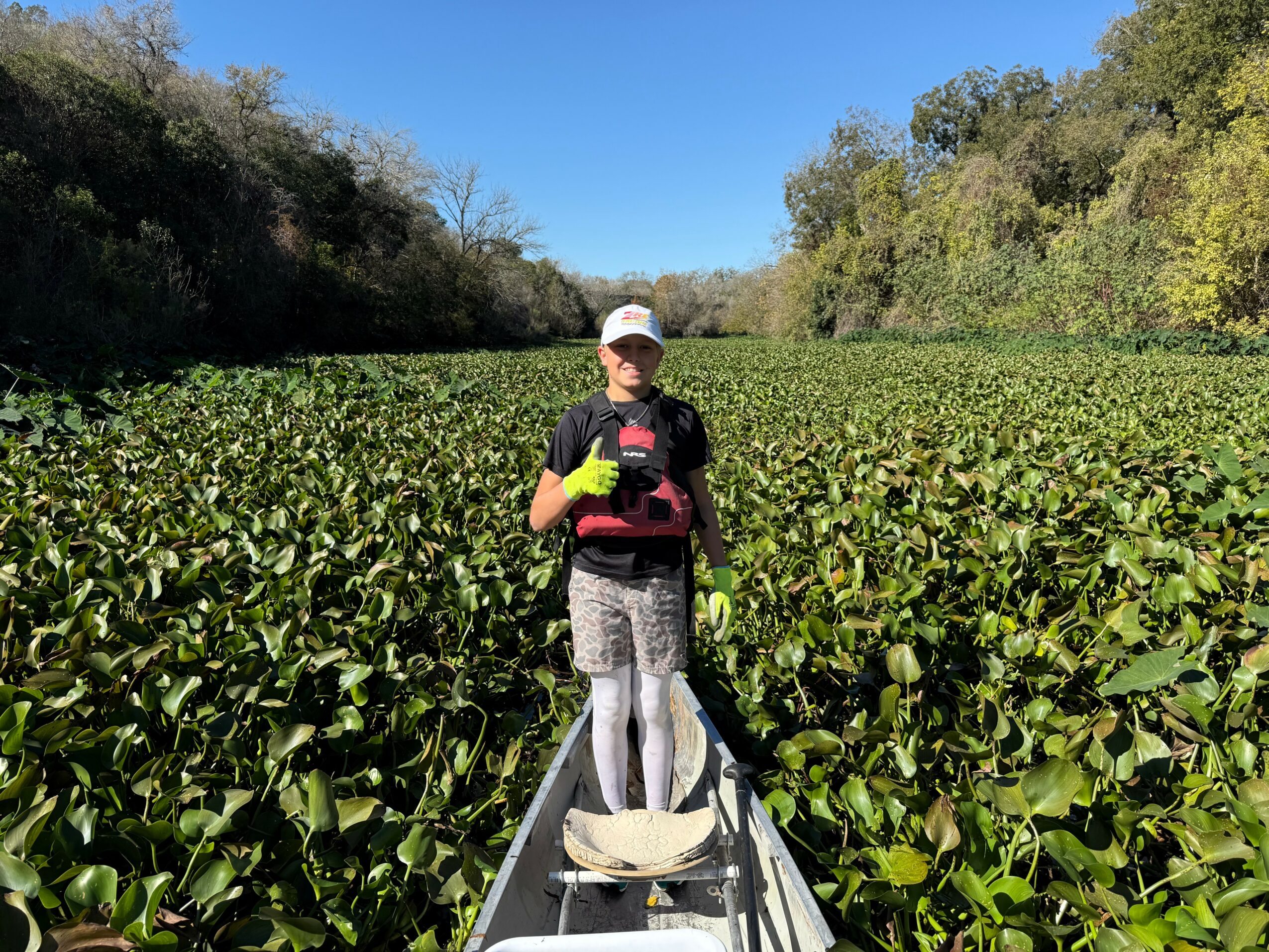
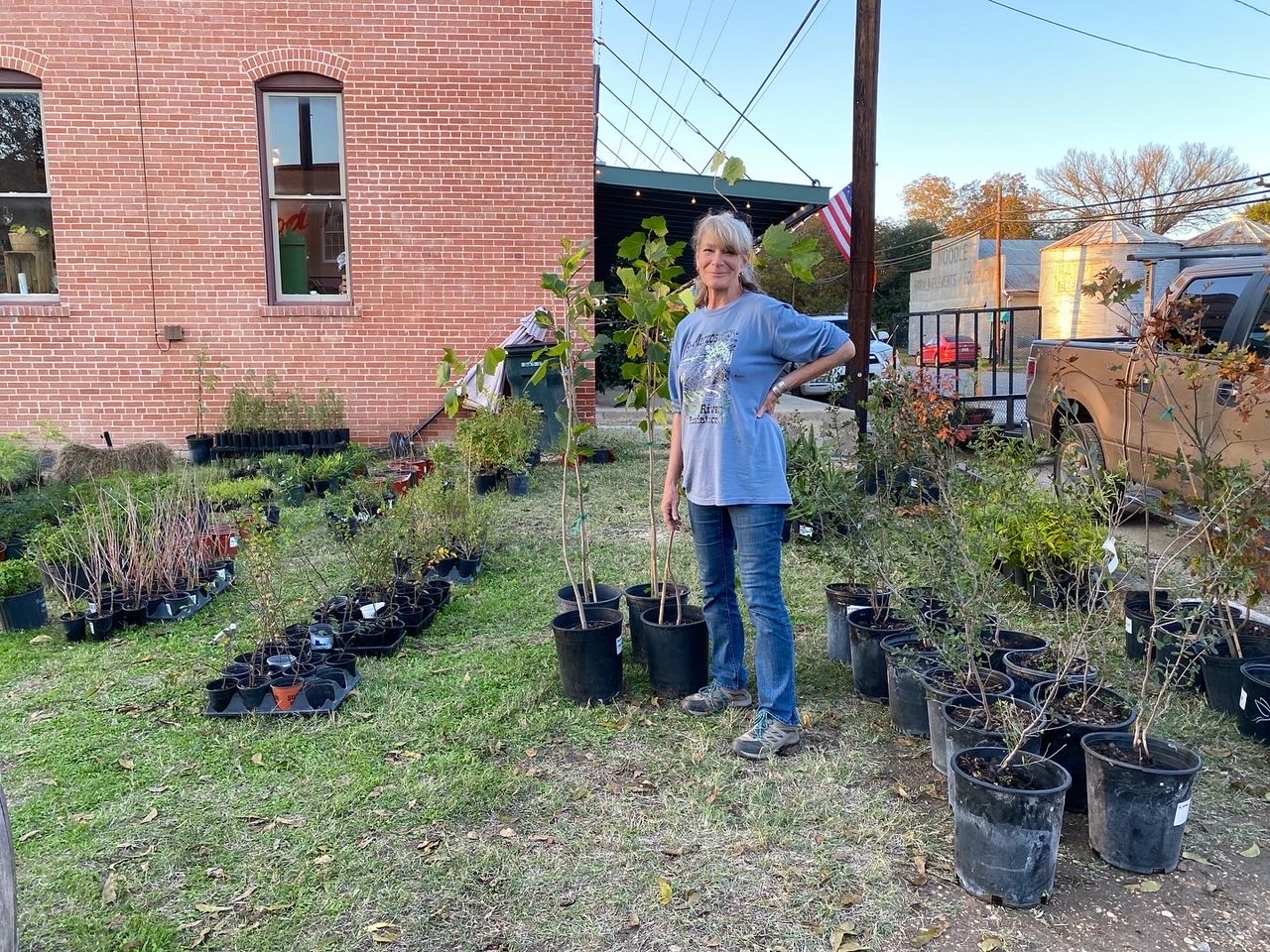
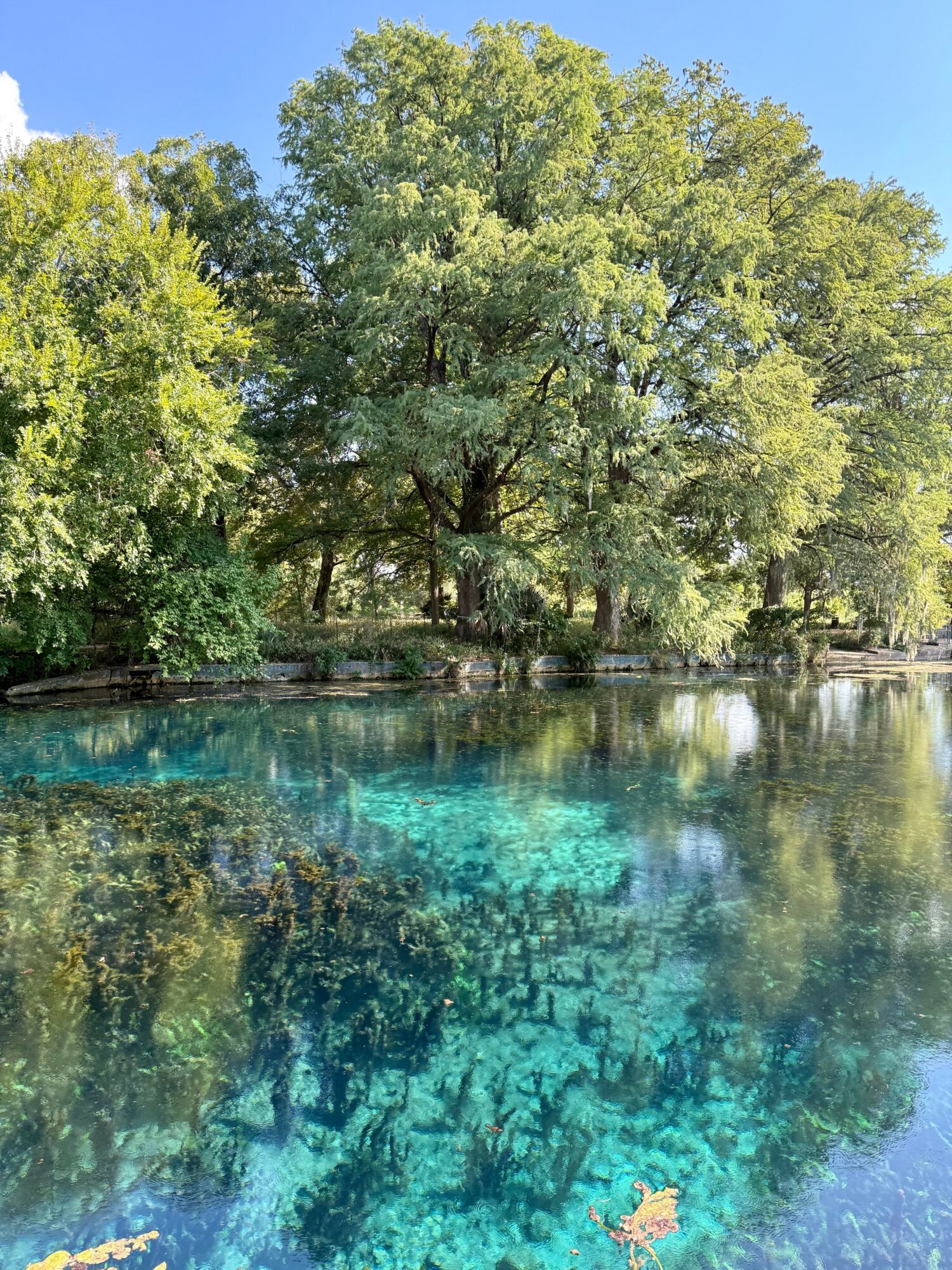
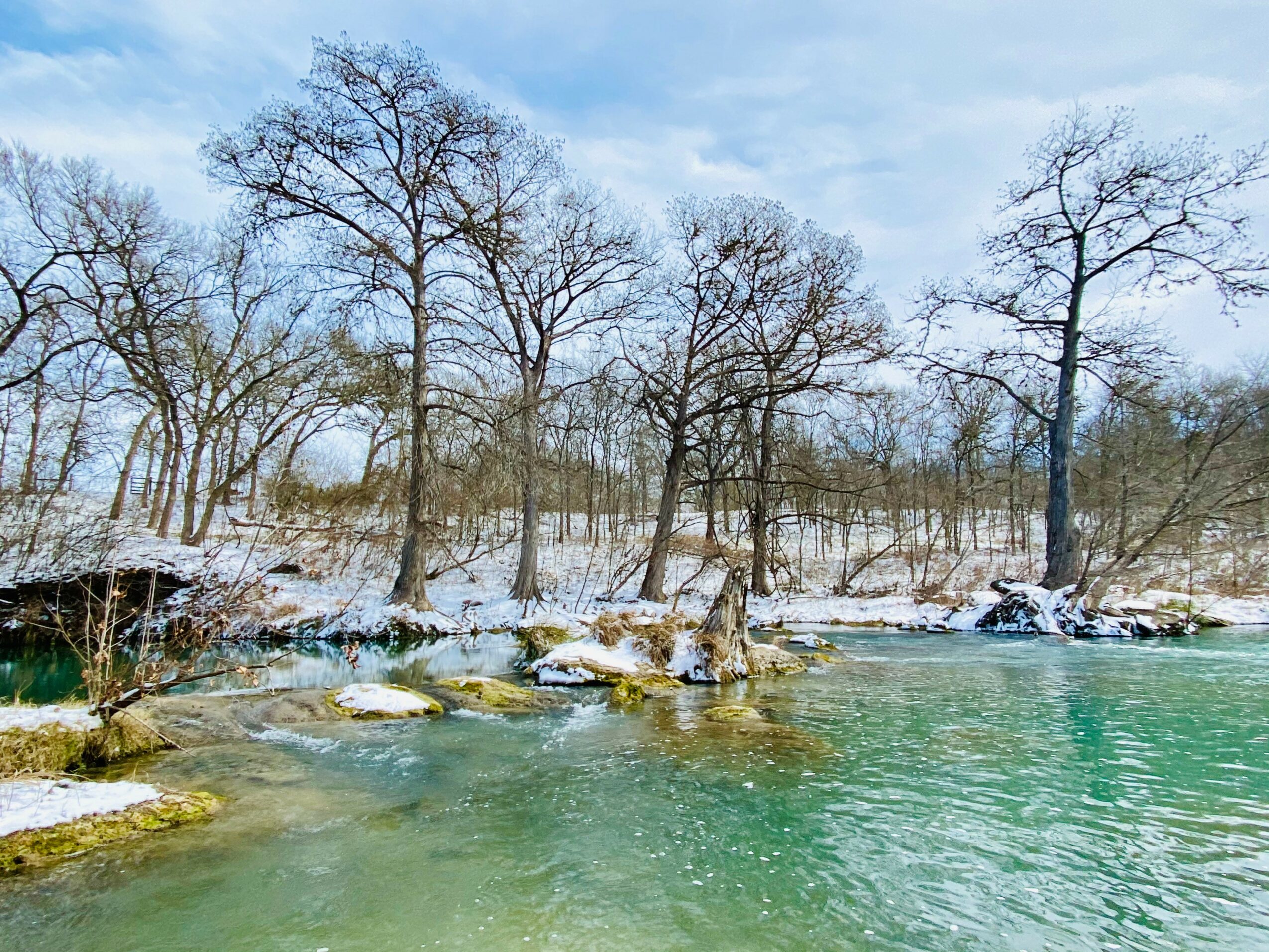
Image Credits
Virginia Parker (all but 1 photo) and Nathan Tart (boy standing in canoe surrounded by hyacinth)