Garik, for readers who are new to your work, can you share what inspired you to launch your Sustainable Personal Styling subscription service and the gap you saw it filling in the fashion space?
I launched our Sustainable Personal Styling subscription because I kept seeing the same frustration over and over again: people wanted to shop more responsibly, but they didn’t know where to start.
The fashion industry is one of the most environmentally and socially harmful industries in the world, yet for most consumers, sustainable fashion feels confusing or overwhelming. Not only do they need to know which brands are actually sustainable, they also need to know which brands align with their style, size, and budget. At the same time, traditional personal styling often encourages more consumption, not better consumption.
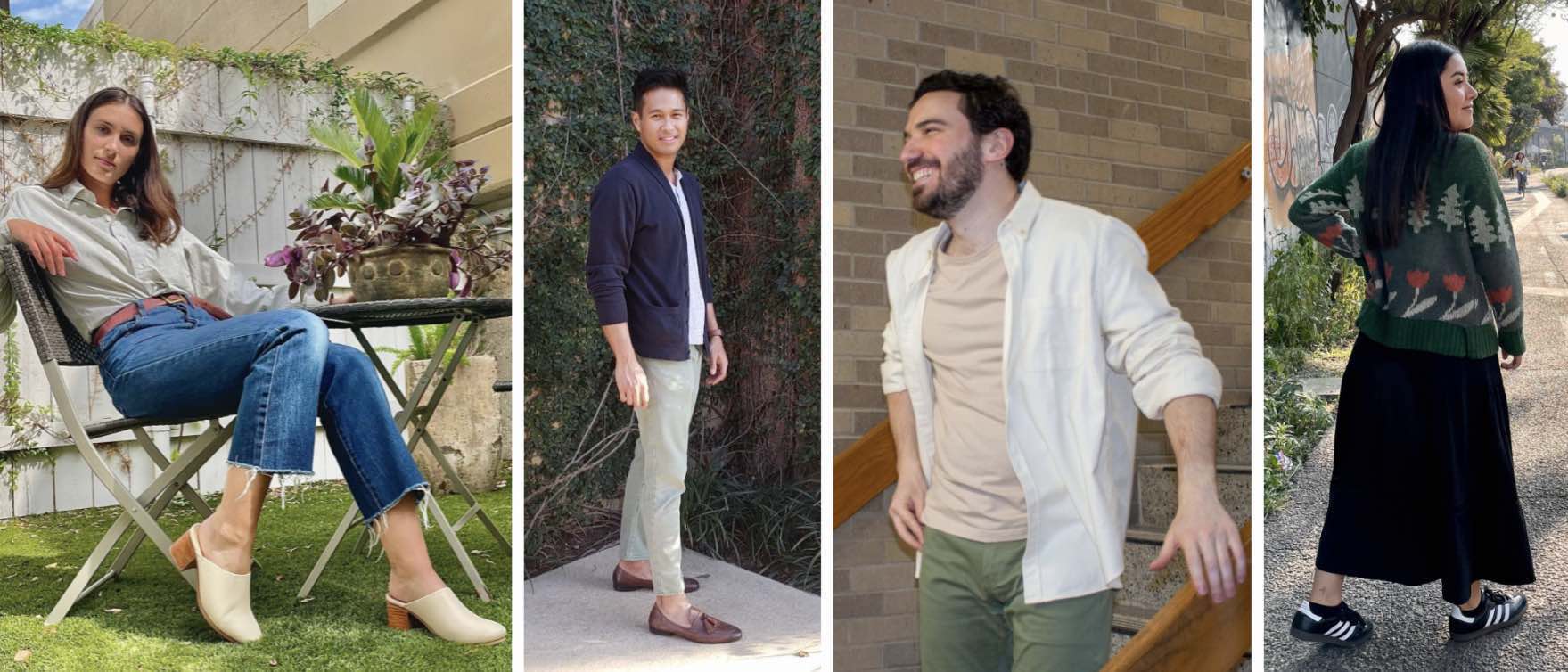
We saw a gap for something different — a service that combines personal style guidance with deep sustainability standards. Instead of pushing trends or volume, we help people build intentional wardrobes aligned with their values. The goal isn’t to buy more. It’s to buy better.
Your approach centers on sustainability without overwhelm—how does the style quiz and monthly curation process help clients feel supported rather than pressured when building their wardrobes?
The key is removing pressure.
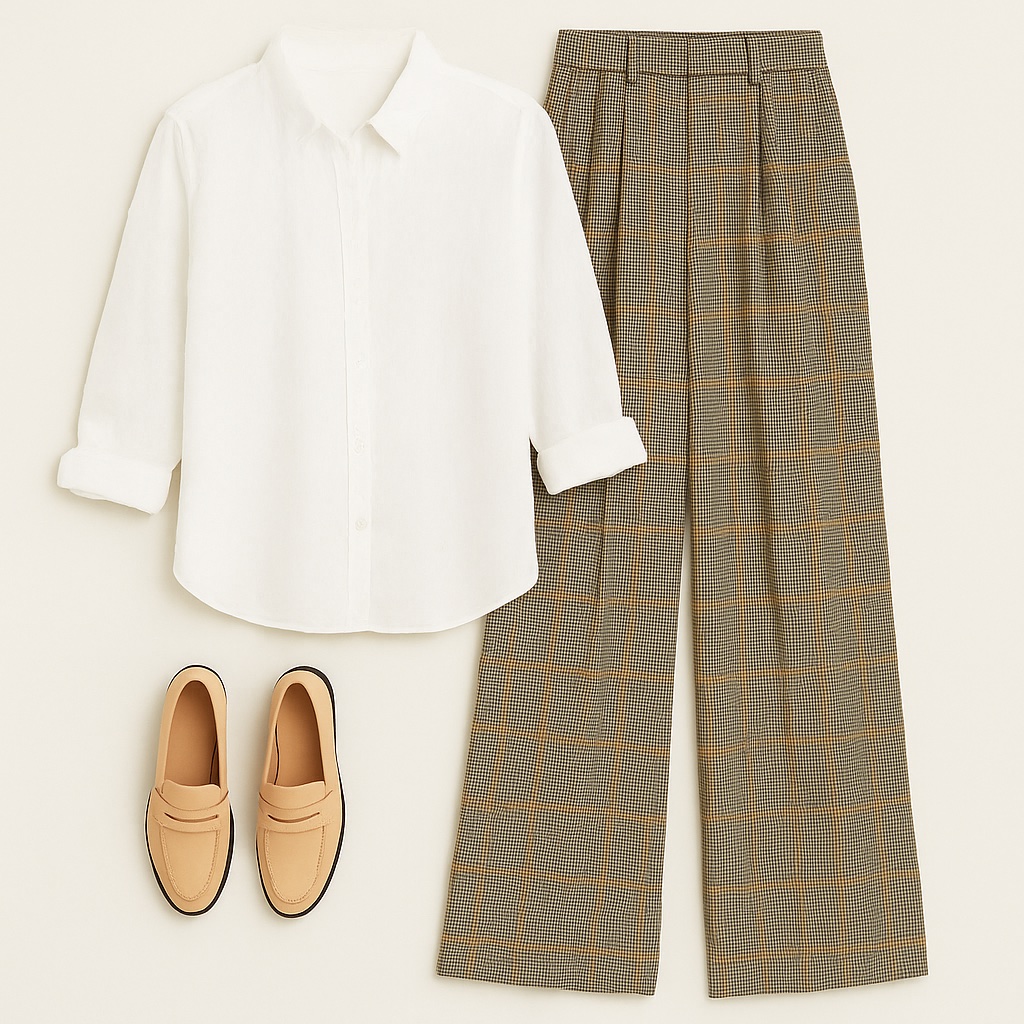
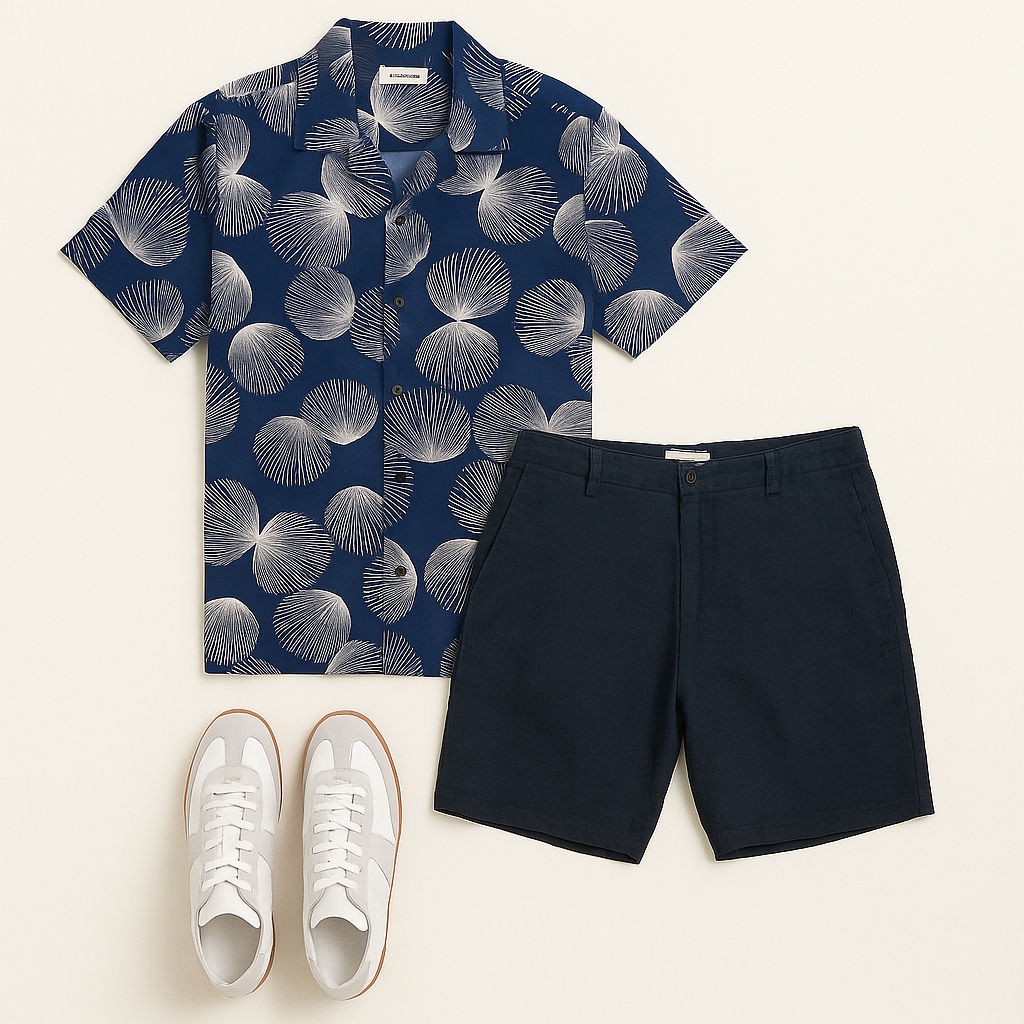
Clients start with a style quiz so we understand their preferences, sizing, budget, and lifestyle. From there, we curate monthly recommendations tailored specifically to them. But we don’t ship boxes, and there’s no automatic purchasing. Everything is delivered via email as shoppable links, and clients only buy what they truly love.
That shift is important. There’s no countdown timer, no push to “keep five items,” no pressure to justify a subscription by buying something every month.
Instead, we act as a trusted guide. Over time, clients build wardrobes slowly and intentionally. It becomes less about impulse purchases and more about long-term satisfaction.
How do you and your team vet brands and define what “sustainable” truly means in practice, beyond buzzwords or trends?
For us, sustainability has to go beyond marketing language.
We evaluate brands based on transparent supply chains, labor standards, material choices, and overall commitment to environmental responsibility. That includes looking at things like certified organic materials, responsible manufacturing practices, small-batch production, and clear communication about sourcing.
We don’t expect perfection, but we look for meaningful, measurable commitment — not vague claims. Every brand we recommend to our clients is Eco-Stylist certified.
Greenwashing is one of the biggest challenges in fashion today. Our role is to filter the noise and elevate brands that are genuinely trying to do better for people and the planet.
As more consumers move away from fast fashion, what shifts in mindset or behavior are you noticing among your clients and community?
We’re seeing a major mindset shift from quantity to quality.
More clients are asking, “Will I wear this 30 times?” instead of “Is this on sale?” They’re thinking about cost-per-wear, longevity, and versatility. Many tell us they’re buying fewer items overall but feeling more confident and satisfied with what they own.
There’s also a growing desire for alignment. People want their spending to reflect their values. They’re realizing that clothing is not just about aesthetics — it’s about impact.
That awareness is powerful. When demand changes, the industry eventually has to follow.
Looking ahead, what impact do you hope this values-aligned approach to personal styling will have on both individual wardrobes and the broader fashion industry?
On an individual level, we hope to make sustainable fashion feel accessible and empowering — not restrictive. When people feel confident in their style and clear about their values, they make better decisions naturally.
On a broader level, our goal is demand-side transformation. If we can help thousands — and eventually tens of thousands — of consumers consistently redirect their spending toward ethical brands, that creates economic pressure and opportunity. Responsible brands grow. Harmful models lose market share.
We believe that business can be a force for good. By proving that sustainable, values-aligned styling can scale, we hope to demonstrate that profit and purpose don’t have to be in conflict.
Links:









 Highlighting Local Gems
 Chelle Neff on Scaling with Soul
 Scaling Storytelling with Strategy: Mark Wonderlin on Building Trust Through Video
 Local Highlighter Series
 Highlighting Local Gems
 Local Highlighter Series
 Highlighting Local Gems
 Local Highlighter Series
 Highlighting Local Gems