


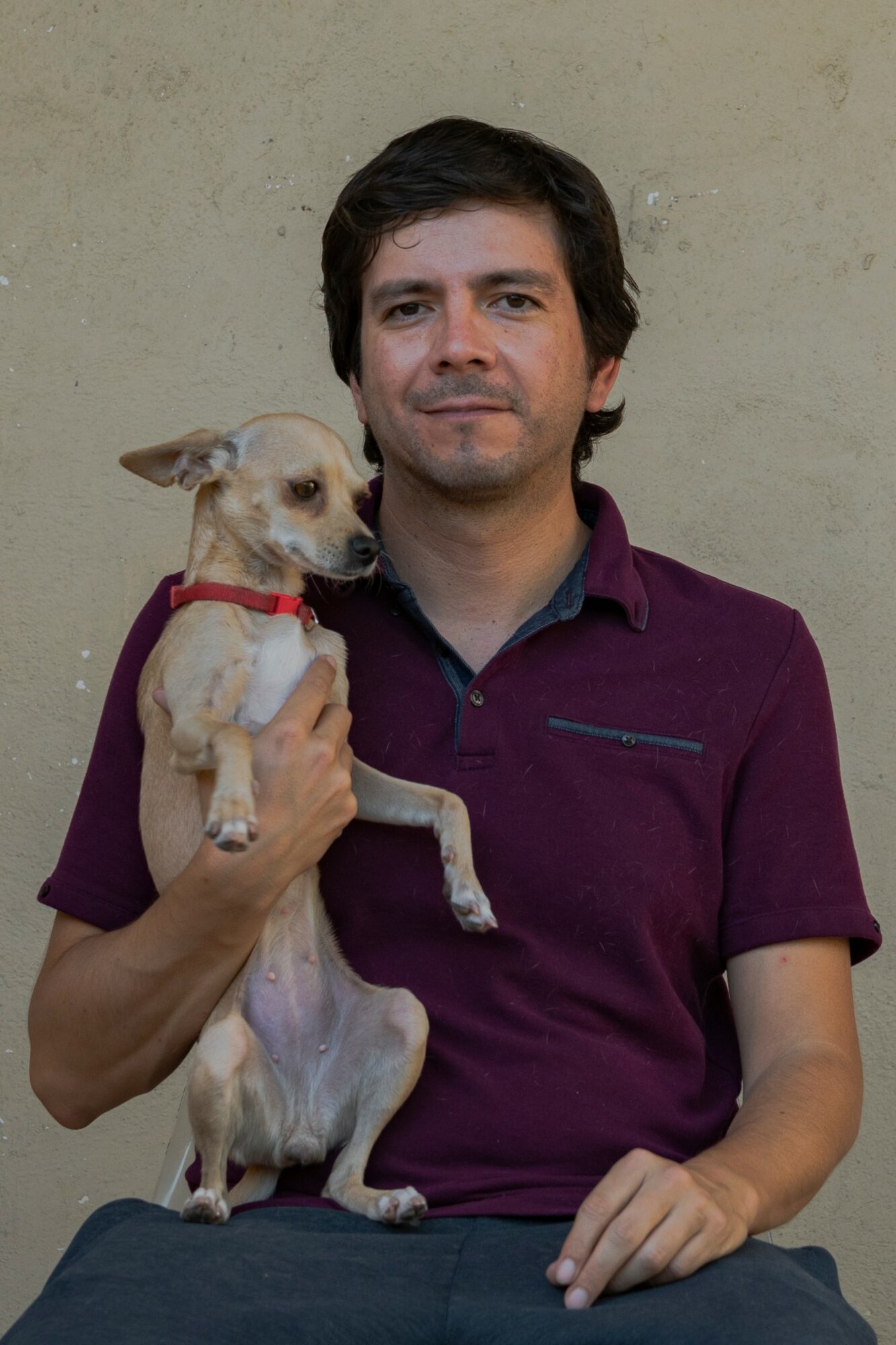
Today we’d like to introduce you to Victor Zapien.
Hi Victor, so excited to have you on the platform. So before we get into questions about your work-life, maybe you can bring our readers up to speed on your story and how you got to where you are today?
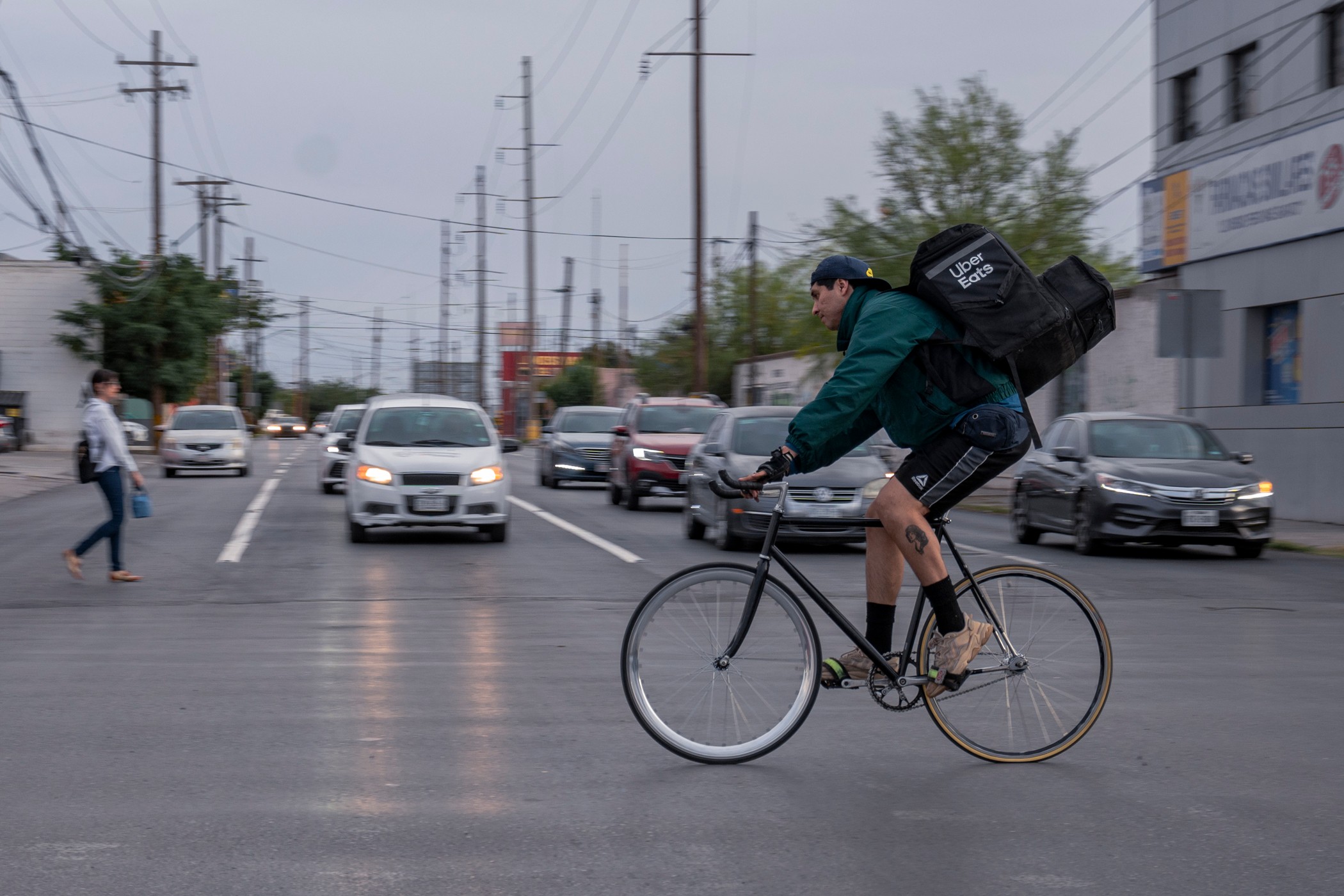
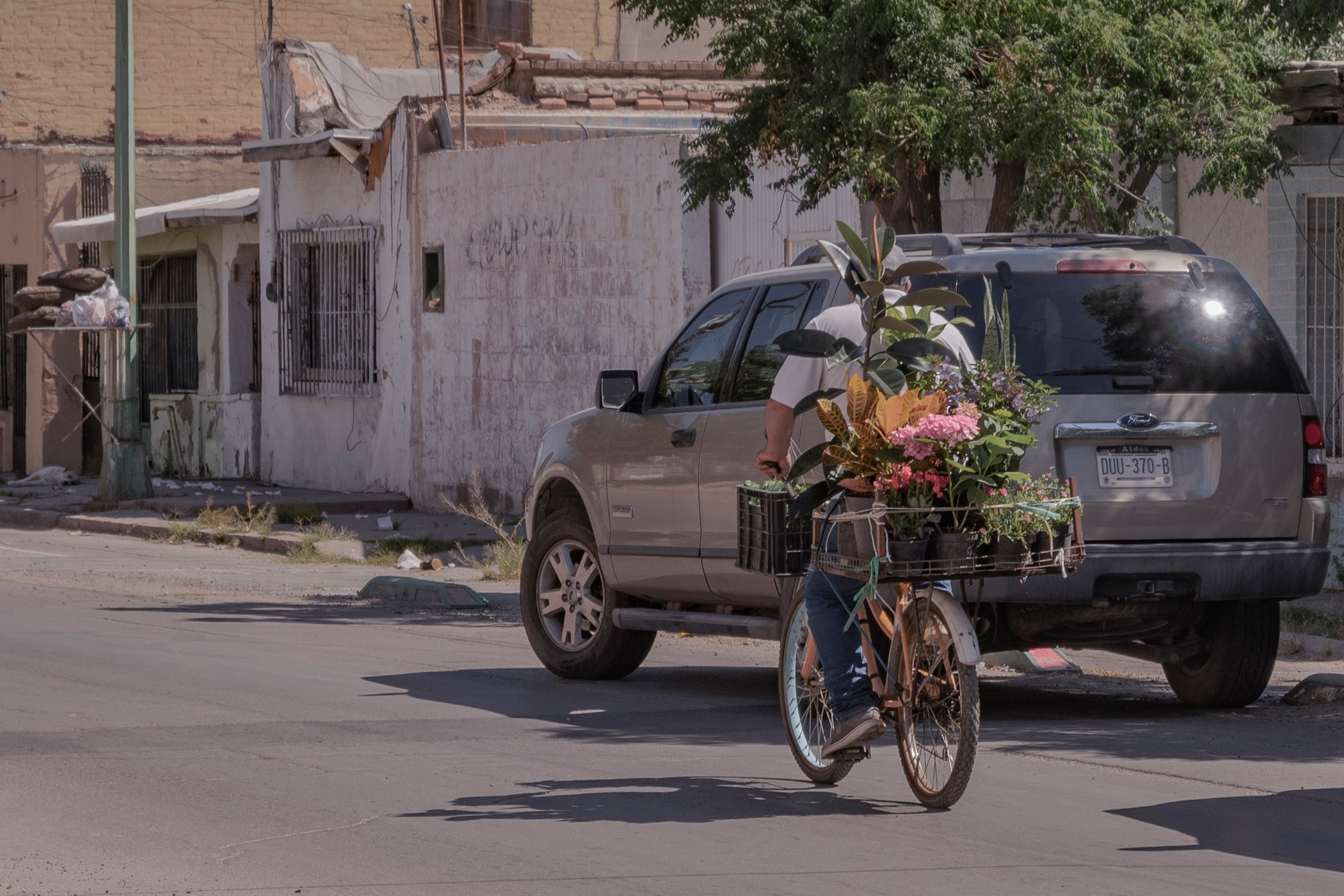
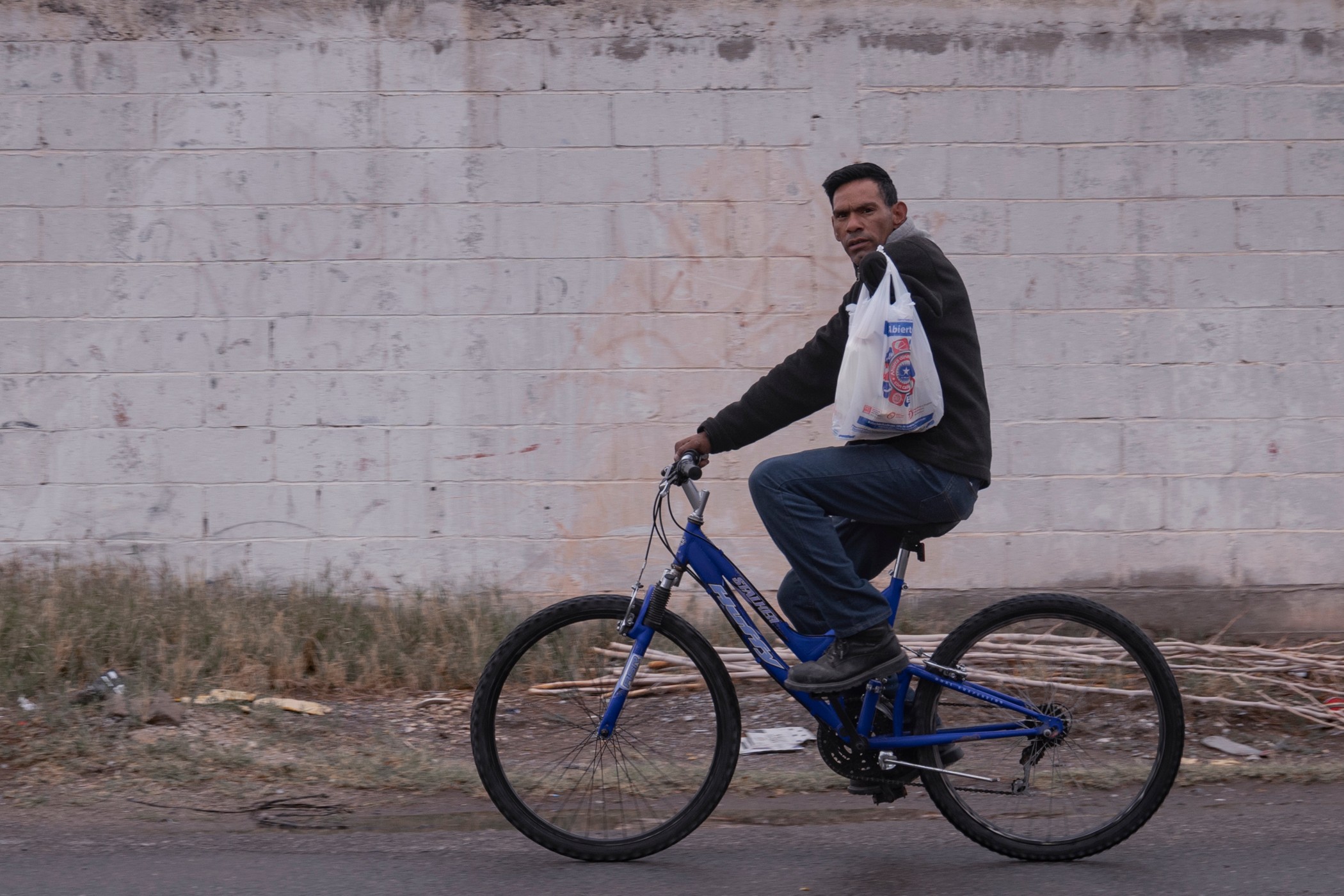
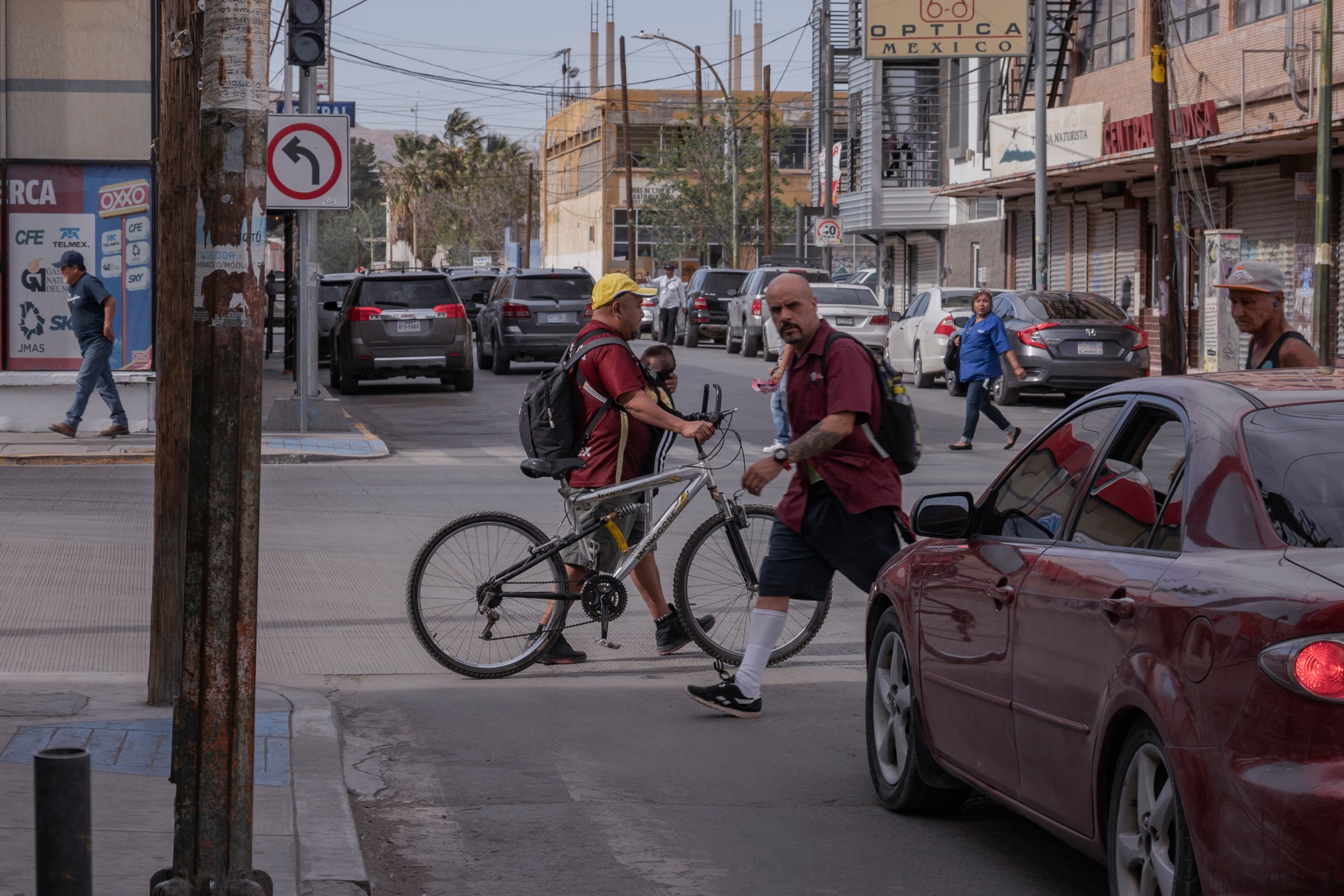
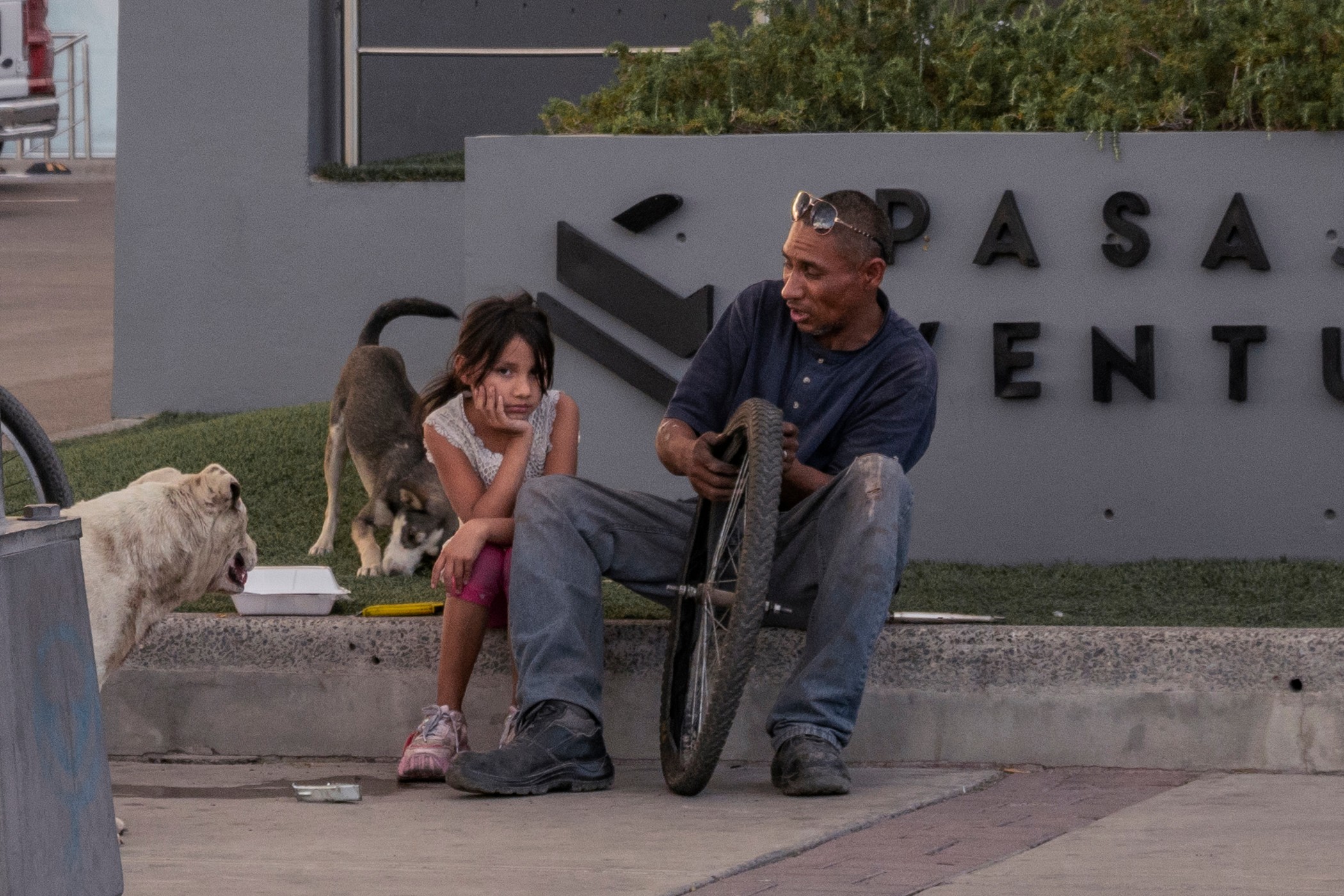
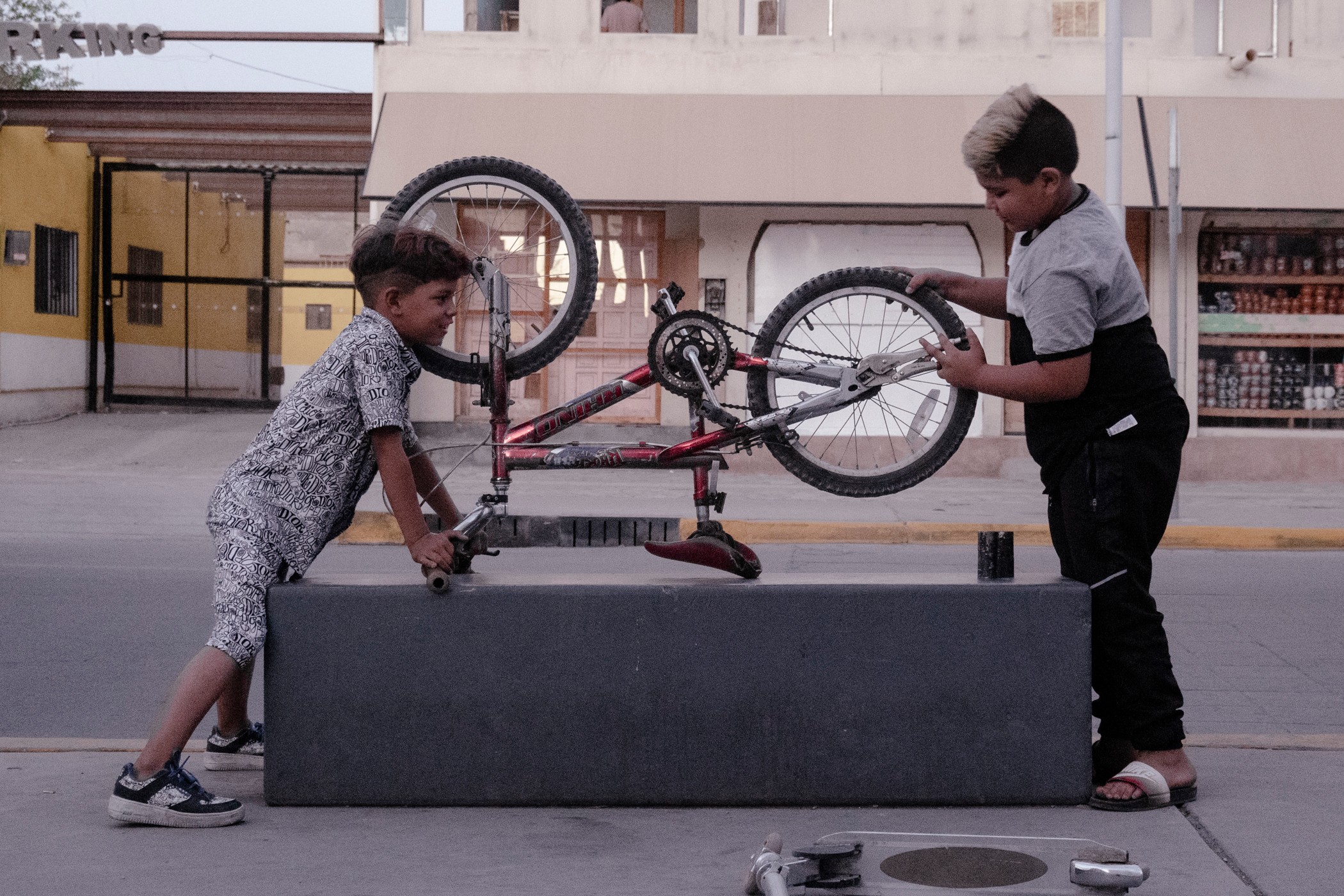
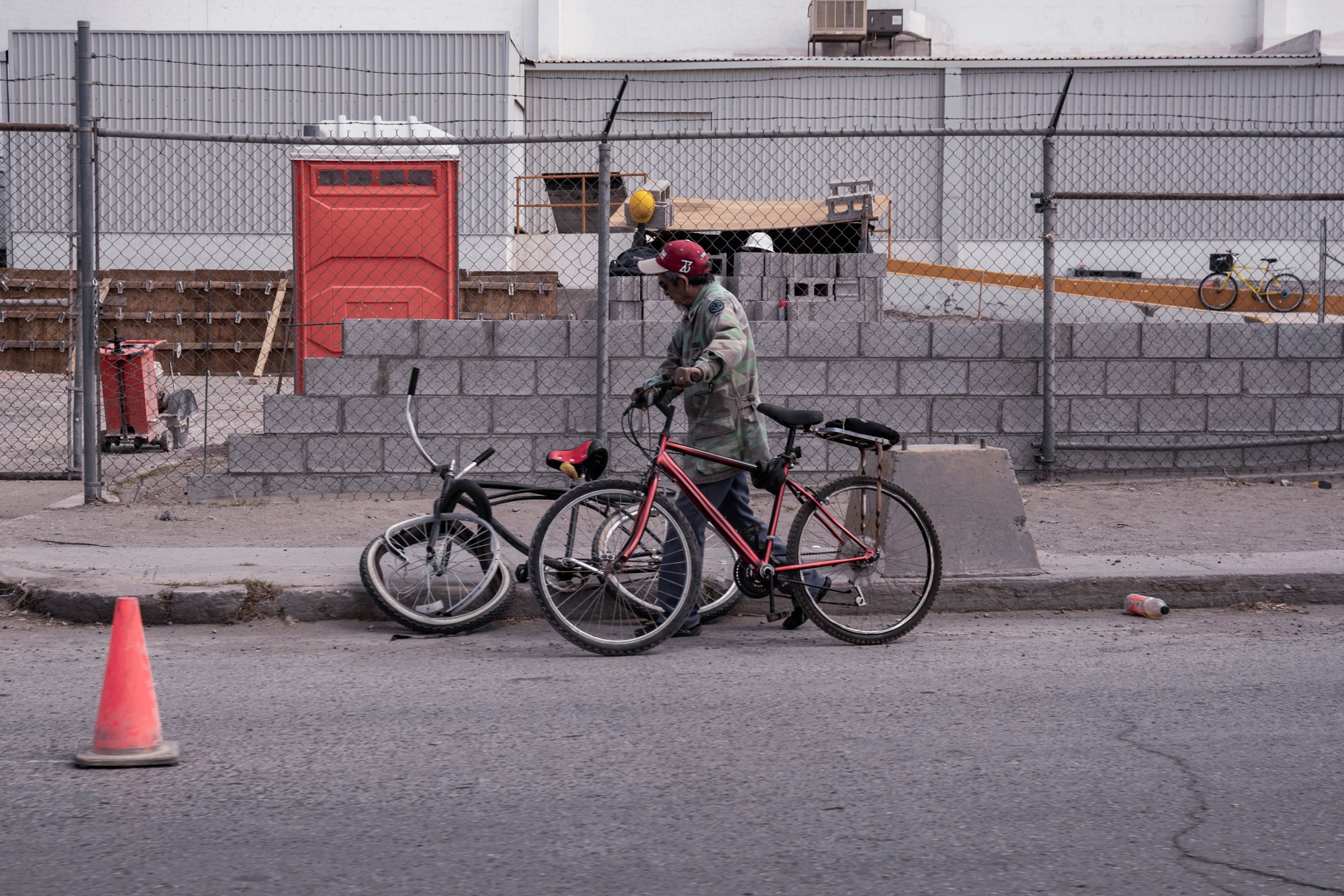
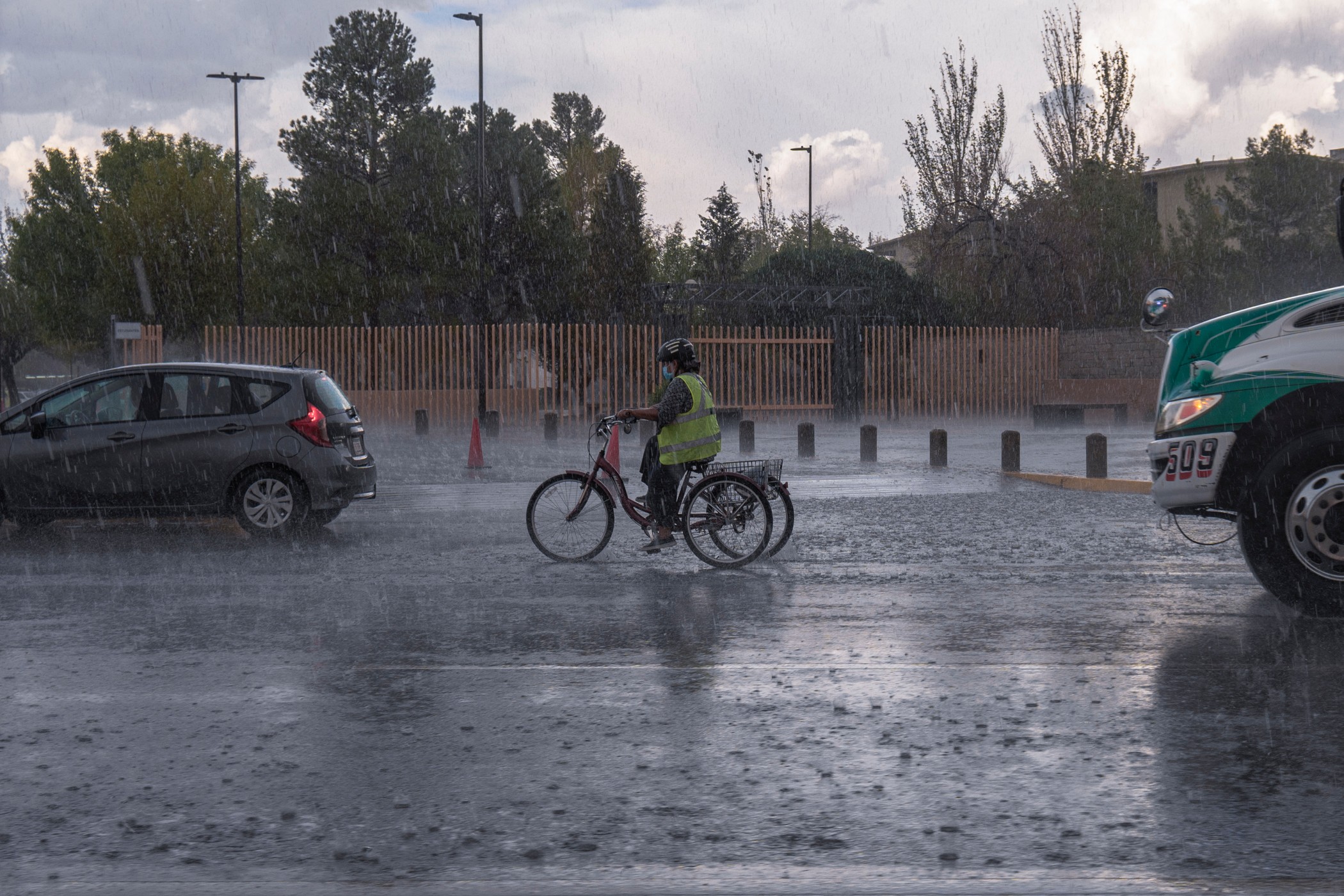
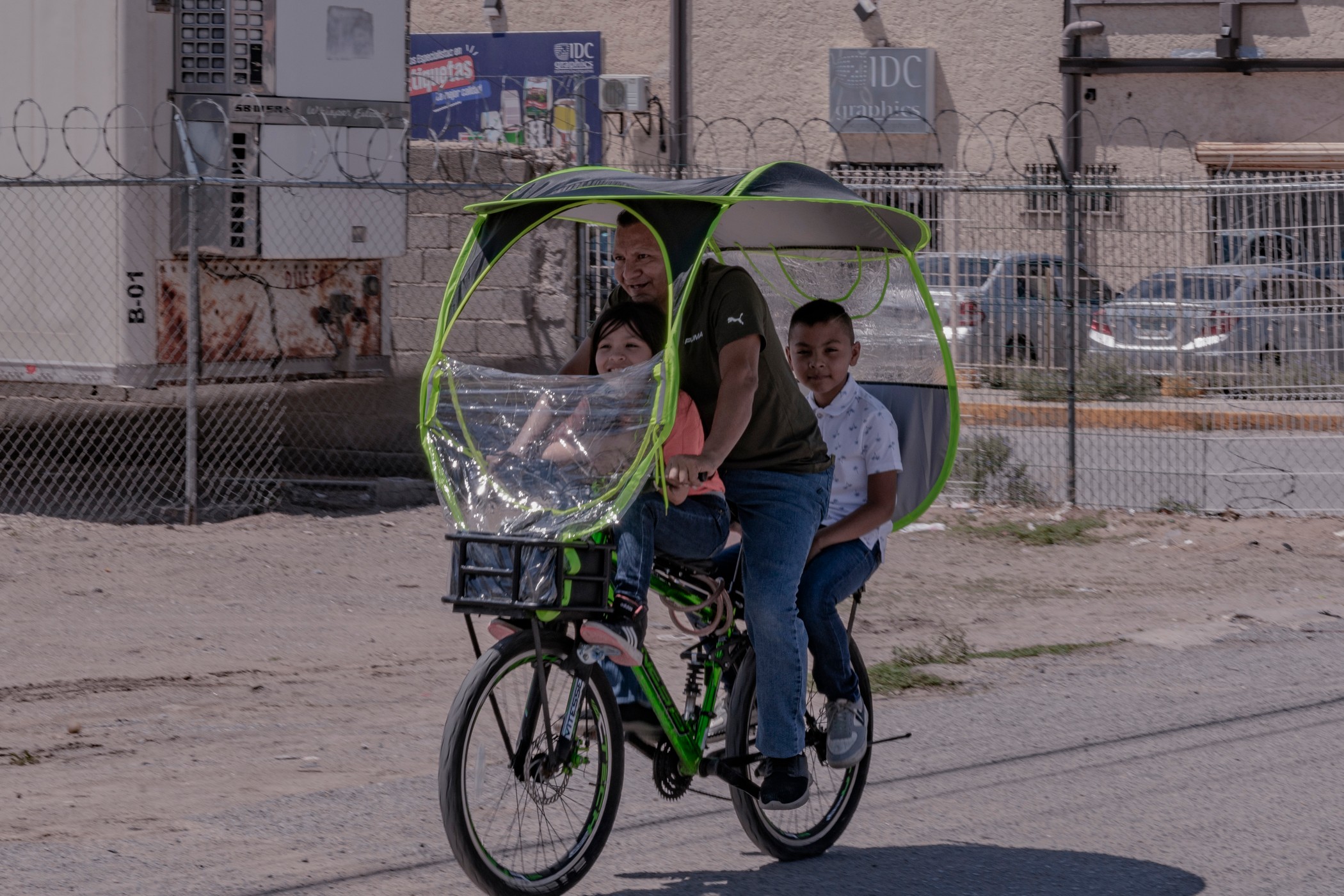
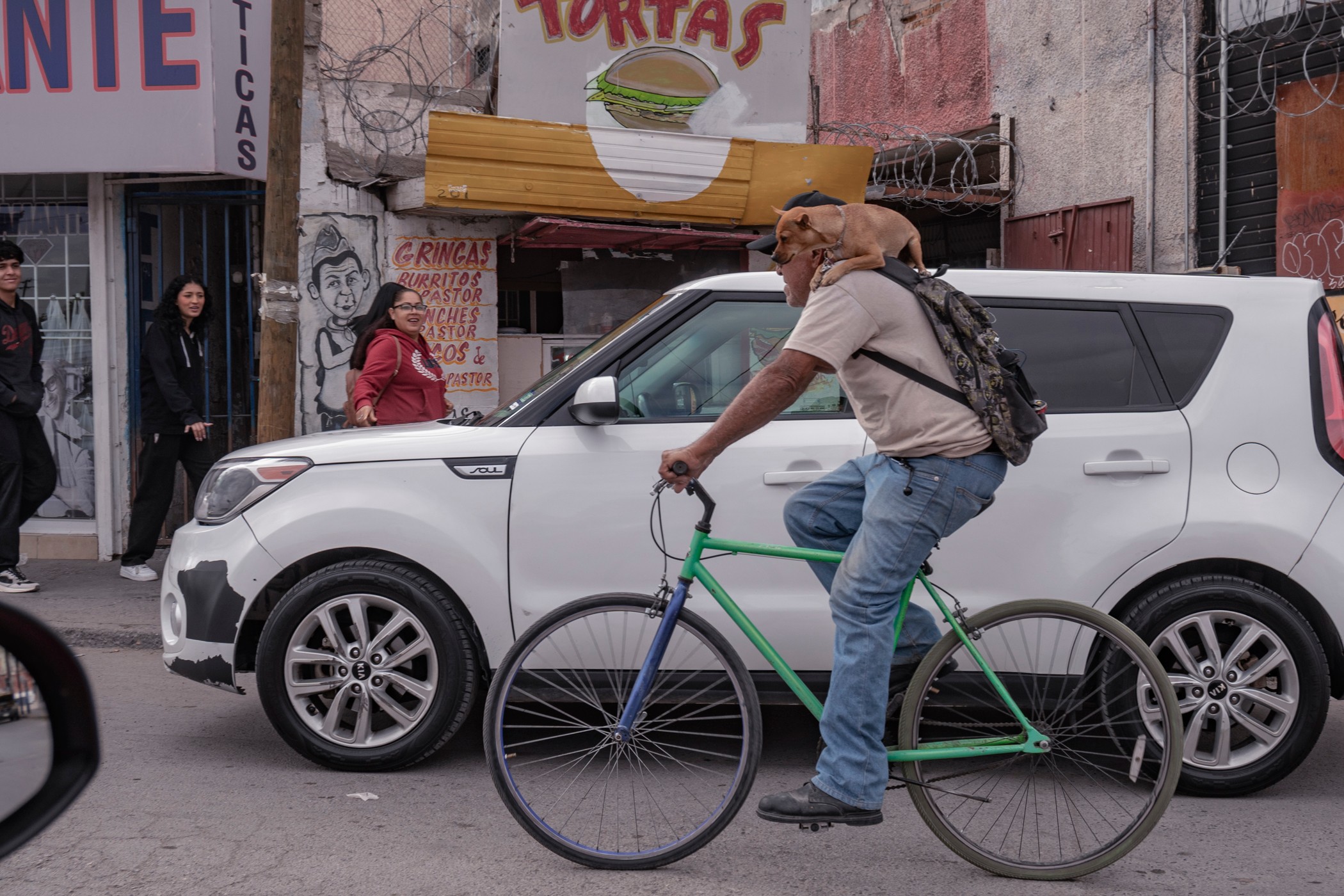
I live in Ciudad Juárez, Mexico, a city shaped by the fast pace of the maquiladora industry and marked by an open wound left by relentless violence. Toward the end of the pandemic in 2021, I began navigating its streets by bicycle, and in January 2023, the project Bicidiario was born — a documentary series focused on the everyday lives of people who pedal through the city.
These are stories of individuals who use bicycles to get to work, school, or simply move from one place to another. I’m interested in giving visibility to those who have found in cycling a sense of fulfillment, identity, or even a way of understanding life.
My focus is not limited to the cyclist alone, but to everything surrounding them: the risk, the challenges, and the small gestures of community that emerge within the urban labyrinth.
Would you say it’s been a smooth road, and if not what are some of the biggest challenges you’ve faced along the way?
Working on this project in Ciudad Juárez means constantly dealing with the vulnerability that comes with moving through a city largely designed around cars rather than cyclists. In many situations, documenting daily life on a bicycle also means exposing myself to the same risks faced by the people I photograph.
Another challenge has been gaining trust and approaching people in an honest and respectful way. Since these are everyday commuters and not professional subjects, many stories happen spontaneously and require sensitivity, patience, and human connection.
The city itself also presents difficulties: extreme weather, long distances, heavy traffic, and areas shaped by insecurity or violence can make both riding and photographing physically and emotionally demanding.
On a personal level, one of the biggest challenges has been maintaining consistency while balancing the emotional weight of the project. Spending so much time observing fragility, accidents, exhaustion, and social neglect can be overwhelming, but it has also deepened my commitment to continue documenting these realities.
Finally, independent documentary projects often face limitations in funding, visibility, and institutional support. Much of Bicidiario has been built through personal effort, persistence, and a genuine connection with the cycling community.
Appreciate you sharing that. What else should we know about what you do?
I’m an amateur photographer and an architect in my day-to-day life. My background in architecture has deeply influenced the way I observe the city, not only as a physical space, but as a place shaped by movement, human interaction, and social dynamics. Photography became a natural extension of that perspective and a way to document the relationship between people and the urban environment.
What matters most to you? Why?
What matters most to me with this project is giving visibility to the people who use bicycles every day and showing, through their experiences, that other ways of inhabiting the city are possible. In a place where cars dominate nearly everything, cyclists represent a different way of relating to urban space — one that is more human, more connected, and more aware of its surroundings.
I’m also interested in creating empathy and awareness among drivers and the general public. Cyclists are often seen as an inconvenience or as invisible within traffic, when in reality the bicycle can be part of the solution to several of the problems our cities face: traffic congestion, pollution, social isolation, and sedentary lifestyles.
Beyond documenting bicycles, the project seeks to open a conversation about how we want to live and move within our cities.
Contact Info:
- Instagram: bicidiario
- Facebook: bicidiario.jrz