


Today we’d like to introduce you to Leslie Kell.
Hi Leslie, we’re thrilled to have a chance to learn your story today. So, before we get into specifics, maybe you can briefly walk us through how you got to where you are today?
I’m a lens-based artist and designer, and my path here has been anything but linear. I earned my degree in illustration and painting, which led into a career in graphic design. Over time, those foundations began to overlap and evolve into what is now a fine art practice.
Early on, I worked in galleries, sign shops, and magazines, taking on whatever creative roles I could find. I taught myself layout and design programs as I went, learning through doing and figuring things out on the fly. That hands-on experience shaped the way I approach my work to this day.
I spent decades working as a freelance designer, which gave me the space to deepen my technical skills, especially in Photoshop. But underneath all of that, photography was always there. Looking back, it’s clear that I’ve always been a photographer at heart, even as a kid.
For most of my career, I’ve been developing a visual language that blends photography, drawing, and design. Around 2008, I began refining a process that layers my own photographs with design elements, allowing images to take shape in ways that feel immersive and intentional. That approach has become central to my work.
Alongside my studio practice, I’ve spent many years volunteering with arts nonprofits, staying connected to the larger creative community. Today, I maintain a studio at Canopy, a vibrant artist community in East Austin, where I continue to explore and expand this work.
Alright, so let’s dig a little deeper into the story – has it been an easy path overall and if not, what were the challenges you’ve had to overcome?
It hasn’t been a smooth road. Early on, one of the biggest challenges was simply being taken seriously. Digital wasn’t as prevalent as it is now, and there was a constant need to explain the work.
As the medium has expanded, I’ve found myself in an interesting position. I’m probably considered a more traditional digital artist at this point. Nothing I do is automated, and my process hasn’t drifted far from where it began. It’s been a steady process of refining, both technically and conceptually.
The pace of technology brings its own challenges, and the landscape is always shifting. Over time, though, I’ve learned to trust the process I’ve built. The challenges, both internal and external, have helped me clarify my voice and stand more firmly in it.
Can you tell our readers more about what you do and what you think sets you apart from others?
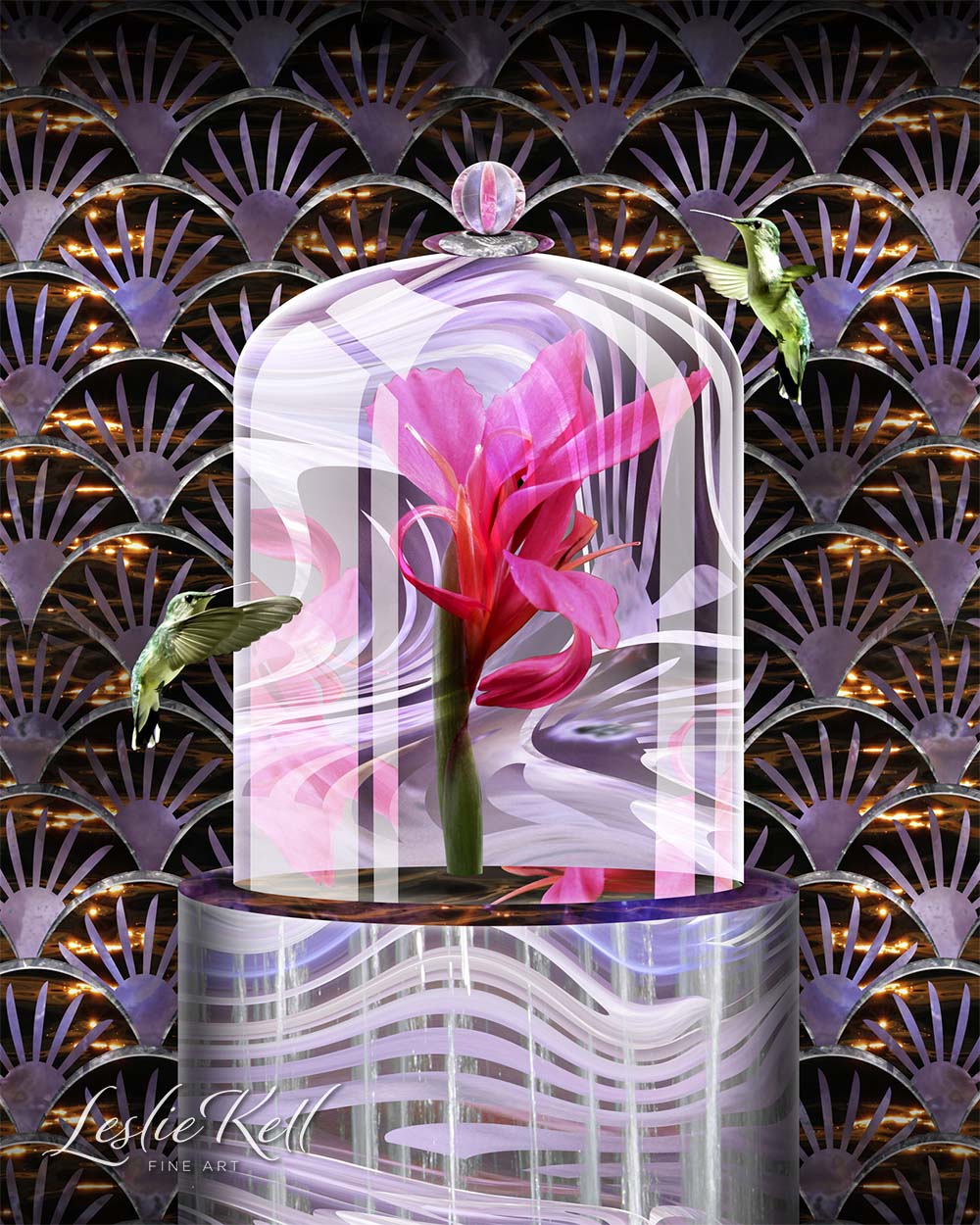
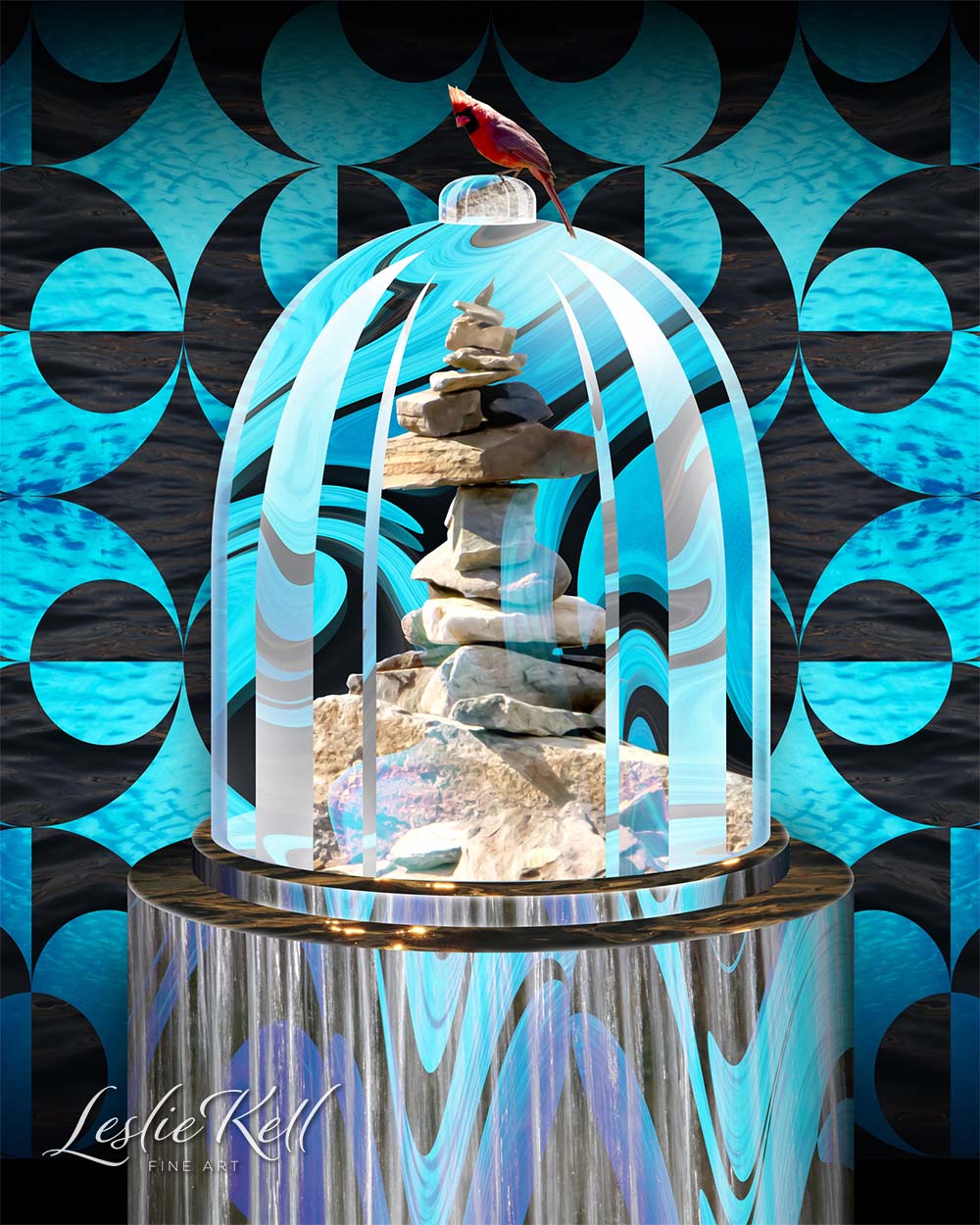
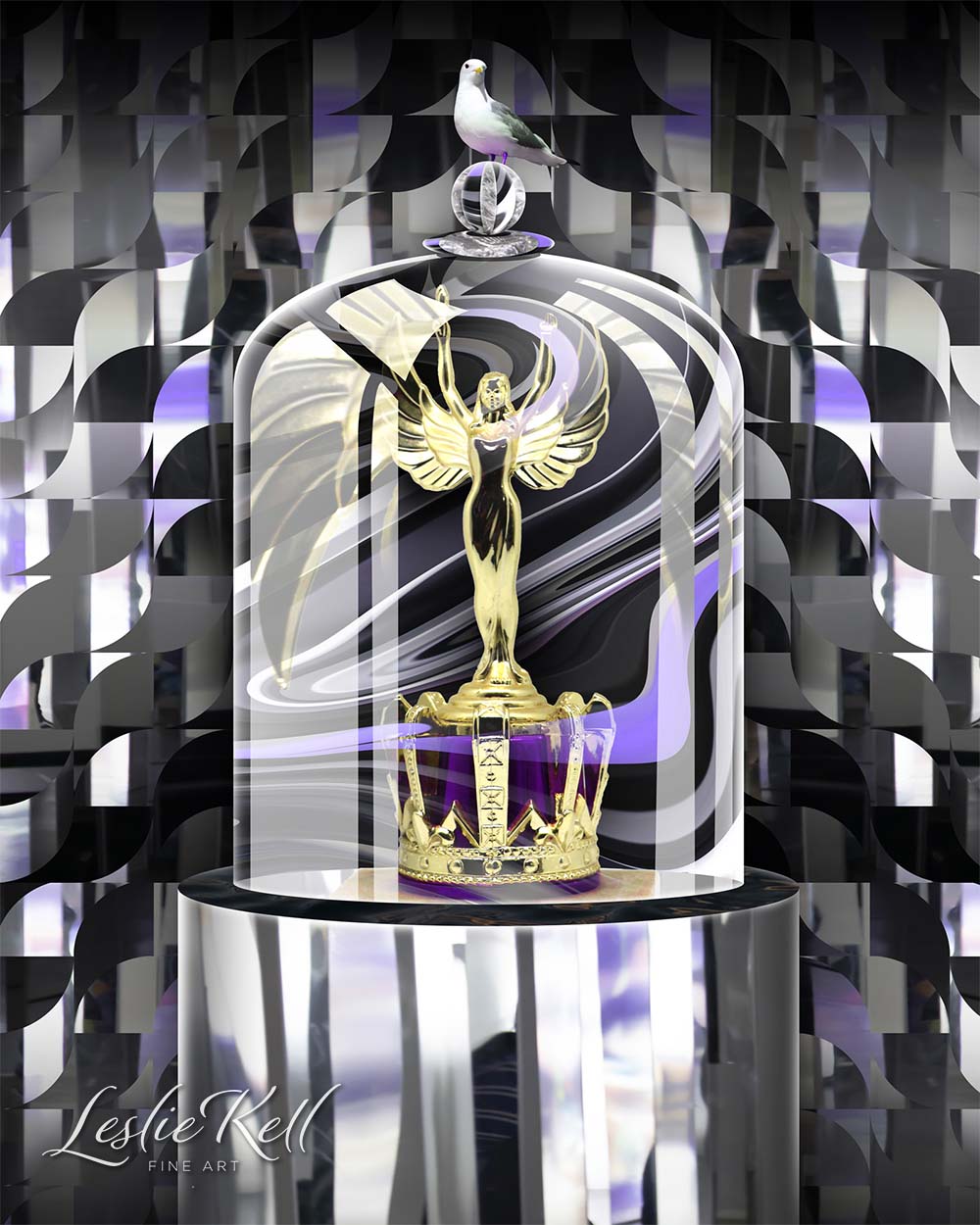
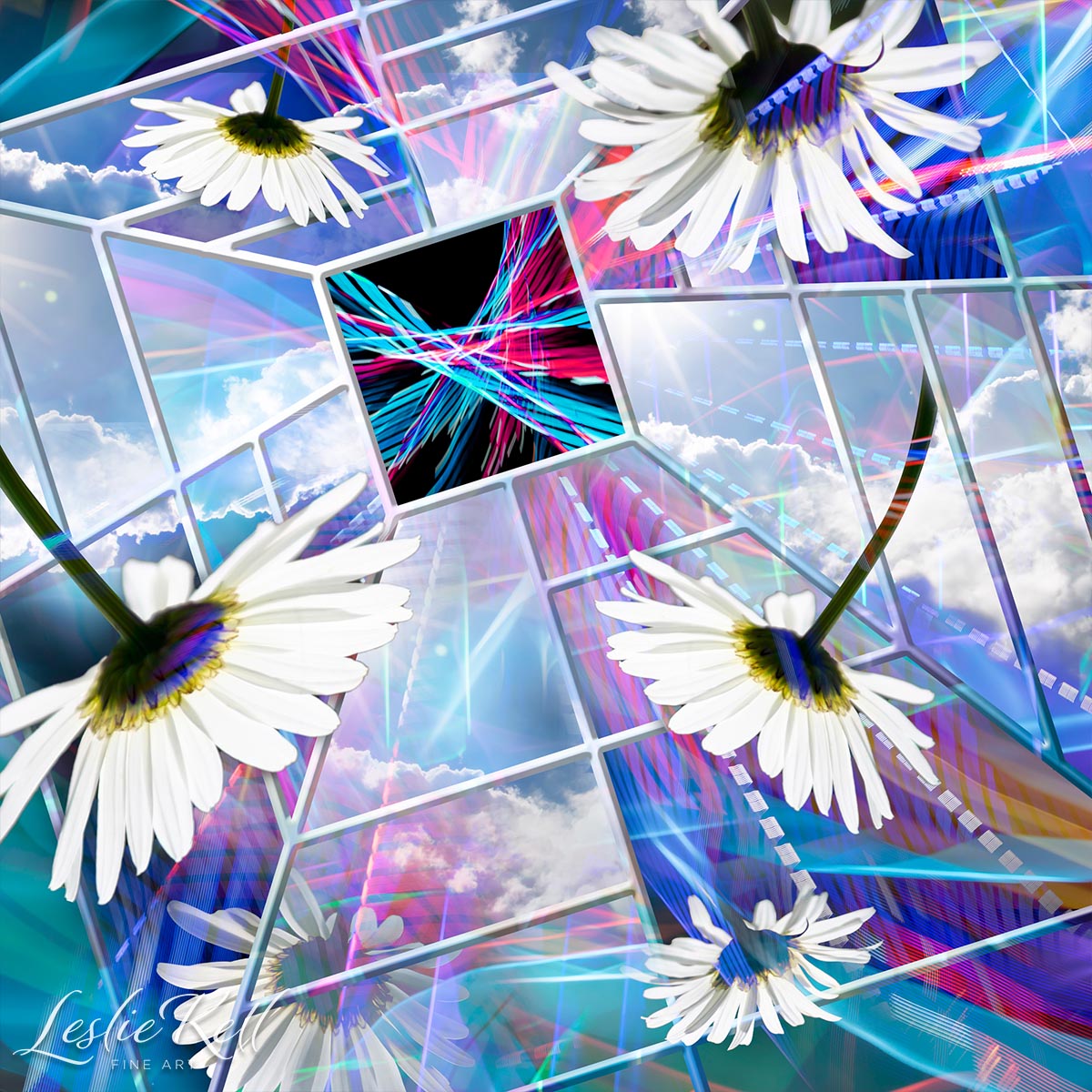
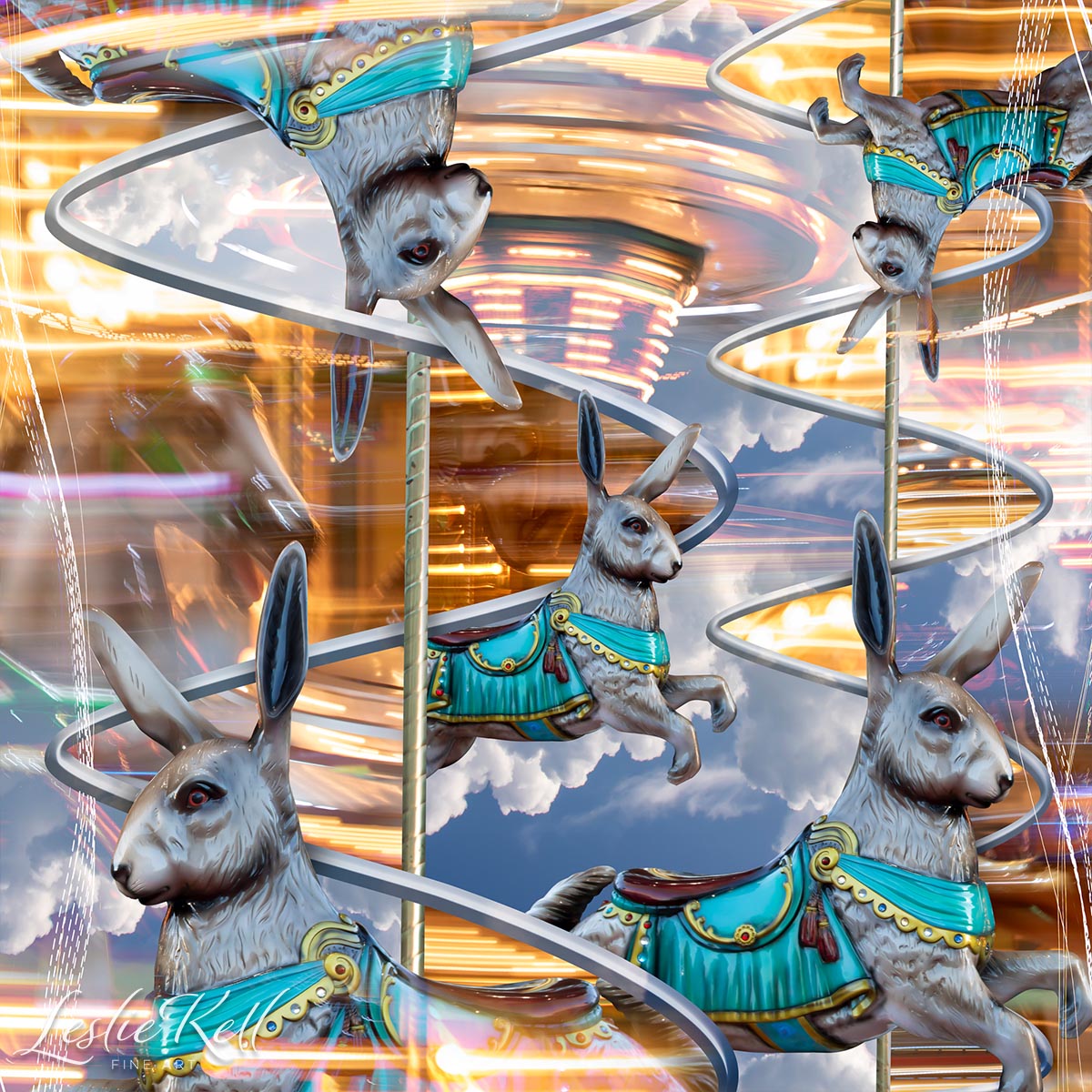
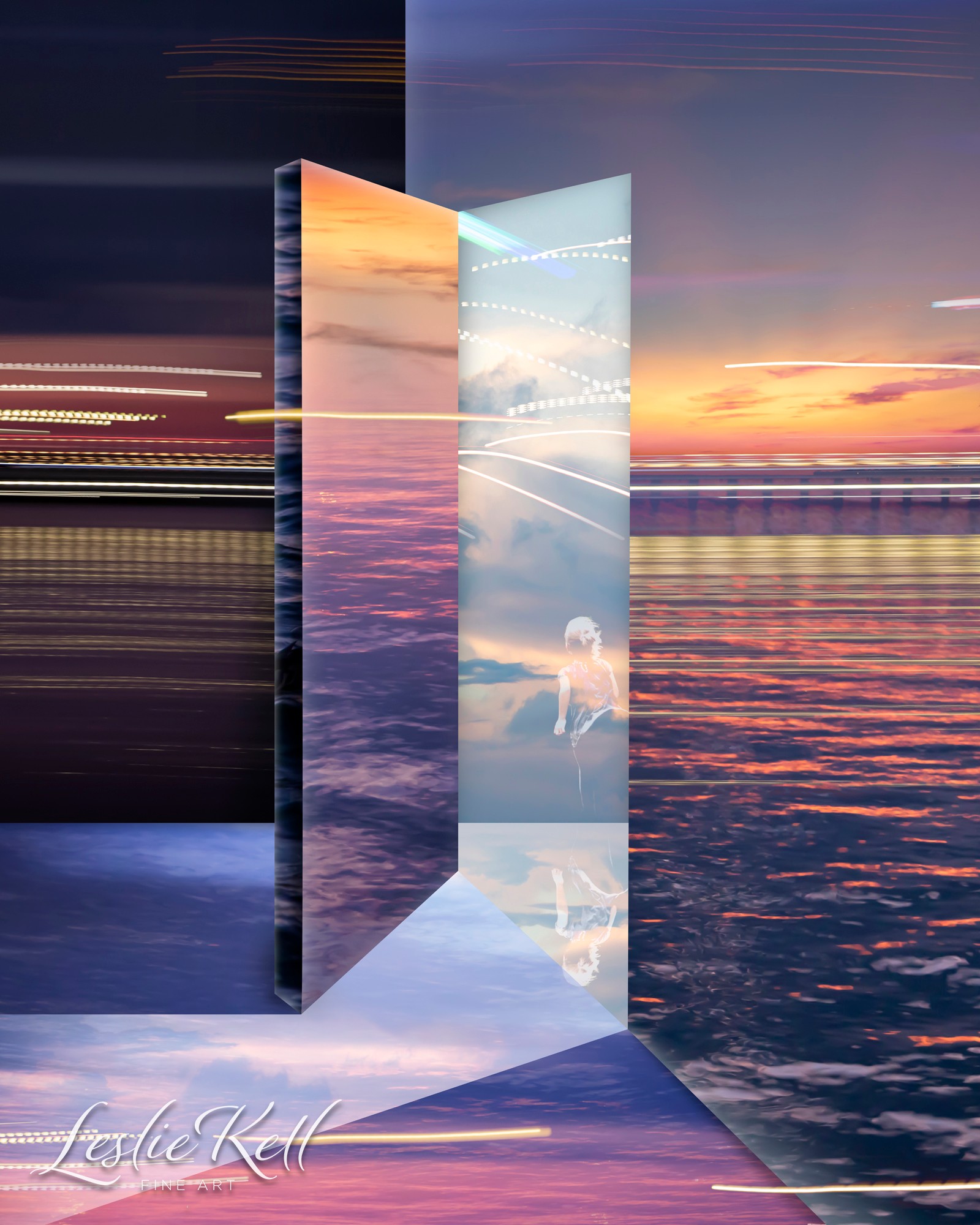
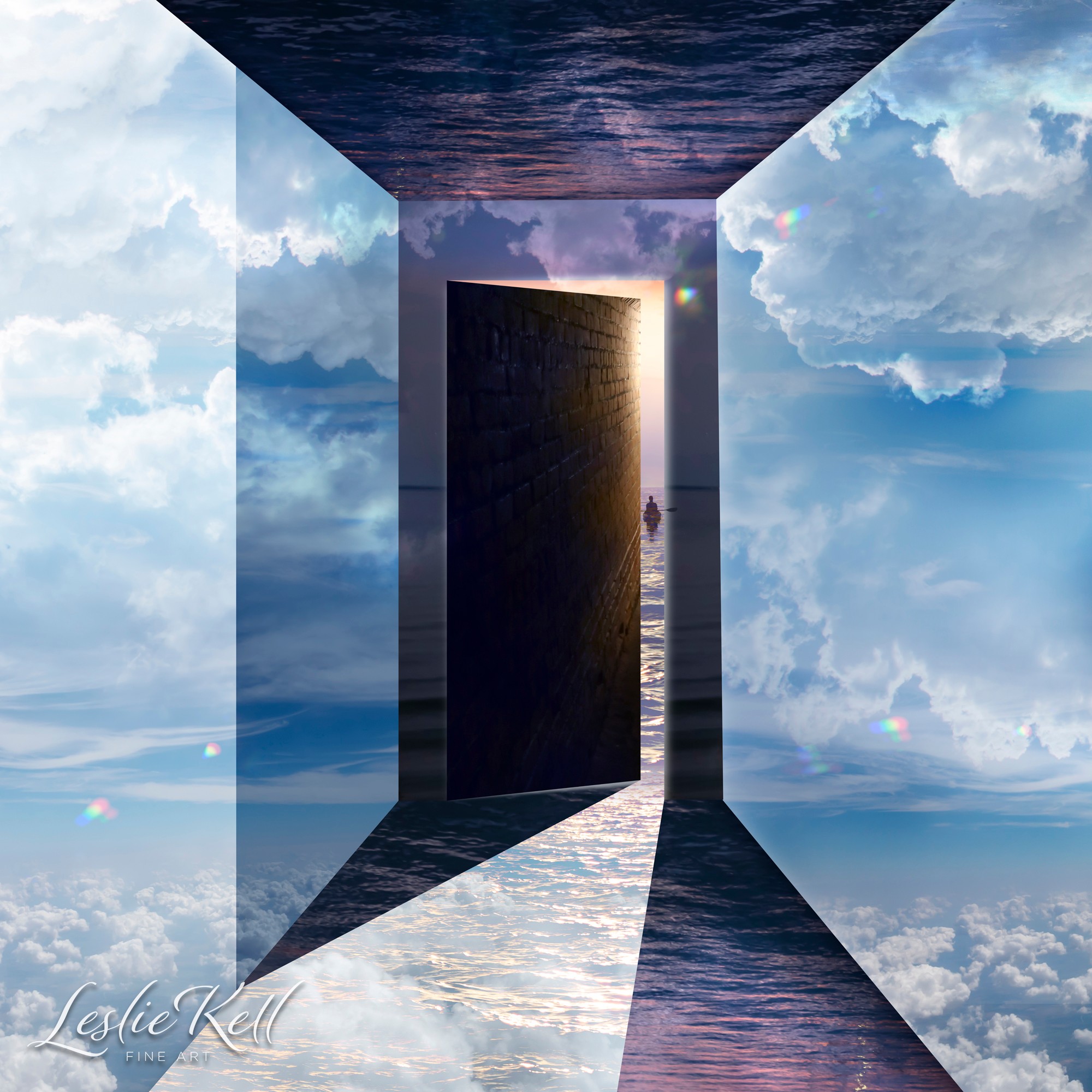
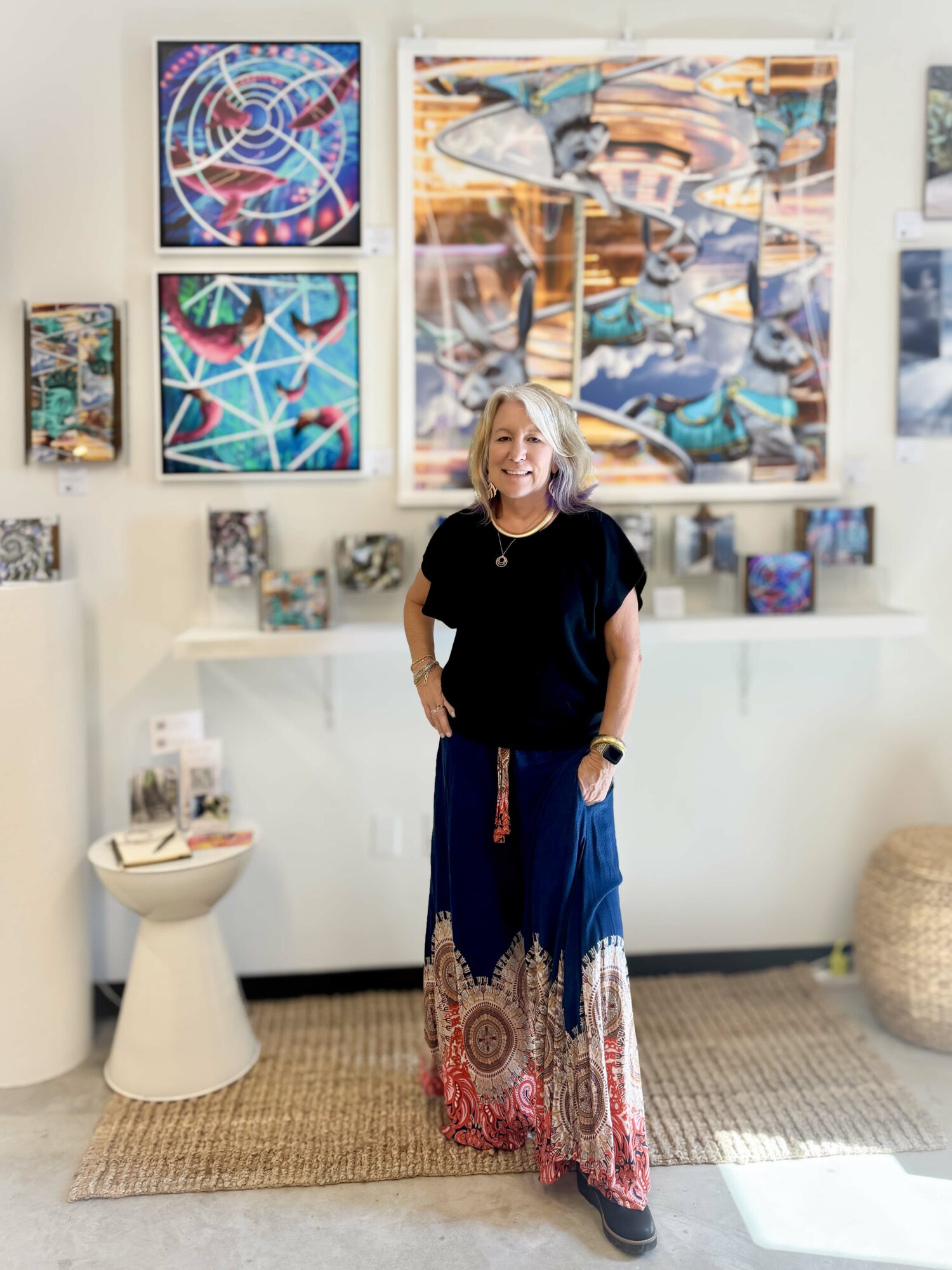
I create layered digital compositions built from my own photography, drawing, and design elements. The work sits somewhere between the real and the imagined, exploring perception, memory, and those in-between spaces where things start to shift.
My process is something I’ve developed over many years. I use tools like Adobe Creative Suite to construct detailed environments from real-world fragments, essentially rebuilding reality piece by piece. The result is work that feels both familiar and slightly out of reach.
The images often live within larger collections, each connected to an original piece of writing. The text acts as a kind of anchor, adding another layer of meaning and guiding the emotional tone of the work.
Recently, I’ve been focused on developing my latest collection, Precious, which continues my exploration of value, perception, and the ways we assign meaning. I’m especially excited about introducing light boxes into the work. Light has always been essential to how I create, and now I’m able to carry that presence through to the final piece. Presenting the work in light boxes allows me to share the experience more fully, to bring viewers closer to what I see.
What I’m most proud of is that the work feels like mine. The process, the visual language, the way the pieces come together, it all comes from a long period of exploration and refinement. There’s a balance in the work that I’m always chasing, something structured but still fluid, intentional but open.
My work is available through my website in a range of custom sizes, and I stay connected with collectors through my newsletter, social media, and open studio events at Canopy during First Saturdays.
We all have a different way of looking at and defining success. How do you define success?
For me, success lives in a moment of recognition, both in the studio and with an audience.
In the studio, it’s when everything finally clicks. The process can feel uncertain for a long time, like I’m working toward something I can’t fully see yet. Then suddenly it resolves, and I know it’s there. There’s a real energy in that moment.
But the work doesn’t feel complete until someone else experiences it. The most meaningful part is watching a shift happen in a viewer, when something connects. I’ve had people tell me they can almost hear the work, or that it makes them slow down and look differently. That kind of response stays with me. It tells me the piece is doing what it’s meant to do.
Contact Info:
- Website: https://LeslieKell.com
- Instagram: https://www.instagram.com/lesliekell/
- Facebook: https://www.facebook.com/leslie.kell/
- Youtube: https://www.youtube.com/@KellCreative