


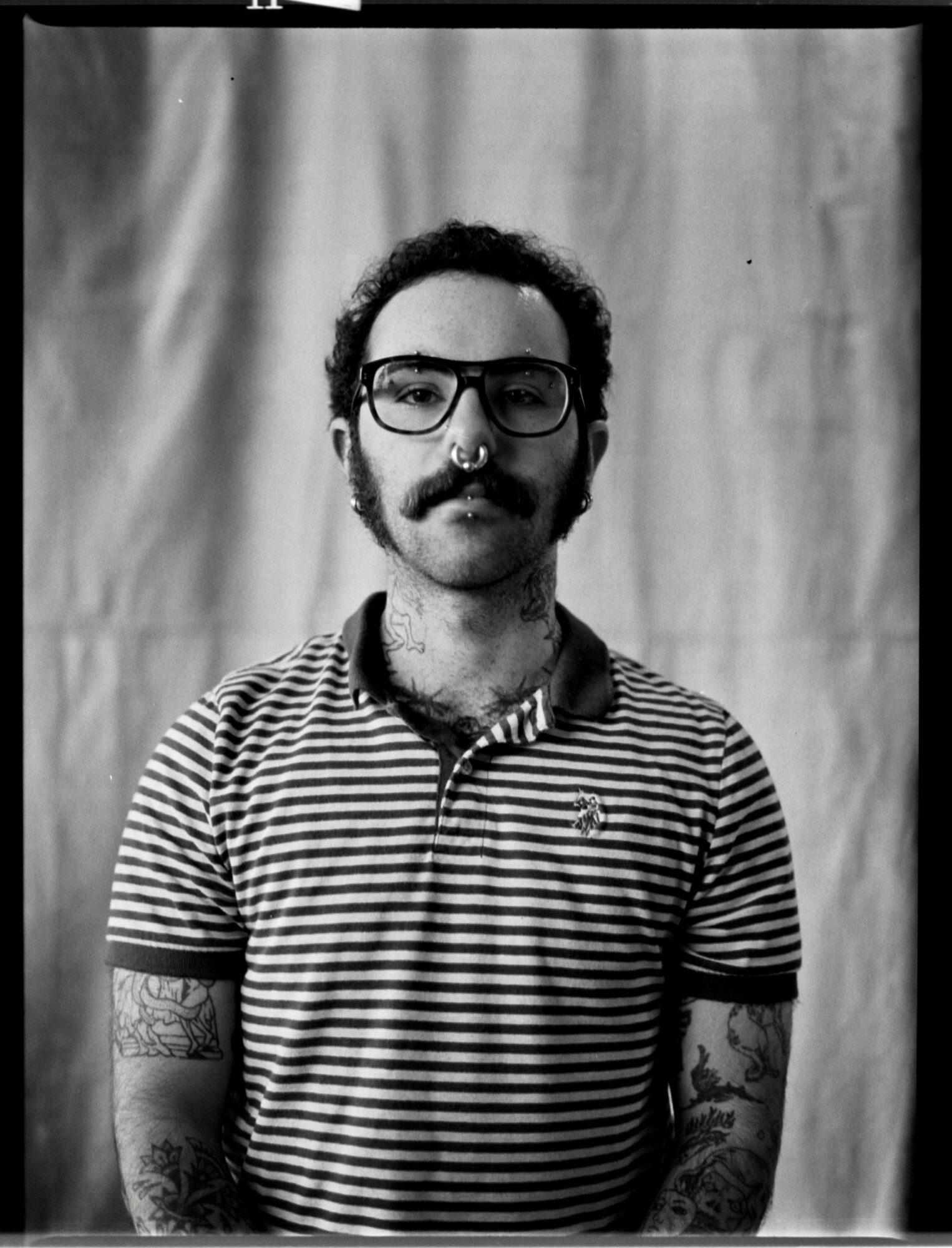
Today we’d like to introduce you to Ray Swartz.
Hi Ray, thanks for sharing your story with us. To start, maybe you can tell our readers some of your backstory.
I’ve lived in Austin since I was 2 years old, and have been involved in creative and performing arts the whole time. I grew up playing music, but was always interested in expressing myself visually, taking cues from the vast creativity surrounding me. Everyone always says to “keep Austin weird,” but I really took this to heart and am unashamedly myself every day. I started taking photography seriously in high school and eventually ended up at the Rhode Island School of Design studying Painting and Literary Arts .
Spending so much time away from the community where I was raised, I realized the importance of my relationship to my hometown and how much of my life and artistic practice is informed by this place. Through a practice of making, I have come to understand more about myself, the communities around me, and how to better engage with the past, present, and future. Growing up as a queer person, I never felt ashamed about who I was, but through my art I was able to better express the feelings and relationships that were more difficult to say out loud.
We all face challenges, but looking back would you describe it as a relatively smooth road?
My path as a creative person has certainly not been a smooth one, but it has been hard in the best way. I am constantly pushed to be the very best that I can be, both as a person and as an artist, and while it might not be the easiest thing to do, I can see myself growing every day that I persevere through it. I have certainly gotten my fair share of bad reviews and negative feedback, but I think that that only has fueled me to make something better the next time around.
I think one of the hardest things about being an artist is figuring out where to go next, and it’s a lifelong struggle that gives us a purpose as creatives. I am constantly asking myself what other moves or gestures I can make with my work and how that might further clarify my intentions regarding making art.
Thanks for sharing that. So, maybe next you can tell us a bit more about your work?
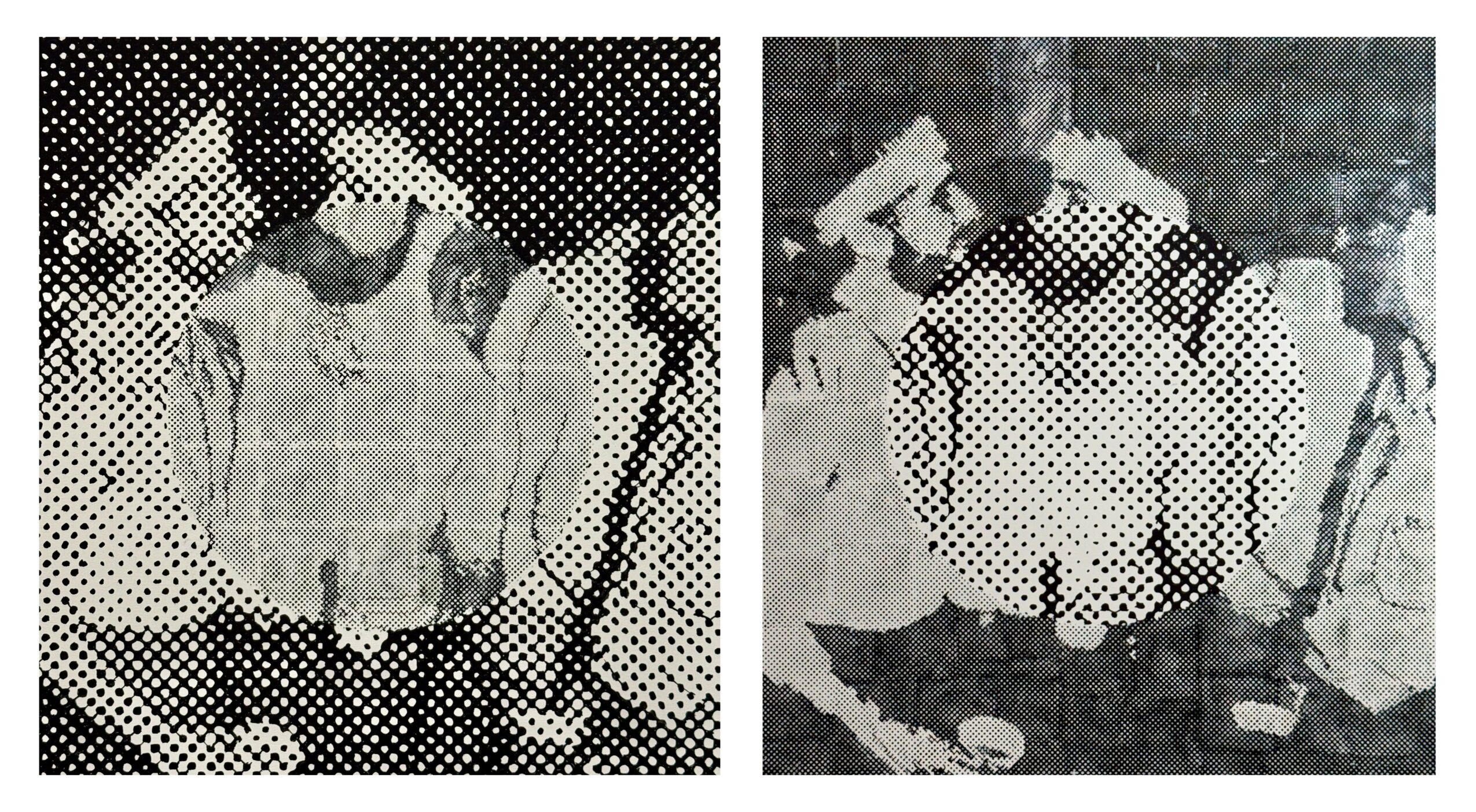
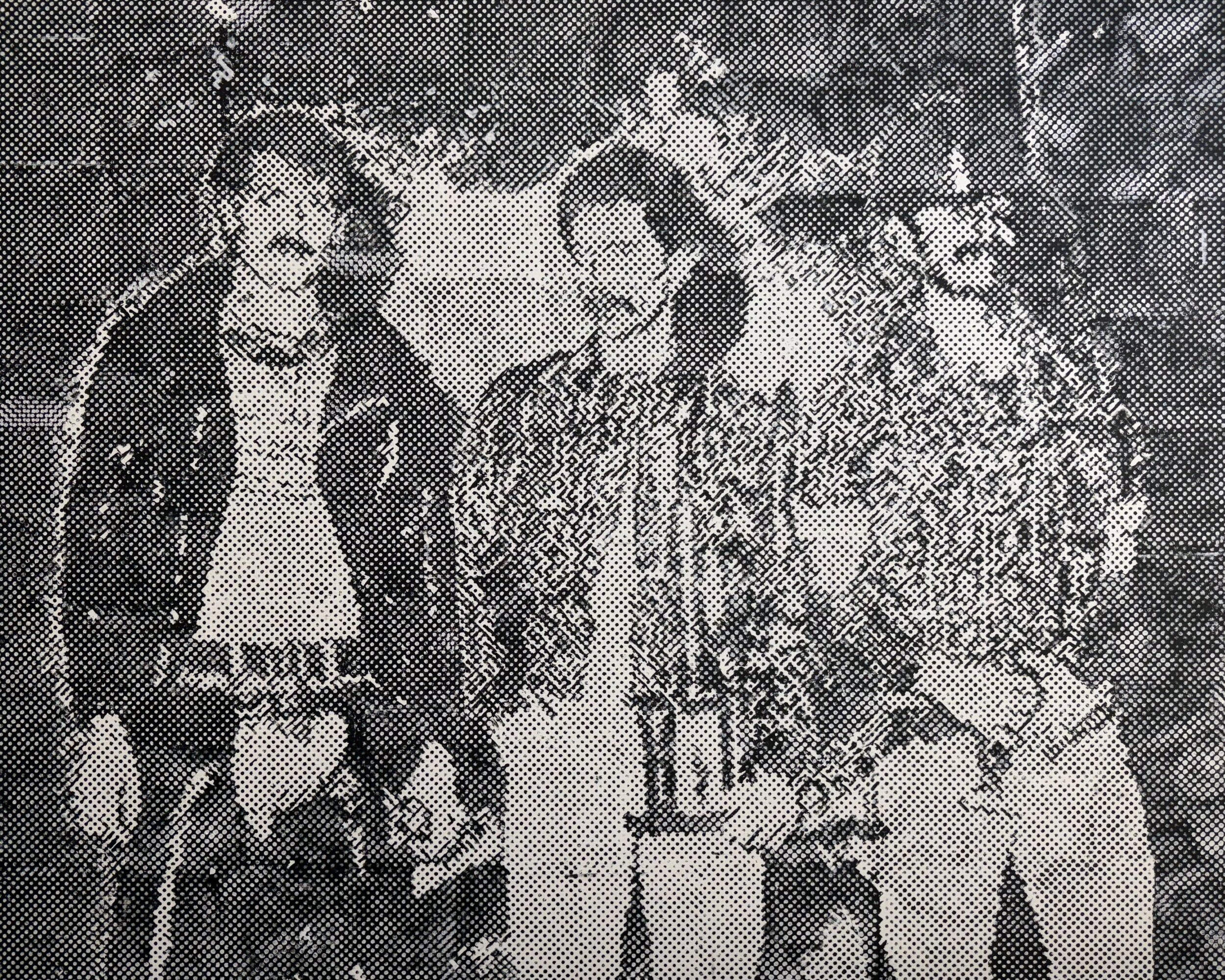
Queer histories, broadly, are often obscured from the dominant cultural narratives, requiring digging, unearthing, and excavation in order to bring them to the surface, often at the expense of the miner’s physical and emotional toll. Even within these hidden histories, certain subsections are prioritized and favored over others, usually due to geographic and cultural prevalence. Growing up in Texas, I have recognized that the queer history of my home was neither elevated nor broadly recognized. Upon this discovery, I realized my desire to create work that pulls the past out into the present and wrestles with the complexity that translation requires. I position myself not as a curator or archivist, but as a translator, one who works through material processes to reanimate what has been overlooked without resolving it into a fixed narrative.
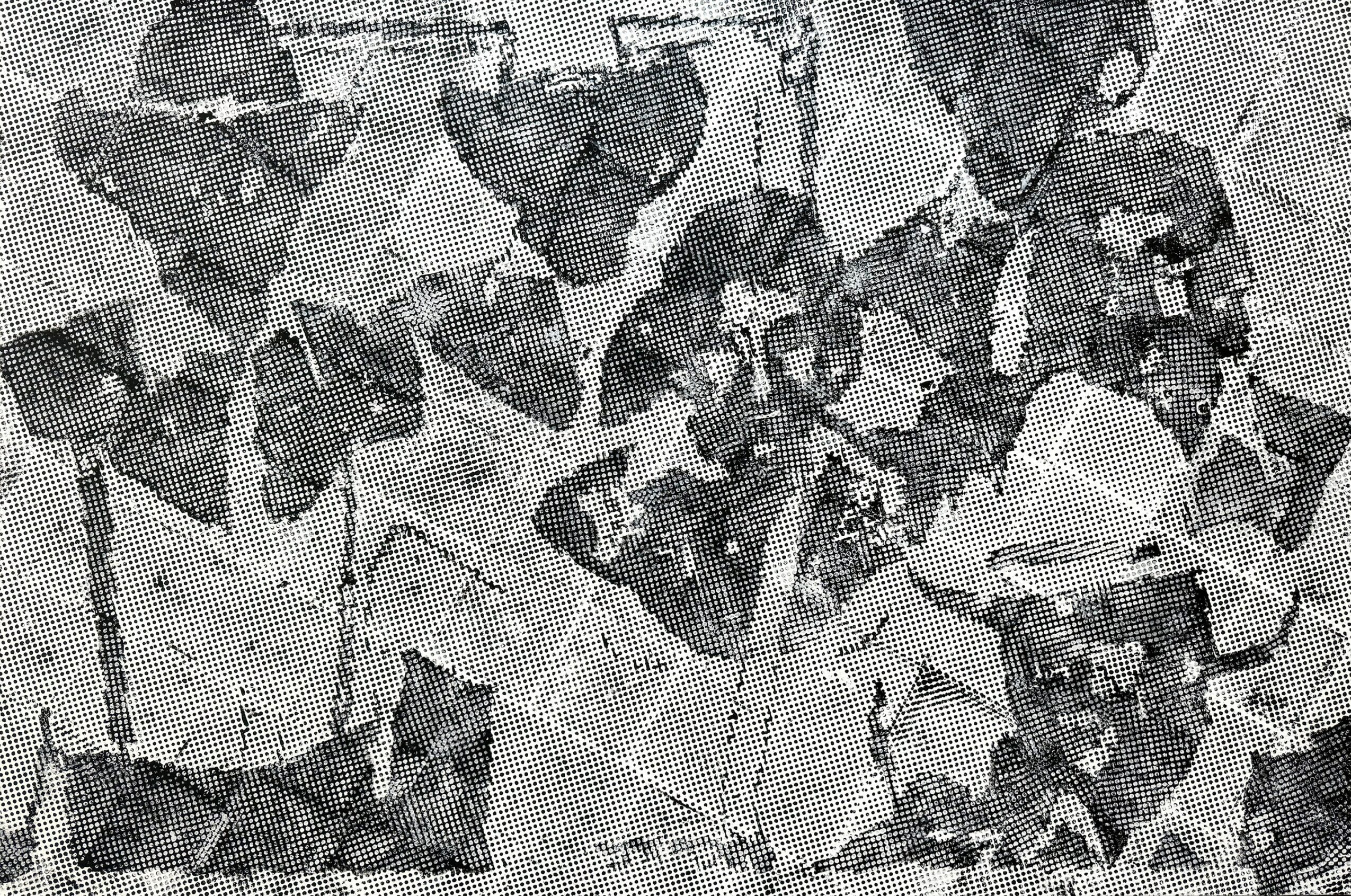
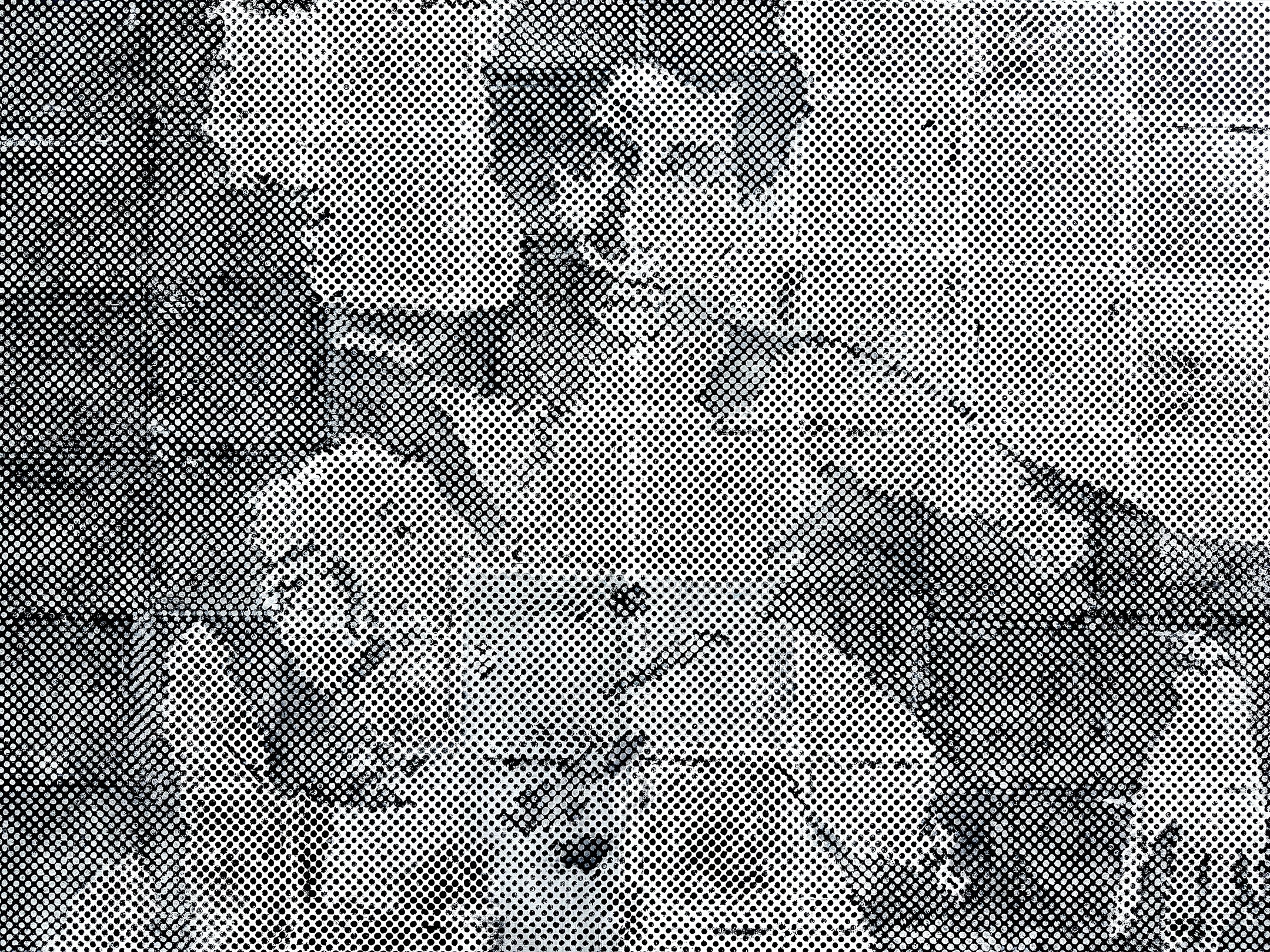
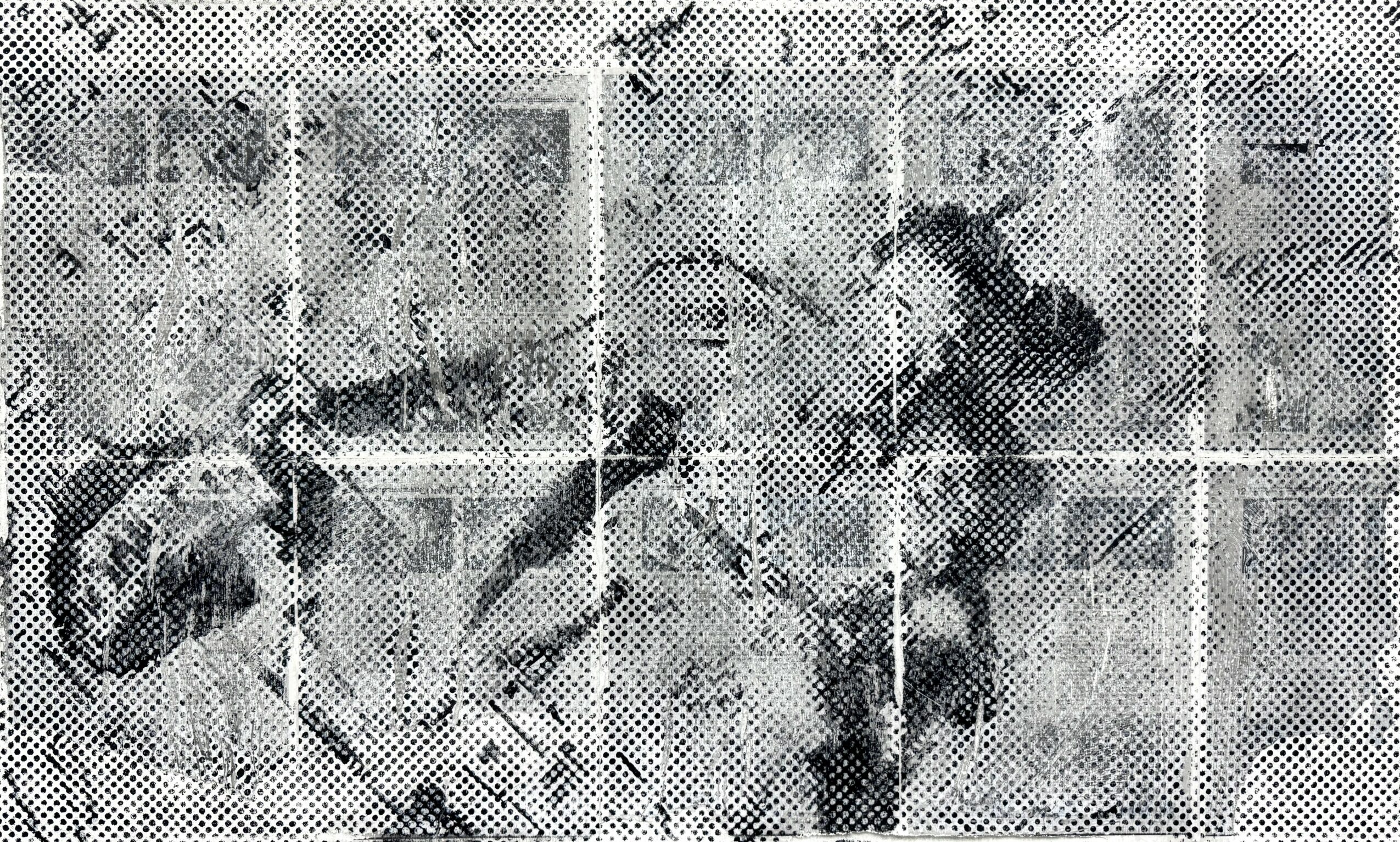
One of the main tenets in the work is my interest in how information and resolution change as images are converted from one format to another. This translation can occur in various ways, but in my case, it often happens during the movement from analog to digital and back again. I create paintings, sculptures, and other works that are optically challenging and consider resolution as a variable to be manipulated. My primary image source is a digital archive of queer Texas history, which acts as a good catalyst for this translation since the materials have already been mediated in the act of digitization. But I also act as a screen through which the images are passed through on the way to their end destination. Found pictures are then embedded in surfaces through fabrication and hand processes, stating their position in the world.
We’d be interested to hear your thoughts on luck and what role, if any, you feel it’s played for you?
I think that I have been lucky to know the people around me who have helped me to develop and grow as an artist. I feel deeply fortunate to be surrounded by other creative people who are dedicated to the pursuit of artistic growth, and who are willing to lift each other up in a supportive and productive way. I don’t think that luck has anything to do with skill or ability – anyone can be an artist – but having people in your corner to support what you’re doing goes a really long way.
Contact Info:
- Website: https://www.rayswartz.com
- Instagram: https://www.instagram.com/raysw4rtz