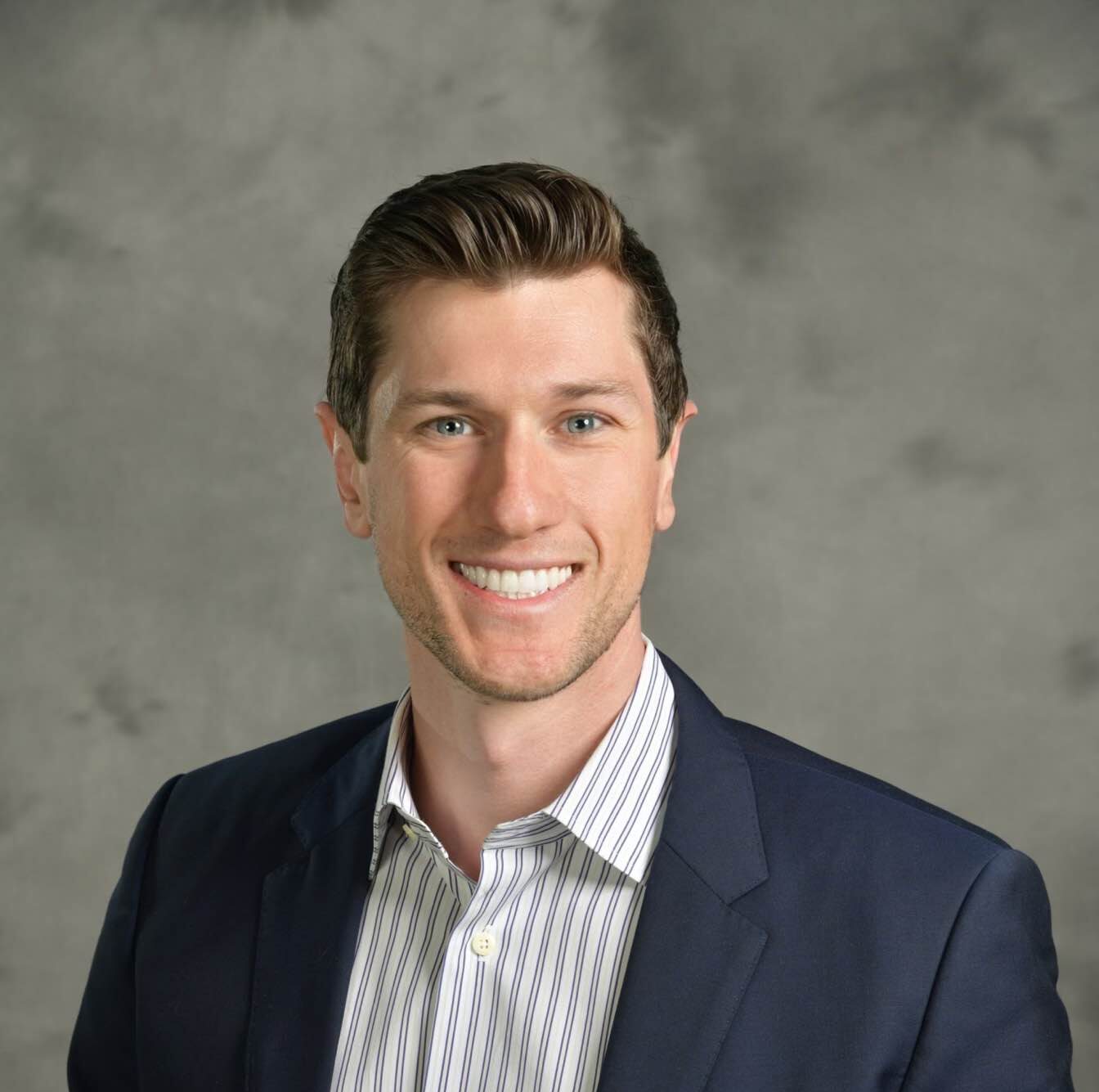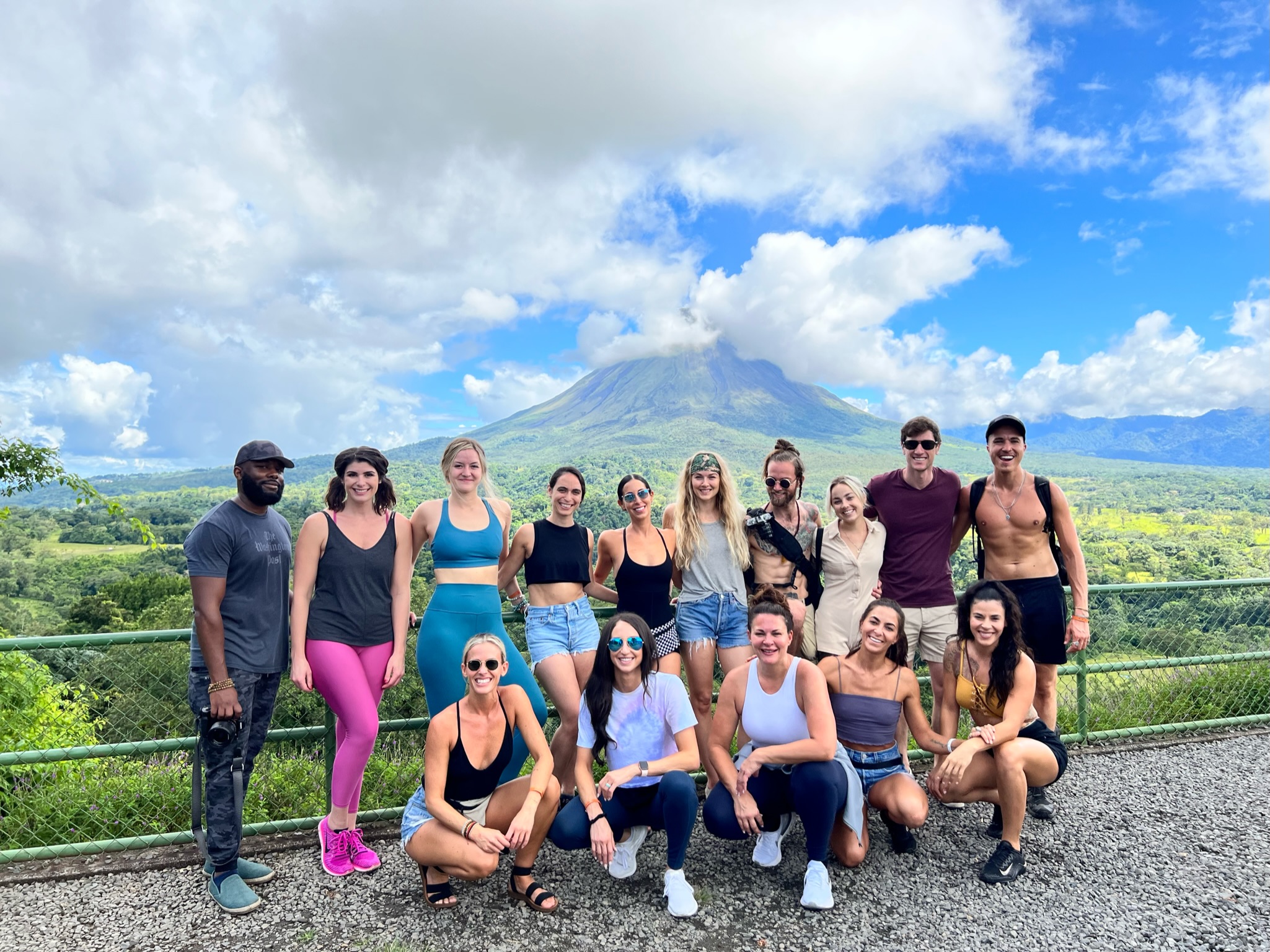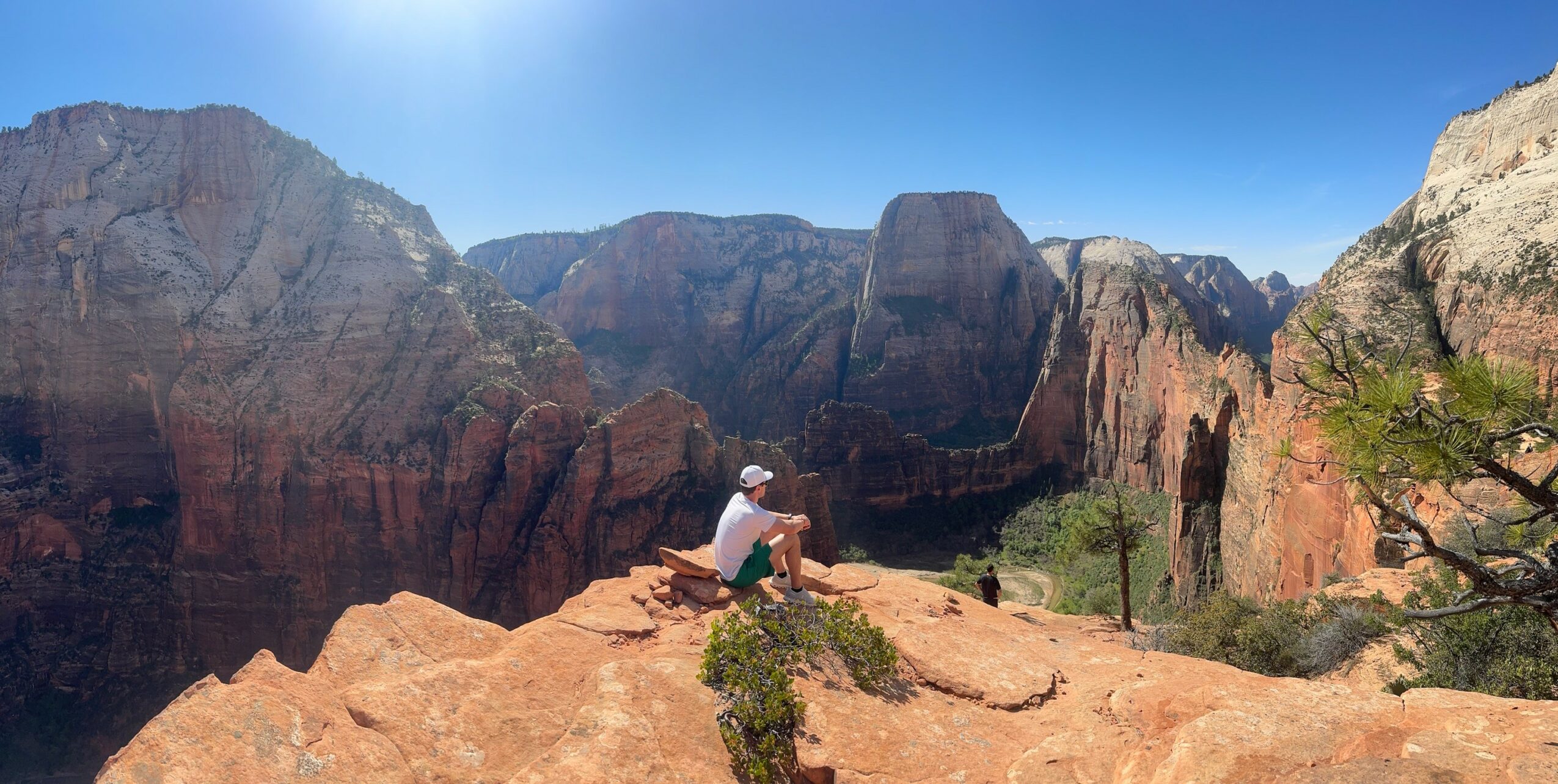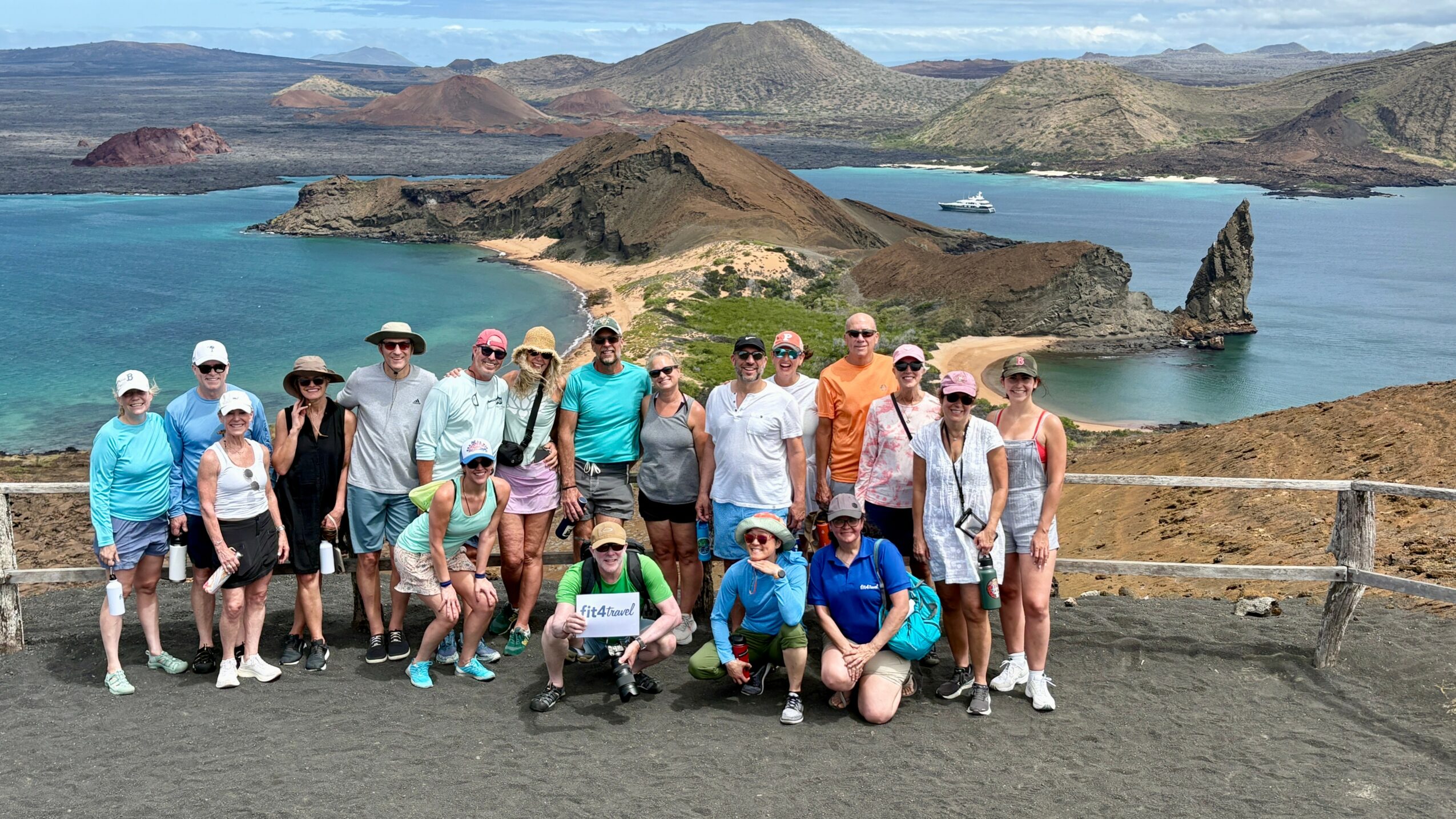



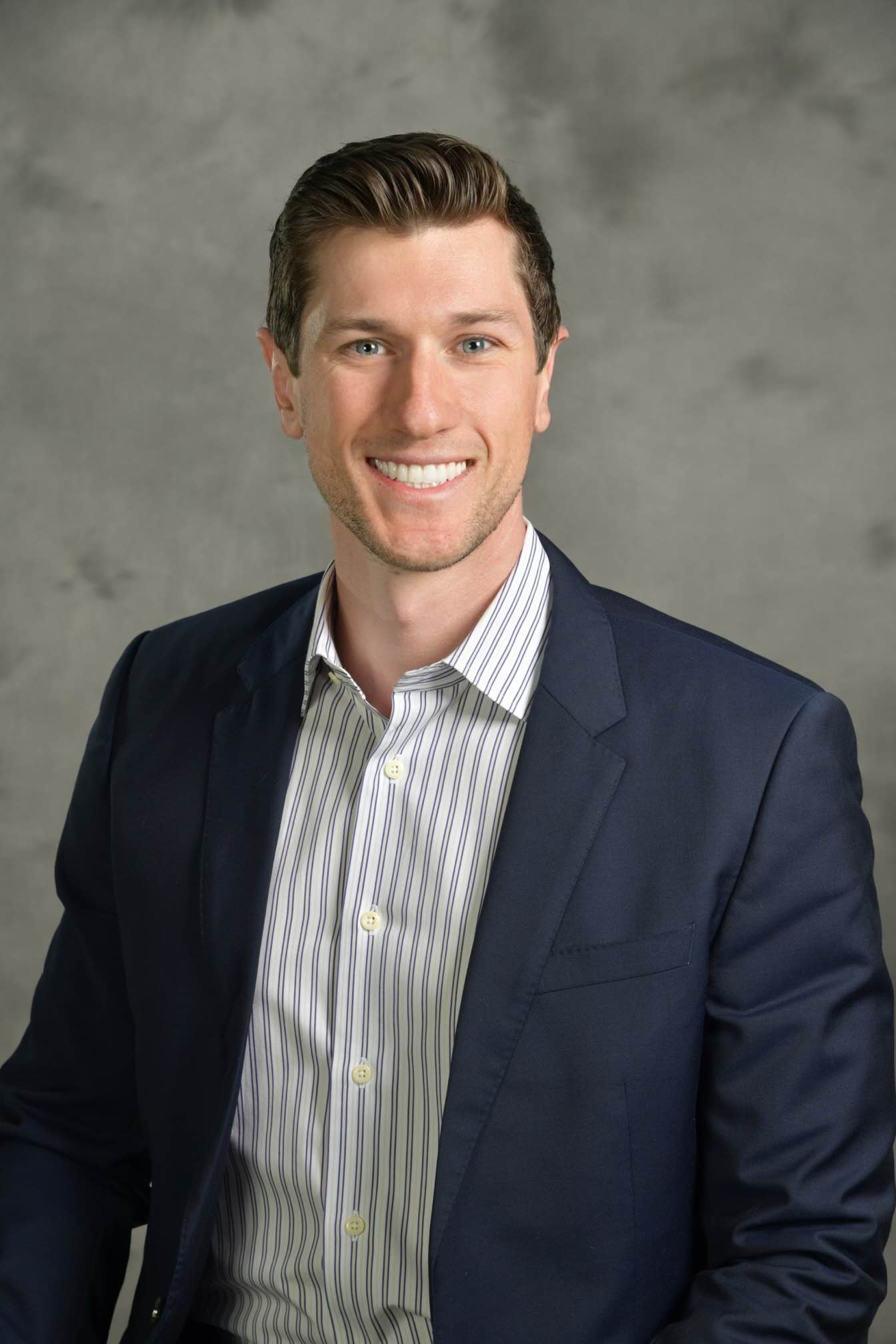
Today we’d like to introduce you to Erik Aiple.
Hi Erik, so excited to have you on the platform. So before we get into questions about your work-life, maybe you can bring our readers up to speed on your story and how you got to where you are today?
I didn’t set out to build a retreat platform, I grew up inside the problem.
My mom was a yoga and wellness professional, so from a young age I saw the behind the scenes reality. Amazing practitioners, incredible at what they do, but constantly stretched thin trying to organize retreats, manage logistics, fill spots, and make the numbers work. The intention was always powerful, but the model itself was messy, risky, and hard to scale.
I ended up going into the travel industry and spent over 15 years learning the operational side, supplier relationships, contracting, and what actually makes experiences run smoothly at scale. At some point it clicked. There was a massive gap between the wellness world and the travel infrastructure needed to support it properly.
That’s where Fit4Travel came from.
The idea was simple, but the execution was not. Build a platform that removes the operational burden from wellness leaders, reduce their financial risk, and turn retreats into something that is not just a one off experience, but a strategic extension of their brand.
What we are doing now is helping studio owners, coaches, and wellness entrepreneurs use retreats as a way to deepen community, increase lifetime value, and create real transformation for their clients, members, students or followers. Not just a trip, but something that strengthens their entire business.
The evolution for me has been shifting from solving logistics to building systems. Today, it is less about running trips and more about creating a repeatable model that allows our partners to lead at a higher level, while we handle the complexity behind the scenes.
At the core, nothing has really changed. It is still about helping great leaders do what they do best, just without the chaos that usually comes with it.
I’m sure it wasn’t obstacle-free, but would you say the journey has been fairly smooth so far?
Not even close. And honestly, if it felt smooth, I’d probably question whether we were pushing hard enough.
The biggest challenge early on was trying to bridge two very different worlds. The wellness space is built on trust, community, and transformation. The travel industry is built on logistics, contracts, margins, and risk management. Getting those two to work together in a clean, scalable way took a lot of trial and error.
At the start, we were doing too much manually. Custom requests, terms, reactive problem solving, reinventing the wheel for every partner. It worked, but it wasn’t scalable. That forced a shift in how we think, moving from service provider to system builder. That transition was uncomfortable because it meant saying no more often, standardizing parts of the experience, and focusing on long term efficiency over short term wins.
Another challenge was education. A lot of wellness leaders had either been burned by retreats in the past or assumed they were too risky or too complicated to run profitably. So part of our job became changing that narrative, not just selling a service, but helping people rethink how retreats fit into their business model and sharing that we are not just a travel agent, but a full service wholesale platform.
Cash flow and forecasting were also real pressures early on. Retreats are high ticket, high touch, and long lead time. You’re making decisions months in advance without guaranteed outcomes. That forces you to get very disciplined around projections, partner selection, and risk management.
And then there’s the internal side, building a team that can operate at a high level in both experience and execution. You need people who understand hospitality, but also think strategically. That’s not always easy to find, so a lot of it comes down to developing leaders internally.
If I had to summarize it, the road wasn’t smooth, but every challenge forced us to tighten the model. The struggles weren’t random, they were signals showing us where the business wasn’t strong enough yet.
Appreciate you sharing that. What should we know about Fit4Travel?
Fit4Travel sits at the intersection of wellness, community, and travel, but the way we approach it is very different from a traditional retreat company.
At a high level, we partner with studio owners, coaches, and wellness brands to design and deliver retreat experiences for their communities. But the real value is not just the trip itself, it is how those retreats plug into and elevate their overall business.
We specialize in turning retreats into a strategic growth channel. That means helping our partners deepen relationships with their audience, increase retention, and create new revenue streams without adding operational complexity on their end.
Where we stand apart is in how we’ve structured the model.
Most retreat companies are either pure travel providers or hands off booking platforms. On the other side, most wellness leaders are left trying to figure everything out themselves. We built something in between, a done for you system that handles destination sourcing, contracting, logistics, pricing strategy, and backend operations, while allowing the host to stay fully focused on leading their community and delivering the experience.
We are known for three things:
Removing risk, both financially and operationally, for our partners
Creating highly curated, intentional experiences that deliver transformation through immersion, not just a vacation or retreat center
Building repeatable systems so retreats become consistent, scalable, and predictable
What I am most proud of from a brand perspective is that we are not just helping people run trips, we are helping them step into leadership. When a coach or studio owner realizes they can bring their community across the world, create impact, and do it in a way that is sustainable for their business, that shift is powerful. I know we have created something special when retreat leaders of 20+ years tell us this was their best experience yet.
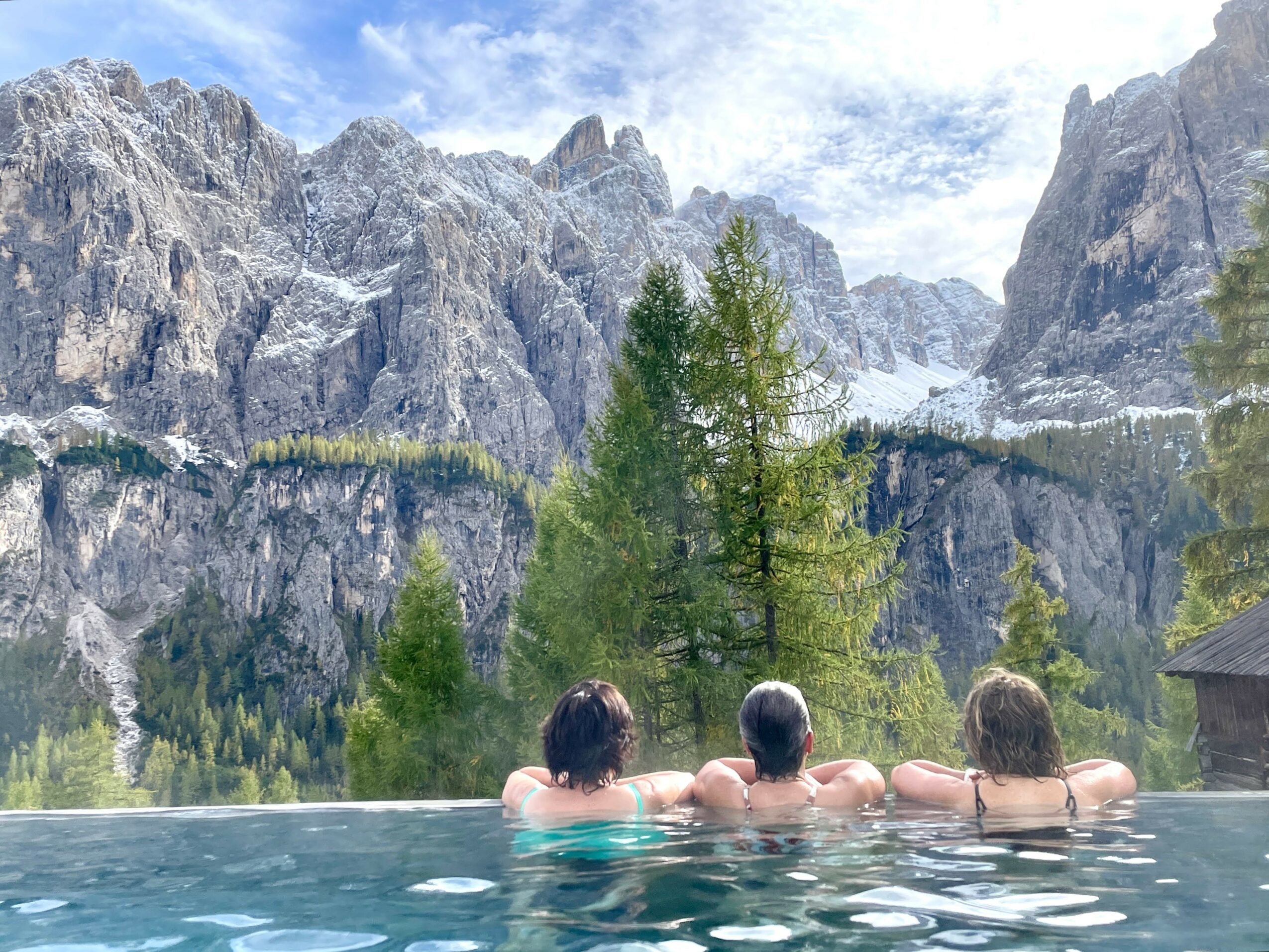
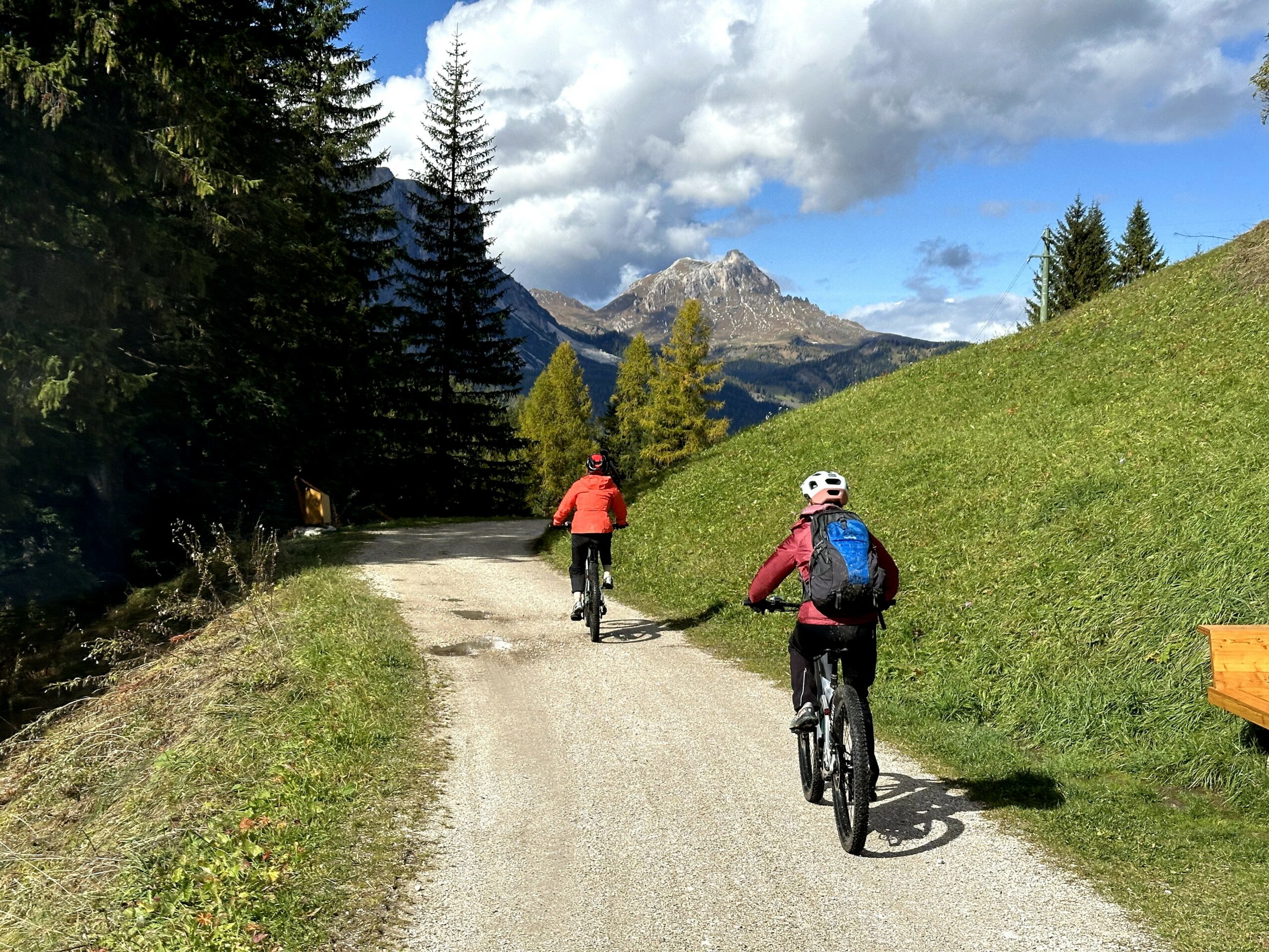
We have also been very intentional about positioning retreats as more than a traditional retreat experience or escape. For us, it is about connection, cultural immersion, soft adventures through wellness activities and growth. The travel is the vehicle, but the outcome is stronger communities, core memories through shared experiences and more aligned individuals coming back achieving whatever their “wellness” goals were setting out on the trip initially.
If there is one thing I would want readers to understand, it is this. Retreats are not a side project or a one time experience. When done right, they become one of the most powerful tools a wellness brand can use to build loyalty through belonging and community, while also creating transformation for themselves and those around them.
That is the space we operate in, and that is what we are continuing to refine and scale.
We’d be interested to hear your thoughts on luck and what role, if any, you feel it’s played for you?
Luck has definitely played a role, but probably not in the way people think.
I didn’t come into this having gone on a bunch of retreats or following the traditional model. In fact, I had never even attended one before starting the company. So there was no blueprint I was trying to replicate, and in hindsight, that was an advantage.
Most retreats for the past 20 plus years have followed a pretty fixed format. You go to a retreat center or rent out a house, there’s a set schedule, a lot of time spent on property, and the experience is centered around a specific practice. That works for a certain audience, but it never fully matched how I personally like to travel.
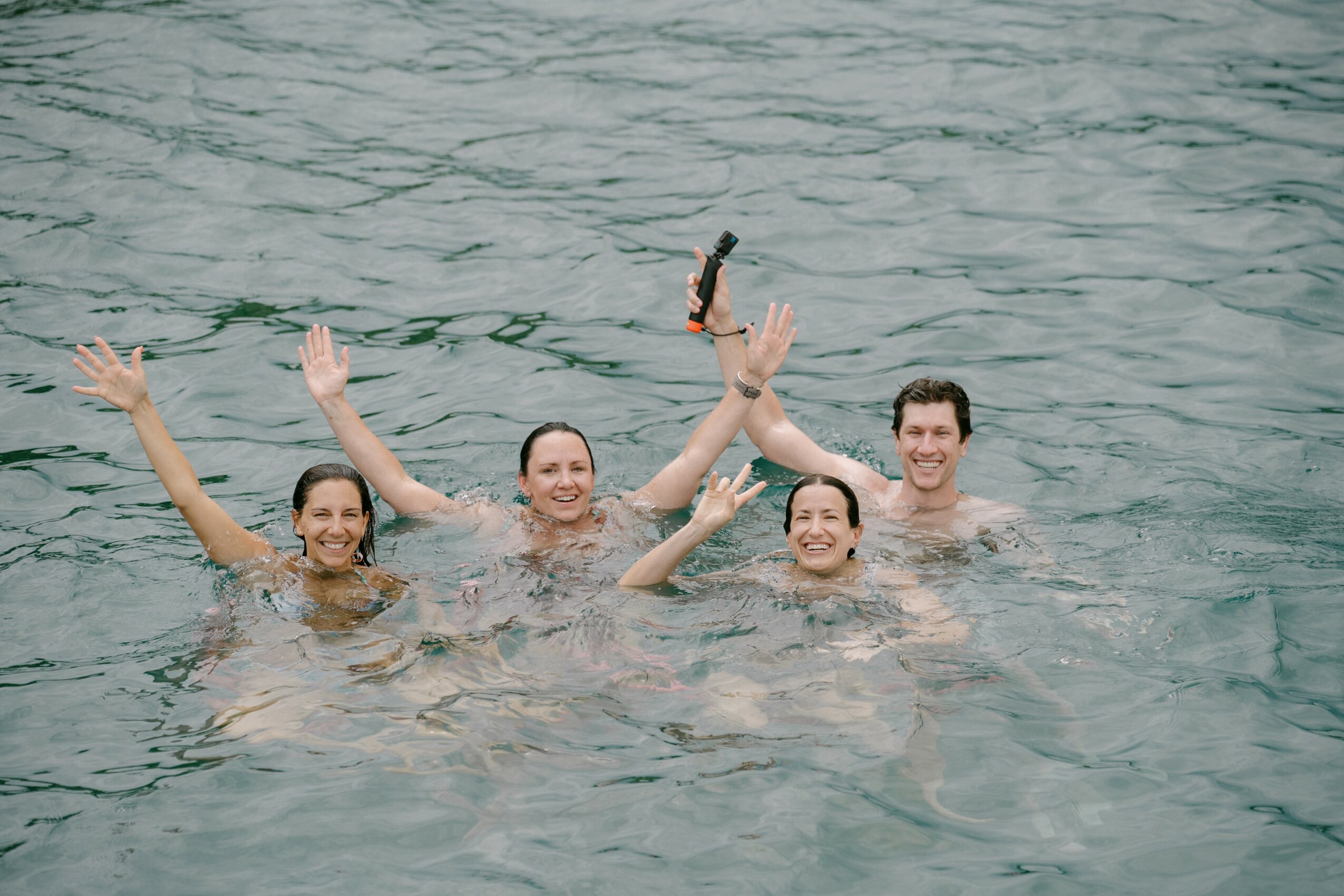
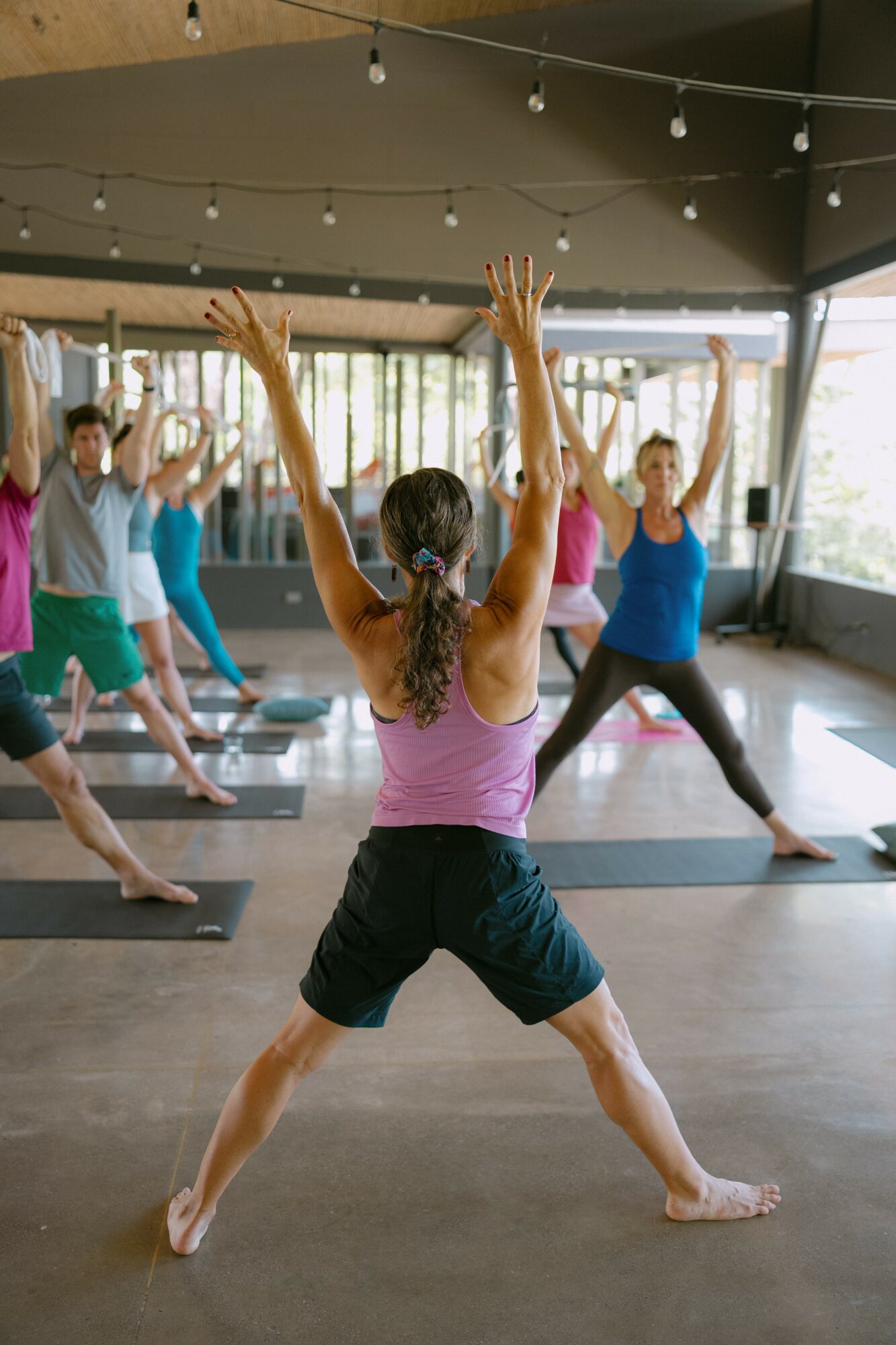
The way I built Fit4Travel was based on my own lens. Wake up, train or move your body, have a great breakfast, then go out and actually experience the destination. Explore, do something active, something cultural, something that pushes you a bit. Come back in the afternoon, decompress, hang by the pool or the beach, then go out for an incredible meal, maybe a glass of wine or a cocktail, and do it again the next day.
I built that thinking, “there have to be other people who want this balance.” More movement, more exploration, more real world experience, but still grounded in wellness and connection.
The “luck” part is that the market ended up moving in that direction.
There’s been a clear shift away from traditional yoga retreats toward what I would call modern wellness retreats. People still want growth and intention, but they also want shared experiences, adventure, culture, and a sense of community that comes from doing something memorable together.
You could say we were early to that shift, or you could say we got lucky in how our perspective aligned with where the demand was going. It’s probably a bit of both.
Where I don’t think it’s luck is in how we responded to that signal. Once we saw that people resonated with this style of travel, we doubled down. We refined the model, built systems around it, and made it repeatable for our partners.
So yes, there’s an element of being in the right place at the right time. But the bigger piece was being willing to trust a different approach, build something that felt authentic, and then move quickly when the market validated it.
Contact Info:
- Website: http://www.iamfit4travel.com/ or http://www.fit4travel.com/
- Instagram: https://www.instagram.com/iamfit4travel/
- Facebook: https://www.facebook.com/iamFit4Travel/
- LinkedIn: https://www.linkedin.com/company/fit4travel
- Youtube: https://www.youtube.com/channel/UC5e1PzlMxKQodQYpLIGqnbg