


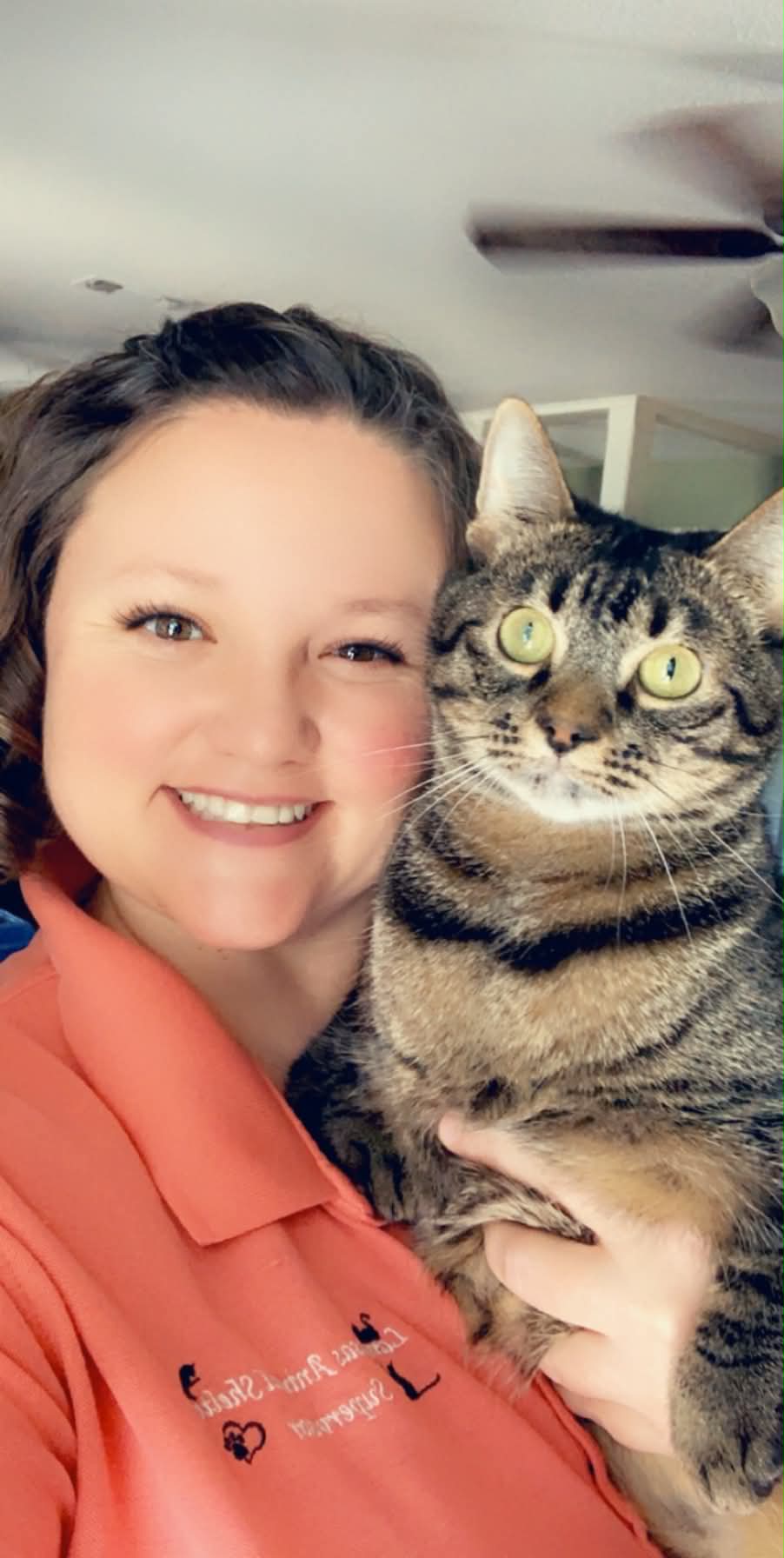
Today we’d like to introduce you to Kasey Schwartzer.
Hi Kasey, it’s an honor to have you on the platform. Thanks for taking the time to share your story with us – to start maybe you can share some of your backstory with our readers?
I never set out to become a “community leader.” Honestly, I just wanted to help animals. What started as a job quickly became a calling, and somewhere along the way, that calling grew into fighting not only for homeless pets, but for the people and communities around them too.
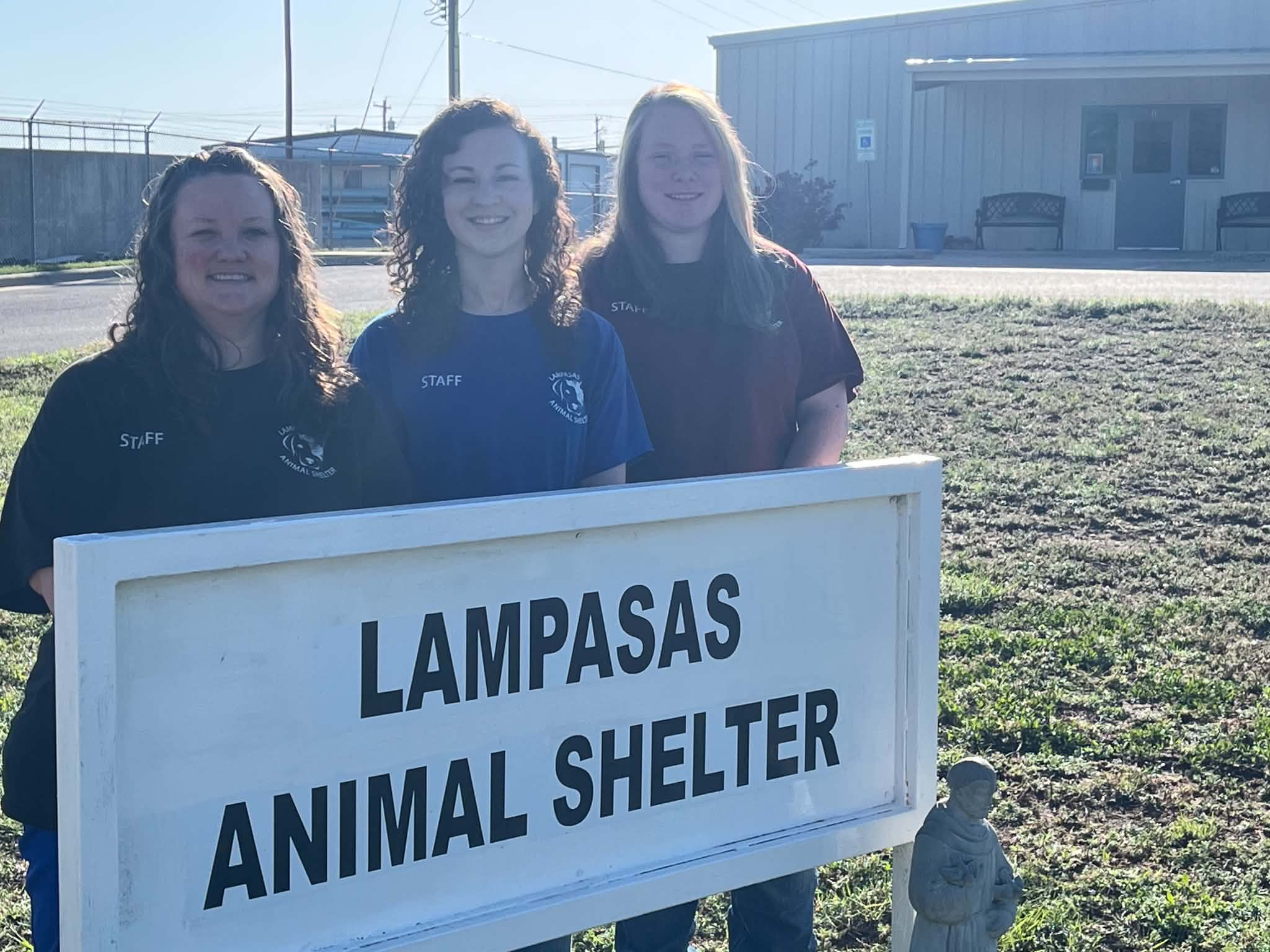
For more than 18 years, I’ve worked in animal welfare, most of that time in a small rural Texas shelter where resources are limited, emotions run high, and every single decision matters. People often picture animal shelters as cuddling puppies and happy adoptions—and yes, there are moments of joy—but behind the scenes, it’s also long days, heartbreaking situations, difficult conversations, and constant problem-solving. Some days you’re a counselor, some days you’re a crisis manager, and some days you’re cleaning kennels while answering phones and bottle-feeding kittens at the same time.
Working in a rural shelter taught me quickly that you cannot save lives alone. Real change only happens when communities come together. Over the years, I’ve focused heavily on building partnerships—not just between shelters and rescues, but between the shelter and the public. I believe transparency matters. I believe people deserve honesty, even when the truth is uncomfortable. Our shelter has had to openly talk about overcrowding, limited staffing, abandoned animals, and the emotional toll this work takes. But we’ve also shown people that they can be part of the solution.
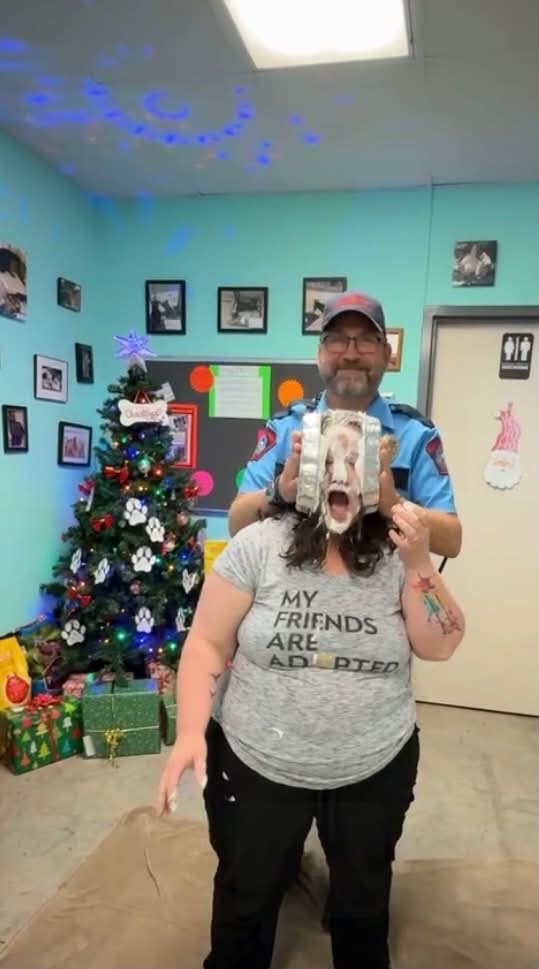
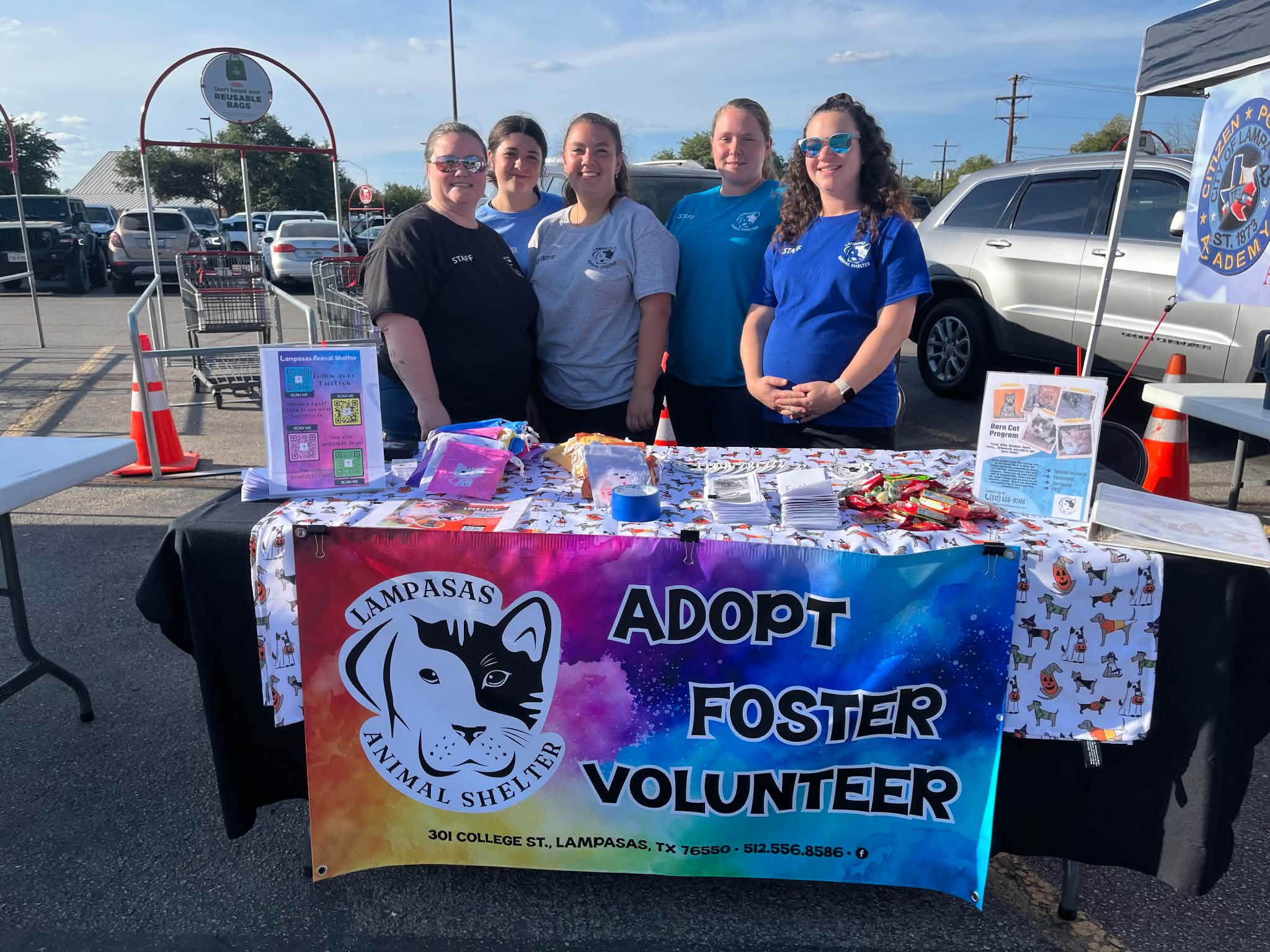
That’s where my passion for community engagement really began. Instead of only asking for help during emergencies, I wanted to create a culture where people felt connected to the mission year-round. We started building programs that made animal welfare feel approachable and human. From creative adoption events and volunteer programs to foster outreach and public education campaigns, the goal was always the same: make people feel like they matter in this work.
One of the things I’m proudest of is helping create stronger collaboration between neighboring shelters and rescue groups across Central Texas. Animal welfare can sometimes feel competitive, especially when resources are scarce, but I believe we accomplish far more when we work together instead of against each other. Seeing shelters support one another, share resources, celebrate wins together, and step in during crises has been one of the most inspiring parts of my career.
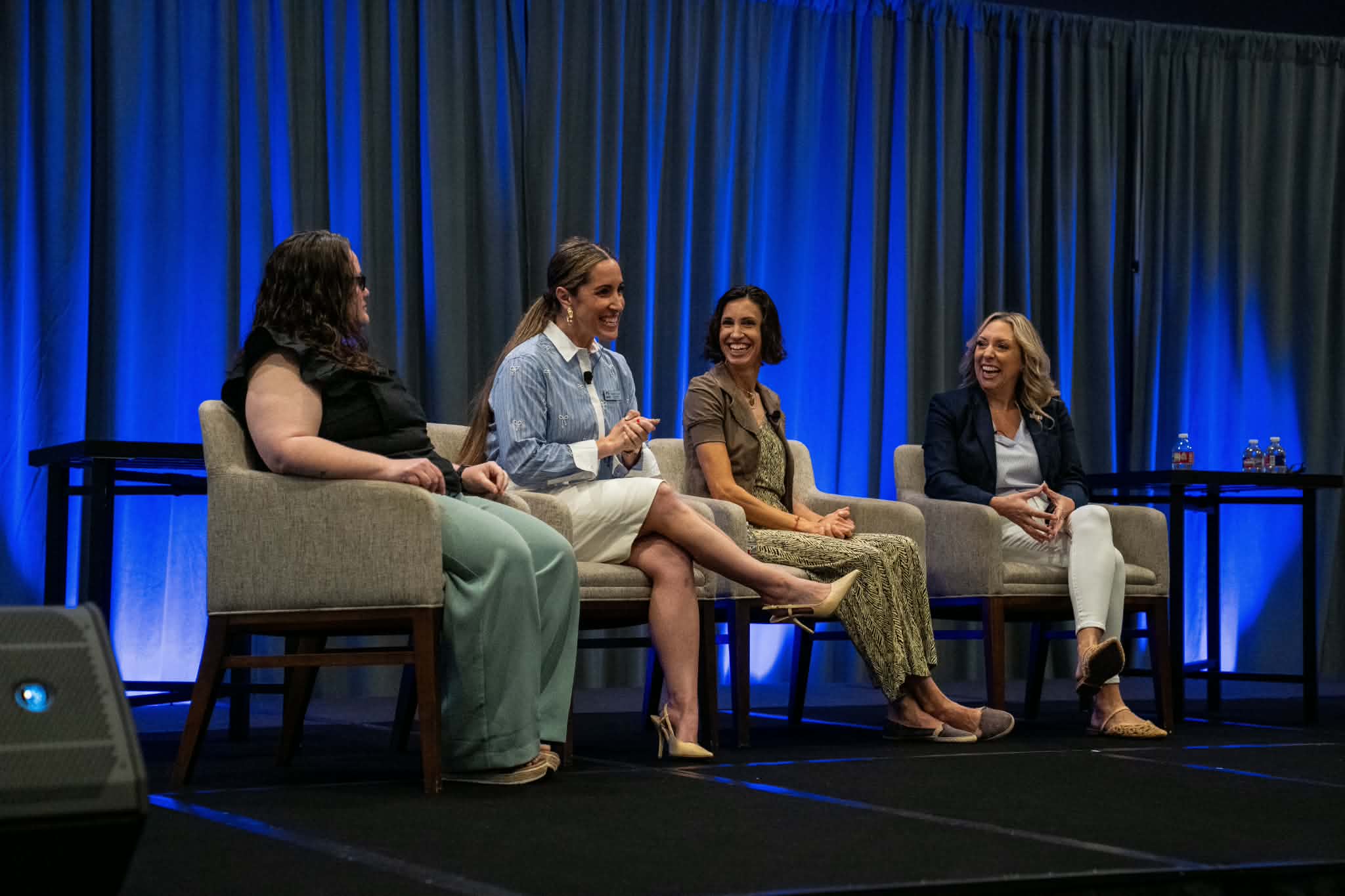
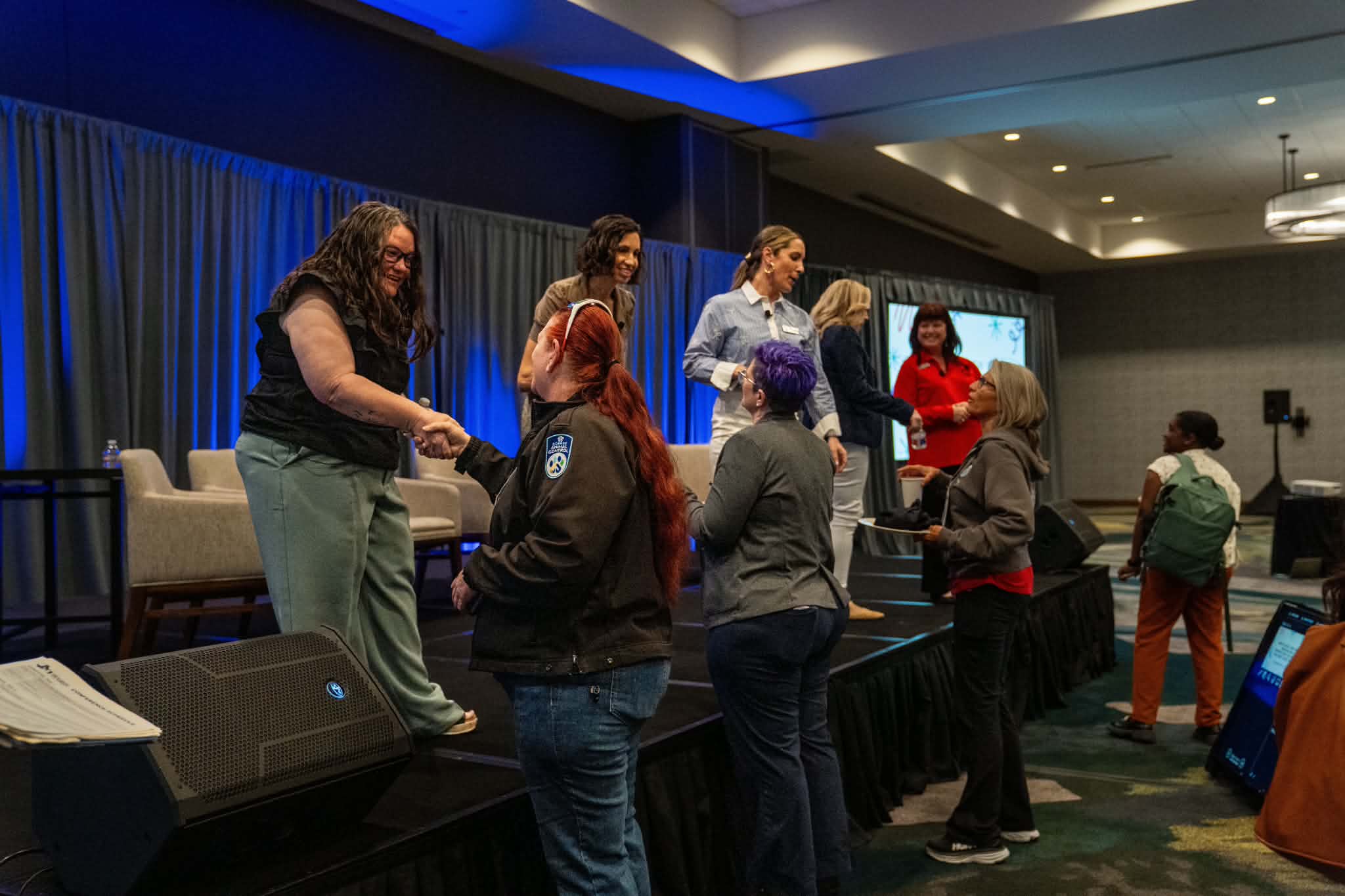
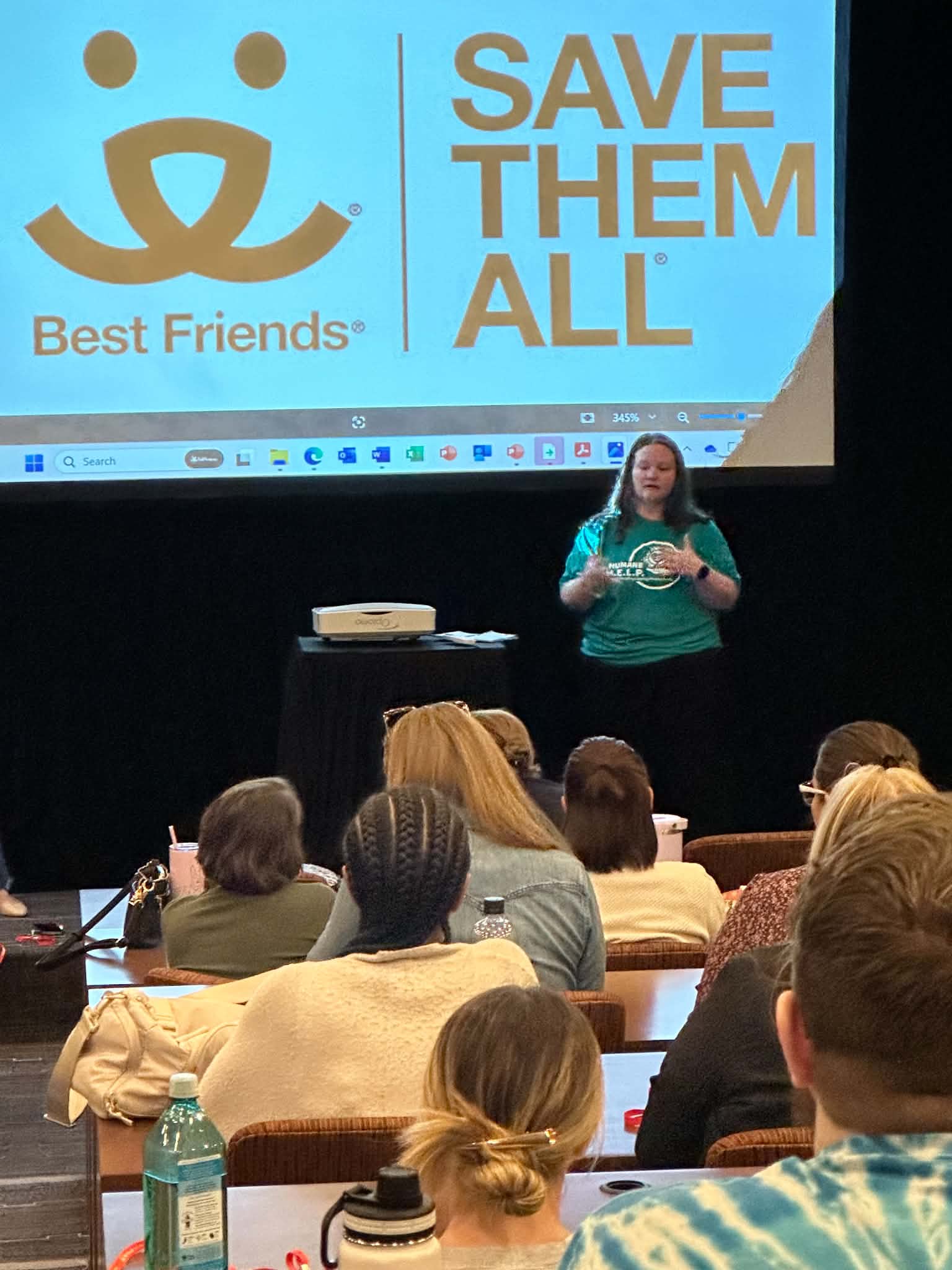
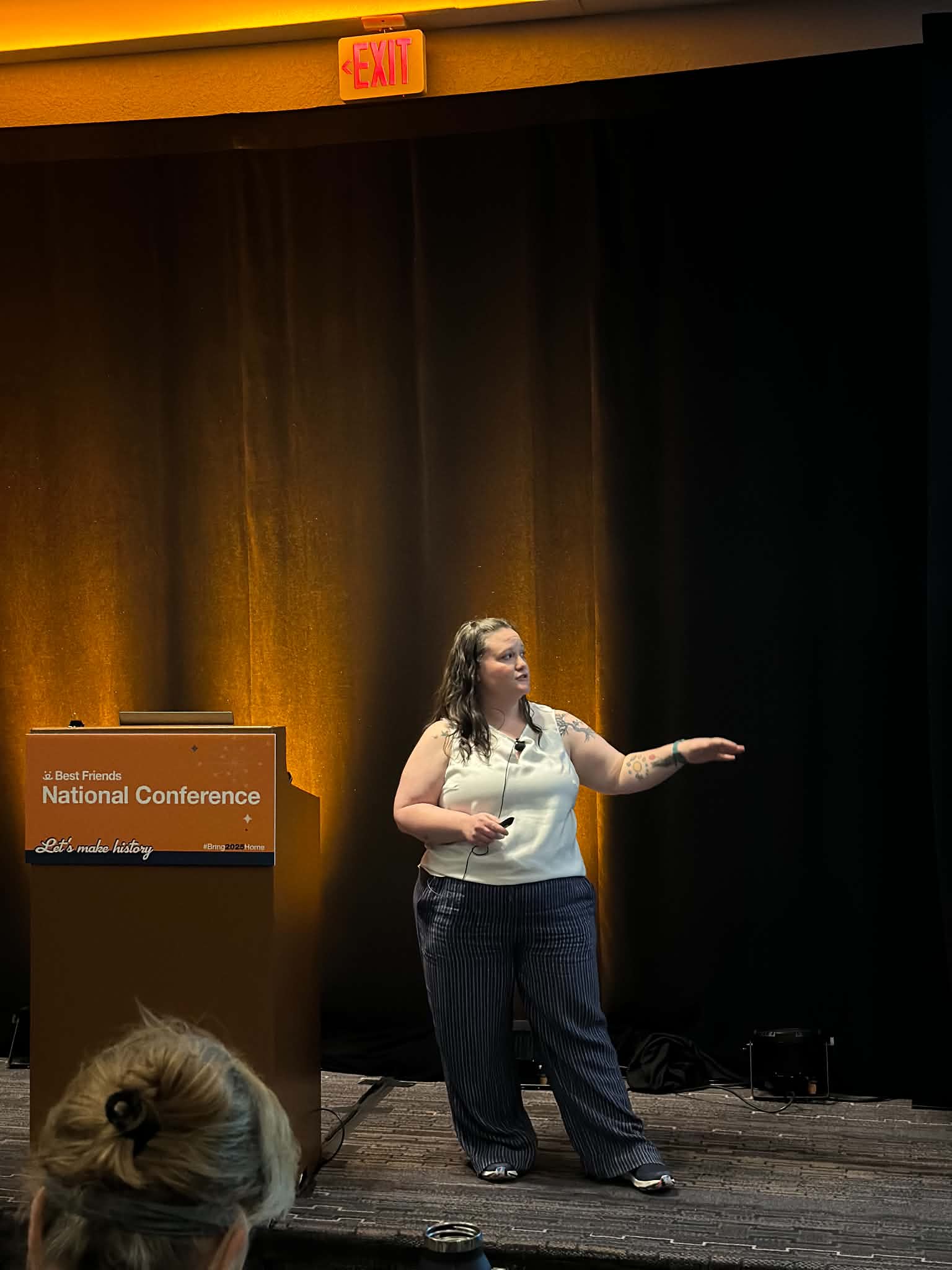
I’ve also become passionate about supporting the people inside this field. Animal welfare workers and animal control officers see trauma every day, yet they’re expected to keep showing up with compassion. Through teaching and speaking opportunities, I’ve focused on topics like compassion fatigue, resiliency, peer support, and mental health in animal welfare. I want people in this profession to know they are allowed to care deeply without destroying themselves in the process.
If there’s one thing I’ve learned, it’s that leadership isn’t about being the loudest person in the room or having all the answers. Leadership is showing up consistently. It’s being willing to do the hard jobs nobody sees. It’s admitting when things are difficult while still refusing to give up. It’s creating space for other people to step in and make a difference too.
At the end of the day, I still see myself as just someone trying to help; help the animals, help the staff, help the community understand, and help people believe that even small actions matter. Some of the most incredible things I’ve witnessed didn’t come from big organizations or huge budgets. They came from ordinary people fostering one kitten, adopting one dog, donating one bag of food, volunteering one afternoon, or simply choosing kindness.
That’s the kind of community I hope to continue building, one rooted in compassion, honesty, resilience, and the belief that we are stronger when we work together.
We all face challenges, but looking back would you describe it as a relatively smooth road?
Absolutely not. It has been anything but a smooth road.
Animal welfare, especially in a small rural community, can be incredibly rewarding, but it can also be emotionally exhausting. There have been years where we were overwhelmed with animals, understaffed, underfunded, and still expected to somehow make miracles happen every single day. I’ve worked in situations where one staff member was caring for dozens of animals while also handling adoptions, emergencies, phone calls, owner surrenders, and public concerns all at once.
One of the biggest struggles has been carrying the emotional weight of the job. People see the happy adoption photos online, but they don’t always see the heartbreak behind the scenes—the neglected animals, the cruelty cases, the owner surrenders from people in crisis, or the constant pressure shelters face when space runs out. There are nights I’ve gone home mentally and emotionally drained, wondering if I did enough.
Another challenge has been learning how to lead through criticism and misunderstanding. Animal shelters are highly emotional spaces, and people care deeply about animals—which is a good thing—but sometimes that passion comes with anger, unrealistic expectations, or blame directed toward shelters and staff. I’ve had to learn how to stay compassionate while also standing firm in reality and advocating for what our team and animals truly need.
Building trust within the community has also taken time. I’ve always believed in being transparent and honest, even when the truth is difficult. Talking openly about overcrowding, limited resources, or the realities of shelter stress isn’t always easy, but I’ve learned that honesty creates stronger community support in the long run.
Personally, one of the hardest lessons was realizing that I couldn’t do everything alone. For a long time, I carried that pressure on my shoulders. Over the years, I learned the importance of collaboration, peer support, and asking for help. Some of the strongest moments in my career actually came from the hardest seasons—because those struggles pushed me to build partnerships, strengthen community involvement, and create support systems not only for the animals, but for the people doing this work too.
I think the struggles are what shaped me most as a leader. They taught me resilience, empathy, humility, and the importance of continuing to show up even on the hard days. Leadership isn’t about having a perfect journey. Sometimes it’s about surviving the difficult moments, learning from them, and using those experiences to help others feel less alone.
As you know, we’re big fans of you and your work. For our readers who might not be as familiar what can you tell them about what you do?
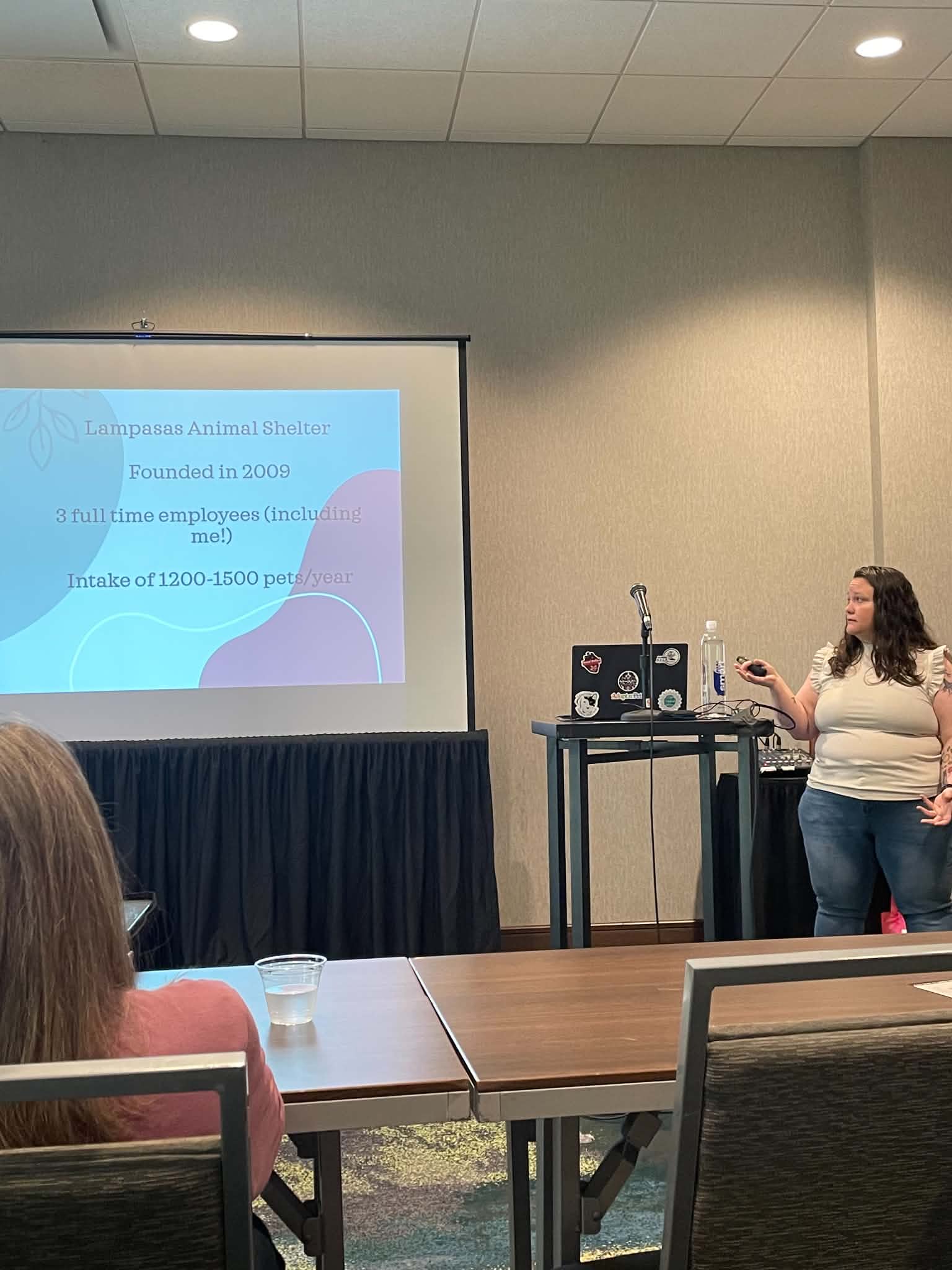
I currently serve as the supervisor of a small rural animal shelter in Central Texas, where I’ve worked for more than 18 years in animal welfare. My work spans far beyond simply caring for animals. On any given day, I may be managing shelter operations, helping with animal control issues, coordinating rescues and transports, mentoring staff, organizing community programs, teaching classes, speaking publicly, or building partnerships with neighboring shelters and organizations.
Over the years, I’ve become especially passionate about community engagement, shelter collaboration, and changing the way people view animal shelters and animal welfare professionals. I specialize in creating programs and messaging that connect the public to the mission in a real and honest way. Whether it’s organizing large adoption events, developing foster programs, building regional partnerships between shelters, or teaching about compassion fatigue and resiliency in animal welfare, my focus has always been on creating sustainable, community-driven solutions.
I’ve also become known for my transparency and authenticity. I believe people respond best when you’re honest with them—not just about the wins, but about the struggles too. Social media and public outreach became powerful tools for us because we stopped trying to sound “perfect” and instead focused on being real, relatable, and educational. I think that openness helped build trust within the community and encouraged more people to step in and help.
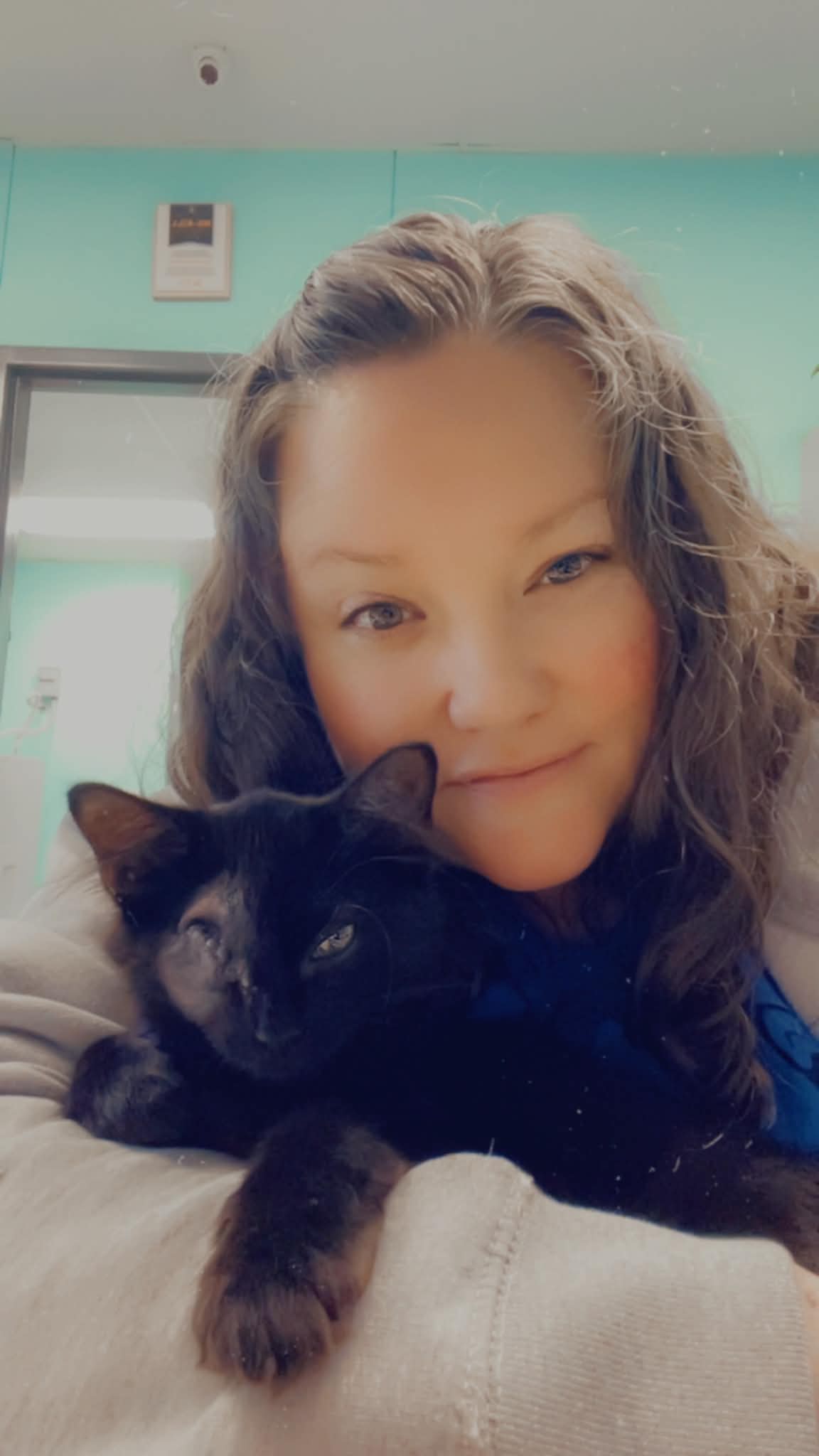
One thing that sets me apart is that I lead from the trenches. In a small shelter, there’s no such thing as sitting behind a desk all day. I’m still cleaning kennels, bottle-feeding kittens, helping scared dogs decompress, answering emergency calls, and jumping into crises alongside my staff. I never want to lose touch with the reality of the work or ask my team to do something I wouldn’t do myself.
I’m probably most proud of the culture of collaboration we’ve helped create. Historically, animal welfare organizations sometimes operated in silos, especially when resources were tight. I’ve worked hard to build relationships with neighboring shelters, rescue groups, nonprofits, and community members so we can support one another instead of competing against each other. Watching shelters come together during emergencies, share resources, celebrate wins together, and save more lives collectively has been incredibly meaningful to me.
I’m also deeply proud of the conversations we’ve helped start around mental health and peer support in animal welfare. This profession can be emotionally heavy, and for a long time, people suffered silently. Through teaching and speaking opportunities, I’ve tried to create space for honest conversations about compassion fatigue, burnout, and resilience while reminding people that caring deeply is not weakness.
At the heart of everything I do is the belief that animal welfare is really about people and community. When communities are educated, supported, and involved, animals benefit too. I think what sets me apart most is my ability to combine realism with hope. I’m honest about how hard this work can be, but I never stop believing that small actions, strong partnerships, and compassionate people can create meaningful change.
What’s next?
Looking toward the future, my biggest goal is continuing to grow the impact of both our shelter and the broader animal welfare community around us. I want to keep building stronger regional collaboration between shelters, rescues, nonprofits, and community members because I truly believe that’s where the future of animal welfare is headed. No single shelter can solve these challenges alone, especially in rural communities, but together we can create systems that save more lives and support both animals and people more effectively.
I’m also excited about continuing to expand my work in education and speaking. Over the last few years, I’ve become increasingly passionate about teaching topics like compassion fatigue, resiliency, peer support, shelter operations, and community engagement. I want to help people entering this field feel more prepared, supported, and understood than many of us did when we first started. Animal welfare professionals give so much of themselves, and I believe investing in the people doing the work is just as important as investing in the animals.
Another major focus for me is strengthening community-based programs that help keep animals out of shelters in the first place. Programs centered around fostering, spay and neuter education, community cat initiatives, volunteer engagement, and owner support can make a huge difference. I want to continue helping communities shift from reactive animal welfare to proactive solutions.
Personally, I’m looking forward to continuing to grow as a leader while staying grounded in the work itself. I never want to lose the hands-on connection to the animals, staff, and community that inspired me to do this in the first place. The future may bring larger opportunities, more speaking engagements, expanded collaborations, or new programs, but my mission will stay the same: helping create compassionate, realistic, and sustainable solutions for animals and the people who care about them.
I think one of the biggest lessons this work has taught me is that meaningful change doesn’t happen overnight. It happens through consistency, relationships, and people being willing to keep showing up. That’s what I’m most excited for moving forward—continuing to build something bigger than myself that creates lasting impact for both animals and communities.
Contact Info:
- Website: https://lampasas.org/569/Animal-Shelter
- Facebook: https://www.facebook.com/profile.php?id=100067516521829