


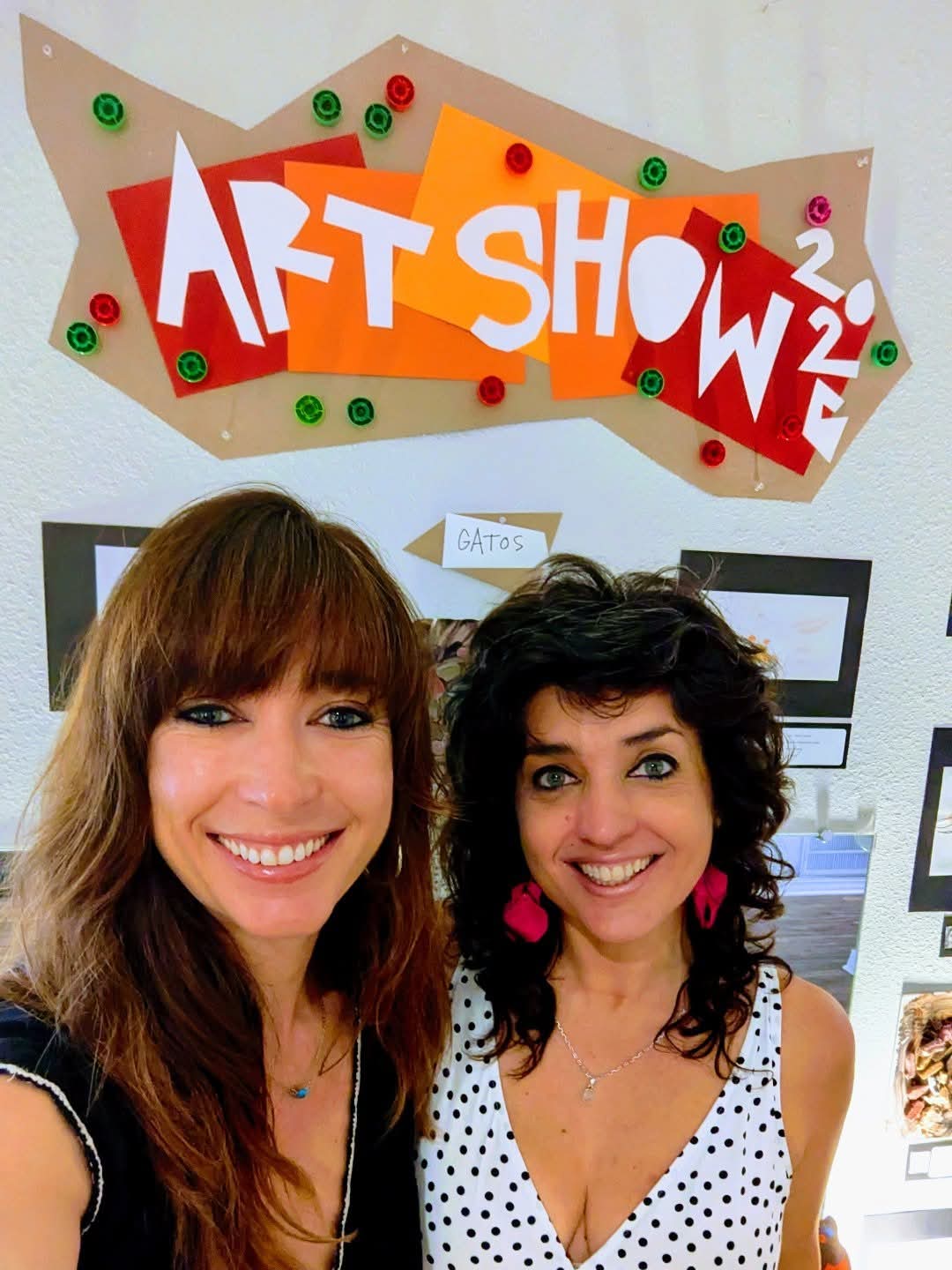
Today we’d like to introduce you to Michelle & Alexandra Stewart Carbonell.
Alright, so thank you so much for sharing your story and insight with our readers. To kick things off, can you tell us a bit about how you got started?
Coming from a family of artists and educators, we have studied a variety of educational philosophies over the years and have worked around the world doing so- including Thailand, Spain, China, India, and Vietnam- but found our true calling when we started working as Preschool teachers in a school that followed the Reggio Emilia approach in Hanoi, Vietnam in 2016. We were so inspired by the idea of an emergent curriculum and a philosophy of education that sees young children as capable and active members in their own learning, and really felt like we had finally found an educational philosophy that aligned with our values; a philosophy that promotes creativity, curiosity and critical thinking. We love that in the Reggio approach, children are given a voice, and that their ideas, feelings, and concerns are given the consideration and respect they deserve. The idea that children have “100 languages” with which to express themselves, and using the arts as a vehicle for learning really resonates with us, as the arts have played an important role in our own lives and self-expression. Our sons attended the same school that we were working at and we could see first-hand from both a teacher’s and parent’s perspective how the Reggio Emilia approach can help young children develop a true love for learning, build a sense of community, and provide a nurturing and inspiring environment where they can grow into confident, creative and caring individuals. We decided from that point, that we wanted to open our own Reggio-inspired school. It was difficult to do that as foreigners living in Vietnam, but when Alexandra moved to Austin from India in 2023, and it was clear that now was the time! We opened Pío Pío shortly after in February of 2024, and have been so happy that our dream has finally become a reality.
I’m sure it wasn’t obstacle-free, but would you say the journey has been fairly smooth so far?
We have each been teaching for over 20 years and are extremely comfortable in the classroom, but being business owners was completely new to us when we started Pío Pío, so setting it up properly and learning the ins and outs of bookkeeping, payroll, etc. was an exciting challenge that we have had to work to overcome since we opened, but at the same time, we have really enjoyed having to learn something new for our careers as educators.
Thanks – so what else should our readers know about your work and what you’re currently focused on?
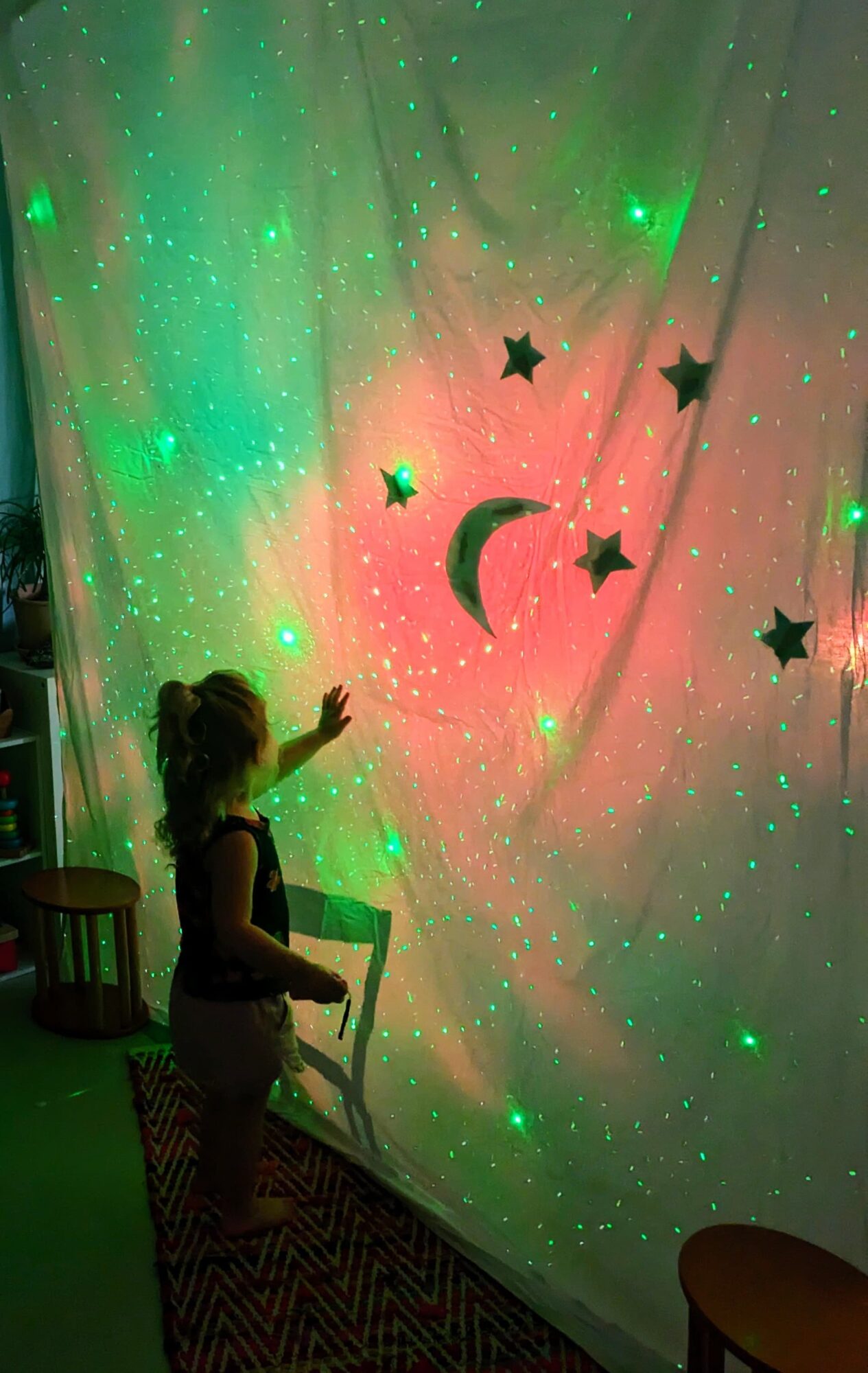
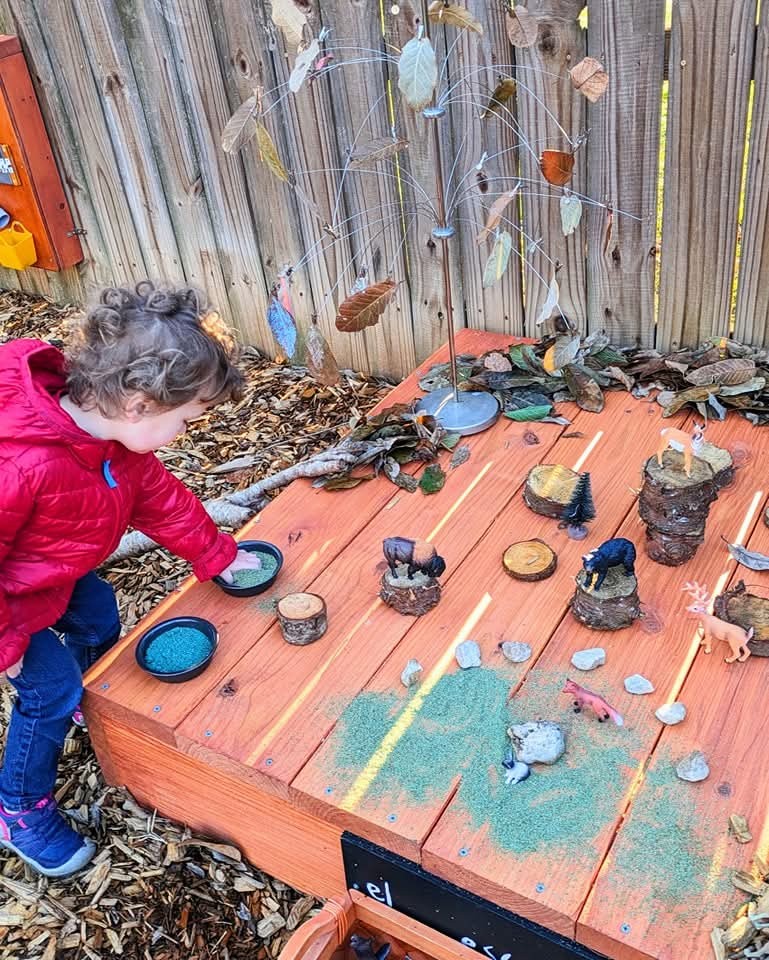
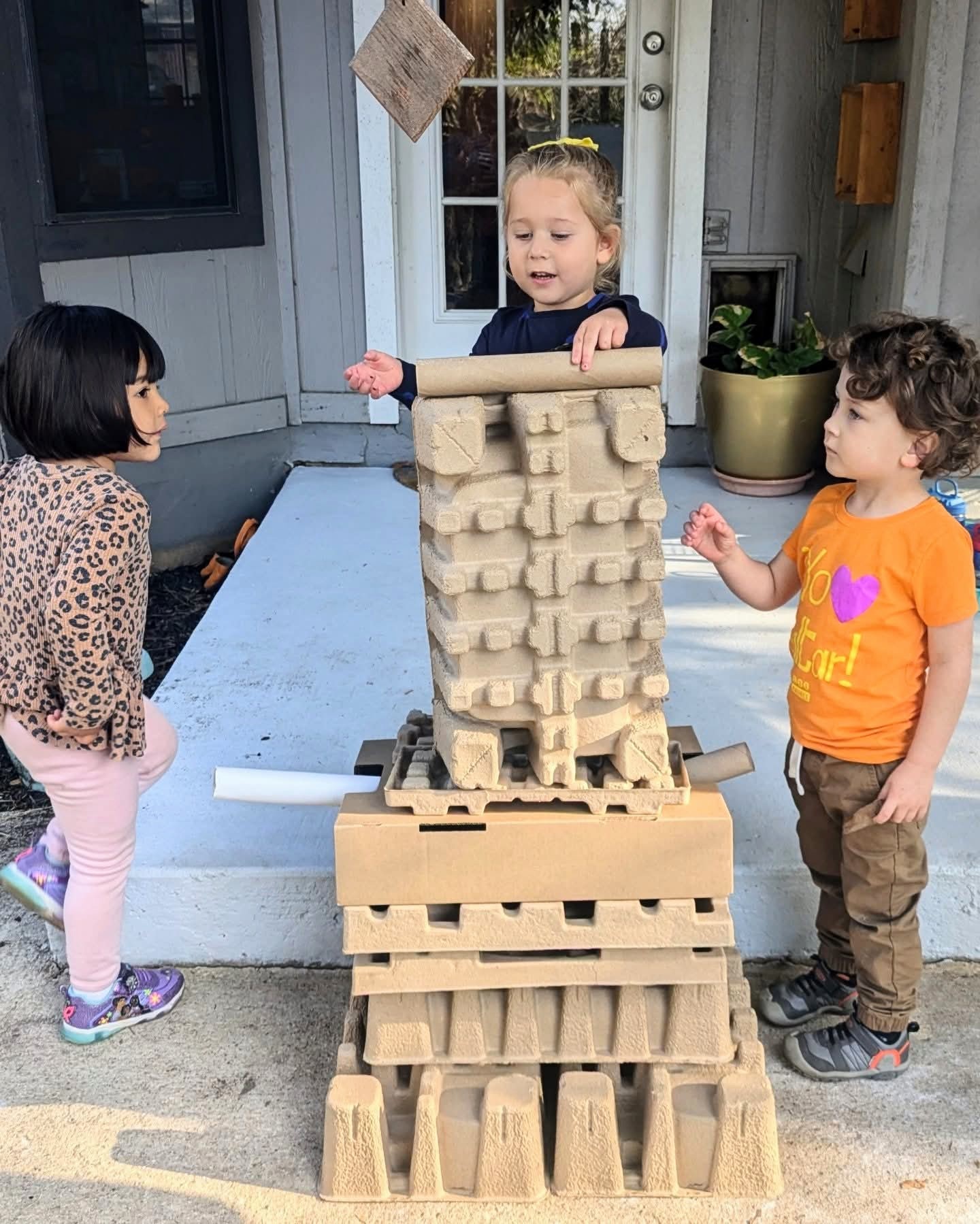
In the Reggio Emilia approach, the environment is the third teacher. This means that careful set up of the classroom and outdoor space is essential for creating meaningful learning experiences. From the way children arrive to school- walking down hand-painted rainbow steps, to ringing the bell at the gate to signal their arrival to school, to the versatile moveable parts that comprise our outdoor play area- our focus as educators is to foster creativity, problem-solving, and collaborative play through the way we design the physical environment for our learners. This type of approach allows children to take ownership of their environment and explore it freely through communication, inquiry, and imaginative play.
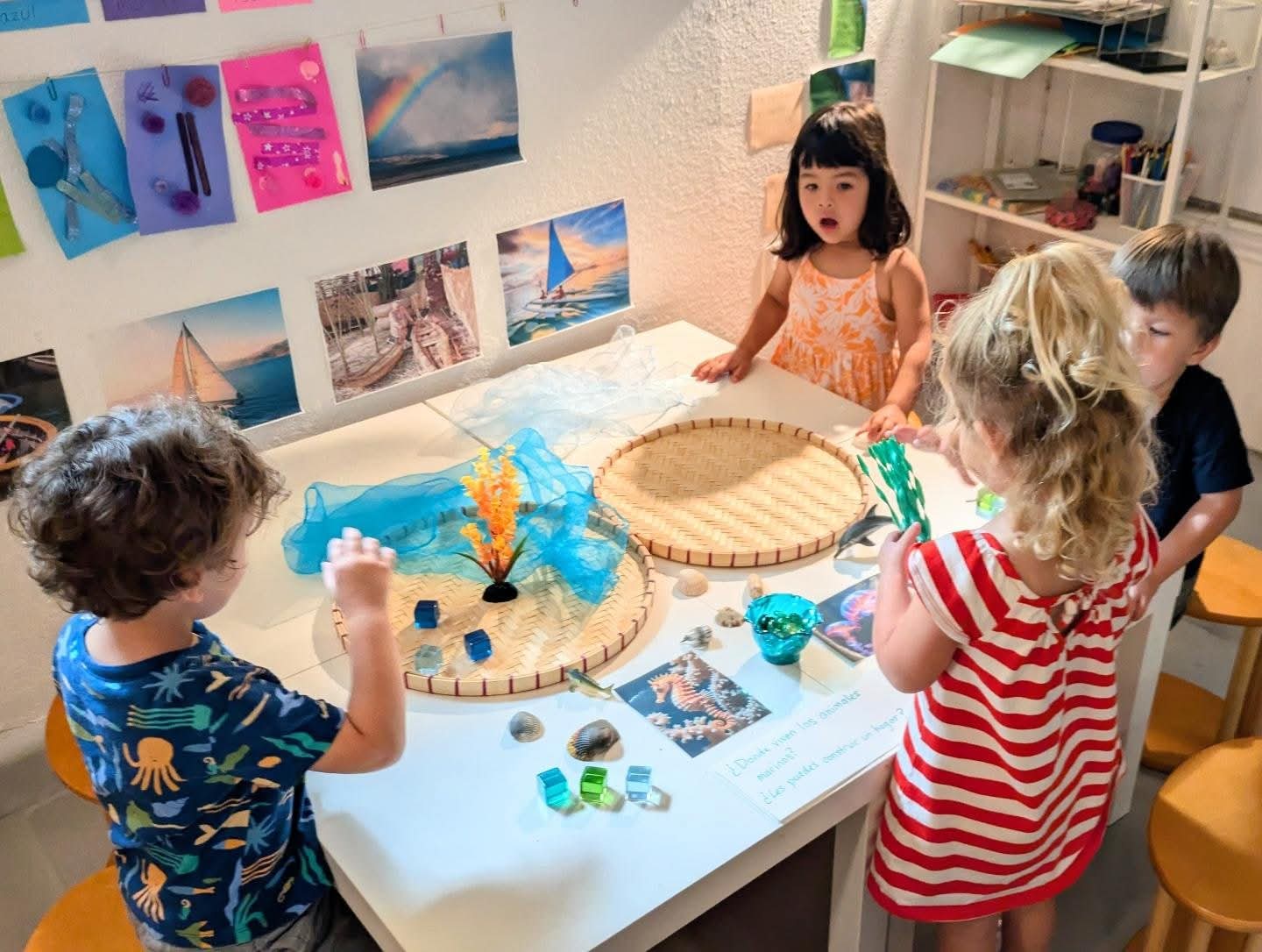
Our interaction with the children is based on careful observation and communication of ideas through exploration. Because we follow an emergent curriculum, an unforeseen line of inquiry can determine how a lesson changes from one moment to another, which not only makes each day new and exciting for the children, but for us as educators, as well. Based on our observations of the children (how they are playing, what their conversations sound like, etc), we design invitations to learning, also known as “provocations” in the Reggio world, which welcome children as they walk into the classroom, so that they can get right to work, prompted only by what they see before them. So, instead of keeping all markers in one container, for example, perhaps they are laid out a fan shape in chromatic order, mimicing the form of the photograph of the rainbow just above. Around this focal point, perhaps the table is decorated with a variety of intriguing objects that support a lesson in color exploration.
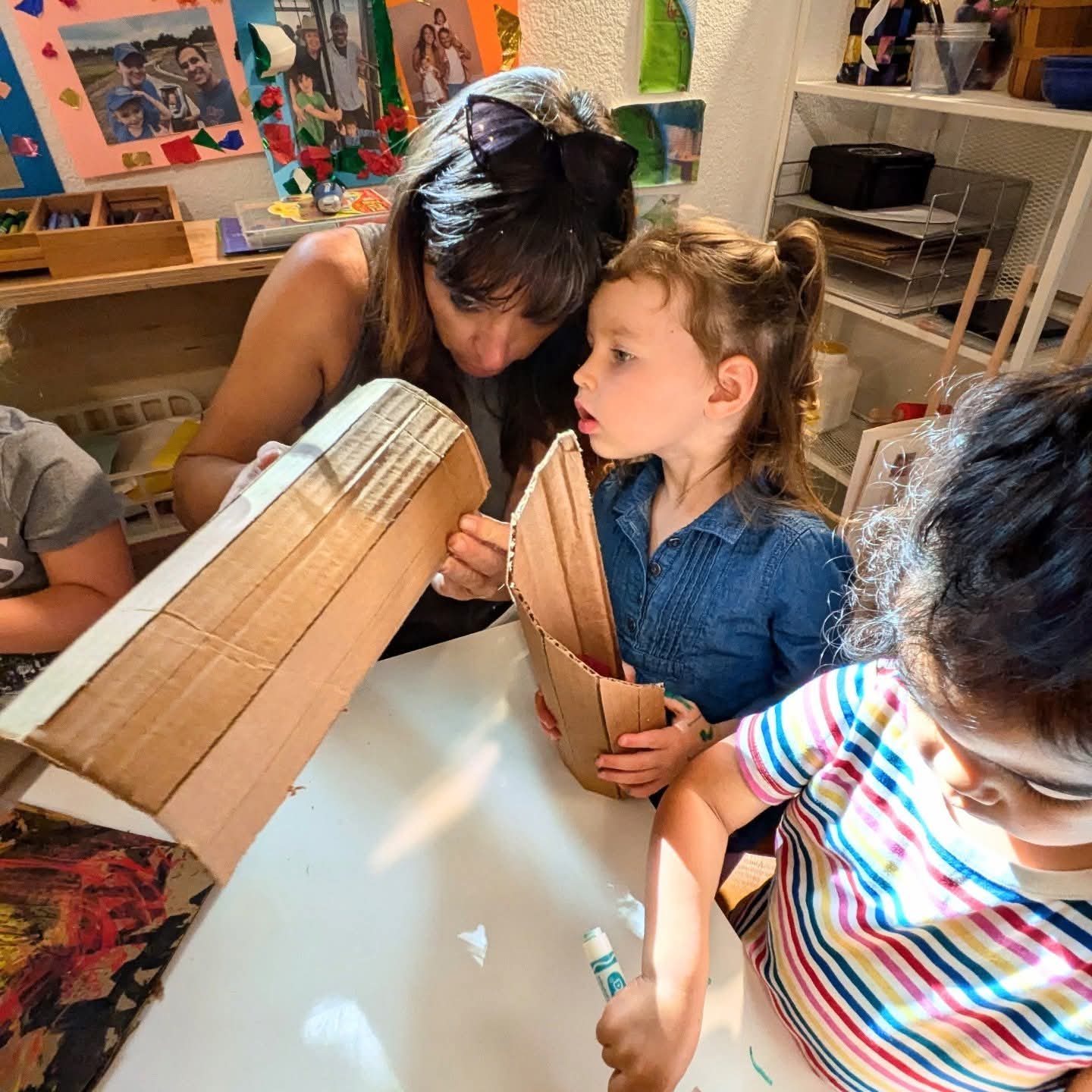
Our observations of how children interact with a provocation are often recorded in what is called a “documentation,” a written anecdote supported by photographs of a special moment experienced by the children through their explorations. It could simply be comprised of using the words and statements of a child in a moment of revelation or discovery, the way the children interacted with the environment that displays progress or development, or a drawing that represents a new understanding of relationships or the world around them. Sharing these documentations with the children allow them to reflect on their learning, and enables parents to delve into deeper conversations with their children at home about what they learned or discovered at school that day.
Careful observation of the children, using the environment as the third teacher, inviting children to learning experiences through provocations, and documentation of learning set Reggio-inspired programs apart from other educational philosophies.
Before we let you go, we’ve got to ask if you have any advice for those who are just starting out?
Have a clear vision of your educational philosophy, what you want to offer the community, and what you want to achieve as providers. This is something we have each developed over the past 20 years, and after working in, reading about, and exploring many different educational approaches- not only here in the U.S. but all over the world- this really allowed us to develop a cross-cultural understanding of the universality of early childhood education, and ultimately find our true mission. Finding what really resonates with you will not only make your work meaningful to you personally, but your passion will also be apparent to your school community as a whole, and really make your project a success.
Contact Info:
- Website: https://www.piopiopreschool.com
- Instagram: https://www.instagram.com/piopiopreschool
- Facebook: https://www.facebook.com/piopiopreschool