


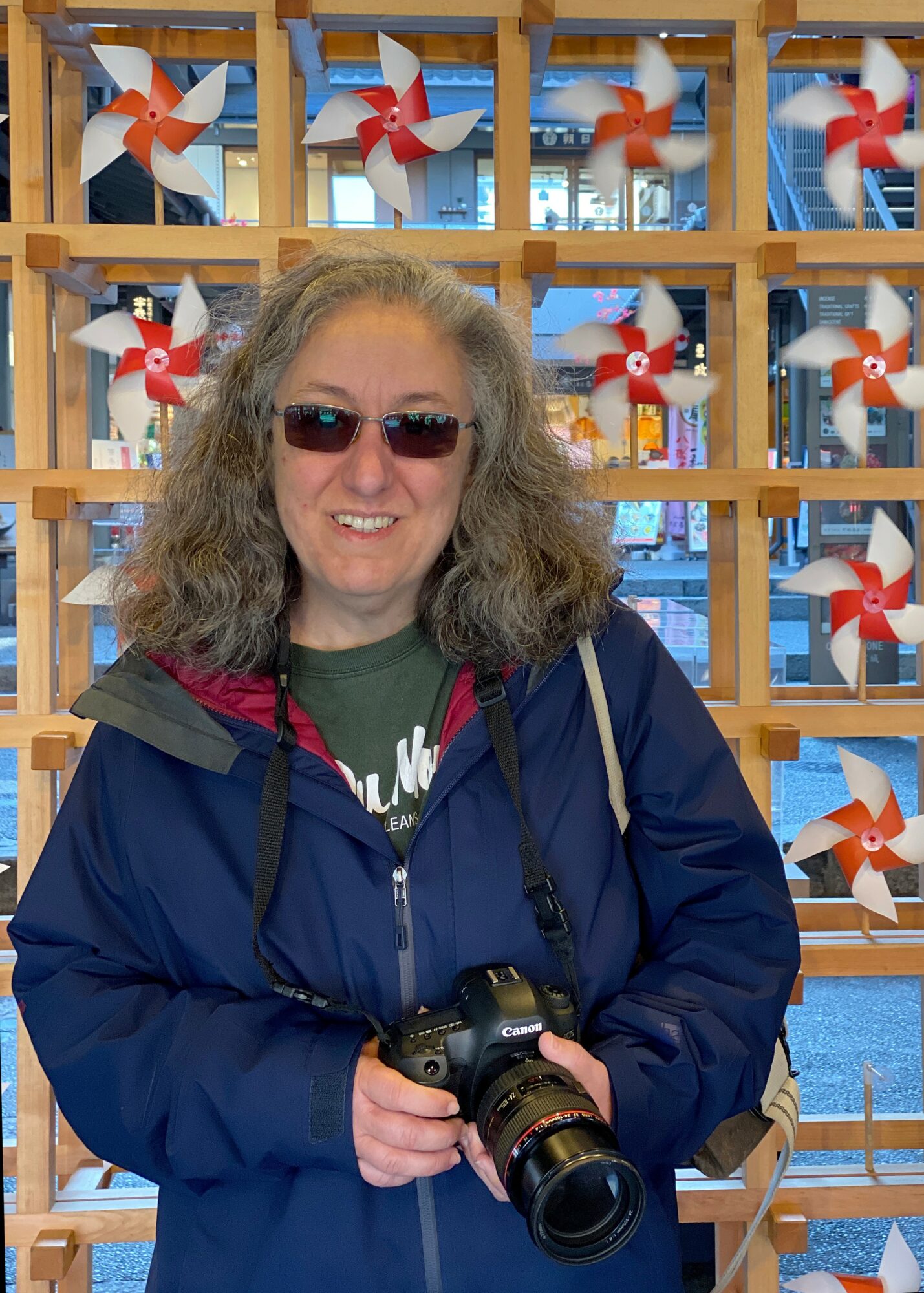
Today we’d like to introduce you to Carol Schiraldi.
Carol , we appreciate you taking the time to share your story with us today. Where does your story begin?
First, thank you for having me. Looking back, it’s funny how much of this began simply because I picked up a camera to explore a new city. After moving to Austin in 1992 to follow the tech boom, I found myself picking up a camera as an excuse to explore my new surroundings. What started as curiosity and discovery gradually evolved into a lifelong creative practice.
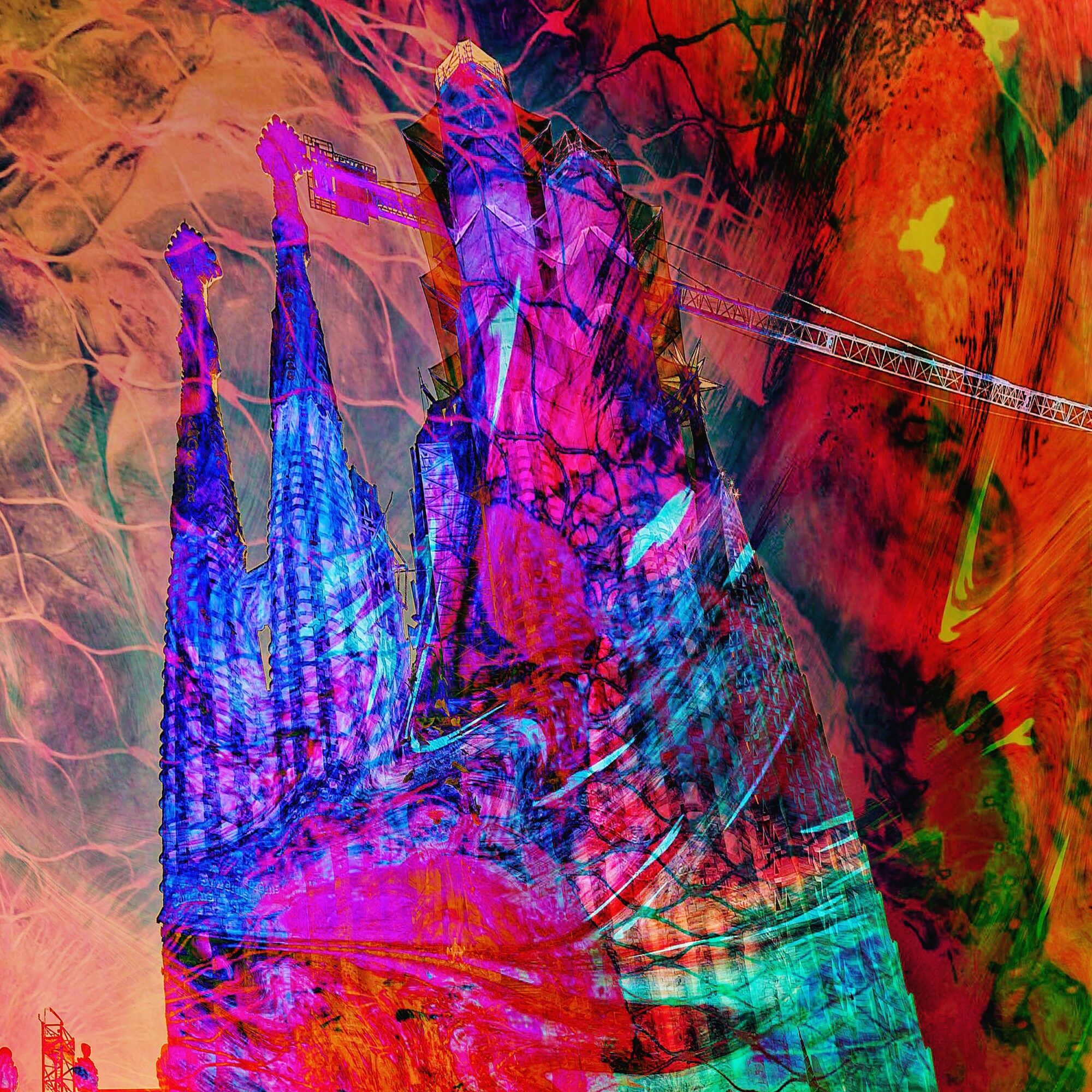
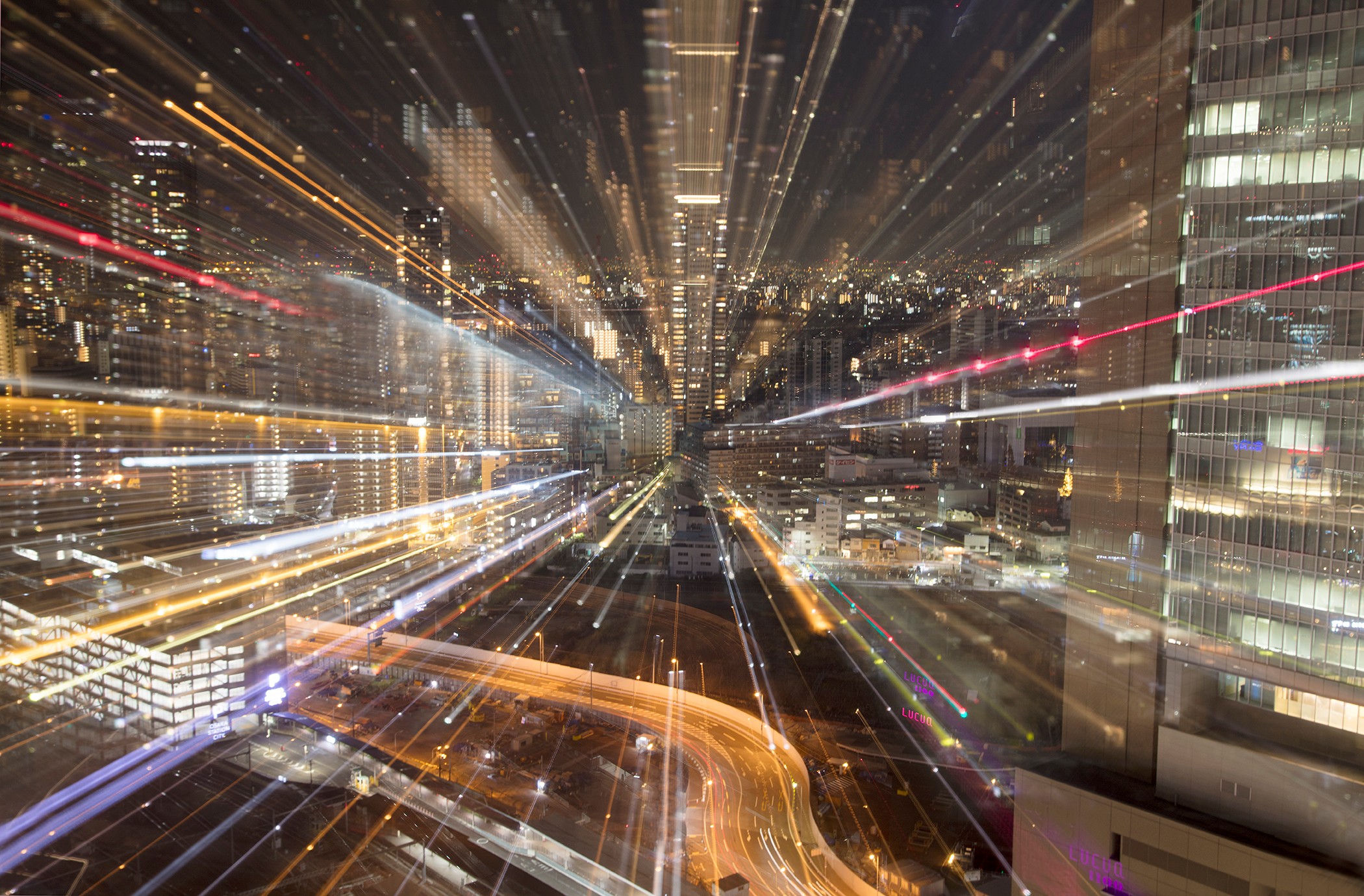
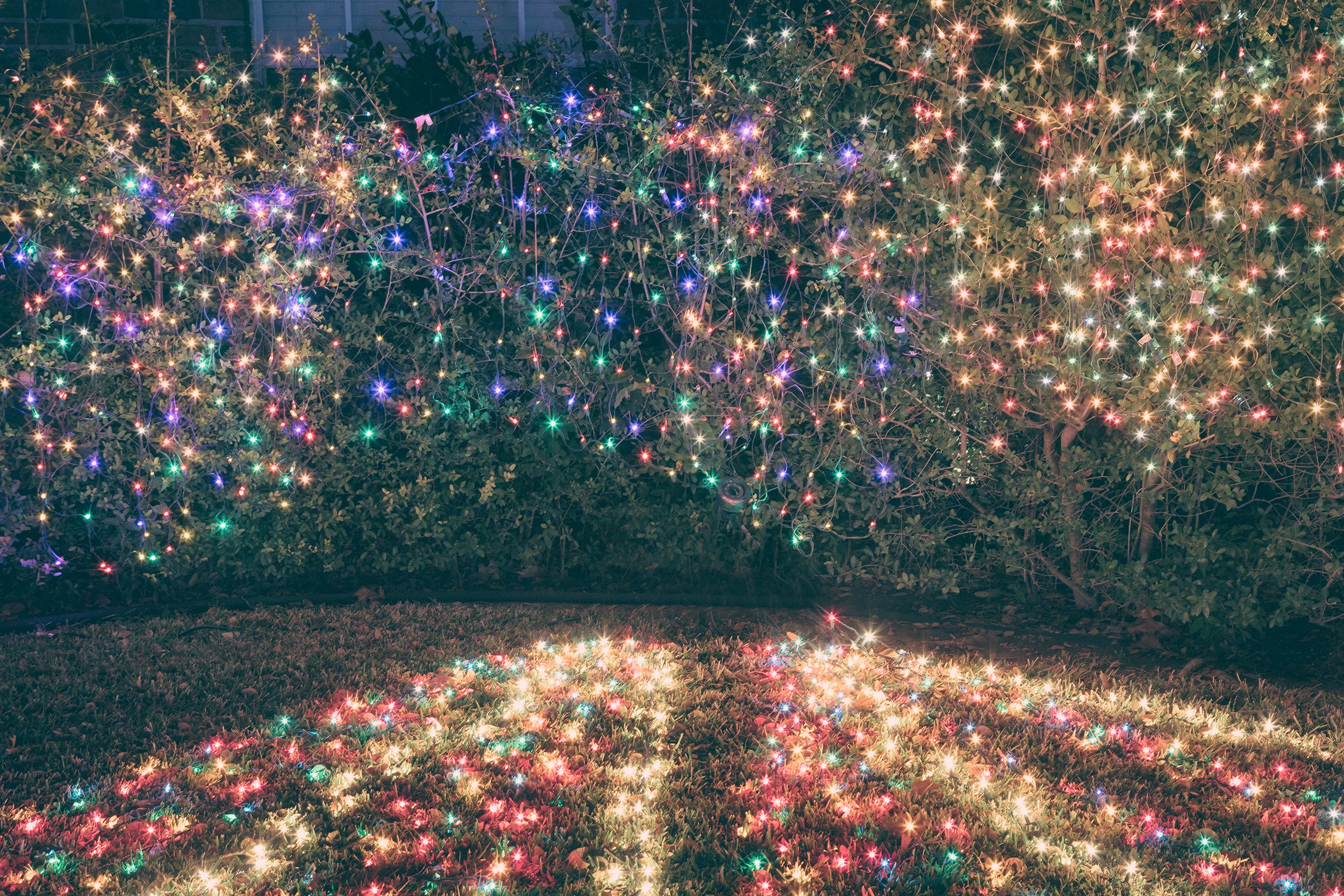
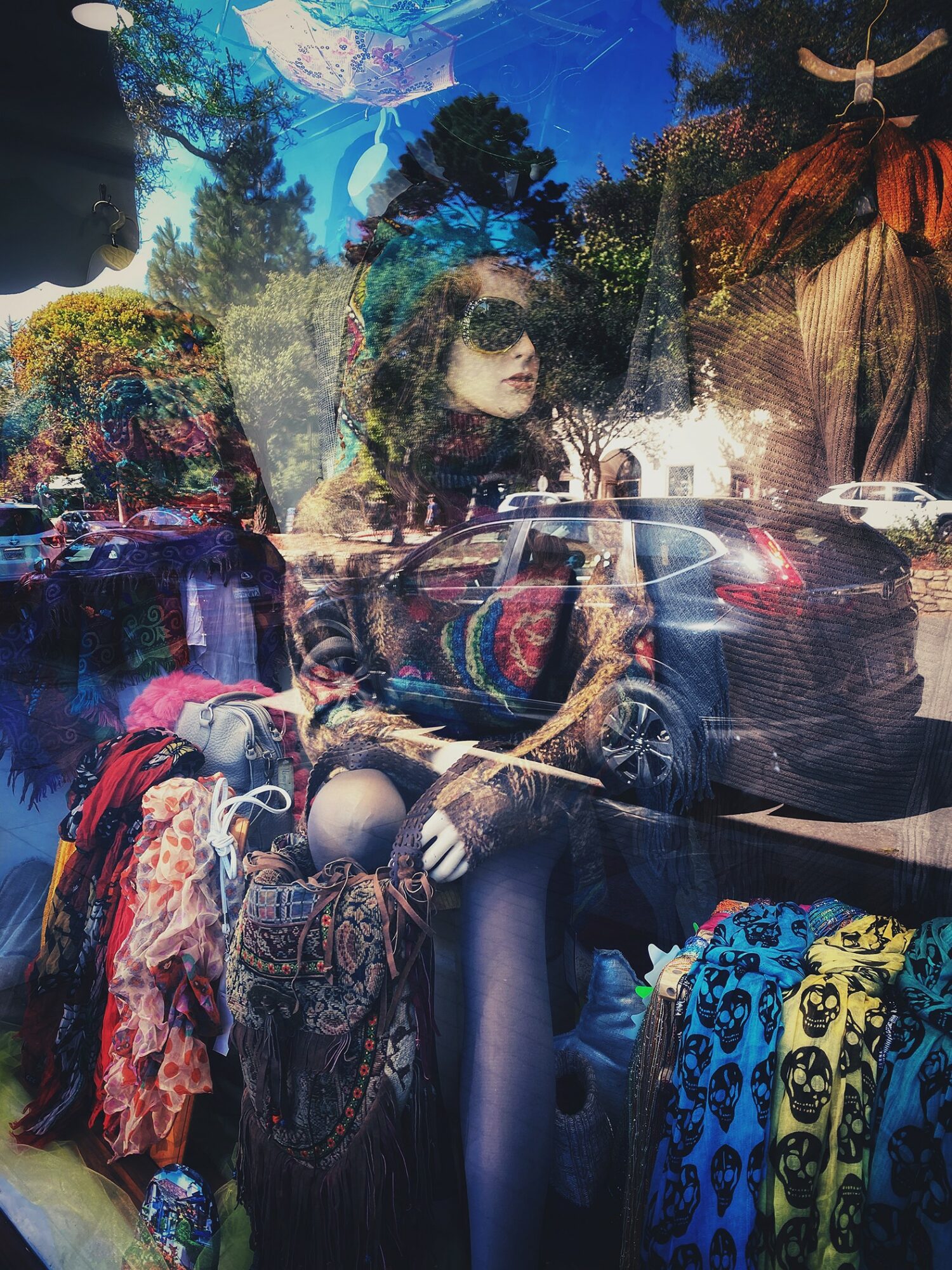
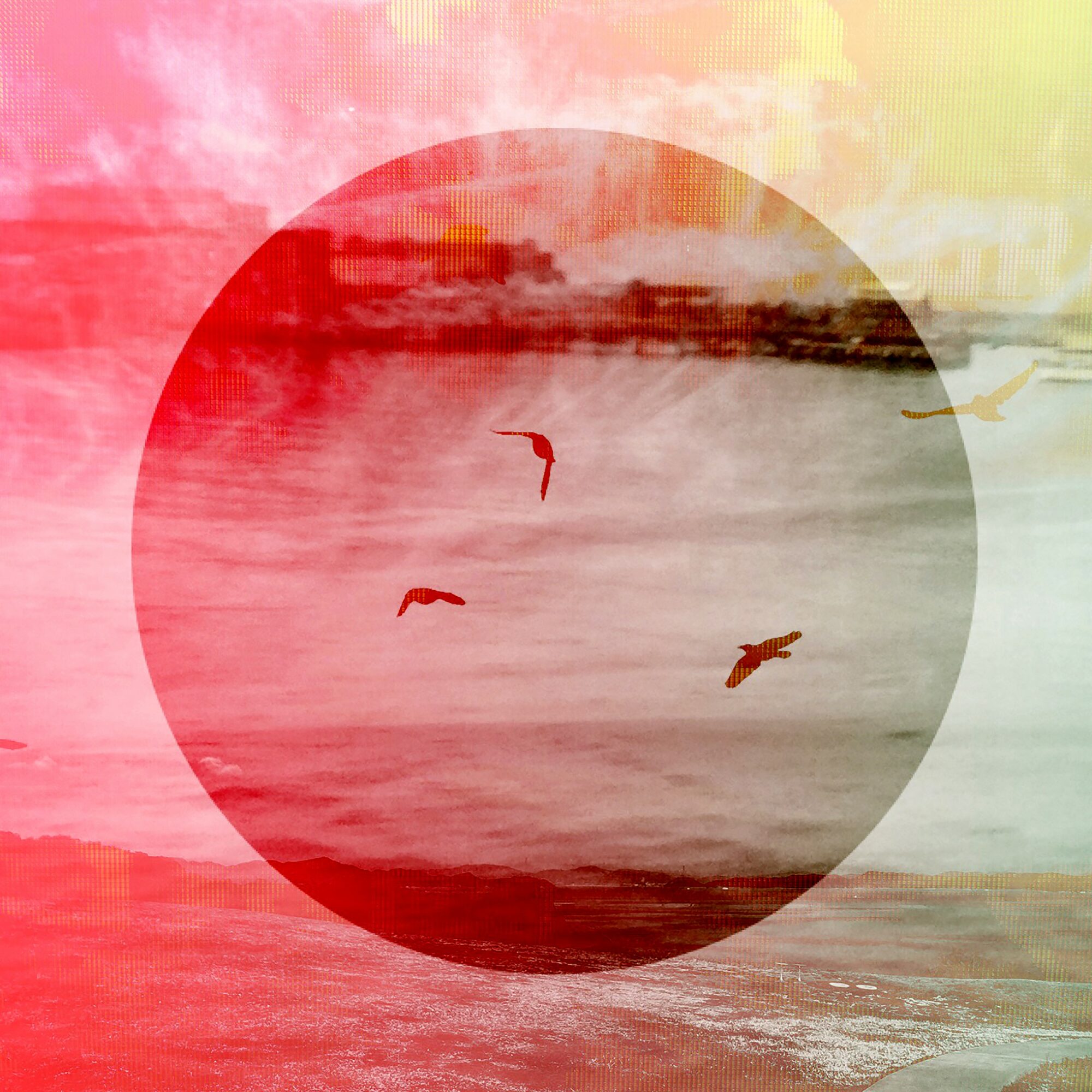
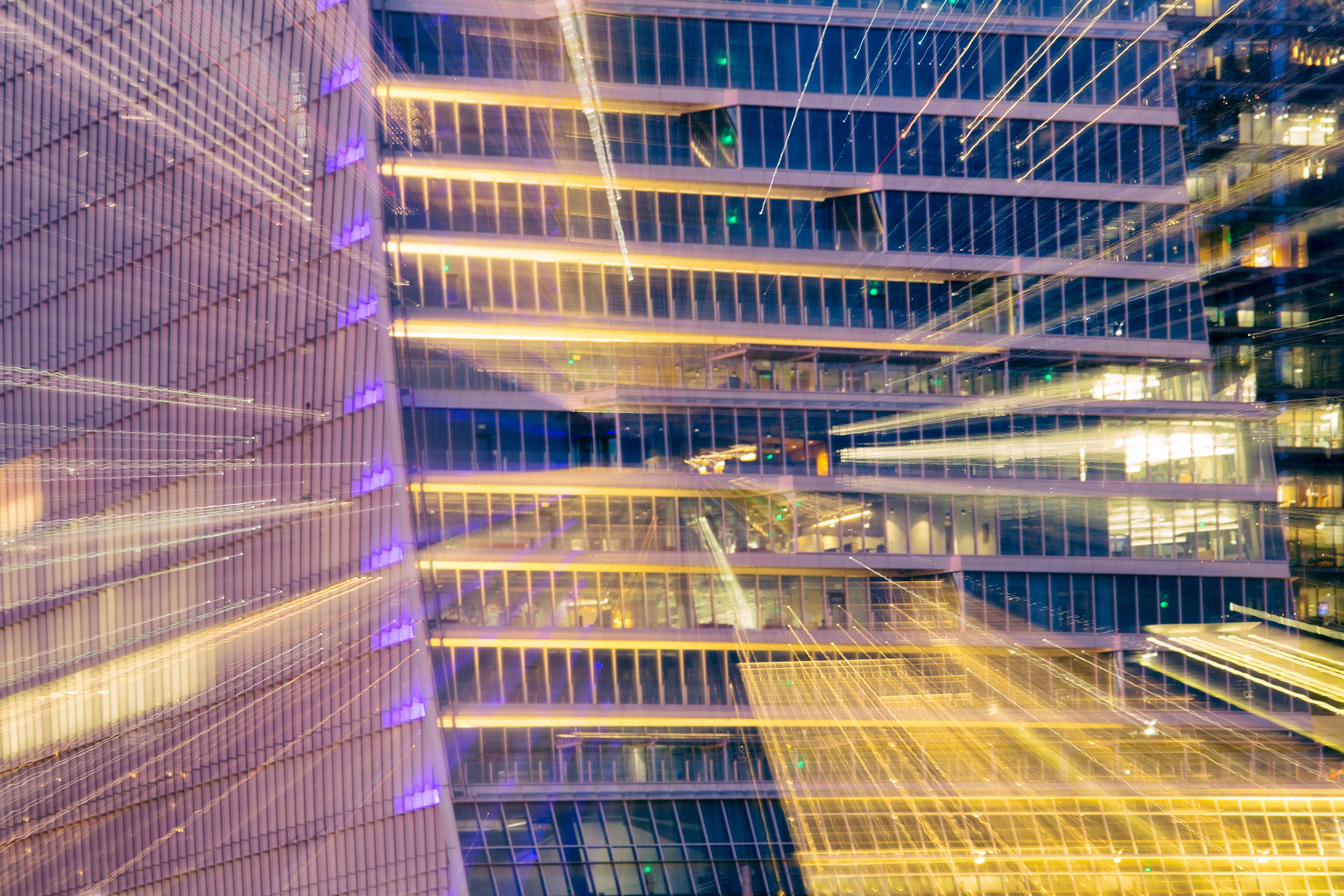
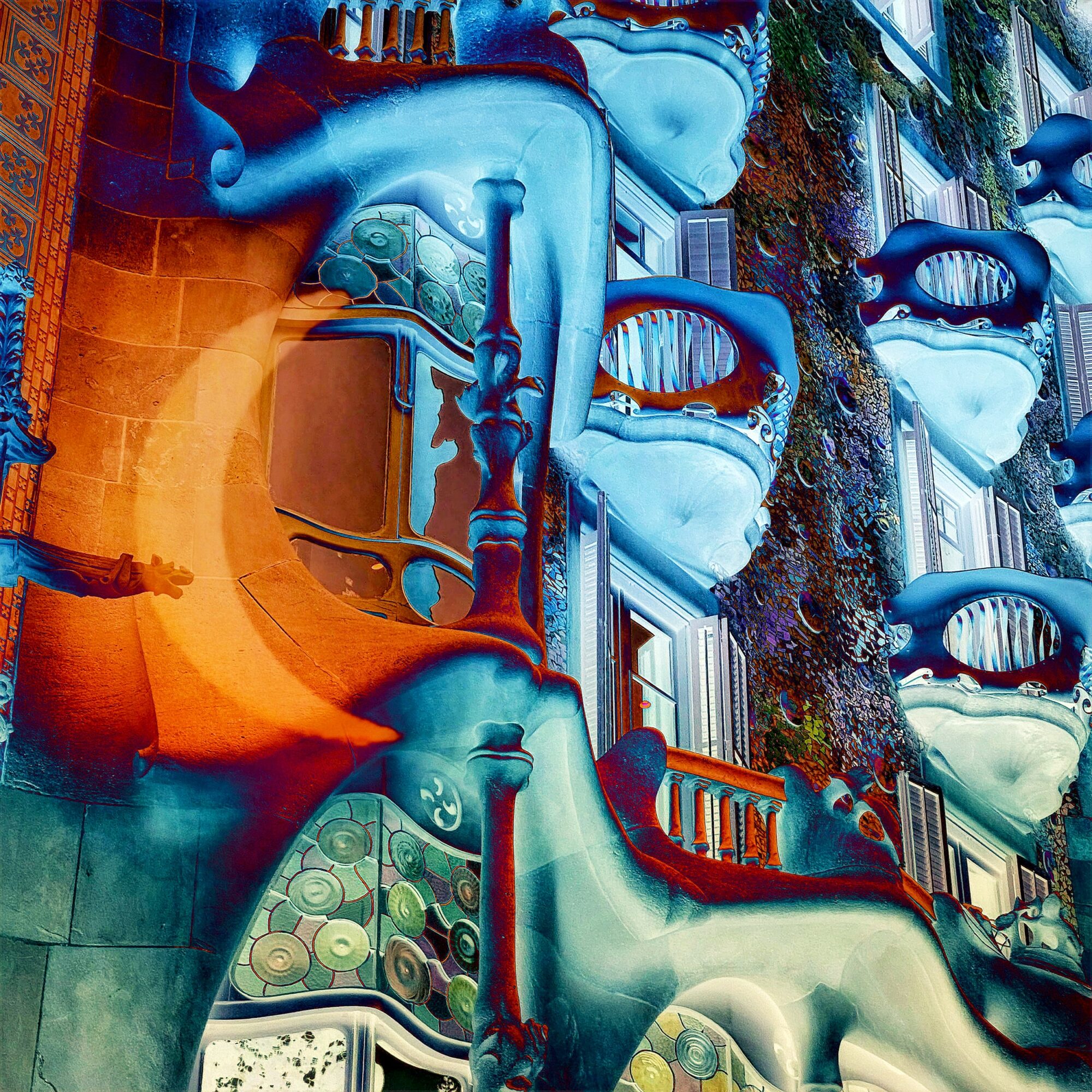
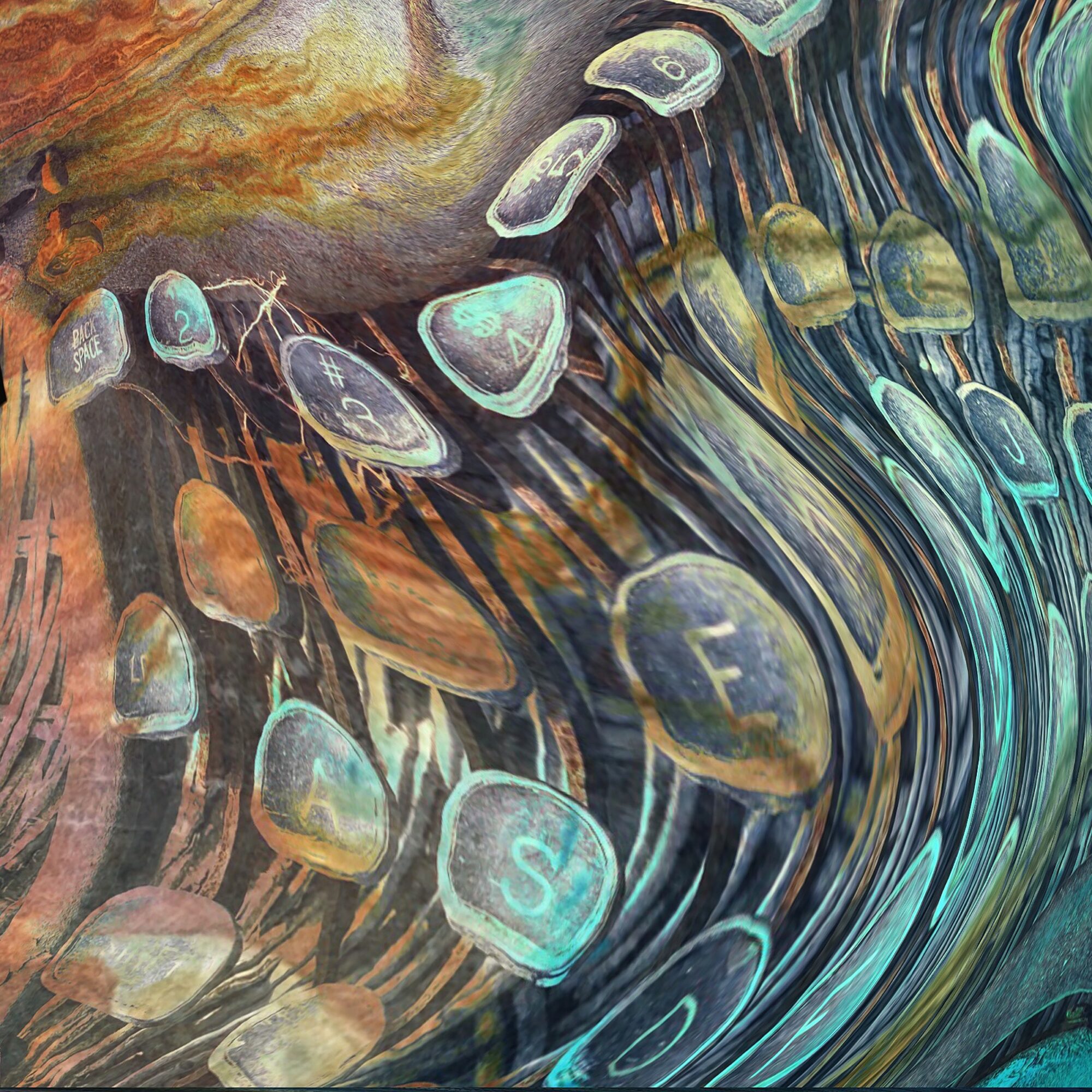
Over time, I moved beyond traditional photography into more experimental territory, using long exposures, layered imagery, abstraction, and surreal compositions to blur the line between reality and imagination. Along the way, I studied locally at the Harry Ransom Center as well as with internationally recognized photographers and artists through workshops around the world. Over time, I developed a visual style rooted in curiosity, observation, and experimentation.
My work has since been widely exhibited internationally in galleries, museums, publications, and online exhibitions. In addition to my studio practice, I mentor and teach for photography organizations, arts groups, and corporate programs.
Today, my work continues to evolve through travel, experimentation, and an ongoing fascination with perception, memory, movement, and the increasingly complex relationship between technology and humanity.
Can you talk to us a bit about the challenges and lessons you’ve learned along the way. Looking back would you say it’s been easy or smooth in retrospect?
No, it has not always been smooth, not at all. One of the biggest challenges has actually been that photography itself has changed dramatically during the years I’ve been doing it. I started in the film era, moved through the rise of digital photography, watched social media completely reshape how artists share work, and now we’re suddenly having conversations about AI and what humanity even means anymore. At times, it has felt like trying to stand on shifting ground while the entire creative landscape keeps reinventing itself.
I also tend to work in the spaces between categories, which can be both exciting and difficult. Some people see my work as photography, others see it as digital art, abstraction, or something more conceptual. There is often pressure to make the work easier to categorize than it actually is. Over time, I realized the work became stronger once I stopped trying to force that.
Practical struggles popped up along the way too. Like many artists, I balanced creative work with a demanding career in technology for years, and there were long stretches where I was making work simply because I loved doing it, not because there was any guarantee it would lead anywhere professionally.
At this point, I think I’ve learned to embrace uncertainty as part of the creative process. Some of the most rewarding opportunities in my career have come from experimentation, curiosity, and following my heart.
Alright, so let’s switch gears a bit and talk business. What should we know about your work?
I’m a visual artist working primarily with photography, although my work often moves beyond traditional photography into layered imagery, abstraction, long exposures, surreal compositions, and experimental processes. I’m especially interested in perception; I’m drawn to the idea that the camera can reveal not just what a place or moment looked like, but what it felt like emotionally, psychologically, or even symbolically.
A lot of my work explores the spaces between reality and imagination. Reflections, movement, memory, and visual ambiguity recur throughout my work. I’m drawn to scenes that feel slightly unstable or dreamlike, images that invite a second look and resist immediate explanation.
Over time, I’ve become known for combining technical experimentation with a more intuitive and emotional approach to image-making. My background in engineering and technology probably contributes to that balance. I’m fascinated by both the mechanics of image creation and the human side of perception and storytelling.
One thing I’m especially proud of is that my work has continued to evolve over the years rather than staying fixed in one style or formula. I never wanted to spend decades simply repeating the same image over and over. Curiosity has always been a huge part of my creative process, and I think that willingness to experiment, keep growing, draw inspiration from new experiences, and continually push the work in new directions is ultimately what sets it apart.
Can you talk to us a bit about the role of luck?
Luck definitely plays a role, both good and bad. I’ve been fortunate to cross paths with generous mentors, inspiring artists, and supportive creative communities over the years. At the same time, a lot of opportunities only became possible because I kept showing up, experimenting, learning, and continuing to make work even when nobody was paying much attention.
One of my mentors used to say, “Chance favors the prepared mind,” and I’ve found that to be very true creatively. The more curious and open you remain, the more likely you are to recognize opportunities when they appear. Curiosity has probably been both my greatest strength and my biggest distraction creatively.
Pricing:
- Gifts and accessories – under $100
- Open edition fine art prints – starting at $45
- Limited edition fine art prints – starting at $800
Contact Info:
- Website: https://www.carolslittleworld.com/
- Instagram: https://www.instagram.com/carolschiraldi/
- Facebook: https://www.facebook.com/CarolsLittleWorld
- LinkedIn: https://www.linkedin.com/in/cjschiraldi/
- Twitter: https://twitter.com/CSchiraldi
- Youtube: http://www.youtube.com/@carolslittleworld
- Other: Blog: https://blog.carolslittleworld.com/