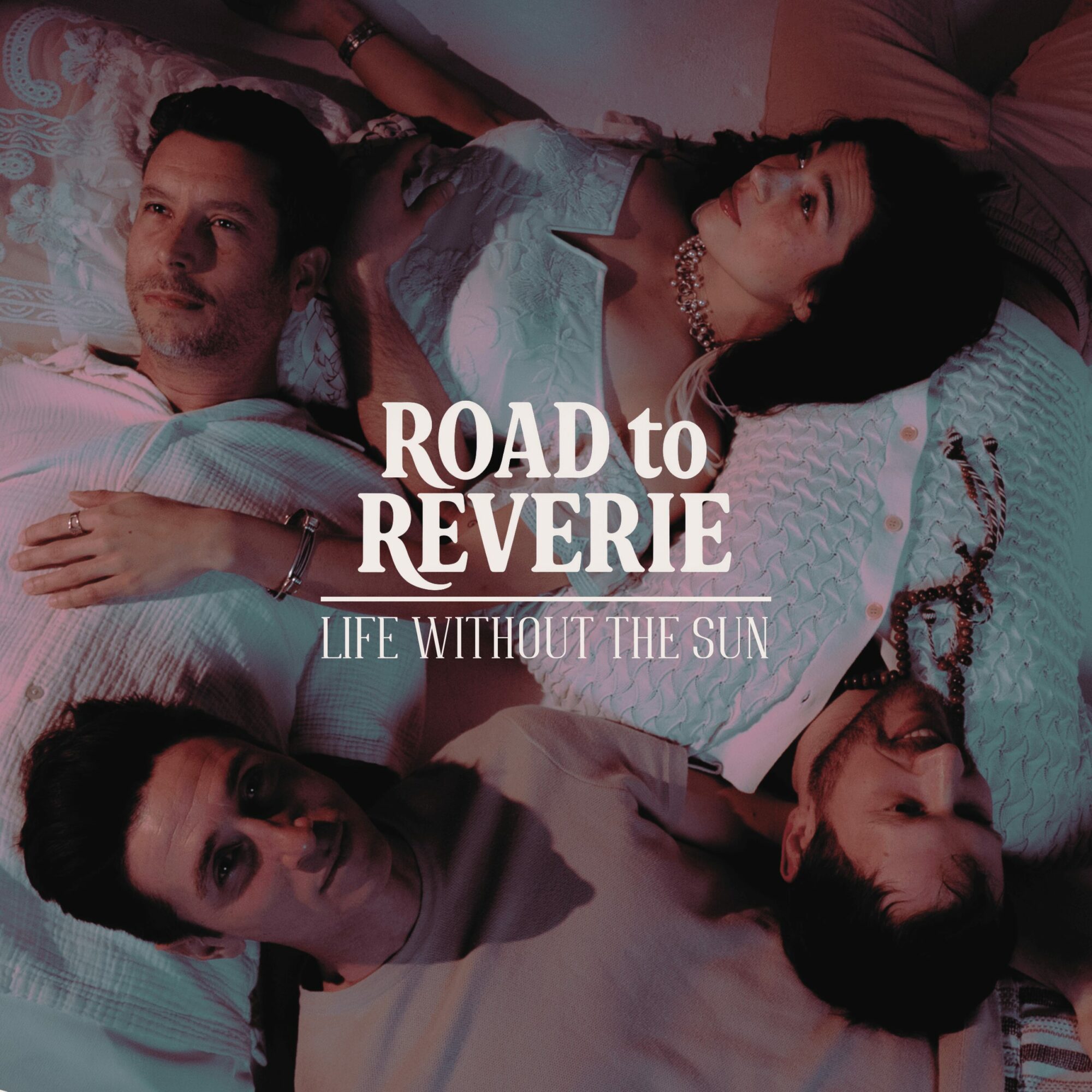



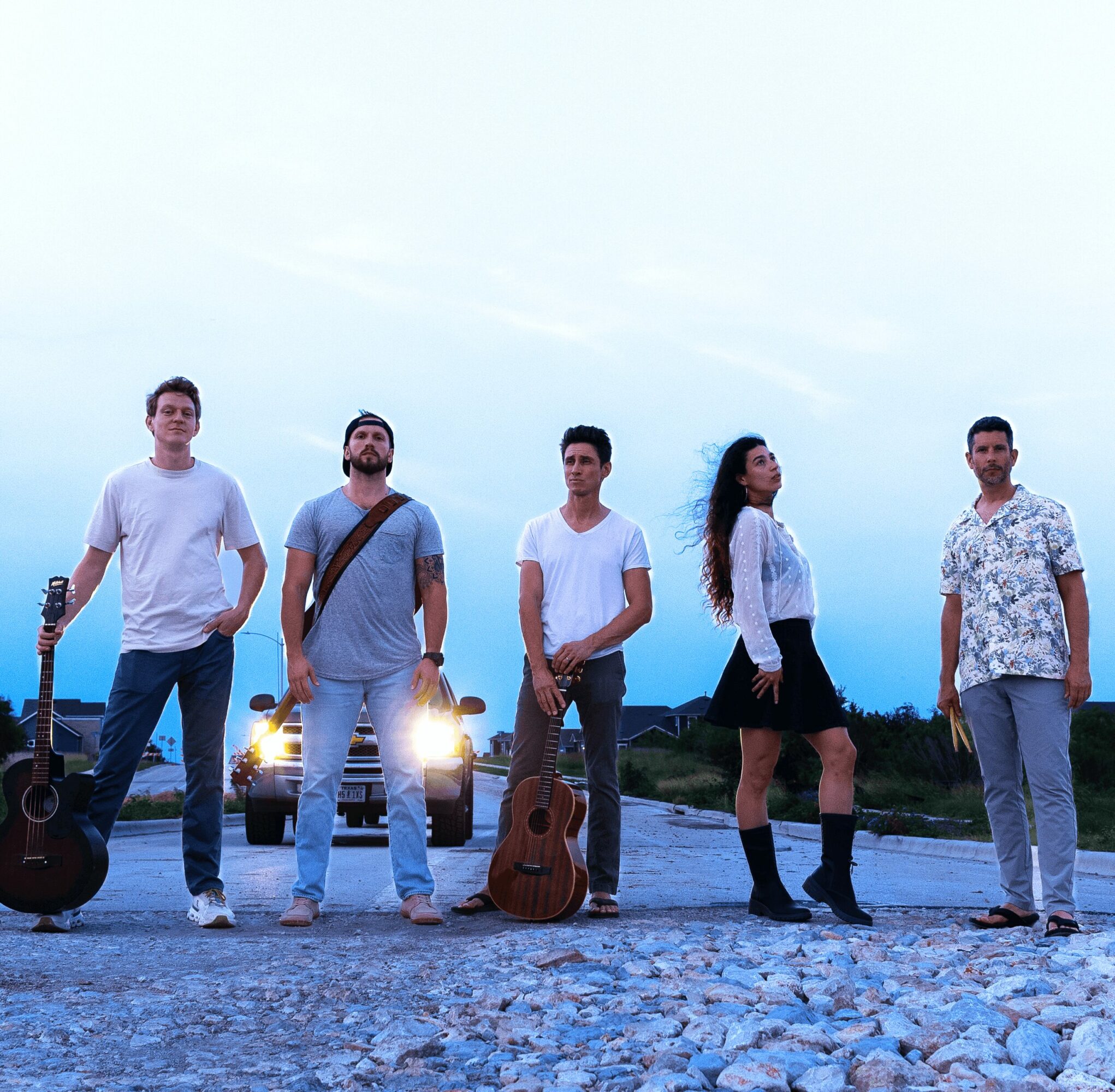
Today we’d like to introduce you to Alysse Benavides.
Hi Alysse, it’s an honor to have you on the platform. Thanks for taking the time to share your story with us – to start maybe you can share some of your backstory with our readers?
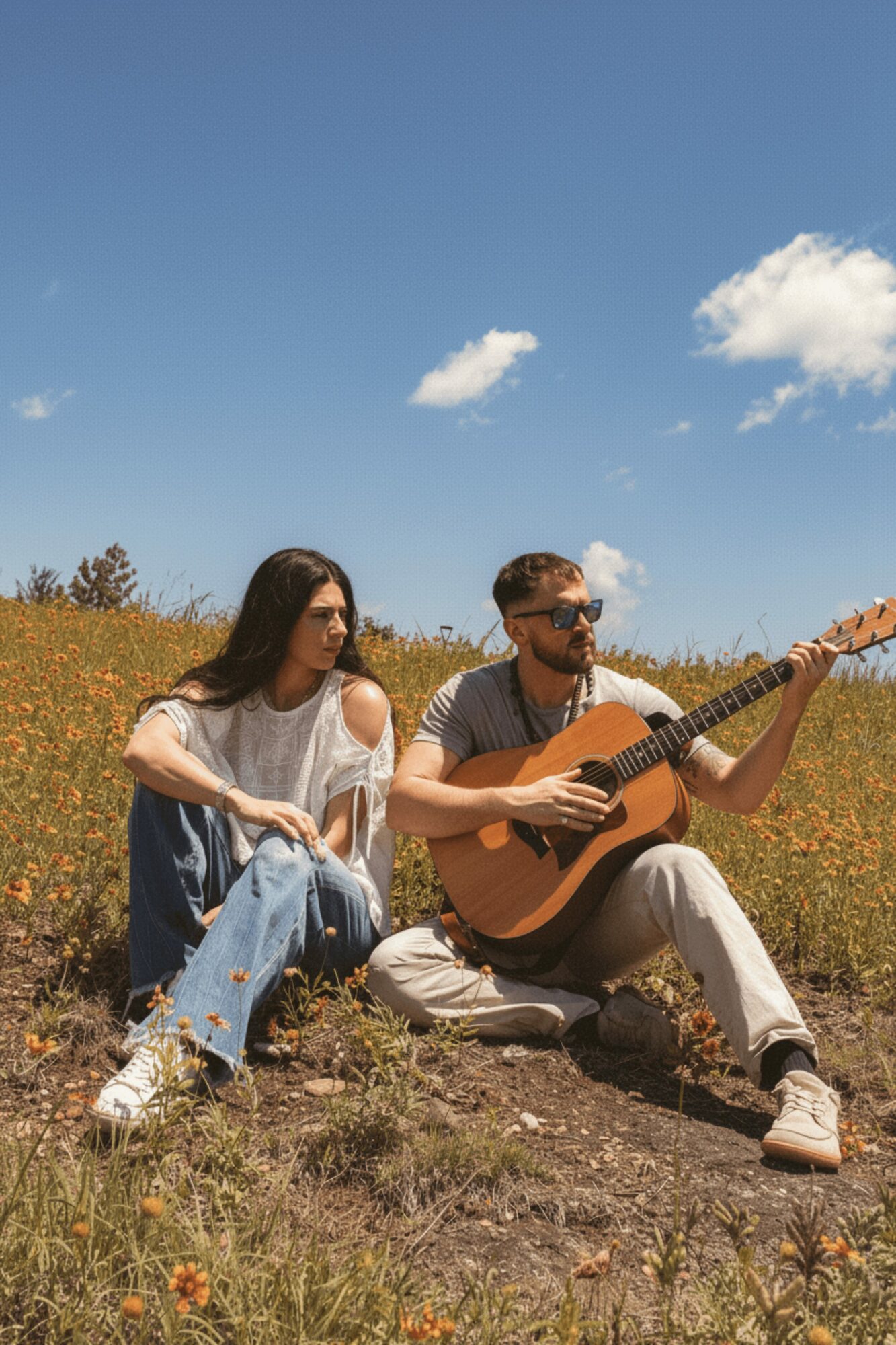
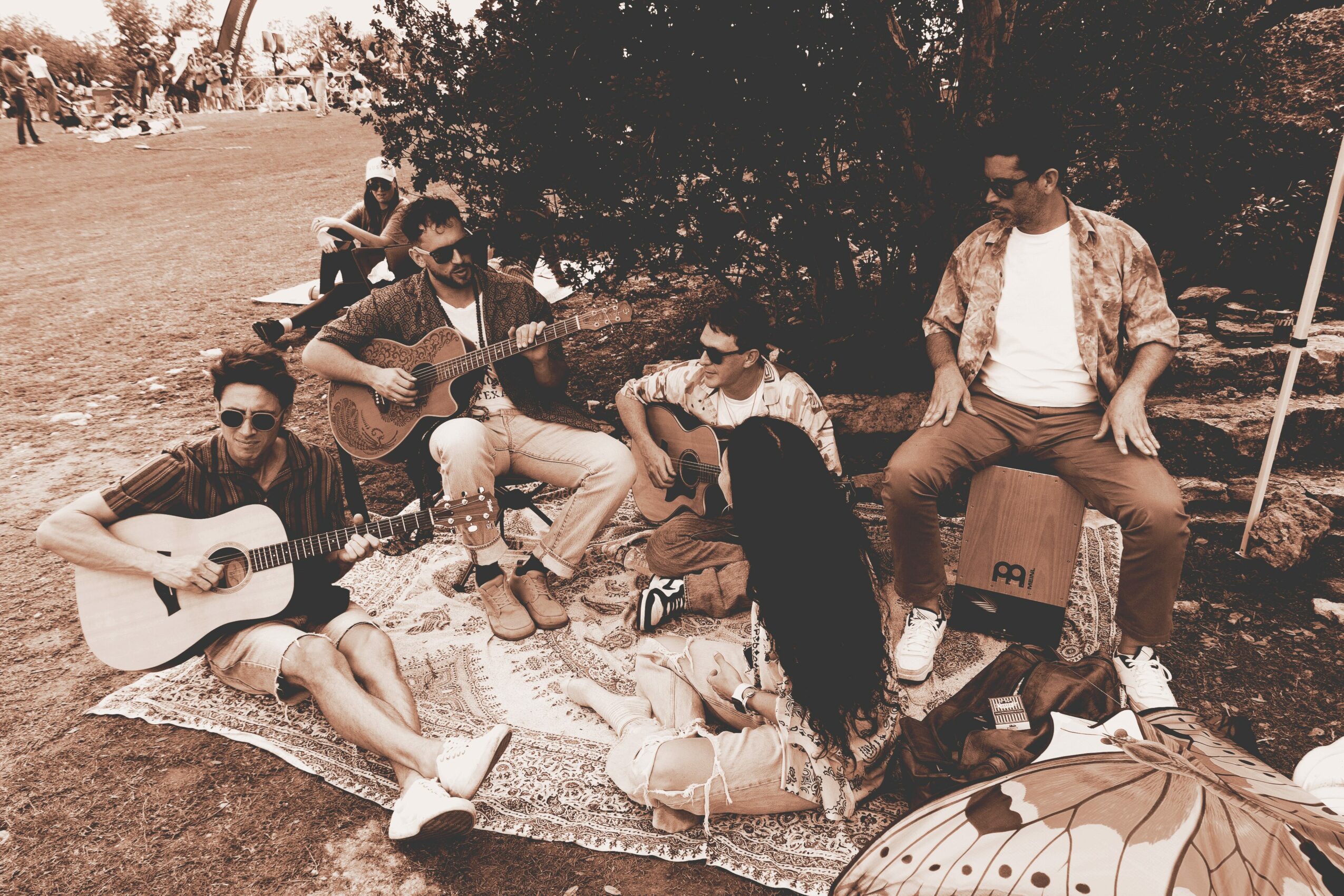
Road to Reverie started in the open mic community of Austin, specifically the late Hive Open Mic on Menchaca that ended last year. Yusuf and I worked at the same restaurant, and we both had our own solo artist projects we were pursuing before we met. We realized we had been missing each other in the cycle of overlapping Austin open mics, and we started consistently joining each other at the Hive after work on Wednesdays.
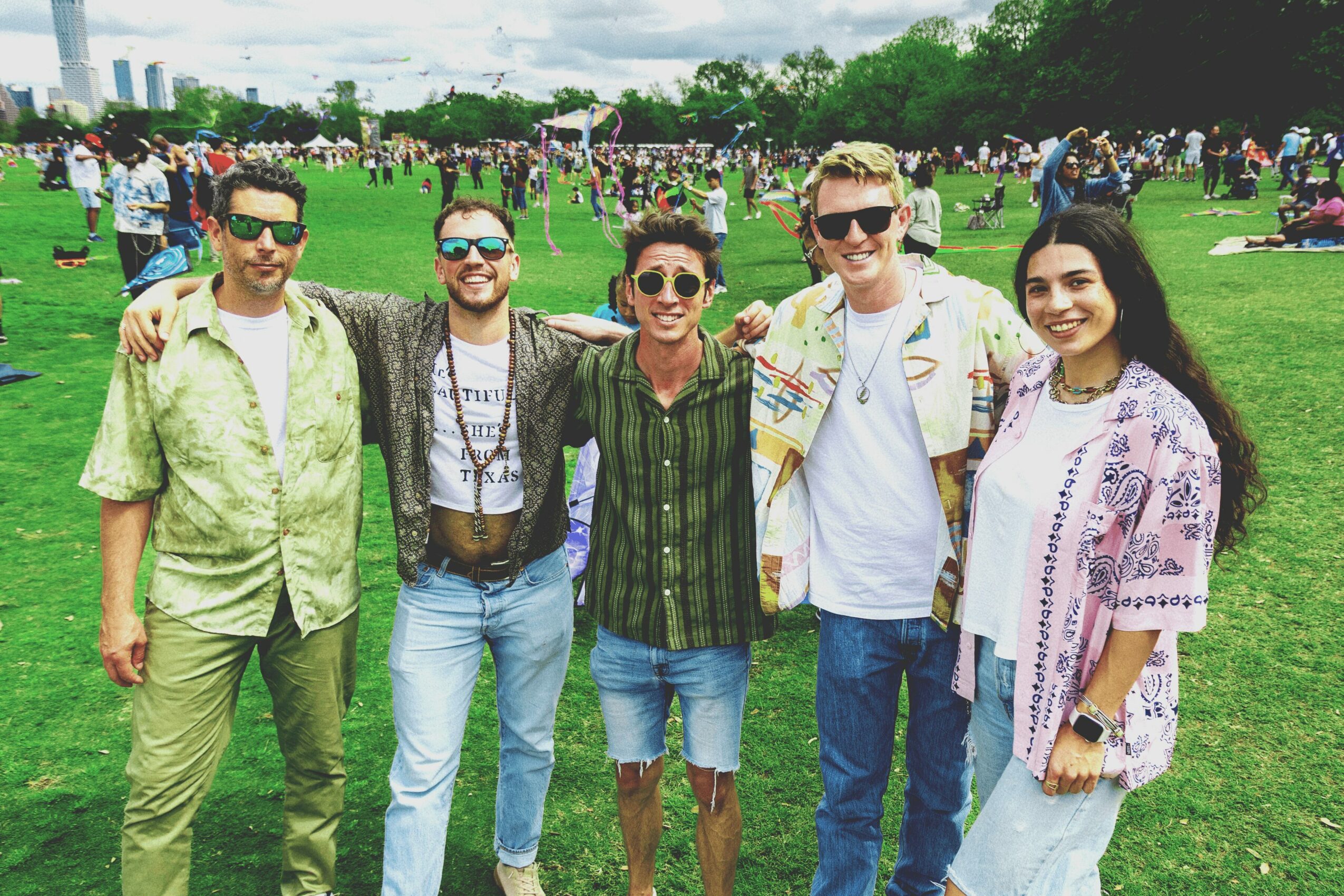
We met Paul there, and it felt like we naturally gravitated toward one another. After hearing each other’s unique voices and nostalgic writing styles, the three of us quickly became friends. Eventually we started meeting up outside of work and open mics, writing songs and jamming together whenever we could. The music we created together felt special—something bigger than any of us had experienced on our own. Yusuf was the first to bring up the idea of becoming a band to perform the songs we had written together. It didn’t take much convincing for Paul and I, and our shared dream was conceptualized in that moment. We immediately began putting out feelers for a drummer and bassist to complete the sound we were honing in on. After a few cycles of auditions and opening our practices to people who were equally as passionate about music and interested in the potential of our project, we were able to find Sam and Ethan to complete our group.
When we were searching for a band name to unify us, we spent a lot of time talking about what we wanted our music to mean and how we wanted people to feel when they listened to it. We kept coming back to the idea that life is a journey. Everyone is traveling somewhere—toward a dream, a goal, a relationship, a better version of themselves, or simply toward understanding who they are. So we decided we wanted to make our music about the journey instead of focusing on the destination. I also wanted our music to feel poetic and metaphorical so that our songs could be limitless with creative freedom.
That’s where the name Road to Reverie came from. A reverie is a daydream, a vision, a place where imagination and possibility live. To us, the road represents the path we all walk through life. It can feel whimsical or it can feel concrete, but shapes who we became at the end of the road. We realized that most people spend their lives chasing a destination, believing happiness exists somewhere ahead of them. But the truth we’ve discovered through music, friendship, and our own experiences is that the destination is rarely the point. The beauty is found in the journey itself—in the people you meet, the lessons you learn, the detours you never expected, and the moments that shape who you become.
We wanted our band to be a reminder of that. Our music isn’t about having all the answers. It’s about embracing the adventure, finding meaning in the uncertainty, and choosing hope even when the road ahead isn’t clear. Whether someone is celebrating, grieving, searching, healing, or simply trying to make sense of life, we hope our songs can serve as a companion along their own road to reverie.
In many ways, we’re still traveling that road ourselves. Every song, every show, and every person we meet becomes part of the story. Road to Reverie isn’t just the name of our band—it’s a metaphor that continues to guide us both as musicians and as people.
Can you talk to us a bit about the challenges and lessons you’ve learned along the way. Looking back would you say it’s been easy or smooth in retrospect?
It definitely hasn’t been a smooth road, but I think those challenges have helped shape who we are as a band.
One of our earliest obstacles was finding the right people to complete the group. We weren’t just looking for talented musicians—we were looking for people who shared the same vision. They needed to be passionate about making music their primary career, have experience performing live, and genuinely believe in the music and message we were creating.
Finding our drummer took time. We rehearsed and performed with two different drummers before eventually meeting Sam, who was referred to us through a mutual friend and coworker. From the moment he joined, he brought both the musicianship and energy we had been searching for.
Finding a bassist proved even more difficult. We spent months putting out feelers in the local music community, holding auditions, and searching for someone who could complete the sound we were building. Eventually we found a bassist and even went on to record three songs and perform several shows together. However, as time went on, he realized he was at a different stage in his life and musical journey. While he enjoyed playing with us, he no longer wanted to pursue music with the same level of commitment the rest of the band did.
That departure left a bigger hole than when we had started. By that point we had begun gaining momentum, booking more shows, and seeing new opportunities emerge. Suddenly we were faced with the challenge of replacing a key member while trying to keep that momentum alive.
Fortunately, after another round of auditions and networking, Paul introduced us to Ethan, a close friend and former bandmate. Ethan stepped into the role and immediately brought a fresh energy that strengthened the band’s chemistry. What started as a difficult setback ultimately became an important turning point for us.
Every challenge we’ve faced has taught us something about patience, persistence, and the importance of surrounding yourself with people who truly believe in a shared vision. Today, one of the exciting challenges we’re working through is learning how to fully utilize the new strengths of a band with four vocalists. Having so many unique voices opens creative possibilities that most groups don’t have, and we’re continuing to explore how to showcase that in our songwriting and live performances.
Looking back, I think every obstacle has reinforced the same lesson that’s at the heart of our band: the journey is the point. If everything had come easily, we probably wouldn’t appreciate where we are now.
Can you tell our readers more about what you do and what you think sets you apart from others?
While our sound draws from psychedelic rock, alternative rock, funk, and singer-songwriter influences, what really drives our work is storytelling. We try to write songs that capture the moments in life that often go unspoken—the uncertainty, wonder, heartbreak, growth, and hope that shape who we become.
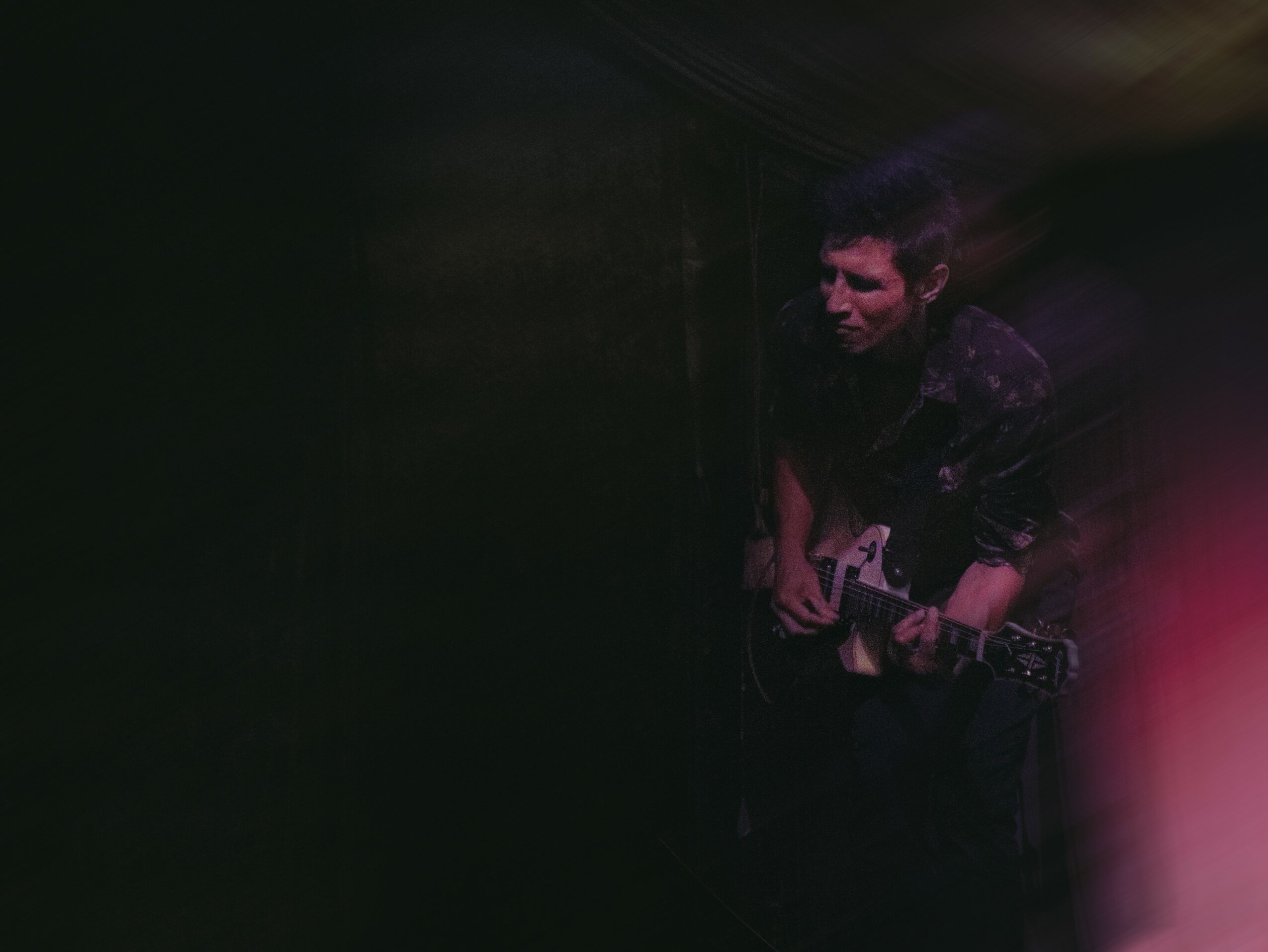
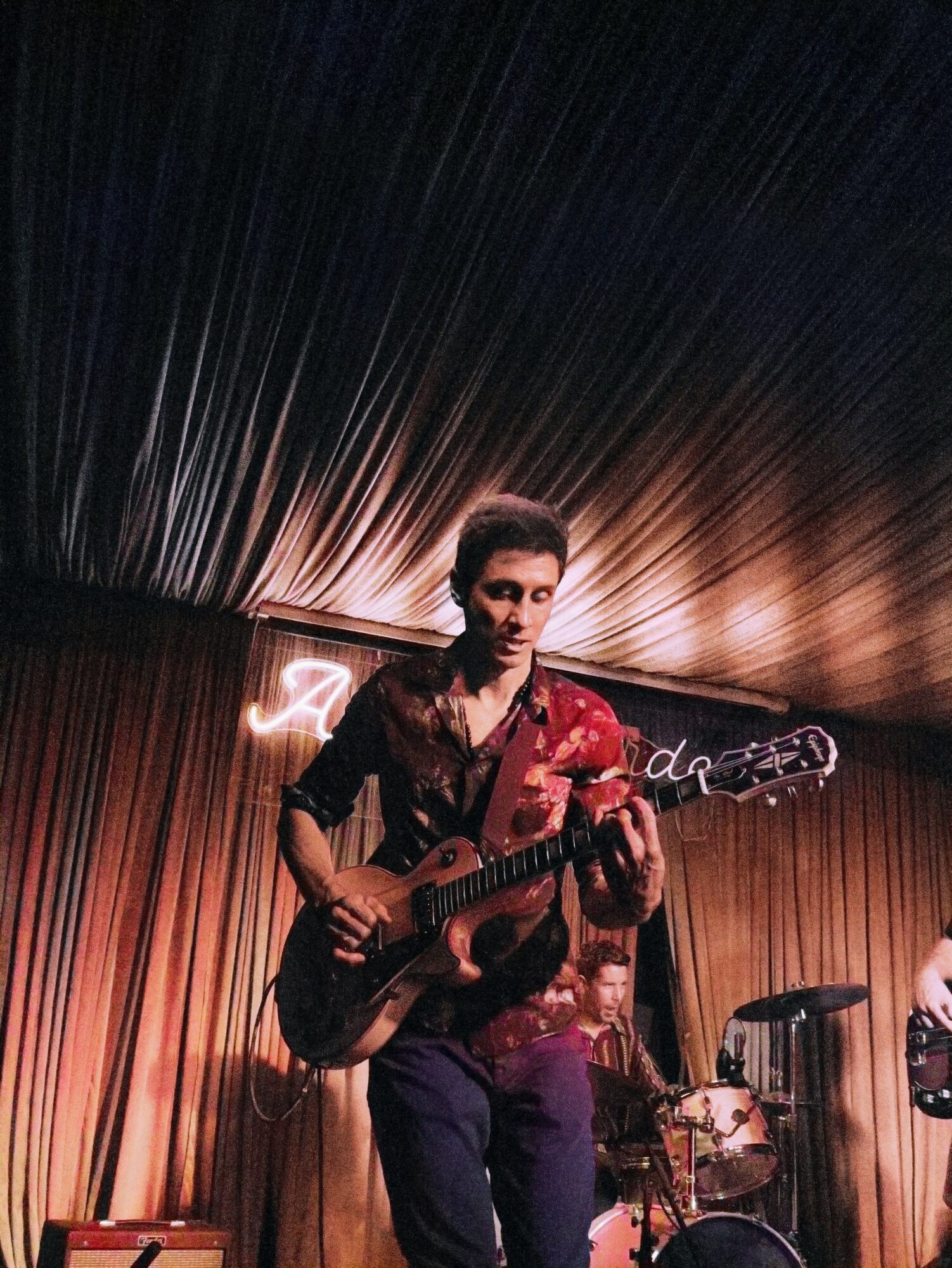
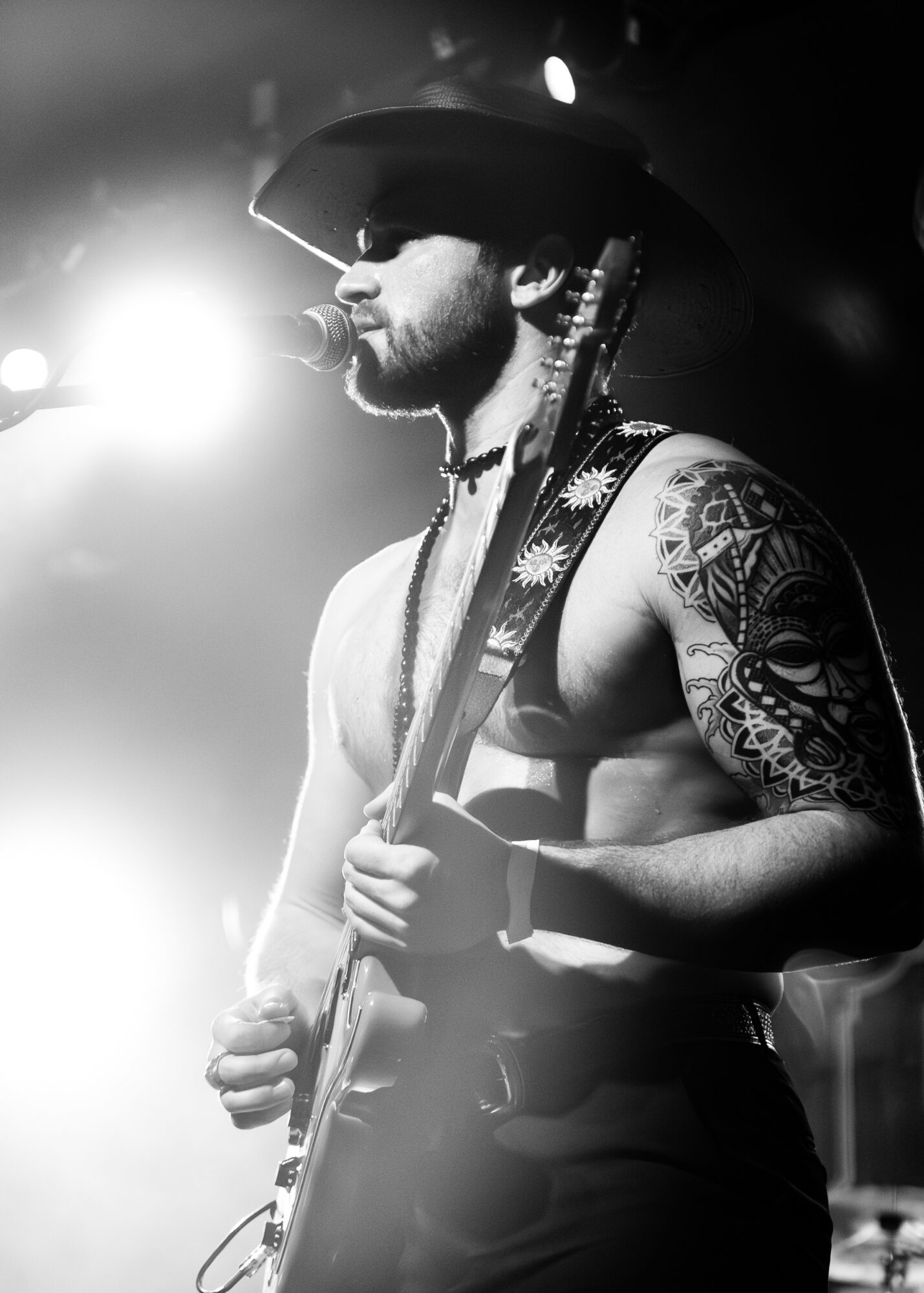
One thing that makes us unique is that we have four vocalists in the band. Each member comes from a different musical background and brings their own perspective to the songwriting process. Because of that, our songs often feel like conversations rather than a single voice speaking to the audience. We’re constantly discovering new ways to weave those voices together both in the studio and on stage.
More than anything, we’re known for creating music with intention. We didn’t choose the name Road to Reverie because it sounded good—we chose it because it reflects the message behind everything we do. We believe life is about the journey rather than the destination, and we try to carry that philosophy into our music, performances, and the community we’re building around the band.
What we’re most proud of isn’t any particular song or show. It’s the fact that something that started as a few friends meeting at an Austin open mic has grown into a creative family and a community of listeners who connect with the message. Hearing someone tell us that a song helped them through a difficult time or made them feel understood is always more meaningful than any number on a streaming platform.
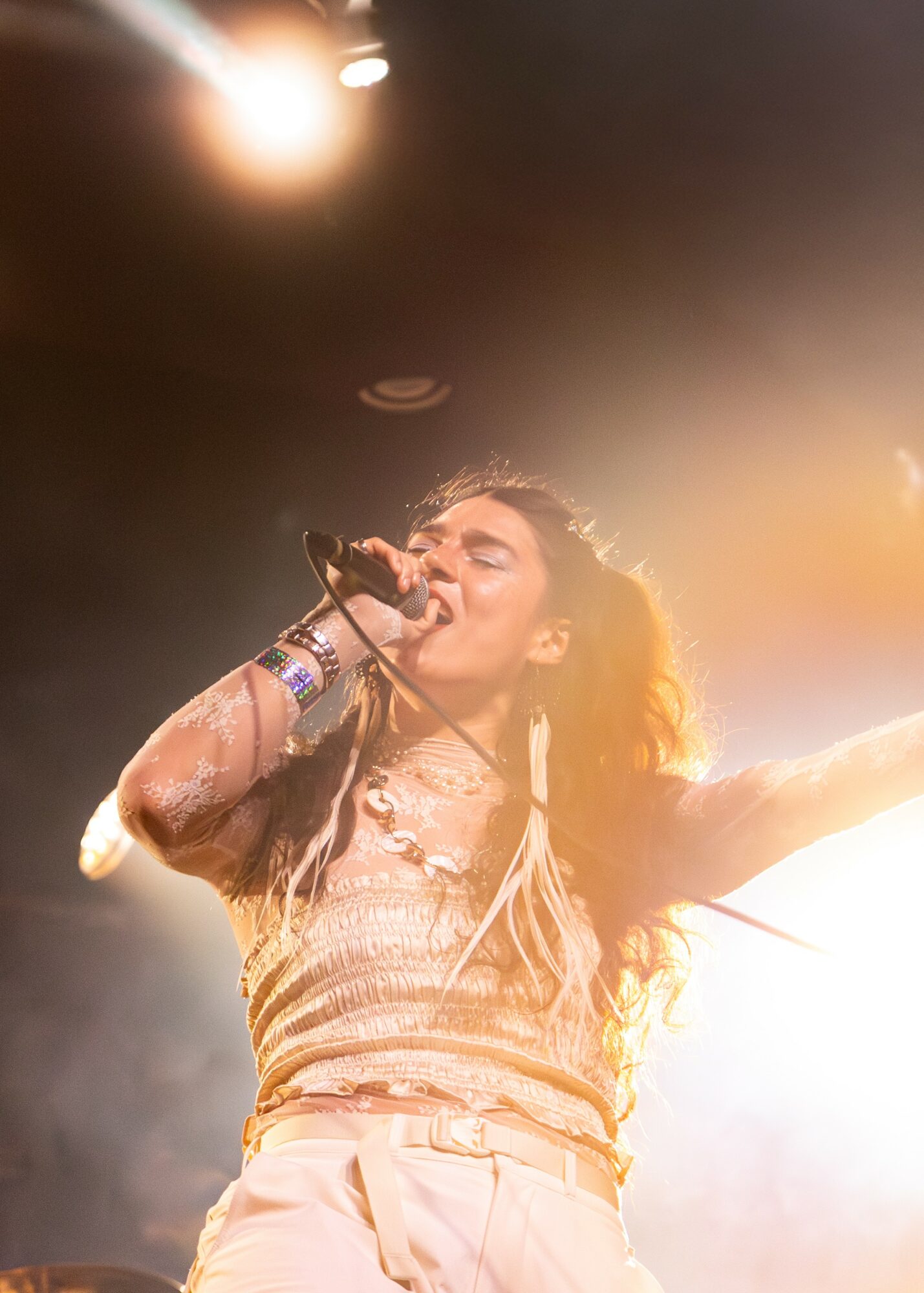
Within the band, as the lead and only female vocalist, I naturally gravitate toward developing vocal melodies, harmonies, and lyrics. Outside of the creative process, I’ve also taken on much of the band’s management and administrative responsibilities. I’ve helped oversee everything from forming our LLC and handling legal affairs to coordinating studio sessions, music video production, marketing campaigns, and long-term business planning.
What I love most is that I get to live on both sides of the music industry. I enjoy the songwriting and performance side just as much as I enjoy the strategy, branding, and entrepreneurship that happen behind the scenes. Designing posters, creating promotional materials, and developing marketing campaigns are all extensions of the same creative process for me. Every piece plays a role in helping our music find the people who need to hear it.
In many ways, that’s why I pursued a degree in communications and marketing. Even before Road to Reverie existed, I knew I wanted to understand how to build something sustainable as an artist. My goal was to equip myself with the tools necessary to navigate an industry that can often feel overwhelming for independent musicians. Today, I get to apply those skills directly to the band and help create opportunities that allow all of us to keep moving forward.
We’d be interested to hear your thoughts on luck and what role, if any, you feel it’s played for you?
I think luck has definitely played a role in our story, but maybe not in the way people usually think about it.
Looking back, there are a lot of moments that feel lucky. Yusuf and I happened to work at the same restaurant at the same time. We happened to start attending the same open mic regularly. We happened to meet Paul there. Sam was introduced to us through a mutual friend. Ethan was a longtime friend and former bandmate of Paul’s who entered the picture at exactly the right moment when we needed him most.
If any one of those events had unfolded differently, Road to Reverie might look very different today.
At the same time, I don’t think luck alone creates something sustainable. Every opportunity we’ve been given has required a lot of preparation, work, and persistence behind the scenes. The “lucky” moments only mattered because we were already showing up consistently, writing songs, rehearsing, networking, and investing in the project long before those opportunities appeared.
We’ve experienced our share of bad luck as well. Lineup changes, missed opportunities, financial limitations, and the normal growing pains that come with building an independent band can sometimes feel discouraging. But in hindsight, many of those setbacks ended up redirecting us toward something better. Losing members led us to finding people who were an even stronger fit. Missing one opportunity often created space for another one we couldn’t have anticipated.
I think what I’ve learned is that luck is often just preparation meeting opportunity. The more we put ourselves out into the world, the more opportunities seem to appear. Some of them are fortunate accidents, some are the result of hard work, and most are probably a combination of both.
In a way, our entire band is the result of a series of fortunate encounters, friendships, and decisions that all happened at the right time. For that, we feel incredibly lucky.
Contact Info:
- Website: https://sites.google.com/view/roadtoreverie/home
- Instagram: https://www.instagram.com/road2reverie
- Facebook: https://www.facebook.com/profile.php?id=61581370410484
- Youtube: https://www.youtube.com/@RoadToReverie
- Other: https://open.spotify.com/artist/32bak1zTiHPWA1viKxHgee