



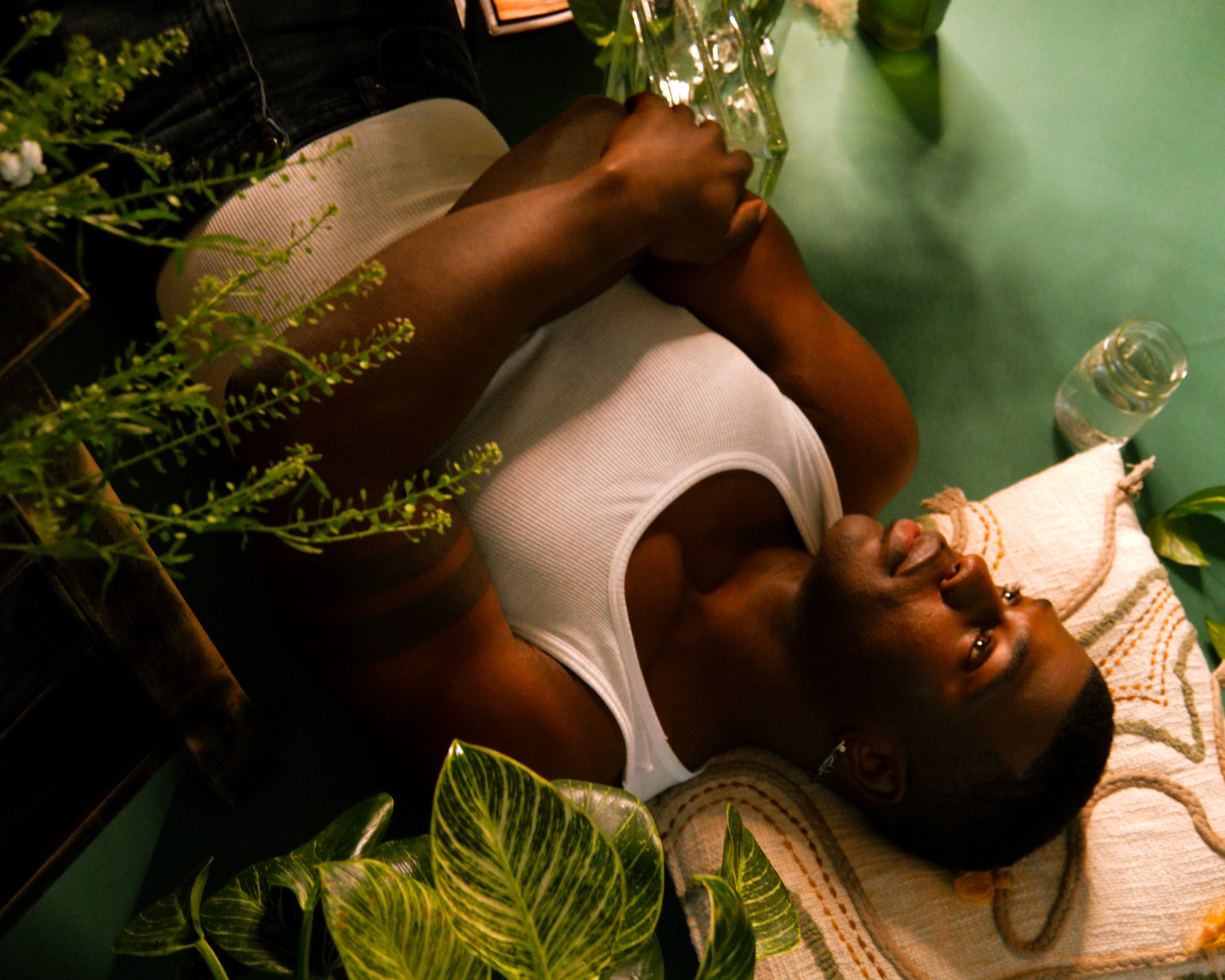
Today we’d like to introduce you to Ade Thomas.
Hi Ade, we’d love for you to start by introducing yourself.
I’ve always understood life through movement before language. As a kid, films like Step Up and Black Swan showed me that movement could mean both freedom and escape. I’m Ade Thomas (pronounced Ah-day), also known in creative and nightlife spaces as Adonis. I’m an artist, curator, and performer based in Austin, originally from Houston.
My journey started in photography and sociology. I was fascinated by how people are read in public spaces before they ever speak, how race, gender, posture, and clothing become instant assumptions. Reading Brent Staples’ “Just Walk on By,” I recognized something deeply familiar in the idea of “shrinking” to stay safe in public perception. For a long time, I stayed safely behind the camera. It gave me distance and let me study people and spaces without exposing myself, but I wanted more than survival; I wanted presence.
That pursuit of confidence led me to step out from behind the lens. I came up through some of the largest queer nightlife spaces in my city, rooms where identity is not fixed, but performed, negotiated, and expanded in real time. The more I immersed myself in these environments, my shame became my wings, and my survival became my catalyst. Alongside this, working in hospitality and wellness spaces taught me how environments quietly shape our emotional tone. Over time, Adonis emerged—not as a fake persona, but as a deliberate extension of self, the version of me that doesn’t collapse under visibility. Today, I work across photography, modeling, cultural curation, and nightlife promotion with The Concourse Project, while studying house, techno, and creative discipline. At the core of everything I do is one question: How do we reclaim authorship over the way we are seen?
I learned to perform before I learned to relax.
We all face challenges, but looking back would you describe it as a relatively smooth road?
No, it has been a constant negotiation between visibility and interpretation.
Being a young Black man in public spaces teaches you early that you are often perceived before you are understood. I became hyper-aware of my body in rooms very early—how I stood, how I moved, and how stillness could be misread. Living in Austin, there’s a never-ending dichotomy of spatial realization that affects me between blackness and my queerness. For a long time, I thought controlling the perception was the answer, but hyper-vigilance slowly becomes disappearance. My pursuit of confidence required letting go of that control. Photography gave me distance from that pressure, but nightlife removed the distance entirely. Although the visibility in the scene felt incredibly empowering, it coincided at times with a deep sense of emotional detachment, commodification, and quiet desperation. Shifting from observing culture to being actively inside it was a tough transition.
There were also quieter, heavier struggles: deep burnout, financial instability, and periods where I stopped creating altogether. I knew I was an artist, but I grew paralyzed from perfection to be vulnerable enough with myself to be curious enough to create. Through it all, I learned that discipline doesn’t always look like rigid structure. Sometimes it just looks like returning to a project and even to oneself after a long absence. Having friends like Deanna Ruff, who fully see me without a requirement for translation of soul, keeps me moving.
As you know, we’re big fans of you and your work. For our readers who might not be as familiar what can you tell them about what you do?
My work is deeply rooted in embodiment, how people move through space, and how space moves through people. Whether it’s a nightlife room, a wellness space, or a major cultural event, I study environments to understand what happens before language. I look at how lighting shifts behavior, how sound builds confidence, and how safety alters a person’s posture. That curiosity expanded from photography into cultural curation, nightlife promotion, and experiential design. Working in fluid queer nightlife spaces taught me that presence is something alive, responsive, and constantly being rewritten.
Lately, I’ve been building a community concept around the phrase All My Friends Are Hotter. To me, “hotter” has little to do with physical appearance and more to do with taste, creative energy, and the radical freedom people give each other to fully exist. Nightlife taught me that movement can become a profound form of personal authorship. I draw deep narrative inspiration from Dancing Through Explosions by Jim McFarlin. To me, that text perfectly reflects resilience through motion, showing how we can navigate disruption without losing our rhythm. In that same vein, I’ve always held a deep affinity for Kehlani. Her public journey—the raw transparency with which she navigates her queer identity, mental health, and the evolution of her visibility—feels deeply understanding and encouraging to my own. She models an artistry that refuses to hide.
I bring that exact philosophy into my current work with The Concourse Project and major cultural events like Seismic Dance Event, which continue to shape how I understand crowd energy, pacing, and collective movement. I’m also beginning to study DJing as a long-term practice—focusing on timing, tension, and emotional flow rather than just the music. Feeling the crowd light up and shift from behind the booth after a mix suggestion, as a performer energetically lit something up inside of me. What I’m most proud of isn’t a single accolade; it’s the fact that I am still in motion, transitioning from witnessing culture to actively helping shape it.
So maybe we end on discussing what matters most to you and why?
What matters most to me is how people are seen, held, and remembered in a space.
I care about creating environments where your presence does not have to be defended. Whether I am working in nightlife, hospitality, or art, I think a lot about the difference between being noticed and being truly understood. My mom has always been a grounding relationship for me in the way that I show up and in a way that is anchoring. At the center of everything is authorship. I refuse to be defined faster than I can define myself, and I want to build spaces where others don’t have to be either.
Pricing:
- 3 Day GA (Tier 1) $265.00
- 3 Day VIP (Tier 1) $410.02
Contact Info:
- Website: https://www.seismicdanceevent.com/
- Instagram: https://www.instagram.com/adnsthms
- Other: https://linktr.ee/adnsthms
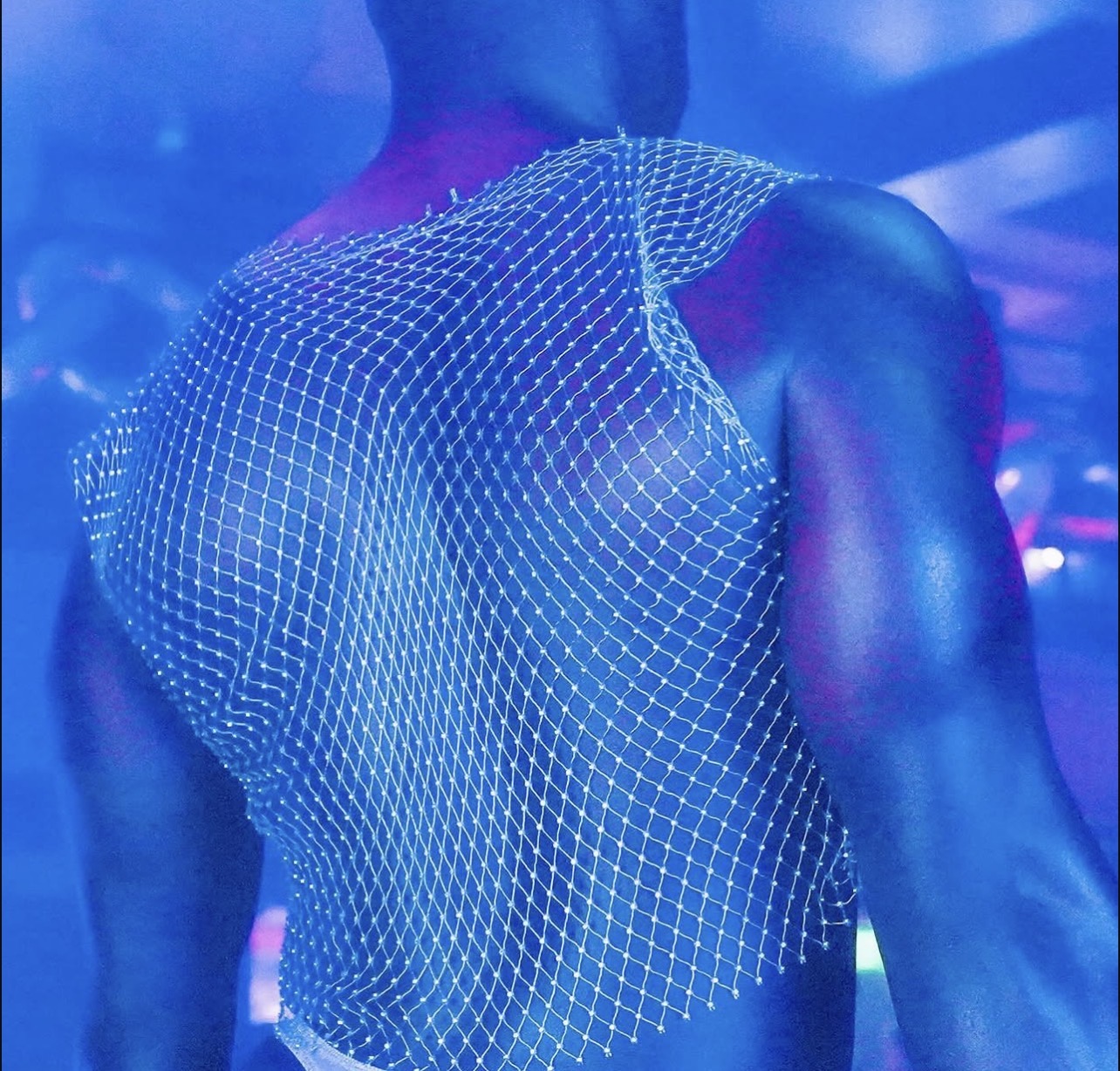
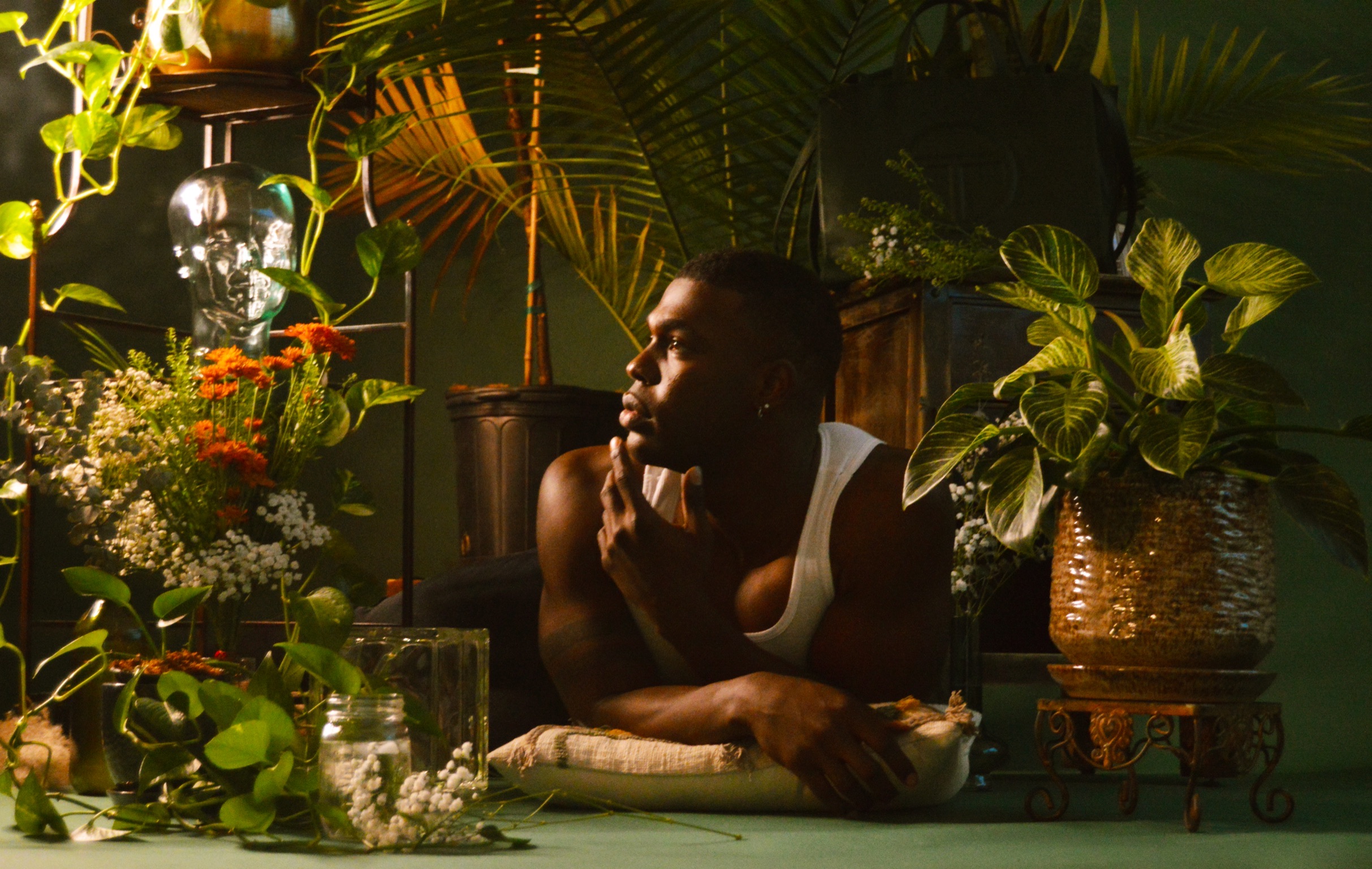
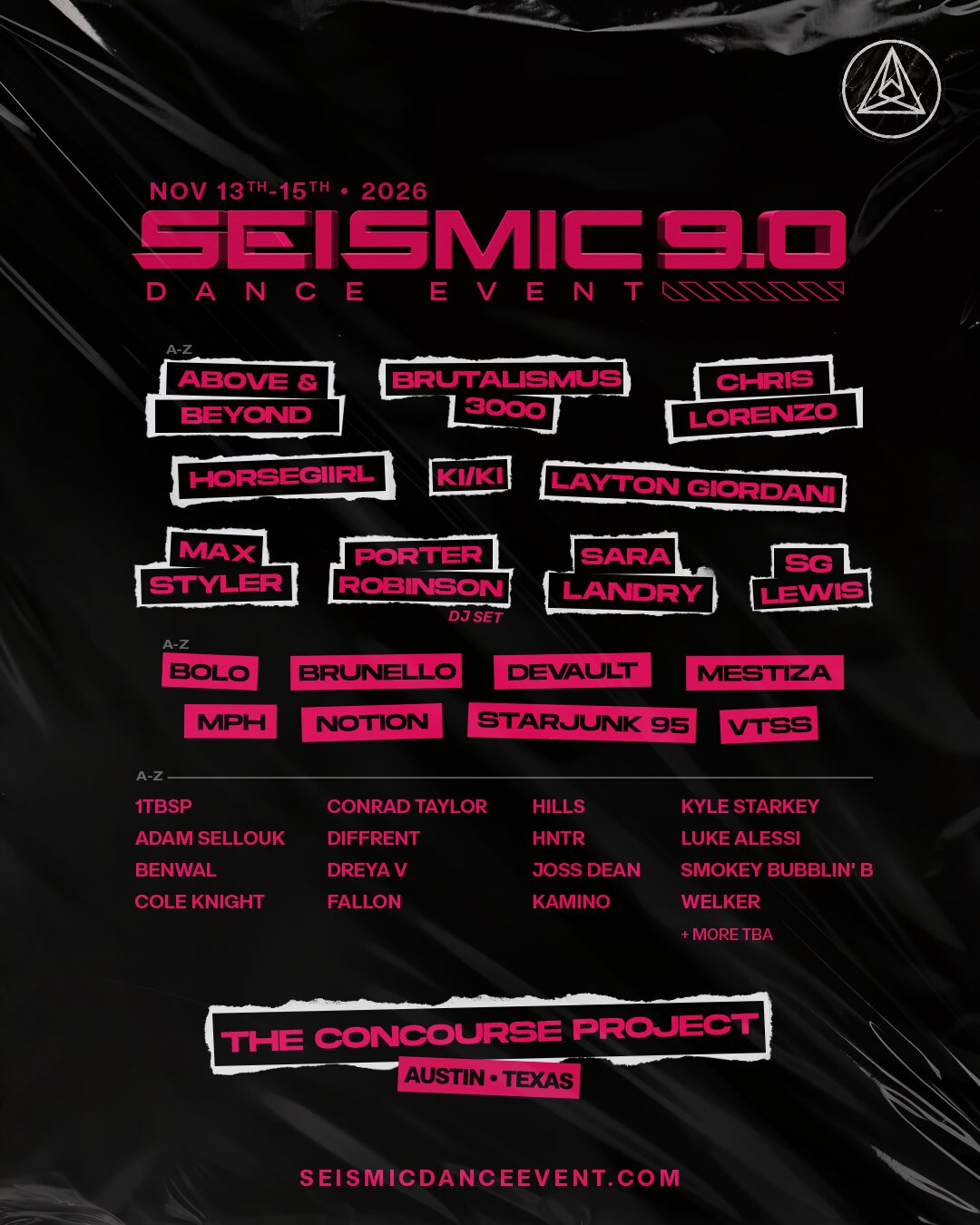
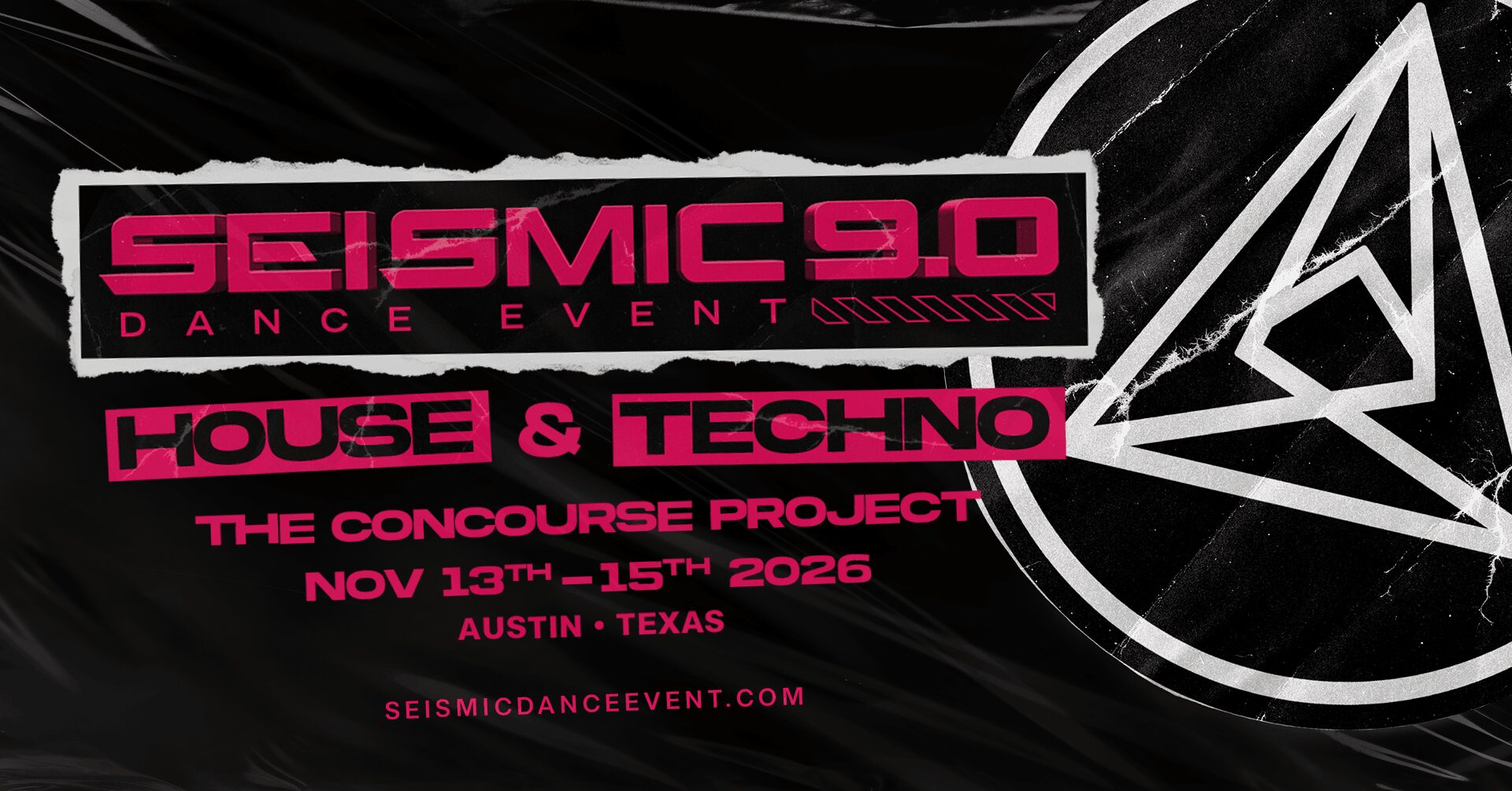
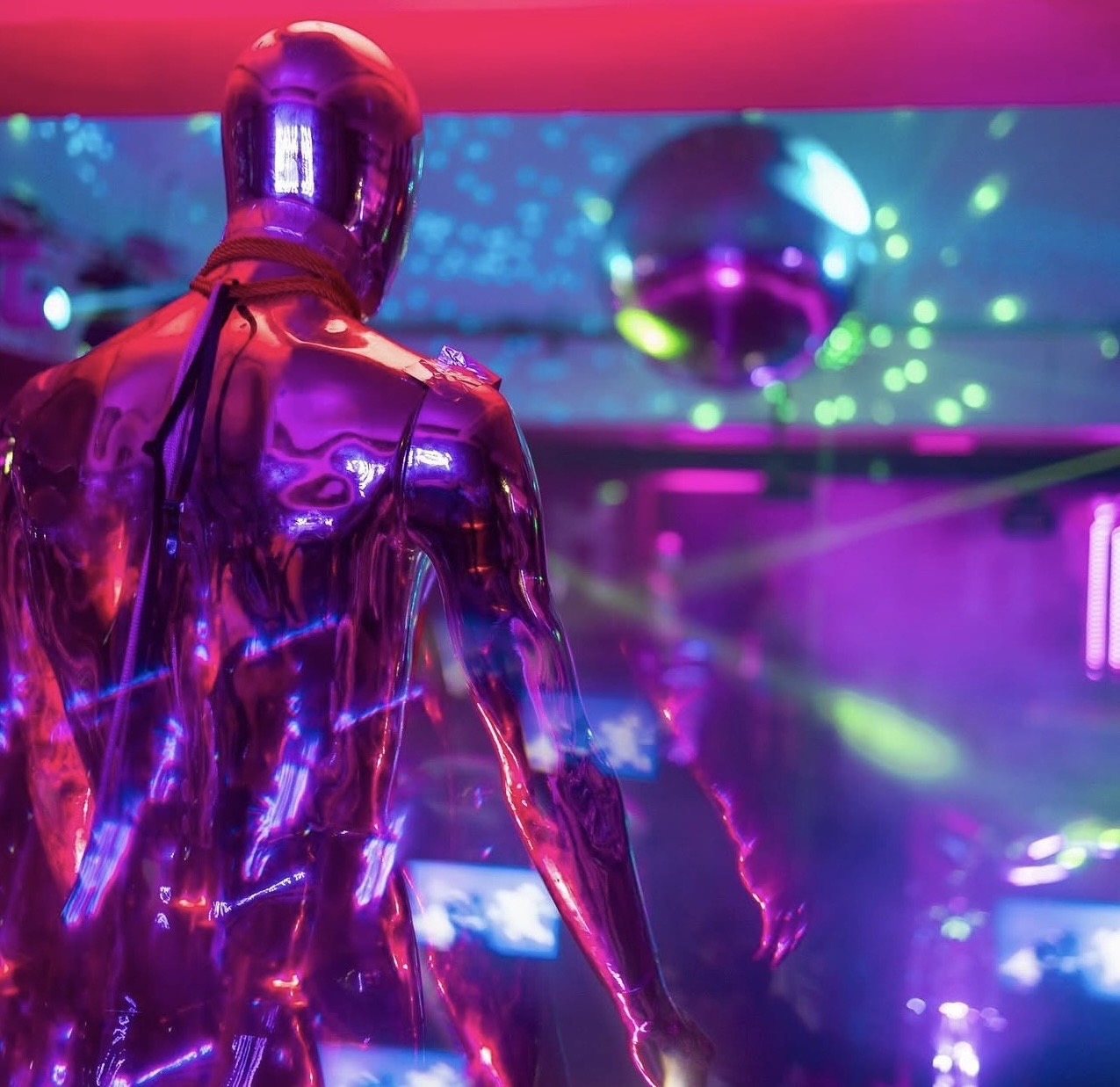
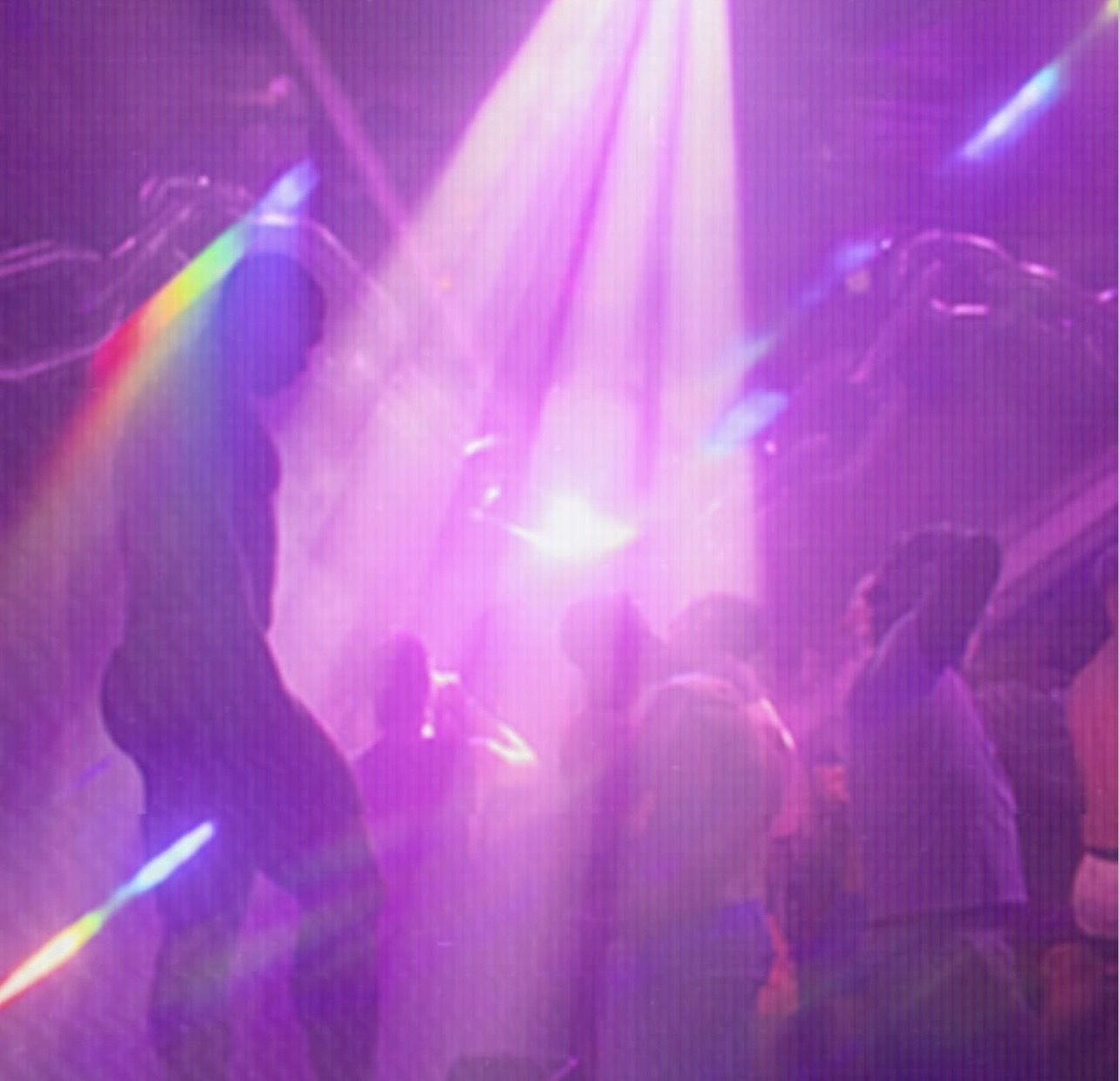
Image Credits
Kenny Jones, Austin Foxtail Allan, and The Concourse Project