


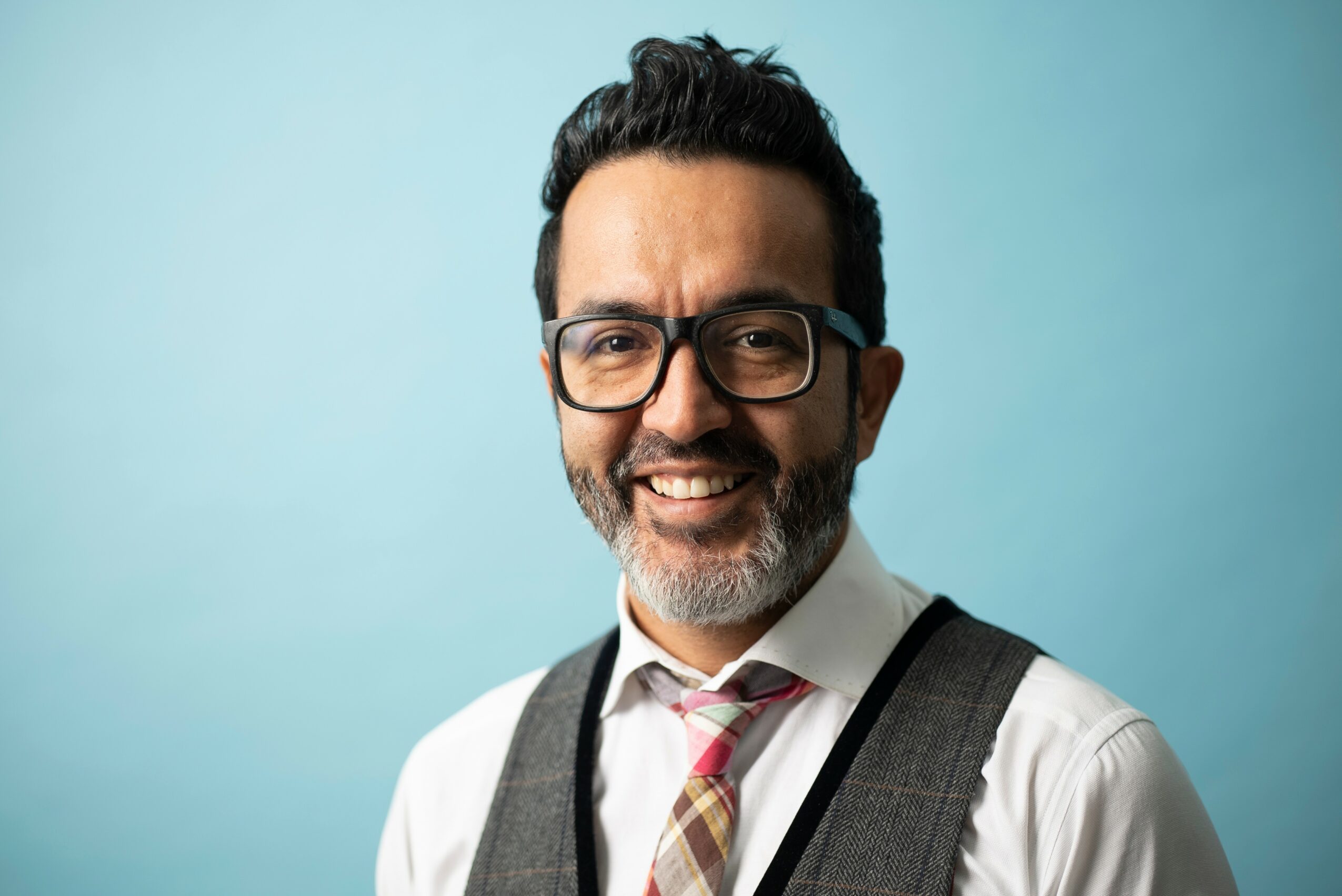
Today we’d like to introduce you to Ender Martos.
Hi Ender, we’re thrilled to have a chance to learn your story today. So, before we get into specifics, maybe you can briefly walk us through how you got to where you are today?
I’ve always believed that geometry isn’t cold; it is a map of the human heart, a way to make sense of a world that is constantly shifting beneath our feet.
My story begins in Mérida, Venezuela, nestled in the embrace of the Andes mountains. Growing up in a beautifully diverse, blended family, I discovered drawing as a way to anchor myself. I would stare at the peaks, trying to capture the feast of Andean light and color, the way the sun fractured across the valleys. That obsession with space led me to study architecture at the Universidad de Los Andes. I loved the technical precision, but I kept hitting a wall: I didn’t just want to build structures; I wanted to make people feel.
In 1998, my life fractured and reconstructed itself. I immigrated to the United States, arriving in Houston at twenty-one. Suddenly, I was an outsider trying to navigate a new language and a staggering new reality. The romanticism of being an artist was replaced by the grueling survival of Houston summers, climbing into suffocatingly hot attics for construction work, and later, spending five years selling phones at T-Mobile. But the grid never left my mind. Even during those long hours, I was obsessively drawing lines, seeking order in the chaos.
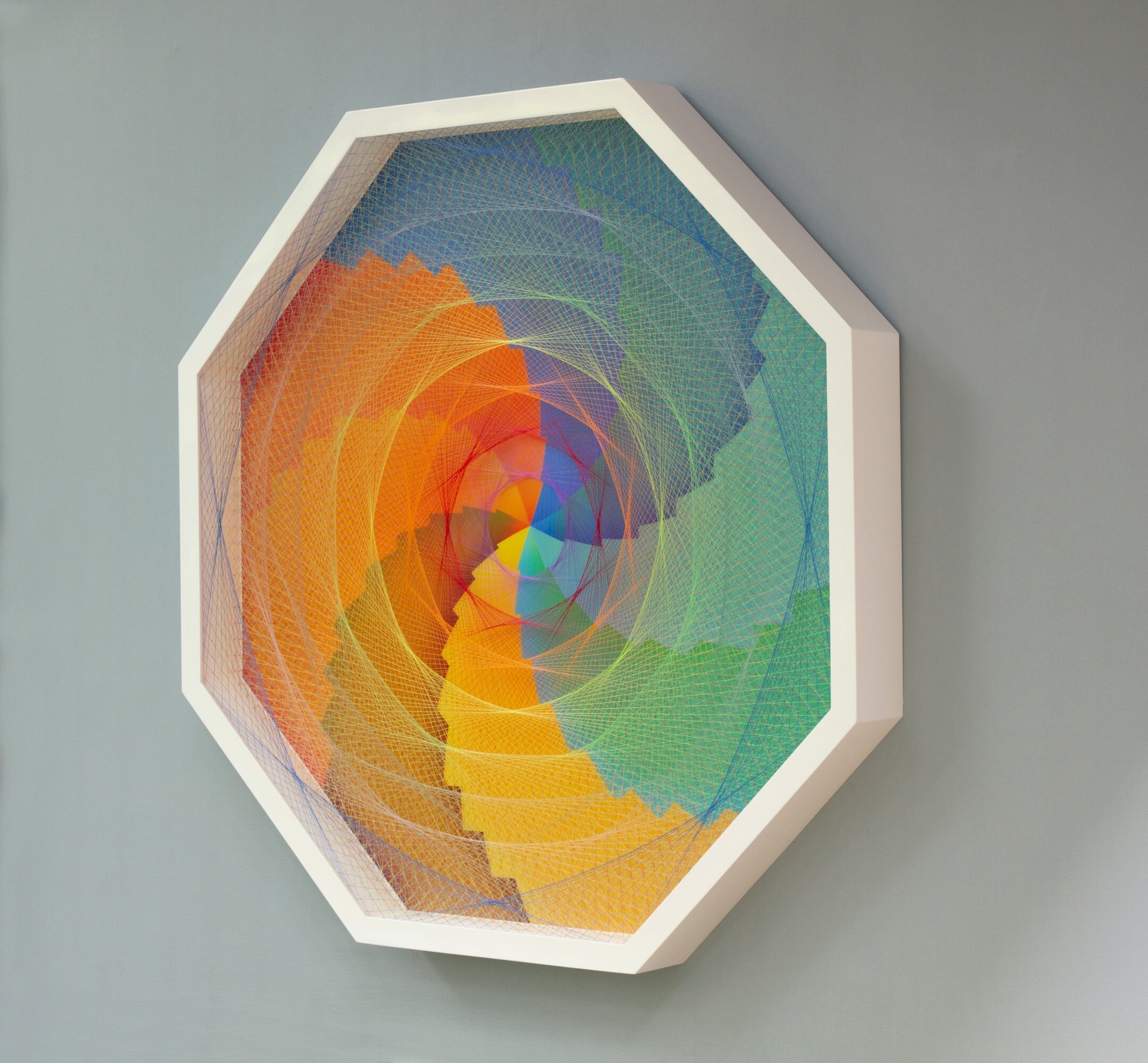
The turning point came when I moved to Austin and studied at UT. Looking at my dense, technical drawings, I had a sudden epiphany: I needed to rip these lines off the flat paper and force them into three dimensions. I began experimenting with translucent monofilament lines, stringing them in complex, vibrating geometric patterns. I wanted to channel the genius of Venezuelan kinetic masters like Jesús Rafael Soto, Carlos Cruz-Diez, and Gego, but translate it into my own contemporary American reality.
When you stand in front of my work, it doesn’t sit passively. It demands your body. As you move, the layered lines oscillate and shimmer, transforming into a living, breathing dialogue of color and light. For me, this kinetic dance represents the immigrant experience—that perpetual state of shifting perspective, of balancing between who you were and who you are becoming.
Getting to where I am today required a leap of faith. One day, driven by pure curiosity, I decided to take a guerrilla art approach. I took my entire practice out of the isolation of the studio and into the public square. I found an immense, profound sense of satisfaction during the process of installation. Interacting directly with passersby and sharing that raw creative moment allowed me to truly discover the beauty of public art. It wasn’t about an elite gallery space; it was about immediate, human connection.
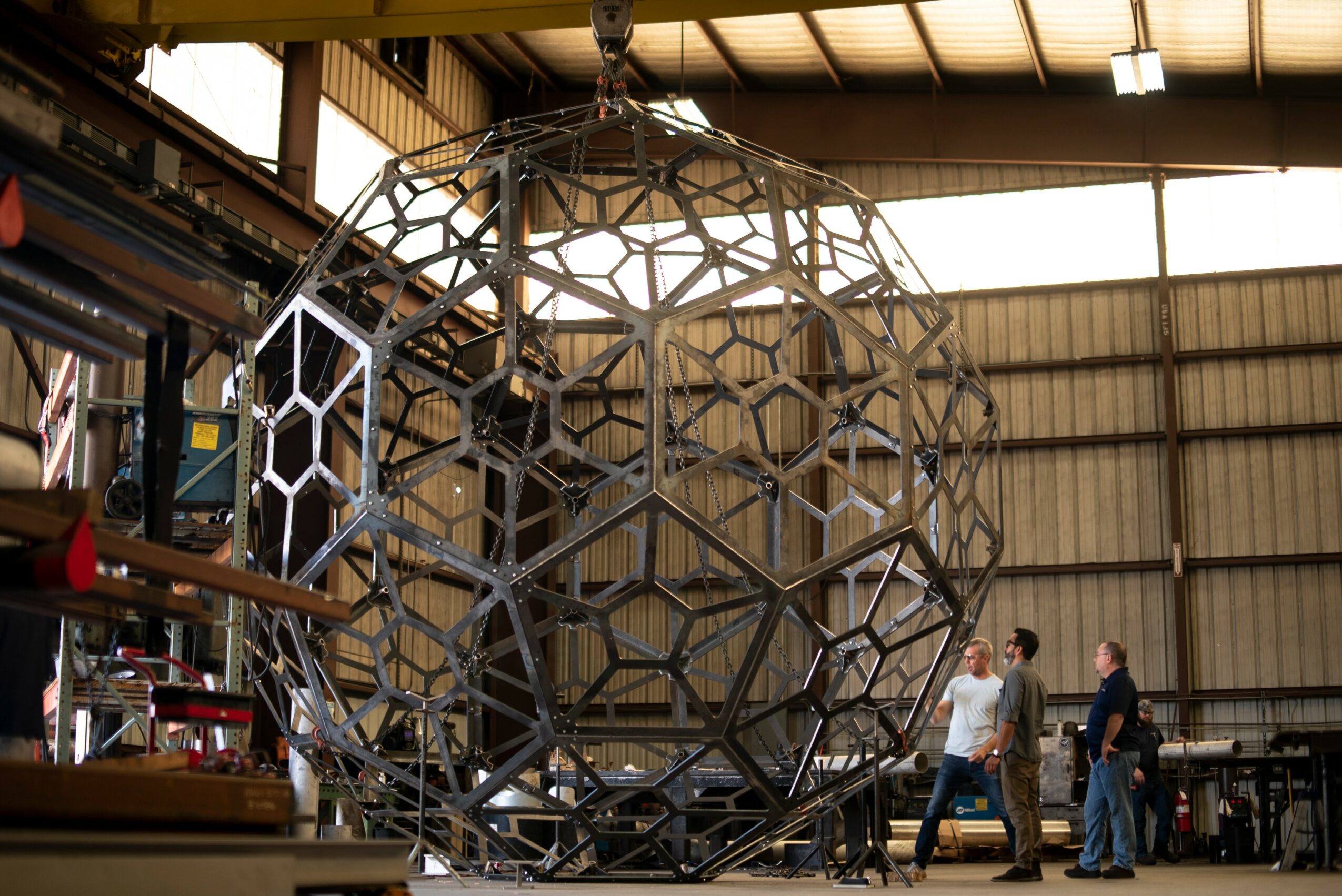
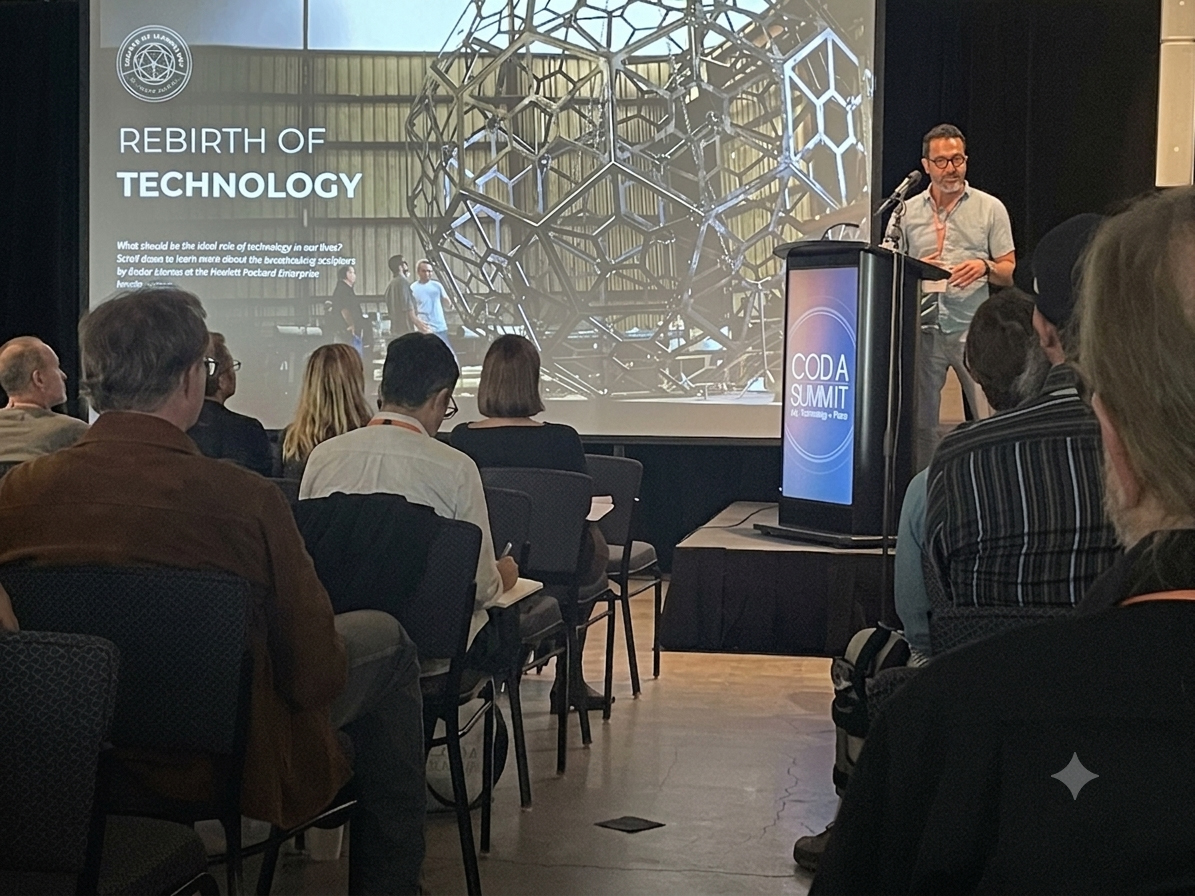
A beautiful poetic symmetry emerged in 2021 when I launched my exhibition Veintiuno: I realized I had spent exactly twenty-one years in Venezuela, followed by twenty-one years living, breathing, and creating in Austin. That journey culminated in major public works like Rebirth of Technology, a massive tree sculpture for the Hewlett Packard Enterprise global headquarters. Built from interconnected geometric structures, it reflects how technology, nature, and human resilience intertwine.
Today, I am still building bridges out of thread and light. Geometry remains my universal language to break down societal hard edges and foster empathy. I want my work to remind people that no matter how fragmented our journeys feel, art has the power to stitch our worlds back together, one vibrant line at a time.
I’m sure it wasn’t obstacle-free, but would you say the journey has been fairly smooth so far?
The road has been anything but smooth. When you look at a finished kinetic sculpture in a pristine gallery or a corporate lobby, it can look flawless, precise, almost effortless. But behind that mathematical perfection lies a story of friction, exhaustion, and deep uncertainty.
The first major struggle was purely physical and economic. When I arrived in the U.S., I had to put my creative aspirations on hold just to survive. There is a brutal, humbling reality to working construction in the suffocating heat of Texas summers, hauling materials and climbing into attics, or spending years working retail while your mind is quietly exploding with artistic ideas. For a long time, my studio was just a tiny kitchen table or whatever corner I could find after an exhausting ten-hour shift. The challenge wasn’t just finding the time to create; it was protecting the mental energy required to dream when your body is spent.
The second obstacle was navigating the psychological tightrope of the immigrant experience. You find yourself suspended between two worlds—never fully an insider in your new home, yet slowly becoming a stranger to the place you left behind. That sense of displacement can easily paralyze you. I had to learn to take that emotional fragmentation and channel it into the work.
Finally, there was the immense technical and financial risk of executing my vision. Monofilament is an unforgiving medium. It requires miles of thread, precise tension, custom-fabricated frames, and hundreds of hours of manual labor. In the early days, funding these large-scale, three-dimensional experiments out of my own pocket was a massive gamble.
Because I didn’t want my work locked away behind elite walls, I adopted a guerrilla art approach. I deliberately took my practice outside the safety of the studio and into public spaces. The true reward of that risk wasn’t just the final product, but the profound satisfaction of the installation process itself—interacting directly with passersby, answering questions from curious strangers, and watching people connect with the work in real-time.
I’ve come to realize that the friction is where the magic happens. Those years of balancing survival with creative obsession taught me resilience. They stripped away any pretension and left me with a pure, urgent need to communicate. Every grueling hour in my past became the fuel for the light, movement, and community connection in my work today.
Alright, so let’s switch gears a bit and talk business. What should we know about your work?
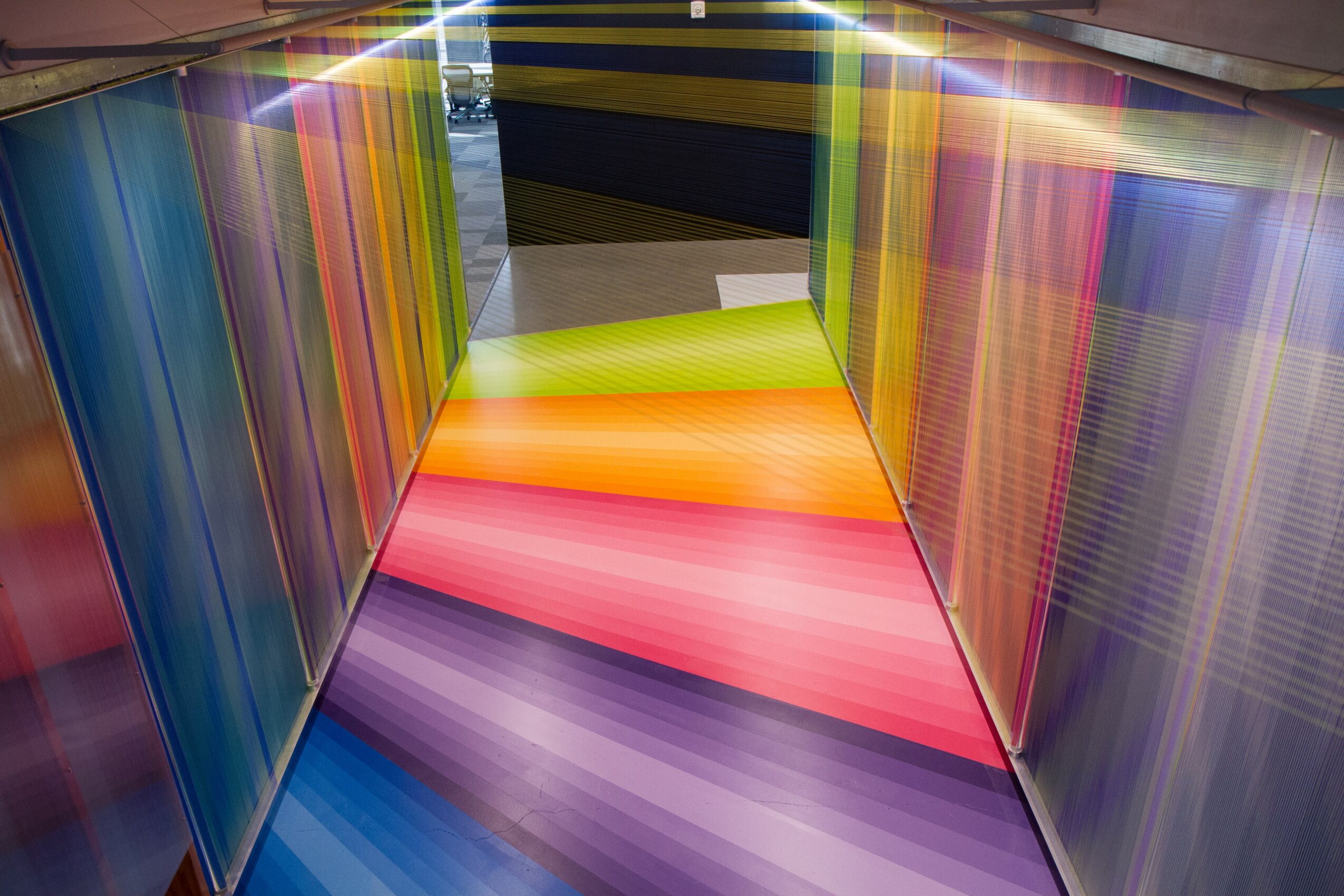
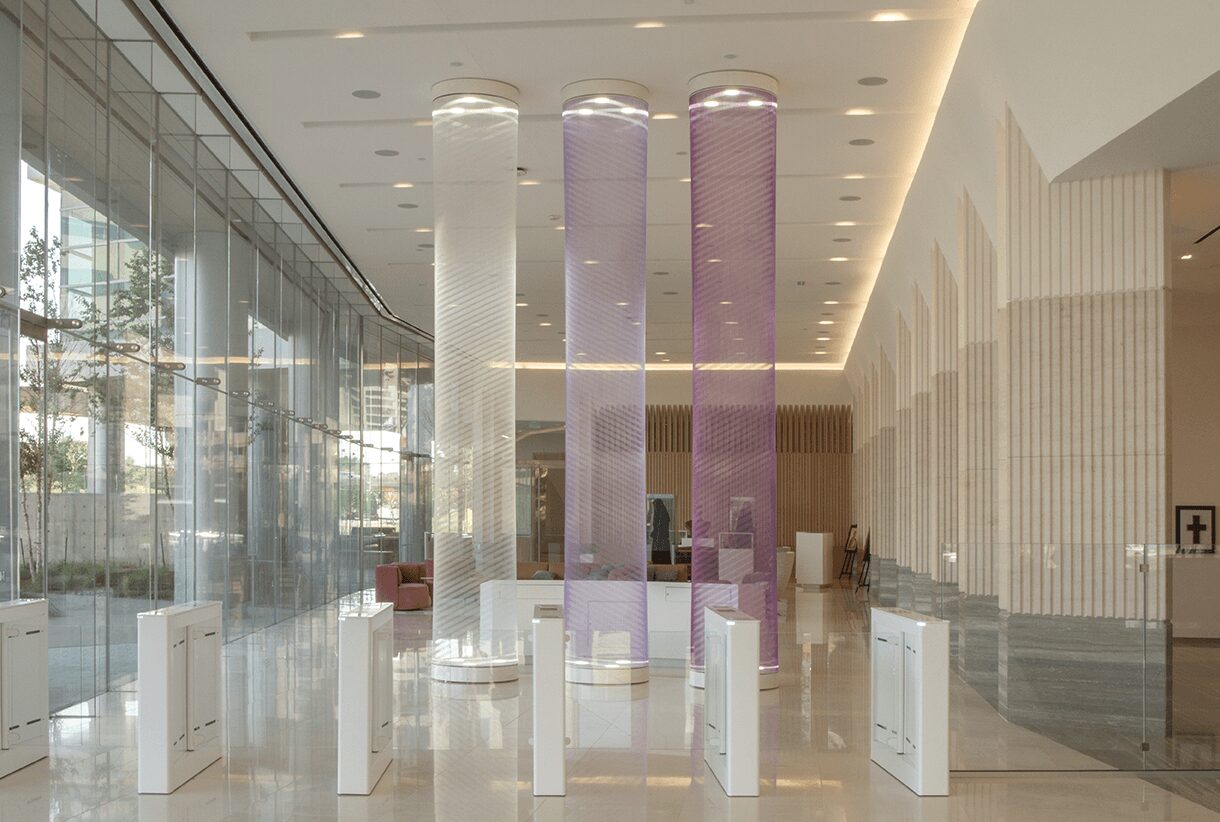
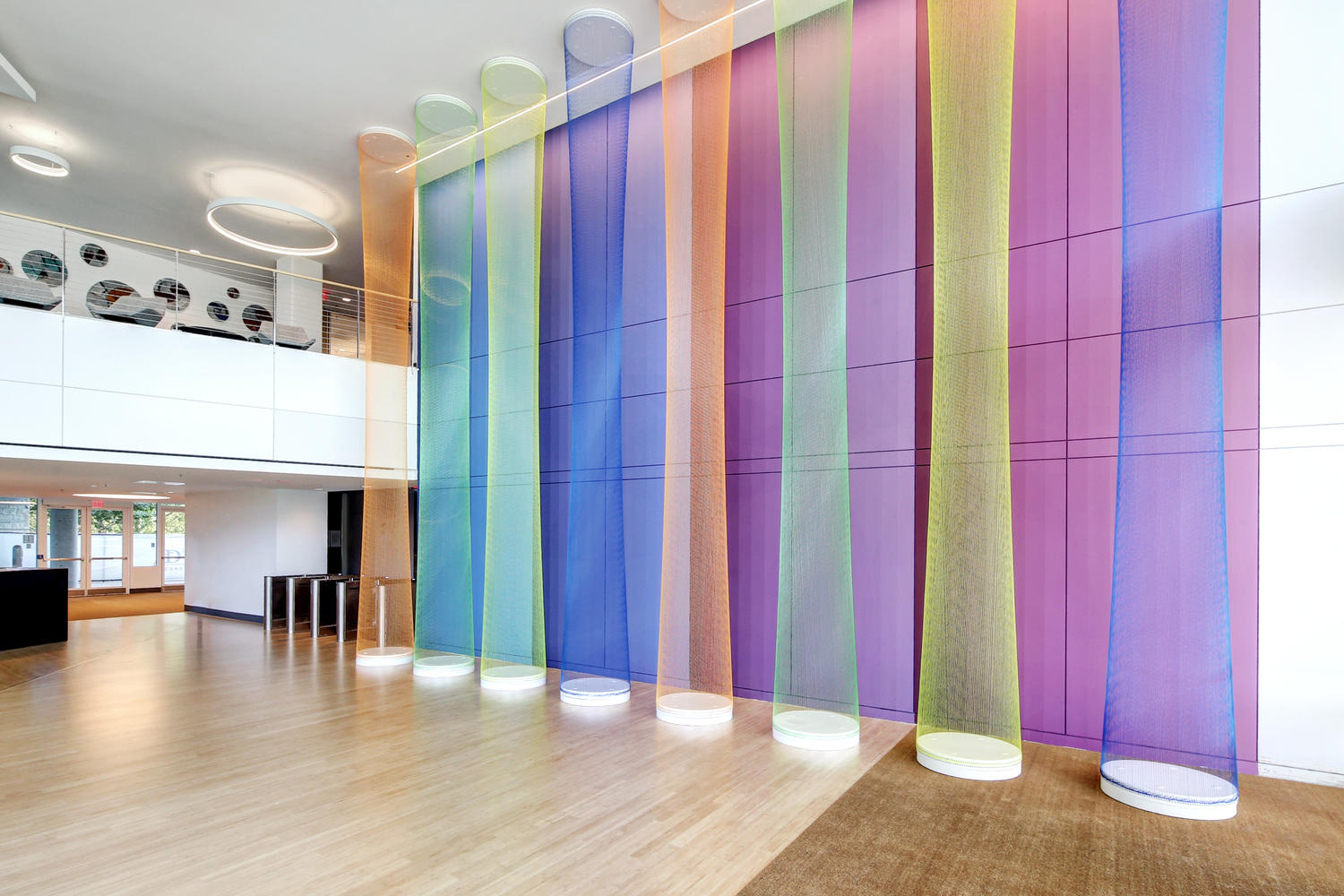
I describe myself as a kinetic sculptor, but what I really do is sculpt light, movement, and human perception. My specialty lies in transforming the rigid, mathematical perfection of geometry into a living, breathing emotional experience. I am known for creating large-scale, three-dimensional installations out of miles of translucent monofilament lines, acrylic panels, and reflective surfaces. When these materials are meticulously layered, they create optical energy and shifting moiré effects—patterns that shimmer, vibrate, and dance across the field of vision.
What sets my work apart is the deliberate fusion of rigorous technical precision with a profound sensory warmth. My early studies in architecture and technical drafting gave me the discipline to handle complex grids and precise mathematical layouts. But instead of leaving those lines cold, I infuse them with the vivid, sun-drenched palette of my Venezuelan heritage—the feast of Andean light and color I absorbed growing up in Mérida. I stand on the shoulders of Venezuelan kinetic masters like Jesús Rafael Soto, Carlos Cruz-Diez, and Gego, but I translate that legacy through the dual lens of an immigrant who has spent over two decades navigating the vast landscapes of Texas. I am an insider and an outsider all at once, and my art reflects that perpetual shifting of perspective.
In series like Luz y Movimiento (Light and Movement) and Reflections, the art refuses to sit passively on the wall. It actively demands your body. As you walk past a piece, the lines oscillate, the colors bleed into one another, and you find yourself enveloped in a vibrating geometry that changes with your every step. The viewer is not just looking at the artwork; their movement is what completes it.
When I look back at my journey, there are specific milestones that fill me with immense pride. Taking the leap of faith to go full-time after my first major solo show was terrifying but liberating. I am incredibly proud of how my work has resonated within both the contemporary art world and major corporate spaces, leading to exhibitions like Veintiuno and commissions for companies like Meta and SpaceX.
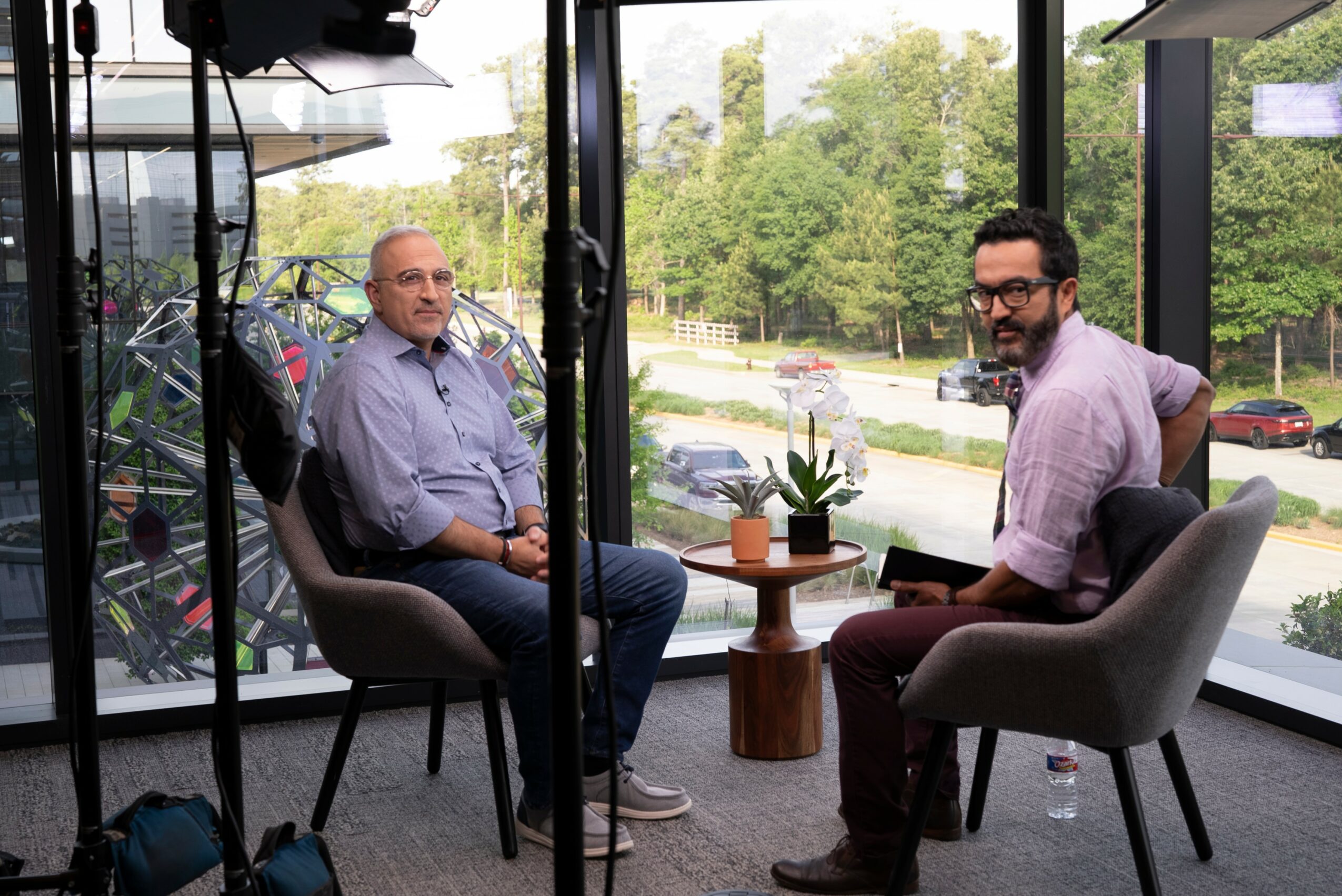
But my absolute proudest achievement is the work I do in the public sphere, creating monumental art that reaches everyday people. A pinnacle of this is Rebirth of Technology, a towering sculpture created for the Hewlett Packard Enterprise global headquarters. Anchored by solid Texas limestone roots that sprout into a matrix of colored panels, thousands of hand-strung monofilament lines, and dynamic LED lighting, it mimics a massive tree. It is a true synthesis of technology, nature, and human interconnection. To have that piece recognized by CODAworx was deeply validating, because it proved that abstract geometry could tell a deeply human story of resilience.
Ultimately, what truly sets my practice apart is the belief that geometry is a universal language capable of breaking down societal hard edges. Looking forward, my drive is only growing. I want to create even bigger, more immersive, and impactful public pieces that celebrate life and diversity. I want to continue building these bridges out of thread and light, shifting perceptions and moving hearts, reminding everyone who steps into the path of my work that we are all deeply, beautifully interconnected.
We’d love to hear about how you think about risk taking?
To me, risk is not about being reckless or chasing a thrill. It is the necessary friction required to transform uncertainty into beauty. When you look at my kinetic sculptures, they are defined by a strict, mathematical harmony—miles of translucent monofilament lines strung with absolute, calculated precision. But the only reason those lines can vibrate with light and color today is because I was willing to let my life fracture, over and over again, to find them.
The first and most defining risk of my life happened in 1998, when I was twenty-one. I was studying architecture at the Universidad de Los Andes in my hometown of Mérida, Venezuela. I was surrounded by a beautiful family and a rich, sun-drenched landscape. But I felt a pull toward something deeper: I didn’t just want to design structures; I wanted to make people feel. Against my father’s wishes, I packed my life into a suitcase and immigrated to the United States. Leaving everything you know is a terrifying leap into the dark. Suddenly, you are an outsider, stripped of your safety net and your language, forced to rebuild your identity from scratch.
In those early years in Houston, risk looked like survival. It was the physical and mental endurance required to work grueling construction jobs in the suffocating Texas summer heat, hauling materials and climbing into blazing hot attics, or spending five years working retail to keep the dream alive. The risk wasn’t just physical exhaustion; it was the vulnerability of protecting my inner creative fire when my body was completely spent. Even then, I was obsessively drawing lines, using geometry as a lifeline to find order in a world that felt completely uprooted.
The turning point came when I moved to Austin and studied at UT, eventually leading to my first major solo exhibition, Luz y Movimiento (Light and Movement). I had a stable paycheck, a comfortable life, and every reason to stay put. But the art was demanding more of me. I made the terrifying decision to walk away from corporate stability and go completely full-time as an artist. To commit your entire livelihood to stretching thread across acrylic frames, hoping to channel the genius of Venezuelan kinetic masters like Soto, Cruz-Diez, and Gego into an American context, felt insane to many. But I knew that if I didn’t give those vibrating lines my everything, I would be betraying the kid who left the Andes.
That leap of faith unlocked a new kind of creative courage. Driven by pure curiosity, I started taking a guerrilla approach to public art. I remember the nervous thrill of installing a piece on the Lamar Beach bridge, taking the practice entirely out of the safety of the studio and into the unpredictable public square. The reward was instant and profound: interacting directly with passersby, watching strangers pause, smile, and discover the magic of shifting color and light in real-time. It taught me that public art belongs to the people.
That lesson prepared me for the highest-stakes risk of my career: Rebirth of Technology, a towering, monumental tree sculpture for the Hewlett Packard Enterprise global headquarters. We had to execute this massive piece during the height of the pandemic, navigating compressed timelines and global supply-chain chaos. Every frame, every LED light, and every single strand of monofilament had to be perfect. The pressure was immense, but the payoff was a true synthesis of nature, technology, and human interconnection.
Looking back during my exhibition Veintiuno—which beautifully marked twenty-one years in Venezuela and twenty-one years creating in Austin—I realized that every major breakthrough in my life came from embracing discomfort. Today, I don’t fear risk; I look for it. It is the universal language of the immigrant, a calculated act of hope that claims a place in the world. As I look to the future, I want to take even bigger risks, building more immersive, impactful public monuments that celebrate our diversity and remind us all how deeply, beautifully interconnected we truly are.
Contact Info:
- Website: https://www.endermartos.com/
- Instagram: https://www.instagram.com/endermartos/
- Facebook: https://www.facebook.com/enderjaviermartos
- LinkedIn: https://www.linkedin.com/in/ender-martos-4a427431/
- Twitter: https://x.com/ender49743
- Youtube: https://www.youtube.com/@endermartos6641/videos