


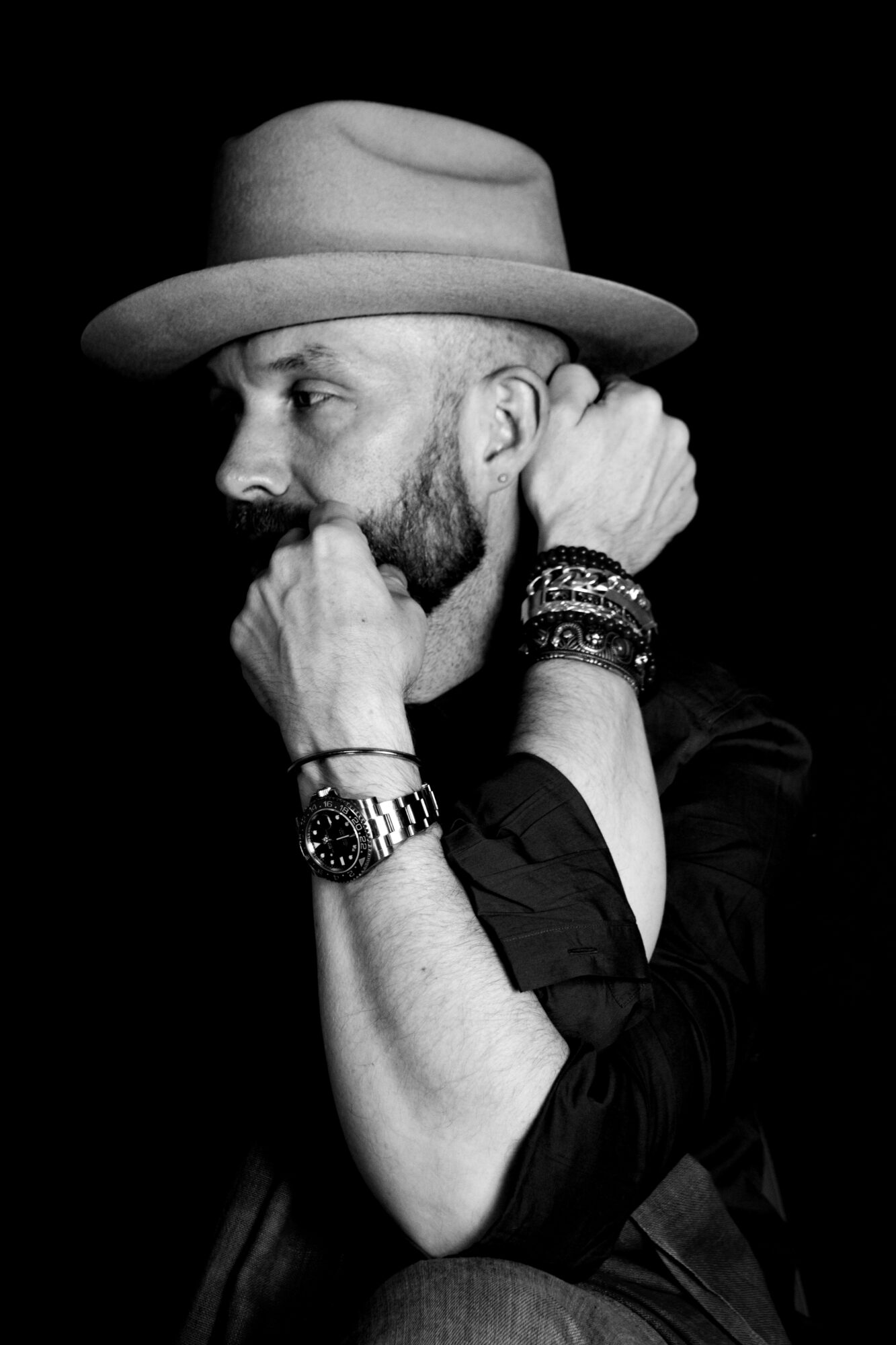
Today we’d like to introduce you to Cory Brian Ingram.
Hi Cory Brian, please kick things off for us with an introduction to yourself and your story.
Hospitality. Wellness. Real Estate. COG
Designing Places, Brands, and Experiences That People Belong To.
For more than fifteen years, I have worked at the intersection of hospitality, beauty wellness, design, and real estate, helping developers, founders, and investors transform ideas into brands, destinations, and experiences that shape culture.
My career has never followed a traditional path. Instead, it has been driven by a fascination with how people connect places to stories and to one another. I’ve always believed that the most impactful hospitality products and brands are built through the thoughtful integration of strategy, storytelling, design, and human experience.
As a strategic advisor, creative director, designer, and operator, I specialize in uncovering value through innovative concepts, experiential design, and brand creation. I approach every project with an editorial mindset, looking beyond the physical asset to discover the deeper narrative that gives it meaning. Whether I am advising on a mixed-use development, repositioning a hospitality brand, designing a wellness concept, or creating a new venture from the ground up, my focus remains the same: creating places people don’t simply visit, but remember.
Throughout my career, I have guided developers, hospitality brands, and entrepreneurs from early concept through brand development, design, content creation, and market launch. My work spans hotels, restaurants, wellness concepts, residential projects, and mixed-use developments, where I lead multidisciplinary teams of architects, designers, operators, and partners toward a cohesive vision.
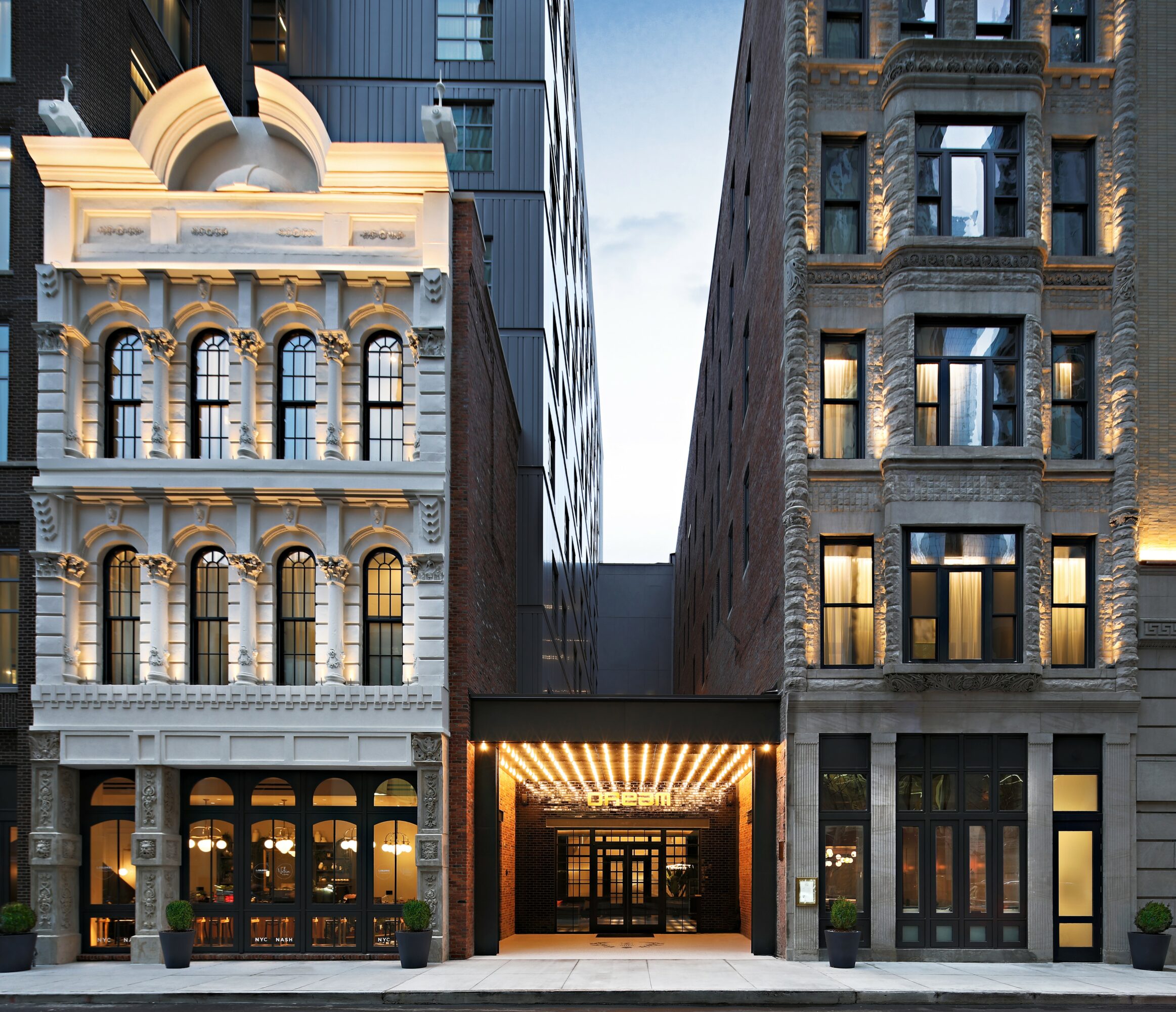
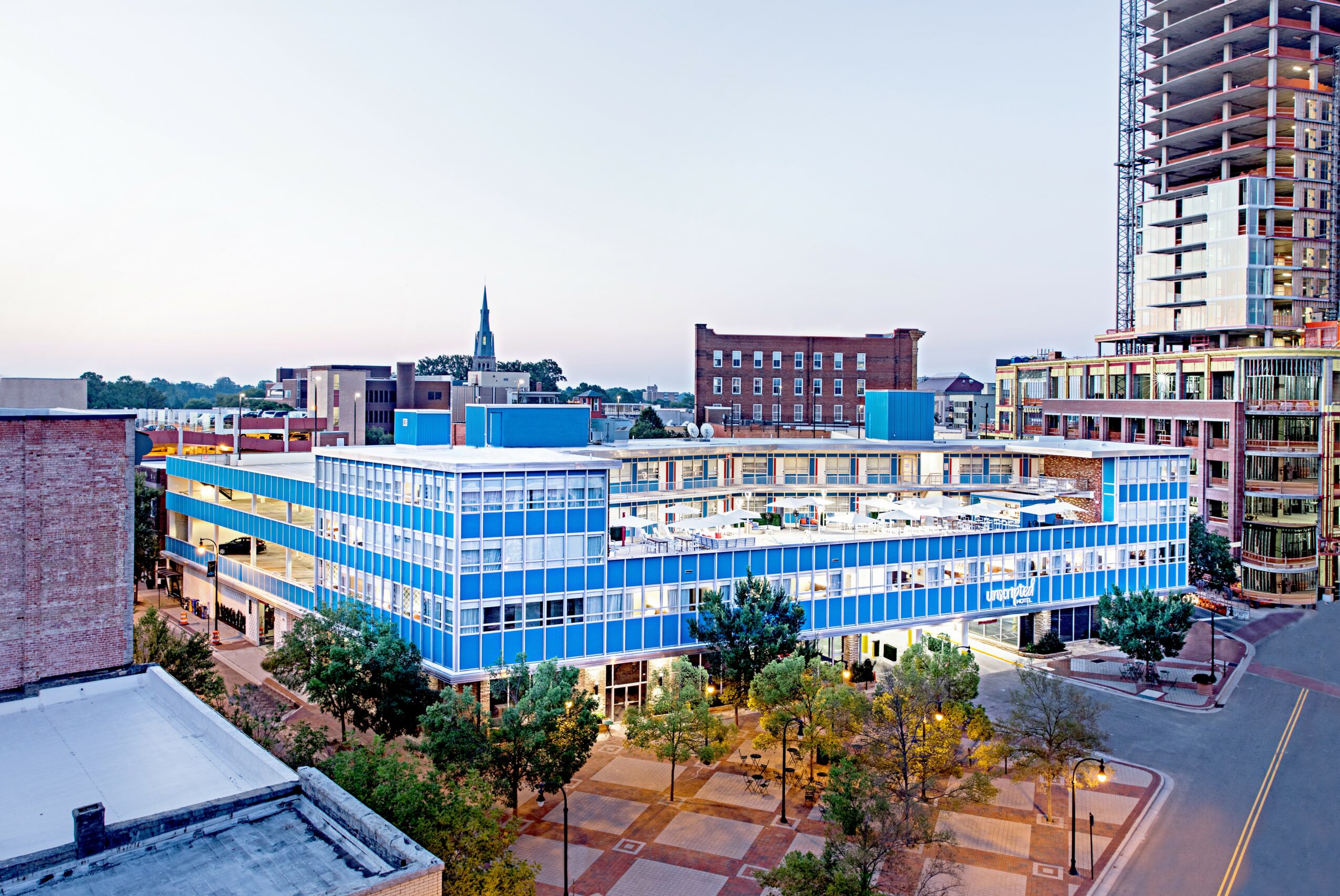
This ability to bridge strategy and creativity has contributed to the development of award-winning hospitality concepts, including hotel products that ultimately generated more than $300 million in value through acquisition by Hyatt Hotels. Along the way, I have learned that successful brands are never built on aesthetics alone; they are built on a compelling point of view, a clear business strategy, and an emotional connection with the people they serve.
I believe hospitality exists far beyond the walls of a building. The strongest brands live simultaneously in physical and digital spaces, expressed consistently through design, programming, content, partnerships, and community. Every touchpoint is an opportunity to deepen connection and create meaning.
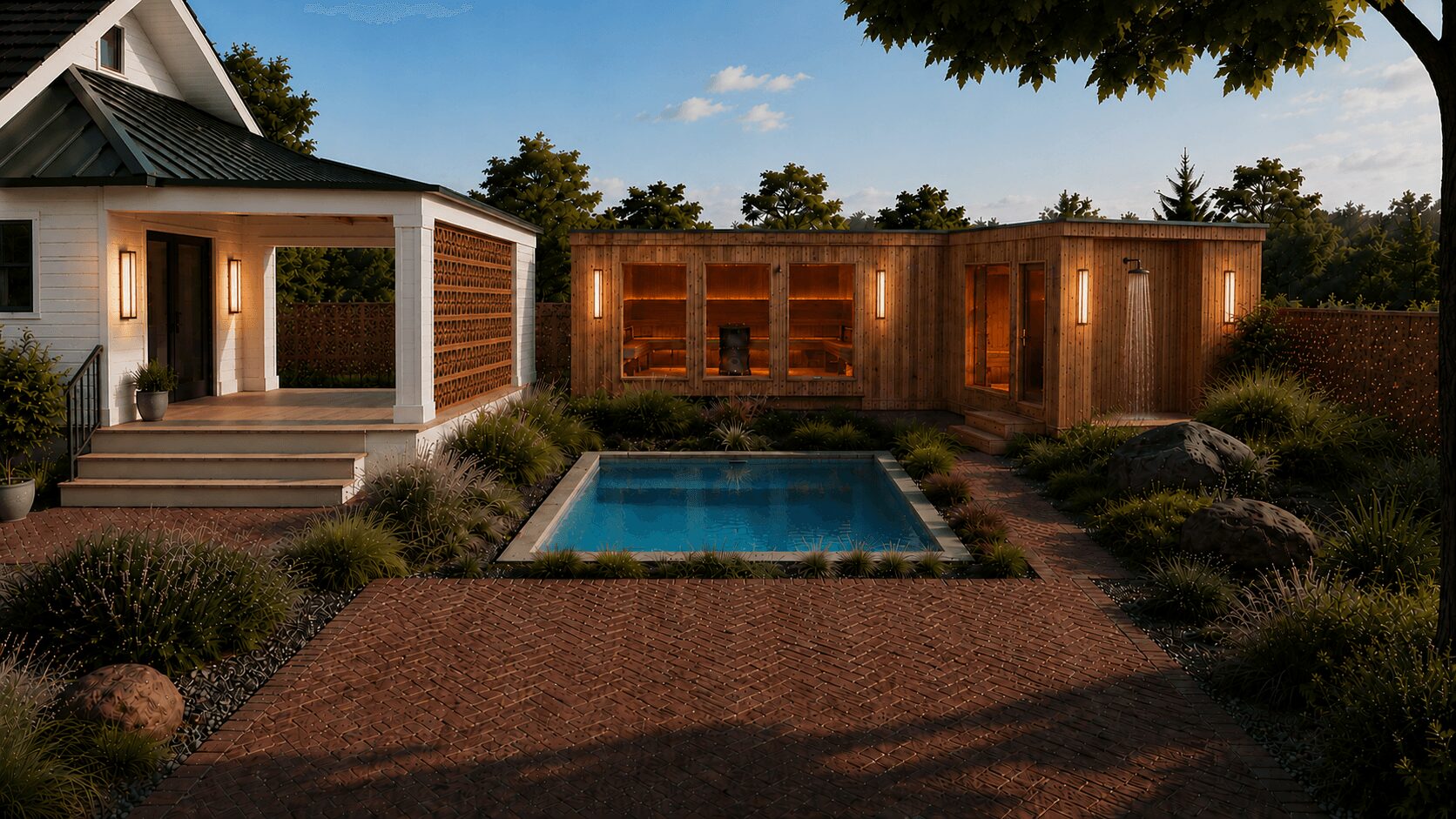
Today, I am the Operating Partner and co-creator of The Den Ritual, a social wellness club opening in Austin, Texas. The Den emerged from a simple observation: in a world increasingly optimized by technology, people are craving something more human.
We are experiencing an epidemic of loneliness, disconnection, and digital fatigue. While innovation continues to accelerate, our need for belonging remains unchanged. The Den was created to address that need through hospitality.
Part wellness club, part cultural hub, and part modern gathering place, The Den is built around ritual, connection, and community. Through intentional design, movement, music, food, wellness programming, and shared experiences, we are creating a new category of social wellness, one rooted not in optimization alone, but in human connection.
For me, The Den represents the culmination of many themes that have defined my career: storytelling, hospitality, design, wellness, and the belief that community is one of the most valuable assets of the future.
In addition to my work in hospitality development, I am an interior designer whose projects span both residential and hospitality environments. My work has been featured in Architectural Digest, Interior Design, and Vogue, and is guided by a holistic philosophy that considers how people live, gather, and experience their surroundings.
I approach design much like an editor curates a publication, thoughtfully layering objects, materials, architecture, and emotion to tell a cohesive story. Whether designing a private residence, a hotel, or a wellness destination, my goal is always to create environments that feel authentic, personal, and deeply connected to the people who inhabit them, and I am currently pivoting to doing holistic hospitality – but more on that later.
Outside of my professional work, I am deeply committed to personal growth, spirituality, consciousness, and service. These practices continue to shape both my life and my work, reinforcing my belief that the future of hospitality is not simply about creating beautiful places; it is about creating meaningful experiences that help people feel more connected to themselves, to one another, and to the world around them.
At its core, my work has always been about one thing: creating experiences that bring people together, reminding them they belong, and doing it with style.
Alright, so let’s dig a little deeper into the story – has it been an easy path overall and if not, what were the challenges you’ve had to overcome?
There was a period in my life when everything moved fast.
For years, I split my time between New York, Miami, and projects across the country. My work placed me in the center of hospitality, design, development, and culture, constantly building, creating, traveling, and chasing the next opportunity. From the outside, it looked like momentum. And in many ways, it was. I was exhausted creatively, spiritually, drained, and just on a hamster wheel.
But life has a way of forcing us to pause when we refuse to do it ourselves.
When the world slowed down during COVID, I made a decision that would ultimately change the direction of my life. I left New York and Miami and returned to Texas.
What began as a move became a homecoming. During that chapter, I experienced several health challenges that fundamentally changed my perspective. A serious motorcycle accident and later a stroke became moments that forced me to reevaluate not only how I was living, but why. I really made some big changes in my life, and the universe was listening, and by fate, I met my partner, Geno, with whom I am building The Den
For the first time in my adult life, I was confronted with the reality that achievement and well-being are not the same thing.
Texas gave me something I didn’t realize I had been searching for: space. Space to heal. Space to reflect. Space to reconnect with myself, my family, nature, and the rhythms of everyday life.
I found myself spending more time outdoors. Taking long walks. Watching sunsets. Gathering around fire pits with friends. Listening to live music. Cooking meals. Having conversations that weren’t rushed. For the first time in years, I wasn’t asking what was next. I was learning how to be present. As a six-generation Texan, I had forgotten who I was for so many years, and my life had taken away this beautiful gift.
The slower pace revealed something I had overlooked throughout much of my career. The moments that mattered most were often the simplest ones. They weren’t found in airports, boardrooms, or opening parties. They were found in community, in ritual, and in the feeling of belonging.
That realization became the foundation for everything that followed.
The Den Ritual was born from this chapter of my life.
Geno and I both saw firsthand how disconnected people had become from themselves, from nature, and from one another. I also experienced the healing power of community, intentional gathering, movement, wellness, and meaningful conversation.
The Den is my attempt to create the kind of place I was looking for during that season, a place where people can slow down, reconnect, and remember what matters.
In many ways, the project is less about wellness and more about humanity.
It is rooted in a belief that while technology will continue to transform the world, our need for connection will remain timeless.
My journey back to Texas reminded me that success is not measured by how fast we move, but by the quality of our relationships, the depth of our experiences, and our ability to be fully present in our lives.
That lesson continues to shape everything I create today.
As you know, we’re big fans of you and your work. For our readers who might not be as familiar what can you tell them about what you do?
My work has always been rooted in a fascination with people.
Before I think about design, branding, programming, or architecture, I spend time understanding the psychology of a place. I want to know how people live, what they value, where they gather, what they aspire to, and what cultural forces are shaping their behavior. I pay attention to the small details, the local rituals, the language people use, the coffee shops they frequent, the music they listen to, the neighborhoods they identify with, and the stories they tell about where they live.
Those nuances often reveal more than market research ever could.
This perspective has shaped my approach to place branding throughout my career. I believe the most successful destinations are not created through branding alone; they emerge from a deep understanding of culture and human behavior. A brand should never feel imposed on a place. It should feel discovered within it.
Whether I am working on a hotel, wellness club, residential development, restaurant, or mixed-use project, my process begins by immersing myself in the surrounding community. I look for the emotional connection people have with a city, a neighborhood, or a landscape. I study both the history and the future of a place, understanding where it has been, where it is going, and what people hope it can become.
I often describe my role as translating culture into experience.
The most meaningful hospitality concepts are not built around demographics; they are built around human truths. What are people missing in their lives? What do they long for? What inspires pride? What creates belonging? What makes a place feel unmistakably its own?
These questions guide every decision.
I am particularly interested in the intersection between psychology and hospitality. Why do certain spaces make us feel at ease? Why do some destinations become part of our identity while others are quickly forgotten? Why do certain rituals create loyalty and emotional attachment? Understanding these dynamics allows me to create concepts that resonate on a deeper level, not simply because they look beautiful, but because they make people feel understood.
My process often feels more like anthropology than design.
I spend time observing. Listening. Asking questions. Looking for patterns. Understanding motivations. I am constantly studying how people interact with one another and their environment, searching for emotional insights that can form the foundation of a concept.
The result is a form of place branding that feels authentic rather than manufactured.
Every great destination has a soul. My job is to uncover it, articulate it, and bring it to life through design, storytelling, programming, partnerships, and experience. When done successfully, people don’t feel like they are entering a brand; they feel like they are becoming part of a culture.
That is ultimately what I strive to create: places that people identify with, advocate for, and feel connected to long after they leave. Places that become part of their personal story.
Any advice for finding a mentor or networking in general?
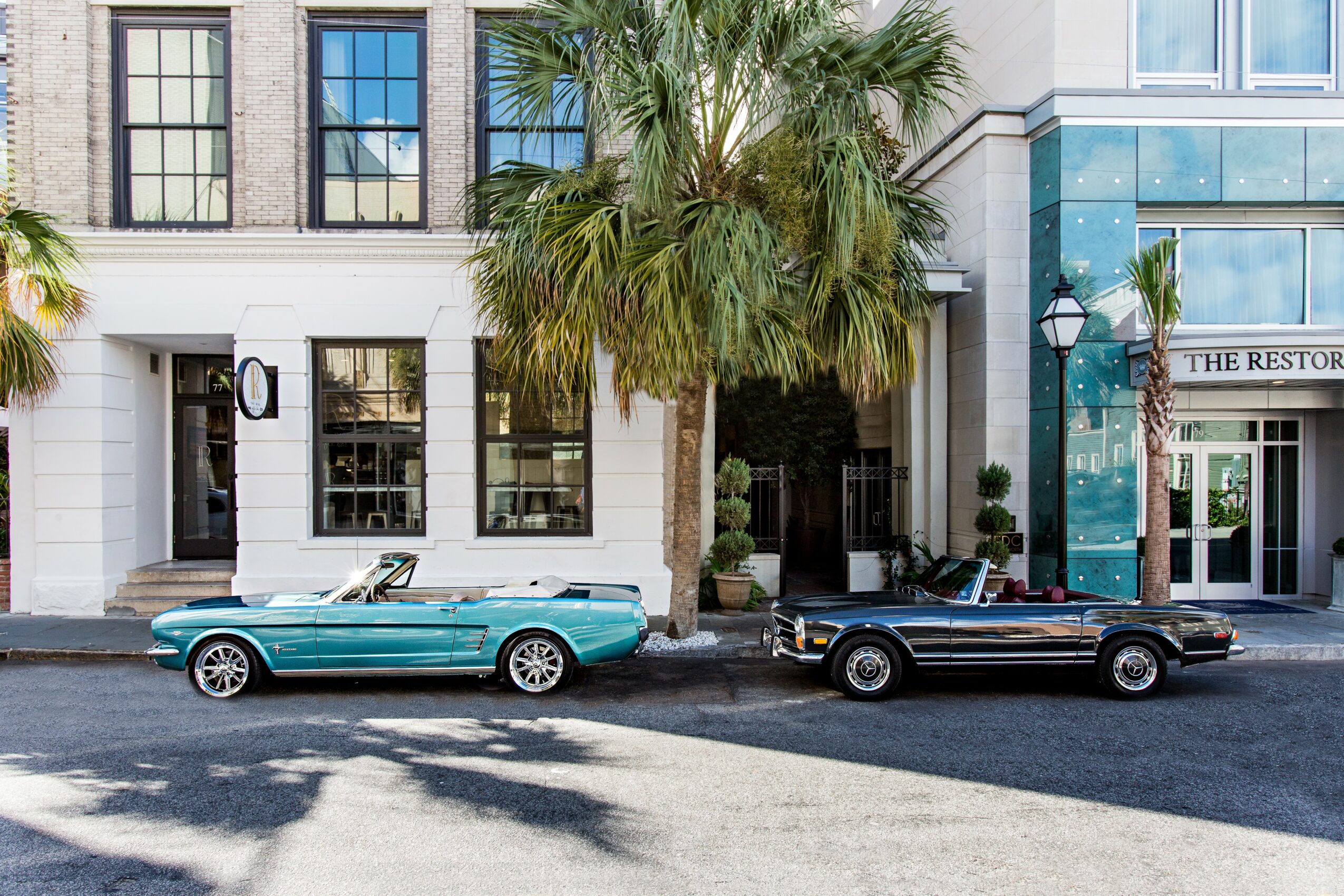
One of the most formative chapters of my career came during the opening of my first hotel project, The Restoration Hotel in Charleston. As a young hospitality professional, I was fortunate to be surrounded by an incredible team of advisors and partners who helped shape my understanding of what it takes to bring a hospitality concept to life.
During that period, I developed a close working relationship with the founders and leadership team at J Public Relations. Their support extended far beyond traditional public relations. They helped me understand the power of storytelling, brand positioning, and cultural relevance in building hospitality experiences that resonate with people.
Watching the team at JPR work was an education in itself. They understood that great hospitality brands are not built through advertising; they are built through authentic stories, meaningful relationships, and a clear point of view. They taught me how perception, narrative, and experience work together to create lasting value for a brand.
At the same time, I was fortunate to learn from leaders connected to some of the most influential hospitality brands of our generation. Through my relationship with Ian Nicholson, during a period when hospitality visionaries like André Balazs and Ian Schrager were redefining lifestyle hospitality, I gained a deeper appreciation for the role culture plays in creating destination brands.
What inspired me most was their ability to create places that became part of a city’s cultural fabric. Their hotels were not simply places to stay; they were gathering places for creatives, tastemakers, entrepreneurs, and locals. They understood that the strongest hospitality concepts create a sense of identity and belonging.
Together, these experiences fundamentally shaped my philosophy.
I learned that hospitality is equal parts business strategy, storytelling, design, culture, and human connection. I learned that a successful concept must be commercially viable, emotionally resonant, and culturally relevant. Most importantly, I learned that the brands that endure are the ones that create communities, not just customers.
Those lessons continue to guide my work today, from advising developers and hospitality brands to creating The Den Ritual a project rooted in many of the same principles that first inspired me years ago: thoughtful design, meaningful storytelling, cultural relevance, and the power of bringing people together.
Pricing:
- upon request
Contact Info:
- Website: https://www.holistichospitality.co/
- Instagram: https://www.instagram.com/corybrianingram/
- LinkedIn: https://www.linkedin.com/in/corybrianingram/
- Other: https://www.studioxstudio.com/