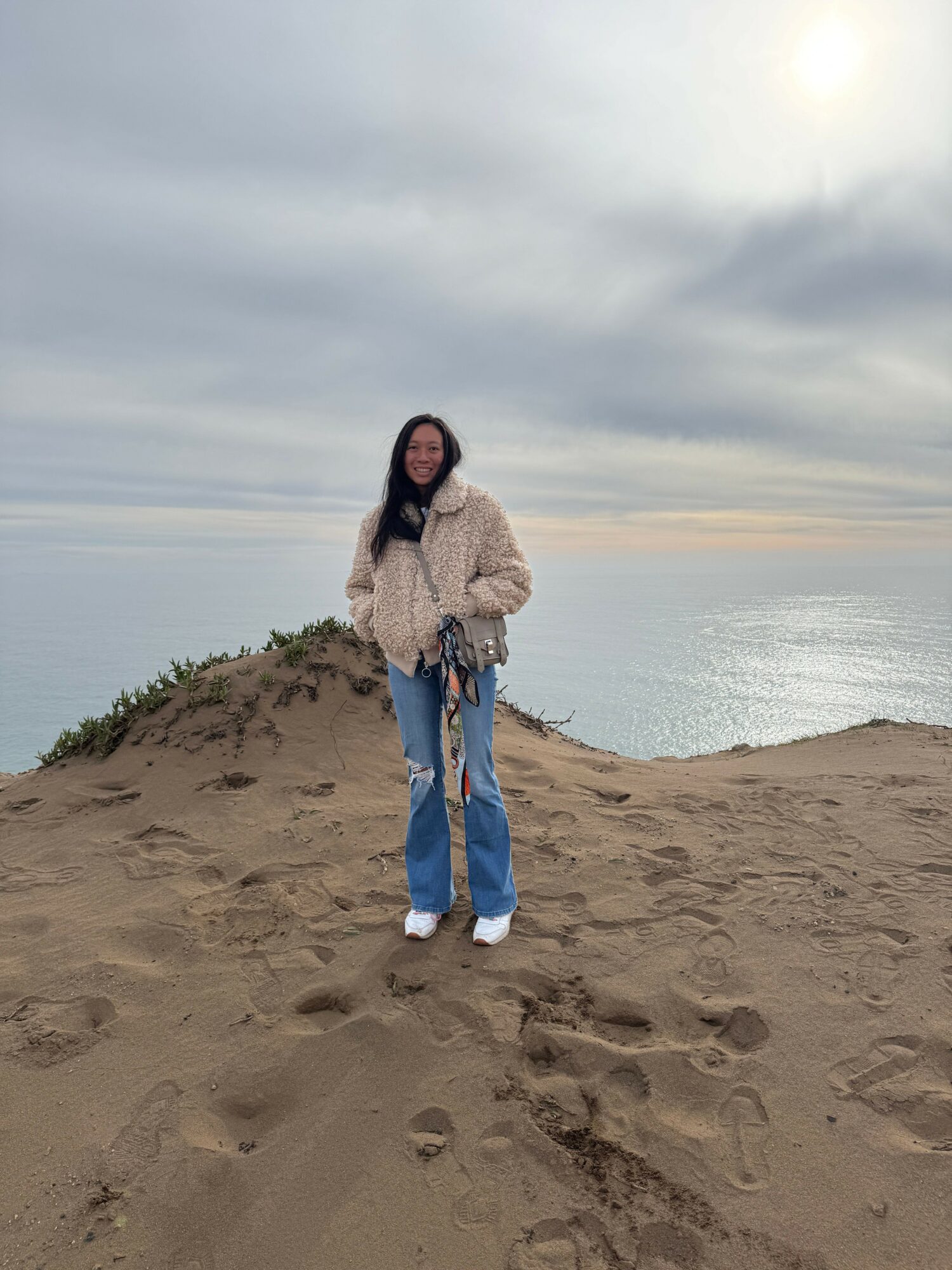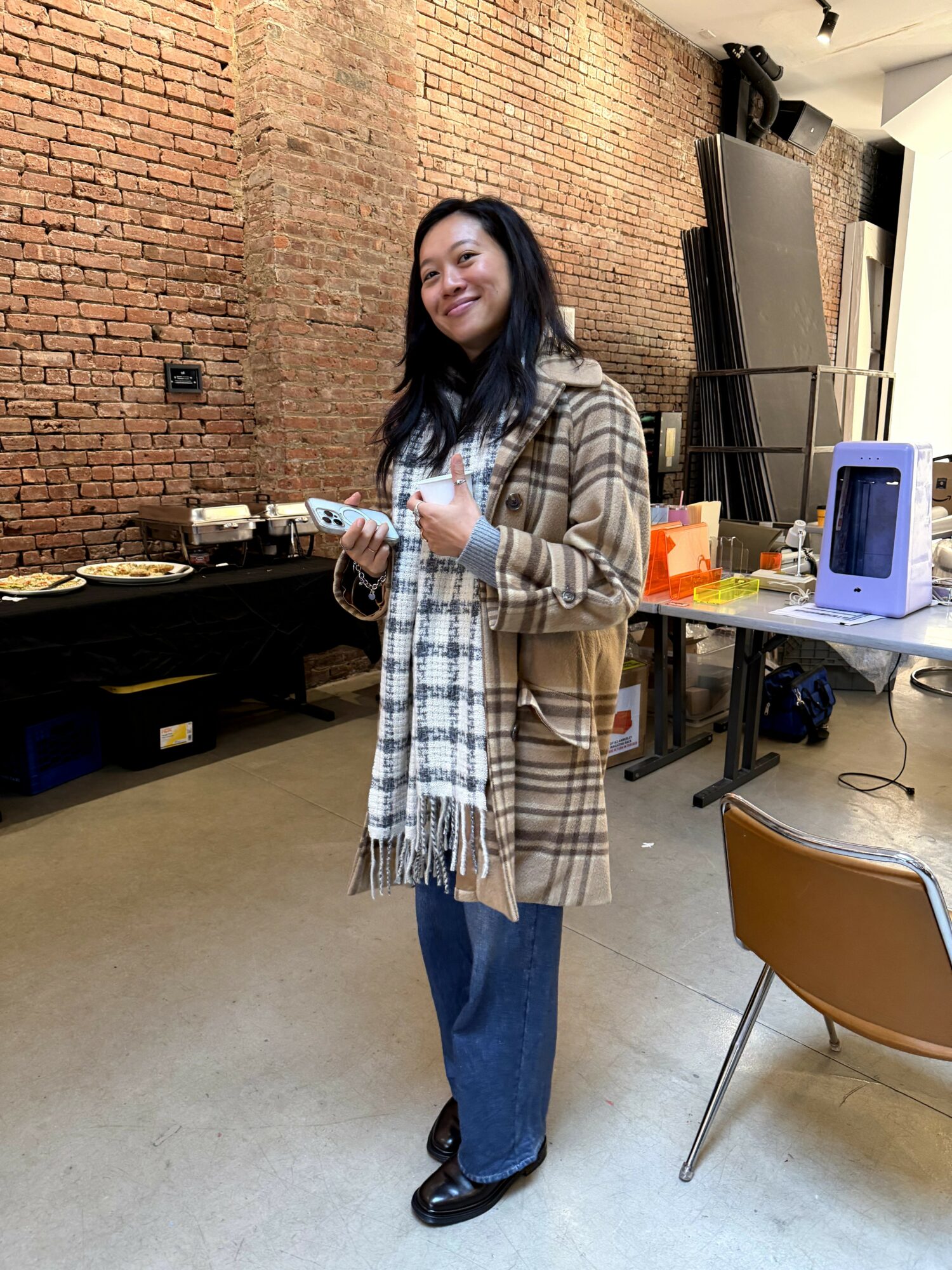



Today we’d like to introduce you to Monica Tan.
Hi Monica, so excited to have you with us today. What can you tell us about your story?
I grew up in Austin, went to UT and majored in Advertising. Coming out of UT, I worked for Indeed as a graphic designer, and moved to Washington DC after a couple years. I became an art director at a small advertising agency and worked on ad campaigns for a couple fun brands like Angry Orchard and Grand Marnier.
After working at that first agency, I went on to be the 3rd employee at another creative agency that we started completely from scratch at the beginning of the pandemic. As the founding art director, I concepted and executed on everything from brand design, graphic design, to advertising campaigns and activations. This was an interesting time in my career, working on growing an agency from the ground up during the height of the pandemic.
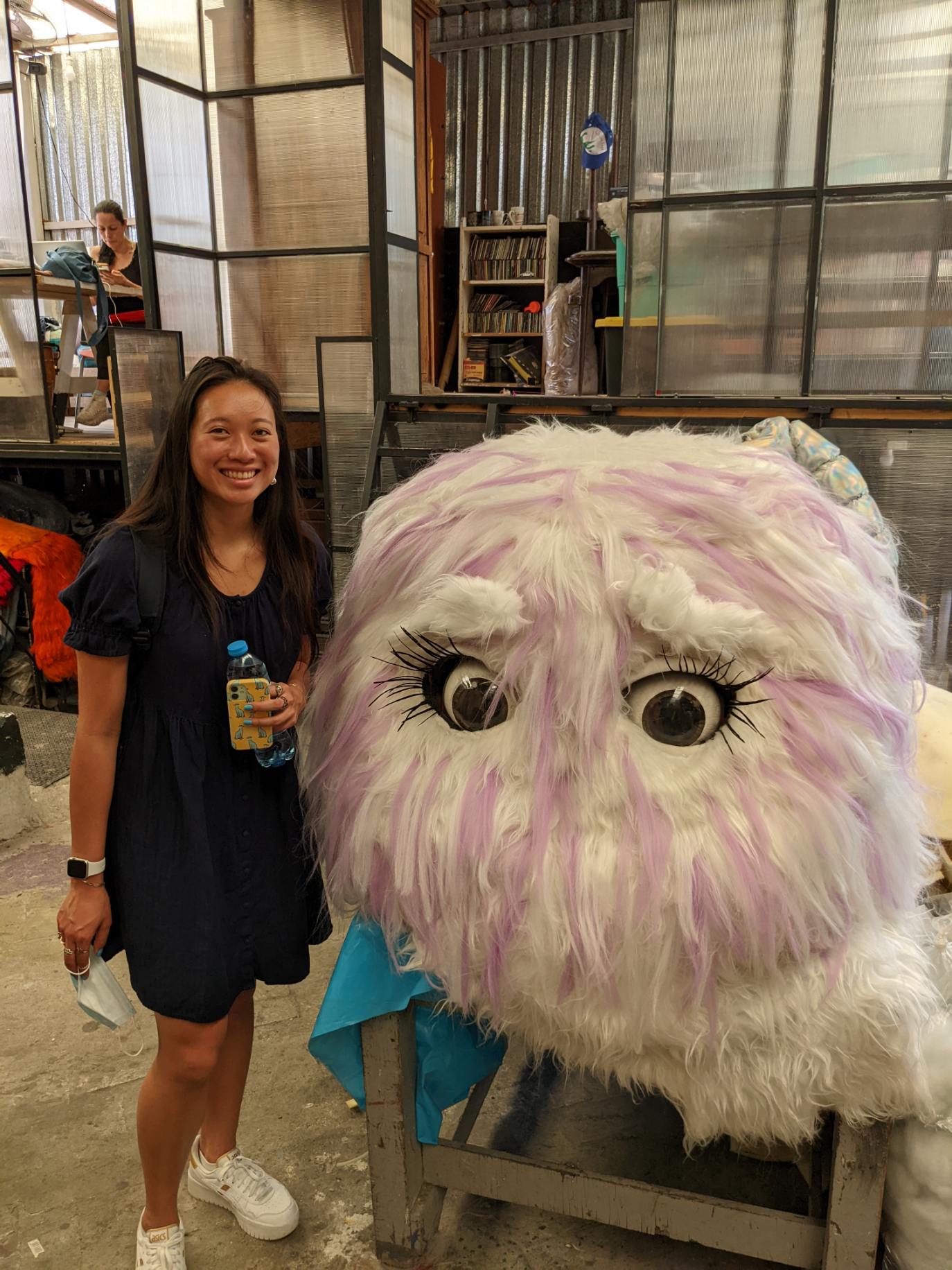
After a couple years, I moved on to become an senior art director at Red Antler in New York. There, I worked on the advertising team, where I was able to create campaigns for brands like Hinge, Furby, and GNC, in addition to launching many small startup brands into the world. This was a really fun experience as I was able to work with a lot of really talented people around the world, and also got to travel to a lot of cool places for productions like Sweden, Barcelona, and Mexico City.
After Red Antler, I joined Pika, an AI startup based out of Palo Alto, where I am now a creative director. The nature in which creative work has been done is completely shifting with all of the new innovation and technology out there, and I have been spending my time completely immersed in the AI creation space for the past 2 years. At Pika, I work on the brand and content team, where we launch Pika’s newest AI technologies in a constantly shifting, aggressive industry.
Would you say it’s been a smooth road, and if not what are some of the biggest challenges you’ve faced along the way?
Overall, it’s been smooth. I followed a very traditional path from designer to art director, but the introduction of AI has completely changed the industry in how creatives work. It’s been an exciting challenge to integrate new technology into my traditional creative process. I’ve noticed a lot of my colleagues and agency counterparts struggle with this change, as it is quite intense how much our jobs have changed in the last year.
Can you tell our readers more about what you do and what you think sets you apart from others?
I am a Creative Director at an AI startup, where I lead a multi-disciplinary team of designers and art directors. The creative landscape has shifted dramatically, and we are constantly evolving our creative methods to blend human intuition with cutting-edge technology. Because this job requires an absolute openness to innovation, it allows us to create work in ways that were never possible before.
What sets me apart is that I am not a traditionally bound Creative Director. Where traditional industry mindsets might look at an ambitious concept and say that something isn’e doable my approach is to figure out how we can achieve it. Pushing boundaries doesn’t mean sacrificing quality. I bring my traditional art direction experience to the table to ensure that no matter how a piece of work is created, the visual standards remain uncompromising, the creative concept is sharp, and the story is clear.
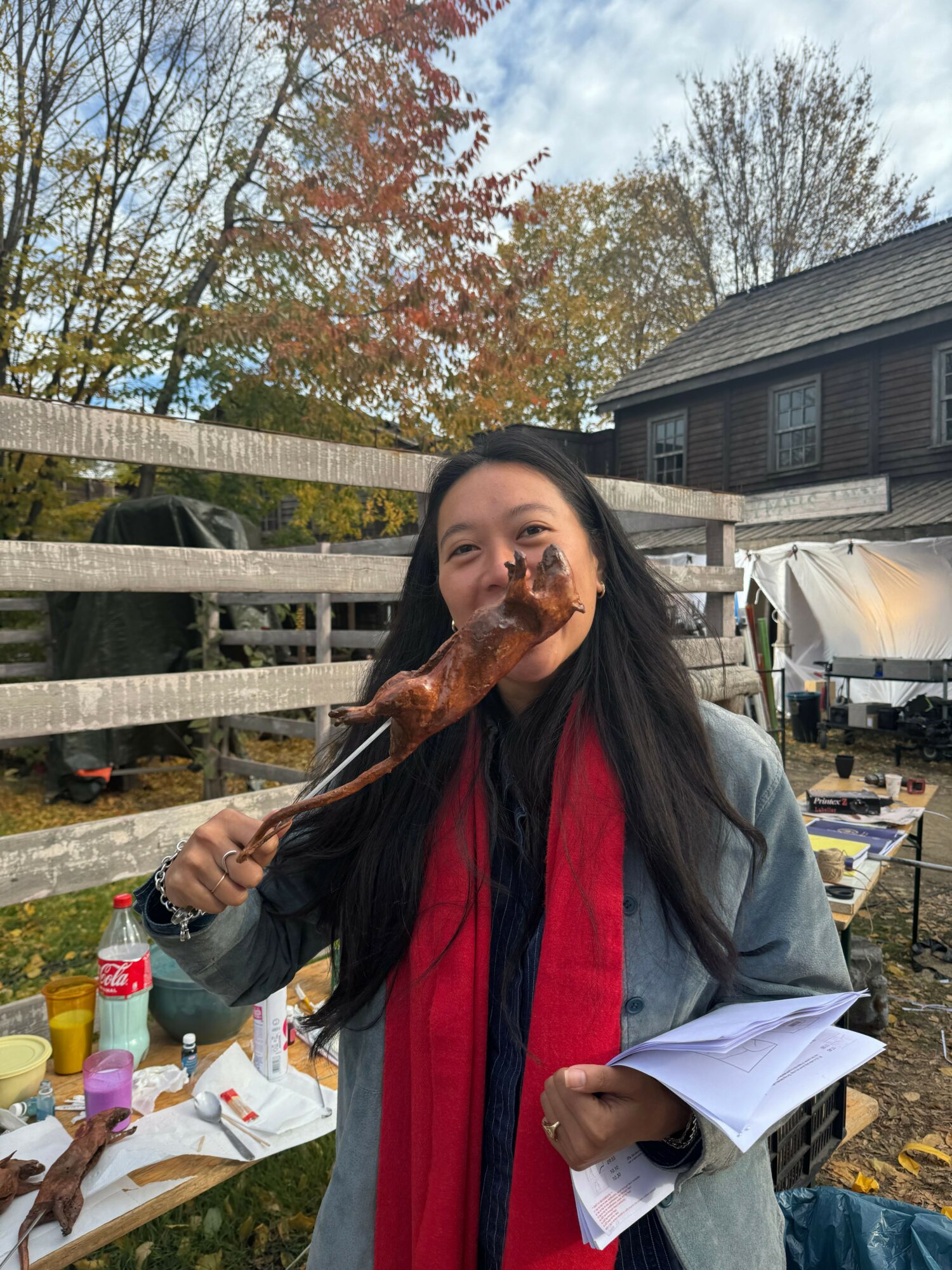
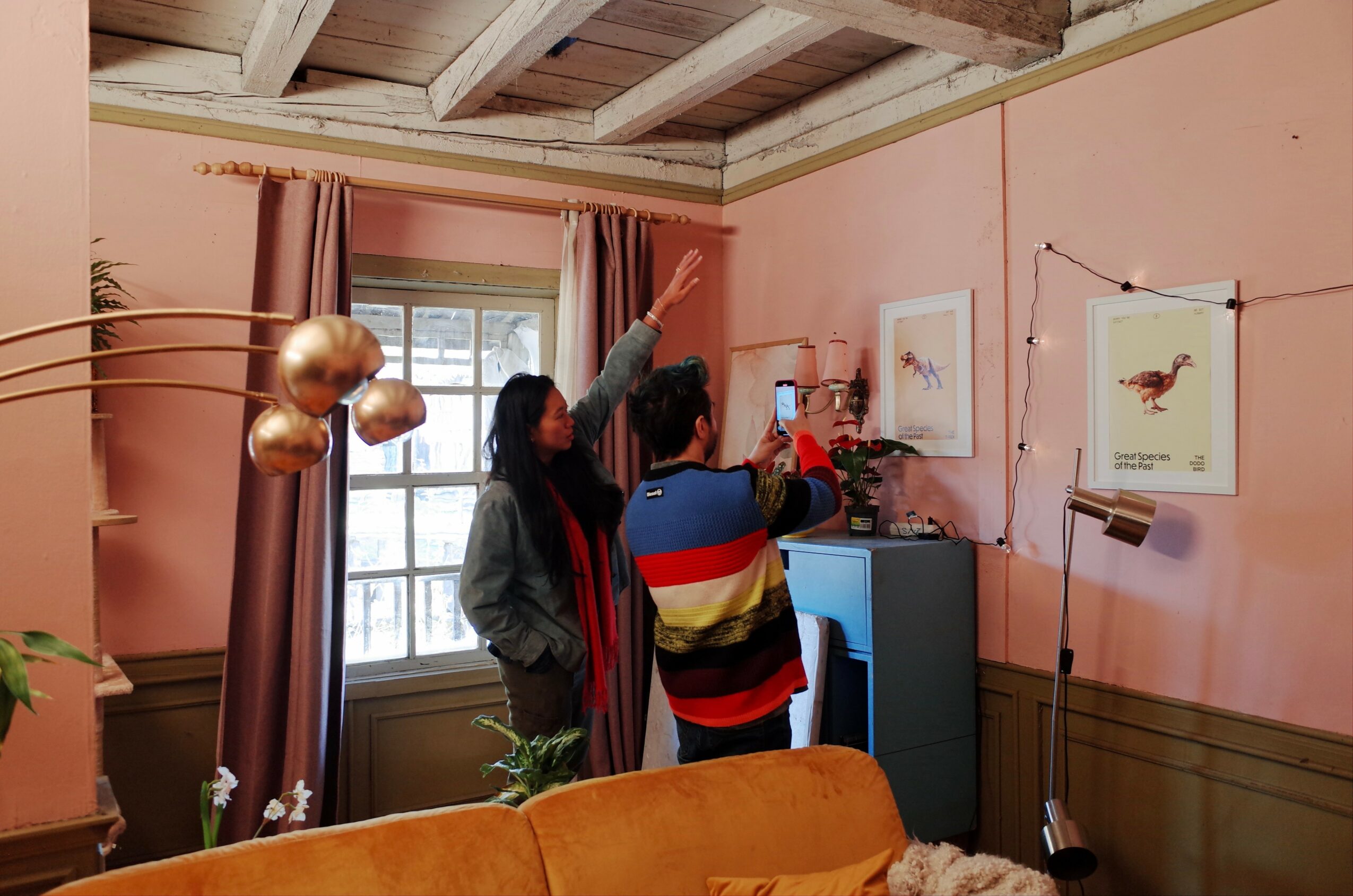
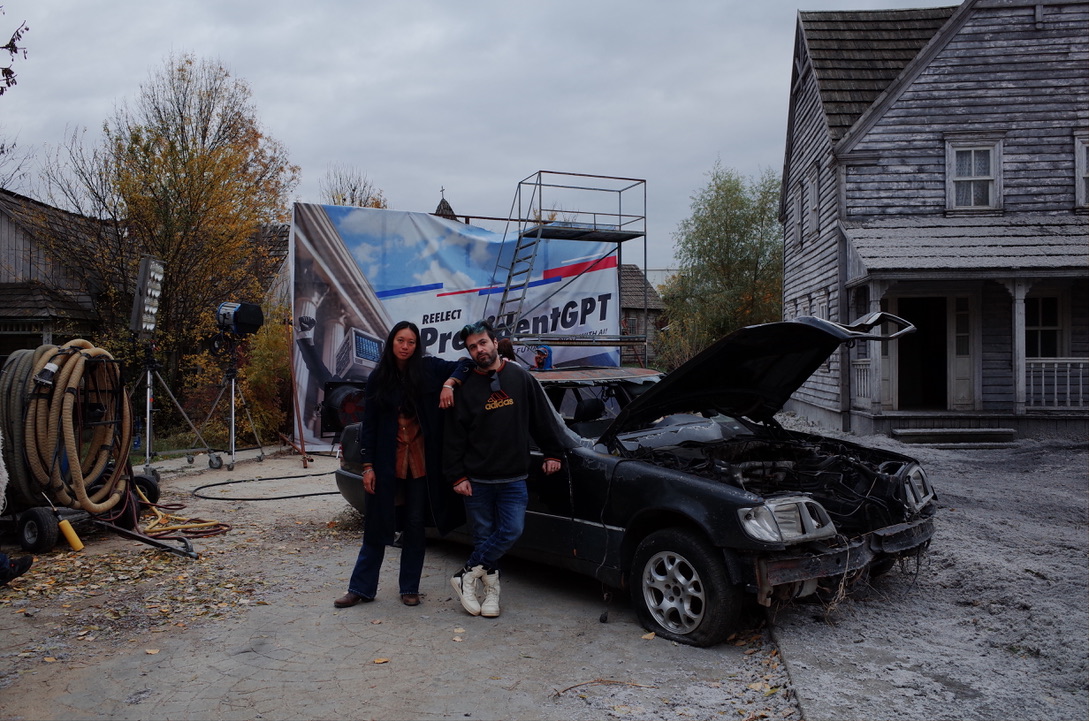
You’ll also notice in my work for Pika that we often use very traditional methods of production, mixed with AI technology to create high quality work in innovative ways. Last year I went to Romania to shoot a campaign, using a full traditional production team of artists and creators. This year we shot a new commercial also utilizing traditional production means, mixed with AI technology. What I am most proud of is this intersection of melding technology with taste. By injecting a human eye, human talent, and a refined aesthetic into innovative workflows, we produce work that has true humanity and style. It’s a fresh approach for the industry, proving that modern innovation doesn’t have to replace craftsmanship.
Is there something surprising that you feel even people who know you might not know about?
I always have a couple of personal projects going on on the side that people don’t really get to see. I’m constantly making things for my family or creating pieces that have some kind of sentimental value. It’s my way of using creative tools in a much more free, expressive way that doesn’t have any corporate constraints. Getting to make things just for the people I love gives me a lot of personal fulfillment, and it’s a completely different side of my creativity than what people see in my day job.
Contact Info:
- Website: https://monicatan.com
- LinkedIn: https://www.linkedin.com/in/monicaistan/