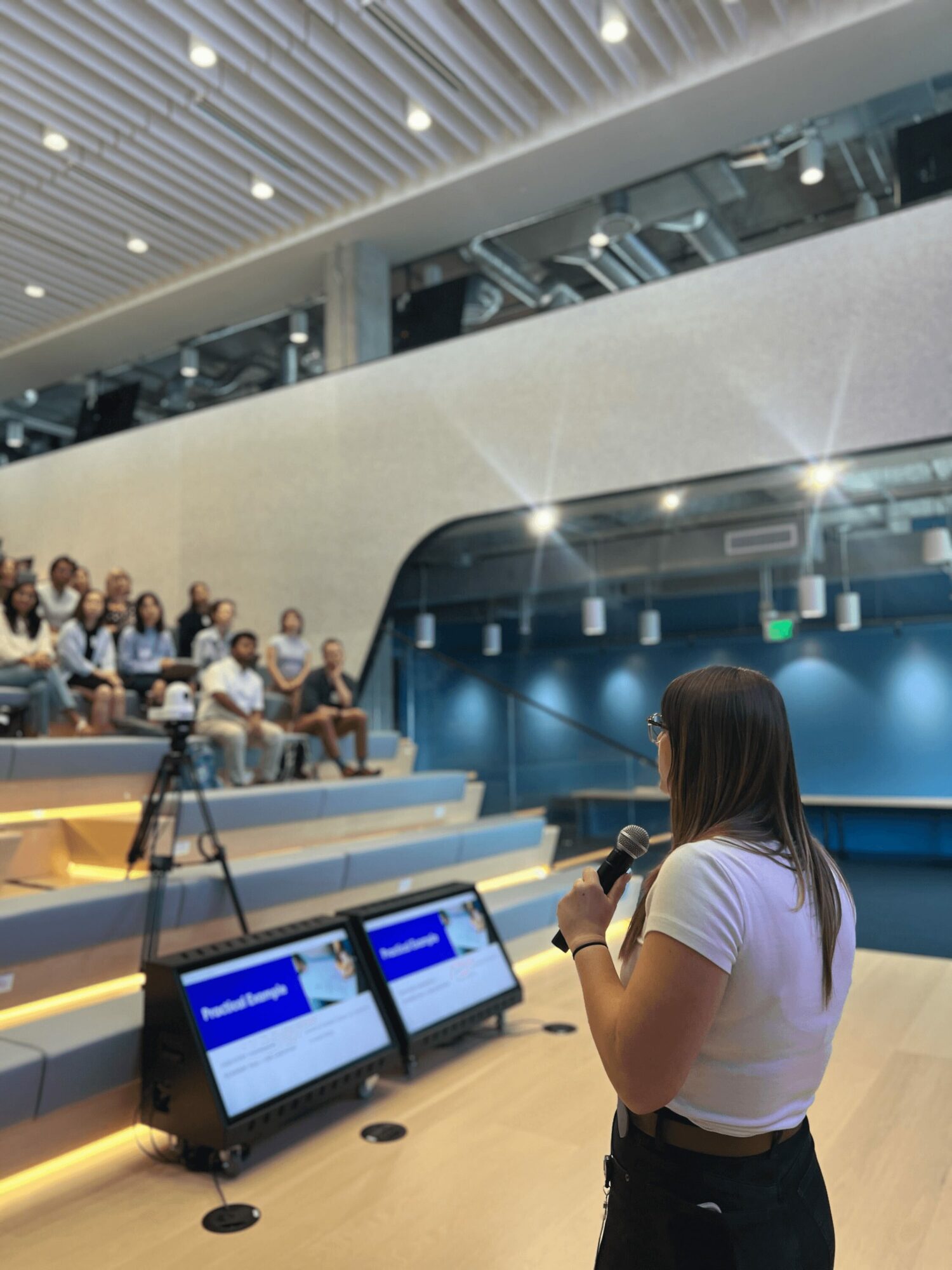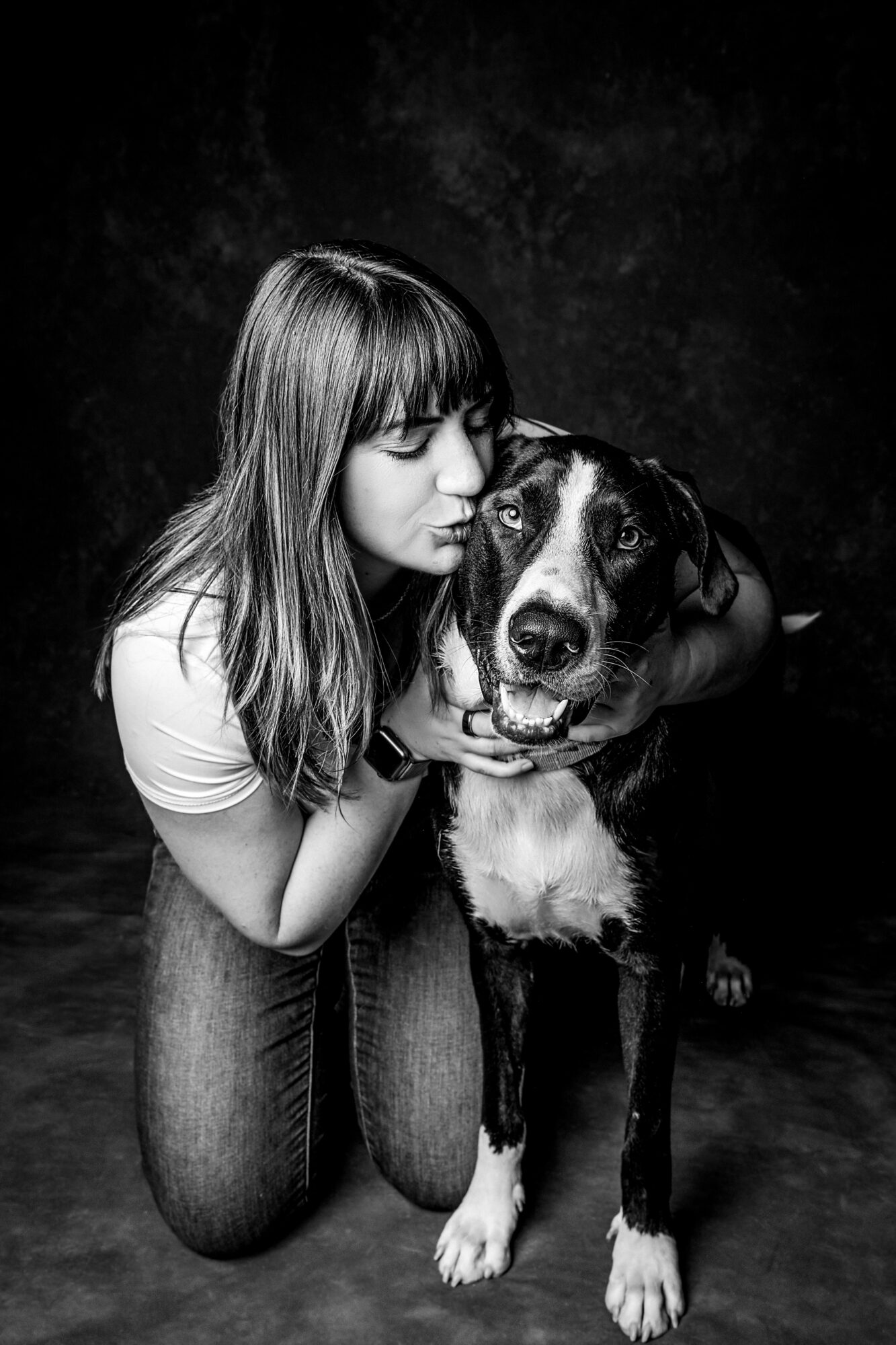



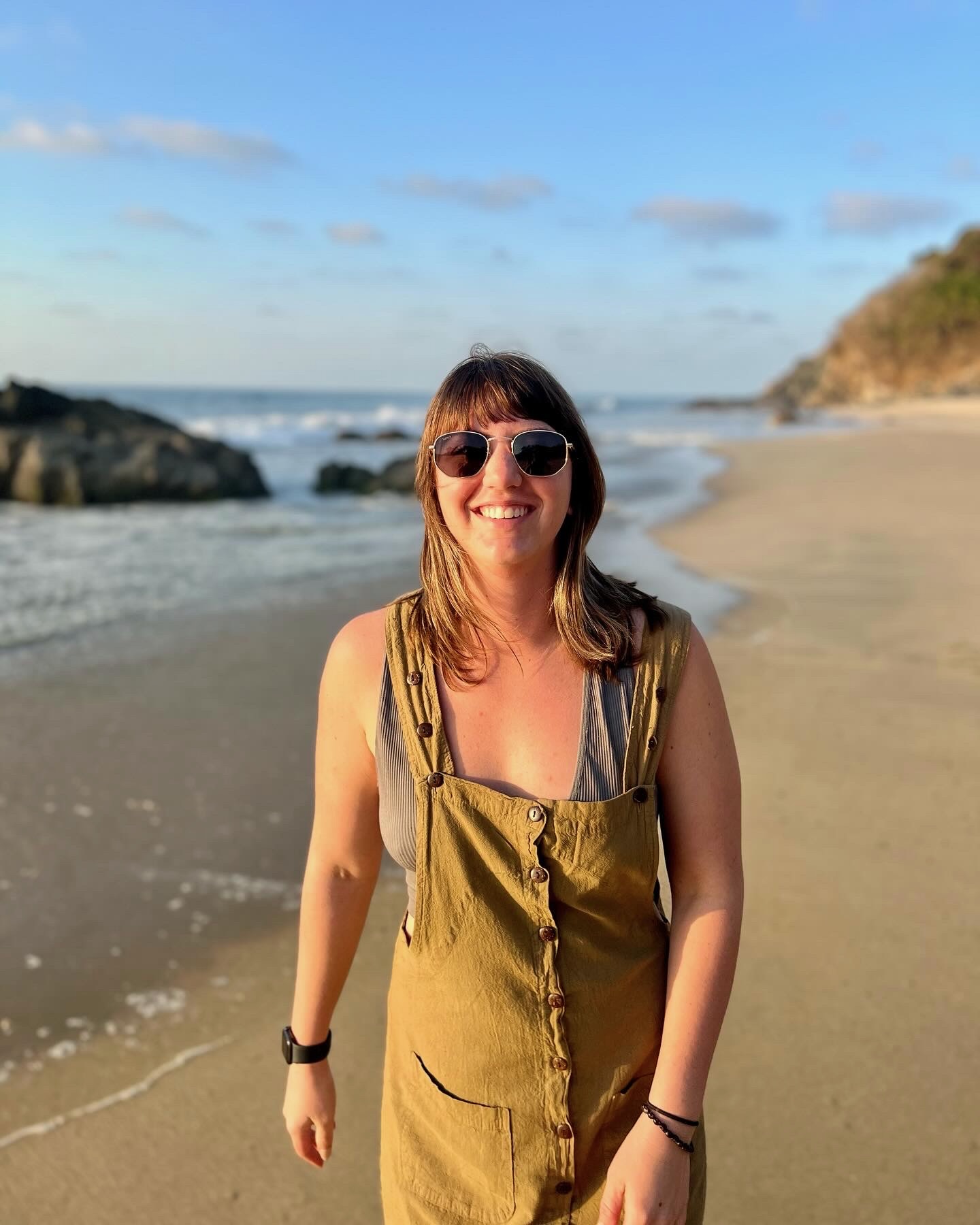
Today we’d like to introduce you to Jerica Bornstein.
Alright, so thank you so much for sharing your story and insight with our readers. To kick things off, can you tell us a bit about how you got started?
I got into psychology almost by accident — I took an AP Psychology class in high school and loved it, which led me to major in psychology at the University of Georgia. Once I was there, I realized pretty quickly that I didn’t want to be a therapist, but I got involved in a research lab studying self-control: why people resist temptation, or don’t. That work pulled me toward a bigger question — how our health behaviors shape our closest relationships.
That question took me to the University of Texas at Austin, where I started my PhD straight out of undergrad at 22. My research expanded from individual behavior to couples — specifically how one partner’s stress and well-being ripples into the other’s. I graduated in 2020 and moved into industry, where I shifted from studying the relationship between two people to studying your relationship with how you travel, as a UX researcher at Expedia.
More recently, I’ve brought that same lens back to research — just outside of academia. I started posting online about my travels, what it looks like to live intentionally as a woman in your 30s, and relationship tidbits pulled straight from the research. It’s the same questions I’ve been asking since that AP Psych class, just with a different audience.
Alright, so let’s dig a little deeper into the story – has it been an easy path overall and if not, what were the challenges you’ve had to overcome?
Looking back, I honestly can’t believe I went into a PhD program at 22. Most of my cohort came in with master’s degrees and much heavier data analysis experience, while I was coming in fresh. Statistics was never my strong suit, and there were plenty of stretches where I was stressed and had to work twice as hard just to keep up in my classes.
Then I graduated in August 2020 — right in the middle of COVID, when job openings for new PhDs were few and far between. I went through interview after interview with no luck until I landed a four-month contract role with Vrbo, which is owned by Expedia. I got lucky: that contract kept getting extended, four months turned into fourteen, and I was eventually converted to a full-time employee. I’ve been there ever since. But navigating the job market during COVID while trying to transition into a completely new field was tricky, to put it lightly.
Thanks – so what else should our readers know about your work and what you’re currently focused on?
By day, I’m a UX researcher at Expedia, where I study people’s relationship with travel — how they plan, book, and actually experience it, and where the friction points are. By night (and weekends), I create content on TikTok (@Jericax_) and Instagram (@jericax), where I try to bring that same research lens to relationships, travel, and what it looks like to live intentionally as a woman in your 30s.
I try to ground what I post in actual research rather than trends or hot takes — my PhD was in romantic relationships, specifically how couples’ stress and well-being affect each other, so when I talk about relationships, I’m pulling from the literature, not just my own opinion. I try to translate that research into something practical: a “permission slip” to stop doing something that isn’t working, or naming a pattern someone didn’t have a word for yet.
I’ve always wanted to do something more creative with social media, and honestly, what I’m most proud of is just finally taking the time to put myself out there. My hope is to share what I’m experiencing in my 30s through a research-based lens that’s also personal — and to help people at a broader reach than I could from inside a travel company or through the papers I published during my PhD.
What sets me apart, I think, is the combination: a lot of relationship or lifestyle content is either purely personal opinion or purely academic, and I’m trying to sit in between — a research background paired with a very normal, unfiltered life (budget grocery runs, a partner, two dogs, a 9-to-5).
We’d love to hear about how you think about risk taking?
I don’t think of myself as a natural risk-taker, but looking back, a lot of the biggest moves I’ve made were exactly that. Going into a PhD program straight out of undergrad at 22, with less data analysis experience than almost everyone else in my cohort, was a risk — I had no guarantee I’d be able to keep up, and for a while it genuinely wasn’t clear that I would. Then graduating into the COVID job market, where openings for new PhDs had basically dried up, and taking a four-month contract role with no promise it would turn into anything more — that was a risk too. I didn’t have a backup plan if it didn’t work out.
More recently, putting myself out there online under my own name and credentials has felt like its own kind of risk, just a quieter one. There’s something vulnerable about sharing research-backed opinions on relationships and your own life in the same breath, knowing people can disagree publicly or misread your intent.
My view on risk has shifted because of all of this: I don’t think the goal is to eliminate risk, it’s to take risks where the downside is recoverable and the upside is meaningful. The PhD, the contract role, posting online — none of them were sure things, but none of them were unrecoverable if they hadn’t worked out either. That’s the filter I use now.
Pricing:
- nope just follow me on my social media accounts!
Contact Info:
- Instagram: https://www.instagram.com/jericax/
- LinkedIn: https://www.linkedin.com/in/jericaxbornstein/
- Other: https://www.tiktok.com/@jericax_