



Today we’d like to introduce you to John Livesay.
Hi John, so excited to have you with us today. What can you tell us about your story?
Meet John Livesay, The Pitch Whisperer
People often think reinvention happens once.
I’ve learned it happens over and over again.
After a successful career selling advertising for Conde Nast, I was laid off during the financial crisis in 2008. At first, it felt like my story had ended. Instead, it became the beginning of a new chapter. I reinvented myself by learning digital media, was eventually rehired by Conde Nast, and later won Salesperson of the Year for the entire company.
That experience taught me something I still believe today: your identity is always bigger than any job title or setback.
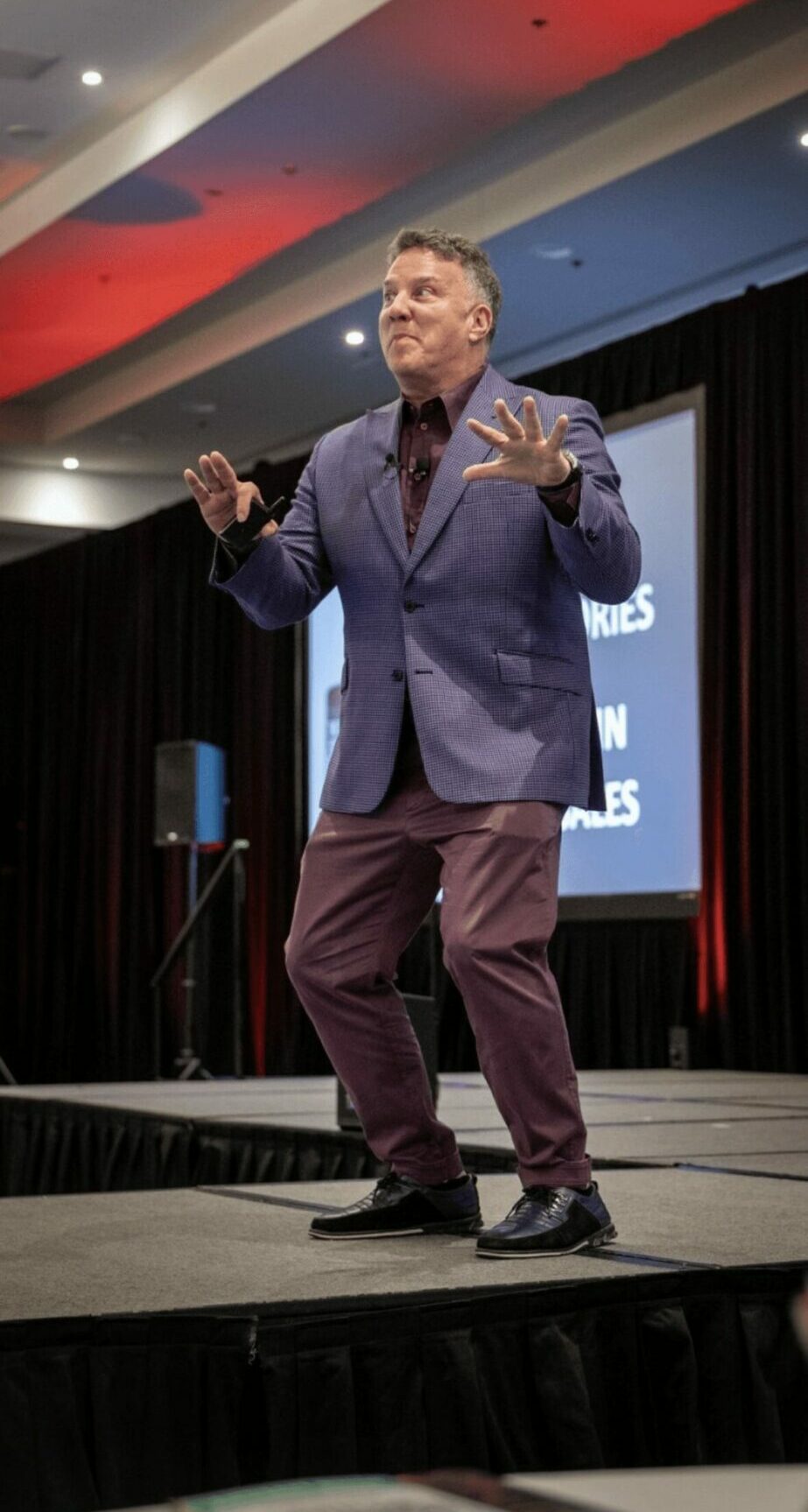
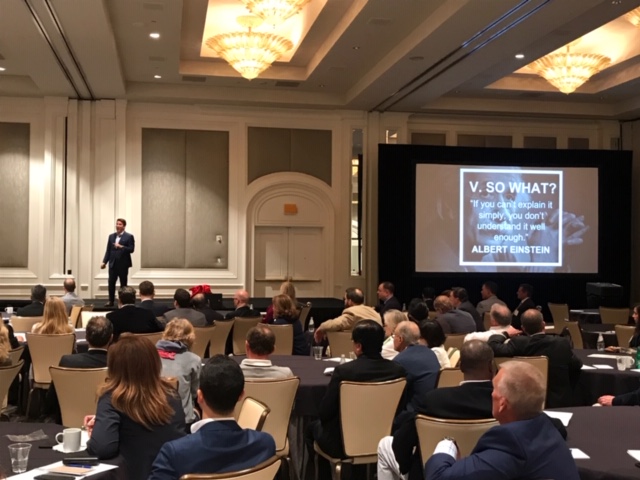
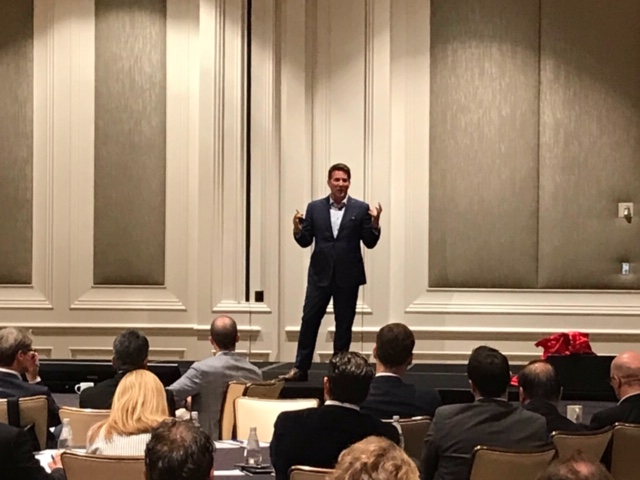
Today, I’m known as The Pitch Whisperer—a keynote speaker, author, and storytelling strategist. I’ve written four books on storytelling, delivered storytelling keynotes to sales teams around the world. My most recent book is a business fable set in Austin entitled “The Sale Is in the Tale.”
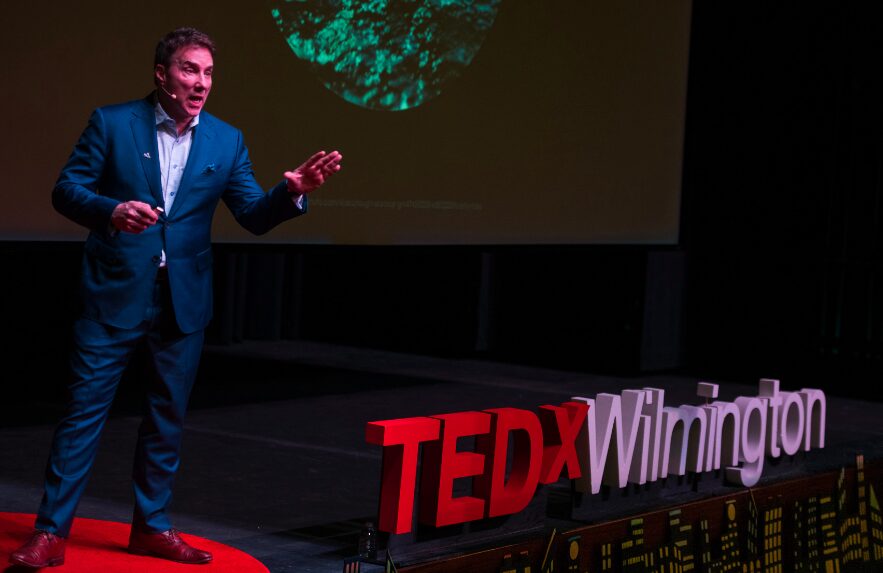
My TEDx Talk, “Be the Lifeguard of Your Own Life” continues that theme. It’s about realizing that no one is coming to rescue you. The moment you decide to take ownership of your story is the moment your future begins to change.
Today, my work centers on one big idea: in a world where AI can give everyone information, the people who know how to create genuine human connection through storytelling will always have the advantage.
Now we’re facing another disruption—artificial intelligence.
Some people worry AI will replace them. I believe AI will replace average communication. The people who will thrive are the ones who combine AI’s speed with human empathy, curiosity, and storytelling. Technology can generate content, but it can’t replace the emotional connection that makes people trust you enough to say yes.
That shift has become one of the biggest themes in keynote speaking to sales teams.
We all face challenges, but looking back would you describe it as a relatively smooth road?
Would you say it’s been a smooth road?
Not at all.
For a long time, I thought success meant people took my advice.
As a keynote speaker and executive coach, people hire me for my expertise. So when someone asked for my recommendation and then chose a different path, I’d sometimes make it mean something personal: They don’t trust me. They don’t value me. Maybe I’m not as good as I thought.
One conversation changed that.
I was coaching a leader on a TED-style talk when we discovered a completely different direction than where we had started. At the end of our session, he looked at me and said, “John, I love you. You’re so selfless. You get me.”
He didn’t compliment my storytelling.
He complimented who I was.
That’s when I realized I’d been measuring success with the wrong scorecard.
Today, I define success differently. My job is to listen deeply, explain my reasoning clearly, and help people see possibilities they may not have considered. Once I’ve done that, the decision belongs to them—not me.
That shift has been incredibly freeing.
Ironically, the better I’ve become at letting go of needing to be right, the more people trust me. They don’t feel sold. They feel understood.
I’ve learned that the stories we tell ourselves are often more important than the stories we tell everyone else. When I stopped making other people’s decisions mean something about my worth, I became a better storytelling keynote speaker, and, I hope, a better human being.
Thanks – so what else should our readers know about The Pitch Whisperer?
The Pitch Whisperer exists for one reason: to help people become memorable and magnetic.
As a storytelling keynote speaker, I work with organizations that want their people to move beyond presenting information and start creating genuine connection. In a world where AI can instantly generate content, information has become a commodity. What hasn’t changed is the human need to trust the person delivering it.
That’s where storytelling comes in.
I’m best known for showing sales teams, leaders, and executives how to replace pressure with connection, turn expertise into influence, and transform presentations from forgettable to irresistible. My keynotes are highly interactive because I believe people don’t change by hearing a great speech—they change by experiencing what’s possible.
The nickname “The Pitch Whisperer” came from an INC. magazine writer after watching me quietly coach people through high-stakes conversations. It captured what I love most: helping someone discover that the best pitch isn’t about having all the right answers. It’s about telling the right story.
I’m proud that clients tell me they don’t just leave with better presentations—they leave with greater confidence. They stop trying to impress people and start helping people imagine a better future.
If there’s one thing I’d like readers to remember, it’s this:
Facts inform. Stories inspire. And in a world where everyone has access to the same information, the people who know how to create trust through storytelling will always have the greatest impact.
What would you say have been one of the most important lessons you’ve learned?
The most important lesson I’ve learned is that your self-worth and your results are not the same thing.
For years, I unknowingly rode what I call the “self-esteem roller coaster.” If I landed the client, got the standing ovation, or someone took my advice, I felt great. If I lost the business, didn’t get selected, or someone chose a different path, I questioned my value.
That’s an exhausting way to live because you’re giving other people control over how you feel about yourself.
Getting laid off during the financial crisis was the first wake-up call. It forced me to realize that my identity was bigger than any job title. More recently, coaching leaders has taught me another lesson: my responsibility is to give my best thinking, listen deeply, and serve generously. I don’t control what someone decides to do with my advice.
Ironically, the less attached I’ve become to the outcome, the better my outcomes have become. People trust you more when they don’t feel you’re trying to prove something.
Today, success means showing up fully prepared, being genuinely curious, and leaving audiences better able to tell stories after my keynotes at sales kick off meetings. If I do that, I’ve already won—regardless of the final result.
That’s the message behind my TEDx Talk, Be the Lifeguard of Your Own Life. We all face moments when no one is coming to rescue us. Real confidence comes from learning that your value isn’t determined by circumstances. It’s determined by the story you choose to tell yourself.
Contact Info:
- Website: https://www.johnlivesay.com
- Instagram: @thepitchwhisperer
- LinkedIn: https://www.linkedin.com/in/jlivesay/?skipRedirect=true
- Youtube: https://www.youtube.com/channel/UChWp7P-2gv2a-nppJpXswoA