


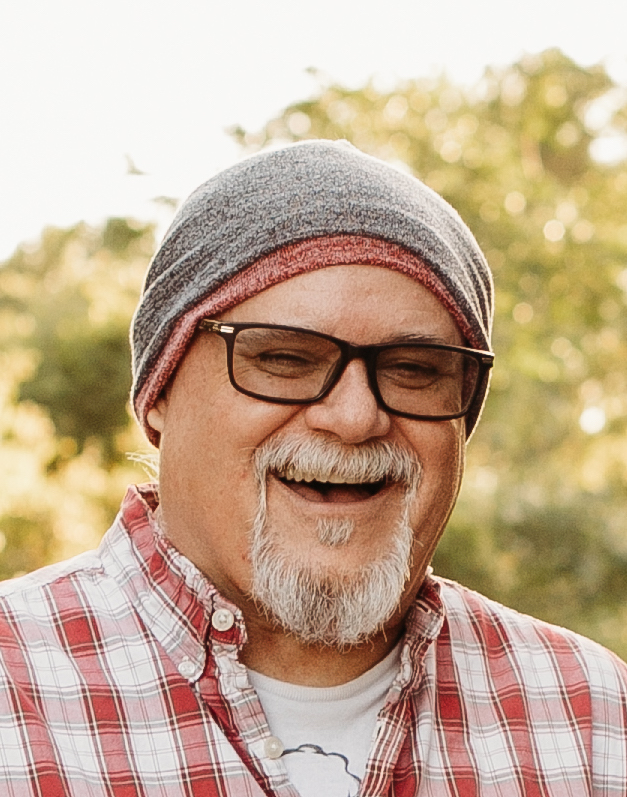
Today we’d like to introduce you to Ronald Gross.
Hi Ronald, thanks for sharing your story with us. To start, maybe you can tell our readers some of your backstory.
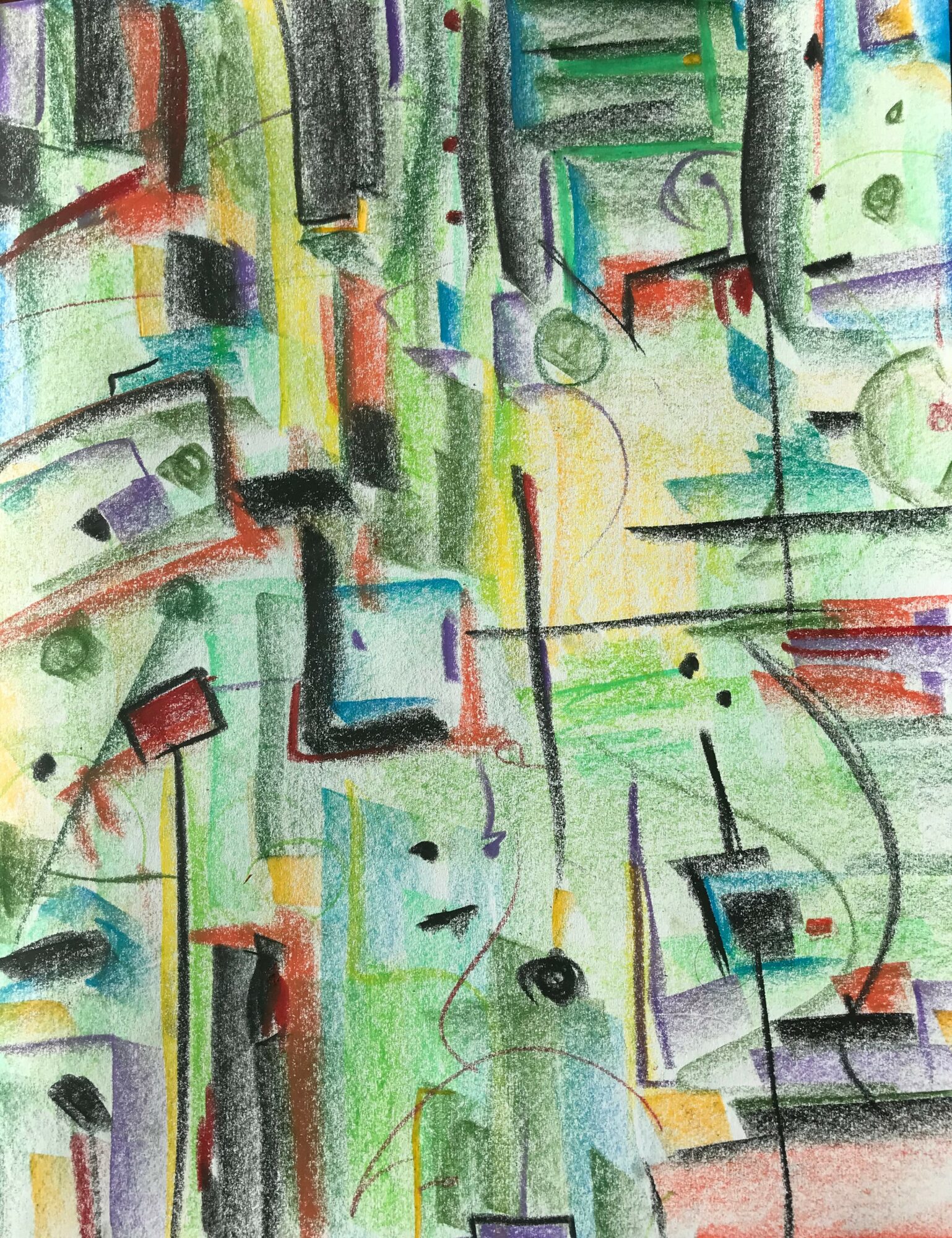
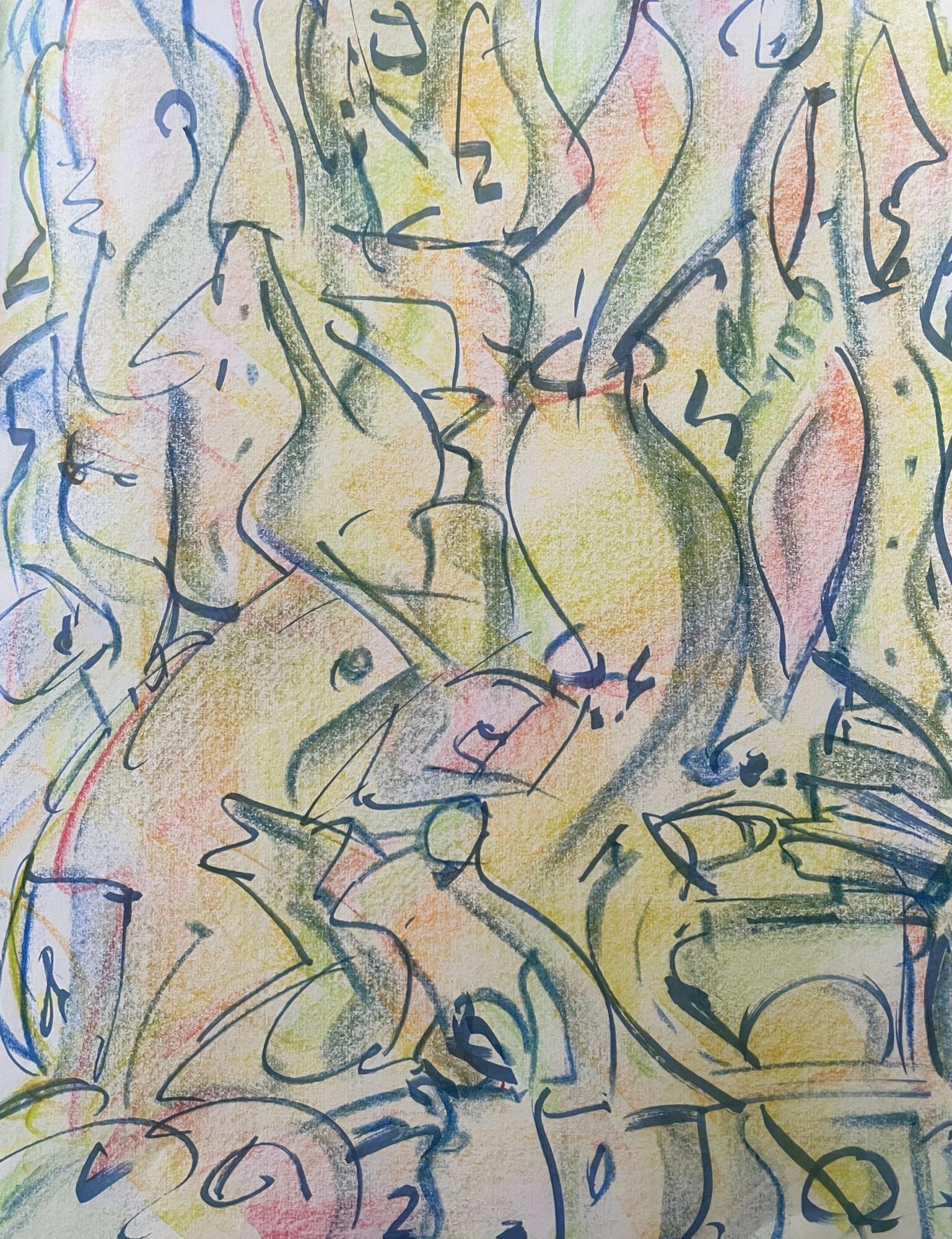
I’ve been creating for as long as I can remember. I began by studying art and design at Nassau Community College and Pratt Institute, and later earned my degree in Advertising Design from the Academy of Art College in San Francisco. That traditional training gave me a strong foundation, but my work has always been driven by experimentation, particularly abstract gestures, automatic drawing, digital art, and the relationship between intuition and technique.
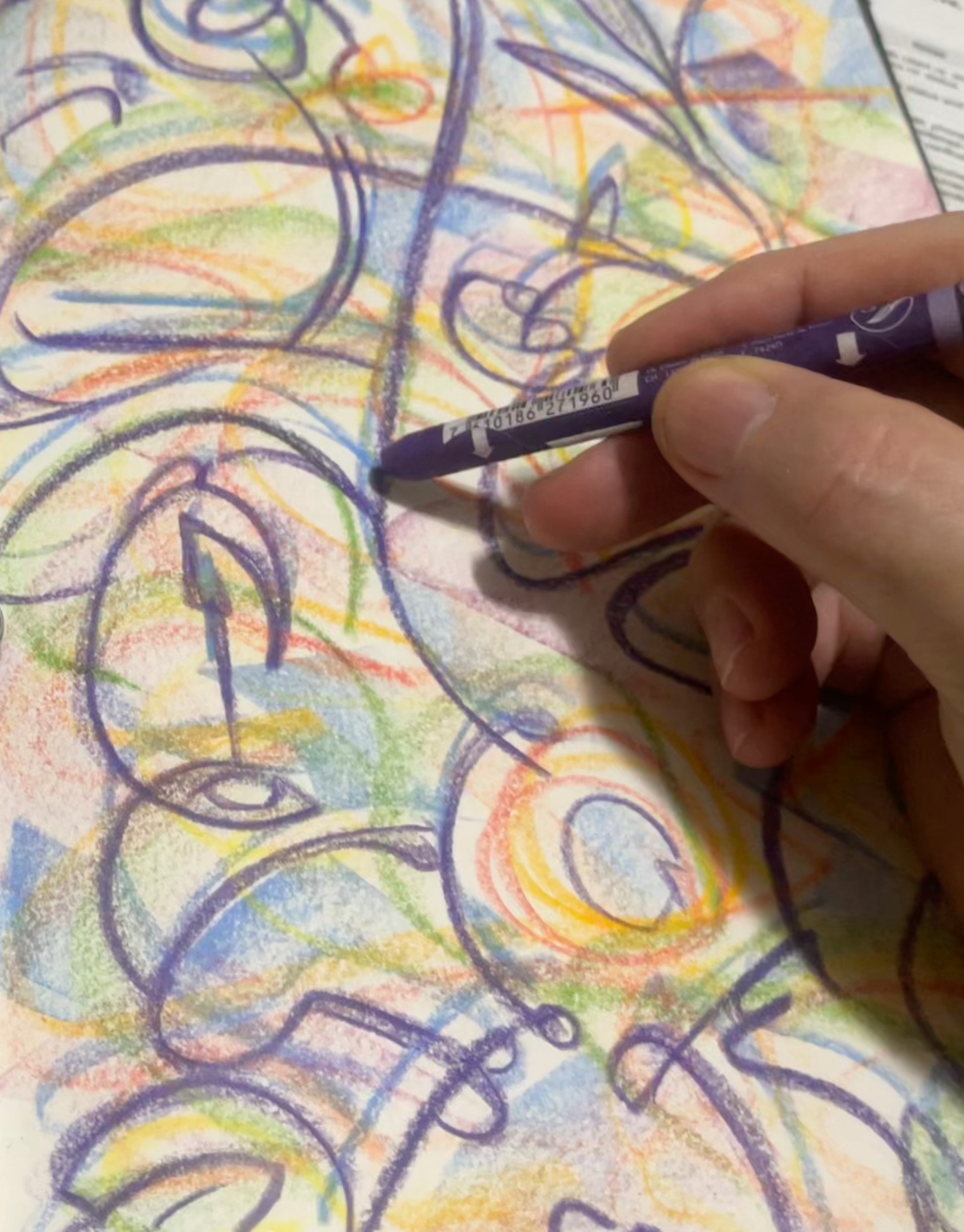
Over the years, my work has appeared in exhibitions across the country and internationally, from New York and San Francisco to Houston, Seattle, and Berlin. Like many artists, though, my creative practice had to evolve around work, family, limited space, and everyday responsibilities. That challenge eventually led me back to crayons. They were inexpensive, accessible, portable, and surprisingly versatile. What began as a practical solution became an important part of my artistic identity and philosophy.
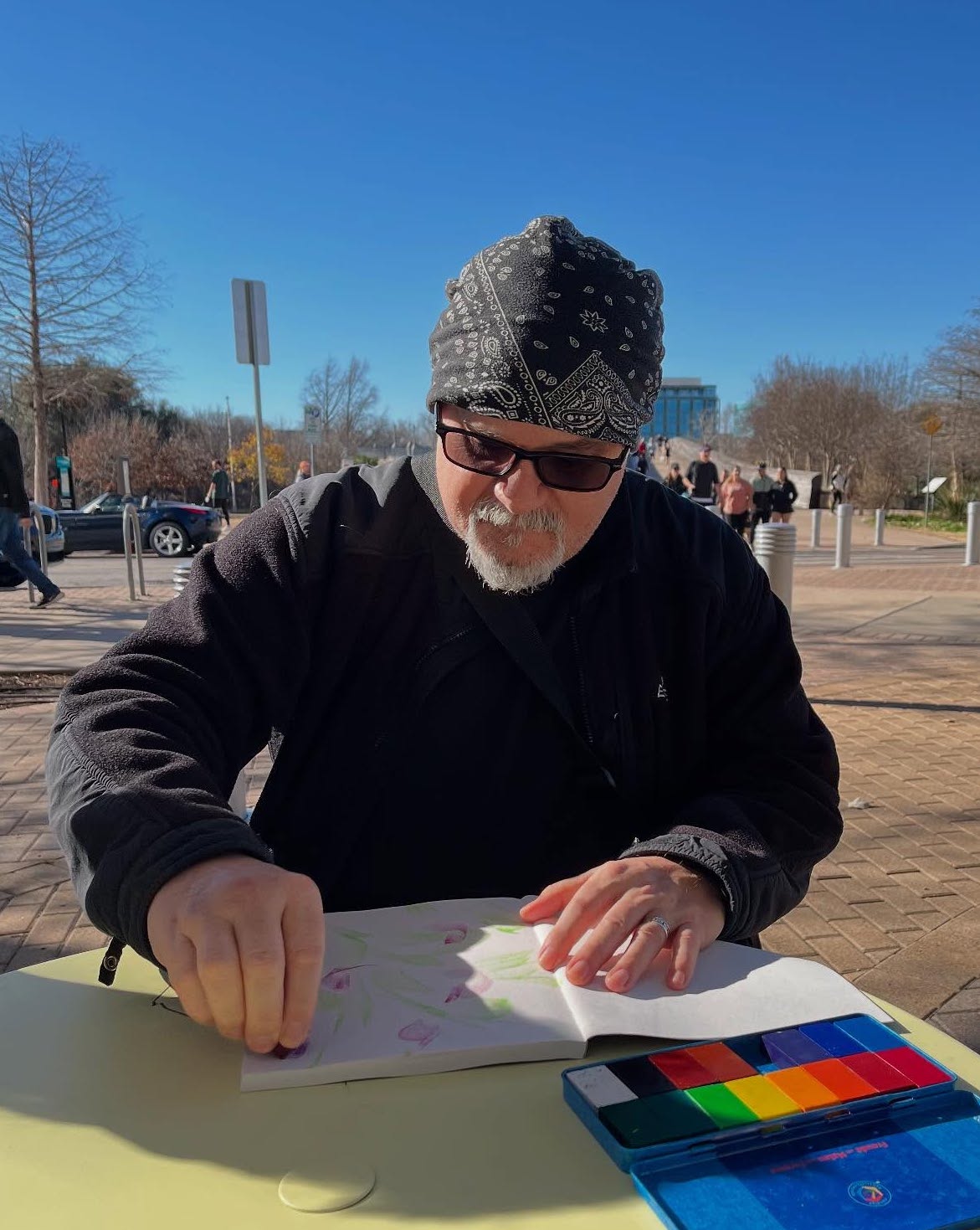
I started thinking about what I call the “power of the crayon,” the idea that creativity does not have to be intimidating, expensive, or perfect. That belief inspired Crayonuary, an annual art-journaling challenge that encourages people to create every day and reconnect with the freedom they felt making art as children. It also led me more deeply into intuitive and neurographic drawing, which I view as both an artistic process and a meditative, therapeutic practice.
Today, I’m an artist, author, educator, and creative professional. I’ve exhibited my work, participated in public art projects, curated the Art Rocks project in Buda, taught workshops, and written books designed to make art more approachable. Everything I do is connected by the same goal: helping people recognize that creativity already belongs to them. They do not need permission, expensive materials, or formal training to begin. They simply need a willingness to make the first mark.
Alright, so let’s dig a little deeper into the story – has it been an easy path overall and if not, what were the challenges you’ve had to overcome?
It has not always been a smooth road. One of the biggest challenges has been finding the time, space, and energy to maintain a creative practice while balancing work, family, and everyday responsibilities. Raising children brought plenty of joyful chaos, but it also meant that large studios, expensive supplies, and uninterrupted stretches of time were not always realistic.
That limitation ultimately pushed me in an unexpected direction. I began working with crayons because they were affordable, portable, easy to store, and always available. At first, they were simply a practical solution. Over time, they became central to my work and helped shape my philosophy about making art accessible.
Another struggle has been overcoming the pressure artists often feel to create something polished, important, or commercially successful. It can be easy to compare yourself to others or question whether your work is valid. Intuitive drawing helped me move past some of that pressure. It became a meditative practice, an emotional outlet, and a reminder that the creative process can be valuable even when you do not know where it is leading.
Looking back, many of those obstacles became opportunities. Limited space led me to crayons. Creative uncertainty led me toward intuitive drawing. The challenge of maintaining a daily practice eventually inspired Crayonuary and my efforts to help others reconnect with their own creativity. The road has not been easy or direct, but each struggle has helped clarify what I want my work to do.
Thanks for sharing that. So, maybe next you can tell us a bit more about your work?
My professional life has always centered on communication and creativity. I have spent more than 20 years working as a copywriter, content strategist, UX writer, editor, and creative lead across advertising, healthcare, technology, finance, retail, and consumer brands.
Alongside my commercial writing career, I have continued to develop my life as a fine artist, author, curator, and educator. My artwork has been exhibited nationally and internationally, including shows in New York, San Francisco, Houston, Seattle, Berlin, and throughout Central Texas. I have also participated in public art projects, curated Art Rocks in Buda, taught workshops, and written books about intuitive and digital drawing.
Although writing and visual art may seem like separate careers, I see them as deeply connected. Both are about taking an idea or emotion and finding the clearest, most compelling way to communicate it. My professional career has taught me discipline, strategy, and collaboration, while my artistic practice keeps me curious, experimental, and open to new possibilities.
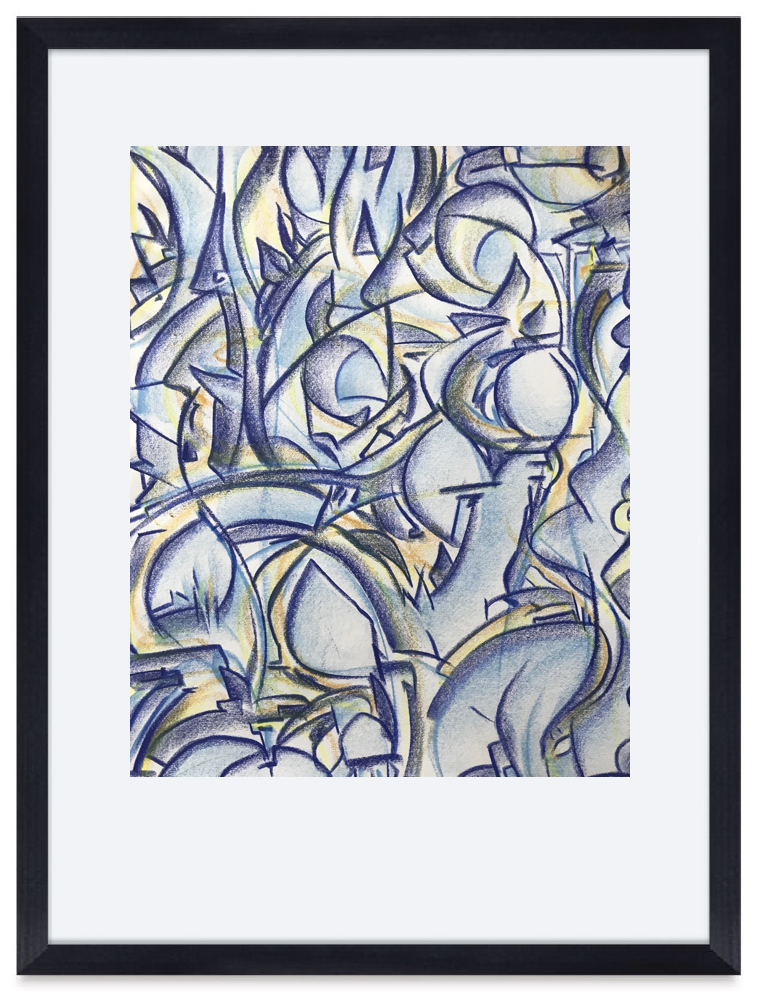
My work centers on intuitive, abstract, and neurographic art. I use automatic drawing, organic shapes, lines, color, and gesture to explore thoughts and emotions that are not always easy to express in words. Although I work in several mediums, I have become especially known for using crayons and for promoting what I call the “power of the crayon.”
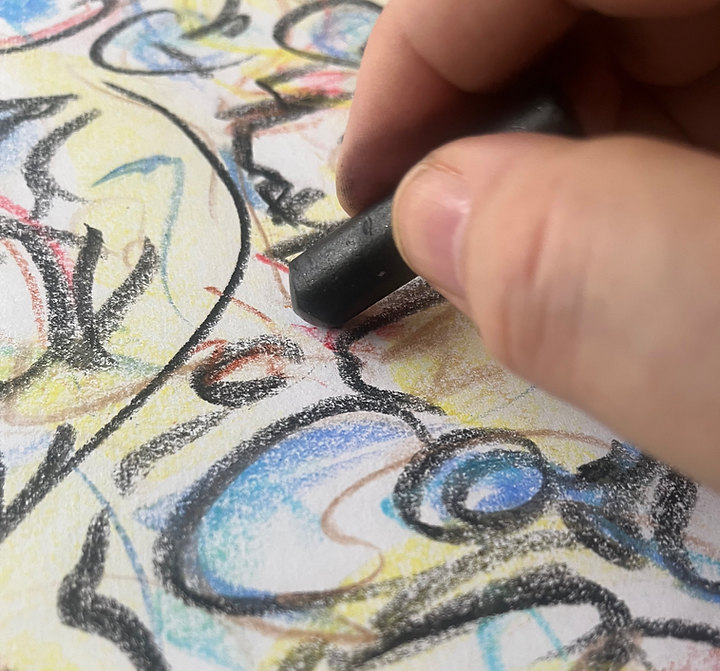
To me, crayons represent creative freedom. They are familiar, affordable, approachable, and free from many of the expectations people associate with fine art. I want people to see that creativity does not require expensive materials, formal training, or a perfect plan. Sometimes it begins with a simple mark on a page.
That philosophy led me to create Crayonuary, an annual art-journaling challenge that encourages people to make art every day throughout January. I am especially proud of seeing people participate who initially believed they were not artistic. Watching them become more confident, expressive, and willing to experiment has been incredibly rewarding.
I am also proud of writing Unlock Your Creativity: A Guide to Intuitive Drawing. The book grew out of several years of using intuitive drawing as a meditative practice, an emotional outlet, and a way to reconnect with my own creativity. I created it to give others a practical and welcoming path into that same experience.
Beyond my personal studio practice, I have exhibited my work nationally and internationally, taught workshops, participated in public art projects, and curated Art Rocks, a temporary public art project in Buda. These experiences have allowed me to connect individual creativity with community participation.
What sets me apart is the combination of traditional art training, professional communication experience, and a willingness to work with materials or methods that others might overlook. I bring the discipline of a designer and writer to my work, but I also leave room for spontaneity, intuition, and imperfection. I am less interested in telling people what art should be than in helping them discover what creativity can mean in their own lives.
My work centers on intuitive, abstract, and neurographic art. I use automatic drawing, organic shapes, lines, color, and gesture to explore thoughts and emotions that are not always easy to express in words. Although I work in several mediums, I have become especially known for using crayons and for promoting what I call the “power of the crayon.”
To me, crayons represent creative freedom. They are familiar, affordable, approachable, and free from many of the expectations people associate with fine art. I want people to see that creativity does not require expensive materials, formal training, or a perfect plan. Sometimes it begins with a simple mark on a page.
That philosophy led me to create Crayonuary, an annual art-journaling challenge that encourages people to make art every day throughout January. I am especially proud of seeing people participate who initially believed they were not artistic. Watching them become more confident, expressive, and willing to experiment has been incredibly rewarding.
I am also proud of writing Unlock Your Creativity: A Guide to Intuitive Drawing. The book grew out of several years of using intuitive drawing as a meditative practice, an emotional outlet, and a way to reconnect with my own creativity. I created it to give others a practical and welcoming path into that same experience.
Beyond my personal studio practice, I have exhibited my work nationally and internationally, taught workshops, participated in public art projects, and curated Art Rocks, a temporary public art project in Buda. These experiences have allowed me to connect individual creativity with community participation.
What sets me apart is the combination of traditional art training, professional communication experience, and a willingness to work with materials or methods that others might overlook. I bring the discipline of a designer and writer to my work, but I also leave room for spontaneity, intuition, and imperfection. I am less interested in telling people what art should be than in helping them discover what creativity can mean in their own lives.
Any big plans?
Looking ahead, I want to continue building a life in which my writing, art, teaching, and community work support one another. I do not see creativity as a single project or destination. I see it as an ongoing practice that continues to evolve.
One of my priorities is expanding Crayonuary and encouraging more people to participate. I would love to see it grow beyond an annual online challenge into a larger creative community with workshops, events, collaborations, and resources that help people develop a consistent art practice. The most meaningful part of Crayonuary has always been seeing someone move from saying, “I’m not an artist,” to becoming excited about creating.
I also plan to continue writing and developing accessible art education materials. My books have explored intuitive drawing, digital art, art history, and creative journaling, and I am interested in finding new ways to make those subjects welcoming and enjoyable.
I am looking forward to creating more opportunities to teach intuitive and neurographic drawing, both in person and online. I would also like to participate in more exhibitions, public art projects, and community-based programs. Projects such as Art Rocks showed me how art can bring people together and transform a shared space, and I would like to continue exploring that connection between personal expression and community engagement.
Professionally, I plan to keep growing as a writer and creative strategist while making more room for my personal art practice. The biggest change I am working toward is not necessarily one dramatic move. It is creating a more integrated creative life, one where writing, visual art, publishing, teaching, and collaboration are all part of the same larger purpose.
What I am most excited about is continuing to experiment. I still have new mediums to explore, new books to write, new people to teach, and new ideas to follow. As long as I remain curious and willing to make that first mark, I feel like the most interesting part of the journey is still ahead.
Contact Info:
- Website: http://www.twelvesquared.com
- Instagram: im12squared
- Facebook: 12squaredart
- LinkedIn: https://www.linkedin.com/in/ron-gross-b4042b1a1/
- Twitter: TwelvesquaredG